How are Geisha Coffee Beans Classified and How to Brew Different Processing Methods for the Best Taste?
What Is Geisha Coffee?
Everyone talks about Geisha, but what is it, exactly? Simply put, Geisha (or Gesha, as it is spelled in Central America) is a coffee variety — and a precious one. It offers rich sweetness, an extremely clean mouthfeel, and abundant aromas running from berries and citrus to mango, papaya, and peach, with a distinct bergamot-like aftertaste as one of its signature traits. To this day, Geisha remains the champion among coffee varieties.
Geisha is inseparable from Panama's Hacienda La Esmeralda, where it won its fame. The variety was discovered in 1931 in Ethiopia's Gori Gesha forest, sent to Kenya's Coffee Research Institute, introduced to Uganda and Tanzania in 1936, brought to Costa Rica in 1953, and reached Panama in 1970. Few paid it much attention until Hacienda La Esmeralda separated it from its other varieties in 2003 — and it won the Best of Panama competition in 2004.
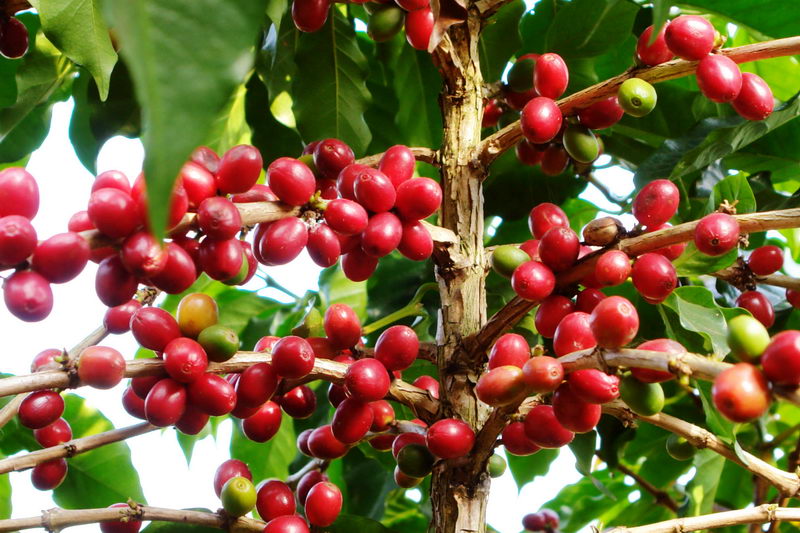
So Geisha came from Ethiopia — but are Ethiopia's village Geisha and Esmeralda's Geisha the same variety? No. Ethiopia is coffee's genetic library, full of varieties yet to be catalogued: the coffee from Ethiopia's Gesha village is the Gori Gesha variety, while Esmeralda's is the Geisha variety proper, and the flavors differ accordingly — Esmeralda's being generally considered the finer cup.
Panama's Growing Environment
Coffee-producing countries grade beans in different ways — by size, by defect count, by altitude — so how is Geisha graded?
First, consider Panama's climate. Geisha was never celebrated in Ethiopia, yet it became famous at Esmeralda. What kind of environment produces such coffee? Geisha is particular: it needs high-altitude planting under cloud cover or generous shade trees, and fertile soil. High-altitude Geisha shows distinct florals and refined, elegant fruit acidity — grace notes behind its worldwide popularity.
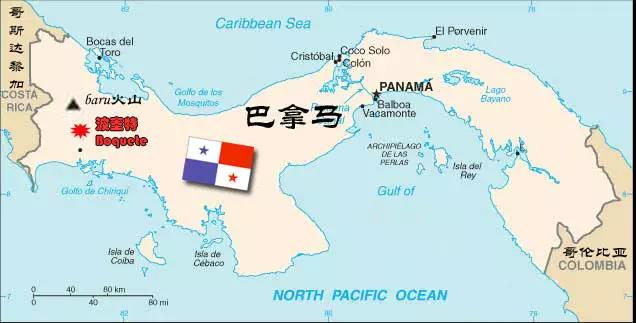
Panama borders Costa Rica and Colombia. Cold air currents funnel through the country's central mountains and converge above 1,900 meters, creating a unique microclimate in the Boquete and Piedra de Candela regions — temperatures and rainfall close to ideal for coffee, making this Panama's main producing area. Fertile, nutrient-rich soils complete the picture and give rise to many distinctive, high-quality coffees.
Hacienda La Esmeralda
Because Geisha trees yield poorly, the estate's previous owner used them as windbreaks. The Peterson father-and-son team discovered their potential after cupping beans from different parts of the estate, and decided to cultivate those trees separately. From winning the 2004 Best of Panama green bean competition onward, their success was remarkable; expert identification later confirmed the trees were the Ethiopian Geisha variety. The Petersons then poured their energy into infrastructure that would support meticulous lot separation and precise processing.
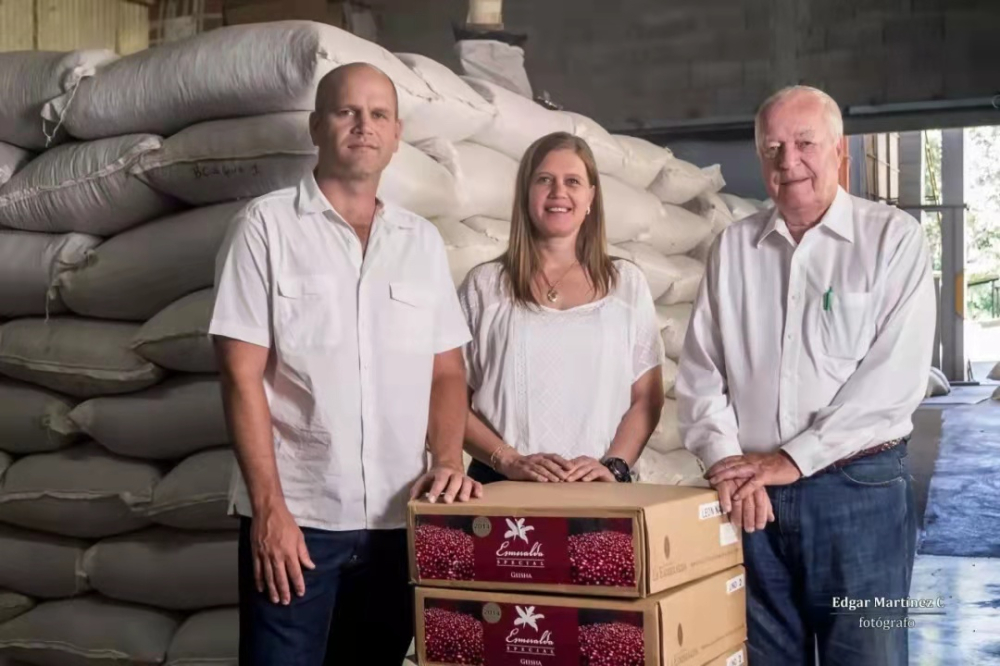
To be precise, after identifying the flavor potential, the estate cupped beans plot by plot and organized its plantings by altitude. That is how the Red, Green, and Blue Label tiers came about — graded primarily by altitude, with cupping scores as the secondary criterion.
Red Label Geisha
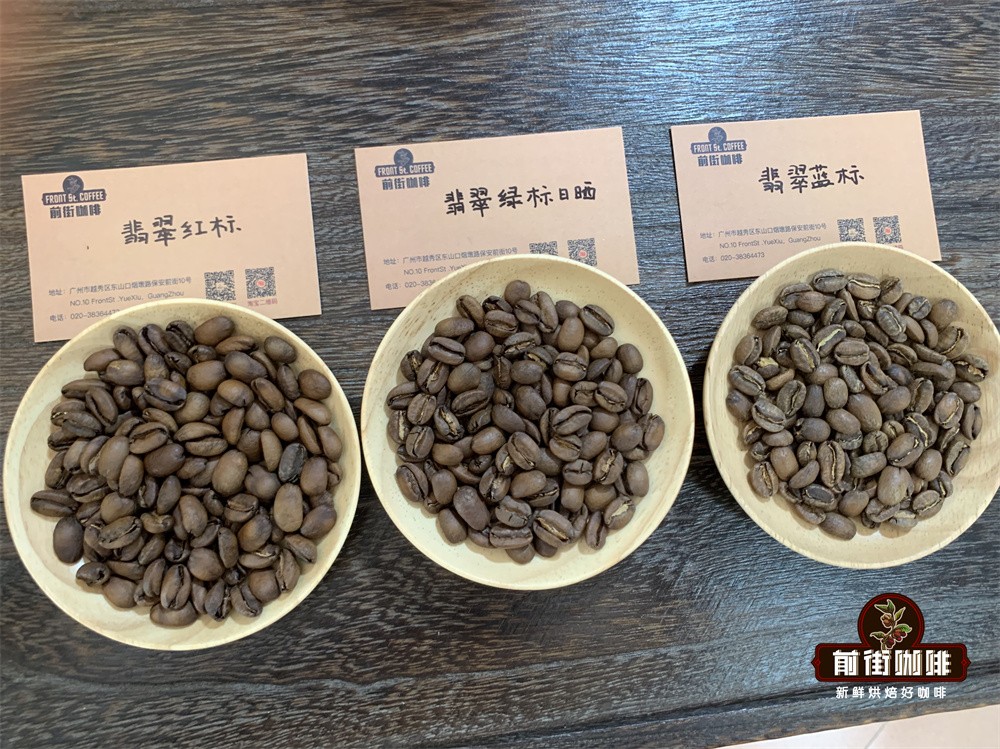
The Esmeralda Special Selection is the famous Red Label: Geisha grown at 1,600–1,800 meters in the Jaramillo and Canas Verdes areas, cupping above 90 points. FrontStreet Coffee's Red Label comes from Canas Verdes, natural-processed, with distinct rose aromas and berry sweet-tartness and a full, juicy sensation filling the mouth.
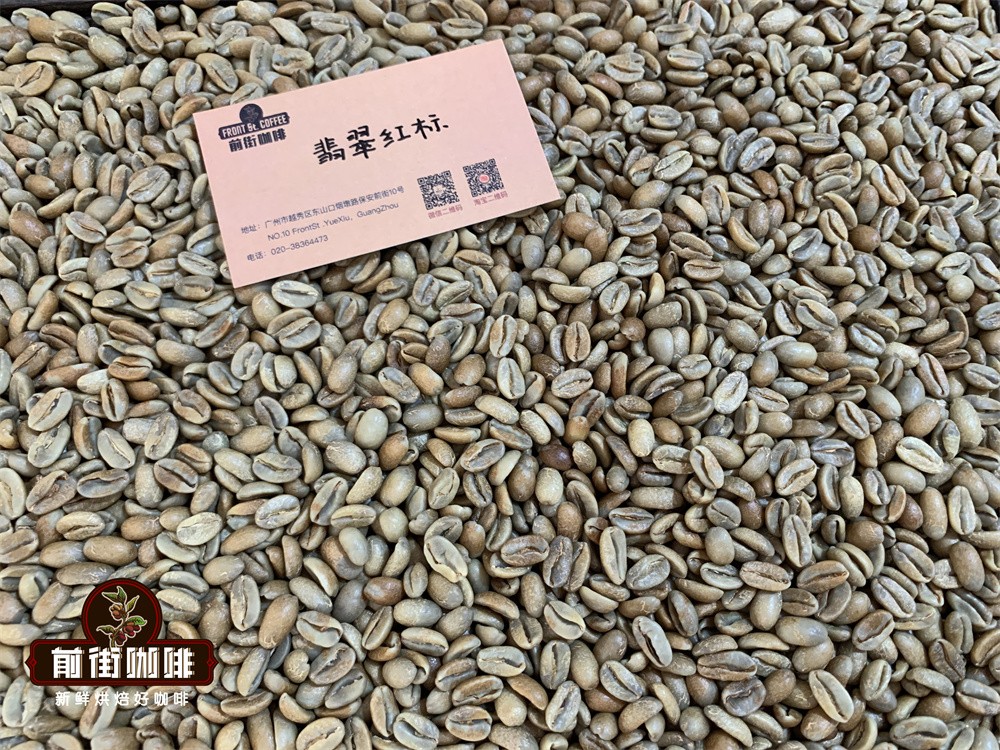
Esmeralda's own independent auction offers Geisha from designated plots — the auction Red Labels. Non-auction Red Labels also circulate: same plots, same variety quality, only the pricing differs.
Red Label Geisha is natural or washed processed, with special bright florals and citrus notes.
Green Label Geisha
Private Collection is the Green Label: not competition lots, but Geisha of excellent quality that skips the auction, blended from micro-lots across plots such as Jaramillo and Canas Verdes at 1,600–1,800 meters.
Because it is blended rather than plot-specific, one Green Label batch may taste remarkably close to a Red Label — and the next may differ.
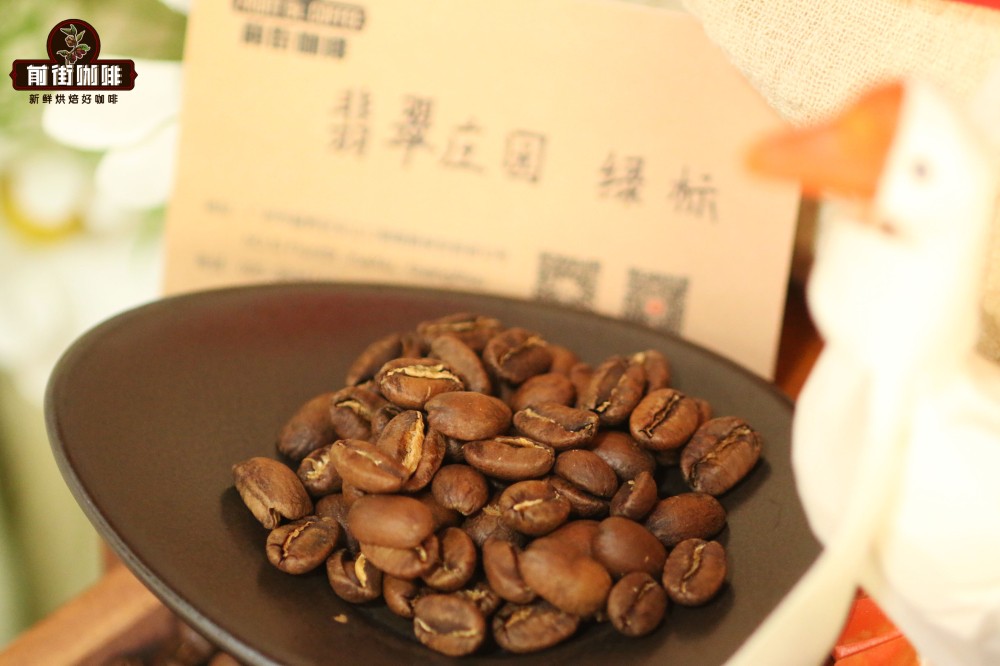
Though a tier below the Red Label, the Green still carries classic Geisha character — florals, fruit, citrus acidity, and a thick juicy texture. FrontStreet Coffee considers it an excellent entry point. Our Green Label comes both washed — floral, fruity, citrusy, fresh and clean — and natural, which keeps those washed base notes while adding a thicker, juicier body.
Blue Label Geisha
Blue Label grows at 1,400–1,500 meters and blends beans from three plots: Jaramillo, Canas Verdes, and El Velo. For years it was washed-only, but the 2020 batch added a natural process.
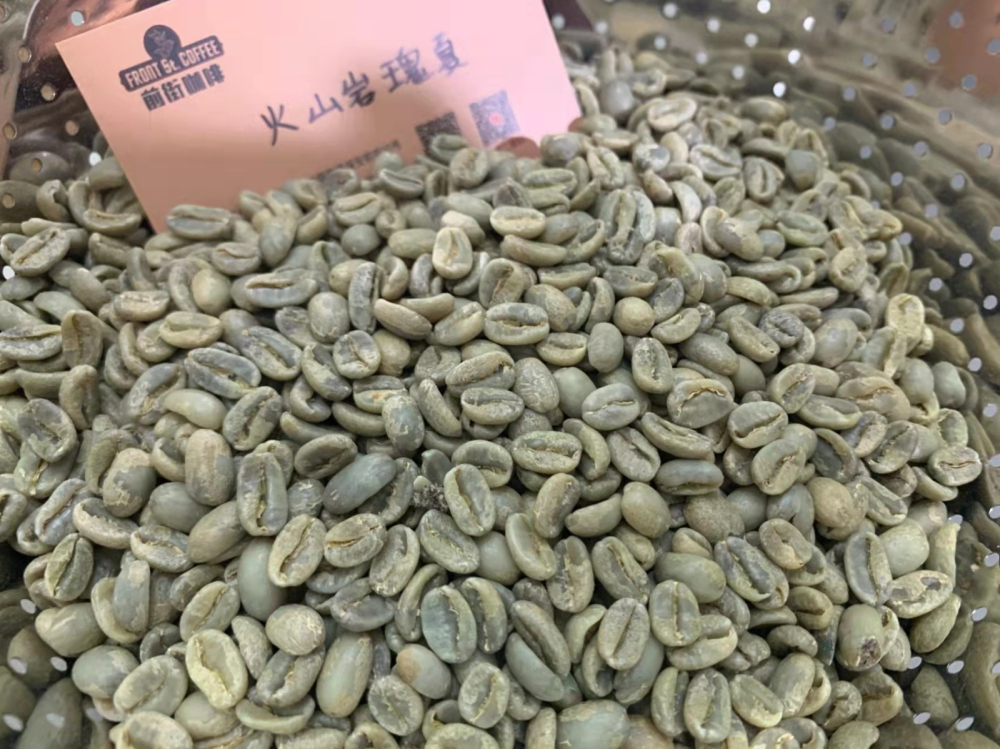
In the 2021 season, however, the estate discontinued the Blue Label line. The coffee from those plots went to a brand that launched it as "Las Rocas" — volcanic rock Geisha. In the consumer market, the old Blue Label simply changed names while keeping the same flavor.
FrontStreet Coffee Brewing Recommendations
Freshness is crucial. Coffee shipped by FrontStreet Coffee is roasted within 5 days of dispatch, because freshness governs flavor. Our roasting philosophy is "freshly roasted, good coffee," and with a resting period of about 4–7 days, beans typically reach peak flavor right around arrival.
If you need pre-ground coffee, that's fine too — with one reminder: pre-ground coffee needs no resting, since the pressure of built-up carbon dioxide in the package during transit rounds out the flavors, so you can brew immediately on receipt. But ground coffee oxidizes quickly, and its flavors dissipate fast, so brew it promptly. For the best experience, buy whole beans and grind fresh before each brew.
FrontStreet Coffee Geisha Brewing Parameters
Because our Panama Geisha is lightly roasted, we brew it with a Hario V60, a finer grind, and a higher water temperature.
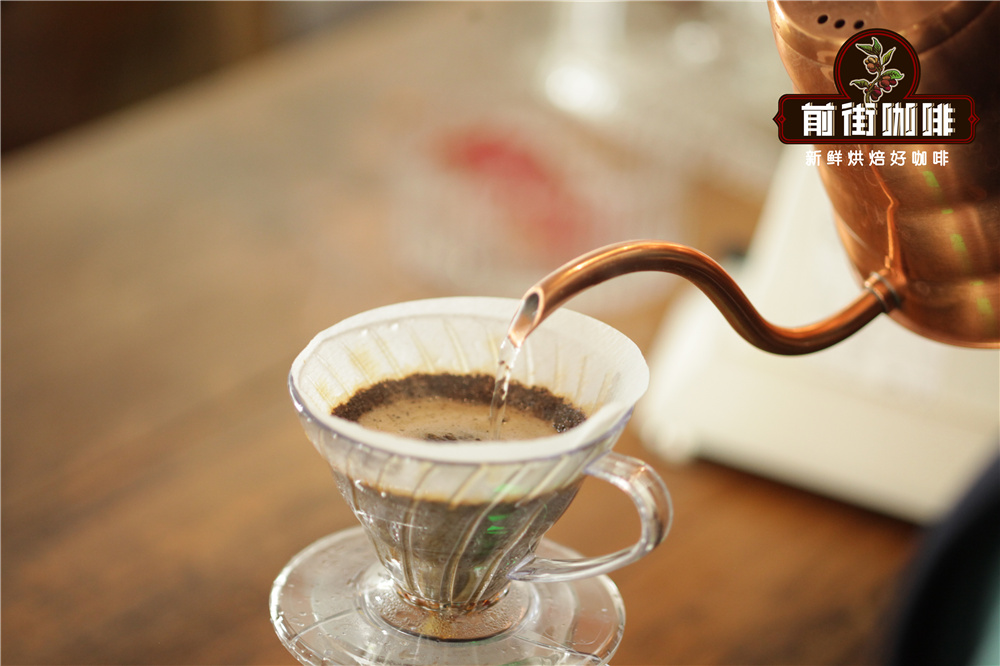
Our recipe: V60 dripper, 90°C water, 1:15 ratio, 15g of coffee, grind at an 80% pass rate on the #20 standard sieve.
Bloom with twice the coffee weight in water — 30g for 30 seconds — letting the grounds vent carbon dioxide so the later extraction runs stable. Then pour in small circles to 125g, continue to 225g, and stop. When the dripper drains, remove it. Counting from the first pour, extraction takes 2'00". Swirl the full cup to homogenize, then pour and taste.
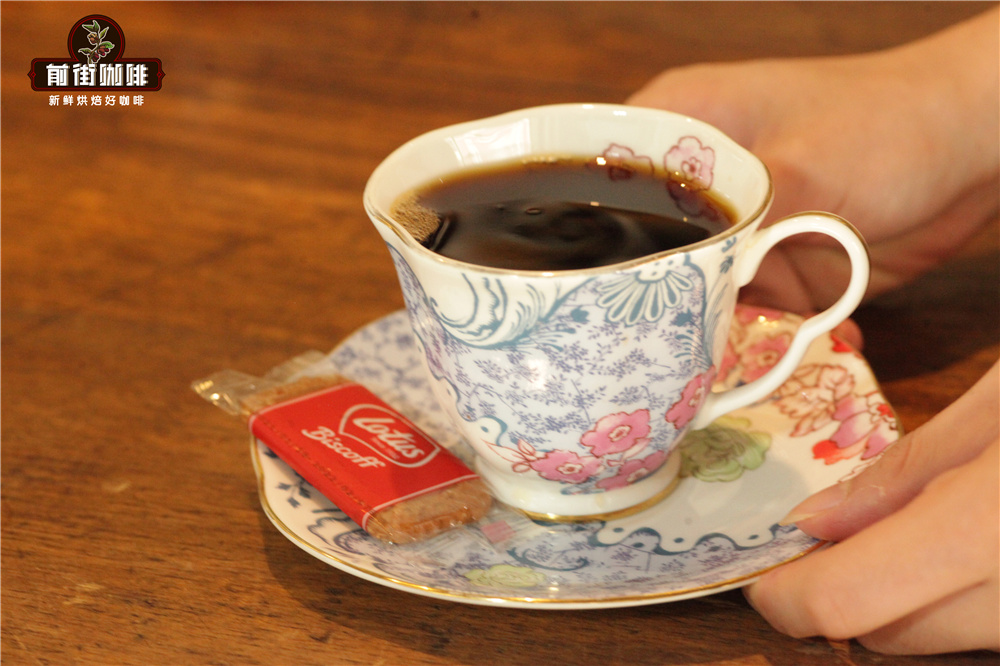
Esmeralda Red Label flavor: bright rose and citrus aromas, brown rice, berries, apricot, complex fruits, honey, thick juiciness, layered depth, and distinct sweetness.
Esmeralda Green Label flavor: rich jasmine, high sweetness, citrus, berries, juicy body, cream, green tea, orange peel, cantaloupe — layered throughout, with florals and citrus persisting in the finish.
FrontStreet Coffee Volcanic Rock (Las Rocas) flavor: ginger flower, citrus, honey, pomelo.
Geisha this good tends to make drinkers curious about other origins. Besides Esmeralda, FrontStreet Coffee also carries Panama's Elida Estate and Boquete Geishas, Costa Rica's Mirasu Geisha, Colombia's Hanami Geisha, and Panama's Mariposa Geisha. These are Geisha blends, but if you want Geisha character without the top-shelf price, they are excellent choices.
FrontStreet Coffee Recommendation
A Ladder of Geishas, from Entry to Pinnacle
Geisha translates from "Geisha" and is one of Arabica's most beloved varieties, its unique florals and superb sweet-acid balance having won over countless coffee lovers — while low yields, weak disease resistance, and demanding cultivation keep prices climbing. Knowing the tiers is the key to drinking well without overspending:
The FrontStreet Esmeralda Red Label ("Esmeralda Special") grows at 1,600–1,800 meters, each batch cupping above 90 points, each drawn entirely from a single plot with its own lot number — our Red Label comes from the Jaramillo plot — so buyers can choose the lot that matches their palate. The Green Label ("Private Collection") blends batches across plots to express Esmeralda's signature high-altitude Geisha profile at a friendlier price, making it outstanding value. Newcomers who want a first taste of the legendary "Geisha flavor" should start with the FrontStreet Boquete Geisha: an entry-level Panama Geisha offering the classic orange-blossom honeyed aroma, an oolong-tea texture, delicate fruit acidity, and clean layers at an accessible price.
Ethiopia, coffee's birthplace, has its own Geisha estates too. The FrontStreet Gesha Village Gold Label — the Geisha 1931 variety, just 10% of the estate's output and its finest coffee outside the auctions, given an elaborate natural process — shows complex, layered flavors from dry fragrance to finish, and is a frequent pick of competition baristas. The Gesha Village Red Label, a Gori Gesha lot making up 15% of production and scoring 88+ on the SCA 100-point scale, is the estate's single-terroir series, with full traceability down to farm block, variety, and processing date. And the FrontStreet Genji Challa-style Granadilla (Genlana) Gesha comes from a station founded in 2014 by Israel Degefa amid 700 hectares of fertile, shaded forest at the border of Kochere and Abaya: hand-picked ripe cherries, raised-bed natural drying for 14–20 days, and a medium-light roast that yields bright citrus acidity, elegant ginger-flower aromas, the full sweetness of mature fruit, and Geisha's signature refined finish.
Important Notice :
FrontStreet Coffee is a long-established specialty coffee roaster in Guangzhou China, selling freshly roasted beans from its own farm in Yunnan as well as dozens of carefully selected single-origin beans from around the world for both pour-over and espresso. The products deliver consistently excellent quality and great value, with shipping within 24 hours. Guangzhou's FrontStreet Coffee shop is recommended by many coffee lovers, and the beans are now available online at the Tmall 。
FrontStreet Coffee has moved to a new address:
FrontStreet Coffee Address: 315,Donghua East Road,GuangZhou
Tel:020 38364473
 Scan and follow the En Gafei WeChat official account. Please indicate that the reprint comes from "En Gafei".