Starbucks Cold Brew Coffee. How to Make Cold Brew Coffee. How to Make Iced Coffee.
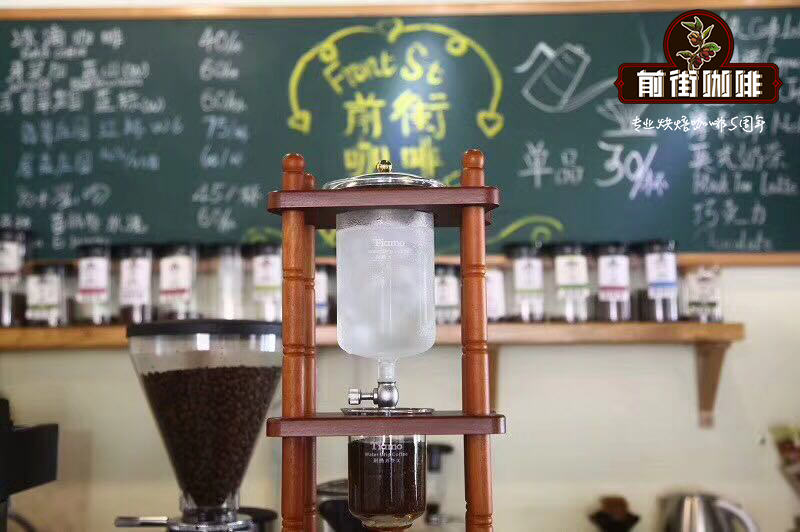
The Ultimate Guide to Iced Coffee: Ice Drip vs Cold Brew
Summer is here, and for coffee lovers nothing beats a refreshing glass of iced coffee. If you steer clear of high-calorie options, care about mouthfeel and aftertaste, and enjoy exploring new flavors, why not try the goddess-tier drinks of the iced coffee world this summer: ice drip coffee and cold brew coffee.
Compared to hot-water extraction, ice drip and cold brew offer uniquely wonderful flavors, and their cool textures are tailor-made for summer. An extraction that spans hours, paired with beautiful brewing equipment, refreshes body and soul before you even take a sip — just watching the ice cubes gleam like miniature icebergs is invigorating. Let's explore both methods together.
Ice Drip Coffee: The Dutch Innovation
Ice drip coffee is also known as Dutch coffee. Legend has it that during the Dutch colonial era in Indonesia, they cultivated many robusta varieties with strong, bitter flavors (see also: the differences between Arabica and Robusta). To make those bitter beans drinkable in the tropics, they invented a device that brews coffee with slowly dripping cold water. Simply put, ice drip coffee achieves a richer, smoother aroma and taste — something like wine — through low-temperature extraction with ice water.
Curiously, although ice drip coffee was invented by the Dutch, you can hardly find it in the Netherlands itself. Instead, it sparked a craze across Asia. In Japan, ice drip coffee has several hundred years of history, which is why it's also called "Kyoto coffee" or "Japanese-style slow-drip." In South Korea, almost every cafe sells it, and many of the famous ice drip equipment brands come from Japan and South Korea.
The Differences Between Iced, Cold Brew, and Ice Drip Coffee
Iced Coffee
Iced coffee is a cold beverage made by extracting coffee quickly with hot water, then adding ice or flash-chilling it. Preparation takes about 2-3 minutes.
Advantages: Convenient and quick.
Disadvantages: Flavor can dilute as the ice melts.
Cold Brew Coffee
Cold brew has been this summer's hottest beverage keyword worldwide. The concept resembles cold-brewed tea: a large amount of coffee grounds is steeped directly in cold water below 5°C for extended low-temperature extraction, taking about 8-12 hours. It's also known as ice-brewed coffee.
After several hours of refrigeration, excess oils are filtered out and the coffee is bottled. This method amplifies coffee's flavors and aromas while lowering acidity, producing a cleaner, purer cup. Cold brew actually tastes better the colder it gets, so you don't need to dilute it with ice. In the United States, it's popular to add equal parts coconut water, which brings out an even purer coffee sweetness.
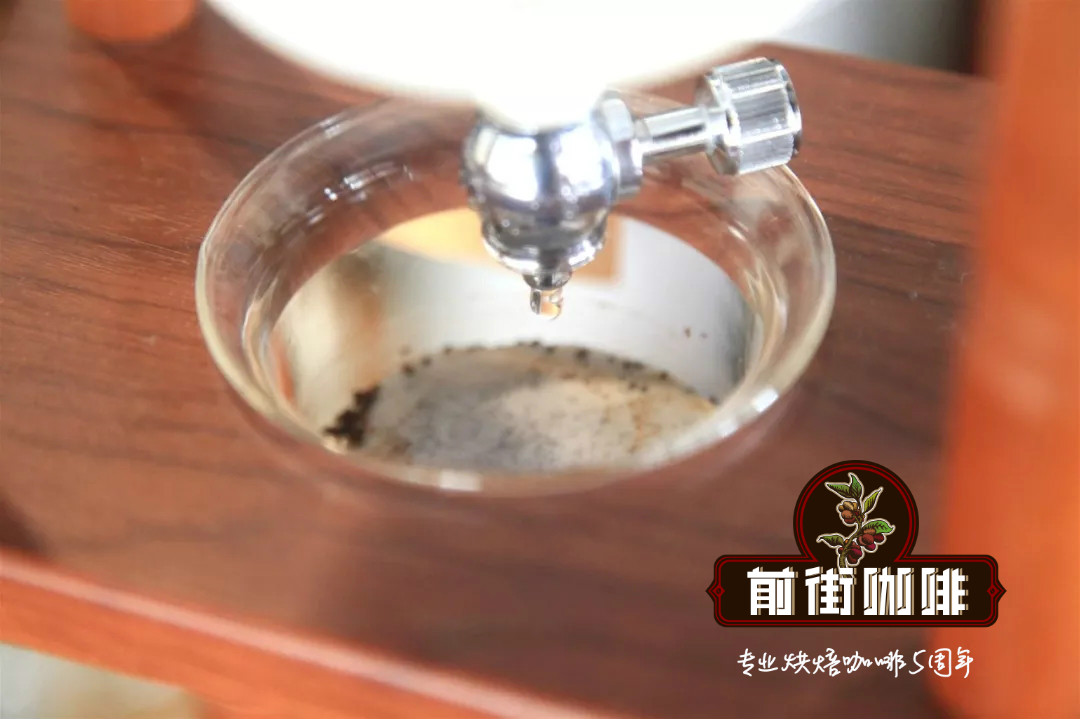
Dripo travel cups work for both cold brew and ice drip — all you need are ice water and coffee grounds. First add the grounds, then lay the round filter paper on top, and finally pour in the ice water to start brewing!
Advantages: Because boiling water is never used, the low-temperature water doesn't force out impurities and bitter compounds — one reason so many people prefer cold brew. The result tastes fresher and slightly sweeter, with reduced acidity and bitterness and a smoother mouthfeel.
Disadvantages: Because water and coffee are in contact far longer, cold brew has the highest caffeine content of the three — perfect for when you need to stay sharp.
Ice Drip Coffee
Ice drip coffee is made by extracting flavor compounds from the grounds with evenly dripping cold water, drop by drop, taking roughly 4-8 hours depending on the size of the equipment. The resulting flavor varies with the roast level, water amount, water temperature, dripping speed, and grind coarseness.
Advantages: With cold water drip-filtering through, the coffee is fully saturated and moistened, producing a smooth, non-acidic cup that is gentle on the stomach. The best beans for ice drip are typically deep-roasted Mandheling or a refreshing Yirgacheffe from Ethiopia.
Disadvantages: Dripping speed must be controlled. At a slow pace of 7 drops per 10 seconds, water and coffee have more time to blend and the flavor is richer; if it drips too fast, the cup turns weak and may overflow; too slow, and the coffee can ferment, picking up sour, wine-like notes.
FrontStreet Coffee's Tips for Making Ice Drip Coffee
FrontStreet Coffee recommends watching these details when making ice drip coffee:
- Coffee beans : water : ice cubes ratio is 1:5:5.
- You can tamp the grounds, but not forcefully — the weight of the tamper alone is enough. Tamping levels the bed; it should not compress it. Untamped grounds float up when water is poured in; tamped too hard, water can't pass through and channeling occurs.
- Always place a filter paper on the surface of the grounds. The paper's tension spreads water evenly; without it, hours of dripping will carve a crater into the coffee bed.
- Use ice water for a pre-soak — similar to blooming in pour-over — to improve extraction efficiency and consistency. Dripping without a pre-soak can moisten the bed unevenly, over-extracting some grounds while others never join the extraction at all.
- After brewing, pour the coffee into a sealed glass bottle and let it rest in the refrigerator overnight. The flavors meld together, and the result tastes better and drinks easier.
FrontStreet Coffee's Bean Recommendations
FrontStreet Coffee suggests using honey-processed or natural-processed beans for ice drip: their rich flavor layers, prominent fruity sweetness, and fermentation aromas pair wonderfully with the method!
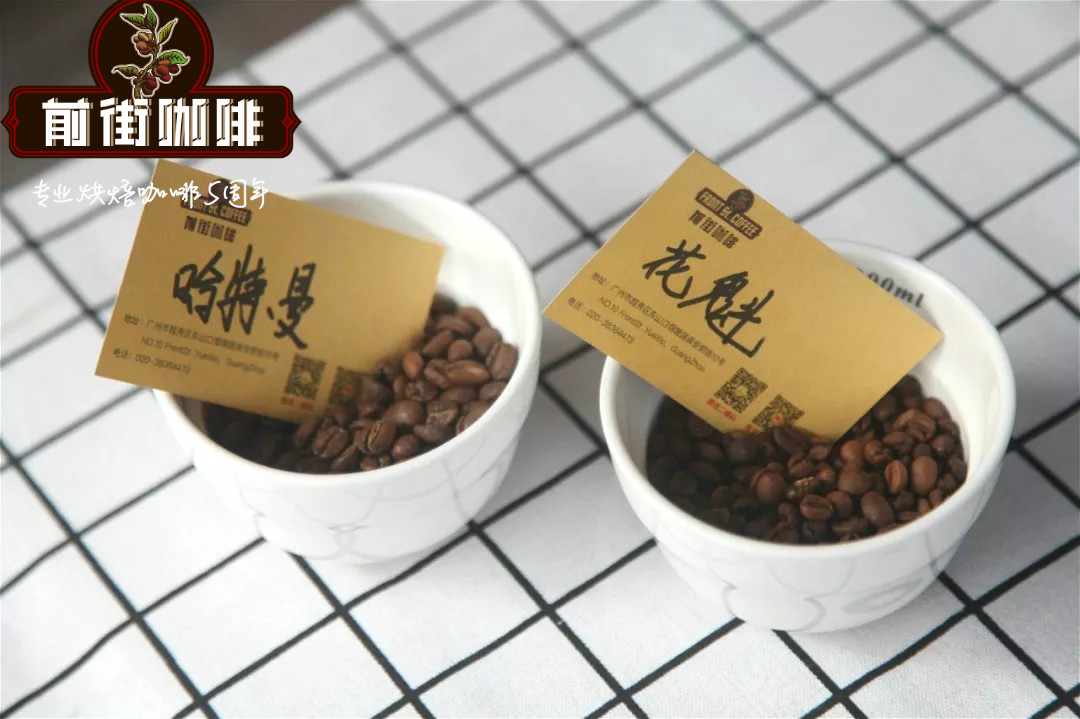
FrontStreet Coffee Recommendation
For the deep-roasted Mandheling that ice drip handles so beautifully, FrontStreet Coffee's wet-hulled Indonesia Mandheling is the classic choice. It comes from the Lake Toba area of the Lintong region in Sumatra, where the beans are hulled while half-dry, half-wet — the famous wet-hulled (giling basah) process that leaves the greens fully exposed during drying and gives the cup its signature herbal, spicy character. Roasted medium-dark, it is low in acidity and mellow, with caramel, dark chocolate, and toast aromas and a long, sweet finish — ideal for anyone who loves a strong cup.
If you want the top expression of Sumatran coffee, FrontStreet Coffee's PWN Golden Mandheling is the flagship. PWN sources only premium Mandheling lots and screens them ruthlessly for density, size, shape, and color — the beans pass machine and hand sorting to remove defects, keeping the beans large, even, and bright while cutting down the earthy, grassy notes. Legend has it the beans gleam golden in the sun, hence the name. Freshly roasted, it offers sandalwood, herbs, spice, roasted hazelnut, caramel, and dark chocolate with a clean, mellow, deeply layered cup.
And if you prefer your iced coffee with milk, FrontStreet Coffee's classic espresso blend carries on the old Mamba tradition — a Mandheling-Brazil mixture that blends Mandheling's wildness with Brazil's smooth body, with nutty sweetness tempering Mandheling's strong bitterness and herbal edge. Deep roasted for maximum dark chocolate, nut, and caramel notes, it's easy enough for a beginner to pull a proper Sumatran-style shot.
Important Notice :
FrontStreet Coffee is a long-established specialty coffee roaster in Guangzhou China, selling freshly roasted beans from its own farm in Yunnan as well as dozens of carefully selected single-origin beans from around the world for both pour-over and espresso. The products deliver consistently excellent quality and great value, with shipping within 24 hours. Guangzhou's FrontStreet Coffee shop is recommended by many coffee lovers, and the beans are now available online at the Tmall 。
FrontStreet Coffee has moved to a new address:
FrontStreet Coffee Address: 315,Donghua East Road,GuangZhou
Tel:020 38364473
 Scan and follow the En Gafei WeChat official account. Please indicate that the reprint comes from "En Gafei".