Coffee Drink Types and Preparation Tutorial: Milk Coffee Beverage Differences and Mocha Coffee Bean History
In today's specialty coffee scene, more and more people are falling in love with coffee. Are you still hesitant at the counter of a coffee shop because you don't know how to order? Today FrontStreet Coffee will walk you through a typical cafe menu, explaining the different types of coffee drinks and briefly telling the story behind each one, so you can find the drink that suits you best.
What You'll Learn from This Article
- The most popular espresso-based beverages
- An in-depth look at how they are made
- The history behind them and how they came to be
Every drink on the menu is built on espresso, which means a double shot is the foundation of each one. First, let FrontStreet Coffee explain what espresso actually is!
What is Espresso?
Espresso is coffee brewed on an espresso machine under appropriate pressure (typically 9 bars). Getting the water to pass through the puck correctly, within the right time, is crucial to avoiding under- or over-extraction. If the extracted espresso looks pale and tastes sour, the grind is probably too coarse. If it tastes intensely bitter and the extraction time drags on, the grind is most likely too fine.
Take FrontStreet Coffee's own extraction as an example: we pull 35 grams of espresso liquid from 20 grams of grounds. This ratio is not absolute, though; it depends on the flavor you are chasing. Push the yield higher and the shot becomes thinner with more pronounced bitterness. Pull less liquid and the shot becomes thicker, richer, and more concentrated, but incomplete.
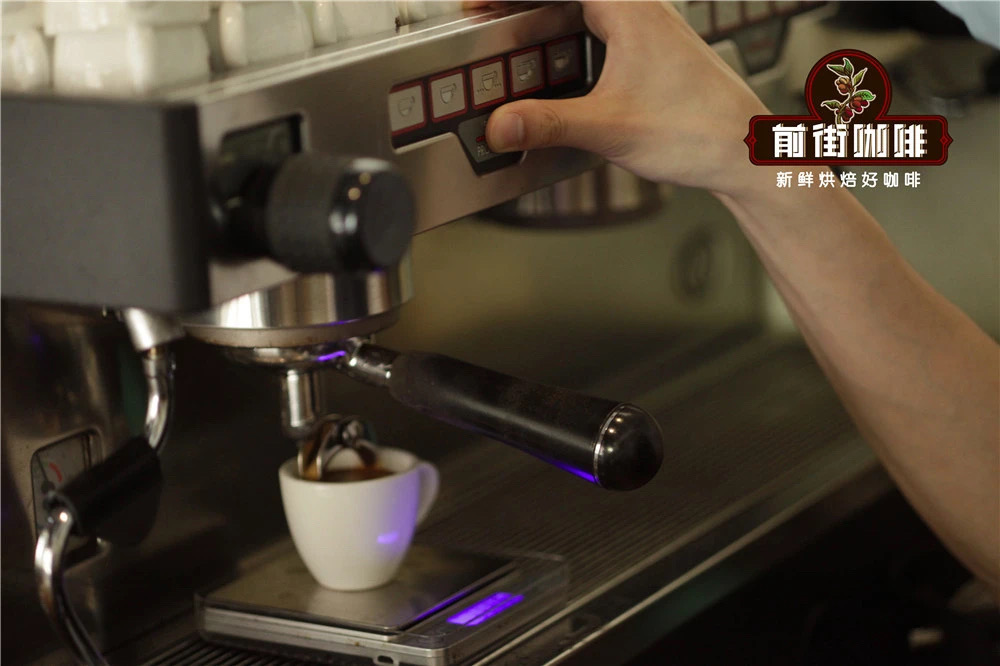
The SCA (Specialty Coffee Association) offers a general definition: "Espresso is a 25-35 ml beverage prepared from 7-9 grams of coffee (14-18 grams for a double) through water at 90.5-96.1°C under 9-10 atmospheres of pressure, with the grind adjusted to achieve a brewing time of 20-30 seconds."
The History and Origin of Espresso: Where It All Began
In 1884, Angelo Moriondo was the first to patent his "steam-driven instant coffee beverage making device," considered one of the earliest ancestors of the espresso machine.
In 1901, Luigi Bezzera made numerous improvements to the original design, patented it, and went on to sell it. From then on, espresso became the base for countless coffee drinks and rapidly gained popularity through the 1990s in the United Kingdom.
Americano
What is an Americano?
An Americano is espresso topped up with hot water. It is often confused with pour-over or drip coffee, but the two are quite different: drip coffee is made with filtering devices such as the AeroPress, Kalita, V60 dripper, or Chemex.
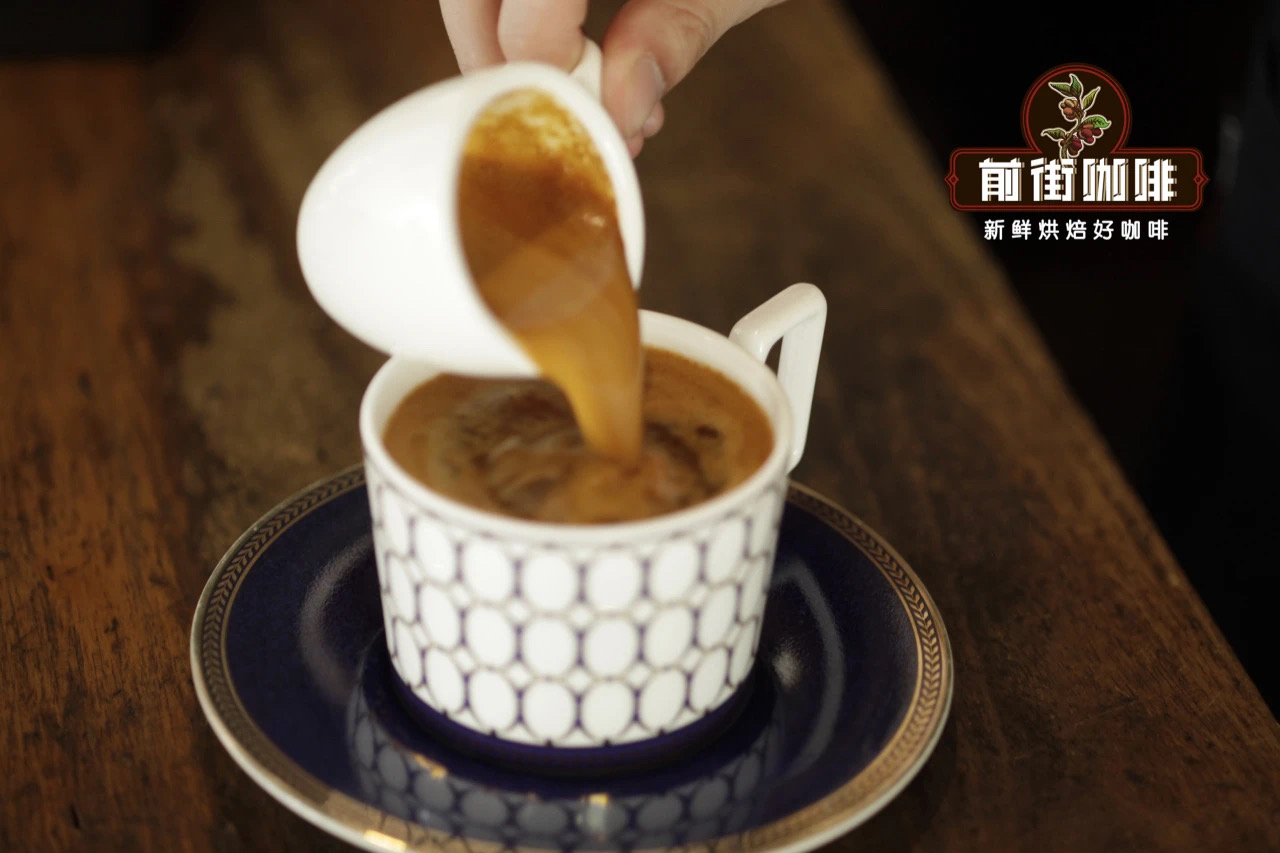
Although the story has never been officially confirmed, the Americano is widely believed to date back to World War II, when American soldiers stationed in Italy diluted espresso with hot water to recreate the milder brew they knew from home. The name "Americano" stuck and has been used ever since.
Milk-Based Coffees and Their Differences
What is a Latte?
A latte consists of the same three components as a cappuccino: espresso, steamed milk, and milk foam.
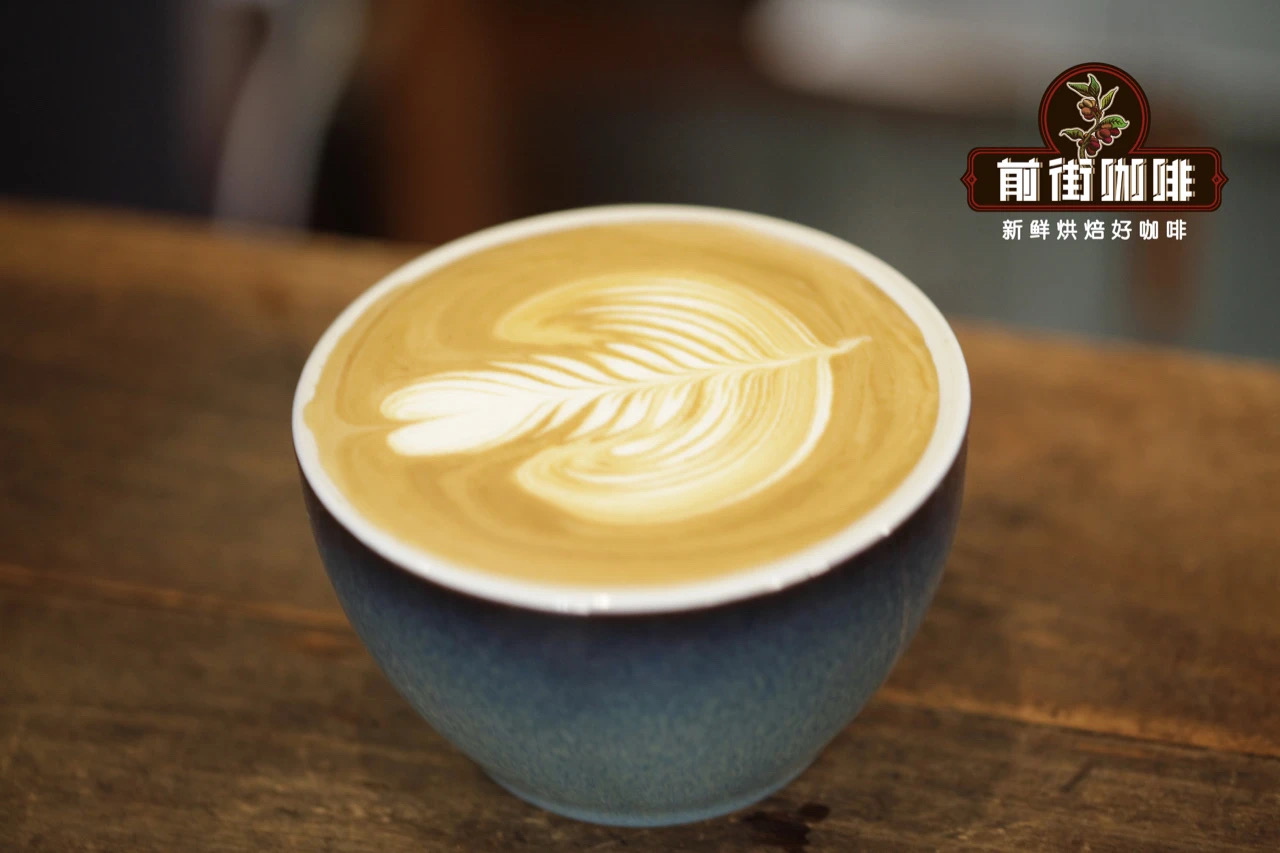
Adding milk to coffee goes back to the 17th century, when people wanted coffee's stimulating effect without all the bitterness.
Back then, cappuccinos and lattes were so similar that no strict distinction existed. In 1867, the term "caffe latte" appeared in "Italian Journeys," an essay by the novelist, playwright, and critic William Dean Howells; it is the first recorded use of the term in English.
What is a Cappuccino?
One of the most famous hot drinks anywhere, the cappuccino is likewise composed of espresso, steamed milk, and milk foam. It carries the richest milk foam of the three, which pairs with the espresso to create its signature texture.
Where Did Cappuccino Originate?
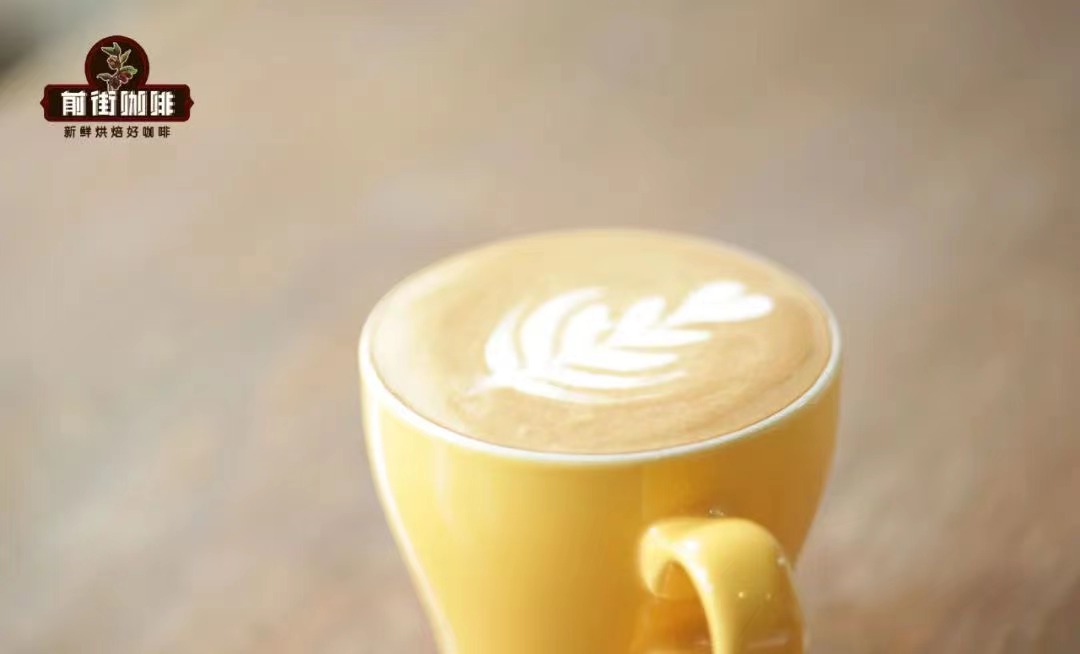
By the late 18th century, parts of Europe had begun filtering coffee to make a smoother beverage. In Vienna's coffee houses, with the addition of cream and sugar, the term "cappuccino" was born: "Capuchin" refers to a hood or cloak, and Viennese monks of the time wore brown robes the same color as the drink. That is how this now world-famous beverage got its name.
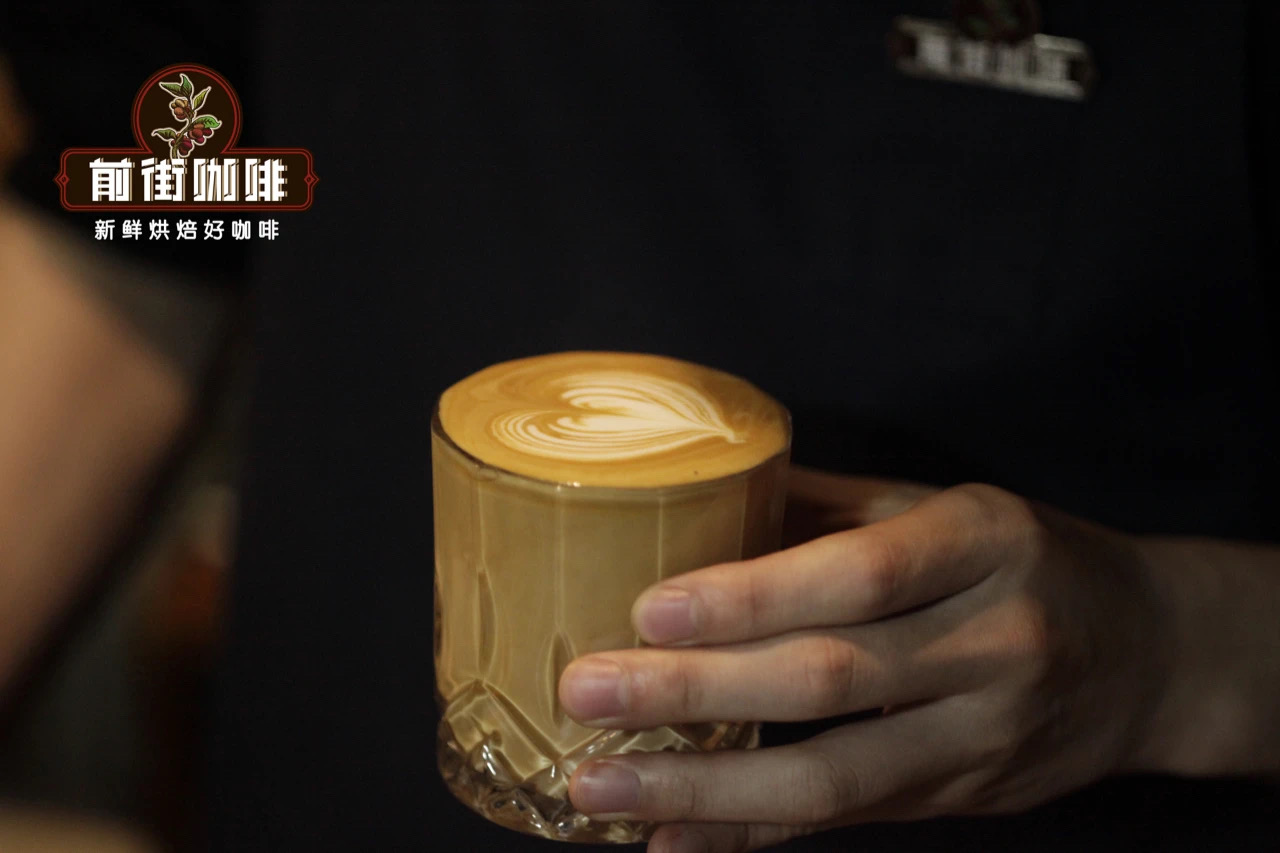
What is a Flat White?
A flat white resembles a latte but uses different proportions, giving it a bolder flavor. Lattes are typically served in 8-10 ounce cups, while flat whites come in 6 ounce cups, so the coffee-to-milk ratio works out to roughly 1:3.
Where Did the Flat White Come From?
Its origin is hotly contested. According to Starbucks, the flat white is an Australian invention. Since emerging in Australia in the 1980s, the drink has become a staple in UK coffee shops and a new favorite among coffee lovers in the United States and Canada. Starbucks customers in Australia have been enjoying it in stores since 2009, and UK customers since 2010.
New Zealand coffee enthusiasts, however, strongly dispute that claim and insist that Wellington is the true birthplace of the flat white.
What are the Differences Between Latte, Cappuccino, and Flat White?
Broadly speaking, a cappuccino's espresso, milk, and foam sit at a 1:1:1 ratio. A latte has less foam than a cappuccino, and a flat white has almost none at all, served in a smaller cup.
What is a Mocha?
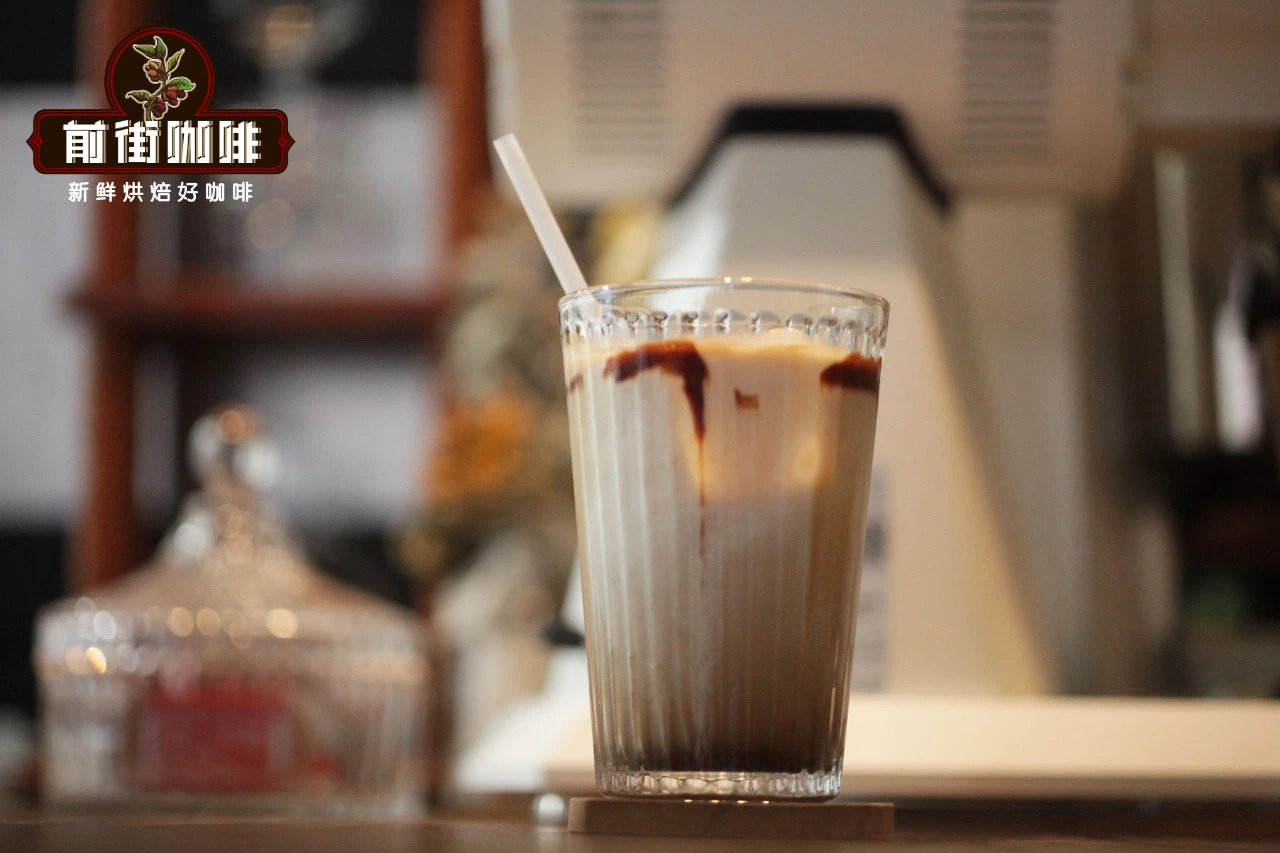
A mocha is simply a coffee drink with chocolate added, and it is a permanent fixture on cafe menus everywhere.
The History of Mocha Coffee
You may have asked yourself what "mocha" actually means and what it has to do with chocolate. The name comes from varieties of coffee grown in Yemen, named after the port of Mocha from which the beans were shipped. Locals spoke of this unusual coffee bean with its chocolatey character, and as chocolate became increasingly common across Europe, many countries began adding it to coffee for sweetness and pleasure.
What is a Macchiato?
A macchiato is punchier than a latte, delivering more intense flavor and caffeine. In Italian, macchiato means "stained" or "spotted," a nod to the dollop of milk foam on top. Traditionally it is served in a small espresso cup with just 1-2 teaspoons of hot milk poured over.
The wildly popular caramel macchiato, by contrast, departs from that traditional definition and is much closer to a latte: the method is the same, except caramel sauce is drizzled on top of the drink.
Beyond these common options there are many more styles to explore, such as Irish coffee, Viennese coffee, Vietnamese coffee, and Turkish coffee. If you are curious, set aside some leisure time, visit a nearby coffee shop, and chat with the barista!
Connect with Coffee Professionals
For more professional coffee knowledge and coffee bean information, follow FrontStreet Coffee's latest articles and updates.
FrontStreet Coffee Recommendation
Once you know your milk coffees, the next step is choosing beans that shine with milk. FrontStreet Coffee's Classic Blend is designed specifically for espresso machines and moka pots, famous for its exceptionally thick, silky crema. Built on the traditional Mandheling-Brazil formula, it tastes mellow and smooth, and it anchors lattes, cappuccinos, and Dirty drinks alike; it suits both home and commercial use and is an easy first choice. If you want great taste at a friendlier price, the Dark Cocoa Blend uses 100% Arabica beans with ample crema and a rich body, a cost-effective option for new cafes.
For the most familiar espresso character, FrontStreet Coffee's Premium Blend pairs Brazil Cerrado with Colombia Huila beans and has powered the shop's Americanos and lattes for nearly a decade, showing classic nutty and chocolate notes in milk. And for drinkers who shy away from bitterness, the fruit-forward Strawberry Candy blend recreates a bright strawberry-candy sweetness, making it a versatile pick for distinctive milk drinks at home or in a cafe.
Important Notice :
FrontStreet Coffee is a long-established specialty coffee roaster in Guangzhou China, selling freshly roasted beans from its own farm in Yunnan as well as dozens of carefully selected single-origin beans from around the world for both pour-over and espresso. The products deliver consistently excellent quality and great value, with shipping within 24 hours. Guangzhou's FrontStreet Coffee shop is recommended by many coffee lovers, and the beans are now available online at the Tmall 。
FrontStreet Coffee has moved to a new address:
FrontStreet Coffee Address: 315,Donghua East Road,GuangZhou
Tel:020 38364473
 Scan and follow the En Gafei WeChat official account. Please indicate that the reprint comes from "En Gafei".