Cold Drip vs Cold Brew Coffee: Differences, Flavor Profile, and Brewing Ratio
Cold drip coffee and cold brew coffee are both common ways of making cold coffee, and the refreshing lift they bring has won them a devoted following. So how do their flavors actually differ? FrontStreet Coffee compares them below.
The Invention of Cold Drip Coffee
Although cold drip is called Dutch coffee, its roots aren't really in the Netherlands — they run deep in Japan, which is why it's also known as Kyoto coffee. The owner of Kyoto's Hanabusa Coffee, reading a coffee book one day, learned about the brewing method used by locals in what was then Dutch-colonized Indonesia. Fascinated, he set out to recreate it, and with help from chemistry students at Kyoto University and a medical equipment company he built cold drip apparatus based on the book's descriptions — thereby inventing cold drip coffee. The style later traveled to Europe and America, where drinkers unaware of this history simply called it Kyoto coffee.

Differences in Brewing Methods
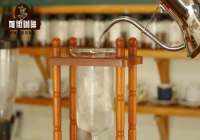
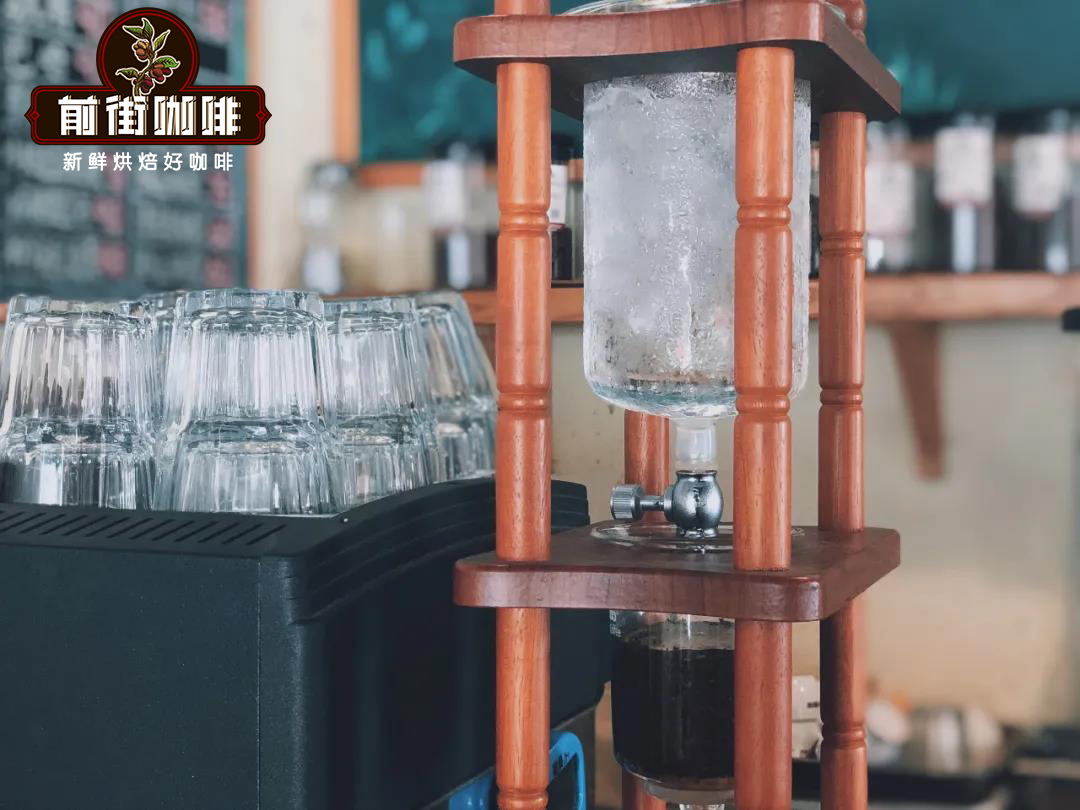
First things first: both methods are time-consuming. Cold drip coffee is made in a cold drip tower divided into an upper chamber (ice water), a middle chamber (grounds), and a lower chamber (finished coffee). Ice water drips drop by drop onto the grounds in the middle chamber, slowly extracting coffee that flows into the lower one. A full run generally takes 6-8 hours.
Cold brew coffee is far simpler: place the ground coffee in a container, add cold or ice water at your chosen ratio, stir, seal, and let it steep in the refrigerator for 12-24 hours of cold extraction. Then filter out the grounds with filter paper, and what remains is cold brew coffee.

How to Make Cold Drip Coffee
1. FrontStreet Coffee uses a coffee-to-water ratio of 1:10 for cold drip — 60 grams of grounds to yield 600 milliliters of coffee.
2. Set a round filter paper at the bottom of the grounds cup and wet it so it clings to the cup wall. Add the 60g of coffee (ground to a coarse-sugar texture), level the surface, and — optionally — use the tamper's own weight to press the bed gently flat.
3. Lay another piece of filter paper on top of the coffee surface. The paper's tension spreads the water evenly; without it, hours of dripping will bore a hole straight through the coffee bed.
4. "Pre-soak" the bed with ice water — essentially the same idea as blooming in pour-over — to improve extraction efficiency and consistency. Drip straight onto dry grounds and you'll get uneven wetting: some grounds over-extract while others never join the extraction at all.
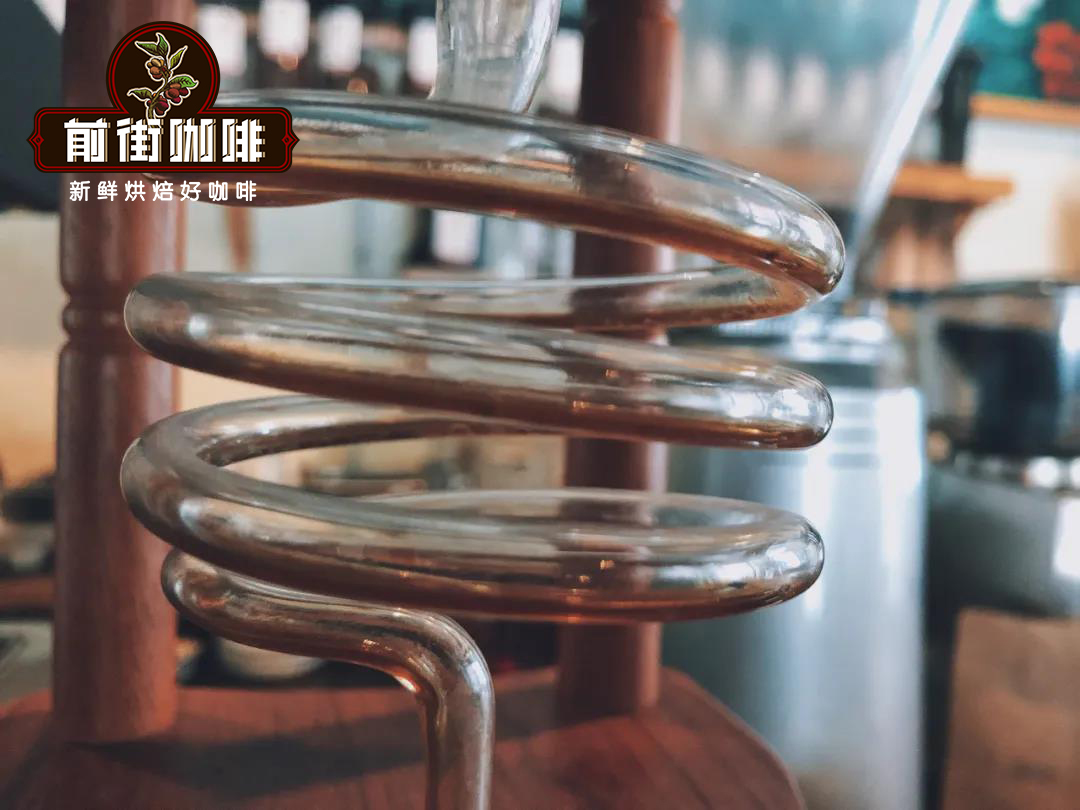
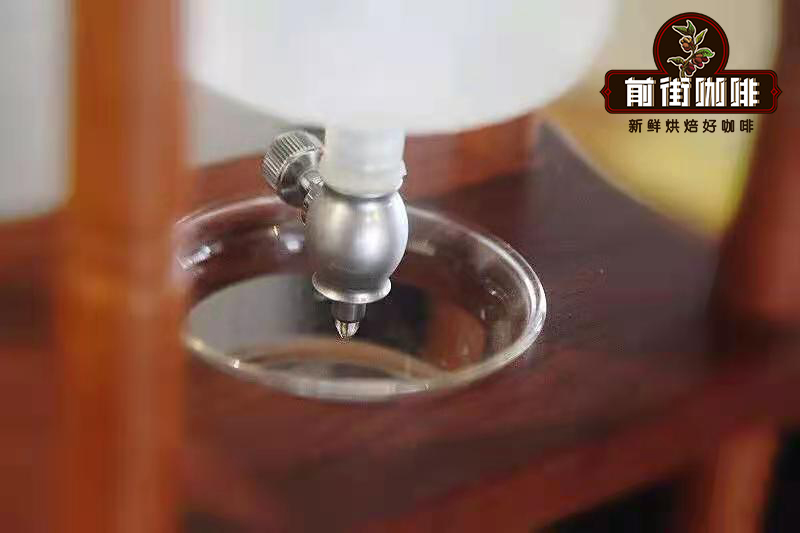
5. Fill the water bottle with a 1:1 mix of ice and water, and set the regulator valve to roughly 7 drops every 10 seconds.
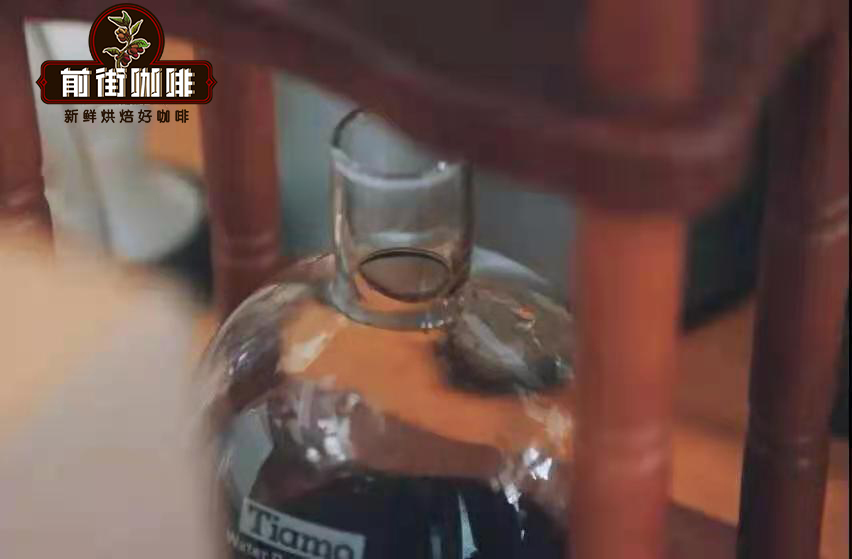
6. When the run is finished, pour the coffee into a sealed glass bottle and refrigerate it overnight. The flavors meld together in the cold, and the result tastes rounder and easier to drink.
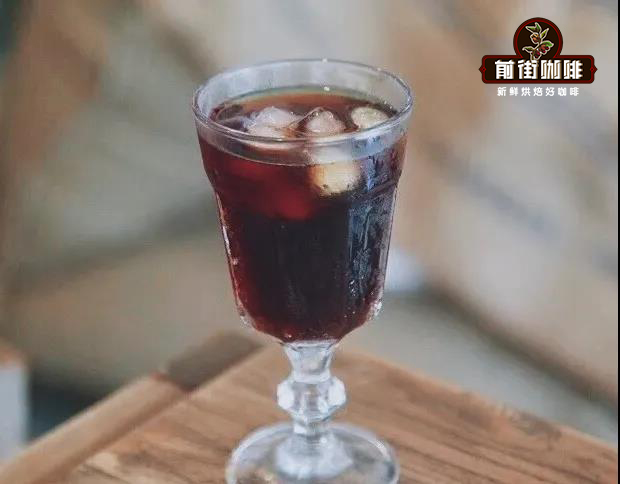
Caffeine Content in Cold Drip Coffee
Many assume cold drip coffee is low in caffeine, on the logic that the colder the water, the less caffeine dissolves (caffeine barely dissolves below 80°C). But the small amounts extracted by cold water accumulate over those very long extraction times, and the total is nothing to dismiss. Plenty of experiments back the claim that cold drip can actually carry more caffeine. Levels vary widely with the beans a café uses, the drip interval, and the total extraction time — so if you're sensitive to caffeine, decaffeinated coffee is a safer bet than cold drip.
How Do We Choose Coffee Beans for Cold Drip?
Your first reaction to the heading might be: just pick a bean and drip it. And that's perfectly fine. But a single bean alone may not show you its full aroma, sweetness, or smoothness through cold drip, so FrontStreet Coffee recommends blending two beans to make particular flavor traits sing. Here are three blends to try.
30g Honduras Sherry + 30g Costa Rica Beethoven
Barrel-processed Sherry plus washed Beethoven: fermented wine aroma and rich fruit acidity carried on honeyed sweetness.
The washed Beethoven brings distinct citrus acidity with the fullness of berry juice.

The whiskey-barrel-fermented Sherry shows obvious whiskey character with a vanilla-cream smoothness.
As cold drip, you'll taste rich whiskey aroma, clear citrus acidity and berry-juice fullness, and that vanilla-cream silkiness.

20g Honduras Lychee Orchid + 40g Yirgacheffe Guddi
Barrel-processed Lychee Orchid plus washed Yirgacheffe Guddi: light brandy aroma, plum-like acidity, and maple sweetness.
The brandy-barrel Lychee Orchid offers rich brandy aromatics, a chocolate aftertaste, and a honeyed finish.
The washed Yirgacheffe Guddi contributes plum and citrus acidity with oolong-like sweetness and a silky, tea-like texture.
As cold drip: light brandy over rich fruit acidity leading into honey sweetness and cream-smooth body.
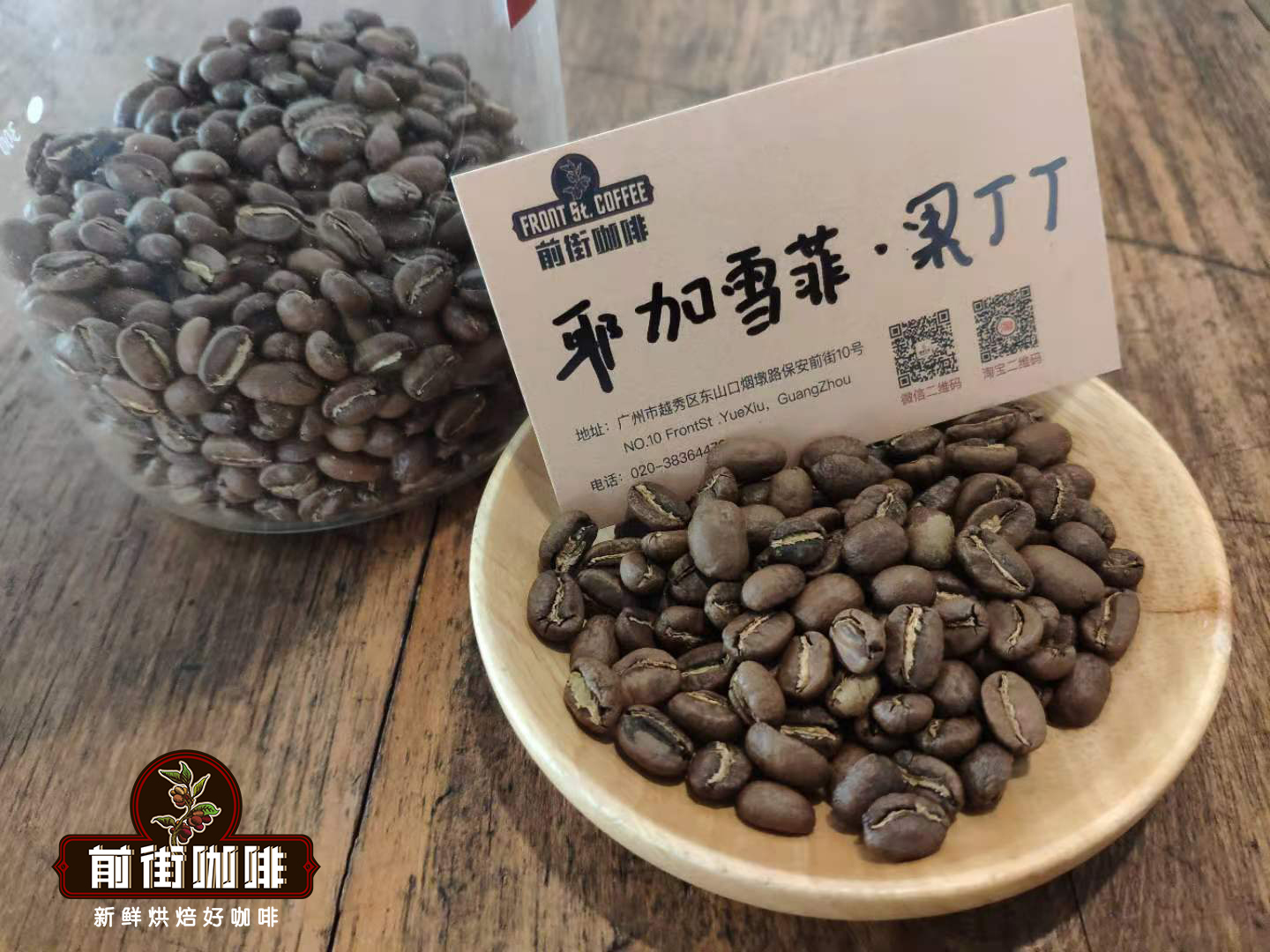
30g Sidamo Guoka + 30g Panama Hartmann
Natural Guoka plus red-wine-process Hartmann: big fermented wine notes with plenty of fruit acidity — one for drinkers who like their coffee bold.
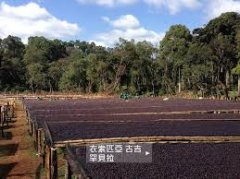
The natural Guoka is relatively high in sweetness, with strawberry-like berry aromas and flavors of passion fruit, fermented wine, strawberry, and jackfruit.

The red-wine-process Hartmann carries fermented red-wine aromatics, a smooth entry, and notes of tropical fruit, nut, and brown sugar. As cold drip it gives strong fermentation character, high sweetness, and heavy body.

Cold Brew Coffee Brewing Method
FrontStreet Coffee's cold brew uses 50 grams of grounds at a grounds-to-liquid ratio of 1:10 — so add 400 milliliters of cold water plus 200 grams of hard ice (600 grams of ice-water in total, since grounds absorb roughly twice their own weight). Stir, seal, and refrigerate for 24 hours. Filter out the grounds with filter paper, then store the coffee in a clean sealed bottle in the refrigerator for another 2 hours before drinking.

Flavor Comparison
FrontStreet Coffee brewed the same Guoka beans both ways for a head-to-head.
Poured side by side into glasses, the cold drip is clear and transparent, while the cold brew looks hazy, with a residue of oils on the surface.
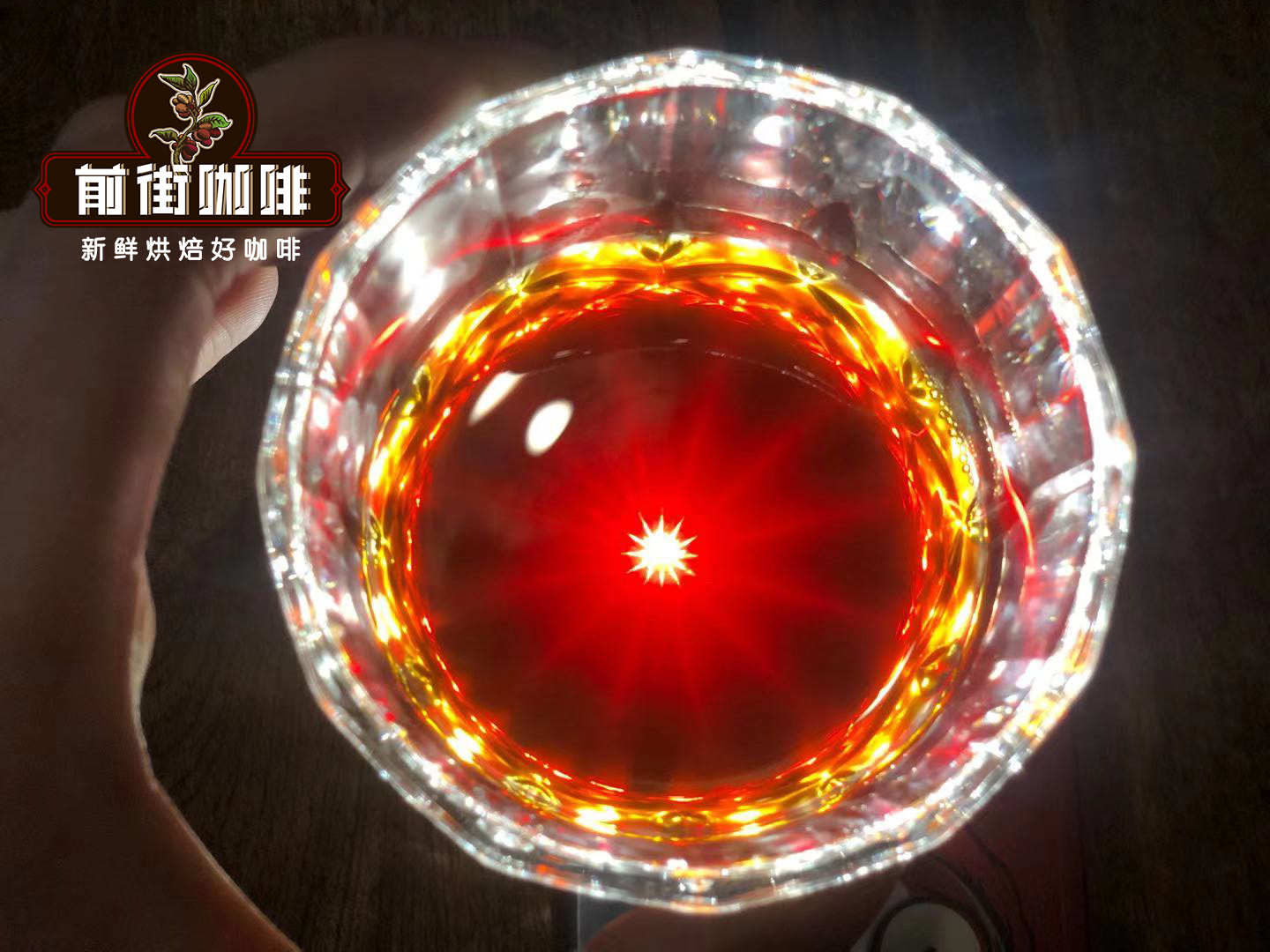
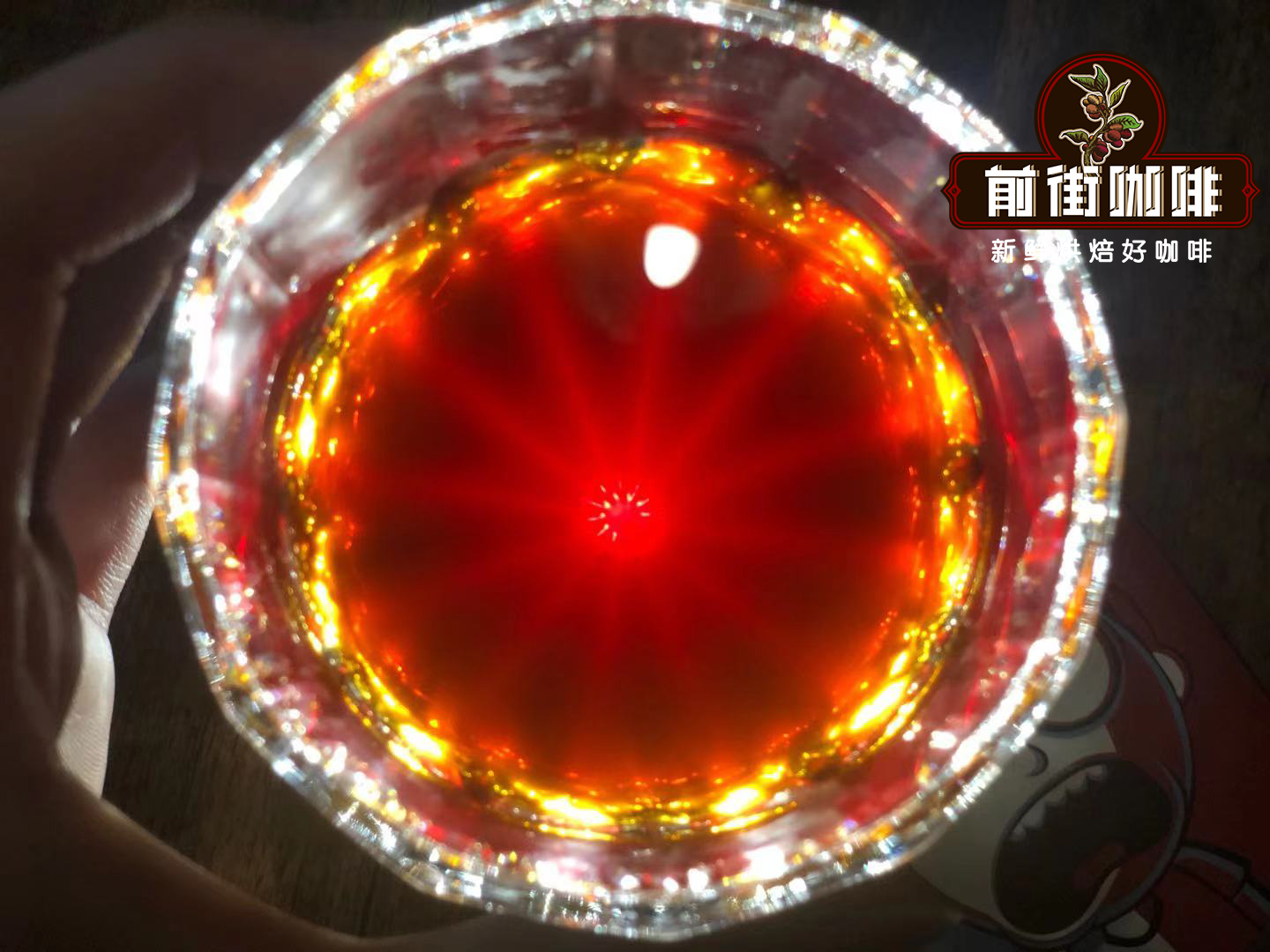
Cold Drip Flavor: Refreshing and clean, with a rich fermented aroma and wine-like notes and a light berry sweet-tartness.
Cold Brew Flavor: Fuller-bodied, with more uniform flavors and very prominent fruit sweetness; the fermentation character is much quieter.
Set the two cold coffees side by side and the differences are unmistakable — above all in that clean, refreshing quality, which separates them at first sip.
FrontStreet Coffee Recommendation
For a bean that stands up beautifully to cold extraction, Indonesia deserves a look. The archipelago's finest growing zones are Java, Sumatra, and Sulawesi, which anchor three classic coffees: Mandheling from Sumatra — moderate acidity with a very heavy, rich aroma; Arabica Java coffee from Java; and Sulawesi coffee, plump and intensely fragrant (though 90% of the island's output is Robusta). Mandheling refers to Sumatran Arabica processed with the local wet-hulled method: hulled while half-dry, the green beans dry completely exposed to the air, which is what gives the coffee its signature grassy, spice-laden character. FrontStreet's Mandheling comes from the Lake Toba area of the Lintong region and, at a medium-dark roast, pours low in acid and full-bodied with caramel, dark chocolate, and toasted bread, and a sweet finish that lingers — made for lovers of strong coffee.
For the top shelf, go straight to FrontStreet's PWN Golden Mandheling. PWN is a trading company dedicated to buying only the finest Mandheling lots and producing only specialty-grade coffee, and "Golden Mandheling" is its flagship: graded on density, size, shape, and color, with one machine pass and one hand pass to remove defects, ensuring big, uniform, translucent beans — and dialing down the earthy, grassy edge. Legend has it the name comes from the way the beans gleam gold in sunlight. Fresh-roasted, it offers sandalwood, herbal notes, spice, roasted hazelnut, caramel, and dark chocolate in a clean, mellow, deeply layered cup — a daily drinker, and a gift that travels well. And in the era before light-roast acidity took over, Mandheling was considered the richest coffee in the world, which is why it anchored so many espresso blends: the classic Mamba — Mandheling tamed by smooth Brazil, its bitterness and herbal bite rounded out by nutty sweetness — remains beloved to this day, and FrontStreet's Classic Blend adds a touch of Robusta and a dark roast to push the dark chocolate, nut, and caramel notes to their peak, so even a beginner can pull an authentic, golden-crema shot.
Important Notice :
FrontStreet Coffee is a long-established specialty coffee roaster in Guangzhou China, selling freshly roasted beans from its own farm in Yunnan as well as dozens of carefully selected single-origin beans from around the world for both pour-over and espresso. The products deliver consistently excellent quality and great value, with shipping within 24 hours. Guangzhou's FrontStreet Coffee shop is recommended by many coffee lovers, and the beans are now available online at the Tmall 。
FrontStreet Coffee has moved to a new address:
FrontStreet Coffee Address: 315,Donghua East Road,GuangZhou
Tel:020 38364473
 Scan and follow the En Gafei WeChat official account. Please indicate that the reprint comes from "En Gafei".