Siphon Coffee Guide: Siphon Principles and Brewing Tips - How to Make Delicious Siphon Coffee?

The Art of Siphon Coffee Brewing
The siphon brewer, with its laboratory-like appearance, is a coffee tool that uses pressure changes from steam and the siphon principle to extract coffee. First appearing in Europe, the siphon brewer trademark was owned by a French lady, Marie Fanny Amelne Massot. Its exquisite spherical design marked the siphon's classic status, and it has been widely enjoyed by coffee enthusiasts worldwide. Today, FrontStreet Coffee will start with the extraction principles of siphon coffee and introduce everyone to this magical coffee brewing device.
Introduction to Siphon Brewers
The siphon brewer gets its name from the siphon principle it employs, achieving extraction through the pressure differences caused by temperature changes.
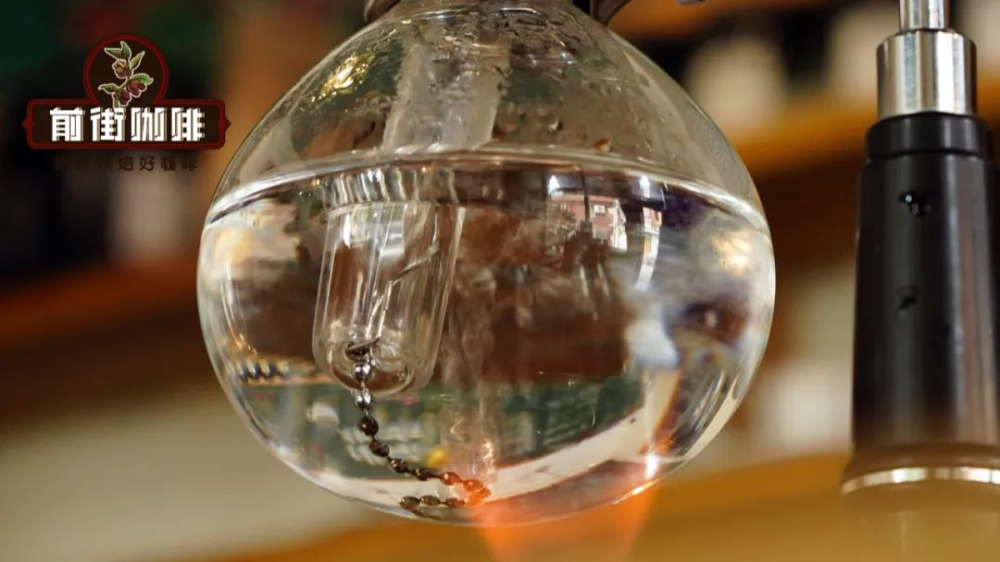
The English name for the siphon brewer is "SIPHON," so it is also called a vacuum brewer. It uses the thermal expansion and contraction of water vapor generated when water is heated, pushing hot water from the lower chamber into the upper chamber to mix with coffee grounds. When the temperature decreases, the water flows back down through the vacuum tube, resulting in coffee liquid. Since siphon-extracted coffee has a rounded and balanced profile, FrontStreet Coffee recommends beans such as FrontStreet Coffee's Bird of Paradise, Diamond Mountain, Geisha Village Chaka, Blue Mountain No. 1, and Queen's Estate. FrontStreet Coffee has tested siphon coffee made with these beans, and they all produce excellent aroma and flavor.

Siphon Brewer Structure
Physical Construction:
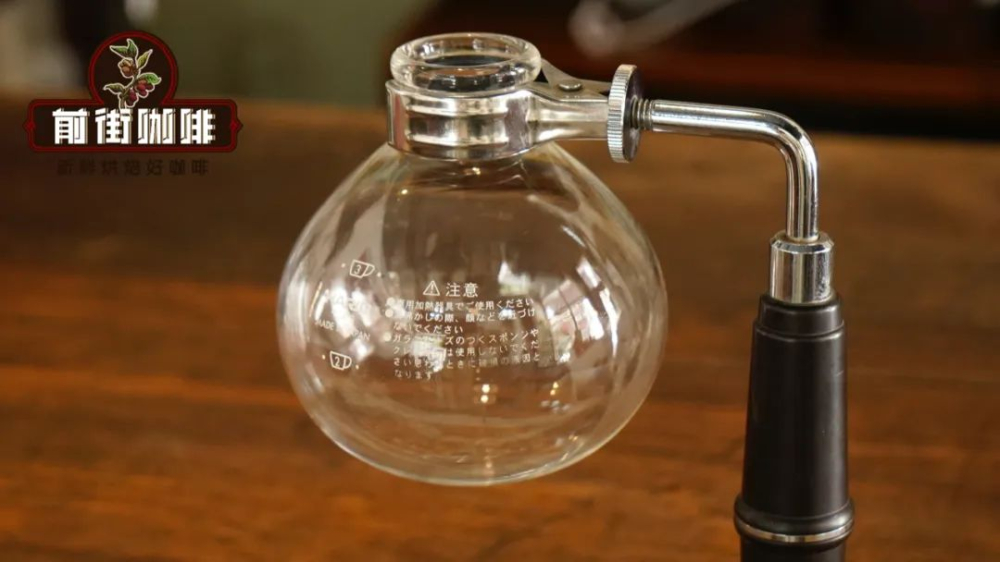
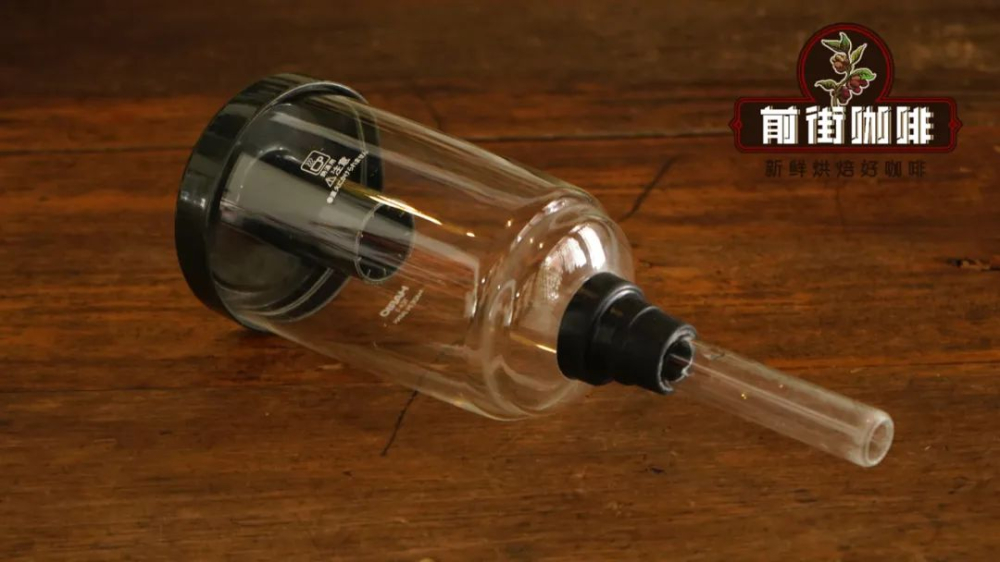
The siphon brewer's structure consists of: the upper chamber, the lower chamber, and the stand. The stand mainly serves to stabilize the lower chamber, keeping it elevated. The lower chamber is roughly spherical, mainly to ensure even heating during warming. The upper chamber is cylindrical with a tapered bottom, extending into a slender tube. The tube becomes narrower toward the bottom, with connections treated with rubber rings for sealing.
Filtration System:
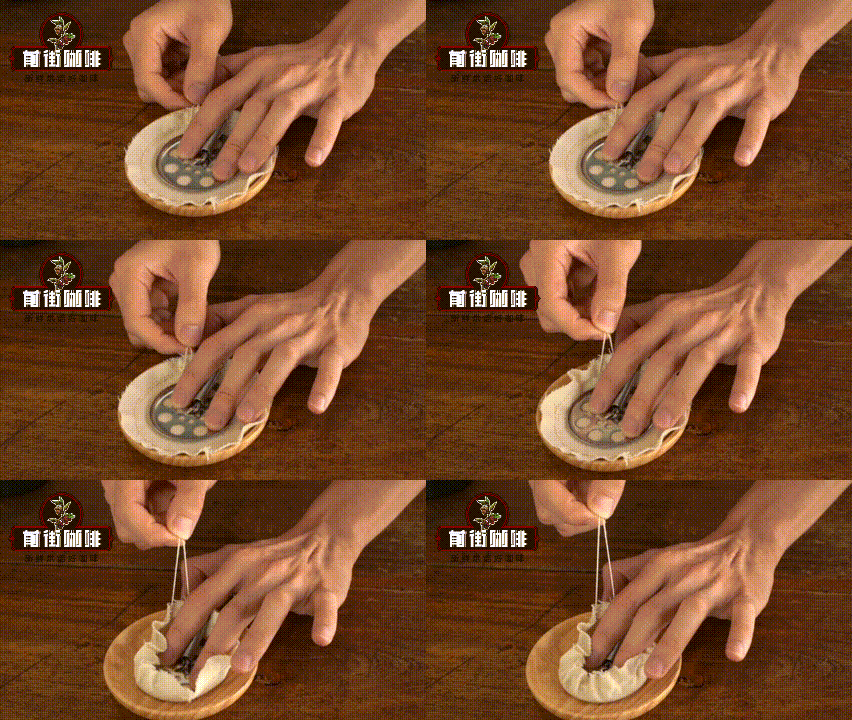
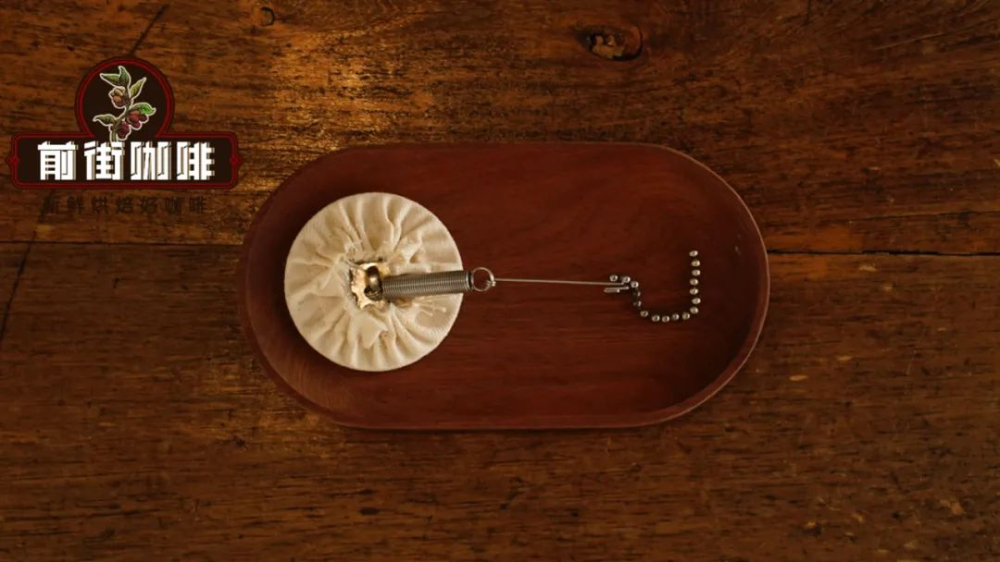
If you don't want a mouthful of coffee grounds, we need equipment to filter them during brewing. The siphon brewer's filter consists of a circular metal plate connected to a spring-loaded chain. Before use, the metal plate is wrapped with filter material, most commonly a specially shaped flannel filter cloth. After tightening both sides, the filter cloth wraps around the metal plate (remember to tie it after tightening and trim the excess thread), forming a complete filtration system placed inside the upper chamber.
Heat Source:
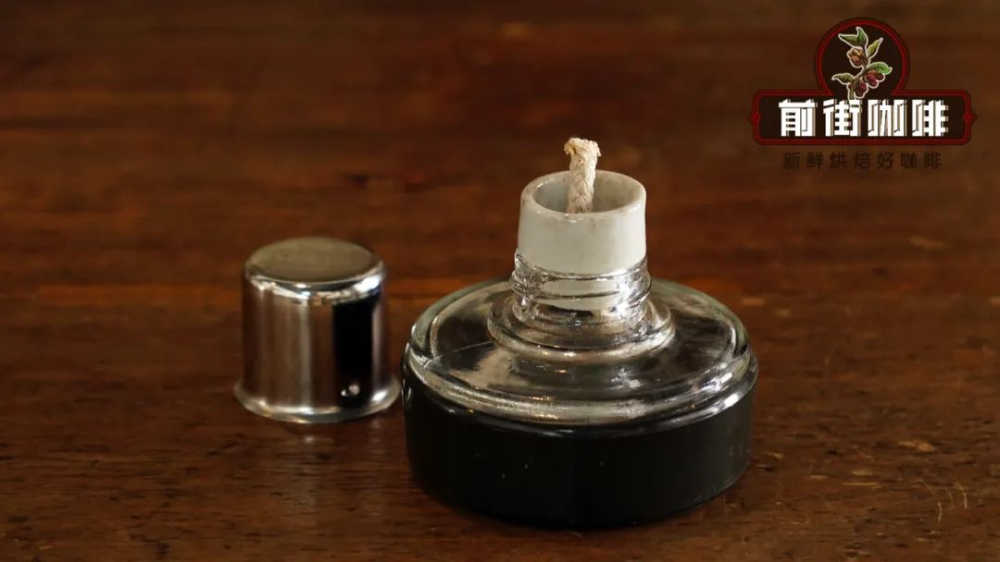
The siphon brewer's heat source is not restricted. You can use open-flame gas stoves, safe halogen cookers, or alcohol lamps with a scientific feel. It all depends on what you want to use - the result is the same heating effect.
Brewing Parameters
Coffee Grind Size:
FrontStreet Coffee has previously calculated the grind size for siphon coffee: it should be slightly finer than pour-over, with a 90% pass rate through a #20 sieve. (Regular pour-over typically uses an 80-85% pass rate.)
Coffee-to-Water Ratio:
The typical coffee-to-water ratio for siphon coffee ranges from 1:10 to 1:12. Many people prefer a 1:12 ratio, while FrontStreet Coffee's standard parameter is 1:11, using 20g of coffee grounds with 220ml of water.
When to Add Coffee Grounds:
The timing of adding coffee grounds is a controversial aspect of siphon brewing: add grounds first, or wait until water has completely risen from the lower chamber? Traditionalists choose the former, believing that adding grounds first produces a fuller flavor. However, most people think adding grounds first can lead to uneven extraction, as the rising water first contacts the small amount of grounds at the bottle's bottom, causing this portion to begin extraction before stirring even starts.
Therefore, many choose to add grounds after the water level has completely risen. FrontStreet Coffee believes that beginners taking the latter approach is a good choice, as it reduces unstable factors.

Stirring Method:
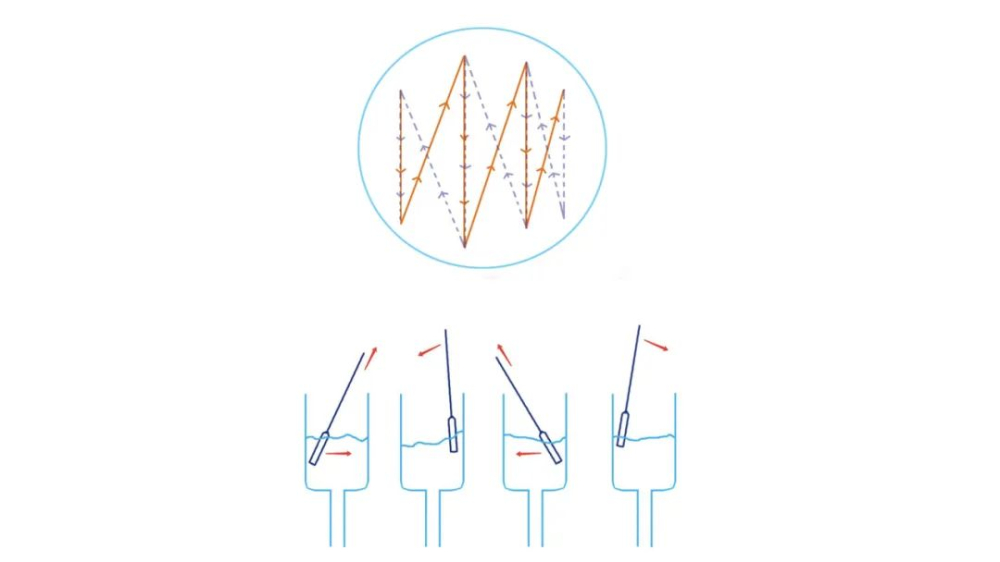
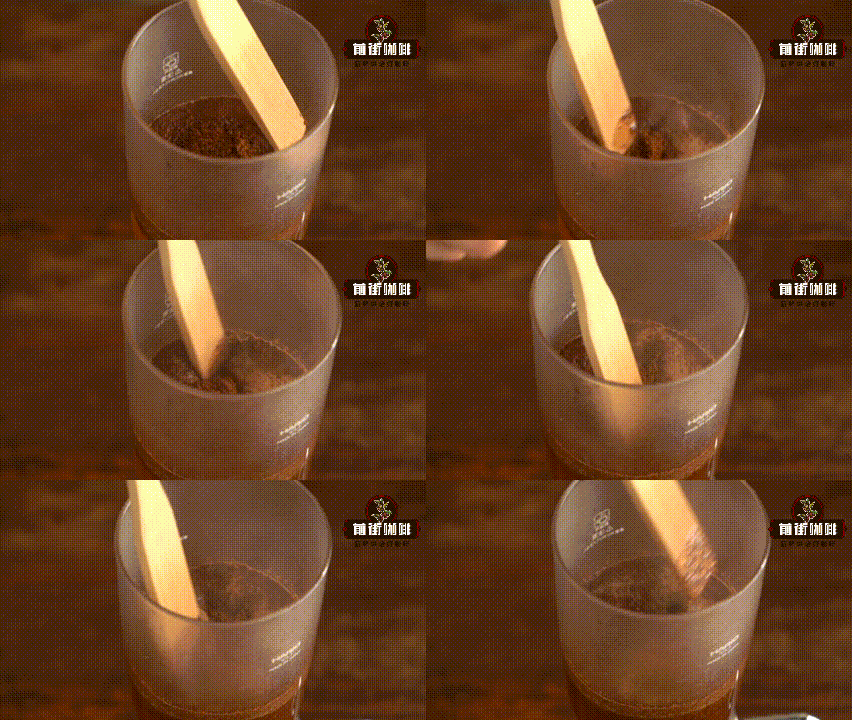
There will be three stirring sessions throughout the process: when the coffee grounds enter the water, halfway through the steeping time, and before turning off the heat at the end. There are many stirring methods: cross-stirring, Z-stirring, infinity-stirring, circular stirring, the tapping method, and more. The method isn't unique, but for beginners who haven't mastered much stirring experience, FrontStreet Coffee recommends the tapping method. It's easy to control and learn - you tap the coffee grounds layer along the trajectory shown in the example below, with the stirring stick centered as a pivot, moving back and forth with both ends maintaining offset positions.
Determining End Time:
As for when to turn off the heat for siphon coffee, some people like to judge by the aroma development, but that tests one's fundamental skills too much. So FrontStreet Coffee recommends beginners use timing. If adding grounds first, start timing when you begin stirring. If adding grounds after the water rises, start timing when you add the grounds. The appropriate time to turn off the heat source is approximately between 50-70 seconds.
Practical Session
Preparation Tools:
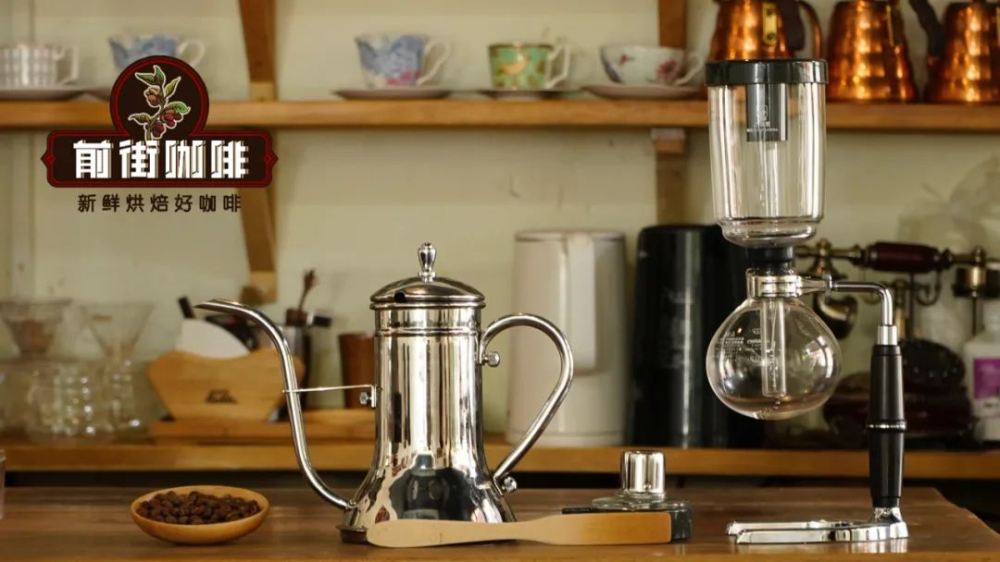
Siphon brewer, coffee beans, alcohol lamp (other heat sources are acceptable), hot water, dry cloth
Step 1:
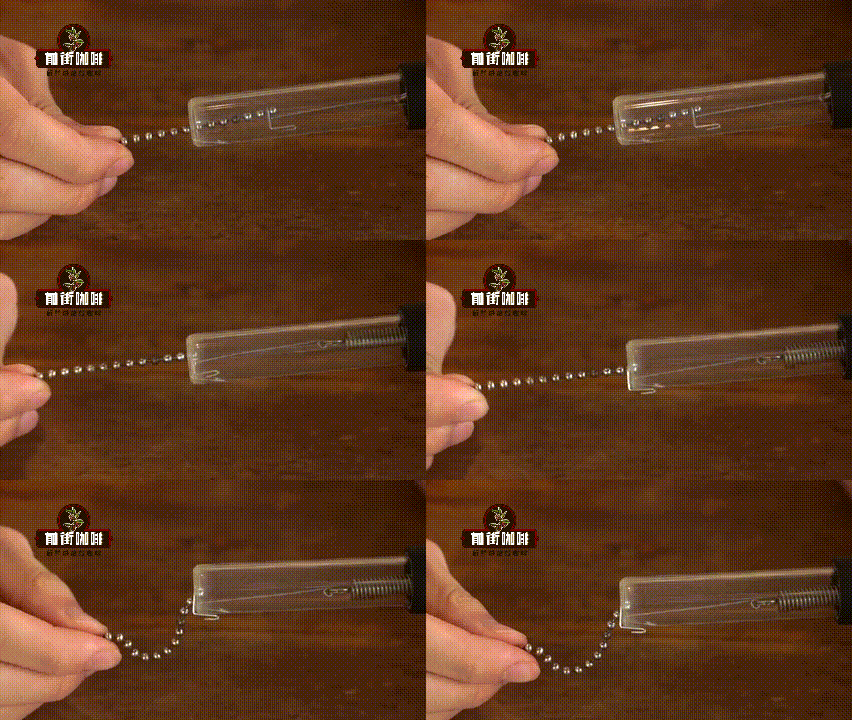
Set up the alcohol lamp and lower chamber, and prepare the upper chamber's filter cloth hook in advance (place the filtration device in the upper chamber, pull the hook from below the tube and hang it on the tube's end).
Step 2:
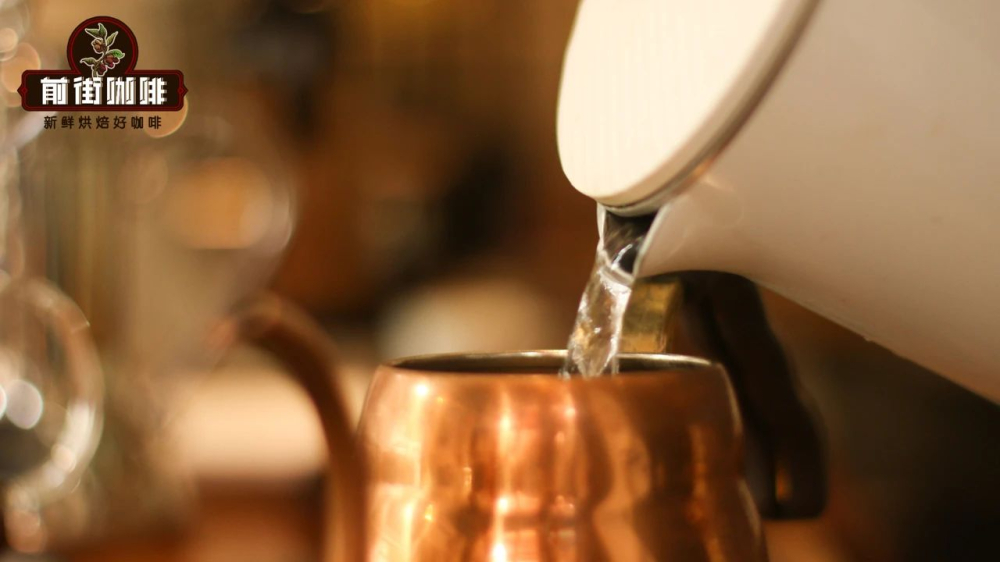
Pour in 220ml of hot water.
Step 3:
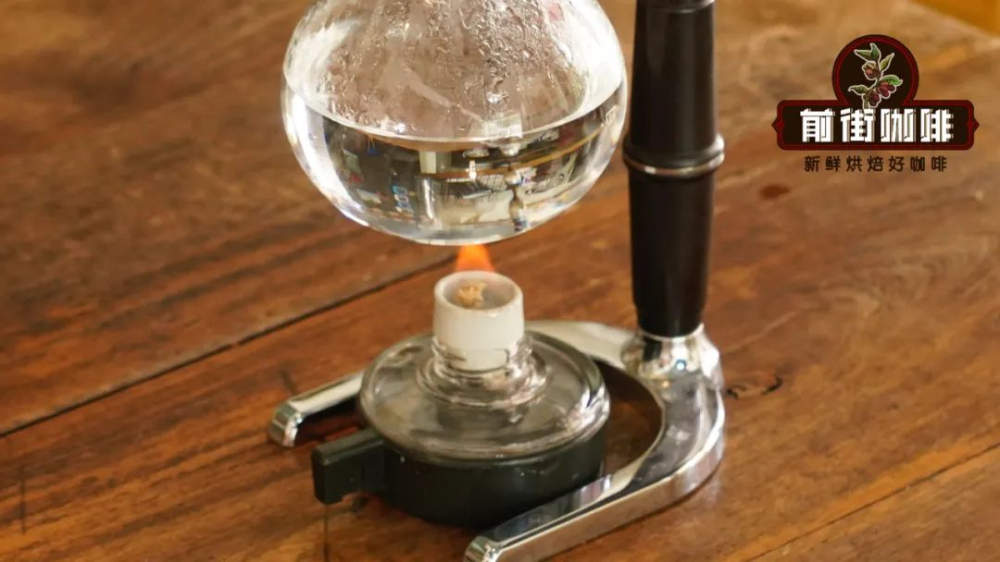
Wipe the lower chamber dry and turn on the heat source (wiping the lower chamber dry prevents it from cracking during heating).
Step 4:
Insert the upper chamber diagonally into the lower chamber, ensuring the explosion-proof bead touches the bottom of the lower chamber.

Step 5:
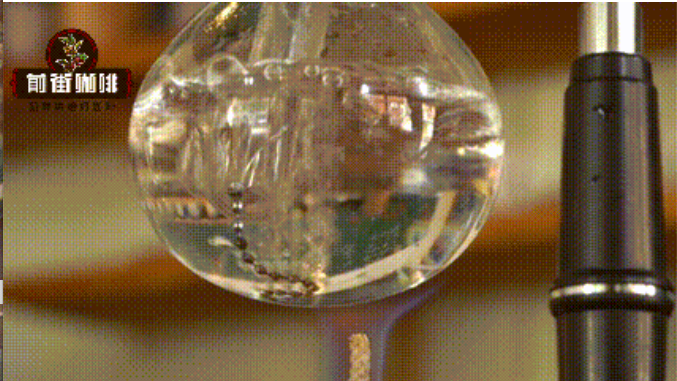
When the lower chamber starts boiling and water droplets appear, straighten the upper chamber and press firmly, waiting for the lower chamber's water to be drawn into the upper chamber.
Step 6:
When the upper chamber stops drawing water, add coffee grounds and start timing. Use the tapping method for the first segment to press the coffee grounds into the water, beginning even extraction.
Step 7:
For the second segment at 25 seconds, use FrontStreet Coffee's recommended stirring method to shake evenly, allowing the coffee to clearly separate into three layers: coffee foam, coffee liquid, and coffee grounds.

Step 8:
For the final segment at 50 seconds, stir clockwise. At 60 seconds, remove the heat source and wait for the coffee liquid to flow back into the lower chamber. (After removing the heat source, wiping the lower chamber with a dry cloth can speed up the return flow.)
And that's it - your siphon coffee is ready! Compared with clean and clear pour-over coffee, siphon brewing produces a richer, fuller-bodied flavor. Regardless of the brewing methods people choose, they all point toward the ultimate goal of enjoying a cup of coffee that brings comfort and ease. Good coffee is that simple, and that pure.
- END -
FrontStreet Coffee Recommendation
For siphon brewing, FrontStreet Coffee recommends beans with a rounded, balanced profile, and few fit that description better than FrontStreet Coffee's Jamaica Blue Mountain No. 1. It comes from the historic Clifton Mount Estate, where coffee has been grown since around 1750 on land averaging 1310 meters (about 4300 feet); the altitude, mild afternoon cloud, ample sunlight, and mineral-rich soil let the cherries ripen slowly. Roasted medium-dark, it delivers the classic Blue Mountain balance - very clean and complex, gentle and mellow, with chocolate sweetness and a strong body, where sweet, acidic, and bitter notes sit in perfect harmony, with no harsh bitterness, only a moderate, refined acidity and a lingering fruit finish at the end. Siphon extraction suits it because the method naturally produces a rounded, full cup.
FrontStreet Coffee suggests 20g of coffee to 220ml of water - its standard 1:11 ratio - with a grind slightly finer than pour-over (about 90% passing a #20 sieve). Add the grounds after the water has risen, use the easy tapping method for stirring, and time the steep so you switch off the heat source around 50-70 seconds. Wipe the lower chamber dry before heating and again after removing the heat to speed the coffee's return, then let it settle before serving.
Important Notice :
FrontStreet Coffee is a long-established specialty coffee roaster in Guangzhou China, selling freshly roasted beans from its own farm in Yunnan as well as dozens of carefully selected single-origin beans from around the world for both pour-over and espresso. The products deliver consistently excellent quality and great value, with shipping within 24 hours. Guangzhou's FrontStreet Coffee shop is recommended by many coffee lovers, and the beans are now available online at the Tmall 。
FrontStreet Coffee has moved to a new address:
FrontStreet Coffee Address: 315,Donghua East Road,GuangZhou
Tel:020 38364473
 Scan and follow the En Gafei WeChat official account. Please indicate that the reprint comes from "En Gafei".