Why Ethiopian Sidamo Guji Specialty Coffee Beans 'Hua Kui' Are Award-Winning and Captivating
Awards & Recognition
2016/2017
Ethiopia National Taste of Harvest Competition - Champion
2016/2017 Harvest Season Ethiopia Coffee Competition - Champion
2017
Regional Africa Taste of Harvest Competition - Runner-up
2017 Africa Coffee Competition - Runner-up
Brewing Method
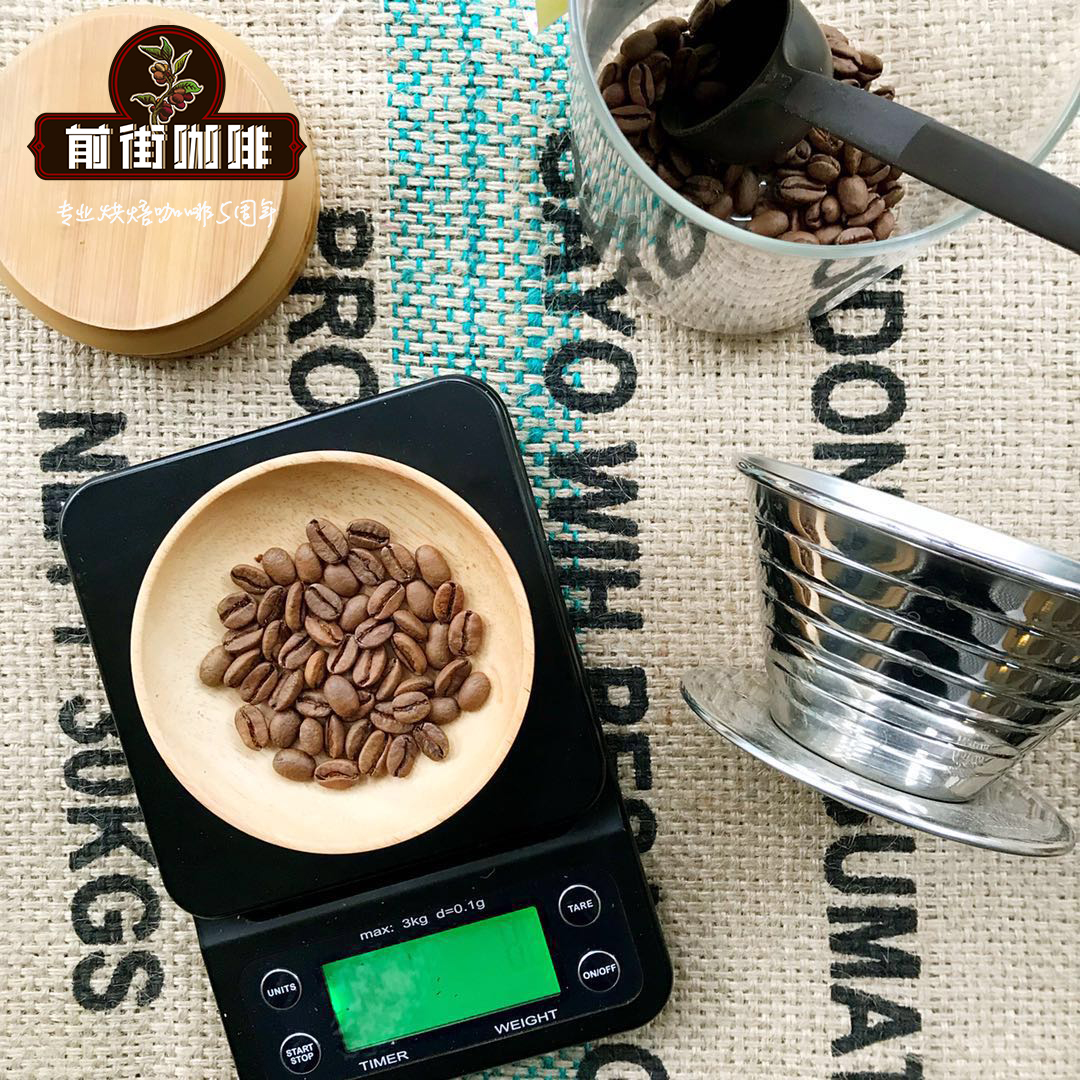
Hand-poured Hua Kui. Using 15g of coffee, ground to a medium-fine consistency (Fuji ghost-tooth grinder setting 3.5), a V60 dripper, and water at 91-93°C. First pour 30g of water for a 27-second bloom, then pour to 105g and pause. Wait until the water level drops halfway, then pour slowly to 225g. Discard the tail end. Coffee-to-water ratio 1:15, total extraction time 2:00.
Processing Details
The Hua Kui processing station is located in Buku Abel village at an altitude of 2200 meters. During the harvest and processing season (December-January), its unique growing environment and natural climate create Hua Kui's distinctive flavor. Natural processing begins only once the sugar content of harvested red cherries reaches above 30. During the first two days, we maintain the moisture of the red cherries to ensure thorough fermentation of their fruit sugars. The high-altitude location also lets the station's nighttime temperature drop to around 12°C, preventing the over-fermentation odors that excess heat could cause. When temperatures rise at noon, shade is provided in time to prevent sun damage to the red cherries.
At night, to guard against sudden rain, the cherries are wrapped in thick plastic sheeting, which lets them ferment and dehydrate at relatively low temperatures. After 18 days of natural processing, when the green bean moisture drops to around 13%, processing is stopped, the beans are packed in jute bags, and stored under warehouse conditions of 12-22°C and 40-50% humidity for about 50 days of resting and further dehydration. When moisture reaches around 10%, the beans are transported to the processing plant for hulling, sorting, and sale.
Coffee Origin Information
Coffee Origin: Africa, Ethiopia
Coffee Estate: Guji, Hambella Wamena region, Dimtu city, Buku Abel estate
Coffee Variety: Heirloom, Ethiopian native variety
Production Altitude: 2250-2350m
Quality Grade: G1
Processing Method: Natural (African drying beds)
Shelf Life: 90 days
Net Weight: 227g
Packaging: Bulk green coffee beans
Roast Level: Roasted coffee beans
Sugar Content: Sugar-free
Origin: Ethiopia
Roast Degree: Light roast
Ethiopian Sidamo Shakisso Natural
Country: Ethiopia
Region: Guji Zone
Altitude: 2250-2350m
Processing Method: Natural
Variety: Local native Heirloom
Producer: Local smallholders
Flavor Profile: Passion fruit, rose floral notes, strawberry jam
Tasting Notes
Dry Aroma: Fresh, roasted nuts, spicy notes
Wet Aroma: Chocolate
Crema Aroma: Nut oils, creamy notes
Sweetness: Light, red wine sweetness, honey
Acidity: Medium, fruit acidity, light and clear
Bitterness: Light, smooth
Flavor: Red wine sweetness and acidity in balance
Body/Texture: Excellent, red wine-like mouthfeel
Aftertaste: Chocolate, nuts
Regional Characteristics
Sidamo coffee flavors are incredibly diverse because of different soil compositions, regional microclimates, and countless native coffee varieties, resulting in distinct differences between the coffees produced by each town and region. The Sidamo growing region lies in southern Ethiopia. Agriculture dominates the local economy, with coffee growing areas situated around the Great Rift Valley.
Awards
Cupping Notes: Passion fruit, rose floral notes, strawberry jam, berry sweetness and acidity, peach flesh, black tea finish
FrontStreet Coffee Recommendation
Hua Kui's reputation rests on its Guji terroir and natural processing, and FrontStreet Coffee's Ethiopian lineup follows the same thread. The FrontStreet Natural Huakui comes from the Hambella area of Guji in Sidamo, grown at high altitude and dried as a natural; roasted light-medium, it shows light fermented wine, florals, citrus, and mango, with honey sweetness, cocoa, and a little spice over a full body. For another expression of the same origin, the FrontStreet Sidamo Natural Hamasho is built on the JARC 74158 variety and brings perfume lemon, strawberry, and star fruit, with green grape and a soft floral finish.
Important Notice :
FrontStreet Coffee is a long-established specialty coffee roaster in Guangzhou China, selling freshly roasted beans from its own farm in Yunnan as well as dozens of carefully selected single-origin beans from around the world for both pour-over and espresso. The products deliver consistently excellent quality and great value, with shipping within 24 hours. Guangzhou's FrontStreet Coffee shop is recommended by many coffee lovers, and the beans are now available online at the Tmall 。
FrontStreet Coffee has moved to a new address:
FrontStreet Coffee Address: 315,Donghua East Road,GuangZhou
Tel:020 38364473
 Scan and follow the En Gafei WeChat official account. Please indicate that the reprint comes from "En Gafei".