Panama Janson Estate Coffee Gold Roast Pour Over, Siphon Geisha Brewing Methods
FrontStreet Coffee · Panama Janson Estate Coffee Gold Roast Pour-over, Siphon Geisha Brewing Methods
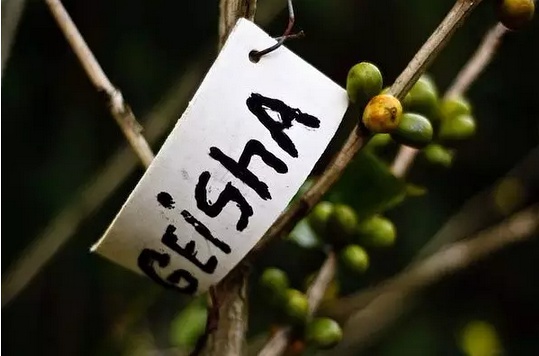
In 2013, the Best Panama Coffee Award presented by the Specialty Coffee Association of Panama (SCAP) gained a new finalist: the Geisha variety from Carl Janson's Janson Estate. Janson Geisha is rarely heard of because the estate focuses mainly on domestic sales rather than exports. More than 50% of the estate is planted with Geisha, making it the second-largest Geisha producer in Panama. The farm's inherent advantages, rich volcanic ash soil and an elevation of 1700-1750 metres, both ideal for bean development, let the cultivated Geisha show its elegant flavours to the full.
Geisha coffee is also acclaimed as the champagne of the coffee world. Janson Geisha is clean, neither bitter nor astringent, with refreshing, lightly acidic fruit notes and rich, complex aromas that leave you finishing the cup before you realise it. The estate owner Carl Janson's farm was selected as a finalist for the Best Panama Coffee Award from SCAP, and OKLao Specialty Coffee obtained the Taiwan exclusive distribution rights for Panama Janson Estate. Over 50% of the estate is planted with Geisha, making it the second-largest Geisha producer in Panama, with harvest focused mainly on ox-blood red cherries.
Exceptional Environment
The farm holds inherent advantages, including rich volcanic ash soil and an elevation of 1700-1750 metres, both ideal conditions for coffee cultivation.
Ecological Conservation
Janson Farm is not only a coffee grower but an organic ecological farm. It focuses mainly on cattle and horse ranching, using organically processed coffee cherries as farm fertiliser. It stresses soil and water conservation, recycles mountain spring water, and carries out annual reforestation.
Siphon Brewing Method
Recommended Water Temperature: 90-95°C
Equipment: Siphon pot plus electric stove or alcohol lamp, cloth filter, and digital thermometer
Grind Size: Medium-coarse
1. First boil the water to speed up heating, then pour it into the lower chamber of the siphon and heat with the electric stove, which ensures even heating.
2. Water will rise to the upper chamber. At this point it forms large bubbles; keep heating until small bubbles appear.
3. Add the coffee grounds to the upper chamber with the boiling water, stir evenly, wait 45 seconds, then turn off the stove.
4. Wait for the coffee to flow slowly back into the lower chamber, and it is ready.
Pro Tip: To speed up the return flow, wrap the lower chamber with a damp cloth to cool it faster.
Pour-over Brewing Method
Recommended Water Temperature: Around 90°C
Equipment: Gooseneck kettle, dripper with filter, filter paper, and digital thermometer
Grind Size: Medium
1. Water Boiling: use water around 90°C for the best results.
2. Rinse Filter Paper: this helps the paper adhere to the dripper and removes any paper taste. Remember to discard the rinse water.
3. Pre-wet Coffee Grounds: bloom the grounds briefly. At this point they release carbon dioxide. Do not exceed 30 seconds.
4. Pour Water Slowly: keep pouring in concentric circles from the inside outward, and your coffee is ready.
Pro Tip: when pouring with the gooseneck kettle, keep the stream continuous to avoid losing the coffee's flavour.
When acidity is heightened it actually creates a mouth-watering sweetness, drawing out the sweet moisture on your palate. Geisha has another special trait: tea-like notes. Because of the variety, a light roast can taste almost unlike coffee, acidic yet full of tea aromas. Some well-processed Geishas, whether honey processed or natural, even show honey sweetness and florals, like drinking a fruit and flower tea.
FrontStreet Coffee Janson Estate Geisha Cupping Notes
Earl Grey tea aroma, rich and clean bright jasmine florals with citrus fruit acidity,
Extremely smooth mouthfeel with a multi-layered aftertaste that lingers.
Semi-washed processing station for washed coffee beans.
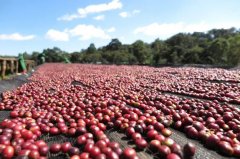
The estate's sun-drying area is also well integrated with nature, surrounded by exceptionally beautiful scenery.
FrontStreet Coffee Recommendation
Panama is where Geisha became famous, and FrontStreet Coffee's Geisha selection lets you taste that reputation at several levels. The Panama Esmeralda Red Label Geisha, formally Esmeralda Special, grows between 1600-1800 metres, and every batch cupped above 90 points, each drawn from a single plot with its own number, so drinkers can choose by the smallest flavour differences. Expect jasmine, citrus, bergamot, red tea, a clean, transparent body, and a long, layered finish.
If you want the style without the estate price, the Panama Boquete Geisha is an accessible entry point, delivering the classic orange-blossom and honeyed sweetness with oolong tea and fine fruit acidity. Ethiopia, the birthplace of the variety, offers its own expression: the Granada Geisha comes from a mill established in 2014 near the Kochere and Gedeb border, where cherries are hand-picked and dried on raised beds for 14-20 days; medium-light roasted, it shows bright citrus acidity, elegant ginger flower, and ripe fruit sweetness. For a clever alternative, the Strawberry Candy blends Costa Rican honey processed coffee with Panama Geisha, giving floral delicacy plus grape, dried blueberry, and strawberry fudge notes. Geisha is a hard bean that can clog the dripper, so FrontStreet Coffee suggests grinding to about 78% pass-through on a China standard 20 mesh, near fine sugar, and brewing at 91°C with 15g of coffee and a 1:16 ratio in three stages.
Important Notice :
FrontStreet Coffee is a long-established specialty coffee roaster in Guangzhou China, selling freshly roasted beans from its own farm in Yunnan as well as dozens of carefully selected single-origin beans from around the world for both pour-over and espresso. The products deliver consistently excellent quality and great value, with shipping within 24 hours. Guangzhou's FrontStreet Coffee shop is recommended by many coffee lovers, and the beans are now available online at the Tmall 。
FrontStreet Coffee has moved to a new address:
FrontStreet Coffee Address: 315,Donghua East Road,GuangZhou
Tel:020 38364473
 Scan and follow the En Gafei WeChat official account. Please indicate that the reprint comes from "En Gafei".