How to Brew Coffee at Home with Coffee Grounds? How to Make Coffee Taste Better - The Easiest Way to Drink Coffee Grounds
Plenty of coffee lovers want to start brewing coffee at home but have no idea where to begin. Which equipment do you actually need? What does the brewing process look like? And how do you make it taste genuinely good? In this article, FrontStreet Coffee answers those questions one by one.
How Do You Make Coffee at Home?
There are many ways to brew coffee at home: hand pour-over, drip bags, instant coffee, cold brew, and more. But with the specialty coffee market growing so quickly, brewing your own pour-over has become the trend.
That's because the pour-over experience is superb, and among all brewing methods it delivers the best flavor. Pour-over uses freshly ground beans, so aroma is preserved far more completely than with pre-ground drip bags. Below, FrontStreet Coffee shares how to make pour-over coffee at home.
Pour-Over Coffee Equipment
First, you need the essential gear. Regulars who visit FrontStreet Coffee for single-origin pour-overs will have noticed that we always use freshly roasted beans, weighed to the gram on an electronic scale before they go into the grinder. You'll also need a thermometer, a pour-over kettle, a dripper, filter paper, and a server. That's quite a list—so how do you choose? FrontStreet Coffee walks you through it.
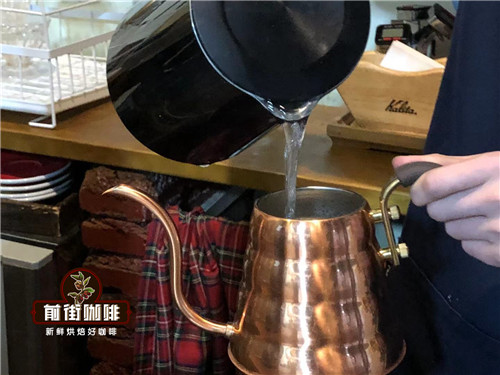
1. Pour-Over Kettle
Pour-over kettles come in many sizes and materials, and you can pick based on your needs. What matters most for the brew is the spout size, because it controls the flow rate. Beginners should generally choose a narrow-spout kettle, which is easier to control. Also note that different kettles suit different heat sources—for instance, moka pots are heated on induction cookers or gas stoves—so pay attention when buying.
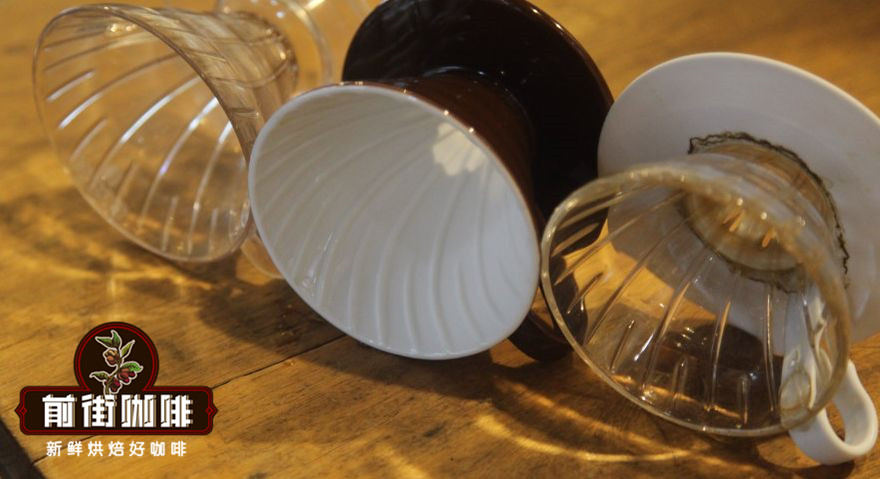
2. Dripper
Drippers vary in size and material but fall into three main shapes: flat-bottom (fan-shaped), conical, and wave. The size of the drain holes at the bottom affects flow rate and therefore flavor. Flat-bottom drippers have small holes, a slower flow, and a fuller mouthfeel; conical drippers have large holes, a fast flow, and a lighter body; wave drippers have a flat bottom and the special wavy filter paper, producing the most even-tasting cup. Metal-mesh drippers deserve a special mention: they need no paper and preserve more coffee oils for a richer taste, though some fine particles will pass through into the cup.
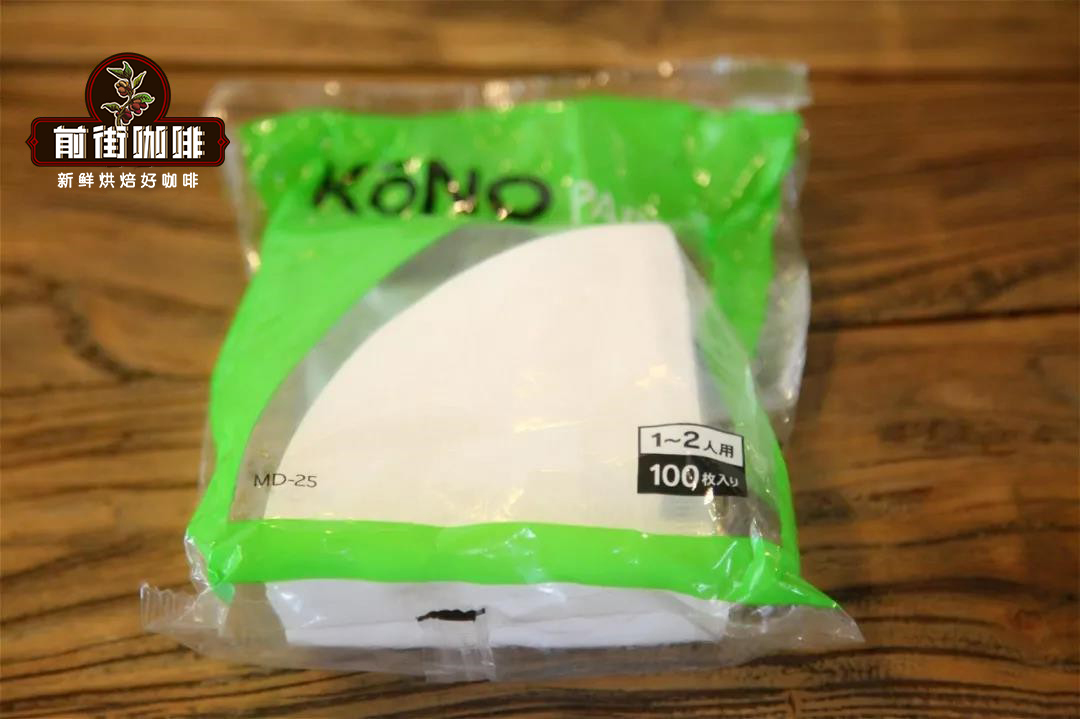
3. Filter Paper
Filter paper comes bleached and unbleached: bleached paper is white, unbleached a light brown. Its job is to use densely packed fibers to hold back the grounds and filter the extracted coffee into your cup. When buying, match the paper to your dripper.
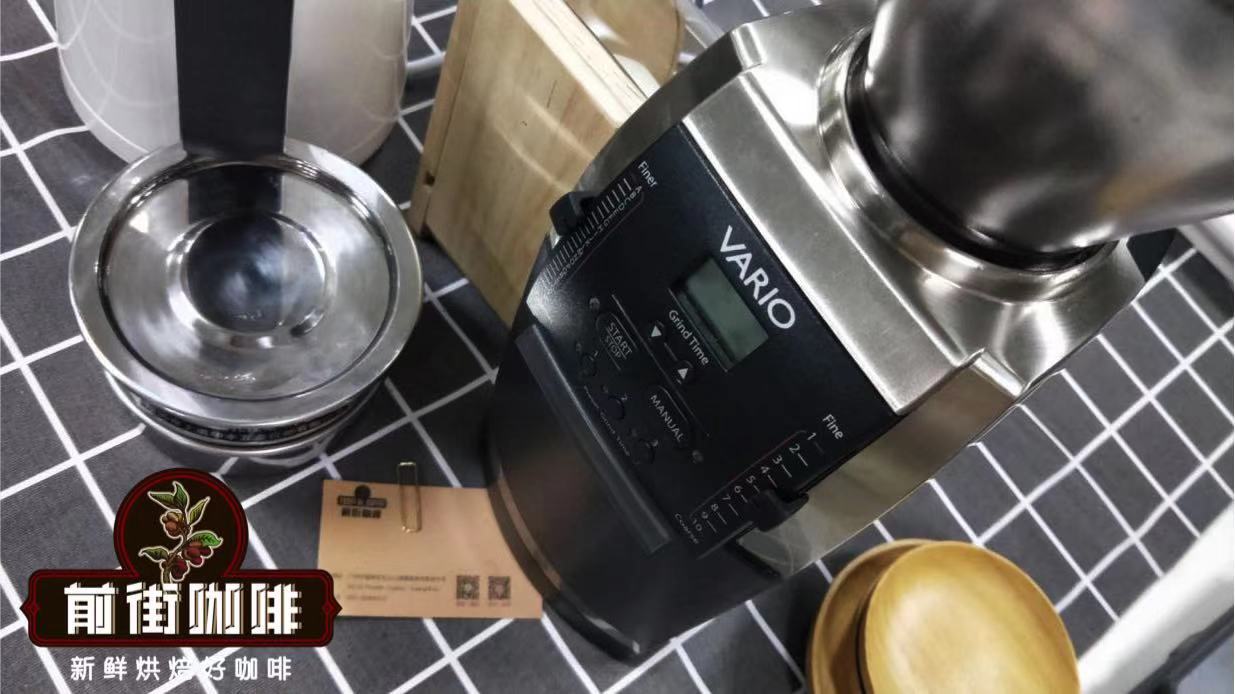
4. Coffee Grinder
Good pour-over starts with a good grinder. Three types are on the market:
1) Ghost-tooth (blade-style) grinders
2) Flat burr grinders
3) Conical burr grinders
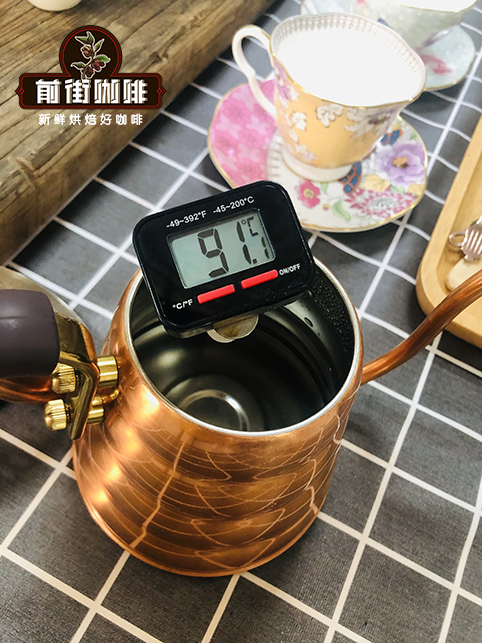
5. Thermometer
A thermometer measures your brewing water temperature. Common options include the Tiamo, Hero, and Cafede Kona thermometers.
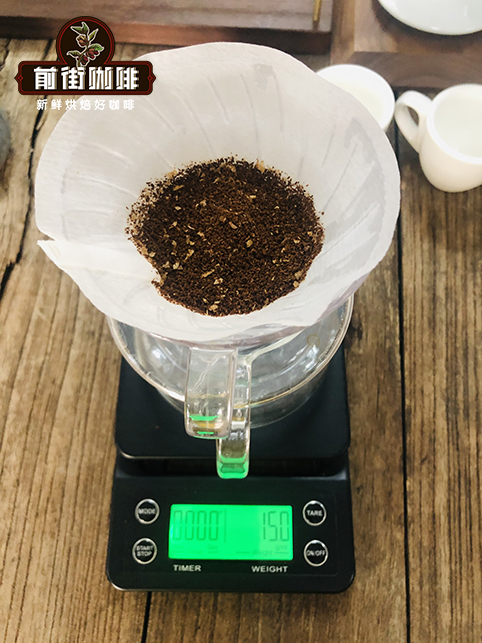
6. Electronic Scale
A scale lets you control the coffee-to-water ratio precisely, removing unstable variables and widening your margin for error. Prices run from a few hundred yuan down to just a few dozen. Well-known models include the Yami scale, the Hero smart scale, and Timemore scales.
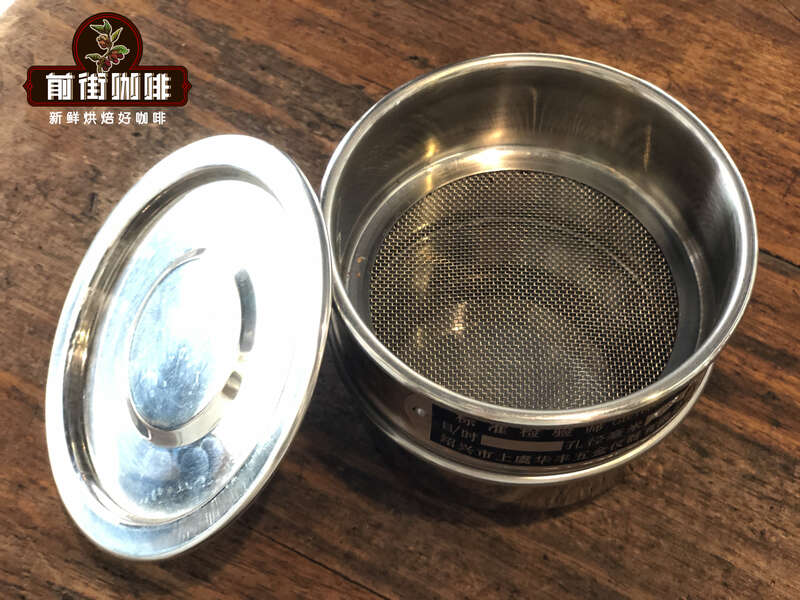
7. Sieve
Mainly used to check grind size. Each coffee has its own ideal pour-over grind, but after repeated testing, FrontStreet Coffee found that a particle size where 80% of the grounds pass through a #20 standard sieve is the sweet spot for pour-over.
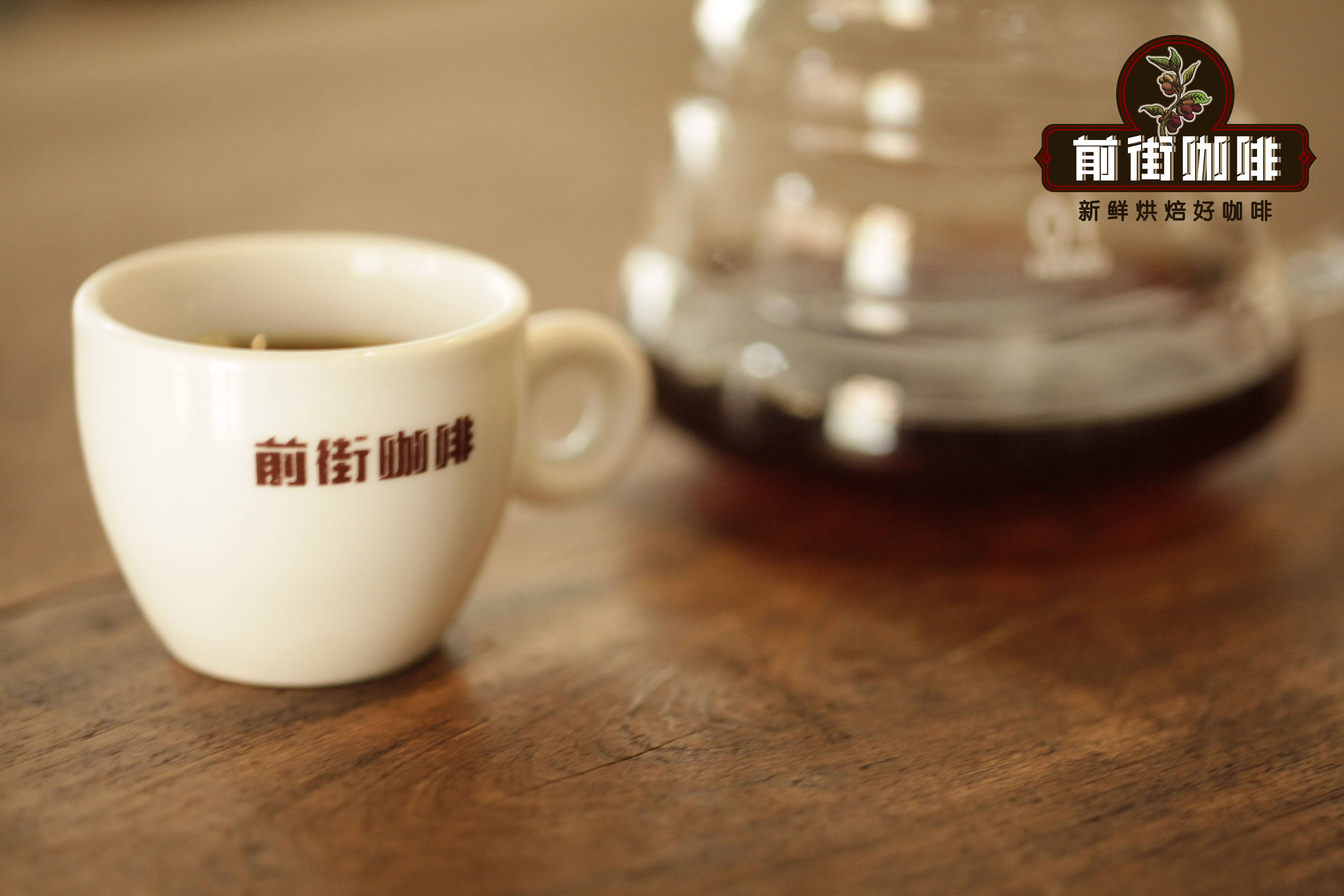
8. Server
Brewing just for yourself? You can skip the server and drip straight into a mug. For multiple cups you'll want a server: with its volume markings and transparent body, it makes the whole extraction process easier to read and control, so it's more than just a vessel for serving. FrontStreet Coffee recommends the HARIO V60 Cloud server and the Kalita server.
The Detailed Steps of Pour-Over Coffee
Now that the equipment is covered, how do you actually use it? How do you brew a single-origin coffee so it shows its best flavors? Four factors matter: water temperature, grind size, coffee-to-water ratio, and pouring technique.
1. Water Temperature
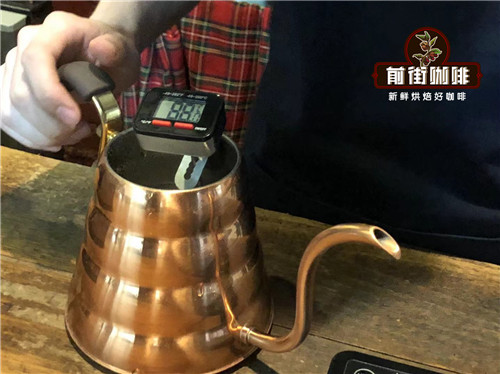
Hotter water extracts more, producing stronger, more bitter coffee; cooler water extracts less, so coffee drifts sour, mild, and thin. Adjust temperature to the roast level: for light-to-medium roasts, FrontStreet Coffee recommends 90-91°C; for medium-dark roasts, 85-87°C. That's the range we basically work within. Once, a customer questioned these temperatures, so we took our Golden Mandheling (a dark roast) and brewed it with 90°C water—the result was almost as intense as espresso. That's why we generally suggest 86-88°C water for Mandheling beans.
2. Grind Size
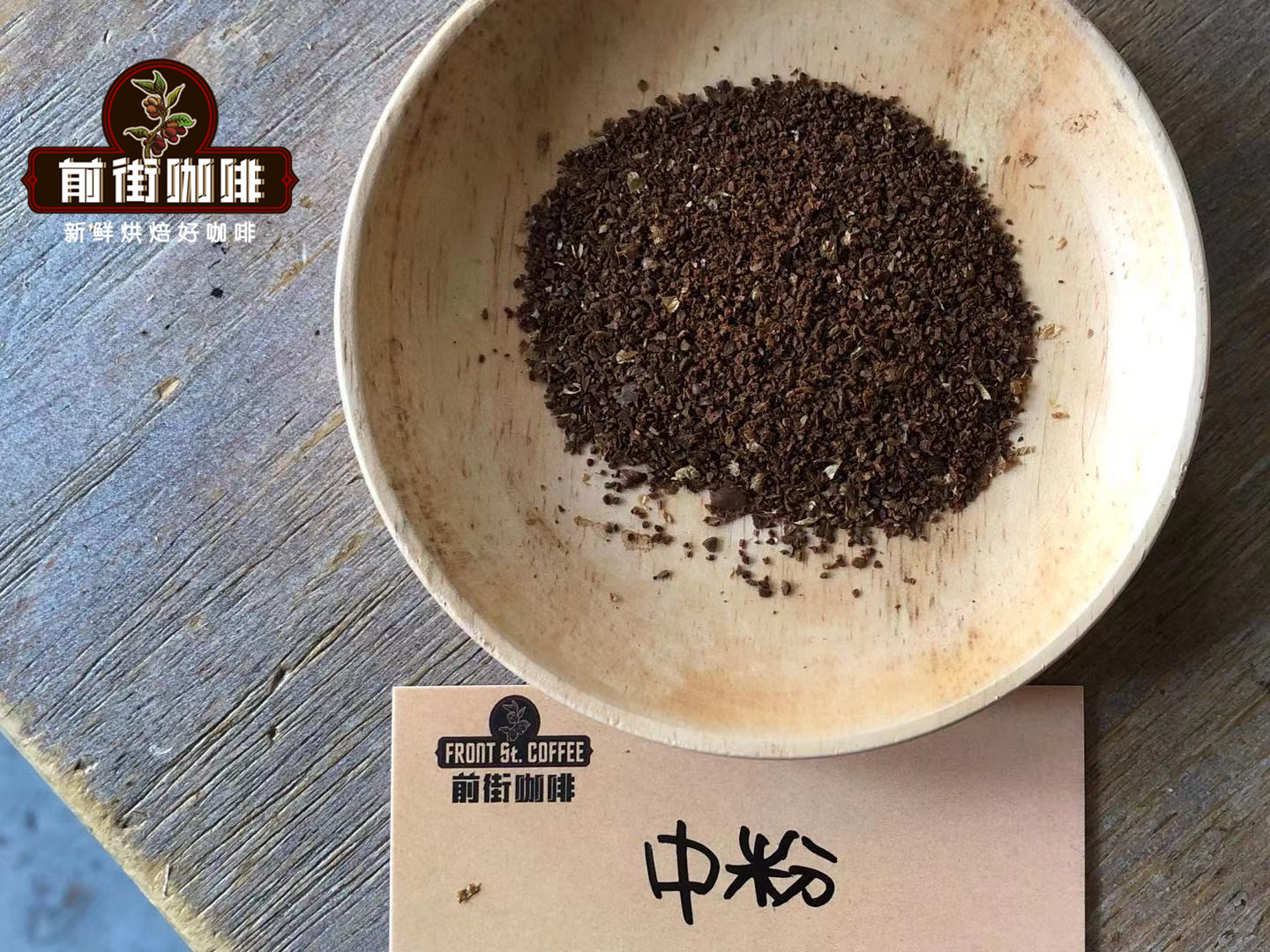
Grind size is the particle size of the grounds, and it governs how long water and coffee stay in contact. The finer the grind, the more the water extracts in a given time—but a fine grind also risks over-extraction. The coarser the grind, the less is extracted in the same time, and a coarse grind risks under-extraction. FrontStreet Coffee recommends a pour-over grind with an 80% pass rate through a #20 standard sieve, a benchmark established through repeated taste tests. Keep in mind that each coffee has its own ideal grind, so if a pour-over doesn't taste right, check the grind first.
3. Coffee-to-Water Ratio
The coffee-to-water ratio is the proportion of grounds to brewing water, and it sets the strength of the cup. Common ratios are 1:10, 1:13, 1:15, and 1:16. FrontStreet Coffee recommends 1:15, which strikes a comfortable balance of strength and mouthfeel. Of course, everyone's taste differs, so feel free to adjust toward the concentration you prefer.
Pour-Over Brewing Techniques
With the fundamentals in place, we arrive at the final step: the pouring technique. There are many—three-pour, single-pour, drip-style—all workable. Choose by personal preference. That said, FrontStreet Coffee recommends that newcomers start with the three-pour method, because it suits light, medium-light, and medium roasts. Its segmented extraction clearly separates the front, middle, and back flavors of the coffee and safeguards the flavor profile. This is the very technique FrontStreet Coffee's own shop uses to guarantee quality. Here's how to do it.
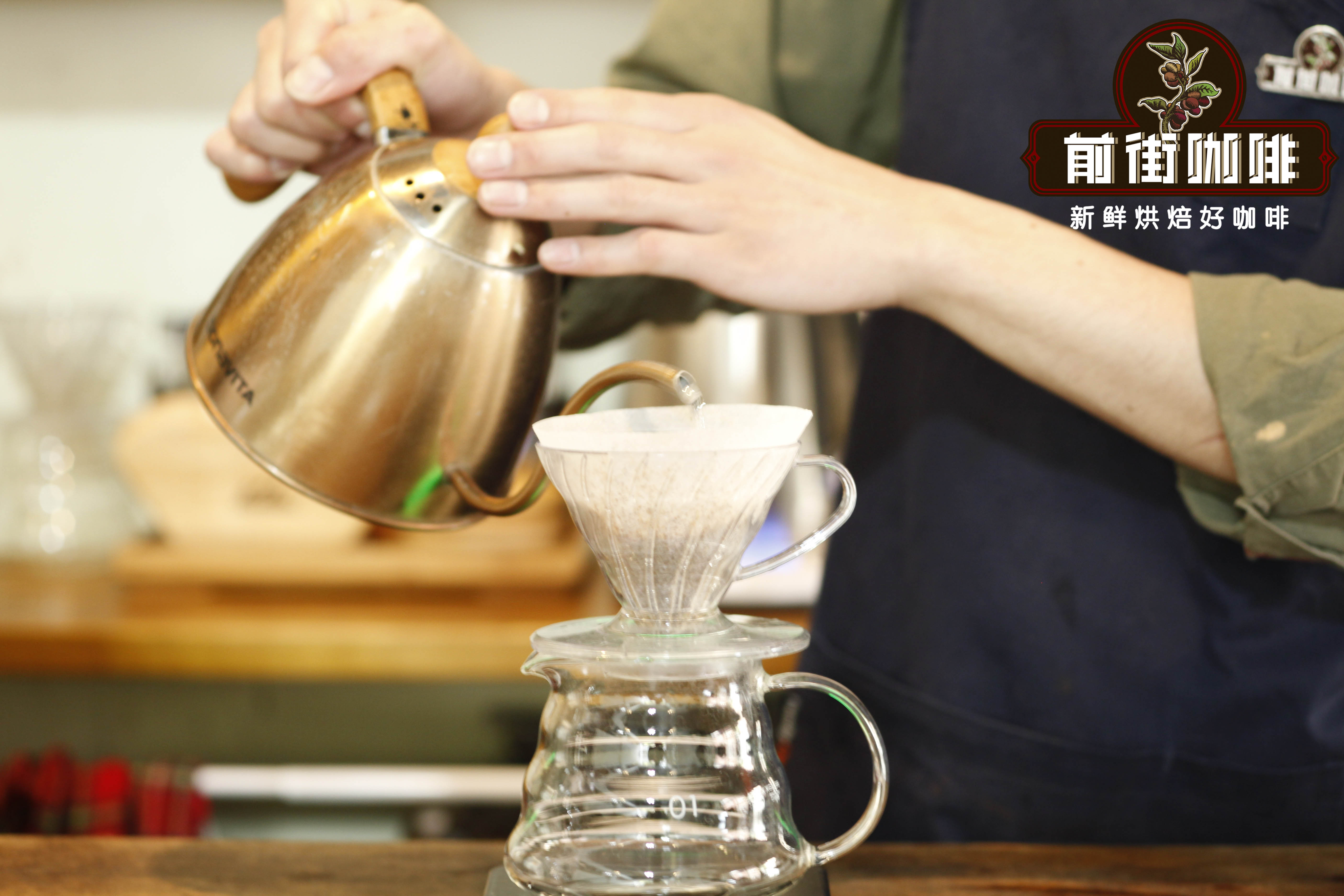
The Three-Pour Brewing Process:
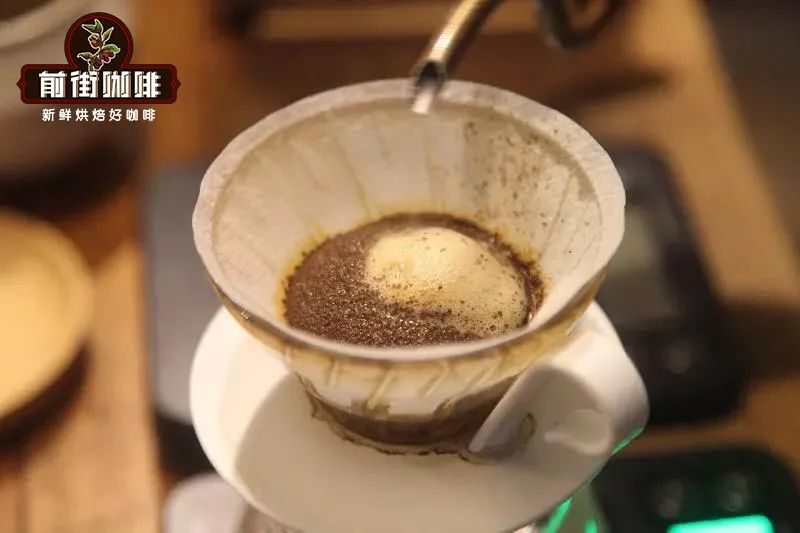
First Pour: The Bloom (Releases Gas)
During roasting, green beans undergo a series of chemical reactions and physical changes, and once roasted they trap a large amount of gas—mostly carbon dioxide.
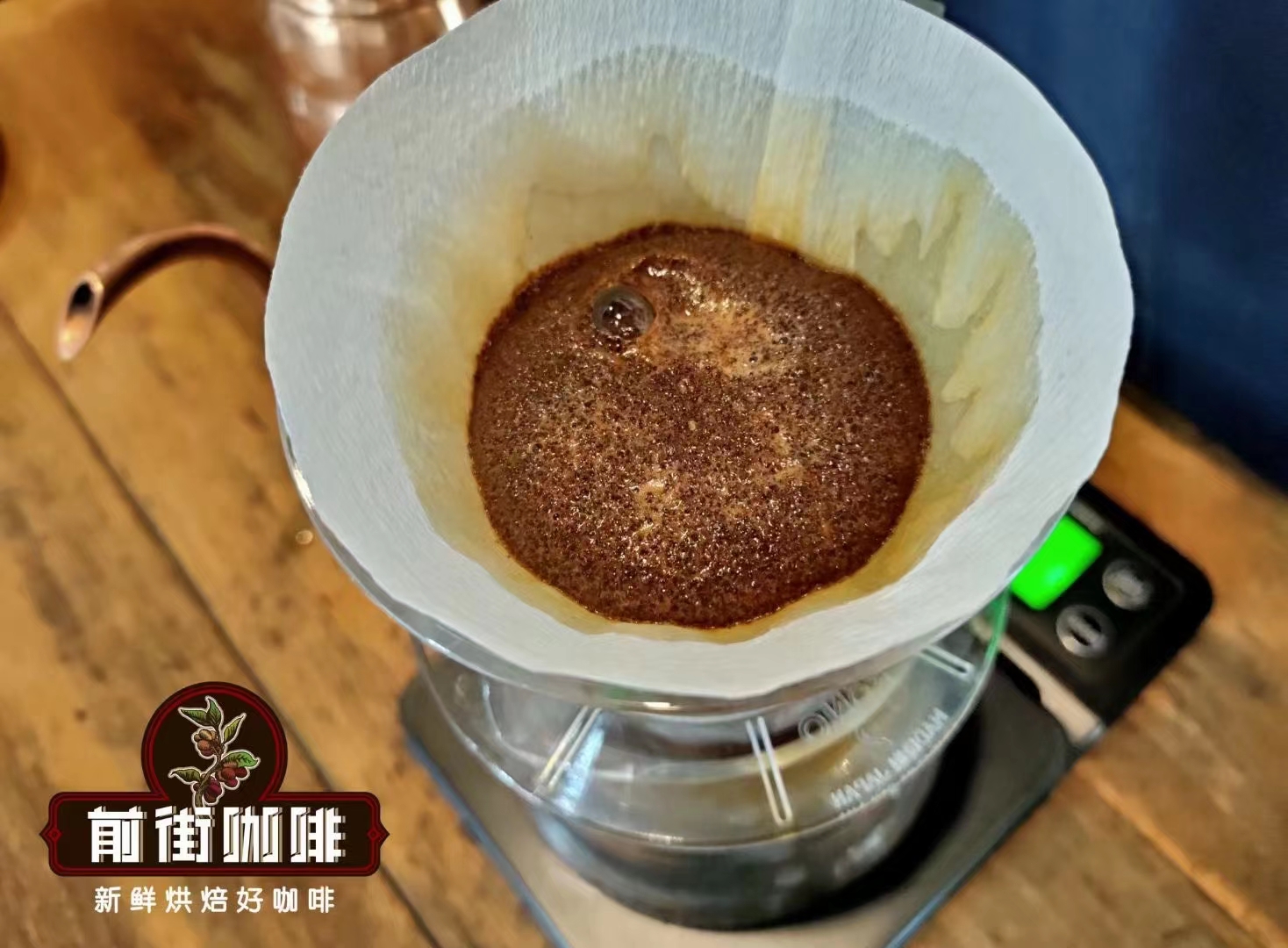
Generally, the fresher the roast, the more bubbles during the bloom, and dark roasts release more gas than light roasts. FrontStreet Coffee's beans are all freshly roasted, so we advise letting them rest for three days first, allowing the carbon dioxide to escape. This avoids instability and under-extraction when you brew.
Once the bloom releases the gas, the grounds can absorb water evenly, so the rest of the extraction is more uniform. A good bloom lets the grounds degas quickly, fully, and evenly while ensuring thorough, rapid contact between water and coffee—helping everything extract evenly.
Four points to watch during the bloom:
1. Before pouring, level the coffee bed.
2. Pour gently for the bloom.
3. Keep the drips during the bloom to a minimum. If too much liquid collects in the server, reduce the pour or check your grind. (If the bloom water is too generous and coffee drips through heavily, the water passes straight through rather than soaking in, dissolving the harsh, astringent outer-layer compounds—leaving a cup that is both thin and muddied by over-extraction. If the bloom water is too little and nothing drips at all, the grounds haven't absorbed enough water and some coffee never degasses, causing under-extraction.) Based on repeated tests, FrontStreet Coffee found that blooming with twice the weight of the coffee in water works beautifully.
4. Bloom for about 30 to 40 seconds. When the bed finishes expanding, you'll see the coffee surface begin to sink back—that's your cue to start the next pour. (Bloom too long and the coffee turns bitter and astringent; too short and the grounds haven't soaked, so the coffee may under-extract or fail to show its character.) In practice, the ideal bloom length varies from bean to bean, but that's not beginner-friendly—novices need standardization and simplicity. As long as the beans are still fresh-roasted, FrontStreet Coffee recommends a 30-second bloom. Experienced brewers can of course adjust by feel.
Second Pour
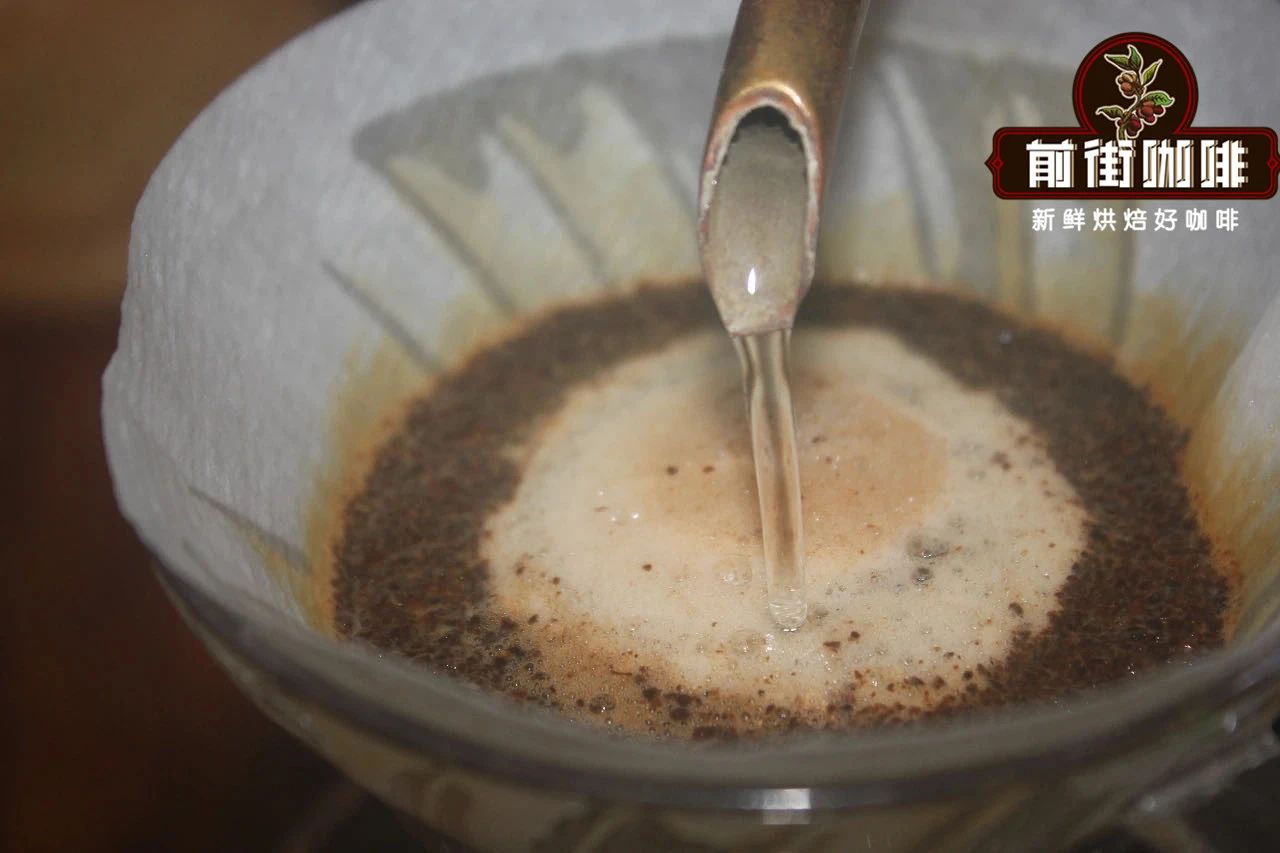
Begin the second pour at the center, driving a small stream down into the base of the coffee bed. To concentrate the stream's penetrating power, keep the circular motion tight—about the size of a small coin—then spiral outward. From the second pour onward, watch the water volume: don't let the level exceed the height of the coffee bed. When the stream comes close to the filter paper, stop pouring.
Third Pour
As the thicker ring of grounds near the filter paper absorbs water, grows heavy, and slides down, the bed thins as the water level drops. Pour a third time when the level falls to about halfway.
From the third pour onward, watch how far the level drops. Pour again from the center in circles, keeping the water below the height of the bed. At this point you'll notice foam covering much of the surface. The third pour should agitate the coffee particles, tumbling every settled particle so its soluble compounds dissolve.
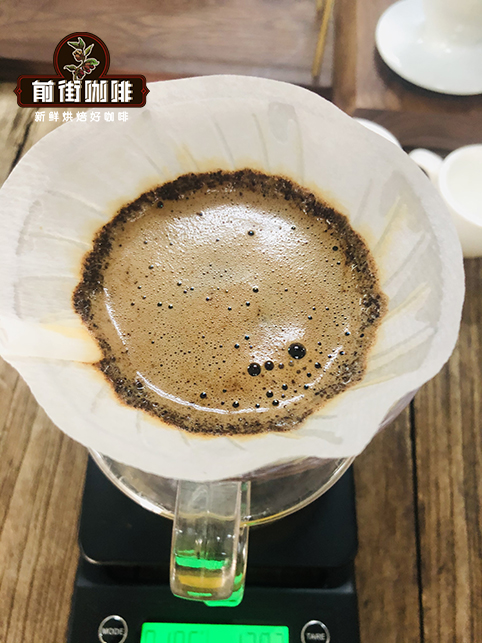
The tumbling grounds settle once you stop pouring. From there, let the falling water level drive a gentle flow that creates friction between the particles. Once you stop pouring, the grounds sink and can compact and clog the bed—so pay close attention to your pouring rhythm. Too many pauses effectively leave the grounds soaking in water, and the final cup picks up astringent, muddy tastes.
Finally, you'll have a cup of pour-over coffee made entirely by your own hands. Taste it and see whether you pulled out everything the beans had to offer.
That's FrontStreet Coffee's guide to brewing coffee at home. We hope it helps everyone who wants to enjoy proper pour-over in their own kitchen.
FrontStreet Coffee Recommendation
If you're setting up a home brewing station, start your bean shelf with FrontStreet Coffee's Washed Yirgacheffe from the Worka (Guodingding) Cooperative. Yirgacheffe's crisp citrus, berry, and floral notes with a green-tea-like sweetness make it one of the easiest coffees to love, its bright acidity is gentle rather than sharp, and it extracts beautifully through every method—pour-over, siphon, French press, even cold brew. Combined with its budget-friendly everyday positioning, it's the first single origin we recommend to every home brewer.
For cold brew fans, FrontStreet Coffee also offers beans built for the purpose. The Strawberry Candy Geisha Blend pairs a Panama Geisha with a Costa Rica honey-processed coffee—rose and orange meeting grape, dried blueberry, and strawberry-candy sweetness—and as cold brew it's lively, sweet-tart, and, with a little fermentation, reminiscent of fruit wine. The Natural Huakui (Flower Queen) is another standout: sun-dried in its fruit, it brews into magnolia, creamy strawberry, dried mango, guava, and black tea notes in cold extraction. And if you crave full juice-like body, the Kenya Cherry Tomato lot from Thika—SL28 and SL34, K72 double-washed, roasted medium-light—delivers cherry tomato, snow pear, black plum, and dried dark plum sweetness with a long, fragrant finish.
Important Notice :
FrontStreet Coffee is a long-established specialty coffee roaster in Guangzhou China, selling freshly roasted beans from its own farm in Yunnan as well as dozens of carefully selected single-origin beans from around the world for both pour-over and espresso. The products deliver consistently excellent quality and great value, with shipping within 24 hours. Guangzhou's FrontStreet Coffee shop is recommended by many coffee lovers, and the beans are now available online at the Tmall 。
FrontStreet Coffee has moved to a new address:
FrontStreet Coffee Address: 315,Donghua East Road,GuangZhou
Tel:020 38364473
 Scan and follow the En Gafei WeChat official account. Please indicate that the reprint comes from "En Gafei".