How Much Does Starbucks Gesha Black Coffee Cost - Gesha Coffee Bean Varieties, Flavor Characteristics, and Story
Is Geisha Coffee Really Expensive?
"Is Geisha coffee really expensive?" Many people, on first hearing the name, feel intimidated. In reality, while Geisha costs more than most ordinary specialty beans, not every Geisha carries a sky-high price tag.
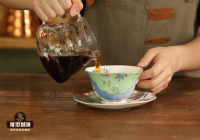
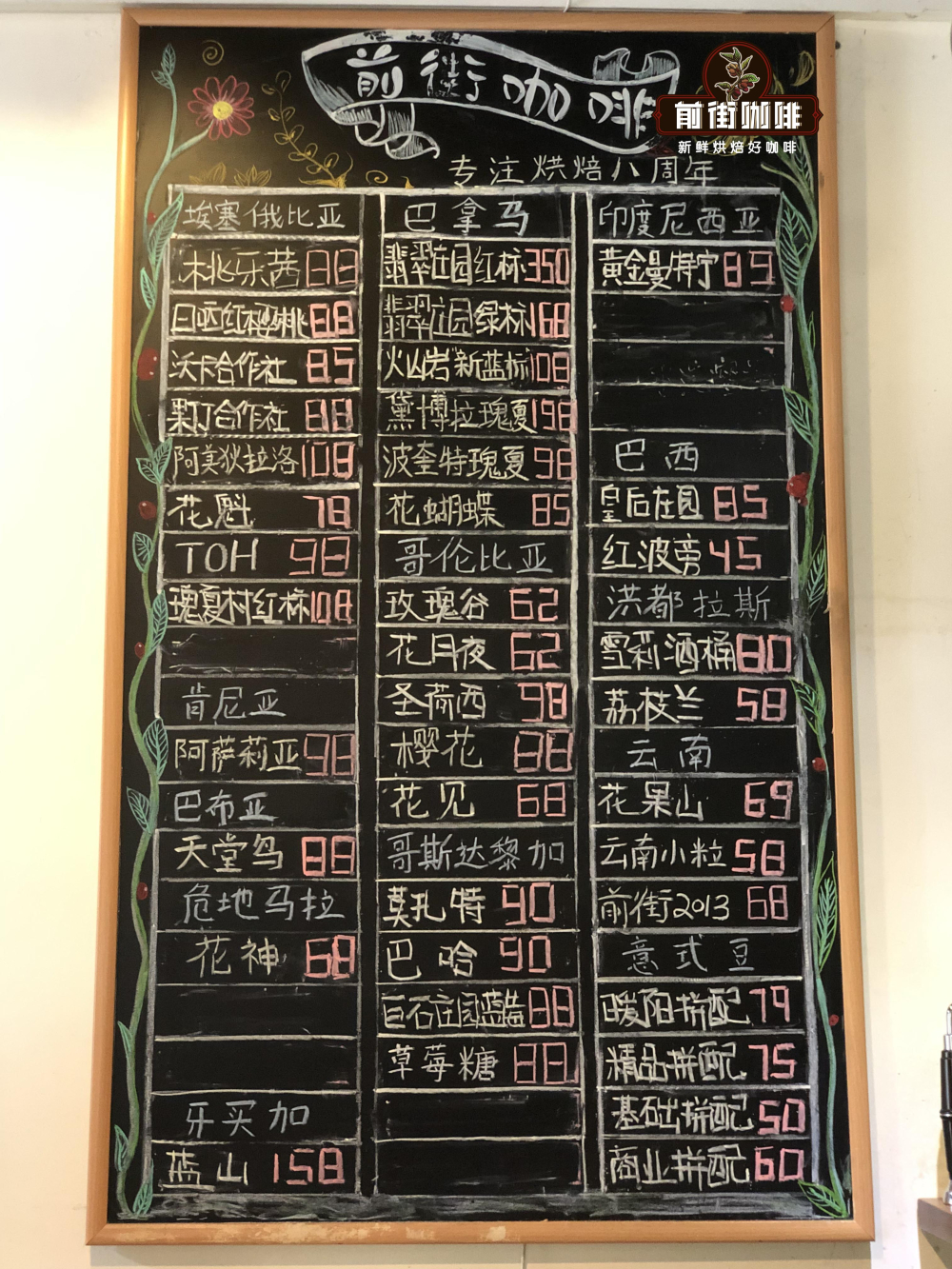
The Panamanian Geisha sold by FrontStreet Coffee spans several price levels. A cup of Geisha ranges from 30–75 yuan depending on the bean's origin, and a package of beans runs from 85–350 yuan, again varying by origin.
The Origins of Geisha
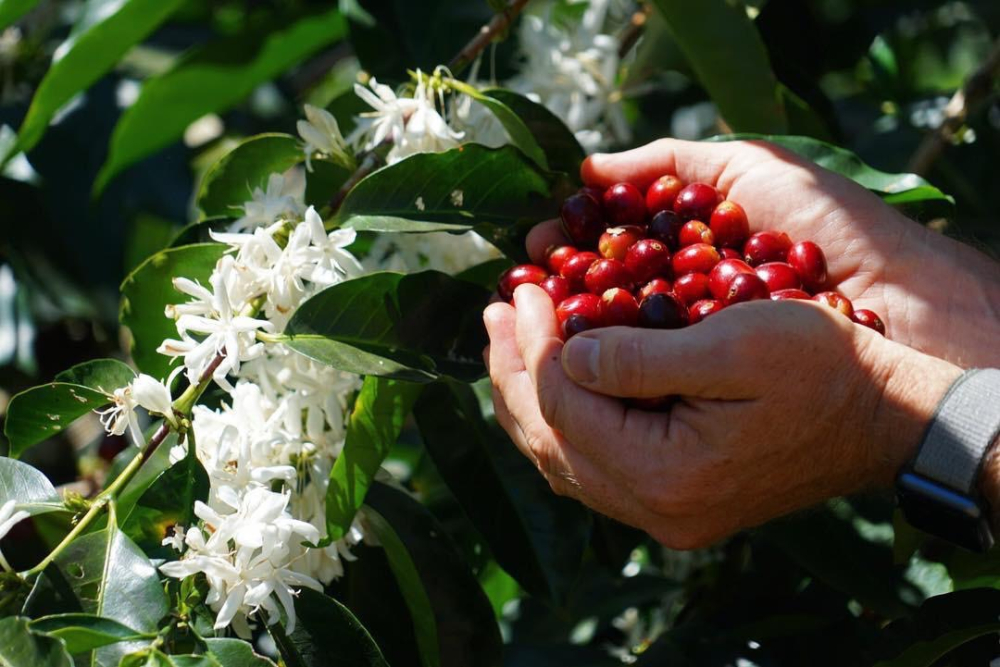
Geisha is not a region — it is one of the many varieties within the Arabica family. And although it is now prized for its unique fruit acidity and floral aroma, it was not discovered for those qualities. How did Geisha become the "Hermès" of the specialty coffee world?
Geisha originated in Ethiopia. It was collected in the Gori Geisha forest in 1931 and sent to a coffee research institute in Kenya; in 1936 it was introduced to Uganda and Tanzania. Costa Rica took it in in 1953, and Panama in the 1960s, when Don Pachi brought seeds from CATIE in Costa Rica and began planting Geisha, distributing it to other estates as well. The original plan was simply to use it to improve the disease resistance of other varieties. Because of its low yield, nobody took it seriously.

It was not until the son of Hacienda La Esmeralda's owner noticed the variety's charming aroma that it was separated out, processed on its own, and entered into competitions. In 2004 it won the Best of Panama (BOP) green bean championship, and the specialty coffee world took instant notice. From discovery to overnight stardom, Geisha waited nearly half a century. In subsequent competitions it consistently defeated other varieties (Bourbon, Caturra, Catuai and so on); for fairness, later competitions created separate categories, stipulating that Geisha could only compete against Geisha.
The Rise of Geisha
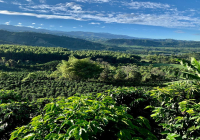
After its breakthrough, Hacienda La Esmeralda noted that the variety only produces its most charming cup above 1,600 meters. Geisha grown at around 1,500 meters still smells lovely but lacks complexity. Since most Panamanian estates enjoy high-altitude advantages, they all began planting it.
Even so, Geisha grown at different estates and regions within Panama shows varying flavor differences, and price is set by estate fame, competition results and overall cup performance. The most expensive Geisha beans today are competition-grade Red Label beans from Panama's Hacienda La Esmeralda, with auction prices exceeding 20,000 RMB per kilogram.

Geisha Classifications at Hacienda La Esmeralda
At Hacienda La Esmeralda, Geisha is divided into Esmeralda Special (Red Label), Private Reserve (Green Label), and Geisha 1500 (Blue Label). (In 2022 the Blue Label grade was discontinued; those beans were bought in bulk by a green coffee company and sold as Volcanic Geisha. After cupping comparisons, FrontStreet Coffee found Volcanic Geisha's tonality very close to the old Blue Label, and concluded that Volcanic Geisha is in fact the same coffee.)
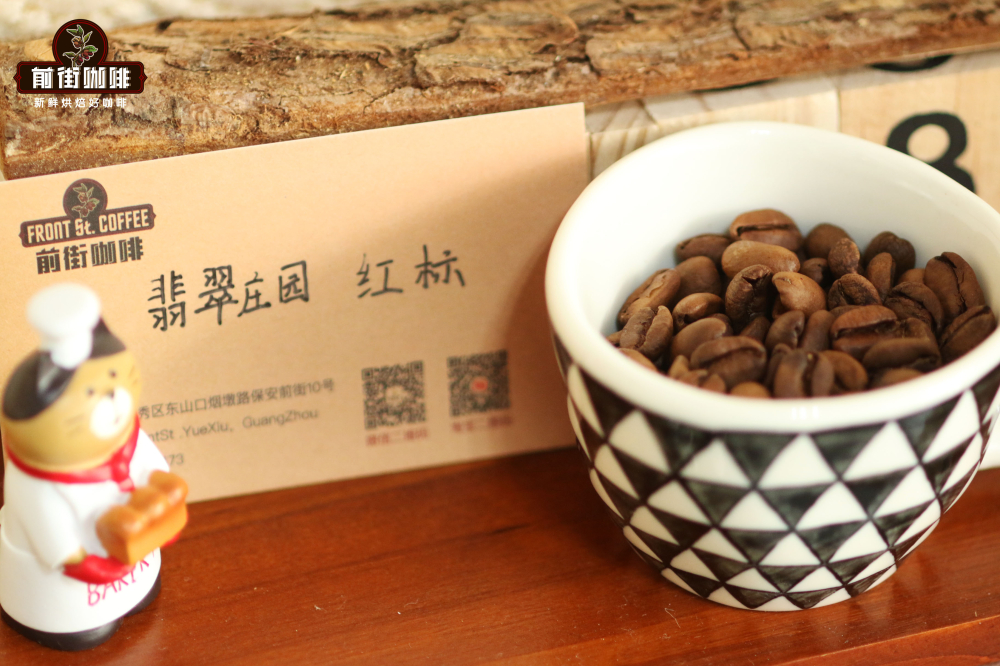
Of the three, the Red Label commands the highest price. The Geisha plots are divided finely: the Jaramillo plot, the Cañas Verdes plot and the Vuelta plot, each estate further subdivided, with an average altitude of 1,700 meters. As the estate's original plot, Cañas Verdes became the nucleus when Geisha went famous, expanding outward for larger-scale planting. The Green Label is a blend of Geisha grown at 1,600–1,700 meters across several plots; the Blue Label (now Volcanic) is a blend from plots at around 1,500 meters.
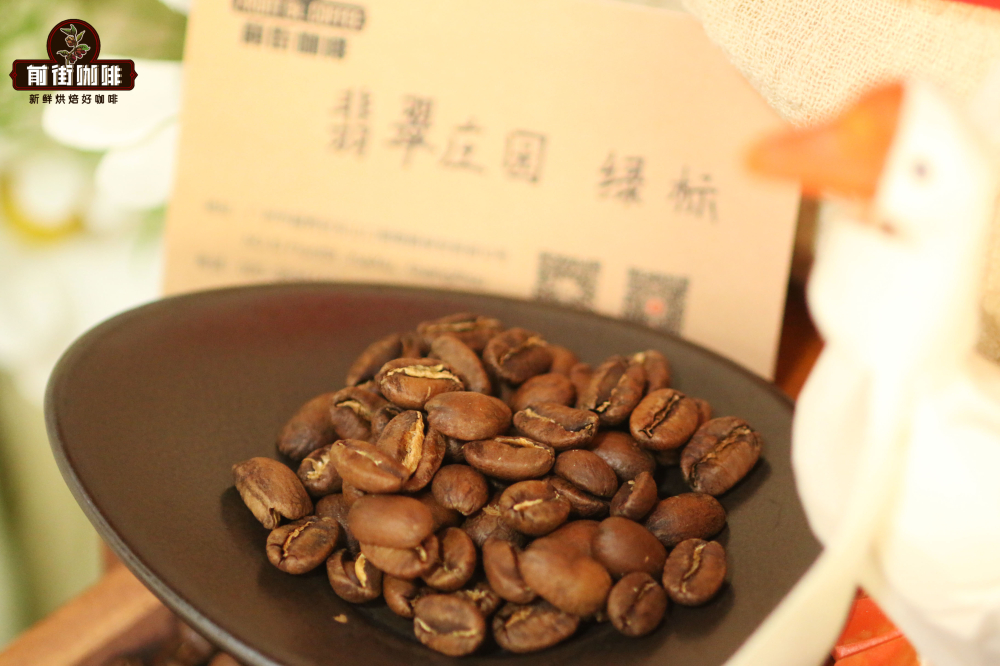
The Red Label, Green Label and Volcanic lots from Hacienda La Esmeralda are all available from FrontStreet Coffee, alongside 90+ Estate Geisha, FrontStreet's Hope Estate Geisha, FrontStreet's Boquete Geisha, and a Geisha blend from the same producing region — FrontStreet's Flower Butterfly.

Brewing Recommendations from FrontStreet Coffee
All beans sold by FrontStreet Coffee are freshly roasted and shipped within 5 days of roasting. Because Geisha grows at high altitude, the large day-night temperature swings give the beans ample time to develop flavor, so Geisha beans are relatively hard and tend to sink and clog the dripper's drainage holes. FrontStreet Coffee therefore recommends a grind with a 78% pass rate on a China standard No. 20 sieve (approximately fine-sugar coarseness) and a water temperature of 90–91°C.
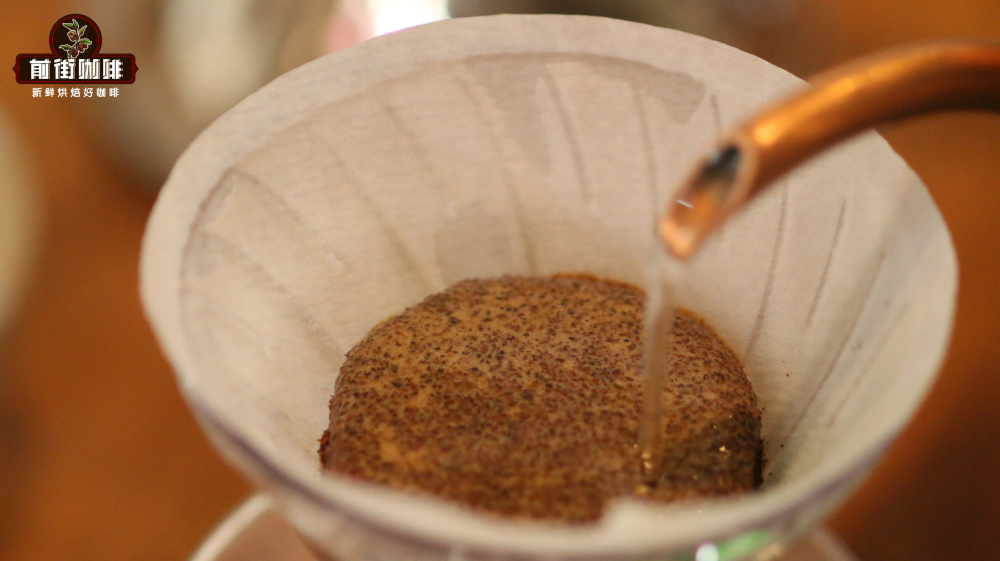
Use 15g of coffee with a Hario V60 small dripper at a 1:16 coffee-to-water ratio. Brew in three stages: start timing, pour to 30g and bloom for 30 seconds; then pour in small circles to 125g, wait until the water level drops halfway, and continue in small circles to 225g. Once dripping finishes, the total extraction time should be around 2 minutes 10 seconds to 2 minutes 20 seconds.
FrontStreet Coffee Recommendation
Which Geisha should you choose? For the true Panama experience, the FrontStreet Esmeralda Red Label ("Esmeralda Special") is the pinnacle: grown at 1,600–1,800 meters, every batch must cup above 90 points, and each batch comes from a single small plot — FrontStreet's own comes from the Jaramillo plot — letting buyers choose by subtle flavor preference. The Green Label ("Private Collection") blends several high-altitude plots into the estate's signature Geisha profile at a friendlier price, making it the better value.
Newcomers who want a first taste of the legendary "Geisha flavor" should start with FrontStreet's Boquete Geisha — an entry-level Panamanian that captures the classic orange-blossom honeyed tonality, oolong-tea finish and delicate fruit sweetness without the flagship price.
For Ethiopia's side of the story, FrontStreet also offers Geisha Village's Gold and Red Label lots, and the Genlana Estate Gesha: fully ripe cherries hand-picked and dried on raised beds for 14–20 days, then medium-light roasted to reveal bright citrus acidity, elegant ginger-flower aroma, ripe-fruit sweetness and Geisha's signature refined finish.
Important Notice :
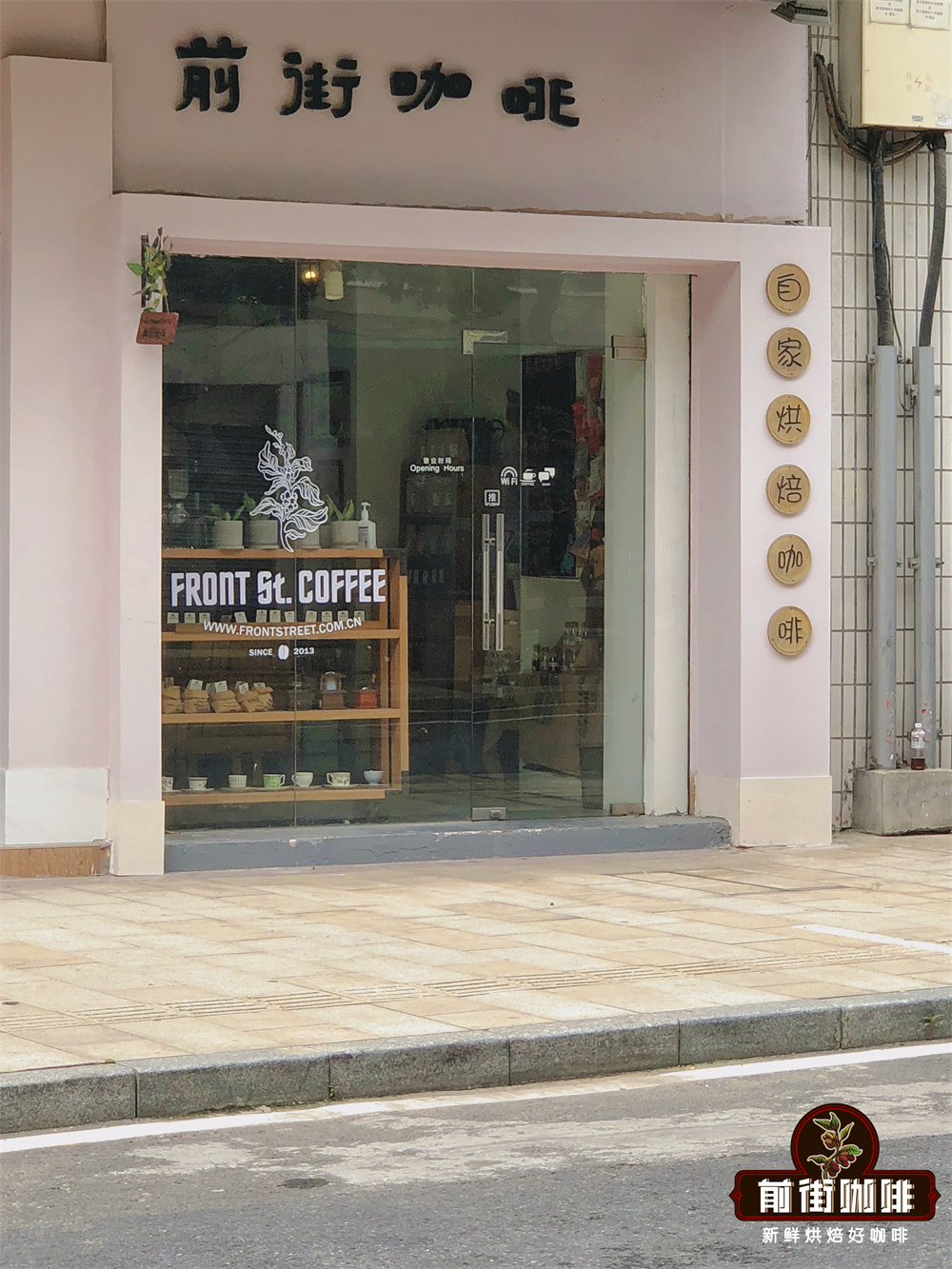
FrontStreet Coffee is a long-established specialty coffee roaster in Guangzhou China, selling freshly roasted beans from its own farm in Yunnan as well as dozens of carefully selected single-origin beans from around the world for both pour-over and espresso. The products deliver consistently excellent quality and great value, with shipping within 24 hours. Guangzhou's FrontStreet Coffee shop is recommended by many coffee lovers, and the beans are now available online at the Tmall 。
FrontStreet Coffee has moved to a new address:
FrontStreet Coffee Address: 315,Donghua East Road,GuangZhou
Tel:020 38364473
 Scan and follow the En Gafei WeChat official account. Please indicate that the reprint comes from "En Gafei".