The Difference Between Flat White and Latte: Ratios, Flavor Characteristics and Introduction to Australian-Style Flat White Coffee

Even the name of the Flat White trips people up. Enthusiasts sometimes render it as "Fuyubai" or "Aoruibai," neither of which is quite right—so what is the correct way to say it, and what makes this little cup worth arguing over? In this article, FrontStreet Coffee walks through everything you need to know about Flat White coffee.
What is Flat White Coffee?
Flat White is a milk coffee that originated in the Southern Hemisphere—hence the name "Australian White." Though the Australians and New Zealanders still bicker over who invented it, the essentials are undisputed: a Flat White uses less milk, thinner foam, and a stronger coffee presence than a latte. Even the espresso base divides along national lines: New Zealanders typically build theirs on a double ristretto, while Australian baristas prefer a single espresso.
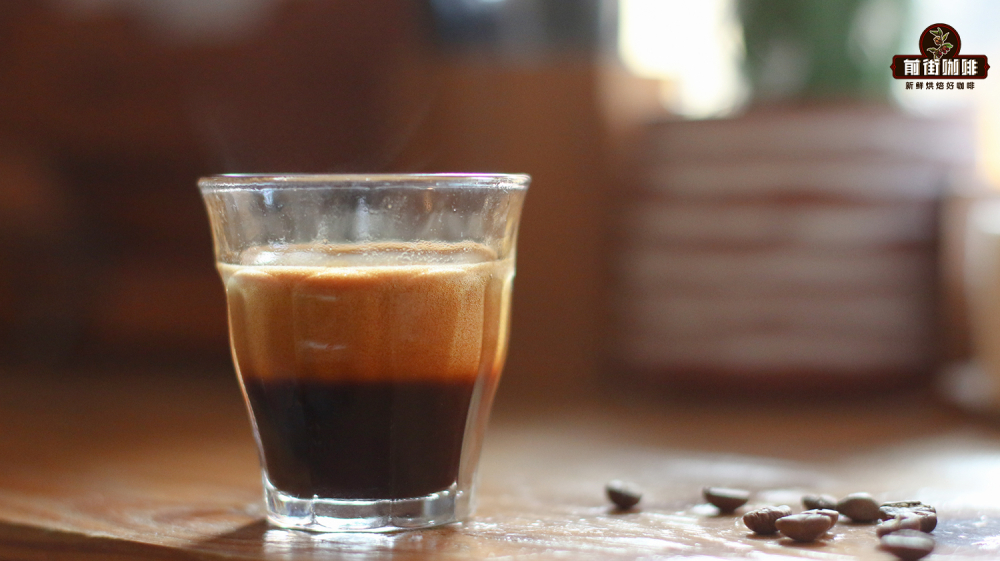
One more rule from down under: a Flat White is only served hot. Add ice and, as the Australians see it, it loses its soul—the cubes dilute the concentration, and a cold Flat White is, for all practical purposes, just a latte.
How to Distinguish Between Flat White and Latte?
So how do you actually tell the two apart? It comes down to the espresso-to-milk ratio—though in truth, every café draws the line slightly differently. Here is how FrontStreet Coffee does it:

Latte
FrontStreet Coffee's latte standard: a 300ml ceramic cup, 40g of espresso base, and 260ml of milk plus foam. Foam thickness is about 1cm (texture: 5 parts milk whipped to 7 parts foam). There's also a smaller latte variant using less espresso and more milk—the Piccolo Latte.

Flat White
FrontStreet Coffee's Flat White standard: a 220ml glass cup, 30g of ristretto espresso, and 190ml of milk plus foam. Foam thickness is about 0.5cm (texture: 5 parts milk whipped to 5.5–6 parts foam).

The Differences
In short: the latte is the bigger cup, its foam slightly thicker with a gentle dome, while the Flat White's foam is thinner and lies flat—hence the name. The latte leans milky; the Flat White lets the espresso lead. Australians put it best with a joke: a latte is coffee-flavored milk, while a Flat White is milk-flavored coffee.
Dirty Coffee
There's one more espresso drink that, like the Flat White, is bound to a single temperature—but the opposite one: Dirty coffee, which is served only iced.
What is Dirty Coffee? How Does It Differ from Flat White?
Dirty is another of the off-menu items at FrontStreet Coffee. The cup is pre-chilled in the refrigerator, then filled with cold fresh milk before the espresso is poured over. Visually, the coffee stains the white milk as it sinks; on the palate, hot meets cold for a uniquely layered experience.
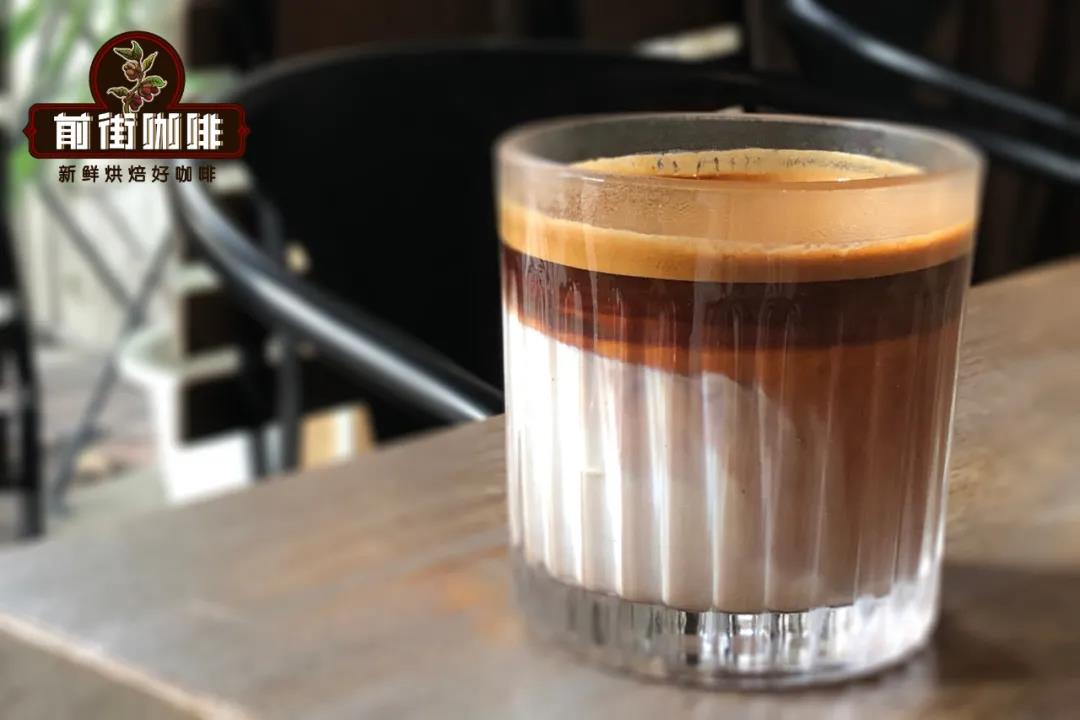
That's the fundamental split: Dirty is iced by definition—hot espresso into cold milk creates the layering—so each sip moves from warm, rich coffee into cool milk, several experiences in one glass. The traditional Flat White, by contrast, is hot-only: a thin-foamed milk coffee with less milk than a latte, tasting richly of coffee with a delicate texture.
How to Make Flat White Coffee?
We've covered the milk-to-coffee ratio; now for the specific parameters FrontStreet Coffee uses.

FrontStreet Coffee's Extraction Parameters:
Pressure: 9 bar
Temperature: 90.5~96°C
Time: 20~30 sec
Coffee-to-water ratio: 1:1.7~1:2
Coffee dose: 12g (single shot) 20g (double shot)
Extraction yield: 20ml (single) 40ml (double)
Recommended Milk to Coffee Ratio for Flat White
Milk: whole fresh milk (FrontStreet uses Kowloon Dairy fresh milk)
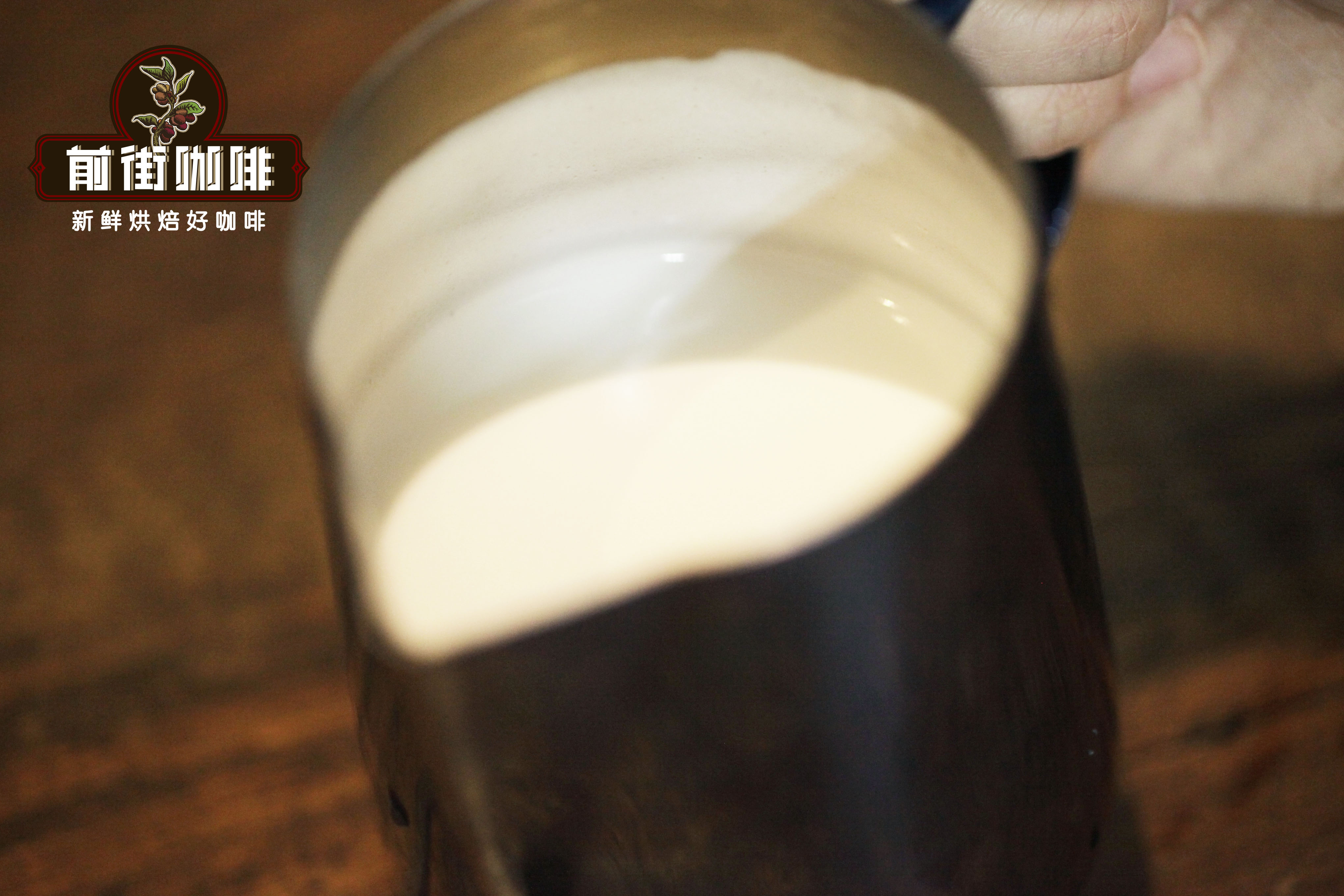
Milk frothing temperature: 50–60°C (too cool and the lactose never develops its sweetness; too hot and the proteins break down into a gritty texture)
Foam thickness: 5mm (1cm foam is for lattes; 1.5cm is for cappuccinos)
Espresso: 40ml
Milk: 140ml
Those are FrontStreet Coffee's parameters for a Flat White. Which brings us back to the name—so how should "Flat White" actually be pronounced? FrontStreet Coffee settles it now.

The Correct Pronunciation of Flat White
The drink comes from Australia, hence the nickname "Australian White," and the English pronunciation is simply "flat white"—the rendering "Furuibai" also derives from that English name. McDonald's, for its part, launched its own version called "Aozhenbai." So if you hear any of these names in a café, they all point to the same drink, and all count as correct. What FrontStreet Coffee wants to flag: "Fuyubai" and "Aoruibai" are not correct—skip those.
FrontStreet Coffee Recommendation
A great Flat White starts long before the steam wand: it needs beans with a strong flavor signature, since the coffee—not the milk—is the star. For home brewing, FrontStreet Coffee recommends the Classic Blend, with its buttery, cheese-like character: full-bodied and low in acidity, with rich, fine crema that pairs beautifully with milk. If you chase floral and fruity notes instead, go for the Strawberry Candy espresso blend—extremely low in bitterness, extracting with full grape and blueberry flavors and balanced sweet-tart acidity. Paired with fresh milk in a Flat White, it tastes like a strawberry milkshake, and one you won't soon forget.
Milk matters just as much. Too thin and the drink falls flat; too strongly flavored and it buries the espresso. FrontStreet Coffee recommends cold-stored fresh milk, which steams into a sweeter, more fragrant microfoam—the perfect partner for the extraction. To make the coffee lead even more, pull only the front and middle portion of the shot as a ristretto base (20g of grounds yielding 32g of espresso over 22–25 seconds), then add 160ml of fresh milk.
For the foam, keep it silky, fine—and thin. Aeration time on the steam wand is everything: for a Flat White, aerate for just 1–2 seconds (two short "hiss" sounds), then sink the wand and spin the milk into a dense whirlpool until it reaches 50–55°C. When swirling the pitcher, the surface should gleam like a mirror—that's your foam. At FrontStreet Coffee we finish at 0.3cm thickness, so the first sip lands on crema rather than air. Pour the hot milk gently into the espresso, raise the pitcher to stir thin circles through the crema, then drop low and push through a white line in one motion. The finished Flat White is visibly silky, drinkable in big gulps at its gentle temperature—creamy hazelnut and white-chocolate sweetness all the way down, with none of a latte's heaviness at the bottom of the cup.
Important Notice :
FrontStreet Coffee is a long-established specialty coffee roaster in Guangzhou China, selling freshly roasted beans from its own farm in Yunnan as well as dozens of carefully selected single-origin beans from around the world for both pour-over and espresso. The products deliver consistently excellent quality and great value, with shipping within 24 hours. Guangzhou's FrontStreet Coffee shop is recommended by many coffee lovers, and the beans are now available online at the Tmall 。
FrontStreet Coffee has moved to a new address:
FrontStreet Coffee Address: 315,Donghua East Road,GuangZhou
Tel:020 38364473
 Scan and follow the En Gafei WeChat official account. Please indicate that the reprint comes from "En Gafei".