Arabica Coffee Bean Varieties and Origins: A Comprehensive Guide to Types and Characteristics
What makes a cup of coffee truly exceptional? Excellent brewing technique and equipment matter, but FrontStreet Coffee believes high-quality beans are the single most important element. Several years ago, coffee professionals began championing Arabica coffee beans, with some brands even naming themselves directly after Arabica. Today the specialty coffee industry talks about and pursues little else. So what exactly is Arabica? FrontStreet Coffee set out to understand every coffee-producing region, the different varieties within each region, the different processing methods applied to the same variety, and the comparisons between origins - building databases along the way. FrontStreet Coffee hopes to help more coffee lovers navigate the world of coffee, introducing essential bean knowledge in the most accessible way possible.

The Discovery of Coffee
In the sixteenth century, an Ethiopian shepherd was astonished to find his sheep jumping around uncontrollably one day. Watching carefully, he realized they had been eating a certain red fruit. As the shepherd spread the word, more and more people learned of the fruit's stimulating effects - everyone felt refreshed and energized after eating it. The fruit was later used as a stimulant during long religious ceremonies. That fruit, of course, was coffee.
Commercial Coffee Varieties
Coffee belongs to the Rubiaceae family. As for varieties, two main types circulate in the market:
Arabica: Higher cultivation costs, better quality, particularly aromatic and mellow flavor, grown in high-altitude regions. Latin American countries such as Nicaragua, Costa Rica, and Panama specialize in this variety.
Robusta: Grown at lower altitudes in hotter regions. Budget brands typically use it entirely or in part.
Arabica and Robusta together account for nearly 100% of the market.

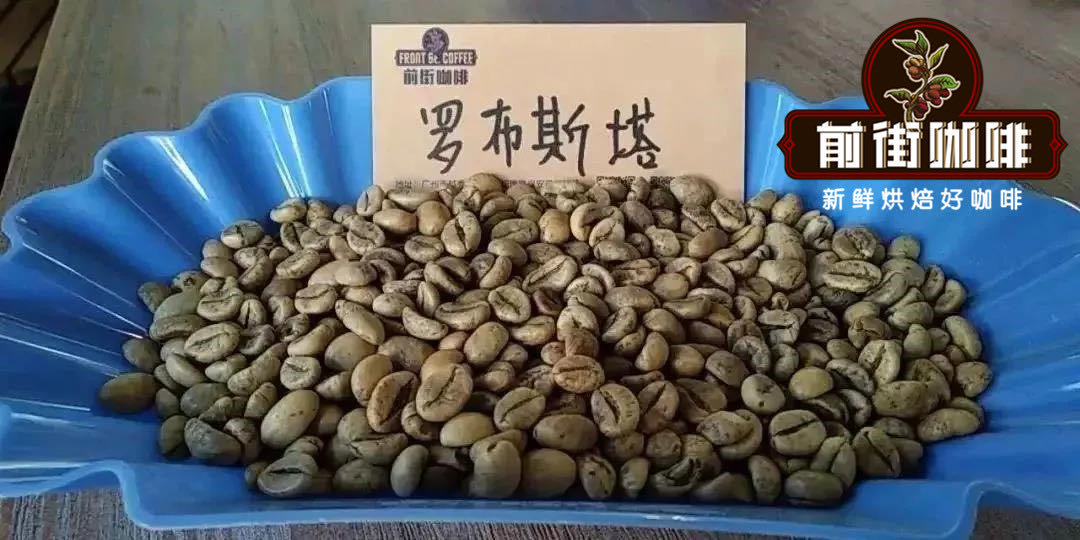
Robusta: Advantages, Disadvantages, and Distribution
Advantages
- Adaptable to low-altitude environments, quick to mature, high yielding; resistant to leaf rust
- Low price; the brewed coffee is more viscous with a heavy mouthfeel
Disadvantages
- Rubber (tire) and musty odors; lacks acidity and aromatic compounds (hence its exclusion from specialty coffee discussions)
- Caffeine content per bean is about twice that of Arabica
Main Distribution/Consumption Methods
- Instant coffee
- Blends: French/Italian blended coffee (to cut costs)
- Espresso and moka pot brewing (adds thickness and makes off-flavors less noticeable)

The Truth
Many people assume espresso is higher in caffeine, mainly because most espresso uses a blend containing a proportion of Robusta (French blends run about 50%, Italian blends about 30-40%, varying with the roaster's style). In more advanced coffee cultures such as the US, Japan, and Europe, single-origin Arabica or all-Arabica espresso has started to gain ground; Taiwan, China, and other regions have yet to see such attempts widely. Robusta (or low-grade Arabica) roasted into second crack (medium-dark to dark) can mask unpleasant off-flavors through caramelization and carbonized-bean notes.
Commercial flavored drinks such as latte, caramel macchiato, mocha, and cappuccino almost all use espresso as the flavoring base. Dark, heavily roasted beans (still the norm for most major coffee chains and franchises) help the coffee taste survive beneath the flavorings.

Arabica: Advantages, Disadvantages, and Distribution
Advantages
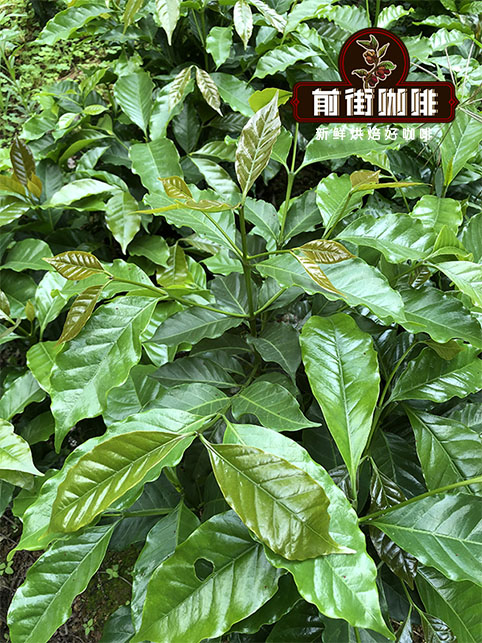
Arabica coffee grown under good cultivation and proper management shows distinct acidity and aroma components from lot to lot - which is exactly what draws countless connoisseurs into cupping and evaluation.
Good Arabica has complete flavor, with acidity, sweetness, and salinity in balance; its caffeine content is low, about half that of Robusta under comparable conditions (*Arabica caffeine varies by variety and origin, but is generally lower than Robusta).
Disadvantages
- Strict environmental requirements, long maturation, low per-unit yield; susceptible to leaf rust
- Difficult cultivation and harvesting make good Arabica green beans far more expensive than Robusta
Main Distribution/Consumption Methods
- Single-origin/whole bean sales
- French/Italian blends that add Arabica for flavor (acidity, sweetness)
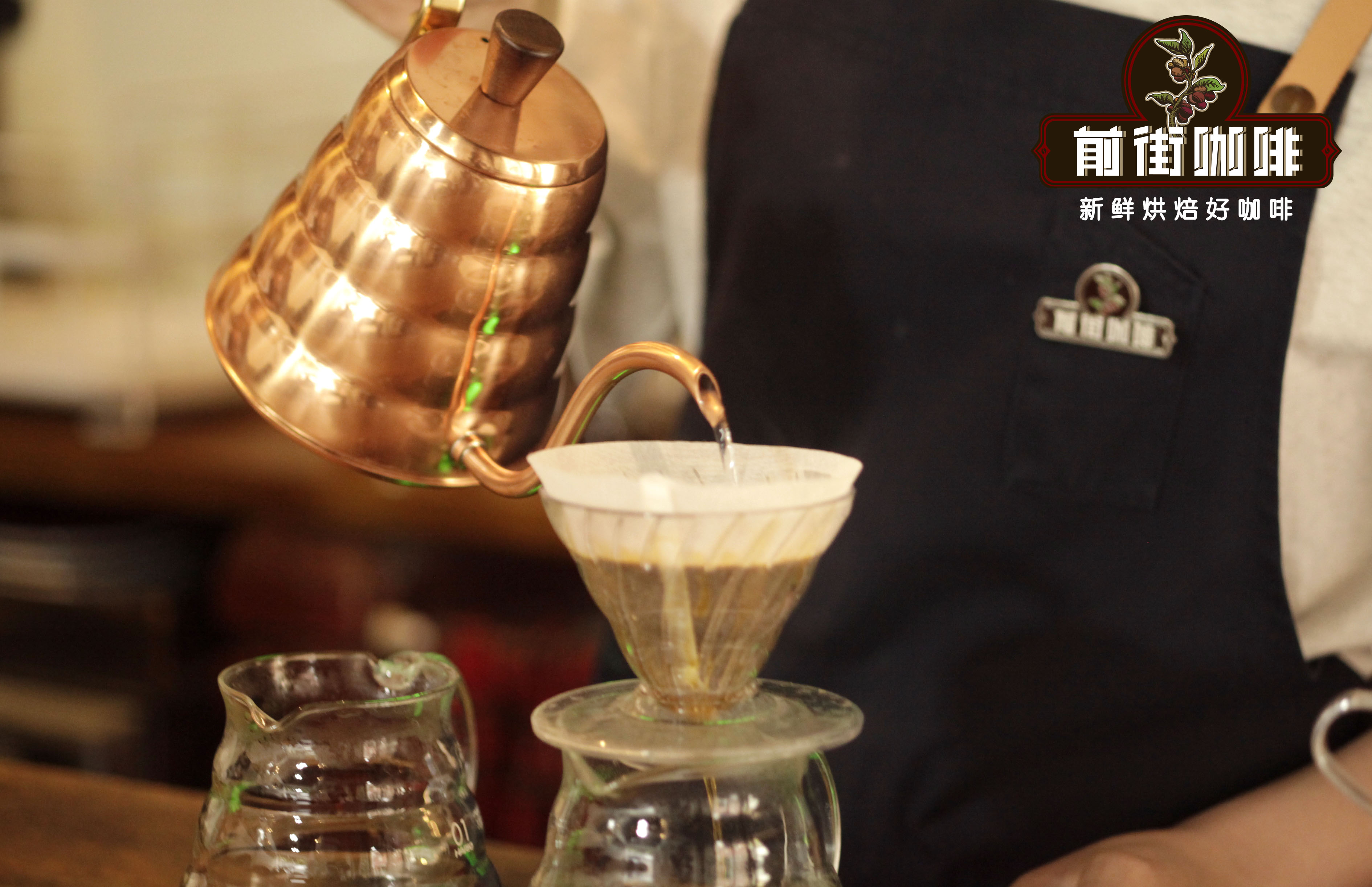
- Pour-over, siphon, French press, and American drip brewers can all produce delicious Arabica coffee (the keys are grind size, water temperature, and extraction time)
The Truth
Beyond favorable origin conditions (volcanic soil, high altitude, day-night temperature swings, adequate rainfall), good Arabica green beans depend on meticulous harvesting (hand-picking only ripe cherries) and processing (skin removal, fermentation to strip the pulp). Large estates often span thousands of acres, so annual cupping and grading of individual blocks (mountains) is required. Finally, assembly lines must be set up to hand-remove defective beans before the green coffee can truly be guaranteed for consuming countries.
Coffee's freshness window is very short. In most stores you'll see dark roast beans poured straight into grinders or open plastic containers on the espresso machines - making it impossible to know how long the beans in your cup have been sitting there.

Chain coffee shops have enormous annual demand, making heavy investment in top-tier Arabica green beans virtually impossible. Independent cafes and home-roasting cafes have accordingly sprung up like mushrooms in recent years. Only by choosing shops that genuinely understand and care about coffee quality can you enjoy high-grade Arabica. FrontStreet Coffee continuously explores beans from around the world, numbering its varieties in the hundreds, and frequently runs side-by-side comparisons between origins - because comparison is the best way to grasp regional flavor character. Since coffee's flavor presentation has a shelf life, FrontStreet Coffee insists on fresh roasting and recommends brewing after 3 days of degassing.

Arabica Variety Classification
Within specialty coffee, only Arabica varieties are currently classified and discussed. The more representative varieties include:
- Ancient native varieties: Typica, Bourbon
- Well-known Typica variants: Maragogype (Elephant Bean), Geisha (nicknamed the Geisha bean because of how the name sounds)...
- Well-known Bourbon variants: Caturra, Pacas...
- Well-known hybrids: Pacamara (Pacas + Maragogype = Pacamara)

Except for the 90% of Arabica coffee from the Ethiopian highlands that is self-compatible, all other coffees are self-incompatible. After several generations of self-pollination, Arabica's vigor and yield are unaffected. Arabica produces many mutations, possibly because its ease of self-pollination makes recessive mutations more likely to surface.
All Arabica hybrids have evolved over thousands of years. Beyond the Ethiopian native lineage, two main lineages derive from Yemen: Typica and Bourbon.
Typica Series: Rich Layers, Smooth Flavor
The variety closest to the original species, originally from Kaffa in Ethiopia and Yemen. As the ancestor of Arabica varieties, Typica exhibits excellent purity and body, with citrus-like fruit acidity and a sweet aftertaste. Typica has bronze terminal leaves and elliptical or slender-pointed beans; the trees stand 3-4 meters tall with a conical shape, the trunk and branches angled at 50-70 degrees. Leaves are narrow and bronze-toned; berries are more elliptical than other varieties'. In Central America it is called Arabigo or criollo. Poor leaf rust resistance makes it hard to care for, fruit yield is low, and the long harvest period results in low production.

Typica has genetically evolved into many variants better adapted to their surroundings, often regarded as new varieties in their own right. Mexican Typica and Hawaiian Typica, for instance, differ slightly and carry different names: Criollo (South America), Arabigo (the Americas), Kona (Hawaii), Pluma Hidalgo (Mexico), Garundang (Sumatra), Blue Mountain (Jamaica, Papua New Guinea), San Bernardo & San Ramon (Brazil), and Kent and Chickumalgu (India) all belong to Typica.
FrontStreet Coffee selects Typica variety beans from Panama's Elida Estate for roasting and brewing.
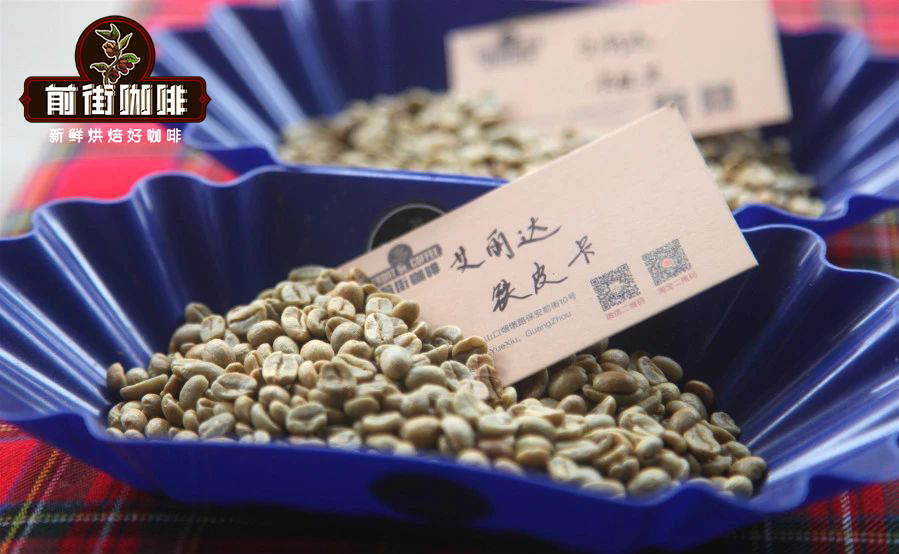
Panama - Elida Estate
- Region: Boquete, Panama
- Estate: Elida Estate
- Altitude: 1850 meters
- Variety: Typica
- Processing: Natural
FrontStreet Coffee chose the Typica beans from Panama's Elida Estate because they beautifully express the variety's cleanliness and citrus fruit acidity, with sucrose sweetness in the aftertaste.

Roasting Profile
Roaster: Yangjia 600g semi-direct heat
Charge at 170°C, damper open to 3. After 30 seconds, reduce heat to 140°C, damper unchanged. Turning point at 1'25"; adjust heat once at 140°C. When the bean surface turns yellow and the grassy smell disappears completely, dehydration is complete - reduce heat to 110°C, damper to 4.
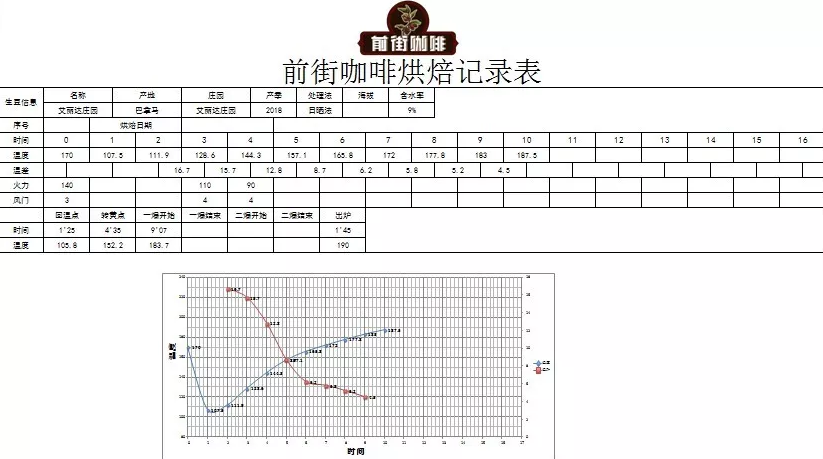
At 8'45", the bean surface shows ugly wrinkles and black spots and the toast smell clearly turns to coffee aroma - the prelude to first crack. Listen carefully for the first crack. At 9'07" first crack begins; reduce heat to 90°C, damper to 4 (adjust heat very carefully - not so low that the crackling stops). 1'45" after first crack, drop at 190°C.
Taste: Smooth entry, prominent raisin, peach, orange, melon, sucrose, and caramel flavors, a green tea sensation, and high cleanliness.

Bourbon Series: Rich Acidity and Aroma, Diverse Flavor Profile
A variety mutated from Typica - and, along with Typica, the closest to the native species today. Bourbon spread from southwestern Ethiopia to Yemen, its bean shape shifting from slender-pointed to round. In 1715, France transplanted Yemen Mocha's round beans to Bourbon Island off the east coast of Africa (renamed Reunion Island after the French Revolution) and named the variety Bourbon. Bourbon's round beans then traveled on, reaching Brazil and Central and South America in 1727. In 1732, Britain transplanted Yemen Mocha - also Bourbon round beans - to St. Helena Island (later Napoleon's place of exile). Bourbon is the perennial champion of American specialty coffee cupping, producing 20-30% more fruit than Typica.

Bourbon series characteristics: All show distinct dark chocolate, cocoa, nut, and caramel flavors, smooth acidity, and lower bitterness. Bourbon trees are tall and vigorous, with slightly serrated, broader green leaves. The beans are smaller and grow more densely, so they look smaller and rounder than Typica. Fruits come in red, yellow, and orange depending on variant and soil, with red the most common. Although Bourbon out-yields Typica, it is still considered a low-yield variety, highly susceptible to leaf rust, coffee berry disease, and nematodes. To produce its uniquely superior flavor, growing altitude should be 1100 to 2200 meters.
FrontStreet Coffee uses Brazil Queen Estate coffee for roasting and brewing.

Brazil Queen Estate Yellow Bourbon
- Region: Mogiana
- Altitude: 1400-1950m
- Variety: Yellow Bourbon
- Processing: Natural
FrontStreet Coffee chose the Yellow Bourbon from Brazil Queen Estate because it displays the variety's signature dark chocolate, cocoa, nut, and caramel flavors, smooth acidity, and low bitterness.

Roasting Profile
This bean has low moisture content and solid texture, giving it strong heat absorption - so roasting time must be controlled steadily, never rushed. To achieve optimal flavor and draw out its aroma, FrontStreet Coffee uses a medium roast.
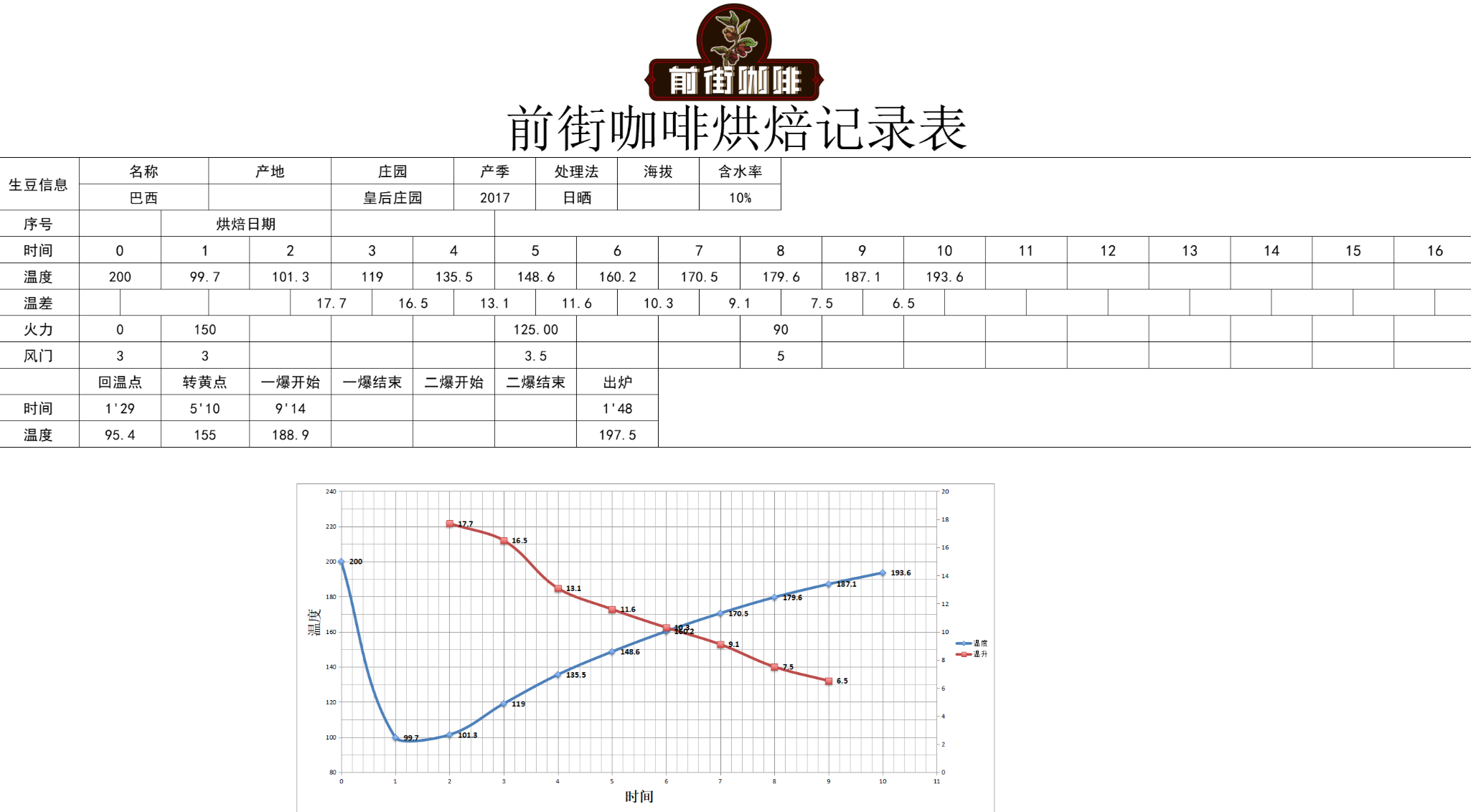
Machine: Yangjia 800N, 550g green beans
Charge temperature: 200°C
First crack: 9'14", 188.9°C
Development after first crack: 1'48", drop at 197.5°C
Flavor: The fresh sweetness of sugarcane juice, black tea, mellow and smooth fruit sweetness, distinct nut flavors, balanced and smooth acidity, weak and clean bitterness, rich chocolate and nut aromas, a bright refreshing mouthfeel, and a smooth delicate texture.

Caturra: Natural Mutation
A natural dwarf mutation of red Bourbon that out-yields its parent. First discovered in Brazil and commercially planted in Minas Gerais in 1937, it performs best in the Central American countries of Colombia, Costa Rica, and Nicaragua. Altitudes of 1500-1700 meters produce the best quality and quantity. Caturra's hallmarks are bright acidity and a low-to-medium body. It has less clarity and sweetness than its parent Bourbon, and its cup quality runs medium to upper, with lemon or citrus acidity; it is less sweet than Typica or Bourbon because Caturra's sweetness depends on how often and how much the grower fertilizes. It is highly productive, but maintaining that productivity requires continuous fertilization and pruning, so the trees stay short, bushy, and compact, with slightly serrated broader green leaves. And although productivity rose, higher harvesting and care costs - plus high susceptibility to leaf rust, coffee berry disease, and nematodes - still limit yields. Lemon acidity and mild sweetness.
FrontStreet Coffee selected coffee from Costa Rica's Piramides processing plant for roasting and brewing.
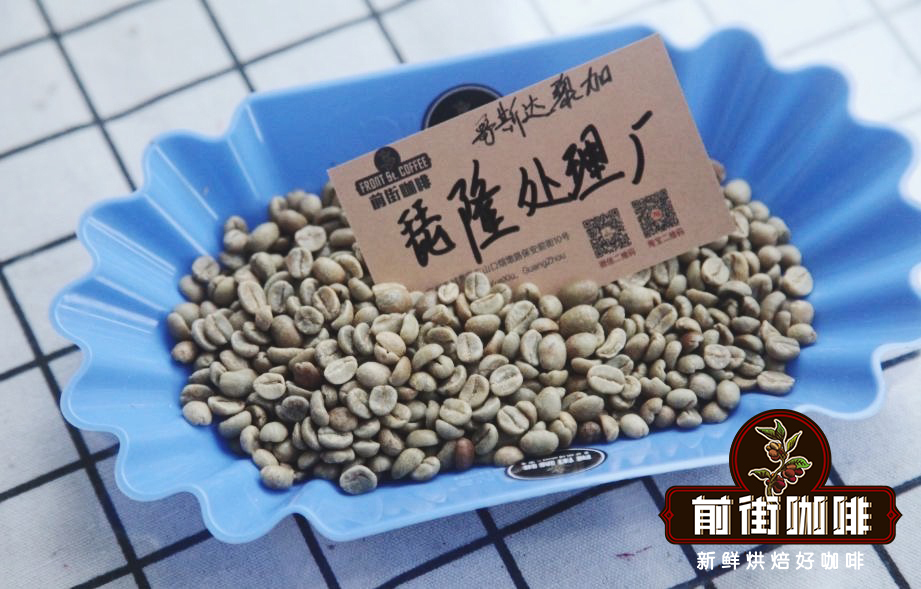
Costa Rica Piramides Processing Plant
- Region: Tarrazú
- Variety: Caturra
- Processing: Natural
- Flavor: Rich fermented wine aroma; plum, apple, berry, and red berry flavors on the sip, with almond and nut notes and distinct caramel and preserved-fruit sweetness.

Roasting Recommendation
This Piramides lot is also SHB (Strictly Hard Bean), with hard bean texture and medium moisture. Yellowing point at 5'15", then reduce heat and open the damper to enter the Maillard reaction. First crack at 8'30", roughly 183.1°C. Open the damper wide and reduce heat to 80°C. Develop 2 minutes after first crack, drop at 194°C.

Catuai
Catuai is a hybrid of Mundo Novo and Caturra - essentially a second-generation hybrid. It inherits Caturra's short tree height and compensates for Arabica's vulnerability to wind: its fruit is firm and doesn't drop easily in strong winds. Its biggest drawback is a flavor slightly more monotonous than Caturra's. Catuai has red and yellow fruit types, with the red winning awards more often than the yellow. Catuai, Caturra, Mundo Novo, and Bourbon are Brazil's four main coffee varieties.
Bred in 1949 from a cross of yellow Caturra (a Bourbon mutation) C476-11 and Mundo Novo (Typica x Bourbon) CP 374-19, it was released in 1972 after Brazilian lineage selection (continuous individual-plant selection across generations). It has red and yellow fruits, plus a green variety called Ouro Verde with high acidity. Yellow beans show an impurity-like petroleum note when cooled. Different countries hold many excellent selected lines. Catuai accounts for nearly half of Honduras's plantings, and IHCAFE researchers actively pursue improvements, including crosses between Catuai and Timor. Catuai is also important in Costa Rica, where yellow-fruit Catuai has been widely planted since its 1985 release. It was introduced to Guatemala in 1970 and now makes up about 20% of national production; other Central American countries barely cultivate it.

Catuai's smooth body feels as gentle as soft water, with delicate aftertaste changes: orange fruit sweetness, tropical fruits, raspberry, maple sweetness, a juice sensation, a light wine aroma, white bitter melon, baked biscuit aroma, caramel, and vanilla - an elegant, delicate finish with a long, layered texture.
Representative coffee bean: Costa Rica Fire Phoenix Estate Sapphire
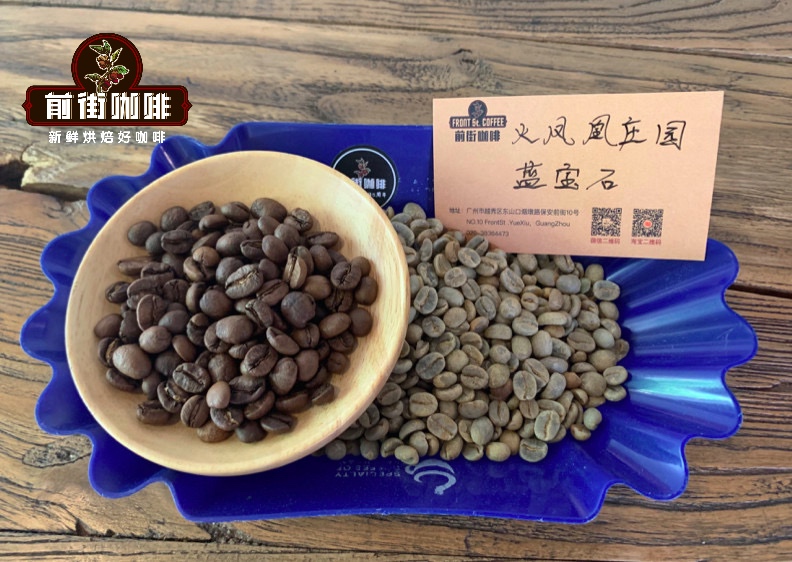
Costa Rica Fire Phoenix Estate Sapphire
- Region: Central Valley
- Estate: Fire Phoenix Estate
- Altitude: 1600m
- Variety: Caturra & Catuai
- Grade: SHB
- Processing: Natural
FrontStreet Coffee chose Fire Phoenix Estate beans - a mix of Caturra and Catuai - for their tropical fruit acidity, full berry-juice sensation, and honey sweetness.
Roasting Profile
This Costa Rica Fire Phoenix Sapphire is rich in berry and tropical fruit aromas. To help the bean retain those fruit flavors and sweetness, FrontStreet Coffee's roaster uses a medium-fire roasting technique.

Roaster: Yangjia 800N (300g batch)
Charge at 170°C, damper open to 3, heat at 110; turning point at 1'36", 97.9°C. At 140°C, open the damper to 4 - the bean surface turns yellow, the grassy smell vanishes, and dehydration begins. At 166°C, reduce heat to 80°C, damper unchanged.
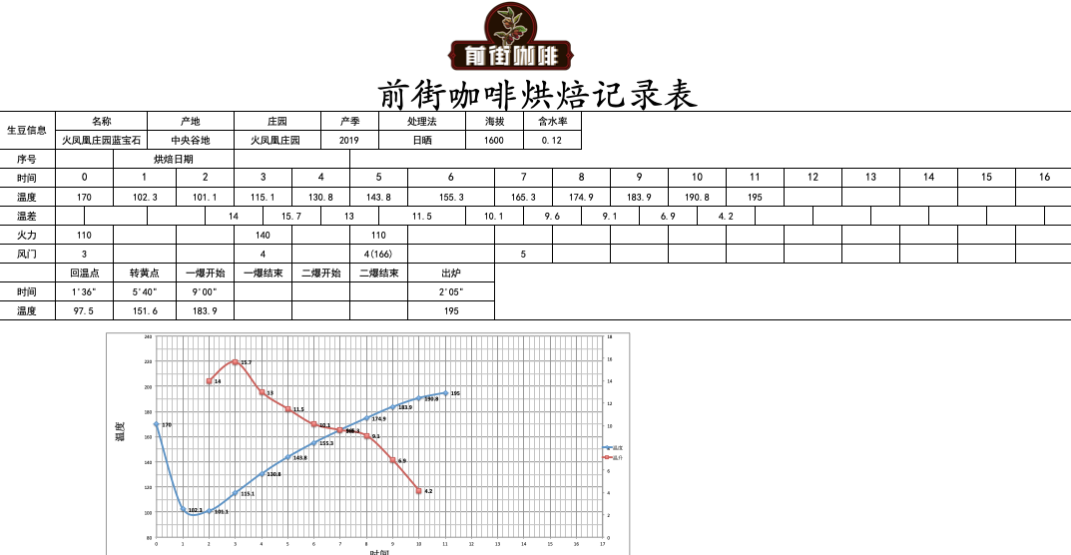
At 8'17", the bean surface shows ugly wrinkles and black spots and the toast smell clearly turns to coffee aroma - the prelude to first crack. Listen carefully. At 9'00" first crack begins; adjust the damper to 5 (careful not to drop the heat so low that the crackling stops). Develop 2'05" after first crack, drop at 195°C.
Flavor: An overall smooth, thick mouthfeel; strawberry and tropical fruits on entry, with honey, fermented aroma, and cocoa in the finish.
Geisha: The Pride of Panama
Geisha is a Typica-lineage variety originating from Ethiopia's Geisha Mountain. In 1963, Don Pachi (the father of Panamanian Geisha) introduced it from Costa Rica to Panama, but its low productivity meant no farmers wanted to grow it. Daniel Peterson stumbled upon this coffee on his farm, Esmeralda Special, and since 2004 it has dominated international cupping competitions year after year - the most celebrated variety in coffee. Rich citrus flavor, floral aroma, and toffee notes have captivated everyone. Panama is the main Geisha-producing country.
Representative coffee: Panama Esmeralda Estate Red Label Geisha

Panama Esmeralda Estate Red Label
- Region: Boquete
- Estate: Esmeralda Estate
- Altitude: 1700m
- Variety: Geisha
- Processing: Natural
FrontStreet Coffee selected the Red Label Geisha from Panama's Esmeralda Estate because the estate's high-altitude geography and extreme wind-sheltered microregion yield Geisha with a sweet, clean aftertaste, jasmine and peach aromas, bright fruit acidity like tamarind, mango, and papaya, and a very smooth mouthfeel.
Roasting Profile
Roaster: Yangjia 800N (300g batch)
Charge at 150°C, heat at 120, damper open to 3; turning point at 1'36". At 140°C, open the damper to 4, heat unchanged. At 147.6°C the bean surface yellows, the grassy smell vanishes, and dehydration begins. At 150°C, reduce heat to 100, damper unchanged.
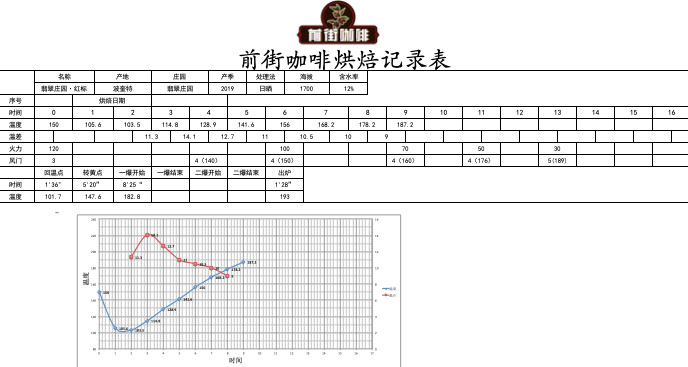
At 7'38", the bean surface shows ugly wrinkles and black spots and the toast smell turns clearly to coffee aroma - the prelude to first crack. Listen carefully. At 8'10" first crack begins, damper open to 4; develop 1'28" after first crack, drop at 189.5°C.
Flavor: The wet aroma is ginger flower and jasmine. Lime and citrus acidity on entry, bergamot in the middle, a green tea sensation in the finish, and a sucrose-sweet aftertaste.

Hawaiian Kona
Seeds regarded as the ancestor of American coffee were planted in Hawaii from Brazil in 1825; the Kona coast on the southwest produces the most famous and traditional Hawaiian coffee. The only coffee grown in the United States, Kona's volcanic rock soil nurtures this fragrant, mellow cup. Kona shows a slight winey note in its moderate acidity, with a very rich mouthfeel and irresistible fragrance. Though grown at only several hundred meters, Kona from the Big Island - bathed in gentle sea breezes and rooted in fertile volcanic soil - has incomparably clean acidity and sweetness. Compared with the higher-altitude Blue Mountain, it holds its own and then some.
FrontStreet Coffee selected Hawaiian Kona coffee for roasting.

Hawaiian Kona Coffee
- Region: Hawaiian Kona
- Farm: Queen Estate
- Altitude: 1100 meters
- Variety: Typica
- Processing: Washed
Roasting Recommendation
Kona beans are exceptionally full, round, and bright-colored - worthy of the name "the world's most beautiful coffee beans." To preserve their looks and highlight their rich honey-sweet layers, FrontStreet Coffee's roaster chose a medium roast.
Machine: Yangjia 800N, 550g green beans
Charge temperature: 200°C
Yellowing point: 5'35", 150.1°C
First crack: 9'30", 187°C
Development after first crack: 1'50", drop at 193.4°C

Flavor: Balanced, warm honey sweetness with an elegant, substantial but never thick mouthfeel. The brewed coffee releases a mulberry fragrance that feels sweetly blissful, and the aftertaste carries a smooth malt bitterness that slides down the throat and re-emerges as you exhale. Cooled, it drinks like a cup of mulberry tea.
Kenya: Bourbon Hybrid Derivatives
An amazing flavor profile with extraordinary citrus acidity! The SL28 and SL34 combination is wild and bold - you won't miss the barbaric strength of ancient armored warriors.
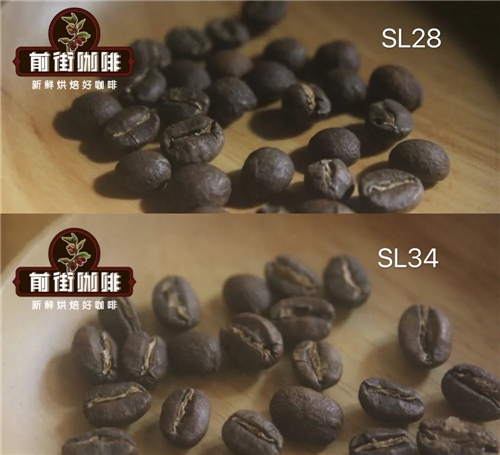
SL28 and SL34 - Bourbon Hybrid Derivatives
Kenya's Scott Laboratory hybridized Bourbon offspring with heirloom stock to create SL28 and SL34; the exact parentage is unknown, but both offer excellent flavor and blackcurrant acidity. 90% of Kenyan coffee is SL28 and SL34. SL-28 is extremely drought-resistant but susceptible to CBD, CLR, and BBC diseases. It failed in its mission to create high yield but succeeded in creating delicious beans with strong citrus, sweet, balanced, complex aromas. SL34's hallmark is its complex lemon acidity and a thick, clean, sweet mouthfeel; it performs well at medium to high altitudes and is extremely drought-resistant, more disease-resistant than SL28.
Representative coffee: Kenya Asali

Kenya Asali Coffee
- Region: Thika, Kenya
- Processing Plant: Asali Honey Processing Plant
- Altitude: 1550-1750 meters
- Grade: AA TOP
- Variety: SL28, SL34
- Processing: Kenya 72-hour washed
FrontStreet Coffee selected SL28 and SL34 from Kenya's Thika region because the beans there show high acidity with clean, clear lines, the most solid and rich mouthfeel, and fruit and floral tonalities - green plum, hawthorn, smoked plum, and temperate fruits (blackberry, cherry) - among other variety characteristics.
Roasting Profile
This bean has a full, round body. To fully express its bright, mellow acidity, FrontStreet Coffee uses a light roast.
Machine: Yangjia 800N, 550g green beans
Charge temperature: 200°C
First crack: 5'30", 154.3°C
Development after first crack: 2'10", drop at 191.6°C

Flavor: A full juice sensation of smoked plum and cherry tomato, plum's sweet-tart character in the middle, and a clear snow pear fragrance in the aftertaste.
Arabica Coffee - Classification
Main Growing Regions
Main continental types (by annual production volume): Central America (e.g., Nicaragua), South America, Asia, Eastern Africa...
Well-known island types: Jamaica, Hawaii, Indonesian Sumatra, Papua New Guinea...

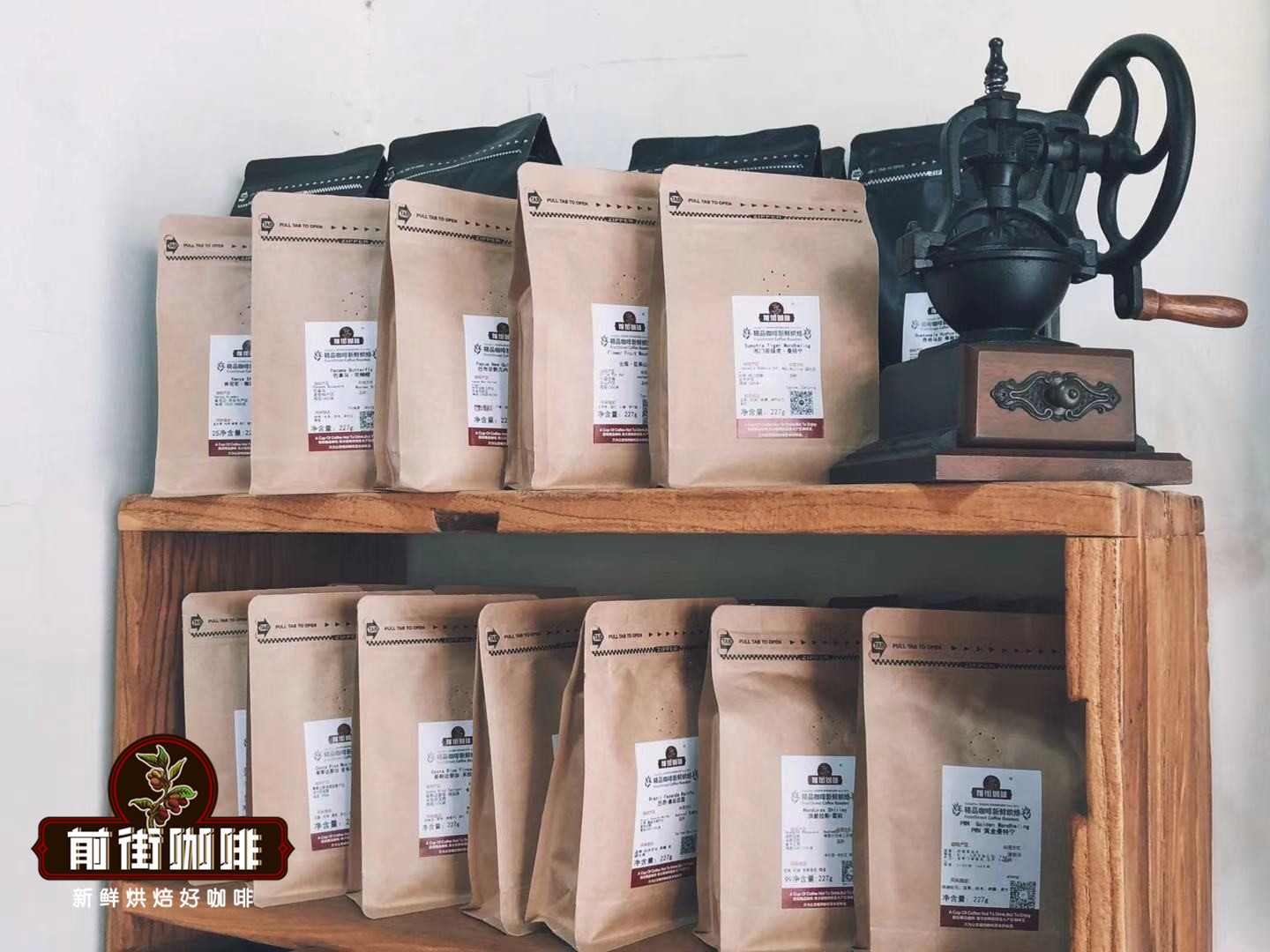
A Retailer's Checklist
- Direct relationships that allow buying green beans straight from origin estates, monitoring cupping quality and the entire shipping process
- Vacuum storage to preserve imported green bean quality
- Roasting only after ordering, so the coffee you receive is fresh
- Effective storage bags with one-way valve devices
- A roasting date printed on the packaging
Advice for Coffee Enthusiasts
- Choose excellent retailers who can provide freshly roasted beans
- Store coffee properly and drink it within the optimal tasting window
- Start with dark roasts and progress to light roasts to experience what good coffee tastes like
FrontStreet Coffee Recommendation
Ethiopia is the birthplace of coffee and home to countless native varieties - hallowed ground for coffee lovers. To taste its classic profile, start with FrontStreet Coffee's washed Yirgacheffe: clear jasmine florals and bright citrus acidity, light and elegant with a tea-like character, like a refreshingly clean lemon tea. The nearby Guodingding Cooperative - independent since 2012, with roughly 300 member farmers in the Worka area at Yirgacheffe's southeastern tip - peels the fruit flesh before drying, so FrontStreet Coffee Guodingding shows even clearer citrus, lemon, and elegant white florals in a bright, delicate cup.
For natural-processed Ethiopian character, FrontStreet Coffee's natural Huakui comes from the Hambella area of Guji, Sidamo: cherries are sun-dried on raised beds for 21 days, turned constantly and hand-sorted every three to five days to remove defective or moldy beans. A medium-light roast then reveals light fermented wine notes, florals, citrus, and mango, with rich honeyed sweetness, cocoa undertones, a hint of spice, a thick body, and a long finish. And FrontStreet Coffee's Yirgacheffe Red Cherry Project natural delivers peach, cocoa, honey, and lemon, with every bean density-checked, color-graded, and hand-sorted for a pristine, enchantingly fruity cup.
Important Notice :
FrontStreet Coffee is a long-established specialty coffee roaster in Guangzhou China, selling freshly roasted beans from its own farm in Yunnan as well as dozens of carefully selected single-origin beans from around the world for both pour-over and espresso. The products deliver consistently excellent quality and great value, with shipping within 24 hours. Guangzhou's FrontStreet Coffee shop is recommended by many coffee lovers, and the beans are now available online at the Tmall 。
FrontStreet Coffee has moved to a new address:
FrontStreet Coffee Address: 315,Donghua East Road,GuangZhou
Tel:020 38364473
 Scan and follow the En Gafei WeChat official account. Please indicate that the reprint comes from "En Gafei".