Coffee Bean Roast Level Comparison Chart Visual Tutorial Classification Differences Which is Better Medium or Dark Roast Coffee Beans

Roasting is the process that turns green coffee beans into brown roasted beans. The longer the roast and the longer the exposure to heat, the darker the beans become. Different roasting durations produce beans with different surface colors, which FrontStreet Coffee calls coffee roast degree.
SCAA Coffee Roast Classification
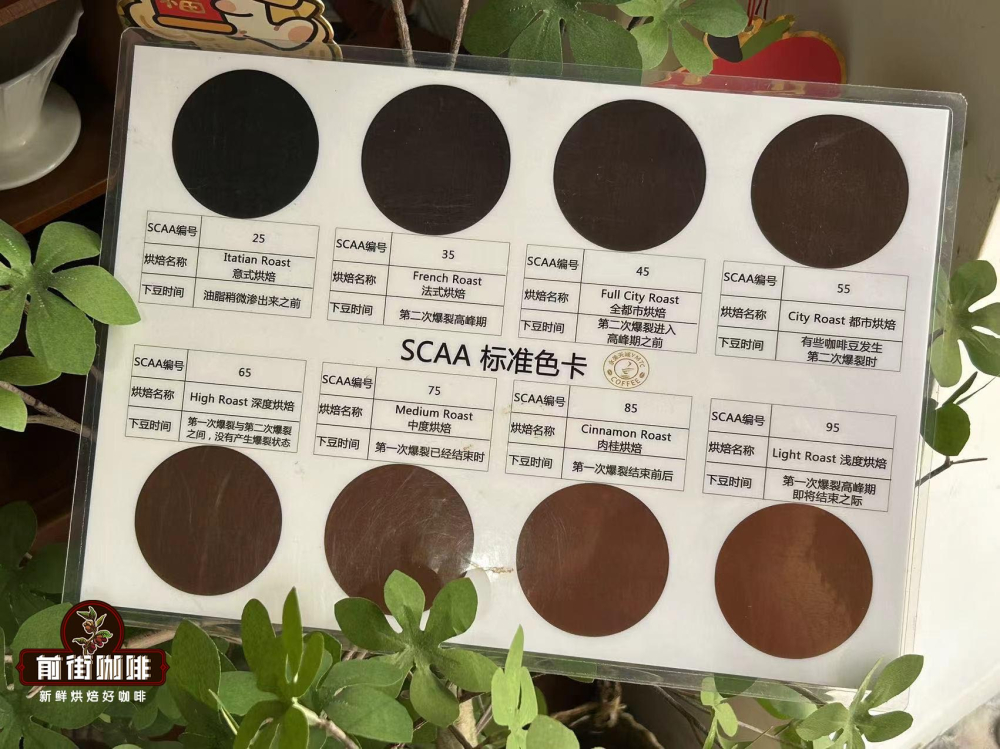
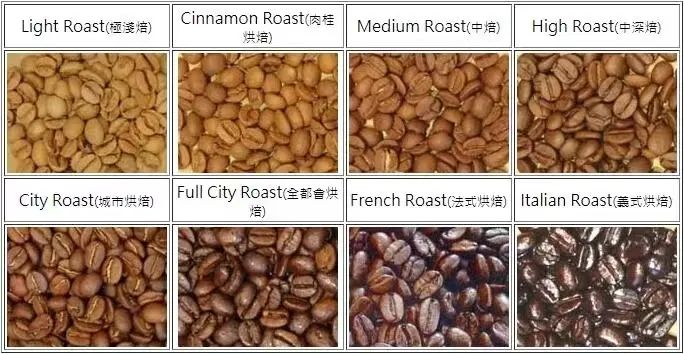
The world's largest coffee trade association, the Specialty Coffee Association of America (SCAA), has established a coffee bean roasting color chart that divides roast degree into 8 levels. The higher the color value, the lighter the roast. From light to dark, they are:

Light Roast (SCAA #95, Agtron 95)
With an Agtron value of 95, this is called Light Roast. The beans are typically removed from the roaster at the peak of first crack (while they are still popping). Coffee generally shows bright acidity, but if the development time during roasting is not controlled properly, it easily develops grassy, astringent flavors.
Cinnamon Roast (SCAA #85, Agtron 85)
With an Agtron value of 85, this is Cinnamon Roast. Beans are removed around the end of first crack (when the popping has just stopped or only occasional pops remain). Coffee at this degree typically shows dominant acidity with sweet, fragrant notes, and the aftertaste has a clean sweetness like cane sugar or honey.
Medium Roast (SCAA #75, Agtron 75)
With an Agtron value of 75, this is called Medium Roast. Beans are removed approximately after first crack ends (when the popping has completely stopped). The flavor is dominated by sweetness with some fruit acidity, and the aftertaste shows caramel or roasted sweet potato notes. On FrontStreet Coffee's bean menu, most Ethiopian coffees are roasted within this range to preserve delicate floral aromas while highlighting the coffee's inherent caramel sweetness.
High Roast (SCAA #65, Agtron 65)
With an Agtron value of 65, this is called High Roast. Beans are removed approximately after first crack ends but before second crack begins (during about 1-2 minutes of quiet). The flavor shows nutty and caramel notes, balanced without acidity, with a full, robust mouthfeel.
City Roast (SCAA #55, Agtron 55)
With an Agtron value of 55, this is called City Roast. Beans are removed approximately when second crack begins (after a quiet period, when one or two faint pops are heard). The flavor becomes more bitter with heavier caramel aromas, like unsweetened pure dark chocolate — rich and mellow.
Full City Roast (SCAA #45, Agtron 45)
With an Agtron value of 45, this is called Full City Roast. Beans are removed approximately before second crack becomes intense (before the popping is heard). The coffee is already quite dark, with more intense burnt-bitter flavors. If the beans are evenly developed from surface to core, a coarse grind with lower water temperatures can produce a syrup-like cup with obvious sweetness after the bitterness.
French Roast (SCAA #35, Agtron 35)
With an Agtron value of 35, this is called French Roast. Beans are removed approximately during the intense second crack (when popping is heard again, but deeper than the first). At this point the beans begin to seep oil and the coffee's character becomes very intense.

Italian Roast (SCAA #25, Agtron 25)
With an Agtron value of 25, this is called Italian Roast. Beans are removed approximately when second crack ends (after the intense popping). The beans are jet black and shiny, with oils having penetrated the surface. Beans roasted this way are only suitable for espresso or for coffee that needs sugar and milk to be palatable. Today, outside Southeast Asia, few regions roast this dark.
Emerging Roast Styles
Beyond the official classifications above, more people in recent years have noticed concepts such as "Nordic ultra-light roast" and "Japanese ultra-deep roast." What do these mean?

Nordic Light Roast
First, "Nordic light roast" (also called Nordic roast) controls roasting duration and heat to preserve more aromatic substances inside the beans, thereby highlighting delicate flavors. The beans' color value typically falls between 85-90. According to FrontStreet Coffee's understanding, this style first emerged in Norway and is currently represented mainly by Norway, Denmark, and Sweden. Compared to medium and dark roasts, coffee presented with a Nordic light roast produces a visibly lighter-colored cup whatever the extraction method, with higher acidity. But precisely because the roast is lighter with shorter heat exposure, this approach easily triggers "underdevelopment" and "astringency," making it a very niche style within the coffee community.
Japanese Ultra-Deep Roast
As one representative of Asian coffee styles, ultra-deep roast comes from Japan's preference for "heavier flavors," and it is much darker than the deep roast we commonly encounter. Japanese deep roast beans first show significant oil on the surface, appearing almost like "charcoal," with color values around 25-30. When extracted using methods like flannel drip or pour-over, the bloom shows excellent expansion, with visibly active degassing from the bed and a continuous release of rich roasting aromas. The brewed coffee is predominantly sweet-bitter, with an intense, stimulating entry.

When FrontStreet Coffee expresses its own roast degrees, it does not directly use this classification system, because in daily practice you rarely see coffee marked with values like 95 or 45-25. To make things easier to understand, FrontStreet divides roasted beans into light roast, medium-light roast, medium roast, medium-dark roast, and dark roast.
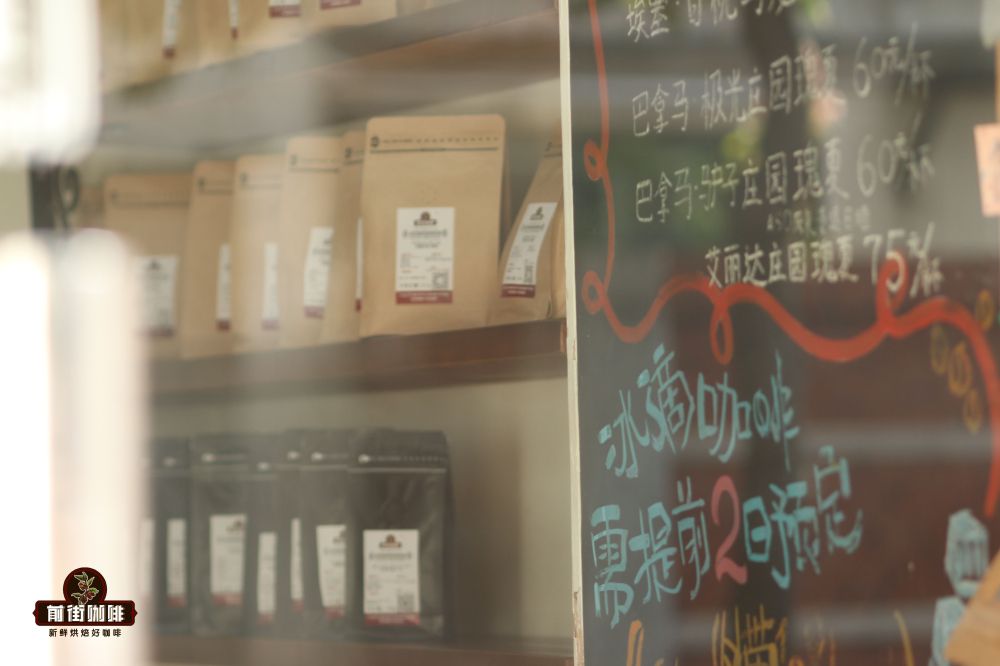
The Art of Coffee Roasting
Good roasting maximizes the personality of green beans while minimizing defective flavors. However, meeting the standard color chart on the surface does not guarantee good-tasting coffee. Whether the inside of the beans is properly roasted is the most crucial factor determining quality.
The Five Stages of Coffee Roasting
Coffee bean roasting is typically divided into 5 stages: drying, dehydration, first crack, second crack, and discharge.
1. Drying Stage
When green beans are heated, water vapor inside them evaporates. At around 135°C the beans begin to lighten from green, gradually turning white.
2. Dehydration Stage
As heating continues, the beans transform from green to light yellow. At temperatures around 160°C they emit grassy or roasted-grain aromas. With continued heating the beans become light brown.
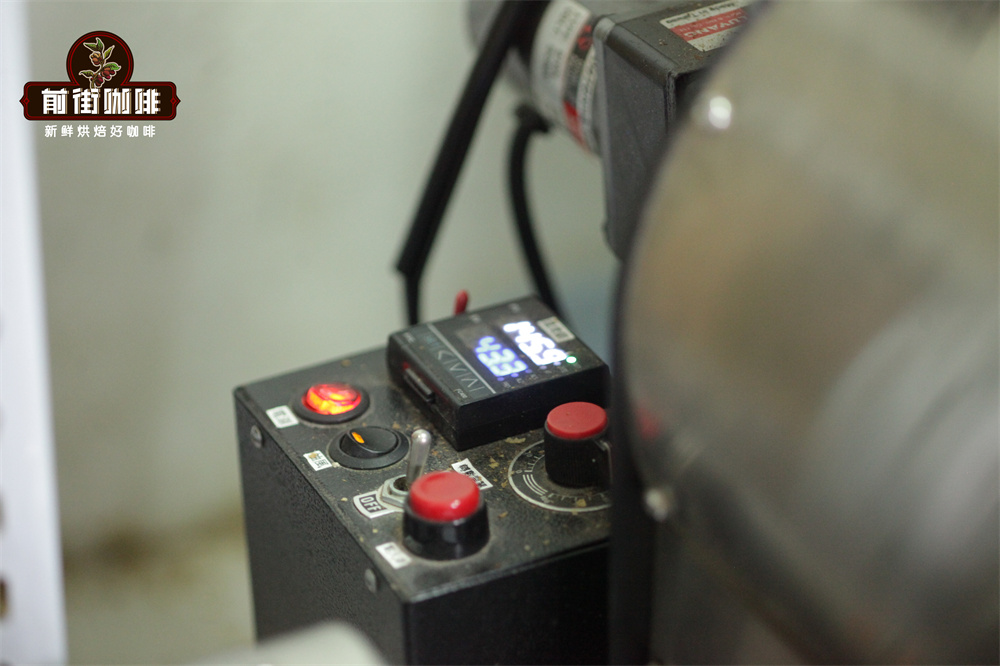
3. First Crack
Around 190°C, after dehydration is complete, internal heat expansion ruptures the cell walls, creating first crack. A series of thermal decomposition reactions occurs inside the beans. Caramelization brings sweetness, dark brown color, and body. First crack typically lasts about one minute.
4. Second Crack
As heating continues, the process enters second crack, when more intense reactions release large amounts of heat. As second crack ends, the beans have basically turned black, expanded to about 1.5 times their original size, with surface oil appearing and weight reduced by 12%-20%.
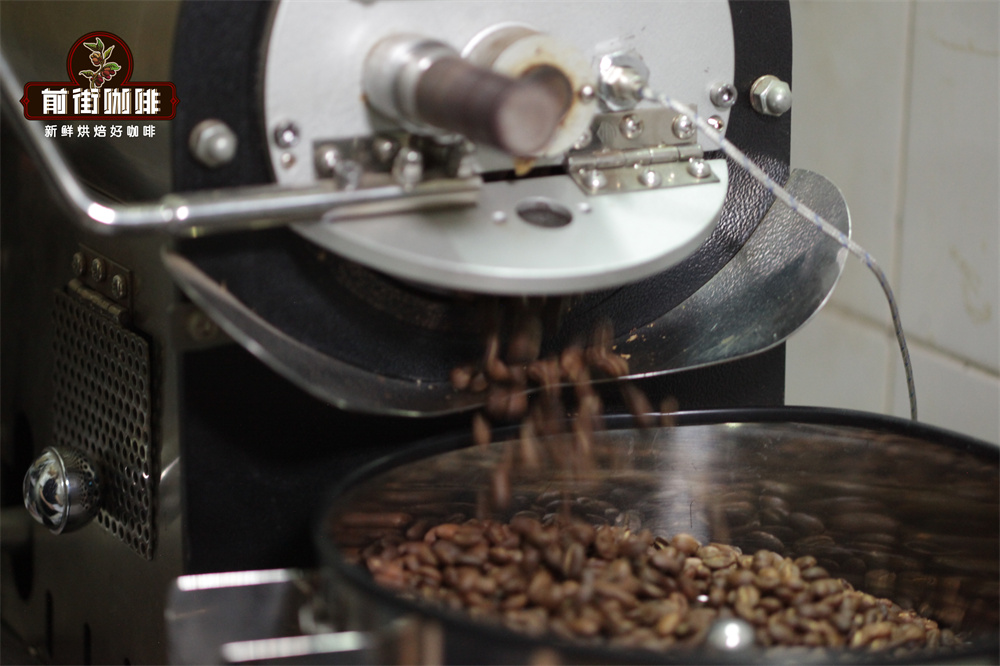
This is a medium-light roast Ethiopian Gedeb Cooperative washed coffee bean, discharged one and a half minutes after first crack.
5. Roasting Termination
Generally, roasting should end no later than one minute after second crack ends. When the temperature reaches 230°C, roasting concludes, producing relatively dark French or Italian roasts. If heating continues above 230°C, the beans may simply burn.
Key Roasting Considerations
If beans don't have enough time to fully roast and develop during the dehydration stage — between turning from green to light yellow, or from yellow to before first crack — the coffee easily shows underdeveloped, grassy or raw flavors. So slow roasting with low to medium heat and an appropriate drum speed to keep the beans tumbling constantly is crucial for even heat distribution.
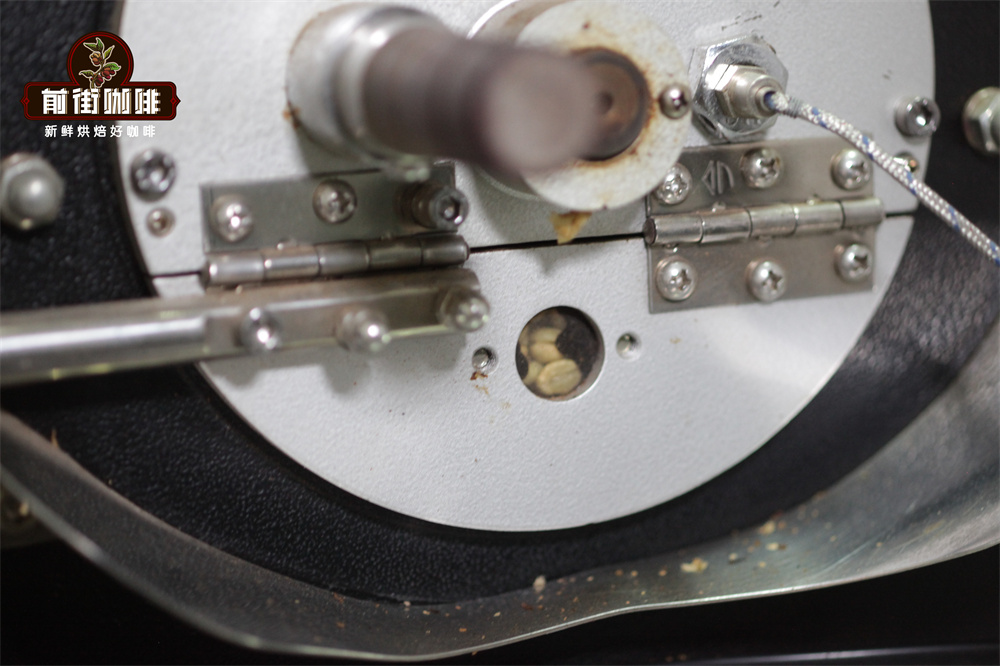
For regular-shaped (flat) beans, FrontStreet Coffee recommends a drum speed of 60-65 revolutions per minute during roasting. The heat should not be too high initially, since that can cause premature surface caramelization and leave the interior underdeveloped. When roasting peaberries (round beans), however, the speed should be reduced slightly to avoid too-fast tumbling and insufficient heat exposure.
If enthusiasts want to roast at home, FrontStreet Coffee recommends drum-style roasting tools to ensure even tumbling over a direct flame.
FrontStreet Coffee Recommendation
Roast level changes a bean's character more than almost anything else, and Ethiopian coffees are a perfect example. On FrontStreet's menu, most of them sit in the medium to medium-light range, which keeps their delicate florals while bringing out a natural caramel sweetness. FrontStreet's washed Yirgacheffe is the classic starting point — known for white jasmine, bright citrus and lemon acidity and a tea-like body, it is affordable and the bean that introduces many drinkers to specialty coffee.
Yirgacheffe is a small town in southern Ethiopia's Sidama region, sitting at roughly 1,700-2,100 meters, with the coffee trees planted above 1,800 meters — one of the highest coffee regions in the world. Its unmistakable white florals and lemon-citrus acidity made the name a byword for Ethiopian specialty coffee, and it was only in 2010, because the name had become so famous, that the Ethiopia Commodity Exchange separated it from the Sidama region.
Within Yirgacheffe, the Gedingding Cooperative in the Woka area is one of the most representative, formerly part of the YCFCU's Woka cooperative and now recognized as a single origin. It follows the most traditional washed processing — often called the last pure land of Yirgacheffe — and gives a clean, bright cup of citrus and lemon acidity with jasmine fragrance. For a fruitier alternative, FrontStreet's sun-dried Red Cherry uses only fully ripe, all-red cherries, dried on raised beds for three to five weeks with frequent turning; it keeps the typical Yirgacheffe profile while adding tropical fruit, a berry-juice body, honey sweetness and a creamy smoothness. FrontStreet suggests brewing at 90-91°C in a V60, 15g at a 1:15 ratio, ground to about fine sugar (80% pass-through on a #20 sieve), poured in three stages for a total of about 2 to 2 minutes 10 seconds.
Important Notice :
FrontStreet Coffee is a long-established specialty coffee roaster in Guangzhou China, selling freshly roasted beans from its own farm in Yunnan as well as dozens of carefully selected single-origin beans from around the world for both pour-over and espresso. The products deliver consistently excellent quality and great value, with shipping within 24 hours. Guangzhou's FrontStreet Coffee shop is recommended by many coffee lovers, and the beans are now available online at the Tmall 。
FrontStreet Coffee has moved to a new address:
FrontStreet Coffee Address: 315,Donghua East Road,GuangZhou
Tel:020 38364473
 Scan and follow the En Gafei WeChat official account. Please indicate that the reprint comes from "En Gafei".