How to Roast and Brew Golden Mandheling Coffee Beans? What's the Pour-Over Ratio for Golden Mandheling?

Introduction to Mandheling Coffee
Mandheling is a coffee variety grown in Sumatra, Indonesia, in Asia, which is why it is also called Sumatran coffee. Its main growing regions include Java Island, Sulawesi Island and Sumatra Island, and the Mandheling from Sumatra Island is by far the most famous.
The finest traditional Arabica coffees produced in northern Sumatra are sold under the names Lintong and Mandheling. To be precise, Lintong refers to coffee grown in a small area southwest of Lake Toba, in the Lintong administrative region. The growing areas are scattered across a high, undulating plateau covered in ferns and clay soil. Lintong coffee is grown without shade cover and without chemical products, and is almost entirely owned by small private growers.
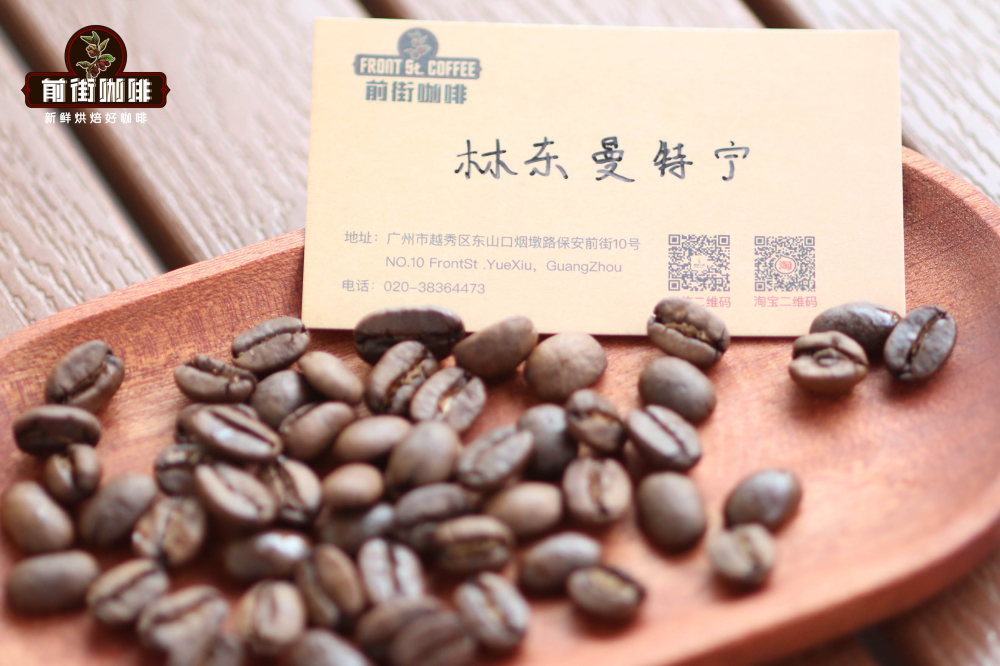
FrontStreet Coffee - Indonesian Sumatra Lintong Mandheling
Region: Indonesia, Sumatra, Lintong region
Altitude: 1100-1600m
Processing: Wet-hulled method
Variety: Timtim, Ateng
Flavor Notes: Toasted bread, nuts, caramel, herbs, chocolate
FrontStreet Coffee believes Mandheling coffee offers rich aromas, a solid and mellow mouthfeel and low acidity, and that it is quite intriguing. When dark roasted, you can taste its lingering bitterness while enjoying its elegant sweetness, picking up its distinctive stuffy aroma through both smell and taste.
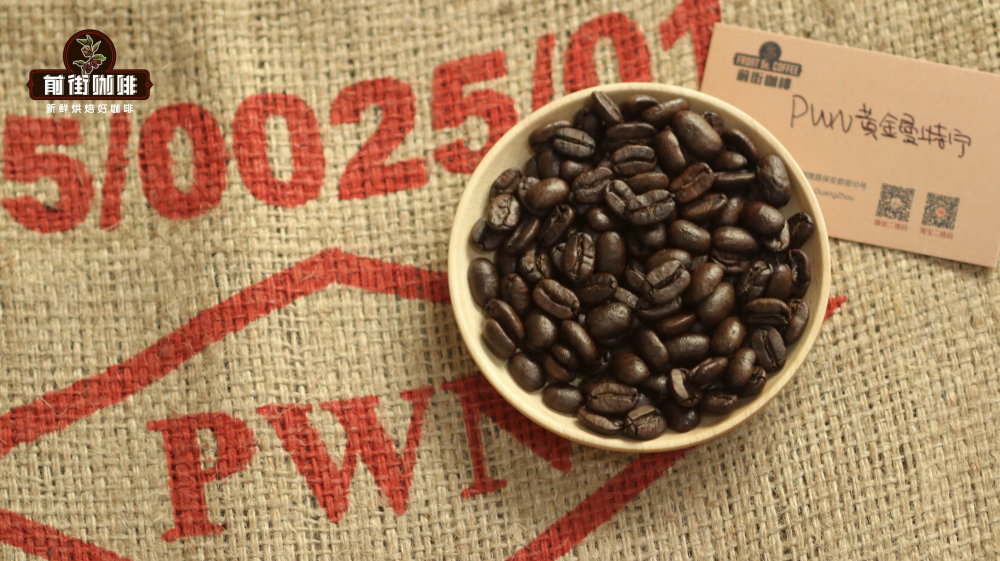
Drawing on their understanding of Mandheling coffee, FrontStreet Coffee's roasters set out to maximize the expression of Mandheling's flavors while preserving its own style and making it approachable to most palates. Every specialty coffee shop has its own characteristics, and FrontStreet Coffee aims to showcase the best of Mandheling while keeping FrontStreet Coffee's own character intact. FrontStreet Coffee currently sells two Mandheling coffees: the Lintong region Mandheling described above, and the Gold Mandheling from the PWN company on Aceh Gayo Mountain.
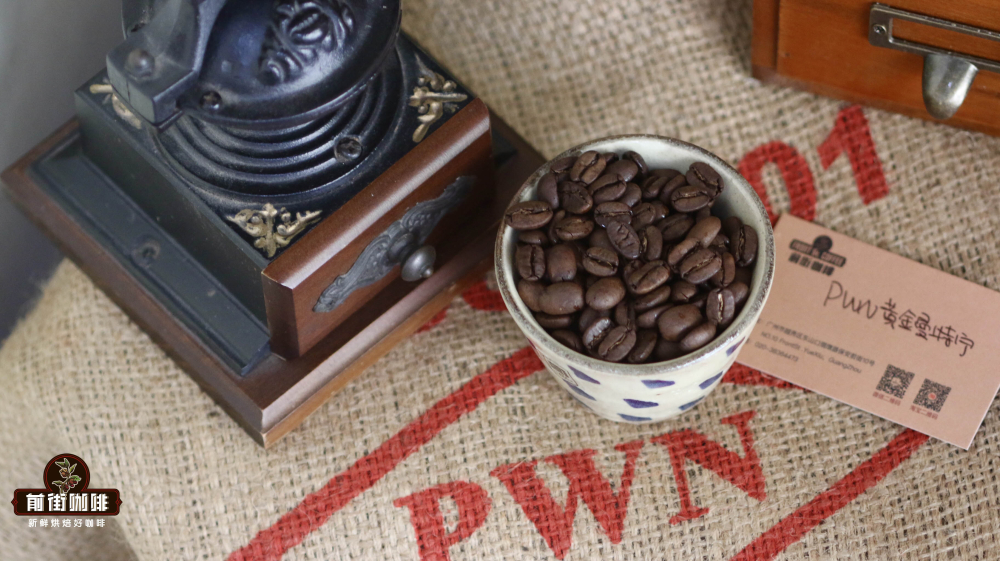
FrontStreet Coffee - Indonesian Sumatra PWN Gold Mandheling Coffee Beans
Region: Indonesia, Sumatra, Aceh Gayo Mountain
Altitude: 1100-1600m
Processing: Wet-hulled method
Variety: Ateng
Flavor Notes: Spices, nuts, pine, caramel, herbs, chocolate
The difference between the two is that PWN Gold Mandheling goes through at least three rounds of pure hand sorting after harvesting and drying, ensuring the beans meet a specification above 18. Fewer than 3 defective beans turn up in a 300g green bean sample, which places it in the highest G1 grade. PWN beans are darker green in color and have a uniform, flat shape.
What are the Differences Between Mandheling Coffee Beans at Different Roast Levels?
To find out, FrontStreet Coffee tested light roast, medium-dark roast and dark roast Mandheling beans using pour-over extraction (hand drip), one serving at a time, with slight adjustments to grind size and water temperature for each roast.
- Light roast: 80% pass-through rate on national #20 screen, water temperature 90°C, water-to-coffee ratio 1:15
- Medium-dark roast: 75% pass-through rate on national #20 screen, water temperature 88°C, water-to-coffee ratio 1:15
- Dark roast: 70% pass-through rate on national #20 screen, water temperature 86°C, water-to-coffee ratio 1:15
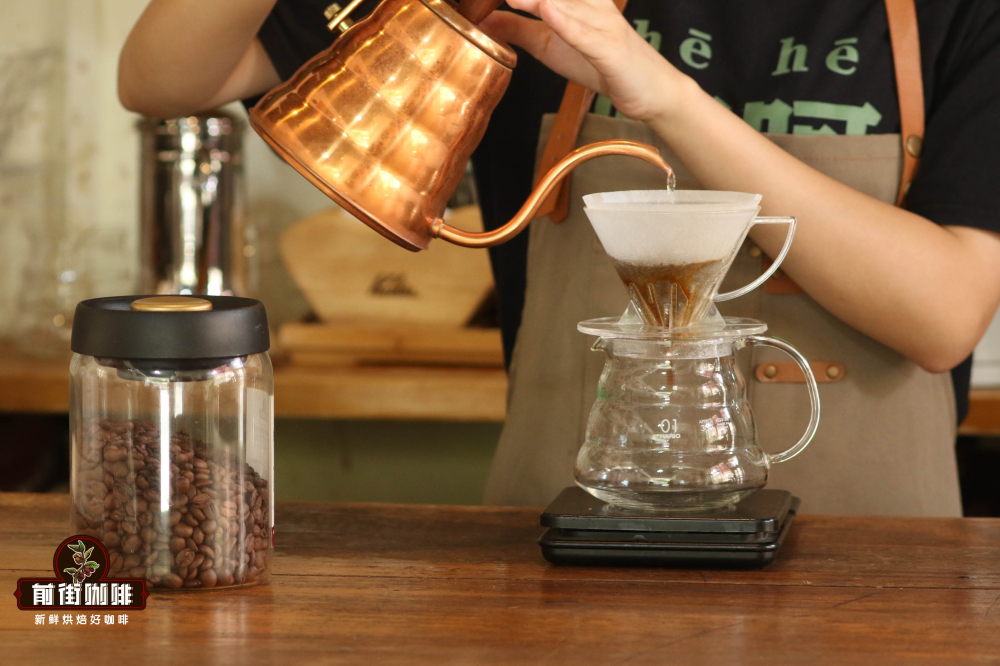
Test Results:
- Light roast: At this roast level Mandheling shows heavier fruit acidity and a slightly bitter edge, with noticeable fruit acidity that is comfortable on entry and sets the mouth watering on both sides, though smoothness is only average.
- Medium-dark roast: Very well balanced, rich and mellow, with more obvious bitterness, more prominent chocolate and slight sweetness, an obvious licorice aroma, weak fruit acidity, better smoothness than the light roast, strong aroma, and noticeably enhanced fruit acidity.
- Dark roast: Almost no acidity and very heavy bitterness. If direct-fire roasting is even slightly off, it can produce burnt flavors.
All coffee beans sold by FrontStreet Coffee are freshly roasted and shipped within 5 days of roasting. The optimal flavor window for freshly roasted coffee beans is 30-35 days after roasting is complete.
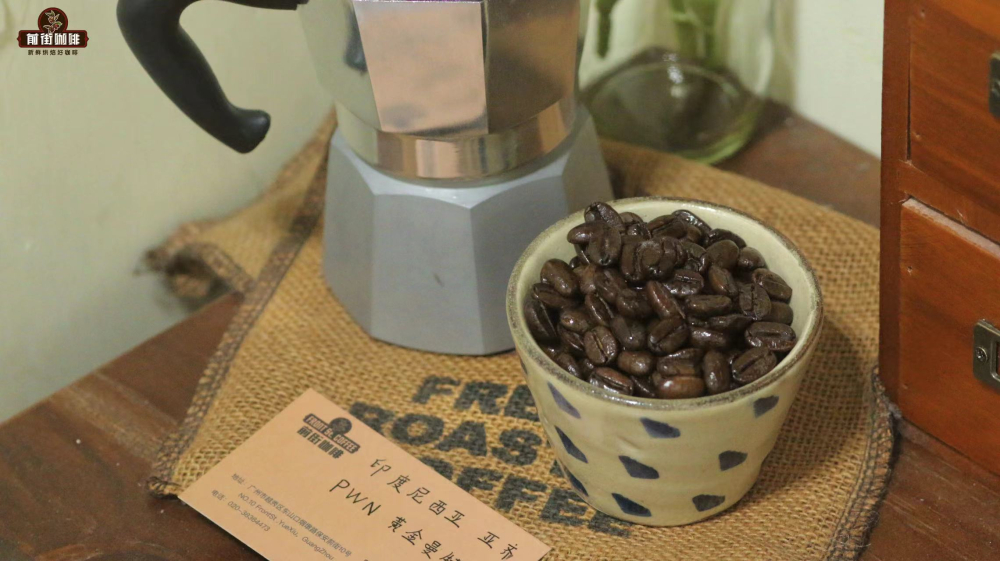
The deeper the roast, the more carbon dioxide builds up inside the beans. Once roasting is done the beans hold plenty of carbon dioxide, so don't rush to brew them. Let them rest for 3-5 days (counting from the roast date) so they can release some of that gas naturally in their original packaging, which reduces the uneven extraction caused by excess carbon dioxide bubbles during brewing.
Mandheling Coffee Bean Processing Method - Sumatra Wet-Hulled Method
March to May and September to December are the harvest seasons for Mandheling in Sumatra. These days most coffee farmers pick only fully red cherries. After the cherries are collected in the morning, the skin and pulp are removed in the afternoon. Sumatra's natural environment is superb, and most of the water used is mountain spring water.
- Coffee fruit depulping: Place the parchment beans in a large container or tank filled with water, and scoop off the defective parchment beans floating on the surface.

- The dense parchment beans that sink to the bottom are briefly cleaned, then removed and placed in buckets or plastic bags for a short dry fermentation, which lets the pectin sugars on the seed coat surface ferment and enhance flavor. Broadly speaking, the longer the fermentation, the stronger the acidity. Fermentation time varies by producer and is generally only a few hours, though some estates skip the dry fermentation stage and sun-dry the parchment beans directly to reduce acidity and increase viscous mouthfeel while letting the pectin sugars ferment fully to build flavor. Usually fermentation runs between 12-36 hours, depending on conditions.
- Sun-dry the parchment beans for one to two days until moisture content reaches 30%-50%, while the beans are still semi-hard and semi-soft. Use a hulling machine to remove the seed coat and continue drying to speed things along. After about two days, when moisture content reaches 12%-13%, the coffee beans are collected into woven bags, typically 40kg and 80kg per bag, and sent to processing factories for dehulling. The whole process is finished in about four days.

The dehulling process grinds off the bean hulls with a hulling machine, then continues drying until moisture content reaches roughly 12%-15%. The beans are then sent for mechanical sorting to remove impurities and are classified by particle size. Accidents happen along the way, of course. During hulling the bean temperature can rise to 30-60°C, which completely destroys the parchment layer and can even trigger germination. The wet-hulled method can also yield a higher proportion of defective beans, such as moldy beans, than washed and natural methods, because the fruit skin is removed during processing and the beans are exposed directly to the air. Mold can bring good flavor, since coffee beans have four protective layers: fruit skin, pulp, parchment and silver skin.
In the washed method, only the first two layers are removed, so the parchment and silver skin are preserved for sun drying. The wet-hulled method, by contrast, removes the third and fourth protective layers midway and exposes the beans to direct sunlight, which is why Sumatra green beans have a blue-green color. Although wet-hulling shortens drying time, the chances of exposure to mold, fungi and yeast also rise significantly. Interestingly, contamination is not necessarily a bad thing, depending on the strain. Dr. Martha Taniwaki of the Brazilian Food Technology Research Institute once experimented with different fungal strains infecting coffee beans, producing flavors that ranged from rotten, oily, moldy and woody to iodine, caramel, chocolate and floral.
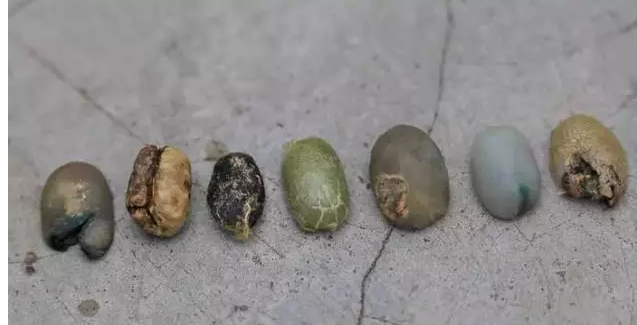
Academia believes the woody, herbal, earthy, banana and spicy flavors of Sumatra coffee are created by mold. Roasting plant managers often report to researchers that some infected moldy beans taste better after thorough cleaning, while others are hard to swallow, and that this comes down to the strain. Perhaps it is possible to inhibit harmful mold, implant beneficial mold, control wild yeast and cultivate elegant yeast. But which molds help enhance coffee flavor, and which are harmful bacteria? More research is still needed.
Elephant Beans: The "ID Card" of Mandheling Coffee Beans!
The wet-hulled method may trigger the germination mechanism in green beans and thereby affect flavor. Because beans that have lost all four protective layers sit fully exposed, they are more likely to germinate than washed beans that have lost only two. This activates the metabolism of sugars, proteins and fats, all of which are precursor aromatic compounds in coffee. On top of that, the friction generated during hulling raises the bean temperature to 30°C-60°C, which also encourages germination and mold growth.
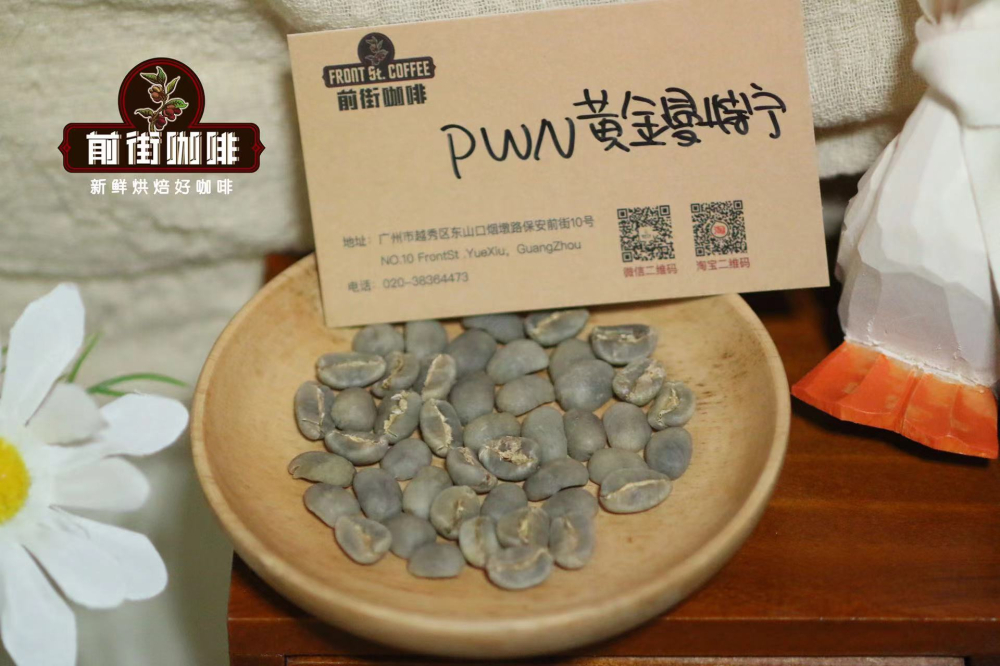
What's more, the semi-hard, semi-soft moist green beans bruise easily under mechanical force during hulling, causing them to crack open in a cloven-hoof shape. That is why Sumatra has a higher proportion of elephant beans. Whether elephant beans are good or bad remains inconclusive to this day. The key to control is keeping the equipment and the beans clean. Once hulled, drying must be quick to produce a mellow, low-acid, sweet Sumatra flavor; if control is poor, the result can be bland Sumatra coffee or even moldy, earthy flavors. If you prefer stronger acidity, Aceh can also be washed, depending on customer needs.
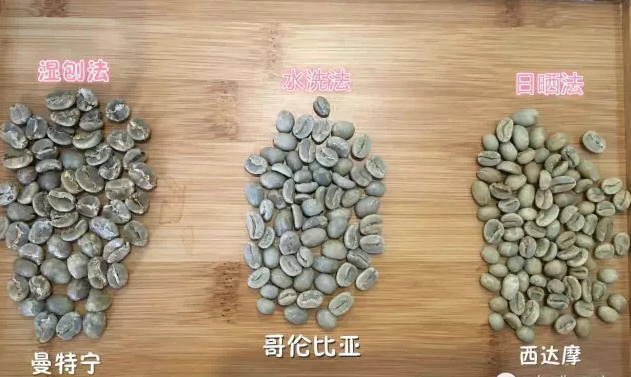
Summary of Wet-Hulled Processing Flavor Characteristics
To summarize the wet-hulled flavor, setting aside the subtle differences, we generally find that wet-hulled beans taste earthy, smoky and chocolatey. They are mellow yet seem somewhat dull, with low acidity that stems from the shorter, less effective fermentation and the longer drying time. If you have forgotten how wet-hulled fermentation works, go back and review.
As for the earthy and herbal flavors of wet-hulled beans, opinions vary. Some say they are tied to the varieties grown in wet-hulled regions (the Tim and Catimor lines, which carry Robusta blood), some say they result from organic interaction between the green beans and the outside environment, and some even say it comes down to too many defective beans.
There are many sources of defective beans in the wet-hulled method. Natural defects from the coffee fruit itself are unavoidable, dehulling contributes more, and corrosion during transport of wet parchment beans, damage to exposed green beans from sunlight and moisture, and irregular weather that causes uneven drying speeds all detract from flavor. That is why Mandheling requires so many rounds of hand sorting.
Finally, FrontStreet Coffee summarizes the characteristics of the various green bean processing methods:
- Acidity: Washed > Semi-washed > Honey > Wet-hulled > Natural
- Sweetness: Natural > Honey > Wet-hulled > Semi-washed > Washed
- Production Risk: Wet-hulled / Natural > Washed / Honey > Semi-washed
- Equipment Cost: Washed / Semi-washed > Honey / Wet-hulled > Natural
- Water Usage: Washed > Semi-washed > Honey / Wet-hulled
How to Brew Mandheling Coffee Beans?
Different equipment and brewing methods produce different tastes. Next, FrontStreet Coffee uses the shop's PWN Gold Mandheling coffee beans as an example to analyze flavor characteristics across four different brewing methods.
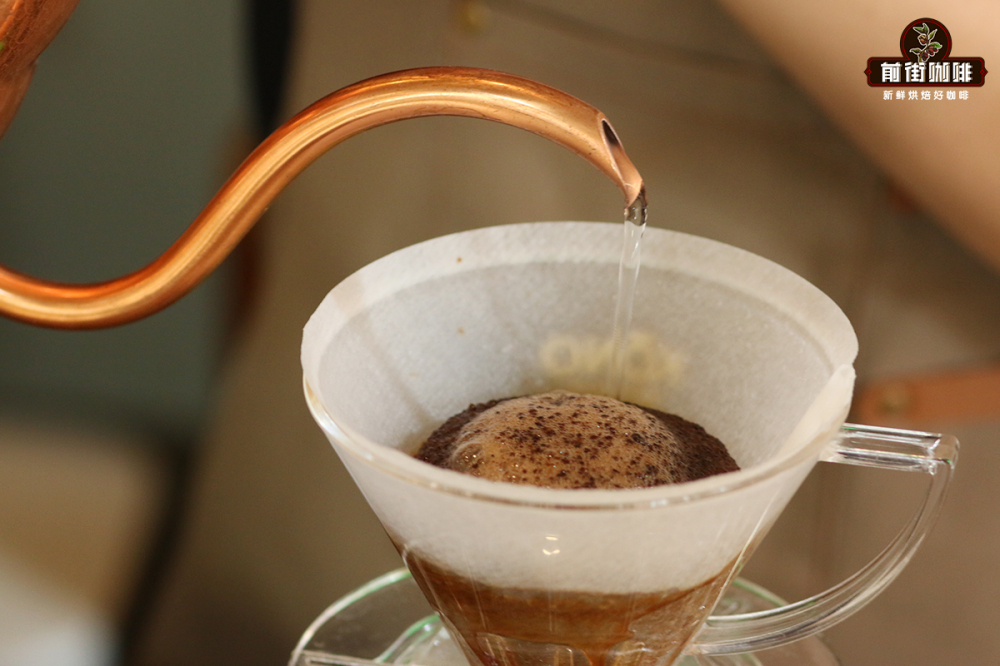
Pour-Over
Flavor: Multi-layered, clean and balanced, with persistent caramel sweetness in the aftertaste
- Equipment choice: Hario V60
- Water temperature: 88°C
- Grind size: Medium-coarse (70% pass-through rate on standard #20 screen)
- Roast level: Medium-dark
- Bloom time: 25 seconds
Specific technique: Three-pulse pour-over for Mandheling: 15g coffee, ground with Fujiyama mountain serrated burrs at #4, V60 dripper, water temperature 88-89°C. First pour 30g water for a 25s bloom, then pour to 104g and pause; wait until the water level in the bed drops to half before continuing, and slowly pour until you reach 220g total water, avoiding the last 5g. Water-to-coffee ratio 1:15, extraction time around 2:00.
Volcanic pour-over extraction works for Mandheling too, and flannel or a Kono dripper is also an option.

Specific technique: High-temperature extraction, water temperature 90-92°C, a small flow in the early stage at a coin-sized spot, then pause, bloom, pause and bloom again, keeping the grounds in a continuous blooming state for a 1:30 bloom time, and finally a large flow for a quick finish, with a total extraction time of 2:30.
AeroPress
FrontStreet Coffee finds that Mandheling brewed with an AeroPress has rich, complex flavors with prominent spice notes and fresh forest aromas.
- Equipment choice: AeroPress
- Water temperature: 85°C
- Grind size: Medium-coarse (70% pass-through rate on standard #20 screen)
- Roast level: Medium-dark
- Bloom time: 2 times, first 20 seconds, second 50 seconds
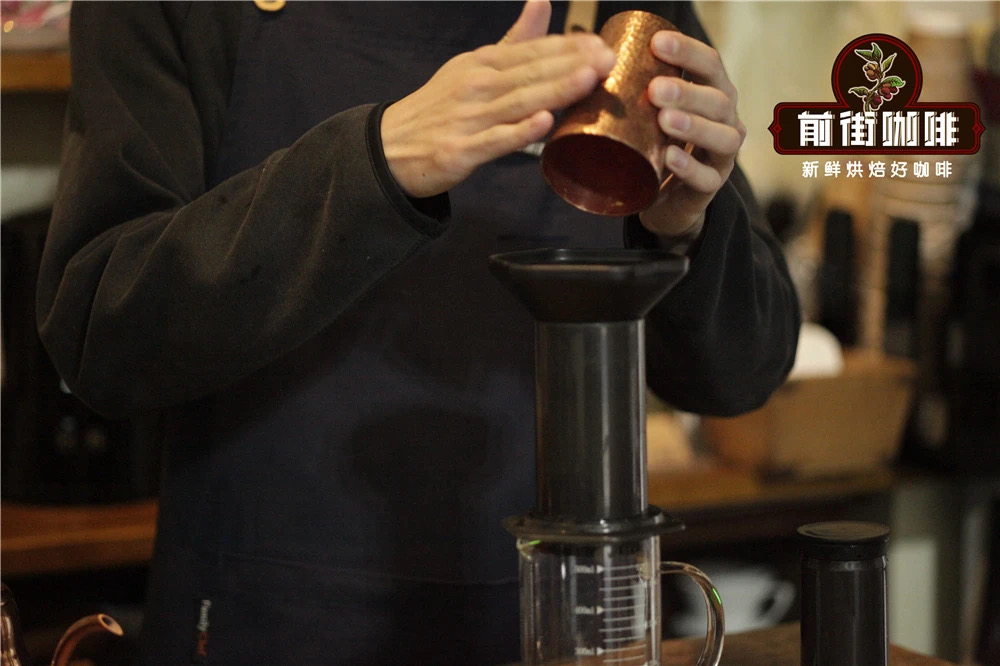
Specific technique: Standard AeroPress preparation. Add 20g coffee grounds at a water-to-coffee ratio of 1:17. First pour 85°C hot water to 100g, stir 3-5 times to fully wet the grounds, let stand for 20s, add the remaining hot water to reach 240g, let stand for 40s and stir for 5s, then at 1 minute 50 seconds insert the plunger and press down. Total time 2 minutes 5 seconds.
Siphon
Flavor: Round and rich, with prominent herbal and bitter notes accompanied by pronounced caramel sweetness
- Equipment choice: Hario siphon pot
- Water temperature: 90°C
- Grind size: Medium-coarse (70% pass-through rate on standard #20 screen)
- Roast level: Medium-dark
- Bloom time: 30 seconds

Specific technique: Side-burn extraction. Use 20g coffee for 2 servings at a water-to-coffee ratio of 1:12, water level to mark 2. Use the post-addition method (add the grounds after the water boils), wait for the bubbles to subside before adding the grounds, stir 4-5 times, extract for about 30 seconds, then remove from the heat, stir 2 more times and let the coffee drain freely.
French Press
Flavor: Balanced and mellow, with good body and oils and a slight sweetness
- Equipment choice: French press
- Water temperature: 92°C
- Grind size: Medium-coarse (70% pass-through rate on standard #20 screen)
- Roast level: Medium-dark
- Bloom time: 2 minutes 30 seconds

Specific technique: 20g coffee beans, pour hot water (about 92-93°C) into the French press up to the 300ml mark on the pot and start timing. Place the lid on the French press with the filter stopped at its highest position and wait 2.5 minutes. Then press the filter to the bottom.
Conclusion
We recommend the pour-over and AeroPress methods to showcase the rich, mellow flavors of PWN Gold Mandheling. The siphon and French press are more likely to cause over-extraction, and once over-extracted all you can taste are sour and bitter notes.
FrontStreet Coffee Recommendation
For a clean, sweet expression of wet-hulled Indonesian coffee, start with FrontStreet's PWN Gold Mandheling, the highest grade on the shelf. PWN buys only high-quality Mandheling green beans, then runs machine sorting and hand sorting to pick out plump, defect-free beans, all of them specialty grade, with Gold Mandheling as the flagship. The beans are even in size, large and translucent with a low defect rate, and after a medium-dark roast they carry a rich toasted aroma. Brewed as black coffee they offer a clean cup with full body, which makes them a great fit for anyone who dislikes acidic coffee.
Hand brewing shows Gold Mandheling at its best. FrontStreet suggests 87-88°C water, 15 grams of coffee at a 1:15 coffee-to-water ratio, a coarse-sugar grind, and a three-pour technique that pulls the best body and caramel sweetness out of the beans. Start with a 30ml bloom pour to fully wet the grounds and let them degas; follow with a 100ml second pour to flush out the golden foam and lift the bed; finish with a gentle 95ml center pour, which lifts the sweetness and rounds out a thick, full body with caramel sweetness alongside chocolate and nut notes.
If you would rather take Mandheling to an espresso machine, reach for FrontStreet's best-selling Classic Blend. Built on the creamy, nutty character of Brazilian coffee, it adds medium-dark roasted Mandheling, which brings butter, roasted chestnut and caramel to the front. The Mandheling lifts the body of the whole cup and lends sandalwood, herbal and spice notes, while a small amount of Robusta rounds out the crema, making latte art or a layered Dirty easy to pull off.
Important Notice :
FrontStreet Coffee is a long-established specialty coffee roaster in Guangzhou China, selling freshly roasted beans from its own farm in Yunnan as well as dozens of carefully selected single-origin beans from around the world for both pour-over and espresso. The products deliver consistently excellent quality and great value, with shipping within 24 hours. Guangzhou's FrontStreet Coffee shop is recommended by many coffee lovers, and the beans are now available online at the Tmall 。
FrontStreet Coffee has moved to a new address:
FrontStreet Coffee Address: 315,Donghua East Road,GuangZhou
Tel:020 38364473
 Scan and follow the En Gafei WeChat official account. Please indicate that the reprint comes from "En Gafei".