Pour-Over Coffee Grind Size Guide | How Fine Should Coffee Grinds Be for Pour-Over Brewing?
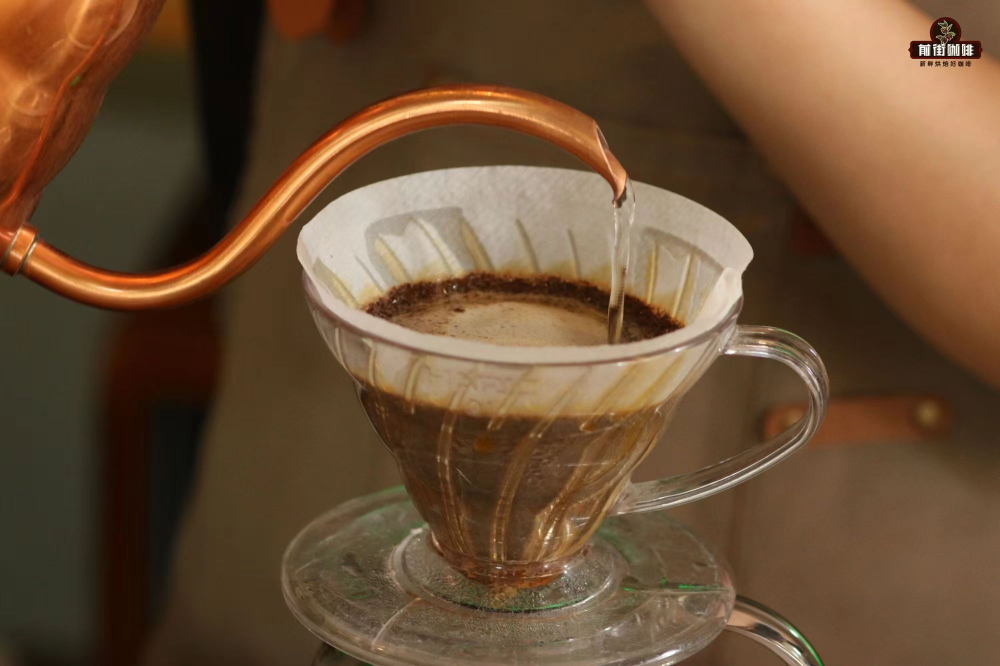
More and more people are falling in love with coffee and brewing it themselves. The rise of pour-over coffee has sparked a wave of "brew your own." For beginners, though, enthusiasm often outstrips technique — the wonderful flavors never quite show up, and sometimes the cup is simply bad.
How Does Grind Size Affect Flavor?
Pour-over coffee uses water as the solvent to draw flavor compounds out of the grounds, producing a delicious cup of black coffee. Grind size is crucial here: the fineness directly governs how much, and how quickly, the various components are extracted.
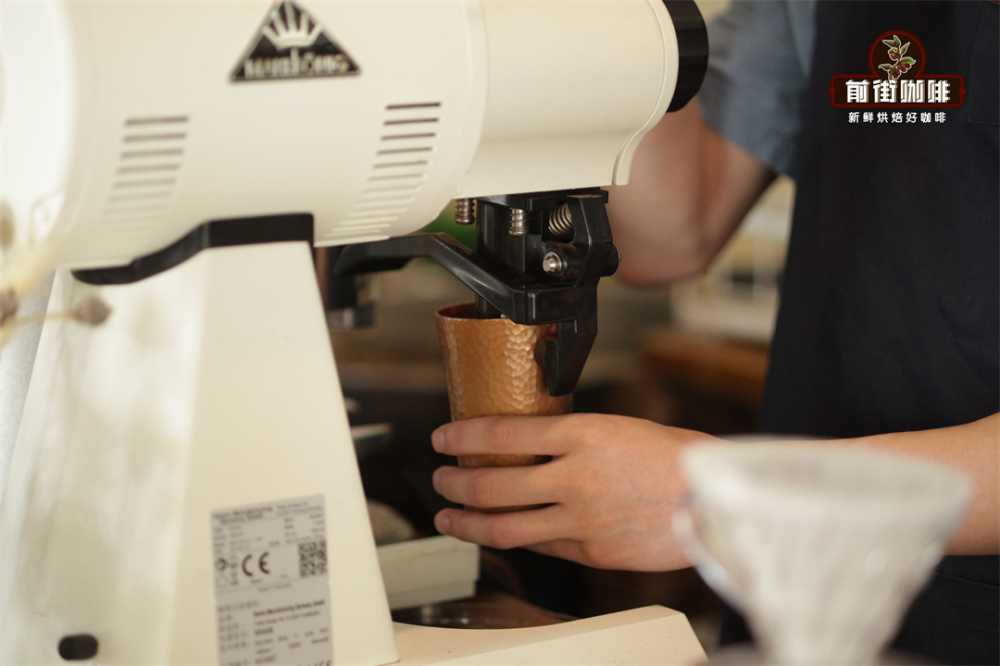
Visit any coffee shop and you'll notice espresso has its own dedicated grinder. Espresso needs to produce a concentrated shot within tens of seconds, demanding very fine, very consistent grinding. Pour-over doesn't need to be as fine as espresso, but achieving good flavor still depends on grinding consistency and finding the right grind size.
The coarser the grind, the larger the particles, the less resistance to water flow, the shorter the contact time through the coffee bed, and the lighter the extraction. The finer the grind, the smaller the particles, the greater the resistance, the longer the water lingers in the bed — and naturally, the stronger the flavor. Unevenly ground coffee gives particles of different sizes different contact times with the hot water, so extraction efficiency becomes inconsistent and flavor suffers.
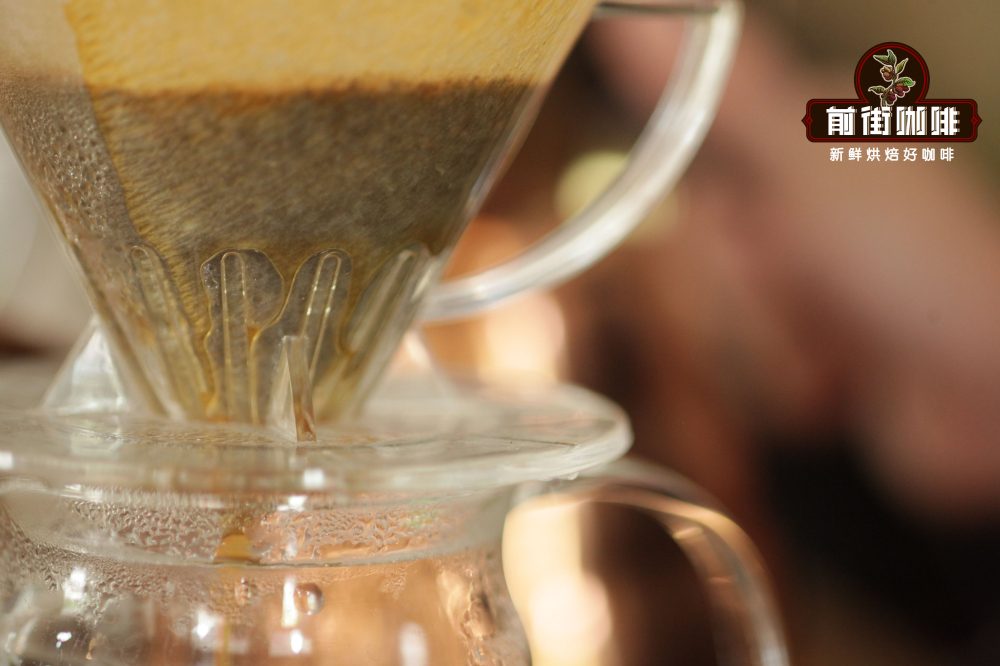
How Fine Should Pour-Over Coffee Be Ground?
Only 30% of a coffee bean is soluble, and within that thirty percent only part of it carries the desirable flavors we want — the rest contributes bitterness and unpleasant tastes. Every pour-over parameter you adjust exists to hit proper extraction. Industry experience puts the ideal extraction efficiency at 18-22%.

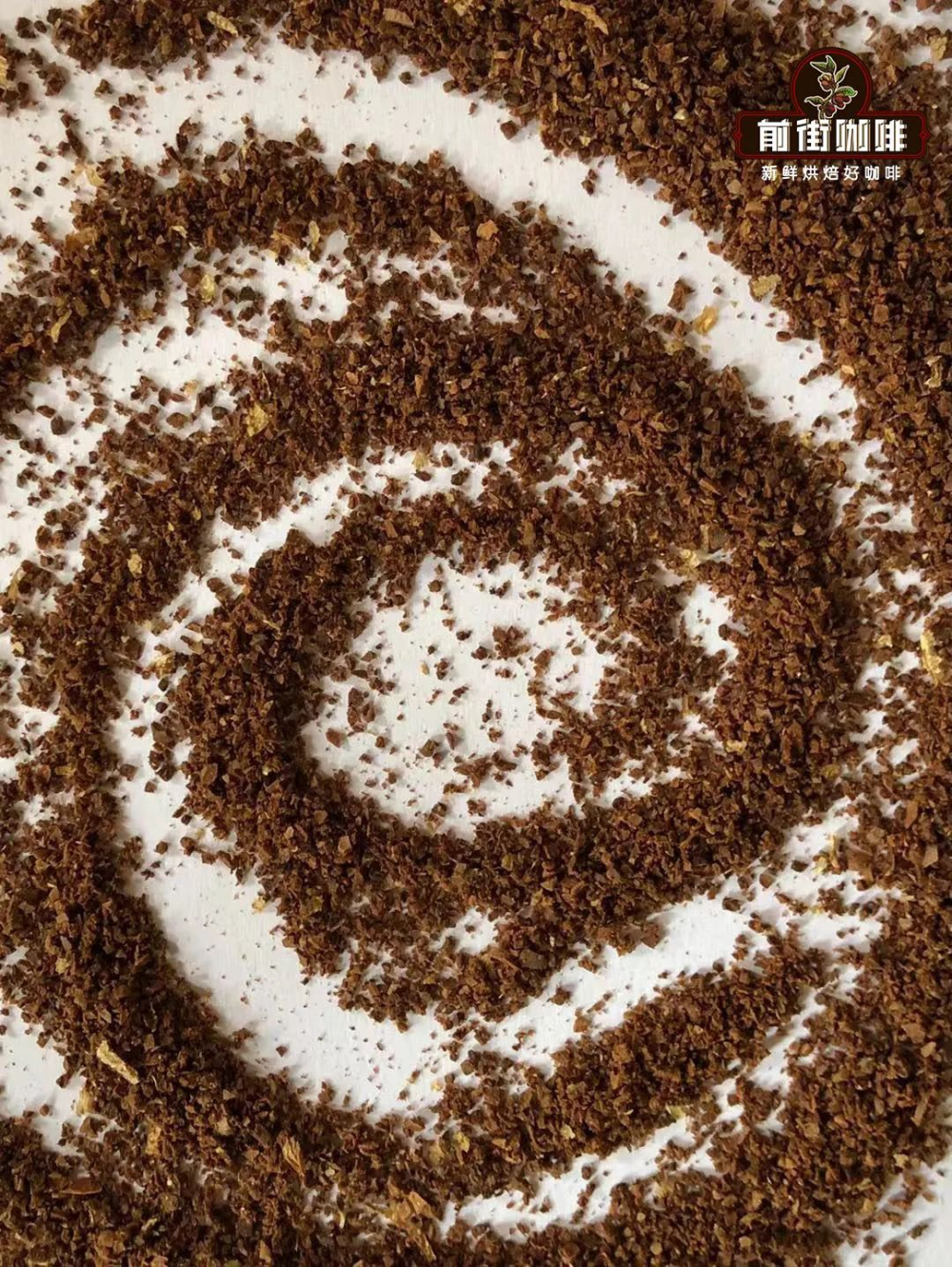
People constantly ask FrontStreet Coffee how coarse to grind. Since grind size isn't as precise a variable as water temperature (which you can specify to the exact degree), judging coarseness relies on observation and experience. FrontStreet Coffee typically uses sugar granules as a reference. For light to medium roast beans, lighter roasts absorb water less readily, so to improve extraction efficiency we grind medium-fine — about the size of fine sugar granules, as shown below:
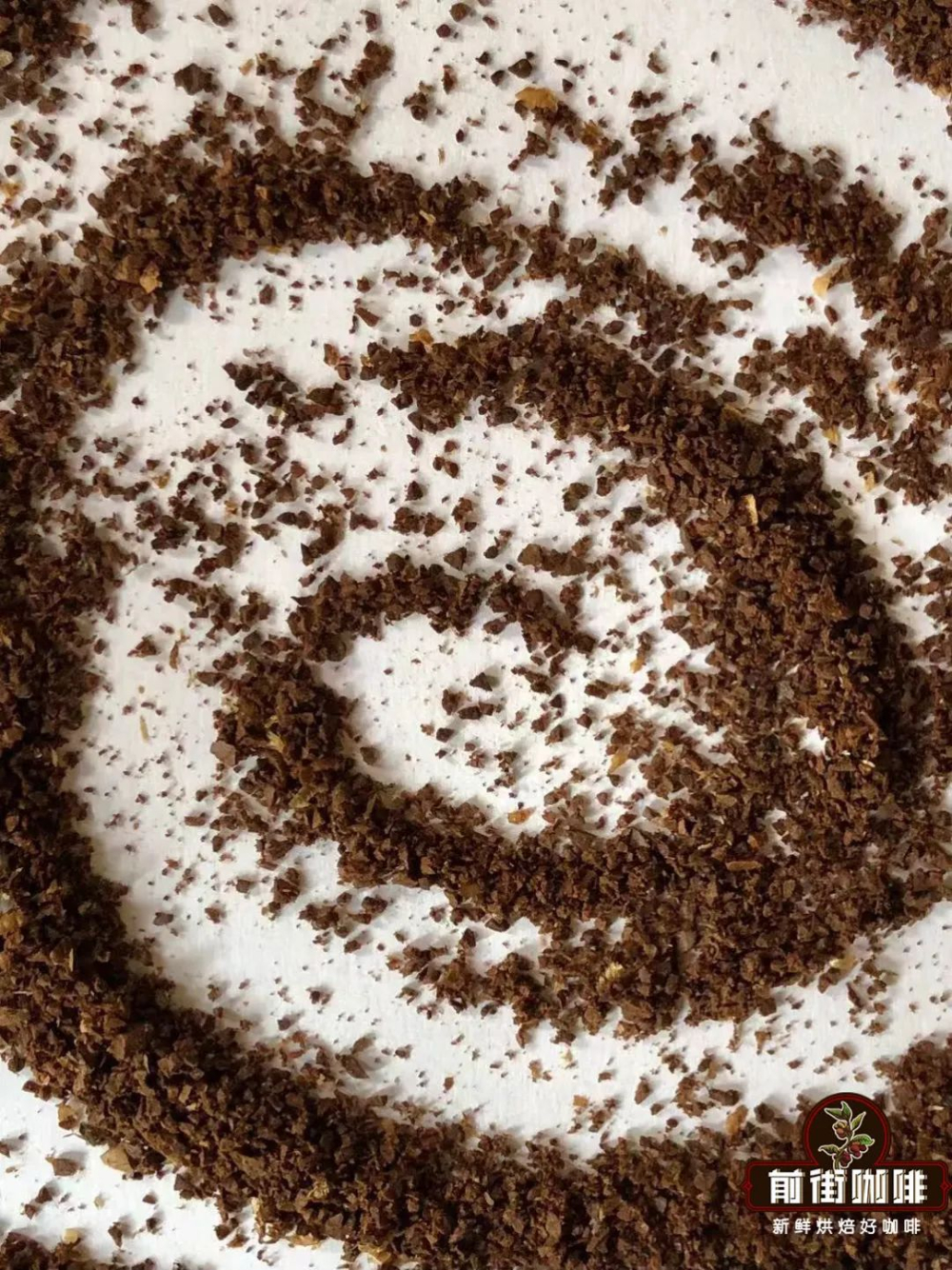
For medium to dark roasts, the deeper roast makes the beans more porous and absorbent. To avoid over-extraction, FrontStreet Coffee recommends a medium-coarse grind — about the size of coarse sugar granules.
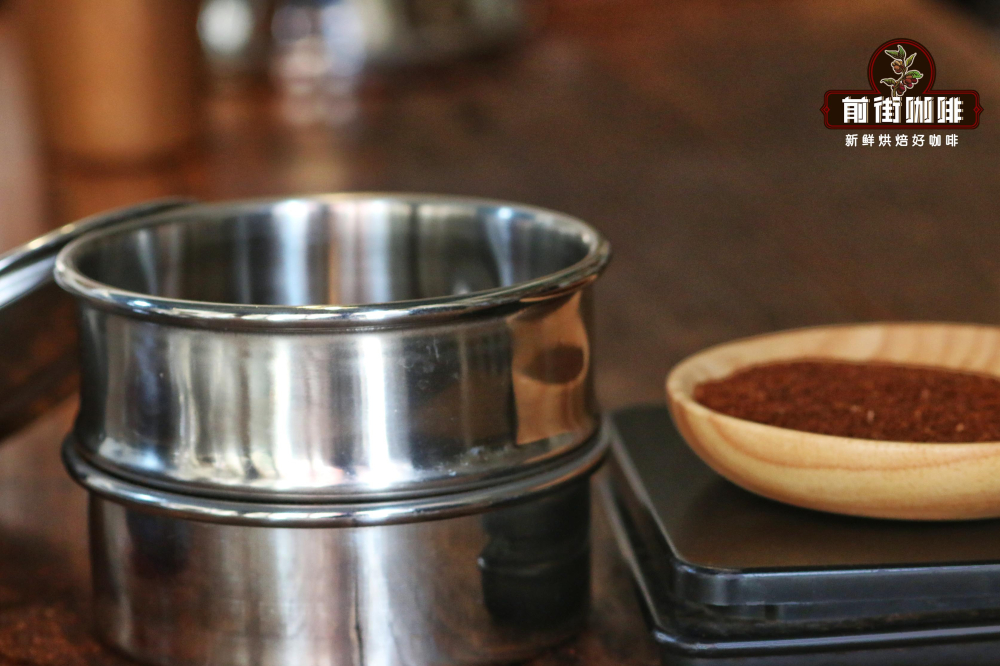
For those chasing precision, sugar comparisons aren't enough. If you want to nail the exact grind for your home grinder, FrontStreet Coffee suggests professional measuring tools — specifically, the Chinese Standard #20 sieve with 0.85mm apertures. Particles smaller than 0.85mm fall through into the collection bowl; larger ones stay on the sieve surface. The pass-through rate is the share of powder that falls through relative to the total. For light to medium roasts, aim for a 75-80% pass-through rate on the #20 sieve — corresponding to EK43s settings of 10-10.5 at FrontStreet Coffee. For medium to dark roasts, aim for 70-75% — settings of 10.5-11.

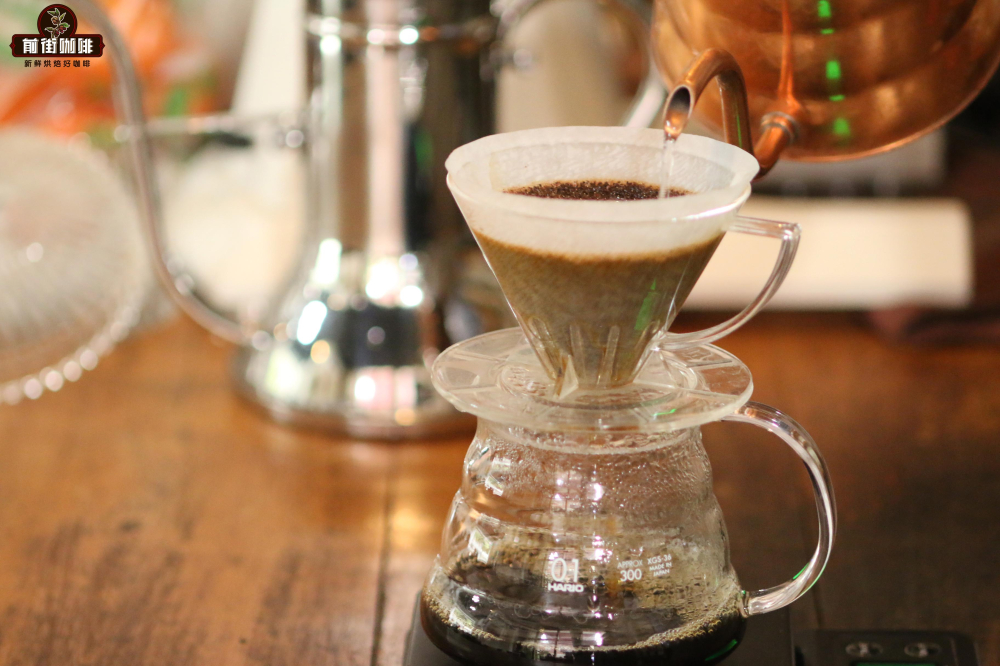
Beyond those two methods, you can also judge the grind mid-brew by using extraction time as your reference. According to FrontStreet Coffee's brewing standards, normal extraction should take around 1 minute 50 seconds to 2 minutes 10 seconds. Grind too fine and the time runs long; too coarse and it runs short — a quick, practical check on whether your grind is in the right zone.
What Else Matters in Pour-Over Coffee?
Many factors shape a pour-over's flavor: the beans, grind size, water temperature, coffee-to-water ratio, pouring technique, and extraction time. As the source of all flavor, the beans matter most. A bag of quality coffee beans directly determines what ends up in your cup, which makes bean selection absolutely crucial.
FrontStreet Coffee's bean menu features nearly fifty different coffees across all the major producing regions, so you can choose according to the flavor profiles you love. And to guarantee the best possible tasting experience, FrontStreet Coffee only ships beans roasted within the past 5 days — add transit time, and your beans arrive right in their optimal flavor window.
FrontStreet Coffee Recommendation
If you're brewing pour-over on a V60, the fast-draining cone is the perfect showcase for floral-and-fruit styles: FrontStreet Coffee's Ethiopia Yirgacheffe Guodingding brings bright citrus, berry, and jasmine notes with a green-tea-like sweetness; the natural-process Huakui explodes with strawberry, passion fruit, jackfruit, and lychee aromatics; and the Panama Emerald Estate Red Label Geisha offers an elegant, legend-worthy cup of jasmine, citrus, bergamot, and black tea. All shine with a medium-fine grind, 90-91°C water, and a 1:15 ratio.
Prefer the mellow, high-sweetness side of pour-over? Try FrontStreet Coffee's PWN Golden Mandheling — deep-roasted, low in acidity, and thick with herbal, dark chocolate, and softly earthy notes — or the Jamaica Blue Mountain No.1, whose flawless balance of cream, caramel, chocolate, and nuts made it the benchmark coffee of its era. Both suit a slightly coarser, coarse-sugar grind and hotter pours.
Important Notice :
FrontStreet Coffee is a long-established specialty coffee roaster in Guangzhou China, selling freshly roasted beans from its own farm in Yunnan as well as dozens of carefully selected single-origin beans from around the world for both pour-over and espresso. The products deliver consistently excellent quality and great value, with shipping within 24 hours. Guangzhou's FrontStreet Coffee shop is recommended by many coffee lovers, and the beans are now available online at the Tmall 。
FrontStreet Coffee has moved to a new address:
FrontStreet Coffee Address: 315,Donghua East Road,GuangZhou
Tel:020 38364473
 Scan and follow the En Gafei WeChat official account. Please indicate that the reprint comes from "En Gafei".