What is Cold Brew Coffee? The Extraction Principle Difference Between Cold Brew and Iced Coffee

Iced Americano vs. Cold Brew: Understanding the Summer Coffee Favorites
Iced Americano and cold brew are arguably the two best-selling summer coffee shop items, yet there is a significant price gap between them. Cold brew typically costs twice as much as an iced Americano. Since both are iced coffees, why is cold brew so expensive? This article follows FrontStreet Coffee to explore a summer favorite.
What Is Cold Brew Coffee?
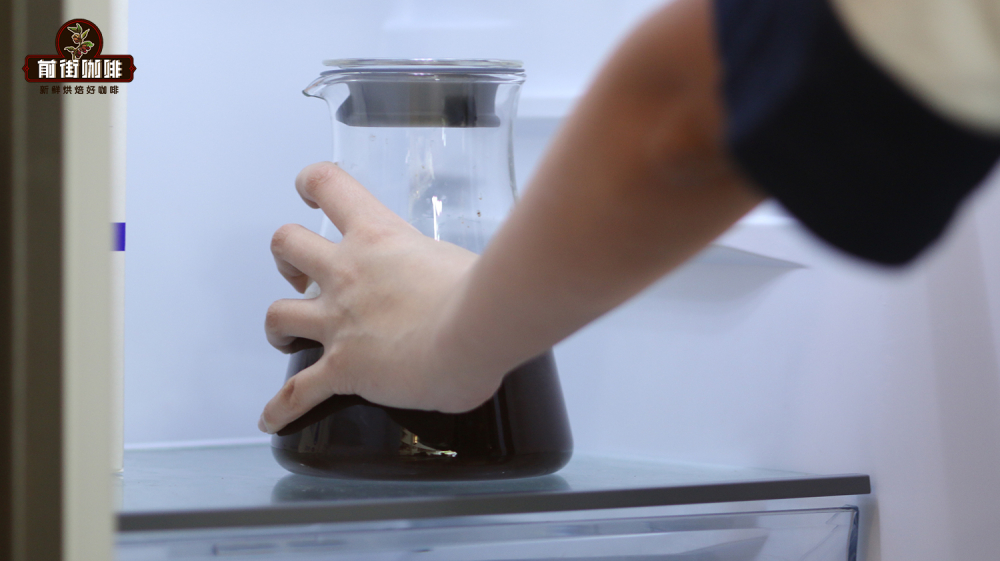
Unlike most Americano brewing methods, cold brew is extracted by steeping at low temperature, using water at room temperature or below. FrontStreet Coffee typically adds medium-ground coffee, at a granulated-sugar consistency with a 75% pass-through rate on the China No. 20 standard sieve, to cold water, then seals it and leaves it in a refrigerator to steep for 8-12 hours before filtering out the grounds.
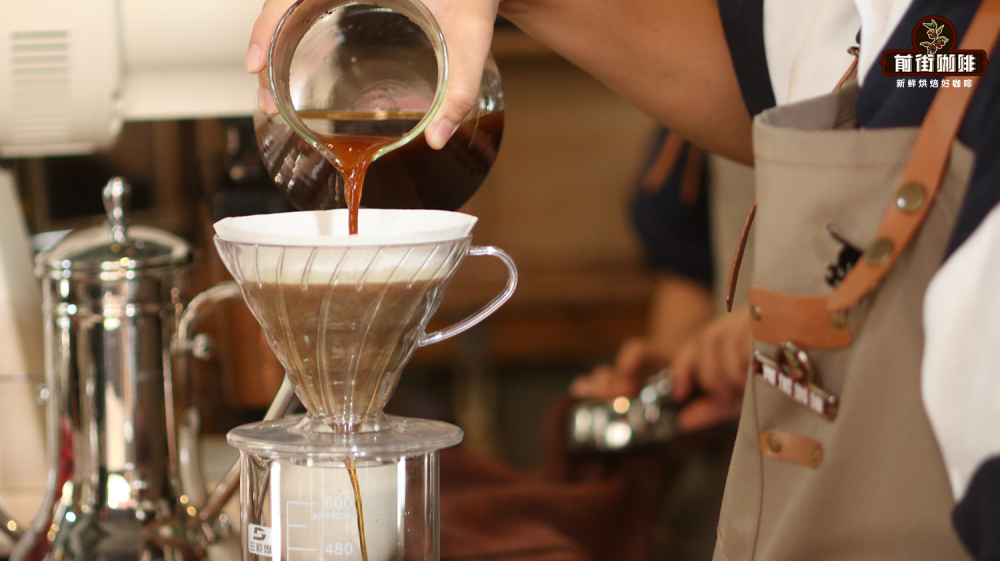
The long extraction time is characteristic of cold brew. Without the movement of thermal molecules, extraction takes far longer than it does at higher temperatures, because water molecules have less kinetic energy when they are cold, so cold brew needs a longer steep to compensate.
Because the brewing time is longer, cold brew generally contains more total dissolved solids (TDS) than concentrated coffee such as Americano or filtered coffee such as pour-over. That means cold brew carries more caffeine and a higher concentration than other extraction methods, which is why so many people dilute it with water or milk before drinking.
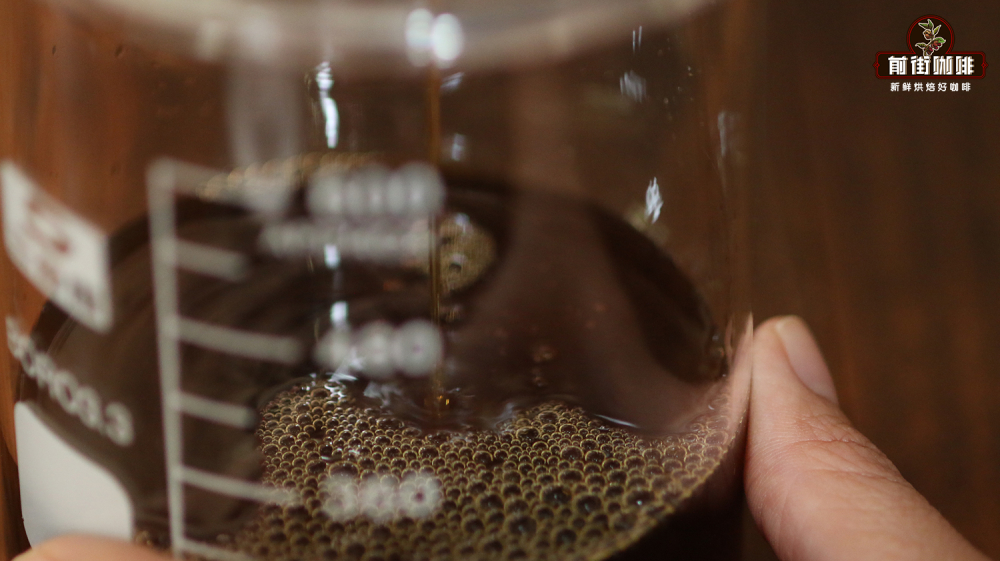
One more important point: cold brew is not the same as iced coffee. Some coffee shops use the two terms interchangeably, but the preparation differs. Generally, iced coffee is brewed with hot water, then cooled quickly and served over ice.
Why Is Cold Brew More Expensive Than an Iced Americano?
First, there is the cost of time. An iced Americano is made by adding water to dilute espresso after extraction. Making the espresso involves grinding coffee beans into extremely fine particles, then forcing hot water at around 94°C through the grounds at 9-10 bar of pressure, which takes only 25-30 seconds.
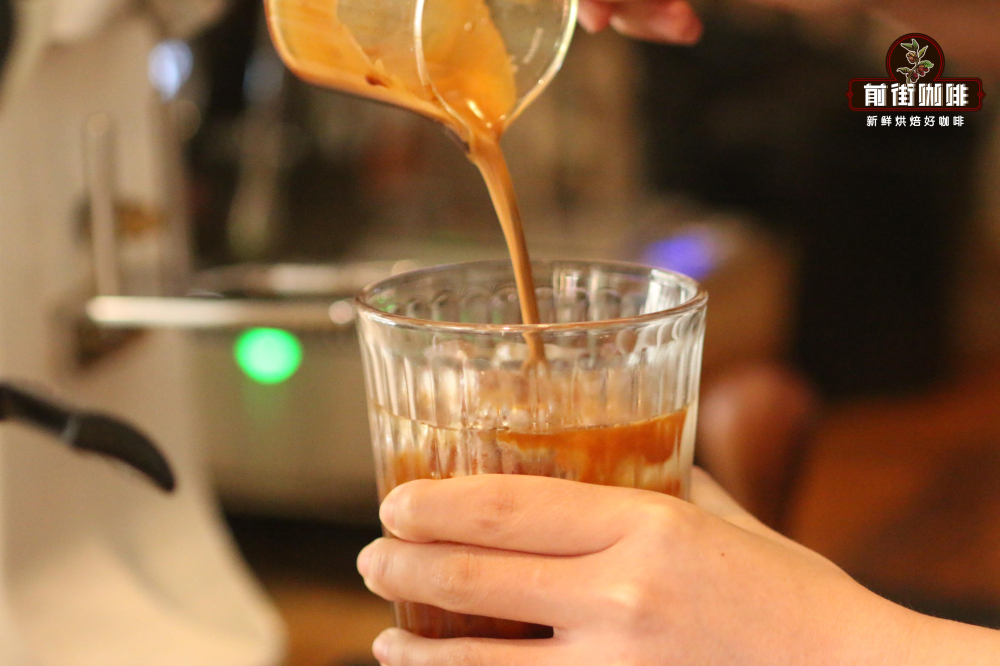
Second, there is the cost of the coffee itself. Most coffee shops use blended beans for espresso drinks to keep the product more consistent over time. Blends combine the characteristics of beans from different regions to produce a more balanced, richer flavor suited to pressure extraction.
Cold brew, however, is meant to showcase the inherent regional character of the coffee, so single-origin beans are typically used. Single-origin coffee costs more than a blend, and when you add portion size and time, the price of cold brew in a coffee shop naturally sits above that of an Americano.
Coffee Bean Recommendations for Cold Brew
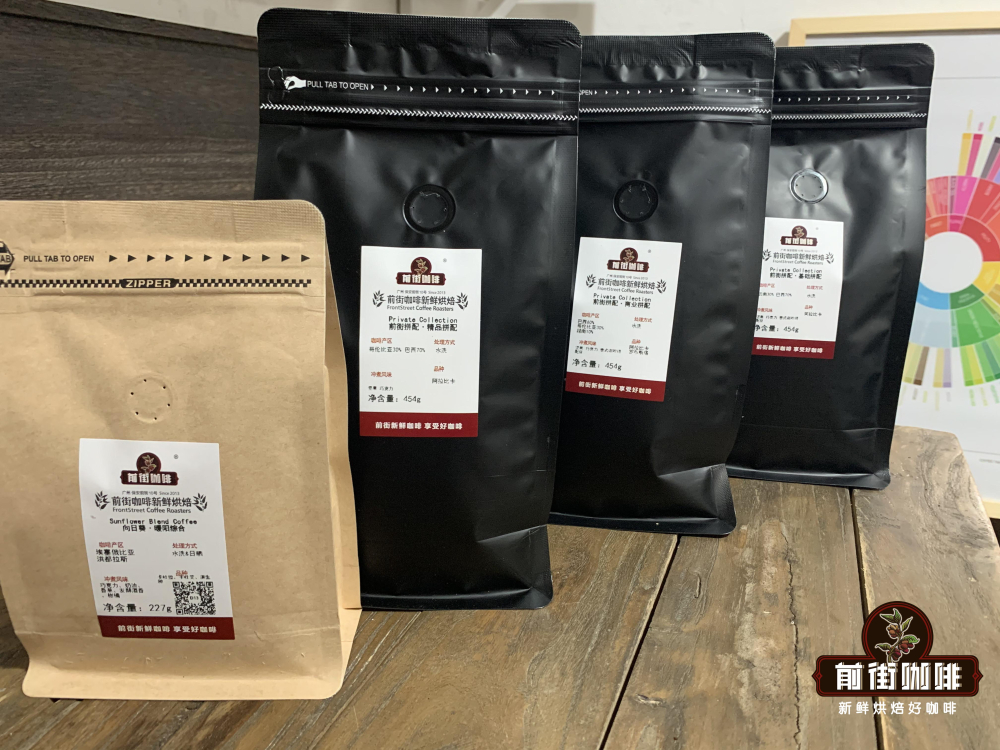
Cold brew brings out the original flavors of the coffee, so FrontStreet Coffee recommends single-origin, freshly roasted beans. You can order from FrontStreet Coffee's flagship store, where all coffee beans ship within 5 days of roasting.
For a fruity, sweet-and-sour cold brew, try FrontStreet Coffee's Karmada, with flavors of citrus, berries, red floral notes, and black tea.
For milder acidity with a light fruit fermentation, try FrontStreet Coffee's Mozart, with flavors of raisins, osmanthus, honey, and nuts.
For no acidity at all and a rich cup, try FrontStreet Coffee's Brazil Queen's Estate, with flavors of roasted peanuts, creamy smoothness, dark chocolate, and sucrose.

And for a balanced cup with sweet floral and fruity notes, try FrontStreet Coffee's Strawberry Candy, with flavors of roses, candied fruit, strawberry gummies, and nuts.
FrontStreet Coffee Recommendation
Cold brew amplifies floral and fruity notes while damping down woody and roasted flavors, so light to medium roasts show best. FrontStreet Coffee's Strawberry Candy is a strong match. This Geisha blend pairs the most representative Panama Geisha with a honey-processed Costa Rican coffee: one side supplies delicate rose and orange, the other contributes grape, dried blueberry, and a strawberry-gummy sweetness, and together they build rich layers. Cold brewed, it is sweet-and-sour, lively, and lifted, and if you let it settle and ferment a little it takes on a fruit-wine character.
For floral iced coffee specifically, FrontStreet Coffee's natural Huakui is the one to buy. It comes from Ethiopia, the birthplace of coffee, and because it is dried with the fruit and skin intact the beans absorb a great deal of sweet aromatic material from the pulp. Cold brewed, it shows magnolia, creamy strawberry, dried mango, guava, and black tea.
And for a cold brew that is positively juicy, FrontStreet Coffee's Kenya Small Tomato is unmatched: cherry tomato, snow pear, black plum, and smoked plum sweet-and-sour notes come through at their fullest under cold extraction, with low bitterness and full acidity that turns even more refreshing over ice and leaves a lasting aroma. It comes from Sika in Kenya, from the carefully bred SL28 and SL34 varieties that carry complex berry aromas of their own, and it is processed by Kenya's distinctive double-washed method, which lets the raw bean show its own flavor to the fullest; a medium-light roast then converts the precursor aromatic compounds into a more complex profile that gives the coffee its rich fruit character.
Because cold brew uses more coffee than pour-over, it also pays to blend rather than pour expensive high-grade beans into the carafe. Many people love FrontStreet Coffee's Colombia Sidra for its complex, sweet flavors of passion fruit, grape, apricot, and preserved fruit, and a practical way to drink it economically is to add FrontStreet Coffee's Costa Rica Tarrazu at a 1:2 ratio: you still get the Sidra's floral and fruity notes plus the Tarrazu's crisp citrus acidity, and the cost comes down considerably. Finally, as the most representative African coffee, washed Yirgacheffe has won over a large following with its florals and fruit, and FrontStreet Coffee's Gedeb cooperative lot is the most representative washed Yirgacheffe of all, with excellent quality; it is also very well suited to cold brew, showing sweet berry, layered structure, and honeyed notes.
Important Notice :
FrontStreet Coffee is a long-established specialty coffee roaster in Guangzhou China, selling freshly roasted beans from its own farm in Yunnan as well as dozens of carefully selected single-origin beans from around the world for both pour-over and espresso. The products deliver consistently excellent quality and great value, with shipping within 24 hours. Guangzhou's FrontStreet Coffee shop is recommended by many coffee lovers, and the beans are now available online at the Tmall 。
FrontStreet Coffee has moved to a new address:
FrontStreet Coffee Address: 315,Donghua East Road,GuangZhou
Tel:020 38364473
 Scan and follow the En Gafei WeChat official account. Please indicate that the reprint comes from "En Gafei".