Introduction to Indonesian Golden Mandheling Coffee Region: Green Bean Processing, Roasting, Cupping, Brewing Equipment, and Pour-Over Parameter Recommendations
PWN GOLDEN MANDHELING
Golden Mandheling
01 | The Region
Indonesia's main coffee-growing islands are Sumatra, Java, and Sulawesi, with Sumatran Mandheling the most renowned — in fact, "Mandheling" is another name for Sumatran coffee. Most coffee from North Sumatra is Gayo, primarily of the Ateng variety. Coffee around Lake Tawar in the north is sold as Aceh coffee or Tawar Lake coffee, while the Lintong and Lake Toba areas of South Sumatra produce what is properly called Mandheling. Lintong is the true Mandheling heartland, and the best Mandheling lots carry four place names: Sidikalang, Bergendar, Siborong Borong, and Telok Sanggul.
Lake Toba, in central North Sumatra Province, is where Dutch colonists moved "Java Mandheling" northward in 1888, founding the modern Mandheling legend.
Lake Tawar sits in central Aceh Special Autonomous Region at the northern tip of Sumatra, covering less than one-tenth the area of Lake Toba — yet in recent years its coffee quality and production have overtaken Toba's.
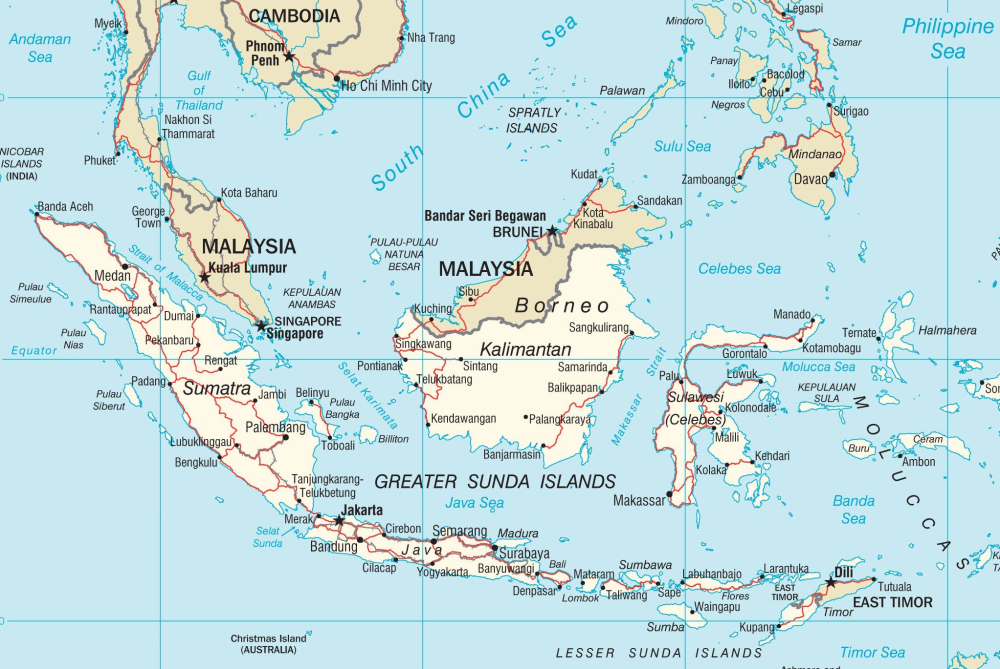
The Gayo mountains lie in the Aceh region of North Sumatra, and most of the coffee farmers there are local growers; the name Gayo comes from an Acehnese tribe. The area offers ideal growing conditions, a long cultural history, and distinctive flavors. Farmers widely cultivate organically, without chemical fertilizers, which is why Gayo coffee is often marketed as green (organic) coffee or Gayo organic coffee.
What Is Golden Mandheling?
Any discussion of Golden Mandheling must start with PWN — the abbreviation always attached to the name. It stands for Pwani Coffee Company.

PWN is a famous Indonesian coffee exporter that buys up Mandheling — indeed nearly all of Indonesia's best producing areas — so most of its lots are specialty-grade. Golden Mandheling is its flagship: after acquiring the green beans, the company runs one machine selection plus three or more rounds of hand sorting to pick out only full, defect-free beans. Only beans that survive this talent-show gauntlet earn the Golden Mandheling name.
Machine selection first enforces a size floor of 18 mesh and above; the repeated hand sortings then remove uneven, defective beans. The low defect rate is what lifts the cup quality so dramatically.
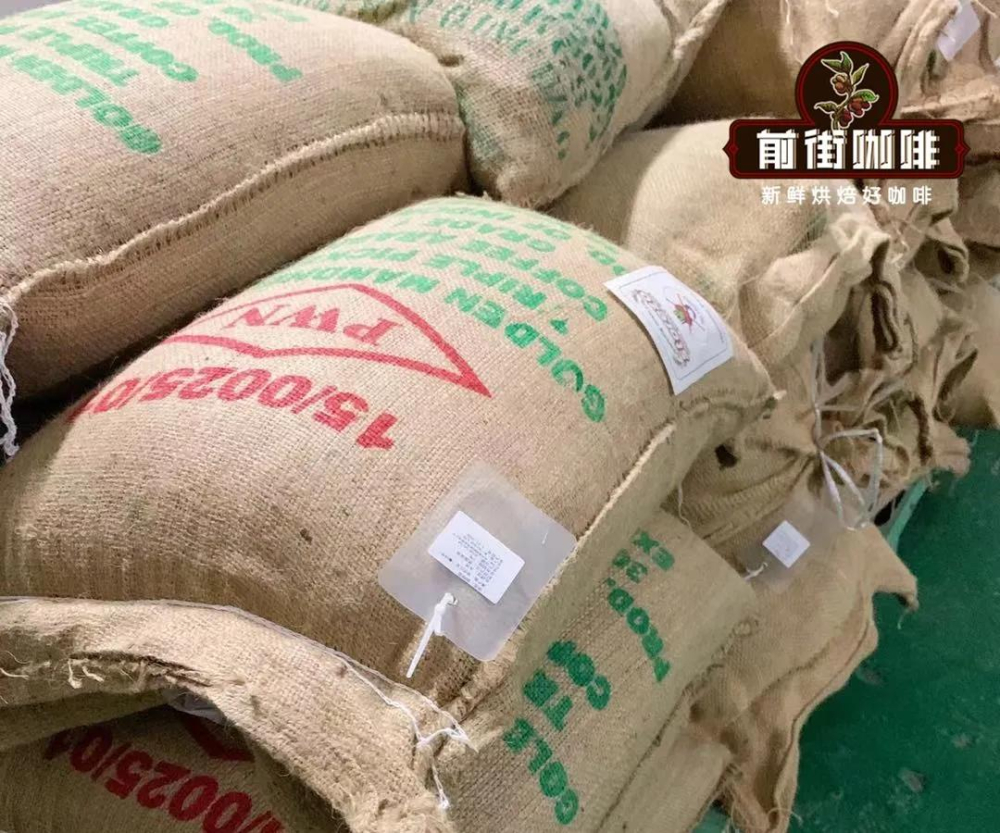
Important: PWN has trademarked "Golden Mandheling," so only PWN's output is genuine Golden Mandheling. Beans on the market sold under that name but not produced by PWN should really be called Premium Mandheling.
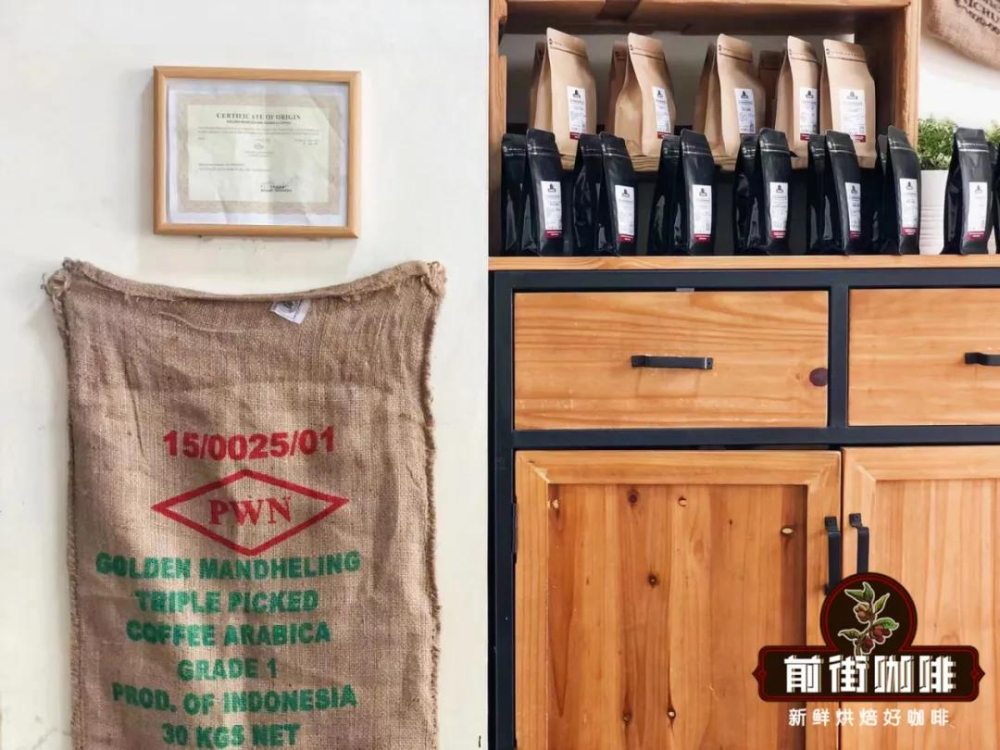
FrontStreet Coffee's Golden Mandheling beans all come from PWN — at FrontStreet's physical stores you can see the certificates PWN issues, along with green bean bags printed with the PWN mark.
02 | Processing Method
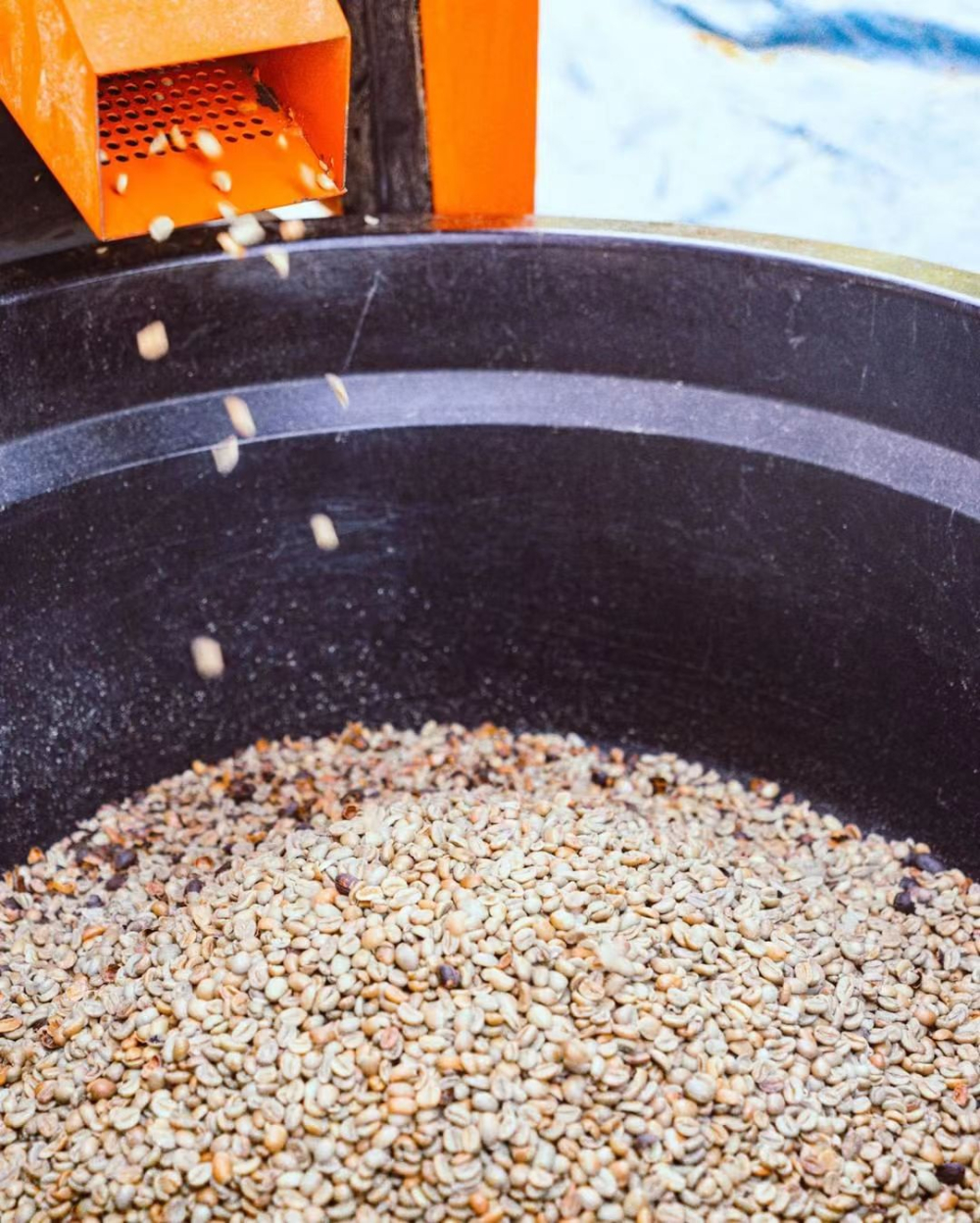
Wet hulling — known locally as Giling Basah — is Indonesia's traditional post-harvest method. The name makes it sound similar to washed processing, but the cup flavors are entirely different: wet-hulled coffee is rich, strong, and unmistakably itself.
Wet Hulling Steps
- Remove skin and pulp; keep parchment and mucilage
- Pool fermentation
- Wash off the mucilage
- Sun-dry in parchment for 2–3 days to 20–24% moisture content
- Hull off the parchment
- Dry the green beans to 12–13% moisture content
- Prepare for export
Why Wet Hulling?
a. Climate
It starts with the weather. Indonesia's humidity stays between 70–90% year-round with constant typhoons, and annual rainfall in some regions reaches 2,000mm. Green coffee and rain don't mix, so how does Indonesia overcome such conditions to produce rich, mellow Mandheling? Wet hulling is the answer.
Under tropical conditions coffee normally takes 2–3 weeks to dry. In Indonesia's humidity, drying becomes a serious problem: the prolonged high moisture invites bacteria into the beans.
In conventional washed processing, the parchment protects the beans during drying. Wet hulling instead removes the parchment for the final drying stage, letting sunlight strike the green beans directly so they dry 2–3 times faster than washed coffee.
b. Economics
Dutch colonists introduced coffee to Indonesia in the 17th century, and they wanted faster, larger returns. Wet hulling cut the time coffee spent on the farm and slashed labor costs — very much the investor's mentality of quick profit and low cost, and one more reason the method spread.

c. Defects and Kuku Kambing ("Goat Hoof" Beans)
When wet hulling strips the parchment, the coffee's moisture is still 20–24% — most other methods let it fall to 10–12% before hulling. In that semi-dry state the parchment clings to the bean surface, making hulling harder and demanding more friction.
Meanwhile, semi-dry beans are fragile — far softer than fully dried beans — so they're easily compressed and develop small fissures. Those are the "horse hoof" or "goat hoof" beans, called kuku kambing locally.
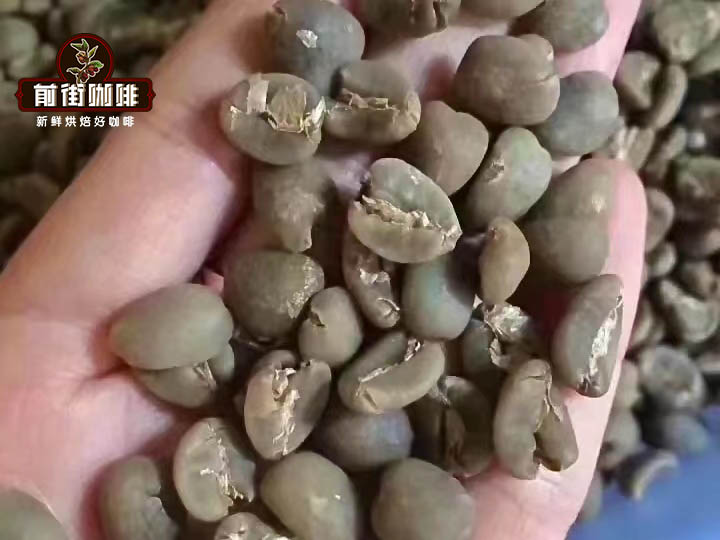
Wet hulling's breakneck speed also produces higher defect counts, so processing plants staff manual sorting lines — generally DP (double picking) and TP (triple picking). Triple-picked Mandheling shows a better defect rate than double-picked.
Flavor-wise, wet-hulled beans are generally credited with earthy, smoky, and chocolate notes, with low acidity — rich and mellow, some would say a little dull. The low acidity comes from the shorter, weaker fermentation and the accelerated drying. As for the earthiness, opinions differ: some attribute it to the varieties grown in wet-hulled regions (Timor and Catimor lines carry Robusta blood), some to the beans' interaction with external organic matter during processing, and some simply to too many defective beans.
03 | Green Bean Analysis
PWN Golden Mandheling Green Beans
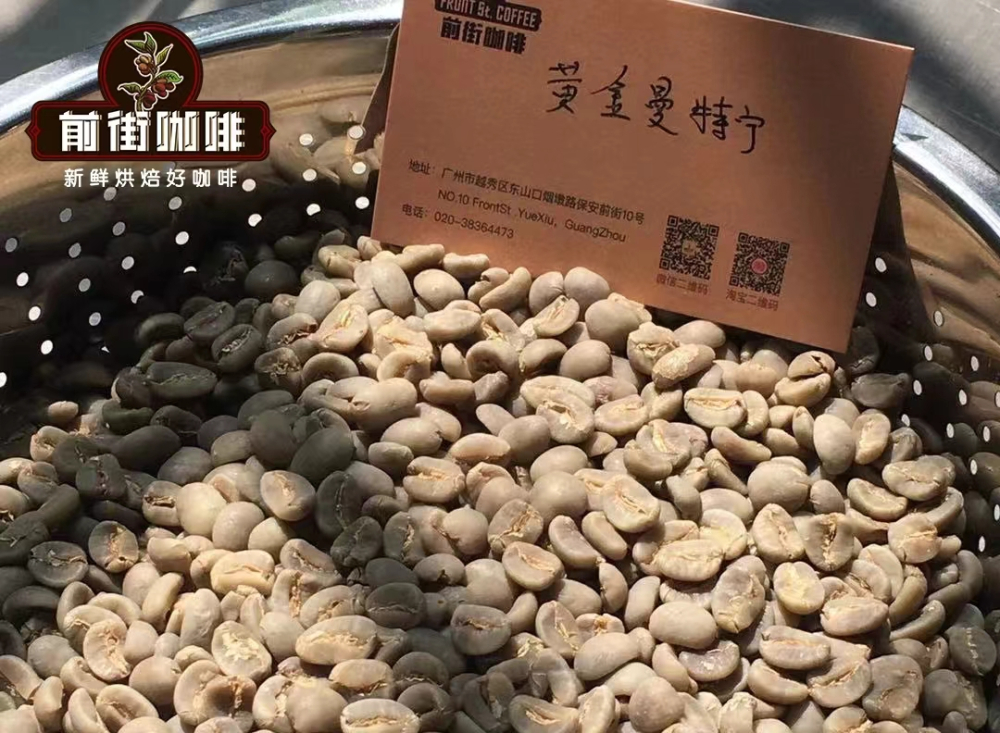
FrontStreet Coffee — PWN Golden Mandheling
Region: Gayo Mountains, Aceh Province, Sumatra, Indonesia
Company: PWN (Pwani Coffee Company)
Altitude: 1100–1600m
Grade: G1, triple hand-picked
Process: Wet hulled
FrontStreet roasts to drop the beans just before second crack, retaining a soft acidity. The cup shows high sweetness, rich aroma, and mellow texture: toasted bread, pine, caramel, cocoa, and a slight grassy-earthy undertone.
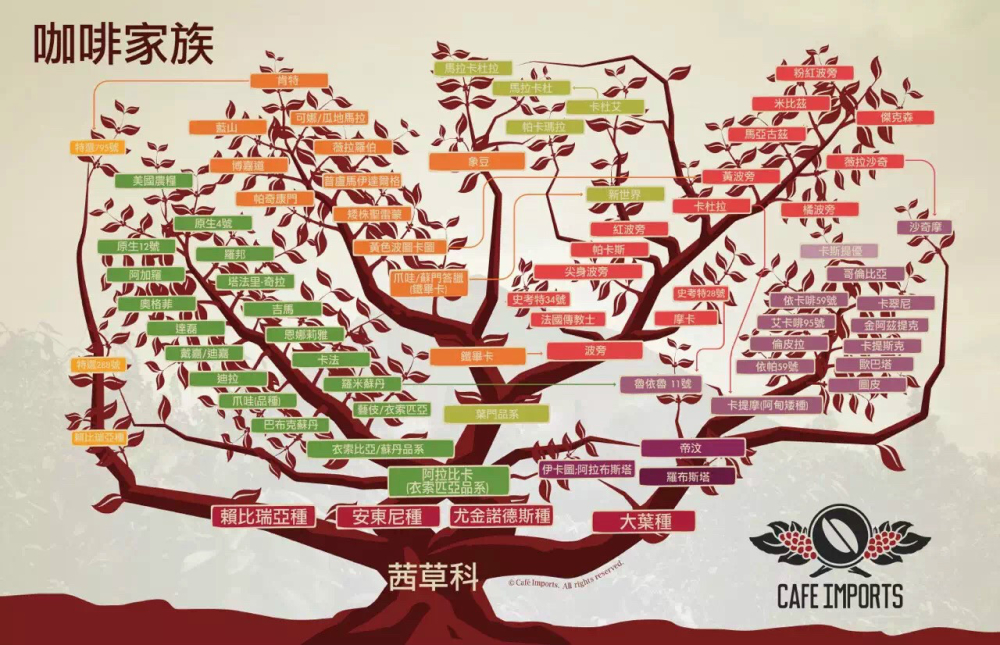
In the specialty coffee system, Sumatran coffee is a curious creature: the famous "Mandheling" is neither a region nor a variety name, and even its varietal makeup is a mixed bag.
04 | Common Varieties in Indonesian Coffee
Ateng
A hybrid between Arabica and Robusta with several subtypes, widely planted across Sumatra and other Indonesian islands. In short, it's a branch of Catimor — Ateng is just the local name.
Djember
Djember looks like a mysterious Sumatran place name, but the variety is actually S-795, so called because it was distributed on the island by the Jember Coffee Research Center. What is S-795? A hybrid created by Indian botanists, crossing the Typica mutation Kent with S-288. And S-288? A natural hybrid of Arabica and Liberica.
Tim Tim
Tim Tim is an Indonesian bean whose elongated shape earns it nicknames like "horse face bean" or "long berry Mandheling." It isn't a pure variety but a natural hybrid of Arabica and Robusta, discovered on Timor Island in the 1940s and cultivated for its natural disease resistance. In the Americas it's called Hibrido de Timor, and in Indonesia it also goes by Bor Bor.
05 | Roasting Analysis
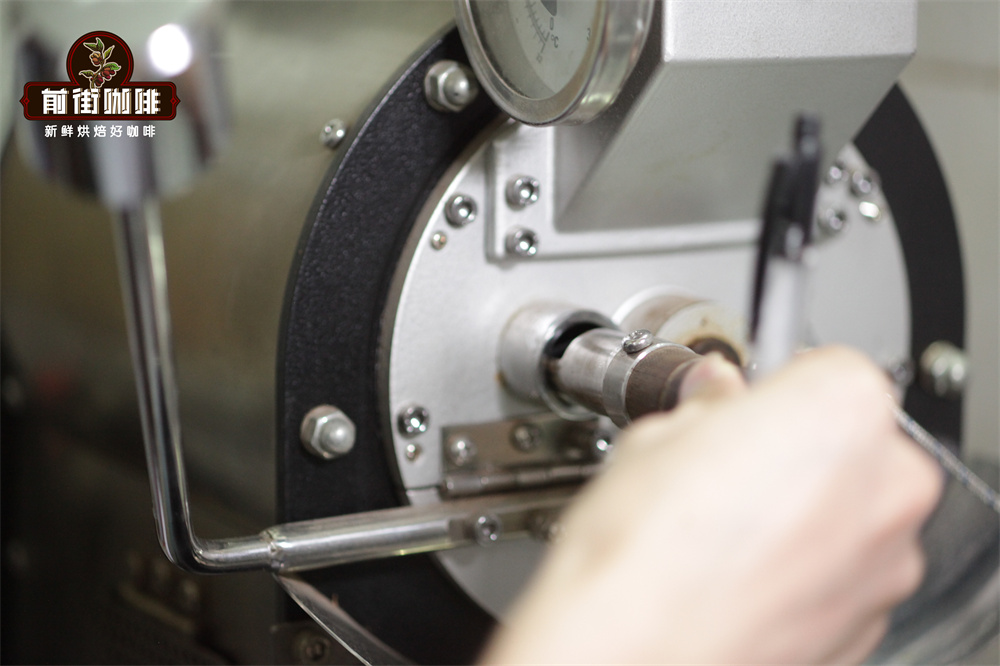
Golden Mandheling is a higher-moisture green bean — its moisture deviates noticeably from sun-dried beans — so dehydration deserves special attention. FrontStreet's approach: after charging the beans, close the air vent immediately, steam for 30 seconds, then open it to 3. When the beans turn light green or white, open the vent to 4, and after first crack open it fully to 5.
FrontStreet recommends logging data before every roast — bean moisture content, density, origin, processing method, room temperature and humidity — and planning the curve. Recording the chemical and physical changes during roasting helps you understand the final result and refine the curve.
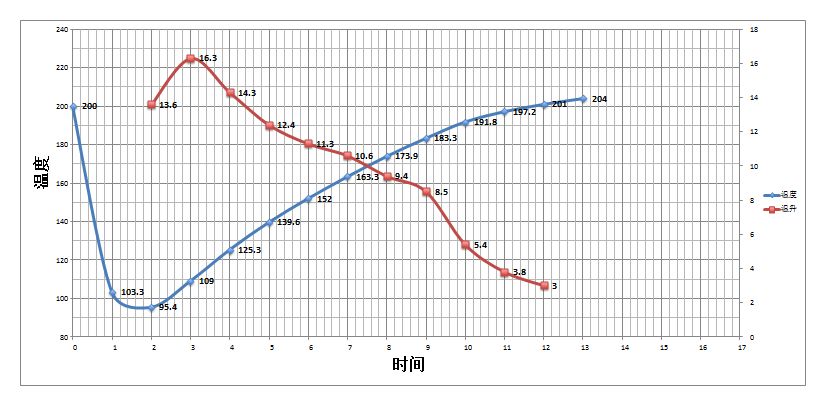
Roasting Curve:
Preheat the roaster to 200°C with the air vent at 3. After 1 minute, reduce heat to 160°C, vent unchanged. Roast until the bean surface yellows at 148°C, the grassy smell vanishes completely and dehydration is done; cut heat to 140°C and open the vent to 4.
At the 9th minute, wrinkles and black spots appear on the surface and the toast smell clearly turns to coffee aroma — the prelude to first crack. Listen carefully; when first crack begins, cut heat to 60°C and open the vent fully (lower the heat carefully — never so far that the crackling stops). Drop at 204.5°C.
Cupping Report:
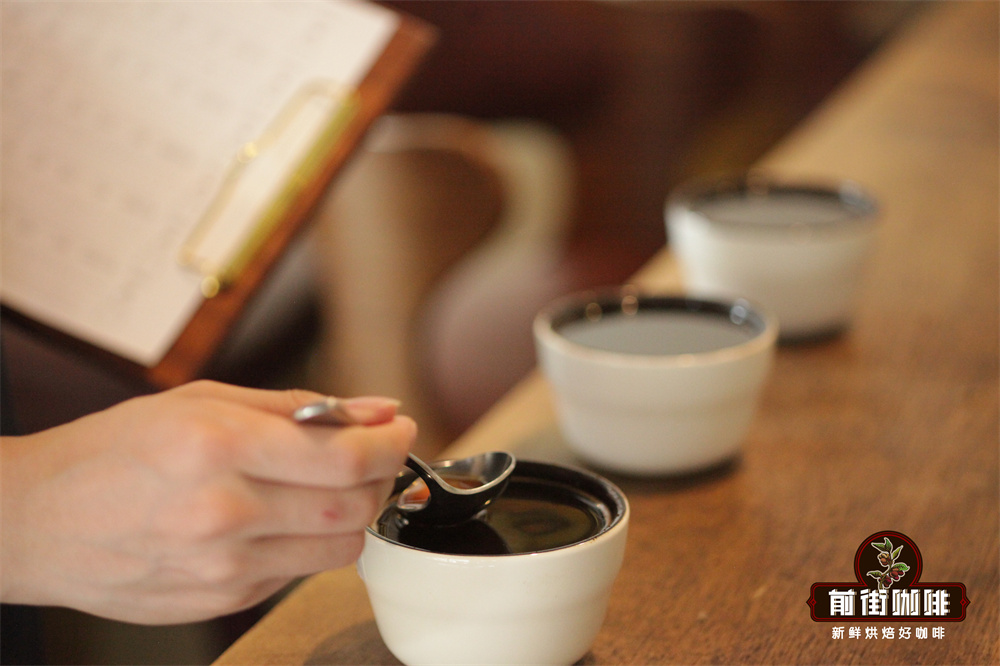
In side-by-side cupping, PWN Golden Mandheling tastes cleaner than Lintong Mandheling: Mandheling's signature herbal, earthy, woody flavors recede almost entirely, while caramel sweetness grows stronger and the fruit acidity turns brighter and more elegant. Lintong Mandheling generally needs roasting past second crack to tame its miscellaneous flavors, but Golden Mandheling offers good transparency and sweetness whether dropped before or after second crack — a much wider roasting window.
06 | Brewing Analysis
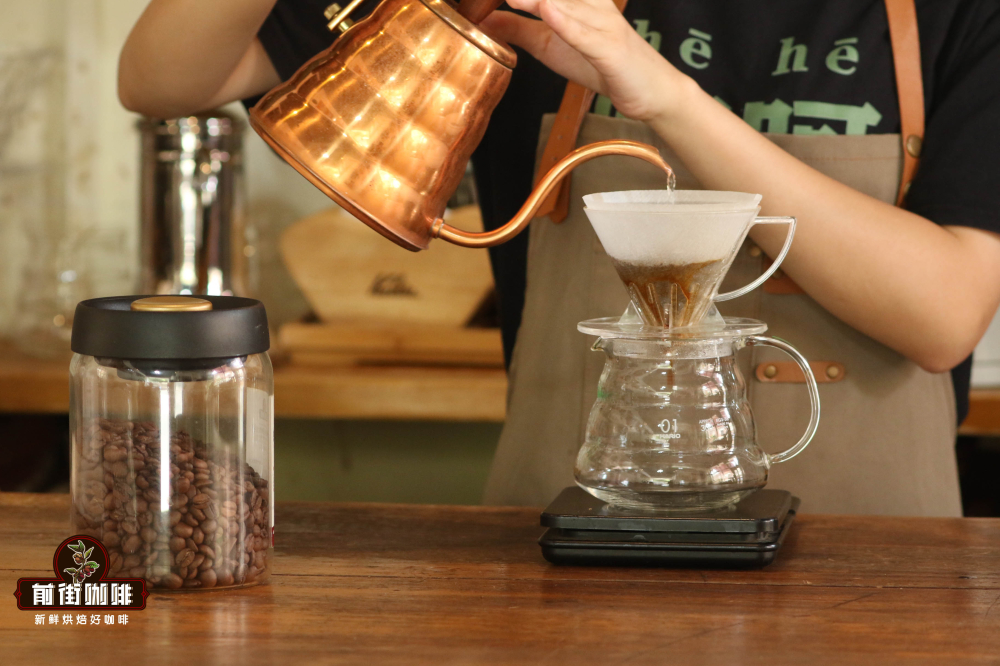
FrontStreet's PWN Golden Mandheling is a dark roast, and every bag ships within 5 days of roasting to guarantee full freshness. Medium-dark beans lose more water in roasting and are therefore lighter: the grounds don't sink completely, water is absorbed instantly at first pour, and vigorous degassing creates bubbles around the bed and channeling — channels that last longer the fresher the beans, dropping the water level quickly. Use a coarse pour and circle slowly.
1. Dripper: KONO
2. Water temperature: 88°C
3. Grind size: medium-coarse (70% pass-through on a China #20 standard sieve)
4. Roast: medium-dark
5. Dose: 15g
6. Ratio: 1:15
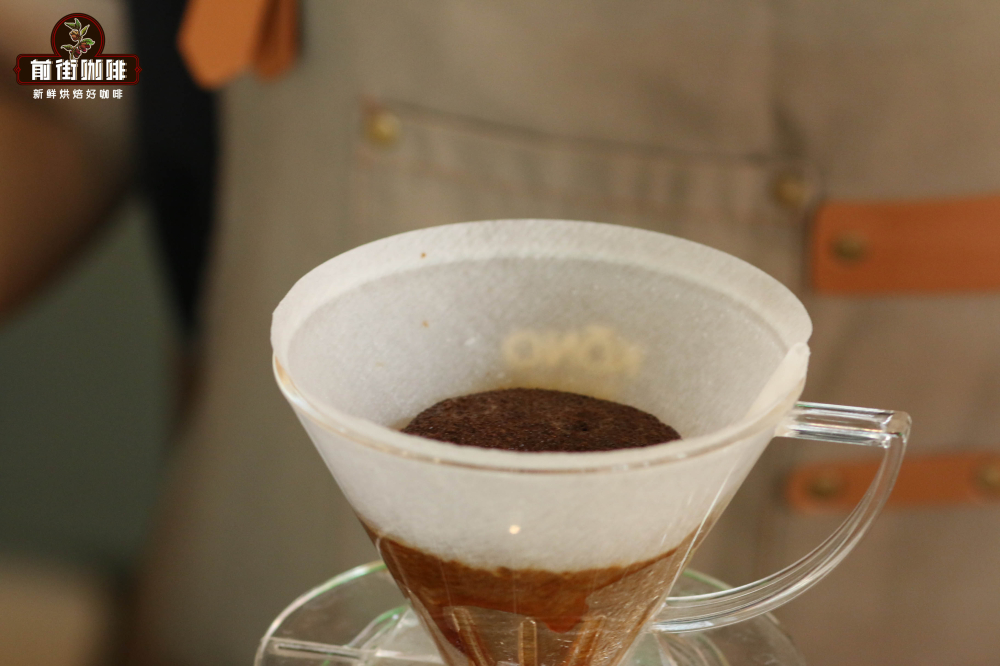
Pouring schedule: Bloom with twice the coffee weight in water to wet the bed into a dome; steam for 30s. Then pour a fine stream in circles from center outward to 125g and pause. Once the bed drops to half the dripper's height, continue with the same fine stream to 225g and let it draw down fully. Remove the dripper — total time about 2 minutes. Swirl the coffee in the server to even it out and enjoy.
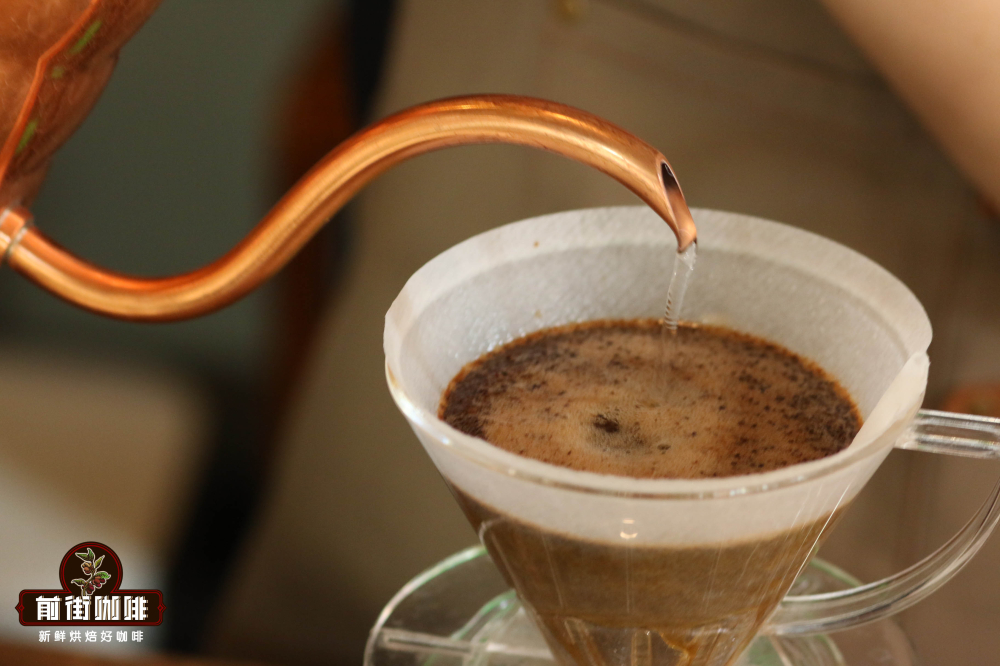
Poured this way, FrontStreet's PWN Golden Mandheling shows layered depth, richness, and a clean taste: nut and caramel aromas, chocolate notes, a persistent aftertaste, and high balance.
FrontStreet Coffee Recommendation
Pour-over is where PWN Golden Mandheling shows its best: with 87–88°C water, 15g of coffee at a 1:15 ratio, a coarse-sugar grind, and three-stage pouring (30ml bloom, then 100ml to lift the bed and draw out the golden foam, finishing with a gentle 95ml center pour), the cup delivers thick body, caramel sweetness, and chocolate-nut depth. FrontStreet roasts it medium-dark to keep the black-cocoa flavors while preserving Mandheling's wild herbal character.
If you'd rather explore the more traditional face of Sumatra, FrontStreet's Lin Dong Mandheling from around Lake Toba is the everyday classic: fragrant and intense, with clove, wood, spice, and mint notes, low acidity, and a strong, persistent, thick sweetness.
Both work beautifully in espresso machines too — expect a rich, intense shot with prominent caramel — and FrontStreet's top-selling Classic Blend builds on that: Brazilian cream-and-nut flavors with medium-dark Mandheling adding butter, roasted chestnut, and caramel plus sandalwood, herbal, and spice accents, and a touch of Robusta for crema. Great for latte art or a layered Dirty.
Important Notice :
FrontStreet Coffee is a long-established specialty coffee roaster in Guangzhou China, selling freshly roasted beans from its own farm in Yunnan as well as dozens of carefully selected single-origin beans from around the world for both pour-over and espresso. The products deliver consistently excellent quality and great value, with shipping within 24 hours. Guangzhou's FrontStreet Coffee shop is recommended by many coffee lovers, and the beans are now available online at the Tmall 。
FrontStreet Coffee has moved to a new address:
FrontStreet Coffee Address: 315,Donghua East Road,GuangZhou
Tel:020 38364473
 Scan and follow the En Gafei WeChat official account. Please indicate that the reprint comes from "En Gafei".