Adjusting Espresso Recipes: How to Fix Bitter and Harsh Espresso - Recipe Adjustment Guide
To keep espresso quality consistent, adjustments need to be made every morning. Coffee beans change over time and may no longer suit your existing extraction parameters, so you must tune the espresso parameters to the beans' current state.
FrontStreet Coffee checks the day's extraction parameters before opening. If the espresso shows noticeable flavor differences from yesterday, adjustments are needed. Generally, we start with the grind size.
If your espresso is pulling too bitter, the problem may lie in your extraction method. Here are FrontStreet Coffee's suggestions:
Dose
Why start with dose? Because it is the most fixed element. How much coffee to load depends on how much the portafilter basket can hold. So how do you know how much that is?
First, look for the model number engraved on the basket and check the detailed specifications on the manufacturer's website. Second, there is an outwardly concave ring line inside the basket: after tamping, if the surface of the puck sits within the ring, the dose is "reasonable." If the tamped puck sits above the ring, you may not even be able to lock the portafilter into the group head. If it sits below, the grounds can tumble during extraction and produce unpleasant flavors.
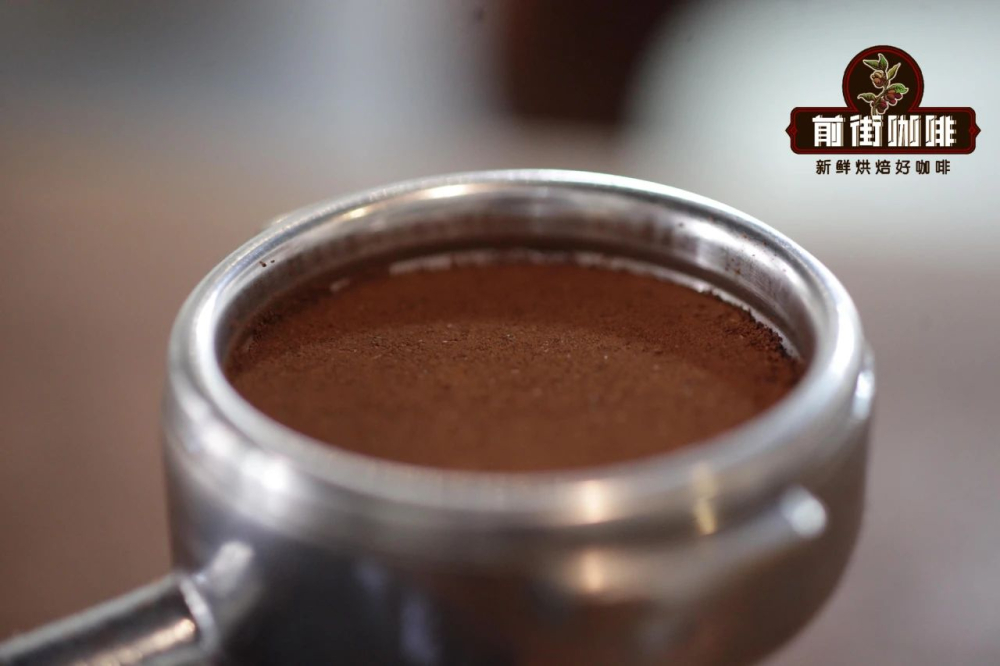
For example, FrontStreet Coffee's standard dose is 19 grams of coffee, so every extraction holds exactly 19 grams (accurate to 0.1 grams).
Yield
Yield is how many grams of espresso liquid you extract. With the dose fixed, this determines the brew ratio. In the past, volume (milliliters or ounces) was used to measure espresso, but because crema's volume and weight are not equal, weight in grams is now standard for greater accuracy.
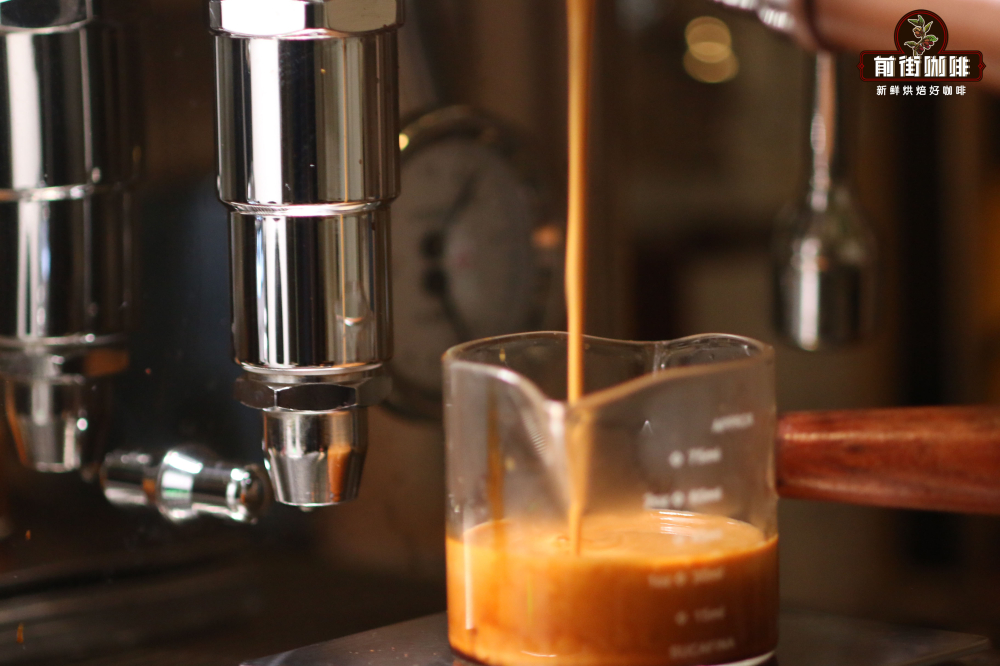
Take FrontStreet Coffee's espresso extraction as an example: 19 grams of coffee extracts 38 grams of espresso, a brew ratio of 1:2. This ratio is not absolute - it depends on the flavor you want. Extract more liquid and the coffee tastes thinner, with more noticeable bitterness; extract less and the coffee is viscous and rich, with concentrated but incomplete flavors.
In the past, baristas also judged yield by the color of the crema. When espresso first starts flowing it is dark brown and dense; over time it shifts to golden yellow, then pale yellow. As a rule of thumb, when the crema turns white, it is time to stop the shot.
Time
Time is a critical factor in espresso extraction, tied to the concept of "flow rate." Generally, espresso extraction runs between 20-30 seconds, and FrontStreet Coffee prefers 25-30 seconds. With dose and yield fixed, a shorter time means a faster flow rate: below 20 seconds you risk under-extraction - sourness, astringency, and a thin mouthfeel. A longer time means a slower flow rate: beyond 30 seconds you risk over-extraction - burnt bitterness and a heavy, viscous mouthfeel.
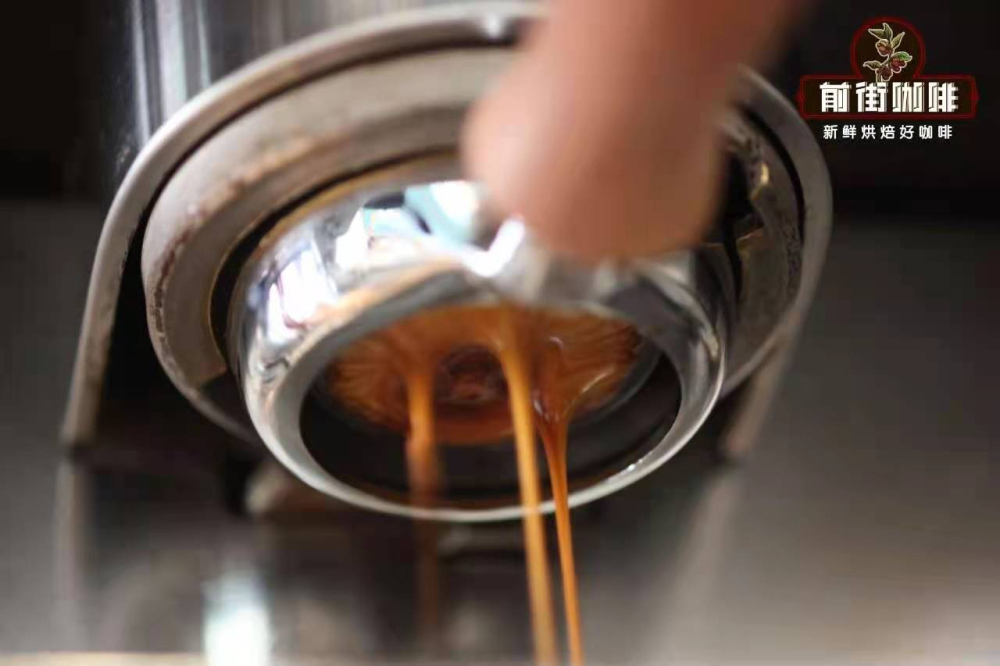
With dose and yield determined, extraction time can only be changed by adjusting the grind size - which brings us to the key to espresso dialing: grind size. Grinding coarser shortens the extraction time; grinding finer extends it.
So when you adjust espresso, you are really changing three elements: dose, yield, and time. (The process: determine dose → preset yield at 1:2 and set a target time range → taste and get feedback → adjust grind size to change the time → taste again when the target is reached → if minor issues remain, keep adjusting the grind or change the brew ratio → taste until the shot is good → record.)
FrontStreet Coffee Recommendation
Once your recipe is dialed in, the beans make the cup. For a forgiving espresso that suits both beginners and pros, FrontStreet Coffee's Classic Blend is designed specifically for espresso machines and moka pots: a traditional Mandheling-Brazil style recipe with a touch of Robusta, delivering thick golden crema, a mellow and full body, and aromas of butter, nuts, spice, dark chocolate, and toast. Even on a basic home machine, the crema comes out dense and fine - ideal for lattes, cappuccinos, and Dirty drinks.
If you want to taste single-origin character under pressure, try the FrontStreet natural Huakui SOE from Ethiopia's Guji Hambela region, grown at up to 2,300 meters and medium roasted: as an Americano or latte it brings cream, cocoa, berry, light floral, and black-tea notes with no bitterness. For a sweeter shot, the Costa Rica Blackberry SOE - honey-processed to let the beans absorb the fruit's blackberry aroma and sweetness - is bright and refreshing as an Americano, with cranberry-cookie, raisin, and nut flavors in milk. And for a low-acid, budget-friendly Brazilian option, the Queen Estate Yellow Bourbon SOE, roasted medium-dark, pulls butter-cookie, macadamia, and toasted-bread sweetness with excellent extraction stability.
Important Notice :
FrontStreet Coffee is a long-established specialty coffee roaster in Guangzhou China, selling freshly roasted beans from its own farm in Yunnan as well as dozens of carefully selected single-origin beans from around the world for both pour-over and espresso. The products deliver consistently excellent quality and great value, with shipping within 24 hours. Guangzhou's FrontStreet Coffee shop is recommended by many coffee lovers, and the beans are now available online at the Tmall 。
FrontStreet Coffee has moved to a new address:
FrontStreet Coffee Address: 315,Donghua East Road,GuangZhou
Tel:020 38364473
 Scan and follow the En Gafei WeChat official account. Please indicate that the reprint comes from "En Gafei".