Three Essential Brewing Points for Drip-Style Pour-Over Bags | Pour-Over Coffee Brewing Methods | Drip Coffee Characteristics
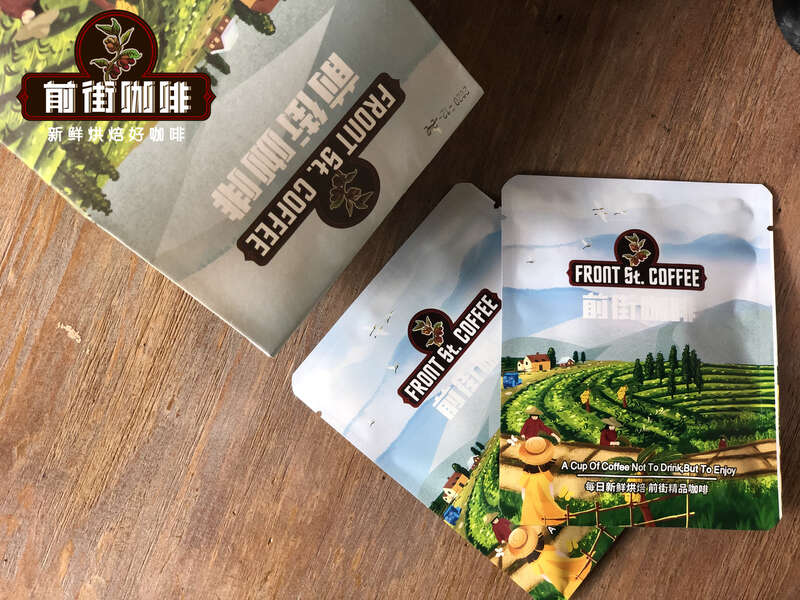
Plenty of people drink coffee every day — but if you don't work in a café, how do you get a good cup whenever you want one? That is exactly the problem FrontStreet Coffee's drip coffee bags solve. Today, we look at the story behind our seasonal drip bag — Brazil Red Bourbon — along with the brewing techniques that make drip bags work.
Brazil: The World's Largest Coffee Producer
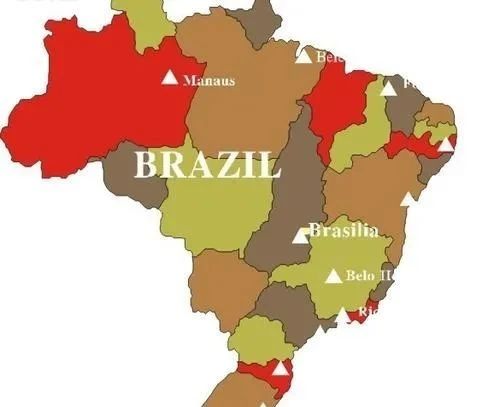
Brazil grows more coffee than any other country on earth. Most of its coffee is cultivated on plains and highland tropical savanna with an average annual temperature of about 20°C. That forgiving climate, combined with largely flat terrain, lets Brazil farm coffee at enormous scale and harvest the cherries by machine — so it is no surprise that the output is staggering.
Impact of 2020 Drought on 2021-2022 Brazilian Coffee Production
On top of the pandemic's blow to Brazilian coffee sales in 2020, this year's drought has sharply cut the country's Arabica production, and there is a real risk of a repeat of the 2014 drought disaster. After reading various reports and photos of the drought online, veteran soft-commodities expert Judith Ganes traveled to Brazil in December to see it firsthand, spending 7 days in Minas Gerais, the country's largest coffee-producing state.
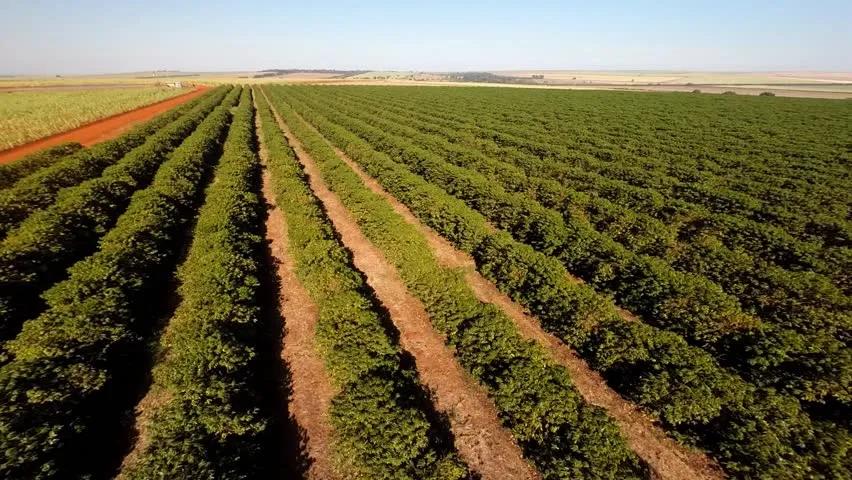
Ganes noted that while it was still impossible to project next year's Arabica output precisely, at the farms she visited some areas showed damage of around 30%, others 50%, and some as high as 100% (Editor's note: "damage" here refers to the planting area affected by drought, not a direct one-to-one production loss). She added: "In my 30+ years in the coffee industry, the conditions at some of these estates shocked me — I have never seen anything so bad. The drought's impact on production will not stop at 2021; it could carry into 2022 as well."
During that 7-day trip, the Mogiana and Cerrado areas fared somewhat better thanks to well-developed irrigation and timely pruning, with expected losses of only 10% to 30% — much of which is also attributable to the biennial off-year cycle. Other regions are far more worrying, especially around Varginha (MG) and Três Pontas (MG), where it is impossible to "find a perfect coffee crop."
Brazil Cerrado Coffee Region
FrontStreet Coffee sources its Brazilian drip coffee from the Cerrado region. Not everything grown on the Cerrado savanna earns the name: only beans from areas at 1100-1300m altitude, representing the very best of the savanna, may be called Cerrado coffee. With high altitude and fertile soil, FrontStreet Coffee finds these beans produce a cup that is refreshingly sweet, full-bodied, and free of any earthy edge.
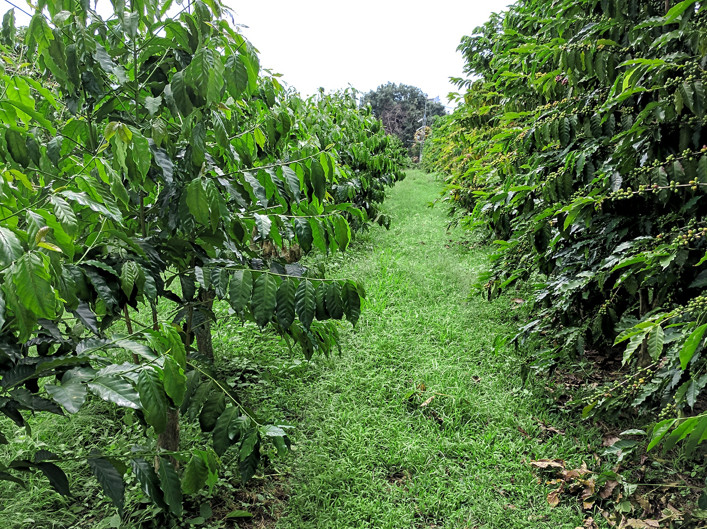
The drought has unsettled the market, too. Coffee New Selection, headquartered in Rio de Janeiro, predicted: "Given the outlook for low production and optimism that vaccination will lift coffee demand, we believe coffee futures prices will rise in the first half of next year — they may climb from the current level of about $1.23 back to between $1.40 and $1.50 per pound." Even so, FrontStreet Coffee's seasonal drip bags and Brazilian daily-drinker beans will keep their original prices, in the hope that more people get to know Brazilian coffee.
Brazilian Coffee Bean Varieties—Red Bourbon
Bourbon is a subspecies that mutated from Typica, and together with Typica it counts among the oldest coffee varieties still in cultivation. Ripe cherries turn a brilliant red, and compared with Typica, Bourbon plants have broader leaves and grow more densely. Yields are higher than Typica's, but the trees fruit on a 2-year cycle, making it a low-productivity variety — the trade-off is outstanding cup quality, with wine-like acidity and a sweet finish.
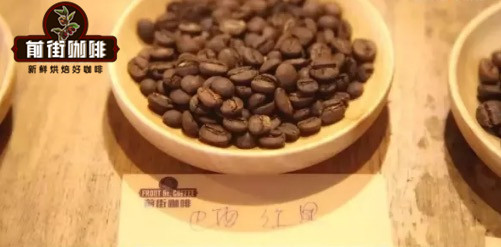
The beans themselves are large, uniform, and evenly colored with a glossy sheen. For easier harvesting, farmers prune the trees to stay under 150cm in height. After flowering, Red Bourbon cherries change color in a familiar sequence: green > light yellow > light orange > mature red > darker red when fully ripe — which is why some growers simply call it the "Red Bourbon variety," though Red Bourbon is really the same Bourbon everyone knows. Grown at high altitude, Bourbon typically develops better aroma and brighter acidity, sometimes with distinctly wine-like flavors.
Brazilian Semi-Washed Processing Method
The semi-washed method sits between natural and washed processing and comes in two forms: pulped natural and honey process. The two are nearly identical in practice — both remove the cherry skin as in washed processing, but skip the washed method's "ferment in water tanks, rinse clean" step and go straight to drying on patios. The methods look similar, yet one key difference separates them into two very different flavor profiles, so they are worth explaining individually.
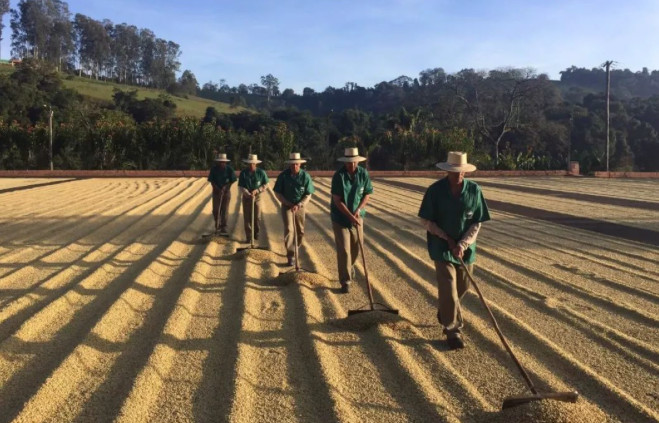
Semi-washed processing uses far less water than the washed method, and some steps resemble washed processing (removing skin and pulp) while others resemble natural processing (no tank fermentation) — hence the name semi-washed. Its adoption doesn't mean every Brazilian region uses it: the drier Cerrado still relies mainly on natural processing, with semi-washed playing a supporting role. The Red Bourbon FrontStreet Coffee sourced from Cerrado, however, was semi-washed.
How to Brew FrontStreet Coffee Drip Coffee Bags?
Drip bags are wonderfully convenient — tear open the package, pour hot water, and drink. But brewing one properly does take a little know-how. Here is how FrontStreet Coffee turns a drip bag into a cup worthy of a café.
1. Open FrontStreet Coffee's individually wrapped drip bag and find the section marked "OPEN HERE" along the dotted line.
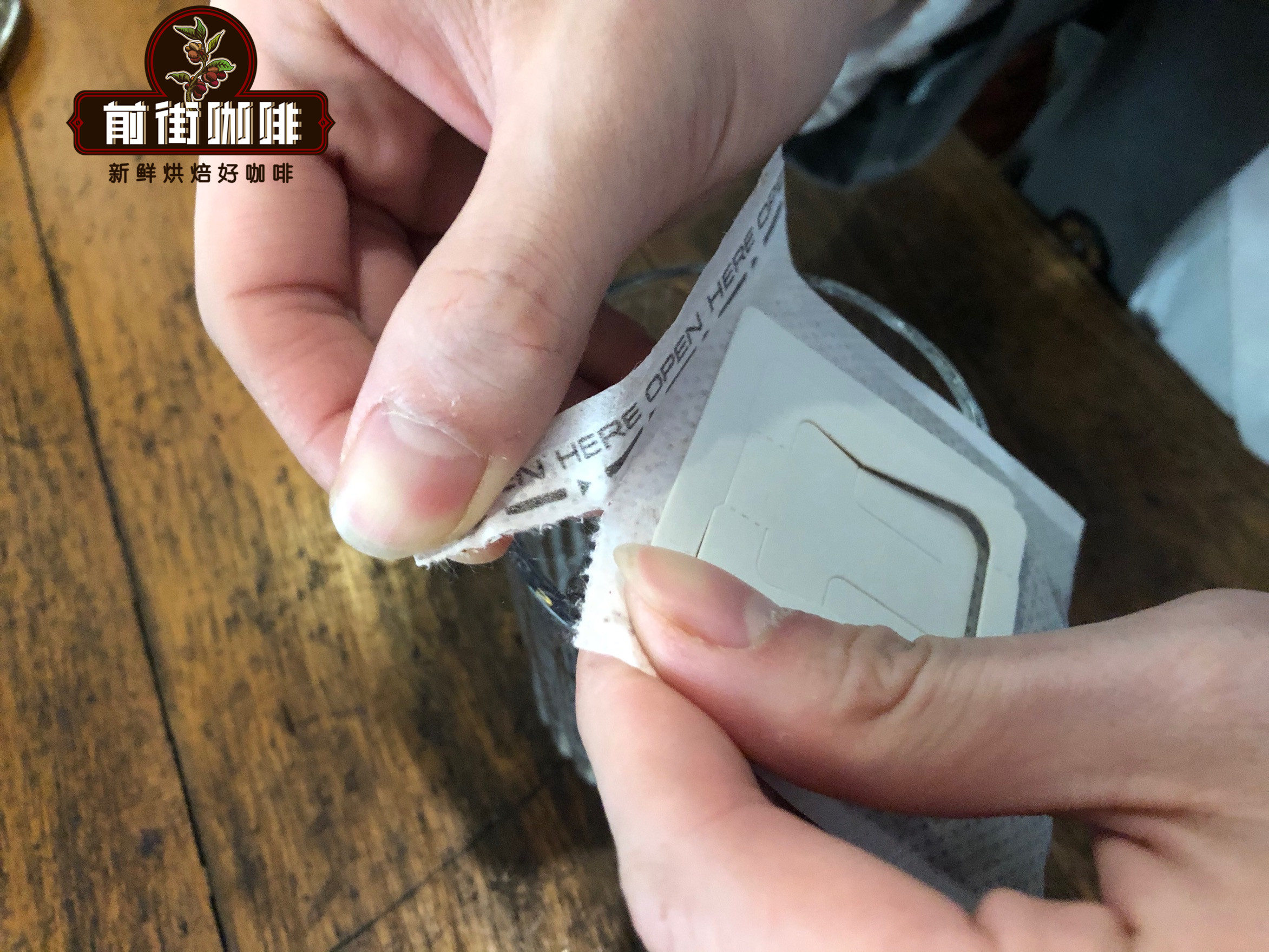
2. Tear along the dotted line and hang the bag on your favorite cup or container.
3. Prepare drinking water at 91°C. Each FrontStreet Coffee drip bag holds a net weight of 10g. FrontStreet Coffee suggests a 1:15 brewing ratio, so add 150ml of water for the best flavor.
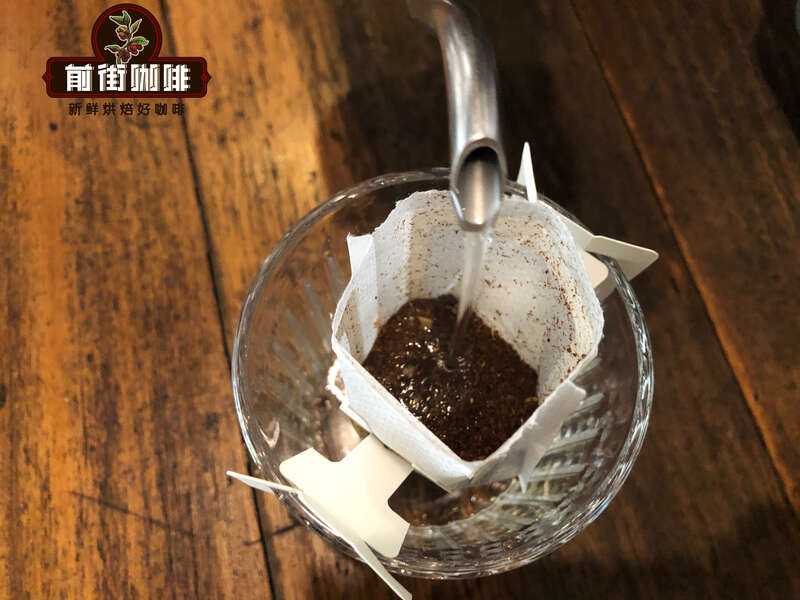
4. For the first pour, wet the entire coffee grounds layer evenly in a circular motion (about 20ml of water), then stop and wait 20 seconds.
5. After 20 seconds, keep pouring in circles until you reach 150ml.
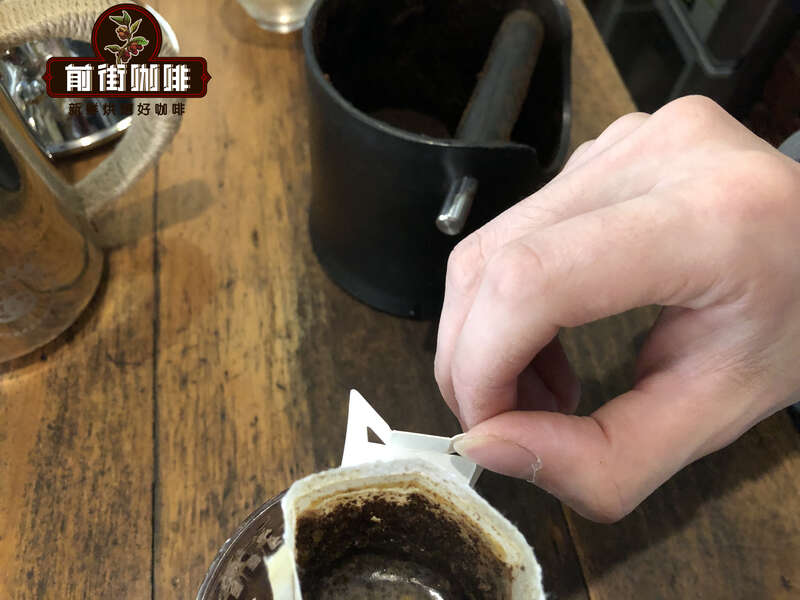
6. Finally, lift out the drip bag and discard it. Add milk or sugar to taste.
FrontStreet Coffee Recommendation
If this article has you craving Brazilian coffee, the FrontStreet Cerrado Red Bourbon is a classic pick. From the renowned Cerrado region and semi-washed processed, it shows medium-roast aromas of cream, peanut, toasted bread, caramel, and hazelnut, with a rounded, smooth cup — gentle acidity, a light touch of bitterness — that works beautifully as pour-over, moka pot, espresso SOE, syphon, or French press. For something rarer, the FrontStreet Fazenda Rainha Yellow Bourbon from Mogiana offers a cleaner fruit character, cane-sugar sweetness, plus fruit and chocolate notes thanks to its fertile red volcanic soil and uncommon yellow Bourbon variety.
Important Notice :
FrontStreet Coffee is a long-established specialty coffee roaster in Guangzhou China, selling freshly roasted beans from its own farm in Yunnan as well as dozens of carefully selected single-origin beans from around the world for both pour-over and espresso. The products deliver consistently excellent quality and great value, with shipping within 24 hours. Guangzhou's FrontStreet Coffee shop is recommended by many coffee lovers, and the beans are now available online at the Tmall 。
FrontStreet Coffee has moved to a new address:
FrontStreet Coffee Address: 315,Donghua East Road,GuangZhou
Tel:020 38364473
 Scan and follow the En Gafei WeChat official account. Please indicate that the reprint comes from "En Gafei".
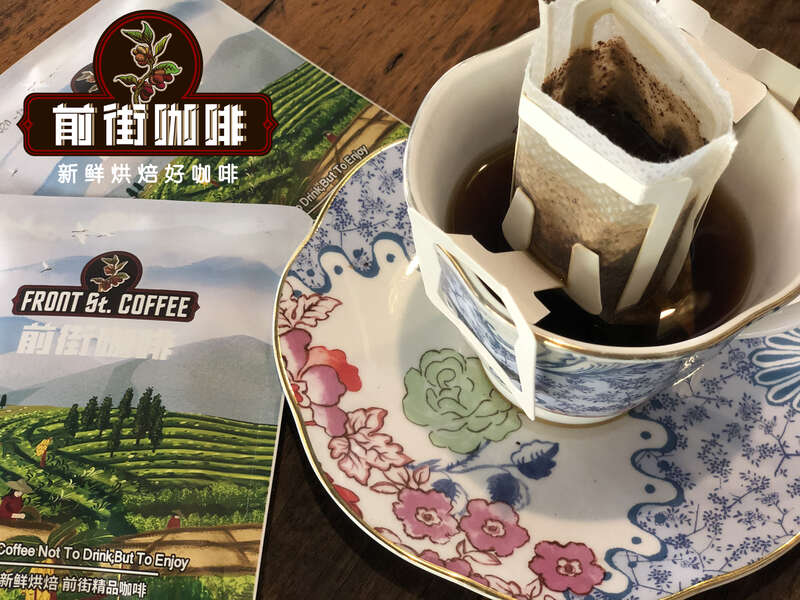
Detailed Illustrated Guide to Correct Drip Bag Coffee Brewing Method - Is Drip Filter Coffee Pure Coffee? Can It Be Brewed a Second Time?