What is the Single Origin Mandhing Made by Wang Junkai? Let's Analyze the Origin and Story of Single Origin Mandhing!
Indonesian Mandheling Coffee - Golden Mandheling - Mandheling Coffee Flavor Characteristics
Professional coffee knowledge exchange and more coffee bean information — follow Coffee Workshop (WeChat Official Account: cafe_style)
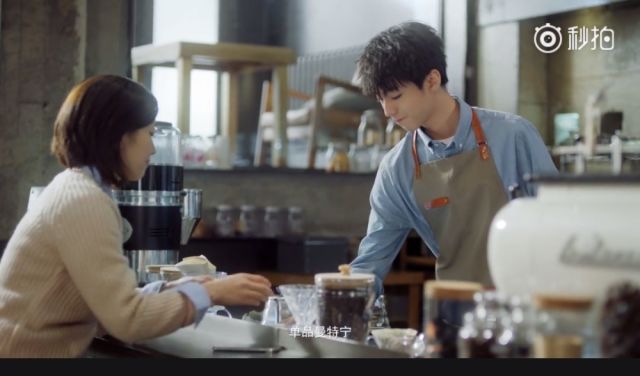
Recently, a heartwarming short film starring TFBOYS member Wang Junkai has been taking over social media. In the film, Wang Junkai wears a light blue shirt and an apron, looking every bit the barista. The "single-origin Mandheling" he mentions is a coffee everyone knows — as a house bean, it is a common sight in coffee shops. Today, let's dig into the story of Mandheling!
Mandheling Coffee Origin:
Mandheling coffee is produced in Sumatra, Indonesia — hence it is also called "Sumatra coffee." The main production areas include five origins in the Aceh region (Lake Tawar, Mount Gayo, the Gayo tribe, Aceh Mandheling, and Takengon Mandheling) and four in the North Sumatra region (Lake Toba, Lintong, the Mandailing tribe, and the Batak tribe). The finest traditional Arabica coffee from northern Sumatra is marketed under the names Lintong and Mandheling.
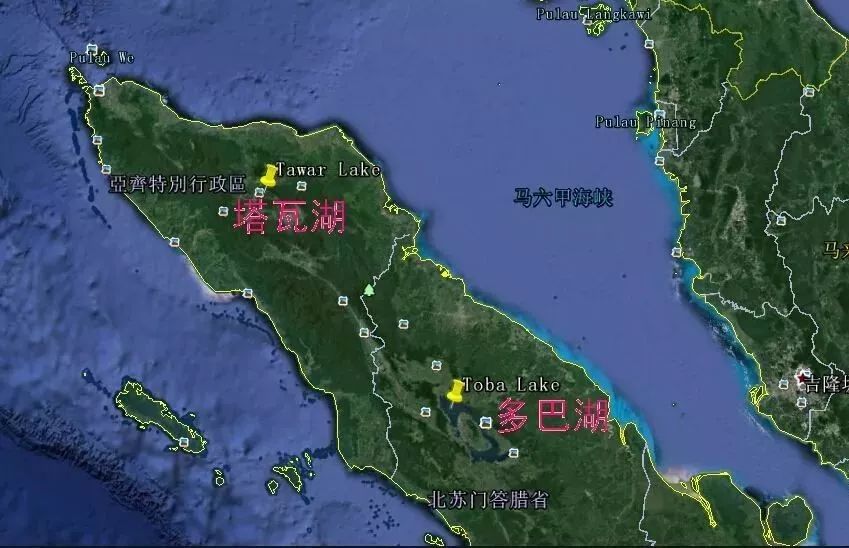
More precisely, Lintong refers to coffee grown in a small area southwest of Lake Toba in the Lintong administrative region, where smallholder plots are scattered across a high, undulating clay plateau covered with ferns. Lintong coffee is grown without shade and without chemicals, and is almost entirely owned by small private holders. Mandheling is the broader term, covering Lintong coffee and growing areas in similar conditions in Diari [capital Sidikalang] and the northern part of Lake Toba.
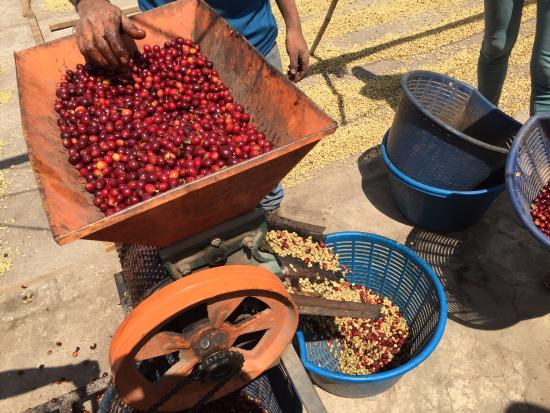
Origin of the Name Mandheling Coffee:
It is a transliteration of the Indonesian Mandailing ethnic group.
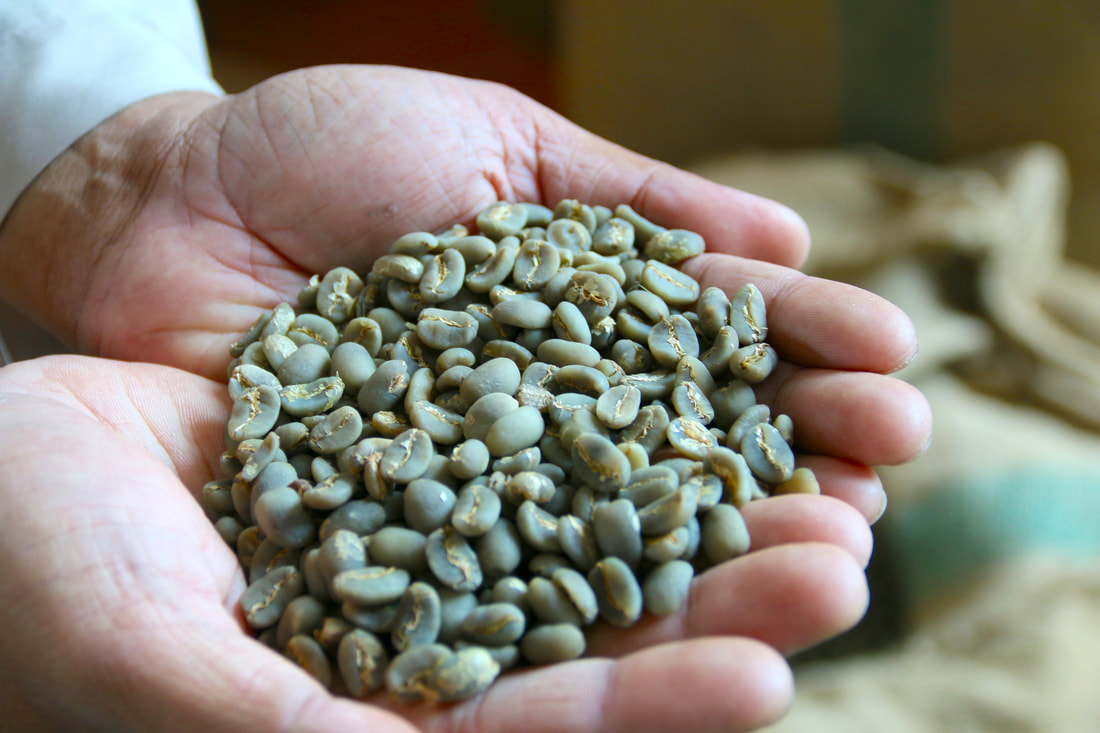
During World War II, while Japan occupied Indonesia, a Japanese soldier drank remarkably fragrant coffee at a café and asked the owner its name. The owner misunderstood, thought he was asking where the coffee came from, and answered: Mandheling. After the war, the soldier recalled the "Mandheling" he had drunk in Indonesia and commissioned an Indonesian coffee merchant to ship 15 tons to Japan — where it became unexpectedly popular. The name spread from there, and that merchant is now the renowned Pwani Coffee Company (PWN).
Mandheling Coffee Flavor Description:
Thanks to naturally unpolluted volcanic-ash soil and special varieties, Mandheling is round and rich in texture — strong, thick in the mouth, and wonderfully consistent. Its syrup-like roundness and extremely low acidity make it one of Asia's most popular single-origin coffees. Dark roasted, it shows a deep woody aroma and a cheese-like fragrance, with prominent bitterness and mild acidity, and an aftertaste reminiscent of the rich astringency of a Bordeaux red.
Mandheling Coffee Processing Method (Wet Hulling):
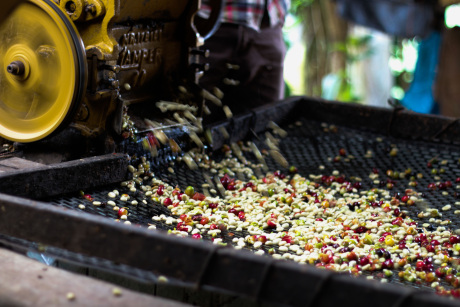
First, a wooden peeler removes the skin and pulp, extracting the sticky parchment beans. Some lots may be fermented further for flavor, while others are sun-dried for several hours until the parchment beans reach a semi-dry, semi-wet 30-50% moisture. A hulling machine then grinds off the parchment shell, and drying continues for 2-4 days until moisture falls to 12-13%.
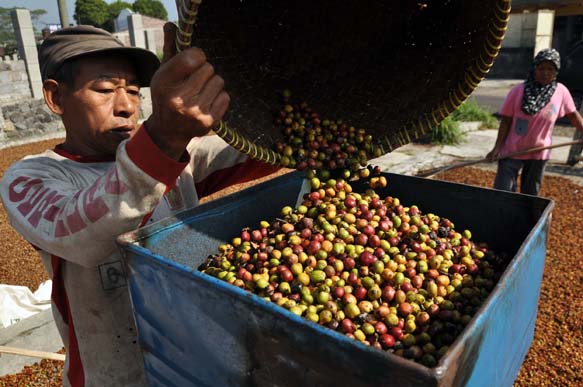
When these half-hard, half-soft moist green beans are hulled, they crush and split easily like goat hooves — one of the identifying features of Mandheling beans. Wet-hulled Mandheling has reduced acidity from the shortened fermentation, increased thickness, and noticeably more caramel and fruit aromas, with slight woody and herbal notes.
Mandheling Coffee Grades:
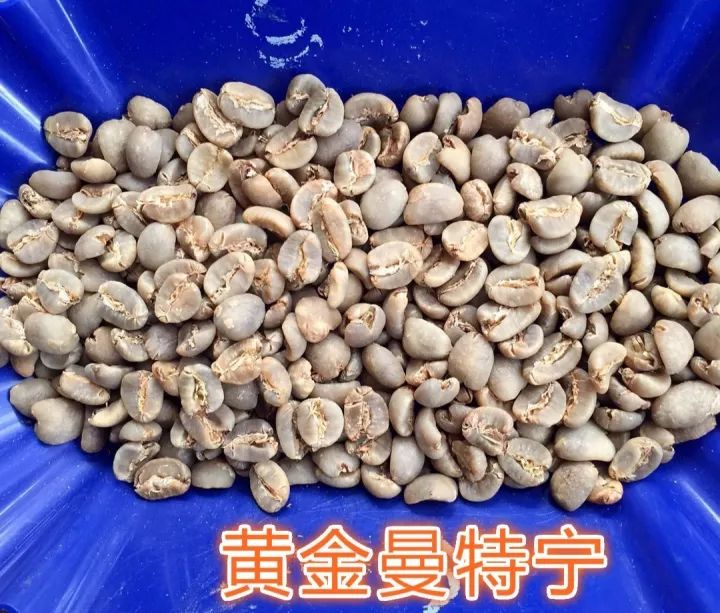
Grading uses perforated screens of various specifications, identified by numbers tied to mesh size. Mesh openings are measured in 1/64-inch units: an 18/64-inch opening is screen 18; a 17/64-inch opening is screen 17 — and so on, with screens numbered 19, 16, 15, 14, and below.
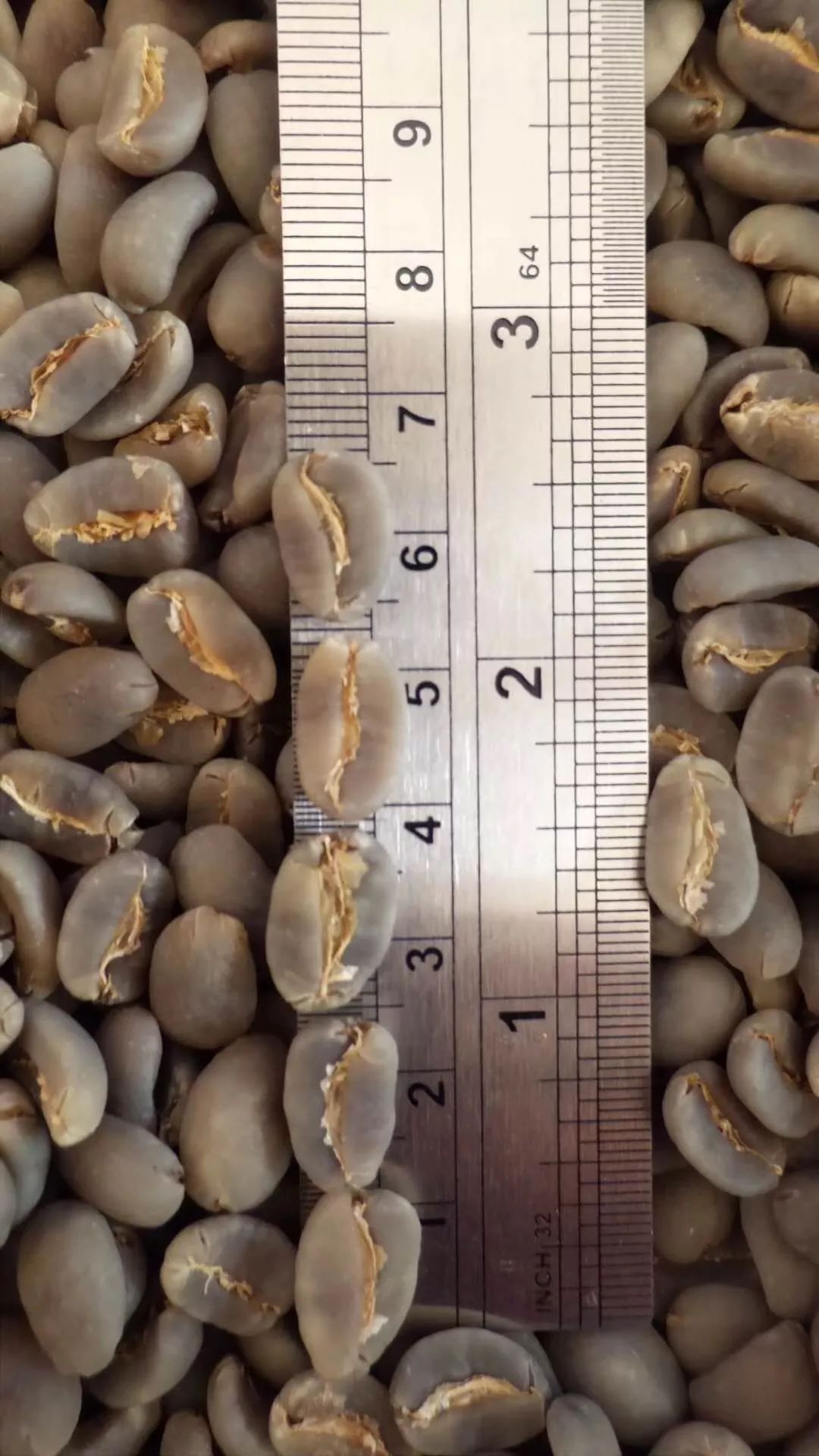
In screening, beans are shaken across a screen by machine or by hand. Beans smaller than the mesh fall through and are eliminated; the rejects are then screened through smaller-numbered screens. After layer-by-layer screening, the bean grade is determined.
Golden Mandheling Coffee:
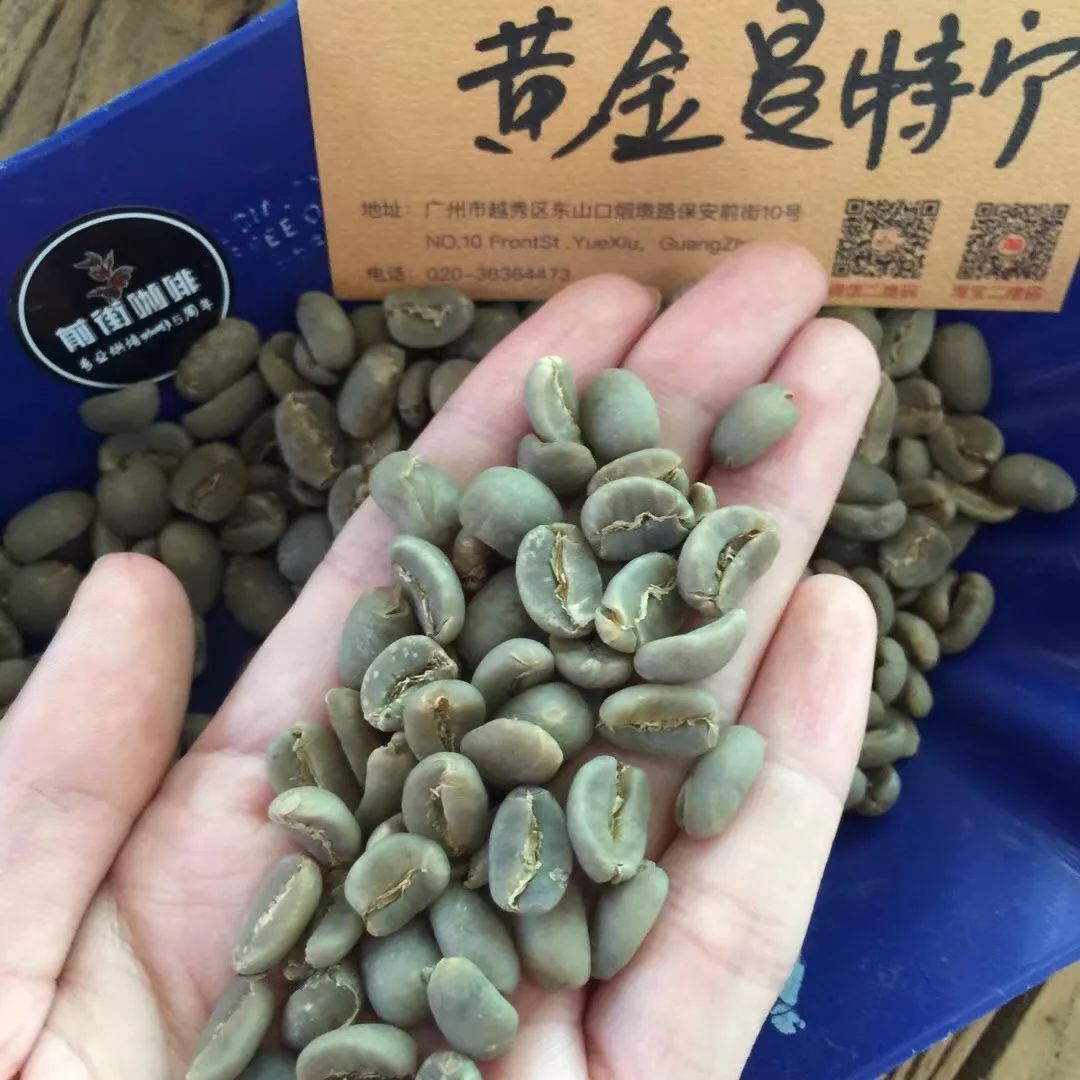
Here we must start with PWN — an abbreviation often seen alongside the name Mandheling. It stands for Pwani Coffee Company, a very famous coffee trading company in Indonesia focused on acquiring Mandheling. Almost all Mandheling from Indonesia's best regions is "contracted" by them, so most PWN lots are unique specialty coffees.
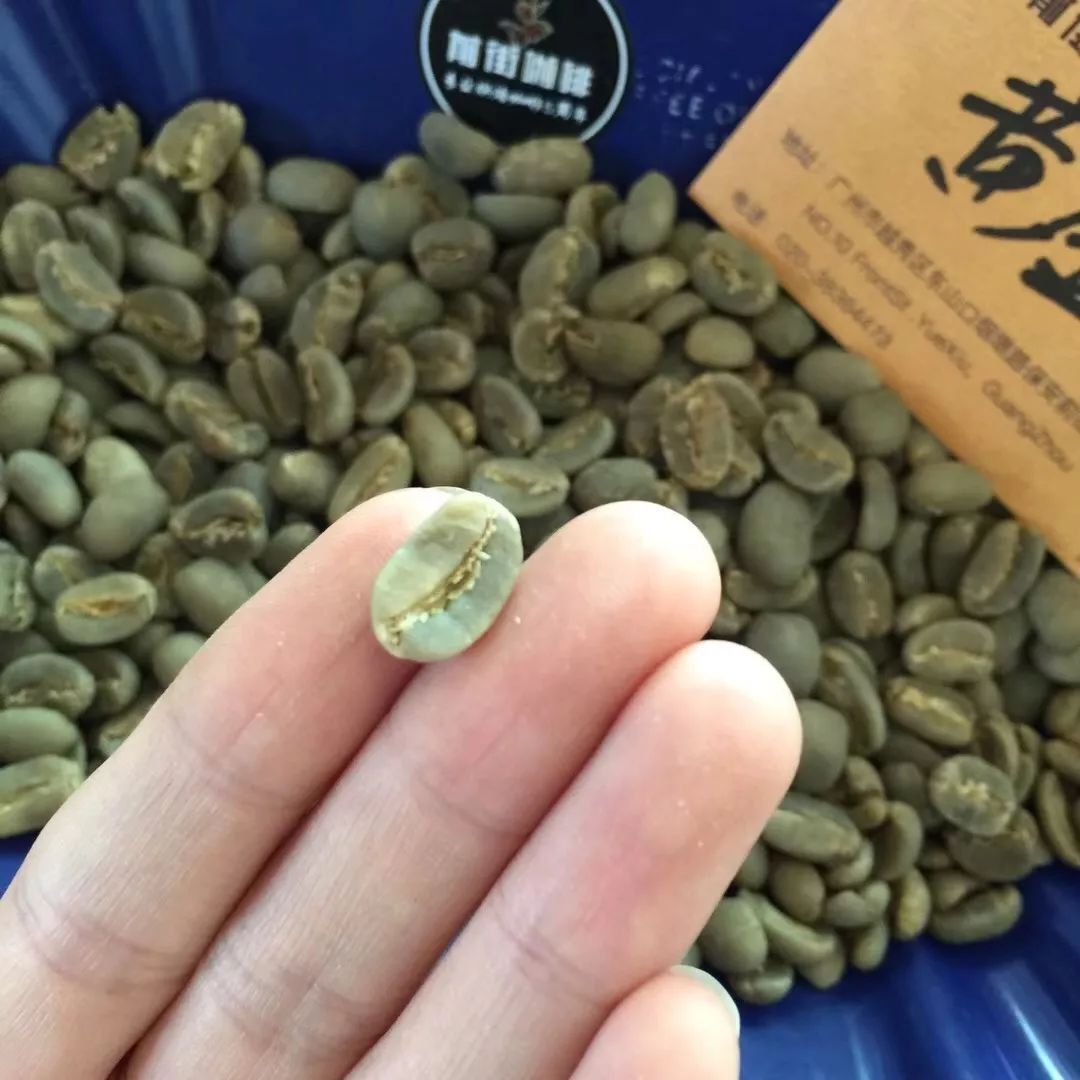
Golden Mandheling is one of the company's flagship products. After acquiring the green beans, PWN runs multiple manual selections to pick out full, flawless beans; only lots that pass this audition-like screening qualify as Golden Mandheling. Moreover, PWN has trademarked the name — only Golden Mandheling produced by PWN counts as authentic. The company's Golden Mandheling has won countless coffee lovers over with its solid richness, strong dark chocolate aroma, creamy fragrance, and high cleanliness.
Aged Golden Mandheling:
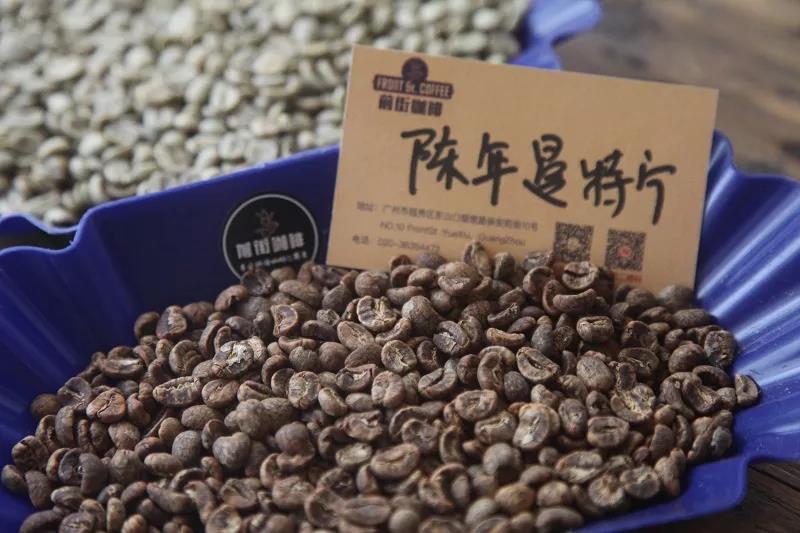
Aged coffee has a long history in Indonesia. In the era of slow shipping, transporting coffee abroad took so long that the originally moisture-rich fresh beans gradually dried in transit, forming unique flavors. Modern shipping has since cut transport times drastically, so this special flavor is now produced deliberately.
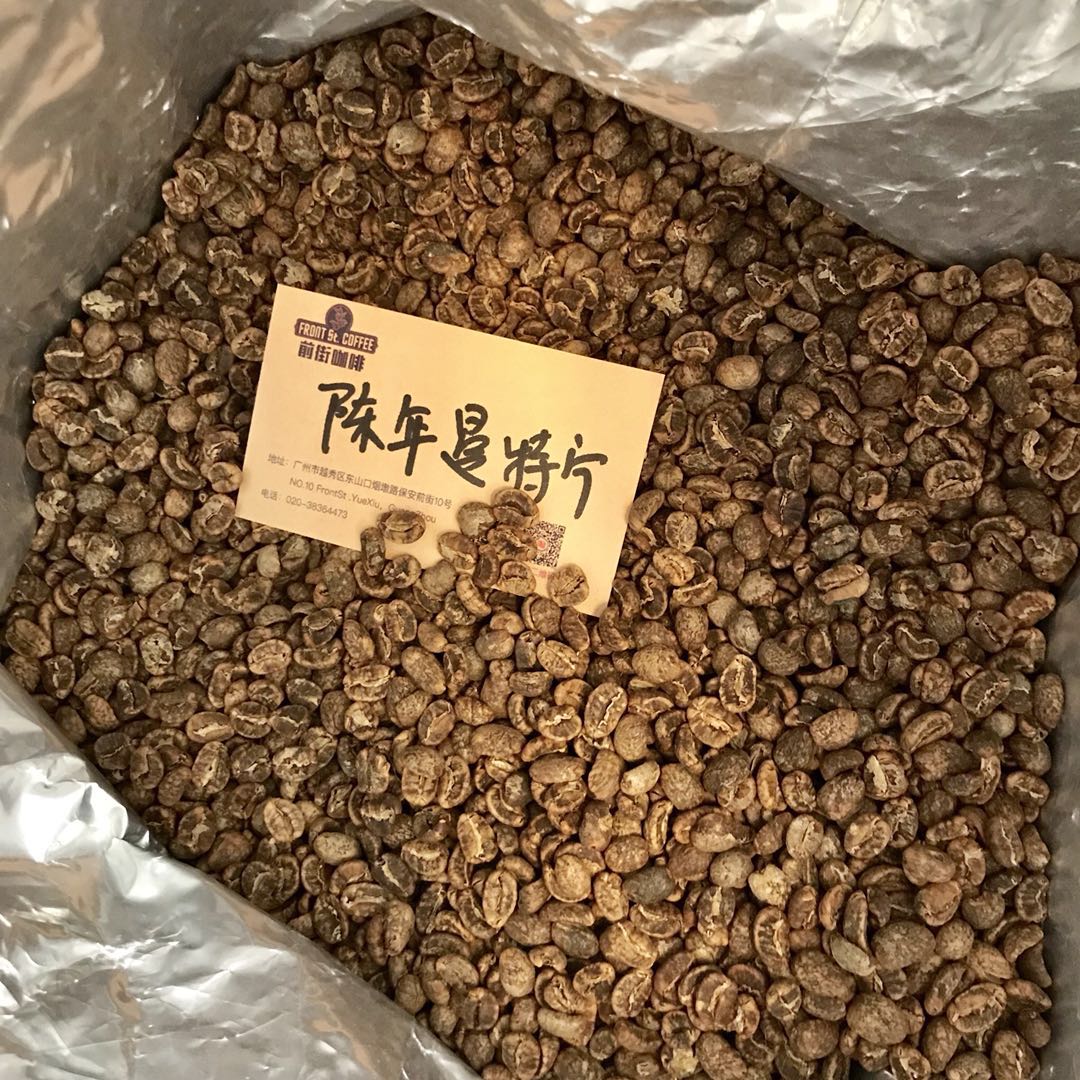
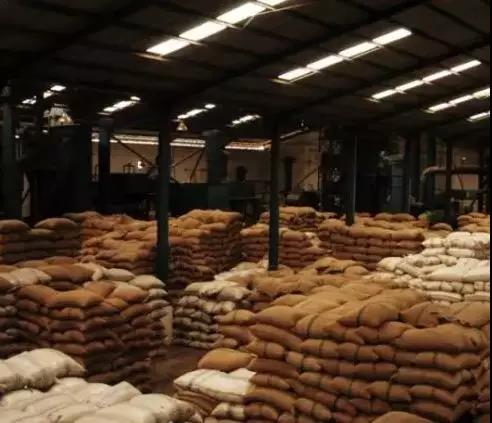
Aging beans is a technical craft demanding strict monitoring: warehouse humidity and temperature must meet standards, and the green beans must be turned periodically to prevent moisture differences between top and bottom, or mold that would ruin them. Aging is not about losing flavor but about creating another flavor — and a pleasant one at that.
Taste: very rich, similar to high-quality Pu'er tea. Successful aged beans eliminate Mandheling's unrefined acidity, as acidic and astringent components mature into sugars for a smoother cup. Failed aged Mandheling, by contrast, is a coffee zombie — a taste that is hard to swallow.
Emerald Mandheling:
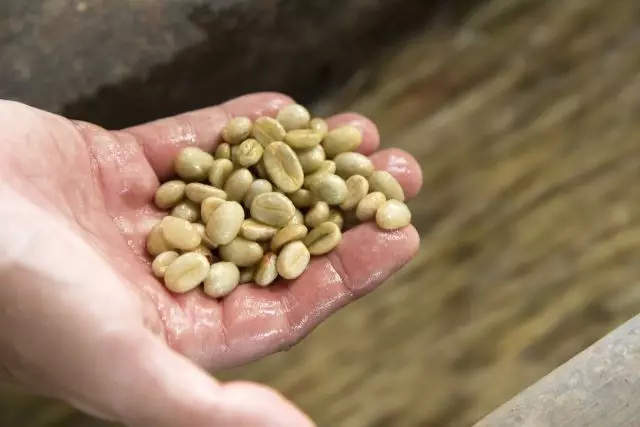
This Emerald Mandheling from Lake Tawar, Aceh Province, Sumatra, grows at 1200-1600 meters. The green beans are crystal clear and full, graded above screen 19, and processed by Sumatra's traditional wet-hulling method. It once scored 93 points on the famous cupping site Coffee Review, with very high sweetness — ginseng candy, malt sugar, butter, toast, hazelnut, chocolate, Southeast Asian spices, and mango-like flavors. The fruit acidity is lively, the mouthfeel viscosity superb, with cream and pine notes.
Aceh Mandheling:
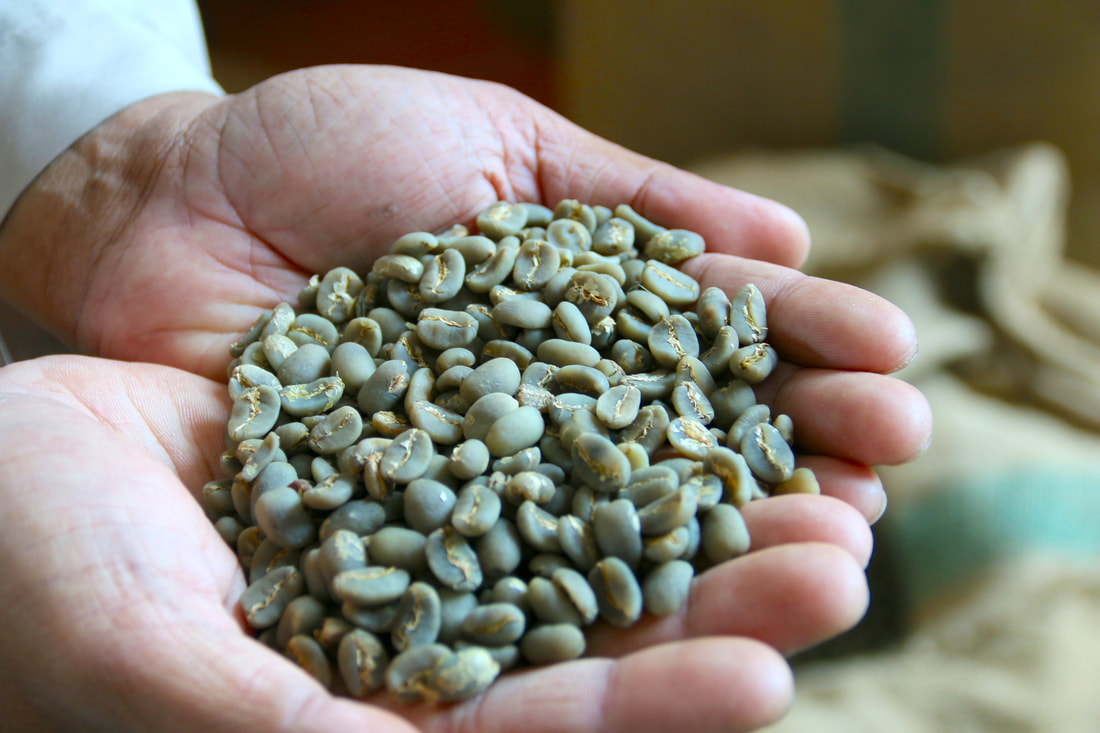
Also from Aceh Province, this Mandheling uses the traditional wet-hulled process but undergoes three screenings for maximum cleanliness. It shows very distinct regional character and black tea aroma, with a hint of pear juice as it cools.
The cooperative behind this bean has a somewhat tragic story. In this part of Sumatra, long plagued by natural disasters and constant conflict, most adult men have fought in local armed struggles, while picking and planting have become the most important — often the only — source of income for many single mothers.
Tiger Mandheling:
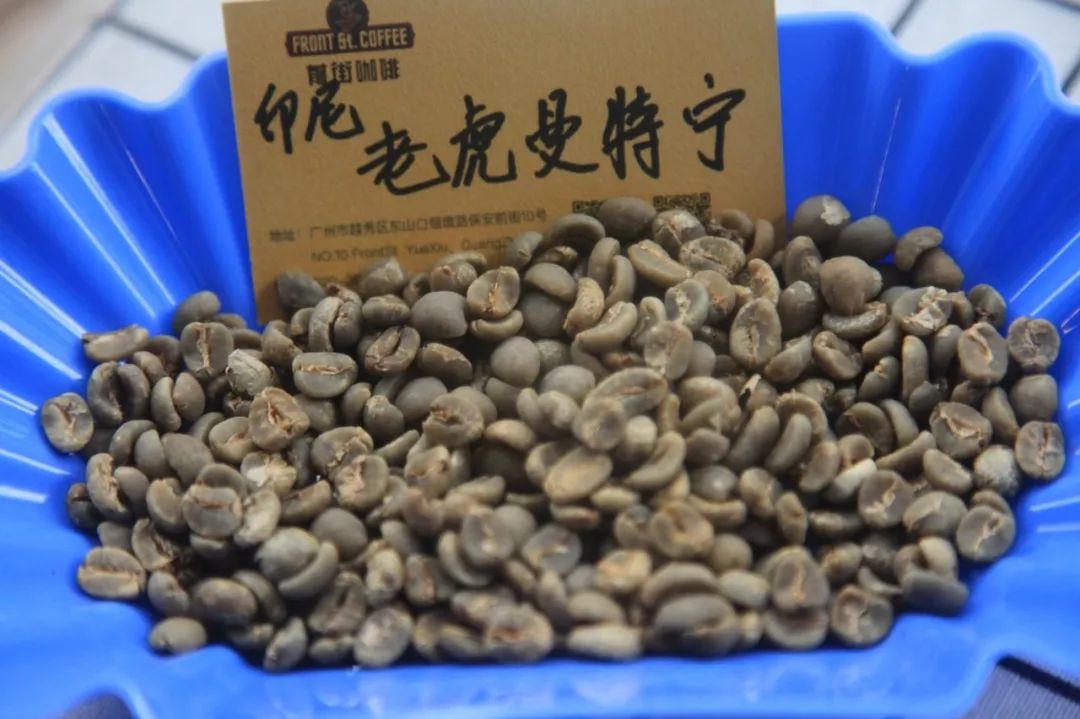
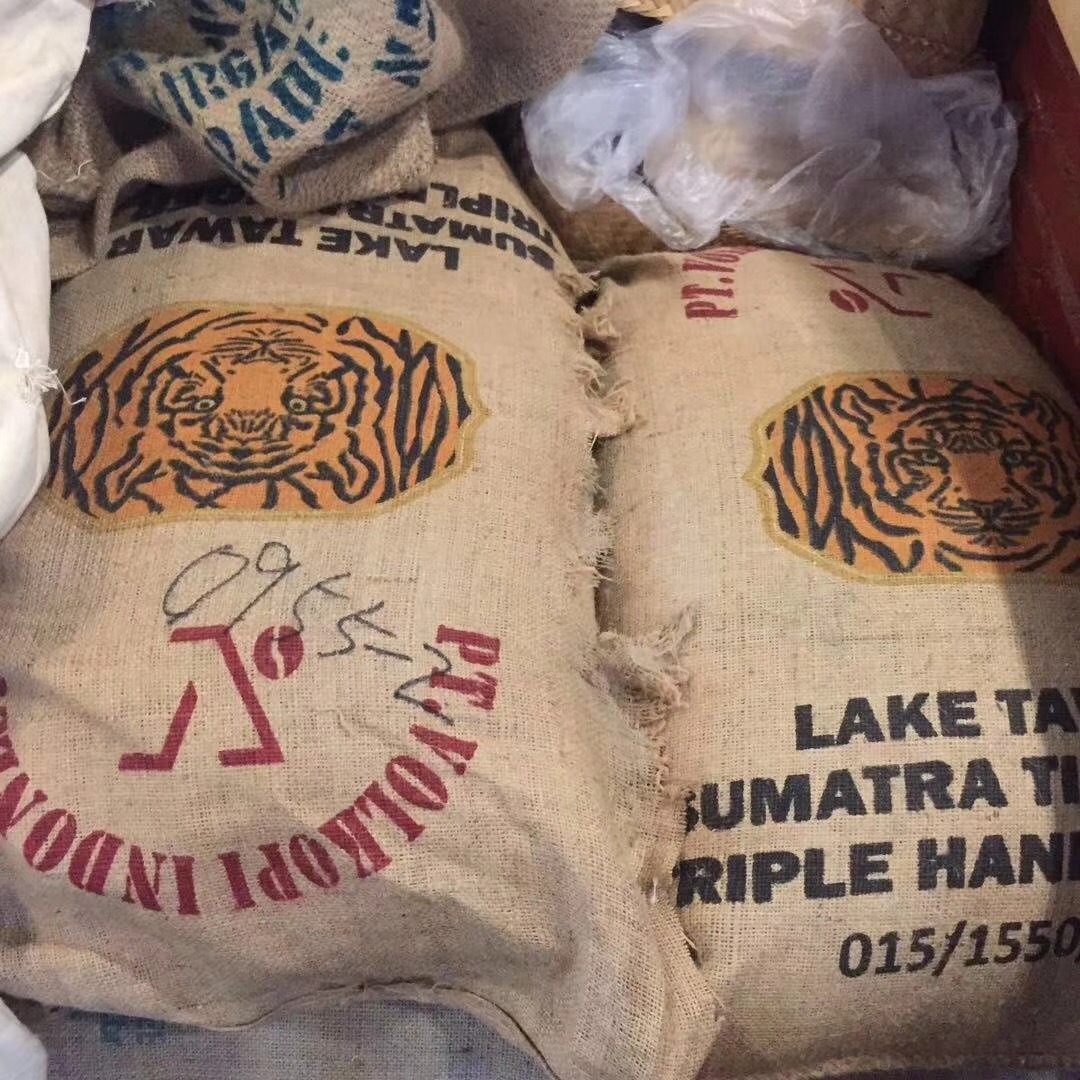
This one, from the Lintong Lake area of North Sumatra, grows at 1800 meters. After multiple manual screenings, it appears on Fox's coffee list as a medium roast, presenting excellent osmanthus and peach sweetness, roasted almonds, and a raw Pu'er aftertaste. Though it keeps a slight herbal quality, it retains good cleanliness and charming floral notes that swirl endlessly in the mouth.
You might think Mandheling is always wet-hulled, and that its flavors are mostly osmanthus, almonds, tea, and herbs — but in at least two other production areas, natural-processed Mandheling coffees exist.
First, Wahana Estate. Located between Lake Toba and the Lintong area at 1300-1500 meters, the estate has improved the growing environment for its trees: providing free coffee varieties, increasing shade cover, and drying naturals on raised racks. The flavors run to jackfruit, strawberry jam, black tea, brown sugar, and rich berry notes with a dried-almond acidity; the mouthfeel is smooth and sweet.
Natural Process Gayo:
The biennial harvest gives the coffee extra sweetness and flavor — rich tropical fruits, bananas, guava, and red wine aromas, positively intoxicating.
Recently, friends were invited to visit the Gayo area, where they found coffee farmers living happily, smiles on their faces whether working or not, and celebrating visitors' arrivals extravagantly as if it were a festival. How could coffee from such a region not make you fall in love with it?
How to Brew Mandheling Coffee?
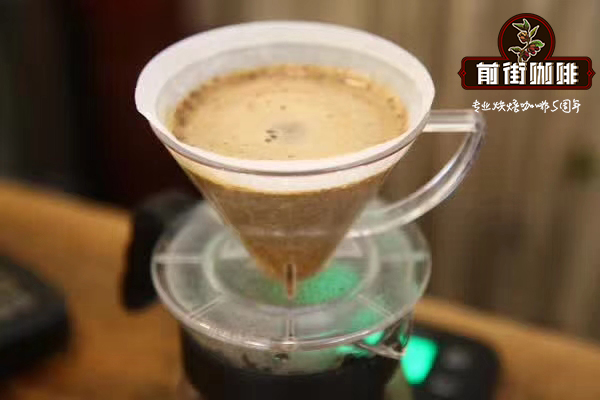
So how should Mandheling be brewed? Here are FrontStreet Coffee's recommended brewing guidelines, should you want a reference:
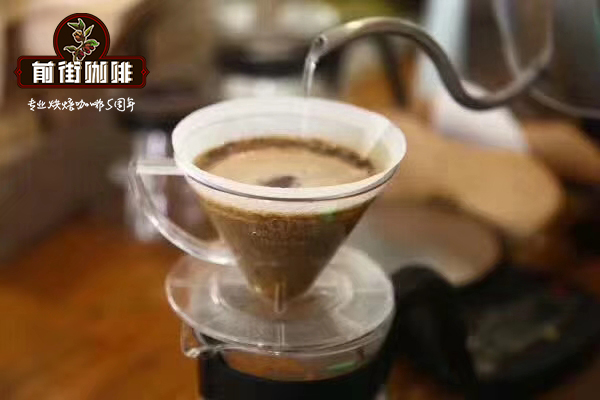
Medium-dark roasted beans lose more moisture, so they are lighter; during brewing the grounds do not sink completely. On first contact the water is absorbed immediately, and vigorous degassing surrounds the grounds with bubbles, creating channels. The fresher the beans, the longer these channels persist and the faster the water level drops. Use a generous water flow and circle slowly.
1. Dripper: KONO
2. Water Temperature: 88°C
3. Grind Size: Small Fuji grinder, setting 4
4. Roast Level: Medium-dark roast
5. Bloom Time: 25 seconds
Flavor: Multi-layered, clean, balanced, with persistent caramel sweetness in the aftertaste
Specific Technique: 15g of coffee, ground on a Small Fuji Ghost Tooth grinder at setting 4, brewed on a KONO dripper with 88-89°C water. Bloom with 30g of water for 25 seconds, then pour to 104g and stop. Once the bed's water level drops to half, continue pouring slowly to 220g total, discarding the last 5g. Water-to-coffee ratio: 1:15; extraction time: about 2:00.
Dear café owners, stock up on more "single-origin Mandheling."
Soon there should be plenty of young ladies ordering Wang Junkai's choice!
"The one who nags you most is the one who loves you most."
Visit home when you have time.
The Sumatra Coffee You Don't Know — Indonesian Mandheling: Unique Climate Creates Bizarre Processing Methods
Purchase link: https://item.taobao.com/item.htm?spm=a1z10.1-c-s.w4004-15673140431.20.70b02b27qam9ha&id=540335271875
FrontStreet Coffee Recommendation: PWN Golden Mandheling, The Authentic Original
Since the name itself traces back to PWN, the definitive way to taste this story is FrontStreet Coffee's PWN Golden Mandheling. Sourced from the company that trademarked "Golden Mandheling," the beans are screened above size 18 with fewer than 3 defects per 300 grams — the top G1 grade — then triple hand-selected to strip out every flaw, cutting the earthy, grassy edge and amplifying sweetness and cleanliness. Roasted medium-dark, it offers sandalwood, herbaceous, spice, roasted hazelnut, caramel, and dark chocolate notes with a rich, mellow body. For the best cup: 87-88°C water, 15g of coffee at a coarse-sugar grind, a 1:15 ratio, and a three-stage pour that brings out the full caramel sweetness.
Important Notice :
FrontStreet Coffee is a long-established specialty coffee roaster in Guangzhou China, selling freshly roasted beans from its own farm in Yunnan as well as dozens of carefully selected single-origin beans from around the world for both pour-over and espresso. The products deliver consistently excellent quality and great value, with shipping within 24 hours. Guangzhou's FrontStreet Coffee shop is recommended by many coffee lovers, and the beans are now available online at the Tmall 。
FrontStreet Coffee has moved to a new address:
FrontStreet Coffee Address: 315,Donghua East Road,GuangZhou
Tel:020 38364473
 Scan and follow the En Gafei WeChat official account. Please indicate that the reprint comes from "En Gafei".