Coffee Latte Art and Taste Experiment: Is Latte Art Delicious? How Long Does It Take to Learn Latte Art
Eyes Closed — Tasting Latte Art Through Your Taste Buds
"No matter how busy you are, make time for a cup of coffee." The saying speaks both to how hard modern life presses on our leisure time and to the truth that drinking coffee is a beautiful moment worth protecting. Coffee over business talks softens stiff conversation; coffee at work sharpens thought and efficiency; coffee with friends opens the floodgates of happy talk and deepens friendship; coffee alone grants a moment of quiet leisure to savor life. Coffee soothes a whole day's tension, and its charming aroma lifts our spirits!
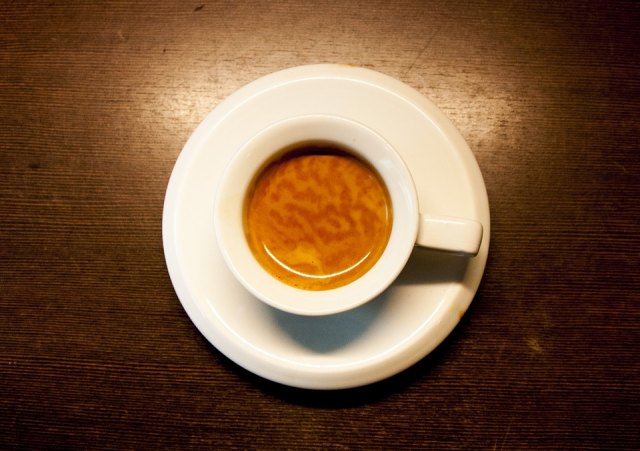
Because coffee is so wonderful, you may have noticed more and more coffee shops appearing around us, selling countless varieties of "Italian coffee." Broadly speaking, Italian coffee means coffee extracted with a pressurized machine, and "espresso" is its heart: its rich flavor forms the base of most Italian drinks, with different proportions of ingredients added to create coffees of every texture and taste — cappuccino and latte, the two most familiar, are simply espresso with different ratios of milk. Our topic this time is latte art in that milky world.
Latte art is the technique of pouring frothed milk into espresso with skilled movements, creating patterns through the interweaving of coffee and milk. It has drawn more and more attention in recent years, and many people now use it as a key indicator of a barista's experience and ability — so baristas naturally prioritize practicing it. Beautiful latte art earns a "wow" before the first sip, and who wouldn't want coffee to look beautiful? But beyond looks, is there anything else we should mind? People often ask me whether you can still taste the quality of the coffee after milk is added. Of course you can — though discerning the coffee's subtleties becomes more challenging. Judging bean quality isn't difficult, though. I've seen baristas froth milk too thin for the sake of a pattern, losing all texture; use over-roasted beans for a sharper black-and-white contrast in the design; or claim outright that customers can't tell the difference after milk is added, so looking good is all that matters. Are customers really unable to tell good coffee from bad?
My tasting experience says this: if a coffee's texture feels heavy and burdensome, it is not good coffee. Overpowering strength, lingering bitterness, overly sharp acidity, strong astringency, a burnt aftertaste — none of these belong to a good cup. Milk does mask many flaws, but as long as you don't gulp and take time to savor, the defects still show, and your tongue won't miss them. Drink slowly, and you will perceive the differences!
Does Latte Art Affect Coffee's Mouthfeel?
Some ask: does latte art really change the way coffee feels in the mouth? Isn't it just pouring milk into coffee?
I ran a test to find out together with everyone:
Conditions: Two 180cc glass cups; one pitcher of frothed fresh milk, with foam evenly divided between the two cups; two single shots of espresso from the same batch.
Methods:
A: Thoroughly mix coffee, milk, and foam while performing "latte art" movements.
B: First hold back the foam, mix milk and coffee, then add the foam on top.
Taste Test Report
Cup A (With Latte Art)
Visual appearance: Patterned presentation, good decorative quality, visually appealing, excellent presentation.
Aroma: Chocolate and creamy fragrances are prominent; you can smell the crema right through the foam, and the coffee aroma arrives the moment you lean in.
Foam texture: Smooth, with foam that dissolves easily in the mouth, but slightly more bitter — a texture born of crema and foam interweaving during the pour.
Overall: In Cup A, foam and crema touch the lips together and slide in with rich coffee aroma. The obvious bitterness fades significantly as it meets the coffee-milk layer below, nutty milk aromas appear, and sweetness rises. But there's a more serious issue: it is less rich and lacks body! (Latte art relies on foam and crema interweaving to form the pattern, so during the pour part of the espresso sits on top of the foam; comparatively, the lower layer loses body and richness.)
Cup B (Without Latte Art)
Visual appearance: No special pattern, more white areas, not especially eye-catching.
Aroma: Milky-sugar and nutty aromas; the milk leads while the coffee aroma rests stably behind it, soft and without strong edges.
Foam texture: Sweet with high initial sweetness; the foam has good bounce and texture. Bitterness is lower, because the foam meets the mouth directly without much crema carrying that rich edge.
Overall: Cup B presents foam sweetness to the taste buds first, then the richer flavors slowly fill in the initial lightness. Coffee texture builds, chocolate aroma steps forward, the heavy milk flavor is smoothed by the coffee beneath, and concentration rises! (The upper layer is rich in milk aroma with clean, delicate foam; the lower coffee layer is fuller, with long-lasting aroma and rich mouthfeel. As it slides in, you get the milk's delicacy and sweetness first, then the coffee pushes its richness forward in waves — making any textural burden much less noticeable.)
Understanding the Differences
Because of these mouthfeel differences, we understand —
If today's goal is a beverage market that values presentation, for customers who want to take photos, we must choose latte art: it is visually beautiful, its flowing lines showcase a barista's skill, and different patterns always spark the urge to take a sip. If that's what you want, latte-art coffee is your category!
If you want a coffee that lets people taste layers and delivers a smooth mouthfeel, it may lack eye-catching presentation or gorgeous decoration, and the barista gets no stage for showing off. If tasting delicious coffee is what you value, then coffee without latte art is your category!
That said — what barista doesn't want to show off? If a barista truly loves coffee, they will choose good beans, extract the espresso perfectly, and create delicate, fine foam. That has always been GEORGE HOUSE's unchanging principle: pursue good coffee, nothing else matters. If you ever find a way to have both, please let me know.
After tasting these two coffees, the message is clear: with exactly the same ingredients, different blending methods produce surprisingly different results — in appearance, aroma, and mouthfeel alike. It amazed the students who tasted with me, and it reminds all of us behind the bar that coffee is a delicate beverage: even with identical beans, different preparation produces different cups!
When you have time, try making coffee yourself — and if questions come up, you're welcome to discuss them together. Find time to visit FrontStreet Coffee and have a cup with us. After all... "No matter how busy you are, make time for a cup of coffee"!
Latte Art Step Analysis: How to Avoid Skewed Patterns? Tips
FrontStreet Coffee Recommendation
For friends learning latte art at home, start with FrontStreet Coffee's Classic Blend — a medium-dark espresso formula combining three origins, designed with inspiration from the old-school "Manda" pairing of Mandheling and Brazil. A touch of Robusta adds aroma and crema, and the extraction releases clear notes of butter, toasted bread, and caramel cookies: bold flavor, a solid body, fine crema, and very stable extraction — an essential home bean for beginners.
If you love rich nutty flavors, choose the Signature Blend, the classic pairing of washed Colombian and pulped-natural Brazilian beans. As an espresso it shows nut, dark chocolate, and caramel, and in any milk coffee — latte, flat white, americano — it highlights the smooth aromas of cream, almond, and cocoa. Its crema holds its own against café output, leaving plenty of headroom for practicing art, which makes it especially popular with those planning to open a shop or learn at home. And for friends about to open a café, the Commercial Blend — the Signature formula plus a small amount of Robusta for extra deep-brown crema and heavier body — delivers nut, cocoa, and caramel in every drink and makes latte art effortless.
Important Notice :
FrontStreet Coffee is a long-established specialty coffee roaster in Guangzhou China, selling freshly roasted beans from its own farm in Yunnan as well as dozens of carefully selected single-origin beans from around the world for both pour-over and espresso. The products deliver consistently excellent quality and great value, with shipping within 24 hours. Guangzhou's FrontStreet Coffee shop is recommended by many coffee lovers, and the beans are now available online at the Tmall 。
FrontStreet Coffee has moved to a new address:
FrontStreet Coffee Address: 315,Donghua East Road,GuangZhou
Tel:020 38364473
 Scan and follow the En Gafei WeChat official account. Please indicate that the reprint comes from "En Gafei".