Complete Guide to Coffee Bean Roasting: Comparison Chart of Eight Coffee Roast Levels and Their Differences - Medium vs Dark Roast Distinctions

Any regular coffee drinker knows beans come in different roast levels, each with its own flavors and mouthfeel. As a coffee shop that roasts in house, FrontStreet Coffee turns out dozens of batches daily, and from light-roasted Yirgacheffe to medium-roasted Brazil, we know each one's character intimately. We also have to build fresh roasting curves for new beans — roasting is genuinely a deep craft. Let FrontStreet Coffee share what we've learned.
Coffee roasting is the process of heating raw beans to drive a series of physical and chemical reactions inside and out, generating the many flavors of acidity, bitterness, and sweetness, forming body and color, and transforming pale raw beans into dark-brown roasted ones.
The single most important thing in coffee roasting is consistency — the repeatability of the roast.

What buyers fear most is inconsistent quality: the same beans, brewed the same way, tasting nothing like the last batch. That's when a roaster's ability is truly tested. "Quality consistency" sounds simple; in practice it is hard-won.
FrontStreet Coffee is blunt about the reality: too many factors influence a roast. Beyond the uncontrollable — the raw beans themselves, the weather — the human-adjustable ones include flame control, whether the air damper has been cleaned properly, gas usage, and more. To roast stably, the roaster must log every batch in detail: charge temperature, charge weight, return-temperature point, drum temperature each minute, dehydration point, first crack point and time, drop time, dehydration rate, rate of rise, and so on — the more granular the better. Because small shifts in temperature and heat change flavor, because every bean behaves differently, and because roasting is a rapid operation completed in minutes, it demands accurate anticipation of the roast plus curve correction through cupping.
Types of Coffee Roasting Machines
Before learning to roast, get to know the most common machine types:
- Direct Fire Roaster
- Half Hot Air Roaster
- Hot Air Roaster
Before you start, understand the basic structure. FrontStreet Coffee uses a Yangjia Feima 600g roaster (a half hot air roaster).
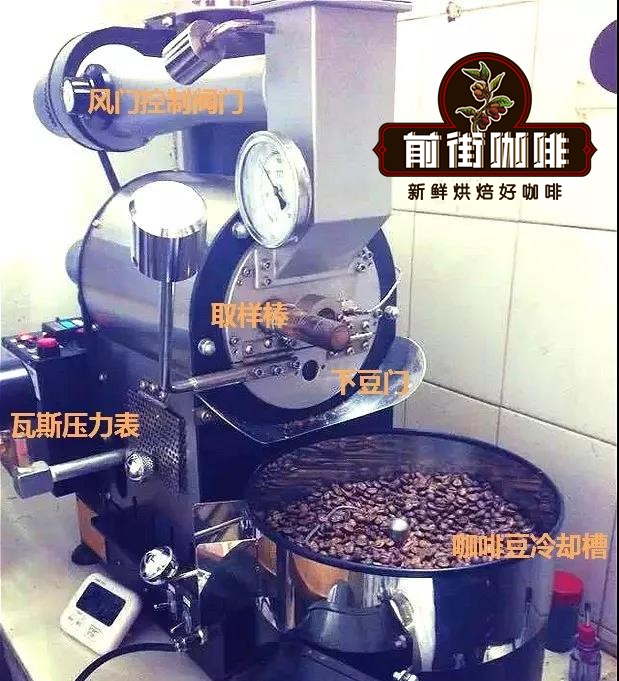
Detailed Explanation of Coffee Roaster Types:
1. Hot Air Roaster
A hot air roaster uses a blower to draw in air and pass it through a heating coil, then roasts with the hot air itself as the heat source. The hot air both supplies roasting temperature and tumbles the beans on its airflow — two jobs done at once.
Advantages: High thermal efficiency, fast heating, relatively even heating of the beans, easy to control.
Disadvantages: Because heating is so efficient, temperature can climb too quickly, leaving beans "under-roasted," and excessive heat can shortchange the caramelization reaction.
Flavor characteristics: Pronounced acidity, relatively clean and simple taste, but lacking richness and depth; dark roasts easily pick up harsh flavors.
2. Direct Fire Roaster
As the name says, direct fire roasting heats beans with flame itself. Evolved to the present day, the "fire" includes not only ordinary flames — gas burners and charcoal — but also infrared and electric heating tubes.
Advantages: The longer roast allows more complete caramelization and richer flavors.
Disadvantages: Prone to uneven roasting, and careless fire control can scorch the beans into bitterness.
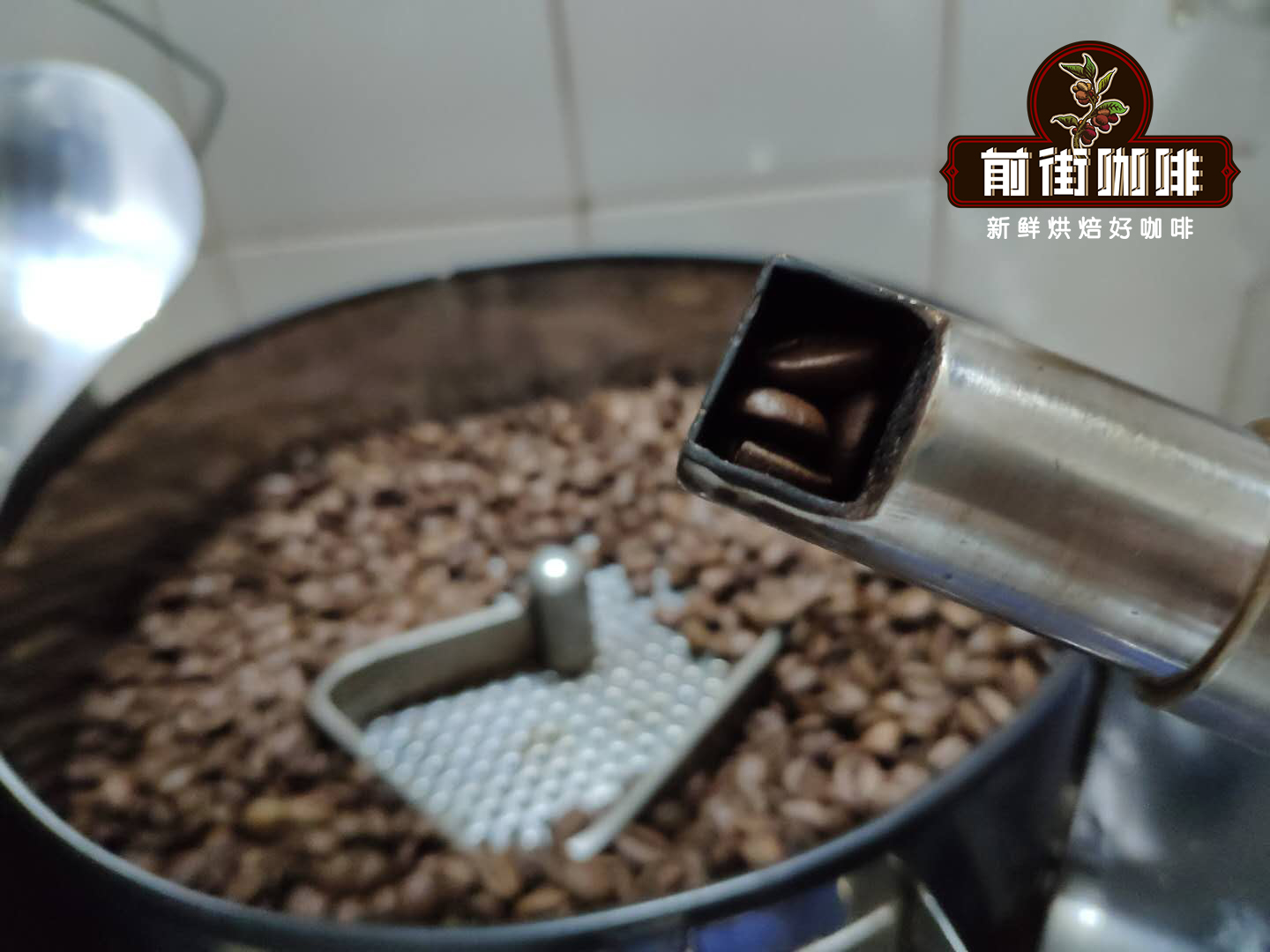
3. Semi-Direct Fire Semi-Hot Air Roaster
This design combines the strengths of both and is today's commercial mainstream. Semi-direct fire resembles direct fire roasting, but because the drum wall has no holes, the flame never touches the beans directly. Exhaust equipment feeds hot air from outside the drum into the roasting chamber to raise efficiency, and it serves another crucial function: sucking away the silver skin (the thin membrane clinging to green coffee seeds) so it can't scorch in the chamber and taint the beans' flavor.
Semi-direct fire machines inherit both the virtues and the vices of the other two types, but you can shift their heating character by adjusting hot air and drum speed: more hot air and faster rotation push the roast toward hot-air character; less and slower, toward direct fire.

Home versions of this roaster use alcohol or gas lamps as the heat source, while larger machines burn gas directly. Their advantage is intuitiveness — roast level is easy to read and silver skin cleanup is convenient — but temperature is hard to hold steady.
How FrontStreet Coffee Operates a Hand-Cranked Semi-Direct Fire Drum Roaster
- Fill the roasting drum with green beans — the amount depends on drum size — then seal it.
- Ignite the heat source and crank the handle at a steady pace, tumbling the beans evenly inside the drum.
- After 3-4 minutes, the beans begin to yellow, silver skin separates, and aroma is released.
- At 6-7 minutes the beans have turned brown and begin emitting white smoke. First crack starts around 8 minutes.
- Around 10 minutes first crack ends. If you prefer a light flavor, drop the beans now; otherwise keep roasting and wait for second crack.
- At 12 minutes second crack finishes. Drop the beans quickly and cool them with an electric fan. Roast complete.
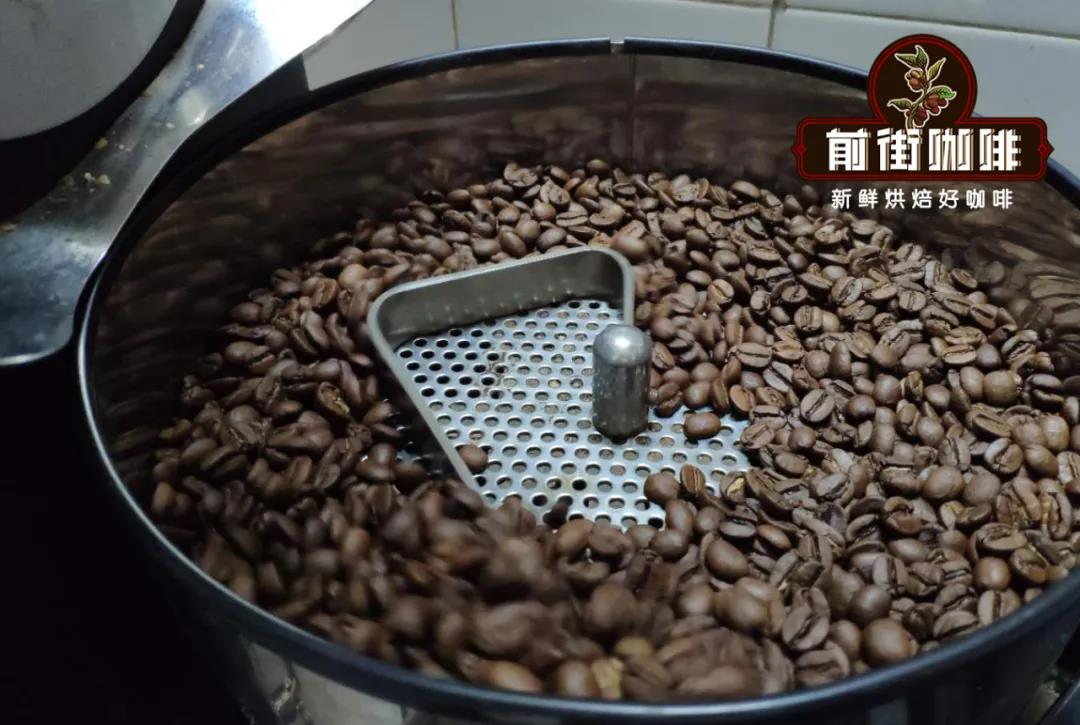
How FrontStreet Coffee Determines Coffee Roast Level
Raw Beans: Each coffee cherry holds two raw beans, their aroma still hidden deep inside, waiting to be discovered. Raw beans are loaded with chlorogenic acid, which gradually breaks down during roasting to release the pleasant fruit acids we know — acetic, citric, and malic acid, the same acids found in wine. Proper roasting presents these wonderful acids just so; over-roasting buries them entirely.
Between 5-7 minutes of roasting, the beans release moisture, turning from light green to orange-yellow and giving off a distinctive aroma like roasted vegetables with cream.
Light Roast: When the beans give their first light crack and swell, turning an appetizing cinnamon color, it's called cinnamon roast or half-city roast. Acidity dominates the flavor, and texture and body haven't fully developed — which is why light roasts generally go into canned coffee and rarely satisfy true connoisseurs.

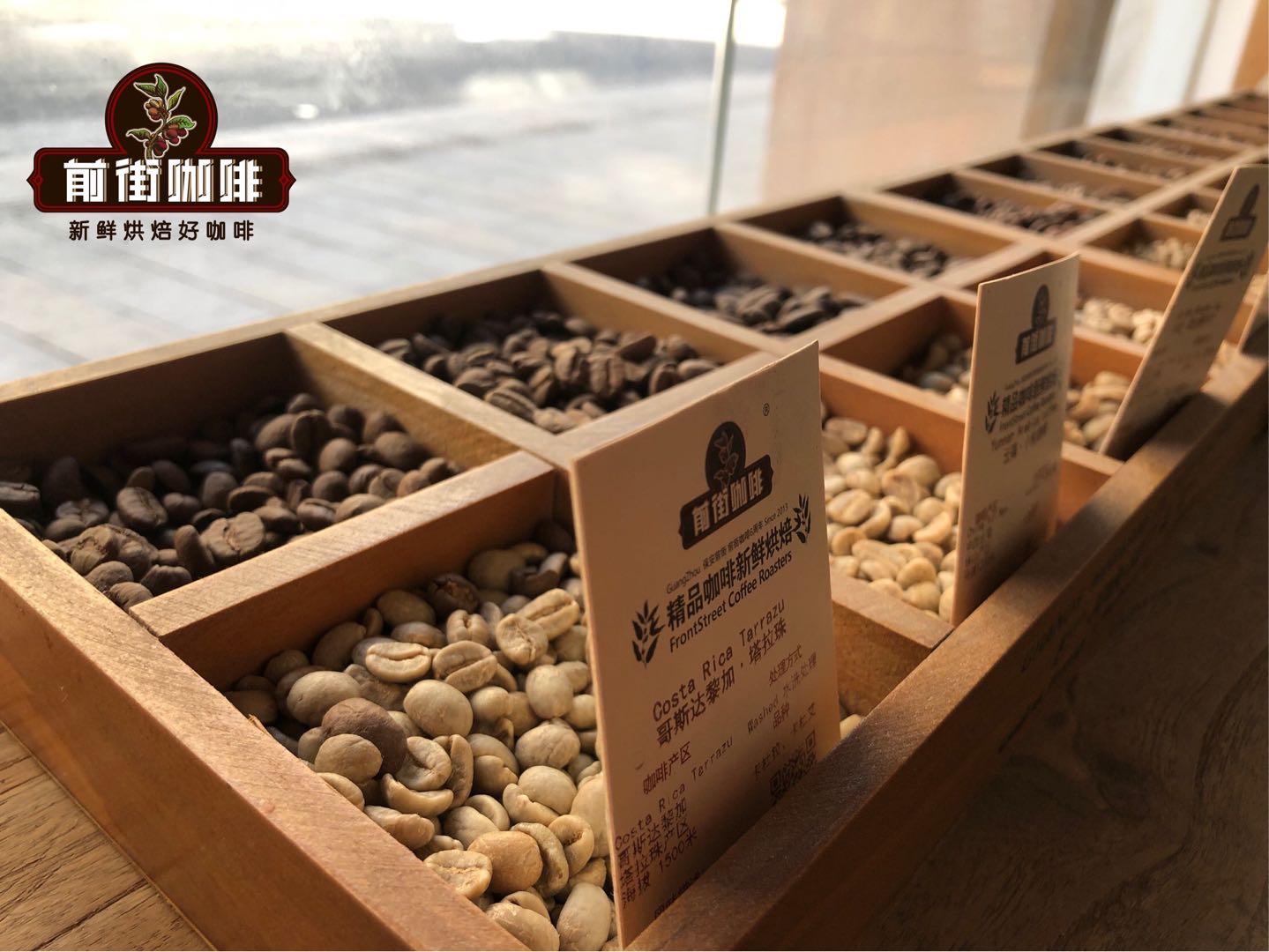
Light roasted coffee beans
Medium Roast: At 10-11 minutes the beans take on an elegant brown. New Yorkers like to open their day with medium-roasted coffee softened with milk and sugar at breakfast, so this level is also called breakfast roast or city roast. Medium roasting preserves the bean's original character while releasing its aroma, making it the preferred choice for single origins like Blue Mountain, Colombian, and Brazilian.

Medium roasted coffee beans
At 12-16 minutes, oils begin to surface and the intense fire brands the beans a deep, oily brown — full-city roast. Some consider this the point where coffee's acidity, sweetness, and bitterness strike their most perfect balance, and the bean's character stands out in sharp relief.
Dark Roast: The darker the beans, the sweeter and more mellow the cup becomes. With the oils caramelized, bitterness turns to sweetness with an endless aftertaste — ideal for brewing strong espresso, hence the name Italian roast.
Proper roasting gives coffee beans their life, transforming them into intriguing acidity, sweetness, and bitterness in the cup. Those sensitive to caffeine might reach for dark roasts, since caffeine gradually dissipates as roasting proceeds — the darker the roast, the lower the caffeine. It's said a cup of espresso carries only half the caffeine of other medium-roasted single-origin brews.

Dark roasted coffee beans
We know roasting creates coffee's flavors and aromas — but how, exactly? What do they have to do with caramelization and the Maillard reaction?
What Is the Caramelization Reaction?
The sugars in coffee caramelize at roughly 170-200°C — coinciding with the melting point of sucrose (185°C) and with first crack during roasting.
Caramelization yields two families of products:
- Dehydration products of sugar — the caramel color and sauce tone.
- Decomposition products — mainly volatile aldehydes and ketones.
In sum, caramelization produces roasted aroma, caramel flavor and color, plus other aromatics like maltol, cyclotene, and furan compounds — the same compounds found in red wine, juice, and cream.
But too much caramelization is a bad thing: it tips into carbonization, leaving coffee harshly bitter and rough on the throat. Too little, and the aroma turns monotonous, flat, and layerless.

Caramelization temperature and coffee roasting
Three elements determine a coffee's final flavor and must be managed carefully: acidity, sweetness, and bitterness. As a rule, the longer the total roast, the less acidity survives, while bitterness grows with roast time — darker coffee, more bitterness.
It's this seemingly simple process that elevates sugar — breaking plain sweetness open and adding a more seductive color and a more appetite-stirring aroma. Caramelize sugar at home and the whole process fills the kitchen with an intoxicating smell.

What Is the Maillard Reaction?
The Maillard reaction is the most complex chemistry in coffee roasting, bar none. After it, roasted beans contain more than double the flavor compounds of raw beans — making it one of the principal engines of coffee's myriad flavors.
The Maillard reaction is the cascade of reactions between amino compounds (amino acids and proteins) and carbonyl compounds (mainly reducing sugars like glucose, fructose, lactose, and maltose), generating brown compounds and eventually black macromolecules called melanoidins — hence its other name, non-enzymatic browning.
The Maillard Reaction Proceeds in Three Stages:
1. Initial Stage:
Carbonyl-amine condensation; Amadori molecular rearrangement
2. Middle Stage:
The Amadori product fructosamine dehydrates to HMF (hydroxymethylfurfural)
Fructosamine loses its amino group to form reductones
Amino acids react with dicarbonyl compounds
3. Final Stage:
Alcohol-aldehyde condensation
Polymerization producing melanoidins

In coffee roasting, the Maillard reaction mainly kicks off once dehydration completes and the beans begin turning from yellow to brown, and it continues until the roast ends and the beans are fully cooled. But as first crack approaches, another flavor-critical reaction — caramelization — begins, competing for the same raw material (sugar) and slowing the Maillard rate around first crack. The "main" Maillard stage, then, generally means the stretch from yellowing to first crack. Throughout it, macromolecules like melanoidins accumulate continuously, and by the end more than 600 volatile organic compounds exist in the roasted beans. The Maillard reaction, in short, brings coffee flavor, mouthfeel, color, and complexity.
Because of that, roasters can shape flavor indirectly by adjusting the roast's rhythm. Since raising temperature above 80°C does little to speed the Maillard reaction, the usual lever is time: a longer Maillard stage produces more macromolecular melanoidins, giving the coffee heavier body, greater complexity, and deeper tones.

About First Crack and Second Crack
As roasting progresses, bean temperature climbs.
First Crack: The beans' components undergo sweeping chemical change, gradually forming the coffee's color, bitterness, acidity, and aroma. Water vapor and carbon dioxide build inside the beans, raising internal pressure until they swell. When the structure can no longer hold, the bean cells rupture with crackling sounds — the famous "first crack."

Second Crack: After first crack, some components begin exothermic decomposition, generating more gas and pushing the beans to expand again. Cells rupture once more with further crackling — the "second crack." The change only stops when the beans leave the roaster and are forcibly cooled.
Once beans expand, they never shrink back. Roasting the same variety, bean size tells you the roast level — lightly roasted beans are smaller.

Common Problems in Coffee Roasting Stages:
- Insufficient preheating with beans charged immediately, stretching the roast. Roast loss runs high, bean color is pale — without enough heat the surface never fully caramelizes — and the interior turns coarse and rough.
- Roaster temperature too high, forming a hard crust early and suppressing internal expansion. The surface colors faster, trickling the operator into ending the roast prematurely. These beans stay sticky and dense inside, never achieve proper expansion, and lack normal aroma.
- Too long an idle period after preheating. Extended dry heat piles up in the chamber, so when beans go in, all that heat concentrates on their surface early in the roast — initial heat far too strong, followed by a rapid temperature drop. The unstable internal temperature leaves the beans raw at the core.
- Roast time too long or too short. Temperature and duration should flex with batch size. Small batches leave more chamber space, with stronger conduction and radiation from the metal, so use lower temperature; larger batches can take more. Watch the beans' exterior — heat travels from surface to core, so external changes reveal what's happening inside.
- Different machines behave differently, changing time and temperature. From traditional direct-fire gas heating to today's electric designs, energy-convection engineering keeps improving; added fans stabilize thermal convection, evening out bean color while saving electricity and time.

Key Points to Consider Before Roasting Coffee Beans:
Remove defective beans mixed in with the greens — a single defective bean can taint an entire batch.
Ideal moisture content for green beans is 11-13%. Holding it requires good storage: warehouse humidity and temperature should average roughly 50% and 20°C.
When it's time to roast, weigh out the green coffee and pour it into the hopper — where it may sit a while. Why? Because the machine must preheat first. Set the target preheat temperature and wait for the drum to come up before charging, exactly as you'd never put a steak on a cold pan, or bake a cake in a cold oven — preheated ovens bake more evenly and rise better. Roasting and cooking share the same rule: preheat your tools.

Raw beans diagram
Key One: Preheating
Take the machine's basic charge temperature of 200°C as the reference: let the drum temperature stabilize above 200°C with the air damper at maximum, preheating for about 30-45 minutes. After 45 minutes the temperature reaches 200-210°C and preheating is done.
If the drum sits at 210°C but you want to charge at 200°C, close the damper to let it settle to 200°C before loading. Don't rush the temperature down with big gas — excessive flame only heats the drum's surface, not the drum itself.
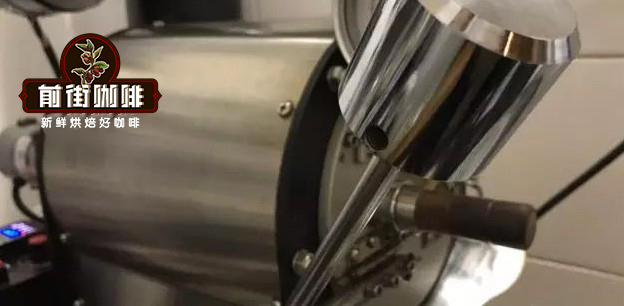
Key Two: Determine Charge Temperature Based on the Raw Beans
Today's example is Papua New Guinea Bird of Paradise, Typica variety: low-density beans, unsuited to dark roasting, with natural, refreshing acidity and fruit aroma. We'll choose a medium-light roast focused on fire management after first crack. First assess the beans and set the approach: a washed, low-density lot at 10% moisture, a 17-year-old-stock raw bean. On that basis, set the charge temperature to 200°C.

Key Three: Heat Adjustment
Roasting is a balancing act: too much heat cooks the outside while the inside stays raw; too little over-roasts the interior. An even roast inside and out demands precise heat control.
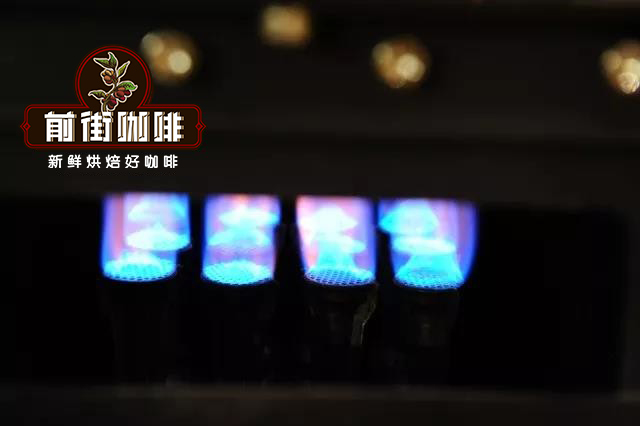
FrontStreet Coffee's Specific Roasting Operations
Charge at a drum temperature of 200°C with the damper at 3. After 1 minute of steaming, adjust heat to 160°C, damper unchanged. When the drum temperature reads 160°C, cut heat again to 115°C. At 5 minutes 35 seconds the temperature is 152°C, the bean surface yellows (the Maillard reaction begins), the grassy smell vanishes completely, and dehydration is complete. Open the damper to 4 — water vapor is being produced now, and a bigger damper vents it.
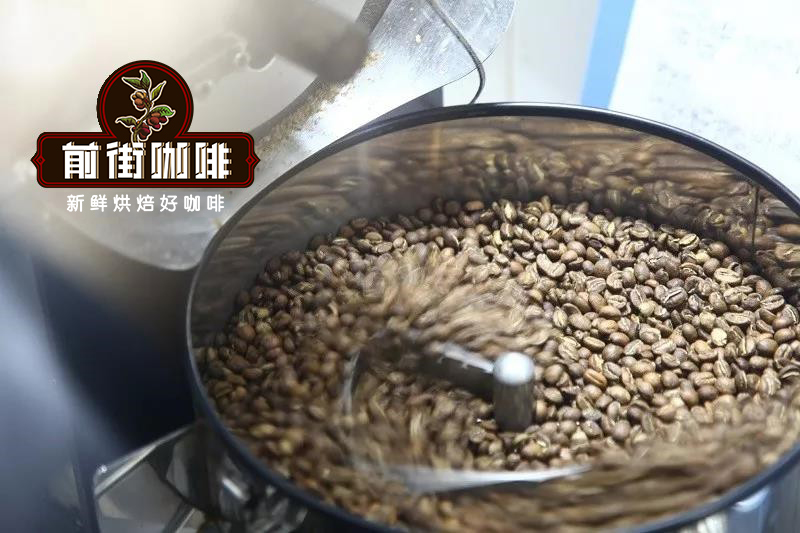
Around 8 minutes 40 seconds, ugly wrinkles and black spots appear on the bean surface and the toasted-bread aroma clearly turns to coffee aroma — the prelude to first crack. Listen carefully. At 9 minutes, first crack begins. Hold the small flame unchanged, open the damper fully to 5 (ventilating now), then adjust heat to 40°C and drop the beans at 191.3°C (a light-medium roast).
First Crack Stage: Maximum Air Damper
First crack is the stage that demands the most caution and concentration in all of roasting. The beans' continuous heating has been converting their moisture into steam.
As heating continues, steam and carbon dioxide from the Maillard reaction build enormous pressure against the bean's cell structure — until it gives way, rupturing and releasing water vapor, carbon dioxide, and everything else from inside. That's first crack. It produces clouds of smoke, which is exactly why the damper goes to maximum!
How FrontStreet Coffee Records Roasting Curves
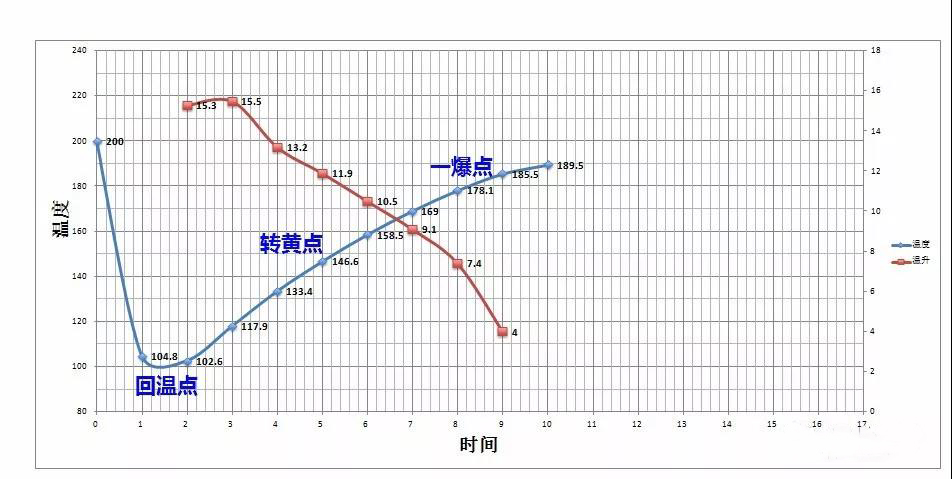
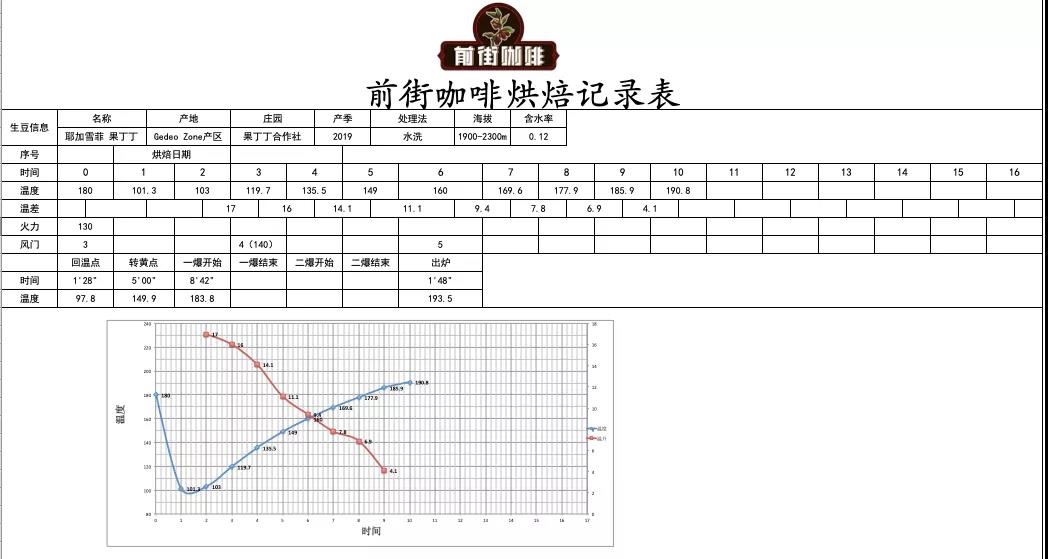
Here is a sample roasting curve for washed Yirgacheffe Gudding:
FrontStreet Coffee's roasting process:
Roasting machine: Yangjia 600g semi-direct fire
Bean quantity: 300g
Return temperature point: 1 minute 28 seconds, 97.8°C
Yellowing point: 5 minutes, 149.1°C
First crack: 8 minutes 42 seconds, 188.8°C
Discharge: 1 minute 48 seconds after first crack, 193.5°C
Discharged during dense first crack
Roast degree: Light roast
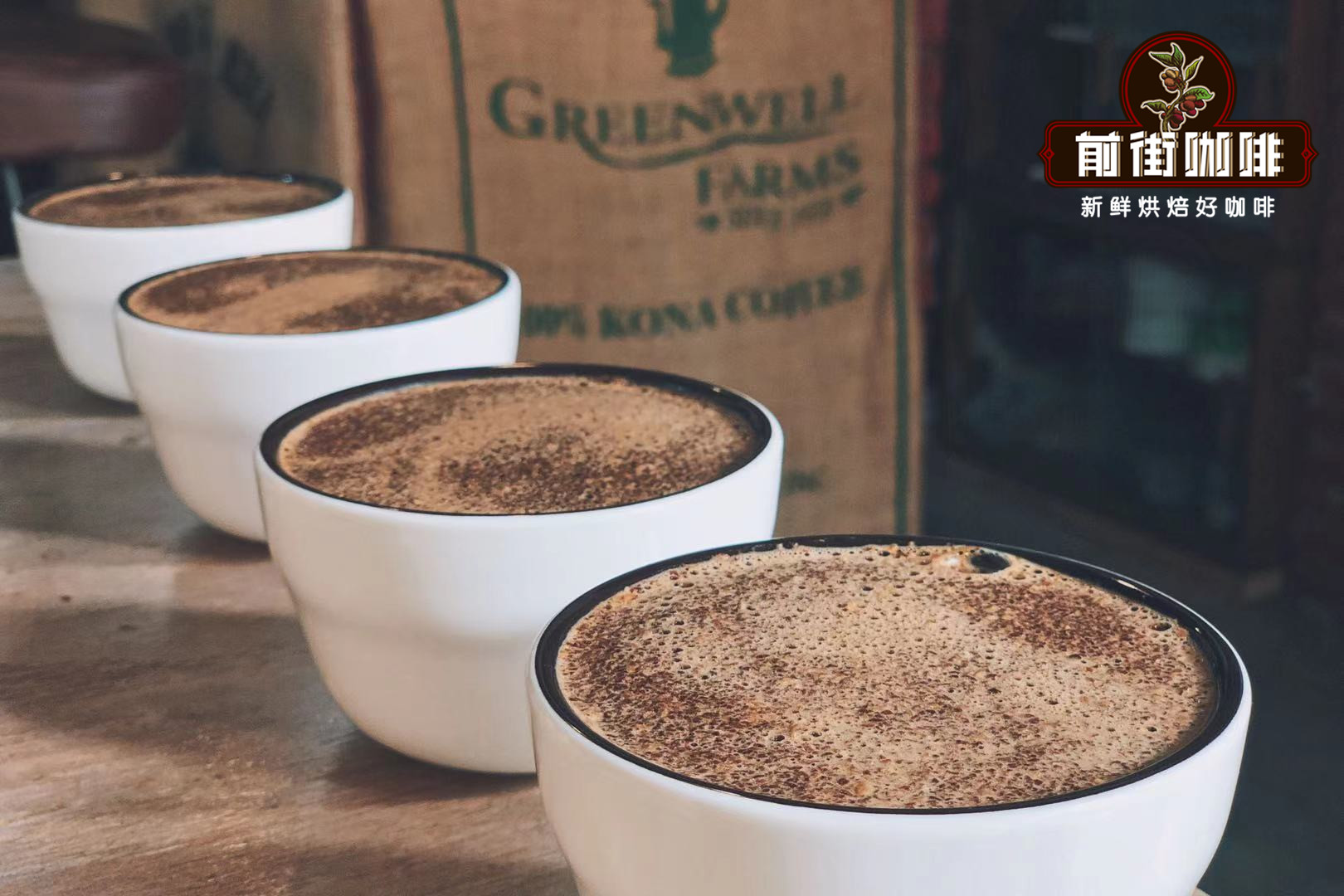
FrontStreet Coffee's cupping notes 12 hours after roasting: citrus and black tea on entry, with cream, caramel, and almond emerging in the aftertaste as the cup cools — an evident sweet finish and a clean, sweet mouthfeel.
What Is the Best Time for Roasting Coffee Beans?
"Best time" doesn't mean that dropping the beans at some exact minute-and-second proves your roast level or consistency. Raw bean character, your rate of rise across the whole roast, and other factors all come into play.
So, isolating just the drop-time variable (and assuming you already know your bean's traits, have a normal return temperature point, and steady heat), here's a simplified method:
Step One: Make Assumptions
Based on your usual experience, sketch a rough prediction: roughly —
- When will first crack begin?
- How long will first crack last?
- How much time sits between first and second crack?
Step Two: Sampling
Take 11g samples at 30s, 50s, and 60s after first crack begins; at 25%/50%/75% of the gap between first and second crack; just before second crack; as second crack begins; and just into second crack.
Step Three: Cupping
Cup the samples, find the range that best matches your expectations, and make your call!
Keep in mind that for the same beans, different roasting rhythms change taste, mouthfeel, and flavor tone dramatically. Roasting is generally divided into three stages: the dehydration stage before the beans yellow; the browning stage from yellowing (where the Maillard reaction dominates) until just before first crack; and the development stage from first crack to the end of the roast.
Adjusting roasting rhythm means adjusting the time and temperature rise of these three stages, plus the return temperature point.
Generally:
A fast rhythm — a short overall roast — gives a lighter mouthfeel, lower complexity, bright acidity, and lively flavors. Push it too fast, though, and the coffee picks up plant-like green notes and underdeveloped flavor.
A slow rhythm — a long overall roast — brings heavier body, higher complexity, and more caramel-chocolate tones. Push it too slow and flavors turn dull, acidity goes mellow and flat, and cleanliness drops.
So how does adjusting each of the three stages change the cup?
Dehydration stage: A fast rhythm builds higher internal pressure in the beans, lighter mouthfeel, higher cleanliness. A slow rhythm leaves less accumulated internal pressure and higher body, but can dull the flavors, lower cleanliness, and raise complexity. The reason: going from slow to fast in dehydration builds the beans' initial heat momentum and internal pressure from small to large.
That directly shapes the rhythm of the next two stages. Higher bean-core pressure works against the Maillard reaction, producing fewer body-building compounds but preserving more floral and fruity aromatics. And the greater the initial heat momentum, the more it accelerates everything downstream.
Stage after yellowing: The Maillard reaction begins. Shortening this stage lowers complexity, raises cleanliness, and lightens the mouthfeel. Slowing it raises complexity and body at the cost of cleanliness. The longer this stage runs, the more caramel tones the coffee carries — and the more its flavors drift toward deep, single-note territory.

Development stage: From first crack to the end. Both the Maillard reaction and caramelization run simultaneously here. A fast development gives lively, bright acidity, lower complexity, lower bitterness, and dramatically varied aromatics.
Slowing development can make flavors monotonous, but it rounds the acidity and builds good complexity. Stretch it too far and that rounded acidity goes flat and dull. Longer development also produces more chocolate and cream flavors.
Finally, FrontStreet Coffee offers its take on "What qualifications should a good coffee roaster have?"

- Green Coffee Evaluation: From identifying the appearance and traits of beans across the major origins, to telling new crop from old, to judging and screening out defects — even knowing how to trace a lot's source — all of it protects quality at the buying stage.
- Roasting Technique: Machine manufacturers should provide training covering equipment operation, troubleshooting, and cleaning maintenance, plus hands-on work: how moisture content and hardness differences across origins change the roast at a given level, the curves and techniques each requires, and how to manage damper, temperature, and heat through every stage.
- Cupping and Blending: Solid cupping practice lets roasters judge coffee quality and whether a roast succeeded, and sharpens the flavor vocabulary needed to sell to customers. When composing house blends, it lets them grasp what each single origin should contribute and balance the proportions into a signature taste for their shop.

In the end, coffee roasting is full of difficulties. Only by mastering the principles, accumulating experience without pause, and staying adaptable can a roaster truly refine the craft.
FrontStreet Coffee Recommendation
Every roast level in this guide ends its journey in the cup, and the beans FrontStreet roasts daily span the whole chart. At the light end sits the washed Yirgacheffe Konga Cooperative — the classic first bean for anyone entering specialty coffee, known for white jasmine florals, bright citrus and lemon acidity, and a tea-like finish at an accessible price. The town of Yirgacheffe itself, in southern Ethiopia's Sidamo region at 1,700-2,100 meters with trees above 1,800 meters, is among the world's highest coffee terroirs, and its name became a byword for washed elegance well before the Commodity Exchange split it from Sidamo in 2010. In the same appellation, FrontStreet's natural Red Cherry lot applies full-red-cherry sun drying — only ripe, defect-free cherries, sorted and laid on raised beds, turned every 2-3 hours in the early days, then dried for three to five weeks — yielding citrus acidity, berry-juice fruitiness, honeyed sweetness, and cream-smooth body.
Toward the medium roasts that suit Blue Mountain, Colombian, and Brazilian character, FrontStreet's Brazil Queen Estate is a standout: grown in Mogiana's fertile red volcanic soil near southern Minas, its rare Yellow Bourbon — a natural mutation of Red Bourbon with cleaner fruit — delivers sugarcane sweetness alongside fruit and chocolate, whether hand-brewed, moka-potted, or run through a home espresso machine. And for dark, espresso-leaning roasts, Brazilian coffee anchors FrontStreet's blend series: the crema-rich Classic Blend, the nut-forward Premium Blend, the balanced Black Cocoa Blend favored by baristas, and the shop-ready Commercial Blend all lean on Brazilian components for chocolate and cream aromatics, gentle sweet-sour-bitter structure, and the steady, forgiving extraction that espresso demands.
Important Notice :
FrontStreet Coffee is a long-established specialty coffee roaster in Guangzhou China, selling freshly roasted beans from its own farm in Yunnan as well as dozens of carefully selected single-origin beans from around the world for both pour-over and espresso. The products deliver consistently excellent quality and great value, with shipping within 24 hours. Guangzhou's FrontStreet Coffee shop is recommended by many coffee lovers, and the beans are now available online at the Tmall 。
FrontStreet Coffee has moved to a new address:
FrontStreet Coffee Address: 315,Donghua East Road,GuangZhou
Tel:020 38364473
 Scan and follow the En Gafei WeChat official account. Please indicate that the reprint comes from "En Gafei".