How to Froth Milk? What's the Ideal Milk Temperature? Cappuccino Making Techniques and Flavor Characteristics
At a coffee shop, most of us love ordering a rich latte or cappuccino. Look closely and you will notice that a cappuccino carries a thicker layer of foam than a latte. FrontStreet Coffee has already covered how to make a latte; this article digs into the ins and outs of cappuccino.
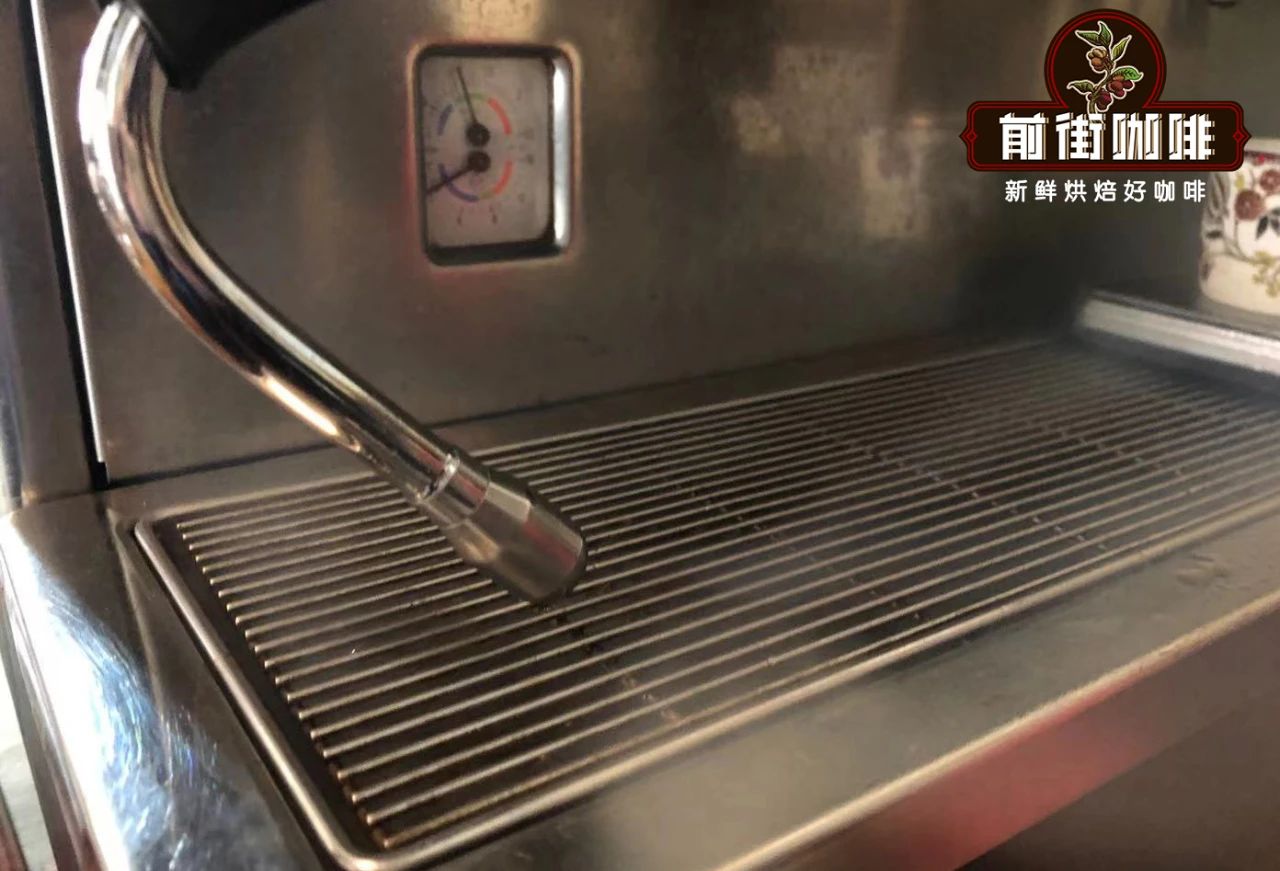
When FrontStreet Coffee froths milk, we always use a steam wand. Heating milk and drawing air into it with a steam wand is what the trade calls frothing milk.
When good coffee meets milk, people get to taste "the natural sweetness of coffee itself." A cappuccino is not sweetened by milk; rather, it is a drink that uses milk to help people appreciate the natural sweetness of coffee. To bring out that sweetness, four points matter.
1. Milk Temperature
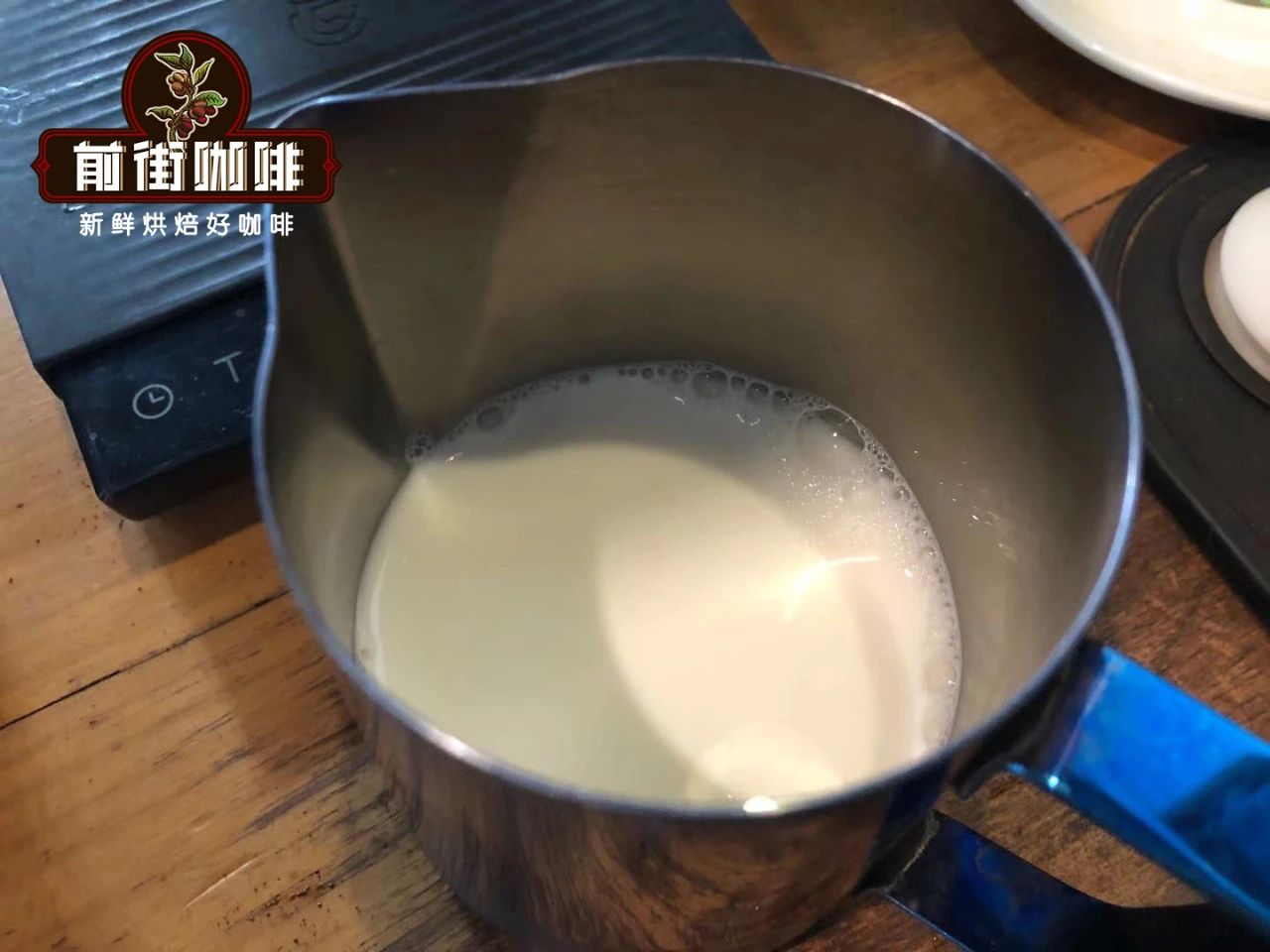
To achieve fine, dense foam, it is best to start with chilled milk. FrontStreet Coffee keeps milk in the refrigerator and returns it there when not in use. The milk temperature should be "a temperature that is comfortable to drink," judged against what people can enjoy in a suitably warm beverage.
Drink a cappuccino made with overheated milk and you will feel the foam and the liquid separate. You taste the foam first, then suddenly hit the liquid underneath.
Although the steamed liquid rises in temperature, the foam, being a collection of bubbles, stays foam no matter how much it is heated. That means the temperature of the foam and the air within it does not climb in the same way. So when you begin drinking, the foam is not that hot, but once you reach the liquid below, the heat arrives all at once, and that is what creates the sensation of separation.
Excessive temperature causes other problems too. Bitterness in coffee becomes more pronounced, and when the temperature is too high it is hard to perceive the coffee's delicate sweetness and texture; instead the bitterness, which is the easiest characteristic to notice, dominates. There is also the obvious risk of burning your tongue.
A cappuccino tastes best freshly made, so drinking it immediately is the recommended approach. At that point the foam is delicate. Leave it too long and the liquid and foam gradually separate, making that unique texture impossible to experience. This is why FrontStreet Coffee prefers not to serve cappuccino at excessively high temperatures.

The optimal drinking temperature for a cappuccino is one at which the customer can sip right away, experiencing the unity of liquid and foam while appreciating the delicate sweetness that the coffee, one of its ingredients, possesses. This temperature is not confirmed with a thermometer but through physical cues such as sound. During frothing, feel the temperature with your palm and listen to the sound of the steam: when the temperature runs high, the pitch rises too.
The heat felt by your palm, the sound of the steam, the duration of steaming - what kind of flavor will a cappuccino have when these are controlled? FrontStreet Coffee's baristas confirm this every time during training, repeatedly practicing these operations and using the palm to gauge temperature while frothing. The sound of the steam helps predict temperature as well. All of this helps find the best milk temperature, and FrontStreet Coffee believes the ideal range for frothing milk is between 55°C and 65°C.
2. Foam Density
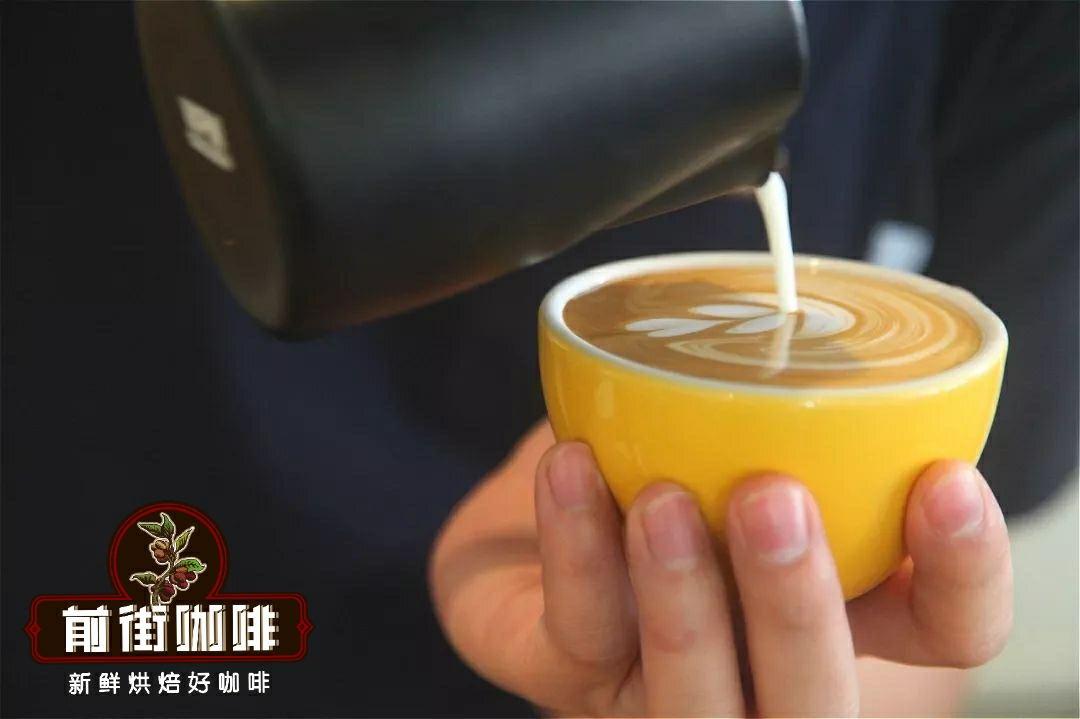
Fine foam is an important element that gives a cappuccino its wonderful texture and mouthfeel, and it is indispensable for creating beautiful latte art.
So how do you create high-quality foam? FrontStreet Coffee suggests focusing on two points: gradually incorporating air into the milk, and completely utilizing the steam emitted from the wand tip.
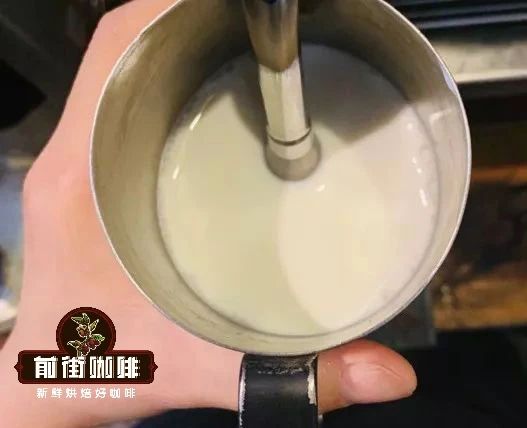
When FrontStreet Coffee froths milk, we visually confirm the fineness of the foam. After the cappuccino is made and colored, it becomes even clearer: the finer the foam, the better the texture and the more beautiful the finished cappuccino.
If the foam on the surface of your frothed milk is uneven and bumpy, that may mean the injected steam is forming bubbles that are trying to escape the surface, which suggests the steam from the wand tip is not being fully used. Because heat and air escape, frothing takes longer. Since steam from the wand carries moisture, the longer it takes, the more watery the milk becomes, and a watery texture compromises the coffee's flavor. Therefore, when frothing, incorporate air slowly. When the air and heat from the wand tip are almost fully used, you can see clearly that no bubbles float on the foam surface. Because all the incorporated air is put to work, the time is minimized and the milk does not turn watery.
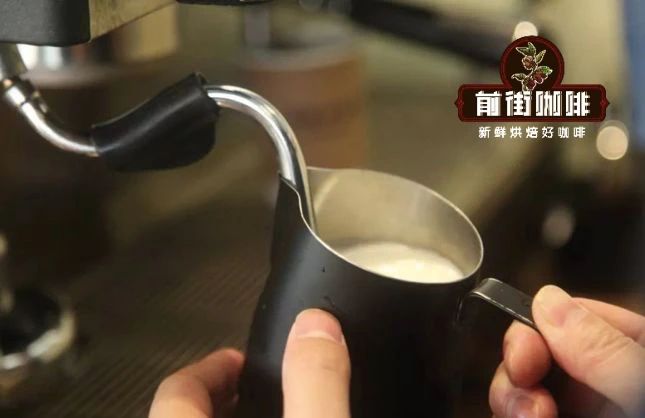
Foam is not created all at once but gradually. Done well, the surface stays even, heat does not escape, work becomes efficient and the time is shortened. Keep this key point in mind when frothing milk, and practice while visually confirming the foam's condition as you steam.
When steaming milk, work quietly without creating surface bubbles. You can inject a burst of air all at once, but that makes the foam coarse, lets heat escape with the popping bubbles and lengthens the time required.
3. Foam Volume
Appropriate foam volume is crucial for a cappuccino. A certain amount of beautiful foam provides mouthfeel and a soft texture as you drink. When the foam is thin, liquid and foam separate quickly after pouring, and you notice it right away when tasting. That prevents you from experiencing cappuccino's characteristic pleasure, the unity of foam and liquid, so FrontStreet Coffee makes cappuccino foam slightly thicker than latte foam.

A cappuccino consists of foam, milk and espresso. Less foam means more liquid milk, which raises the proportion of milk relative to espresso. When a large amount of milk is added, the espresso becomes diluted and the coffee's own flavor grows harder to perceive.
For "enjoying a silky texture" or "maintaining the right concentration of milk and espresso," the right amount of foam is necessary.

4. Milk Texture
In English, "texture" refers to the feel when touched, the visual and tactile impression of a surface, its appearance and grain. The texture or mouthfeel of coffee or espresso is called "mouthfeel," while the texture or mouthfeel of milk is expressed as "texture."
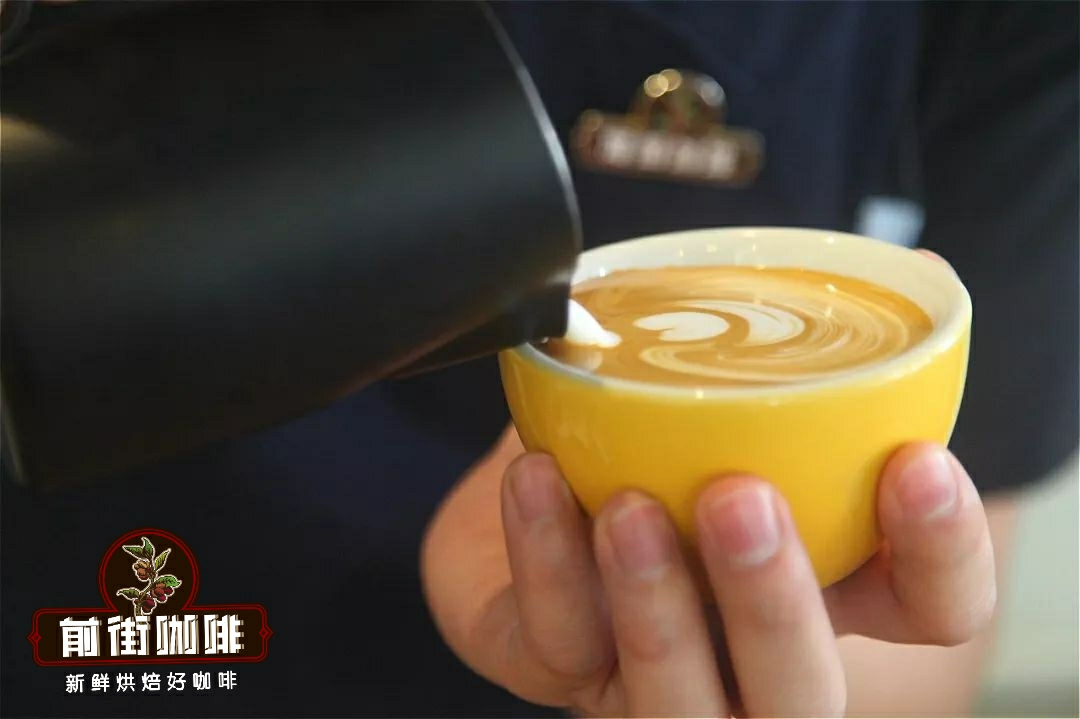
There are two key points for milk texture. First, create fine-textured foam; silky texture and quality come from fine foam. Second, improve efficiency so the foam comes together quickly. In general, FrontStreet Coffee focuses on creating fine-textured foam in a short time, which is very important for milk texture.
Pouring the milk so that the cappuccino balances well with the coffee flavor is one of the important factors in its flavor composition, and two points matter here.
Pour while stirring. When pouring milk into espresso, FrontStreet Coffee recommends aiming for a uniform mix with the espresso. While stirring, the foam, the liquid milk and the espresso fully blend, avoiding flavor imbalances.
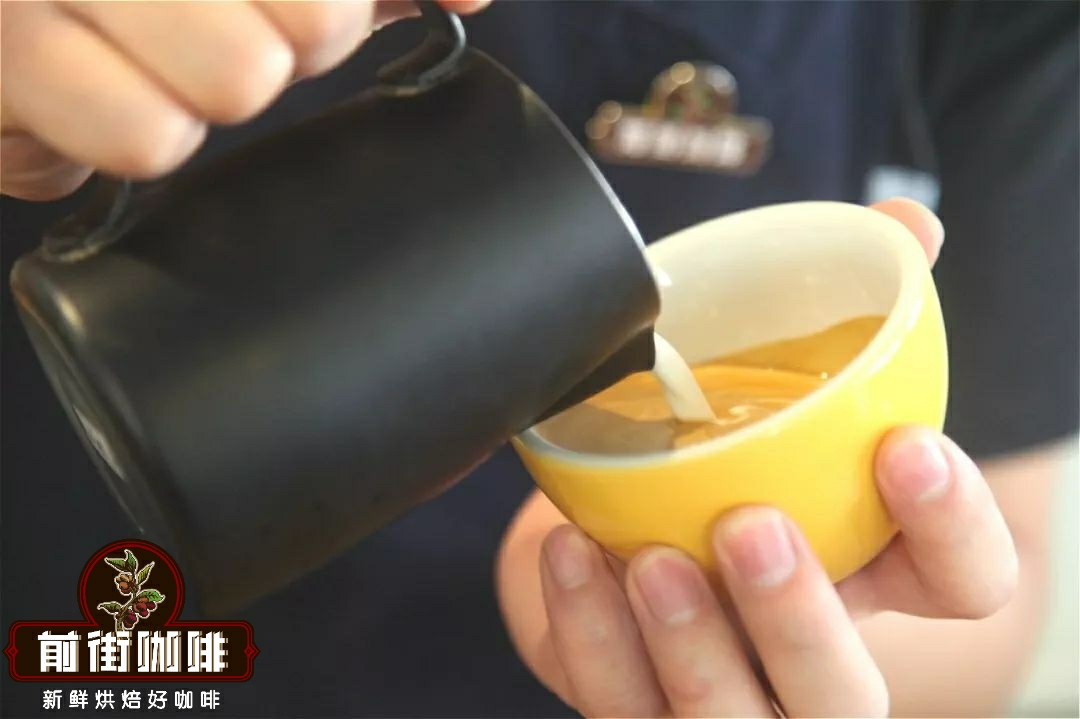
Beautiful latte art does not necessarily equal a high-quality cappuccino, but it is still an important factor. Beyond valuing contrast or latte art, be careful not to pour the milk at only one point or to focus solely on creating a beautiful surface when making a cappuccino.
FrontStreet Coffee Recommendation
A true cappuccino is built from three things: espresso, milk and a sturdy cap of thick foam. FrontStreet recommends pulling the espresso with one of its espresso-oriented blends, such as the Classic Blend for a rich crema or the value-focused Black Cocoa Base Blend, at a dose of 20 g, a 1:2 brew ratio and an extraction of about 30 seconds to yield roughly 40 ml. That gives both enough concentration and a full, even extraction.
If you want a fruitier cappuccino, try FrontStreet's Strawberry Candy Espresso Blend, which brings out aromas of berries, rose, raisins and fruit candy. For a cleaner, less bitter cup, the Granada Geisha SOE is a natural-process, medium-roast coffee with notes of berries, orange and persimmon; paired with milk it develops a toffee-like sweetness.
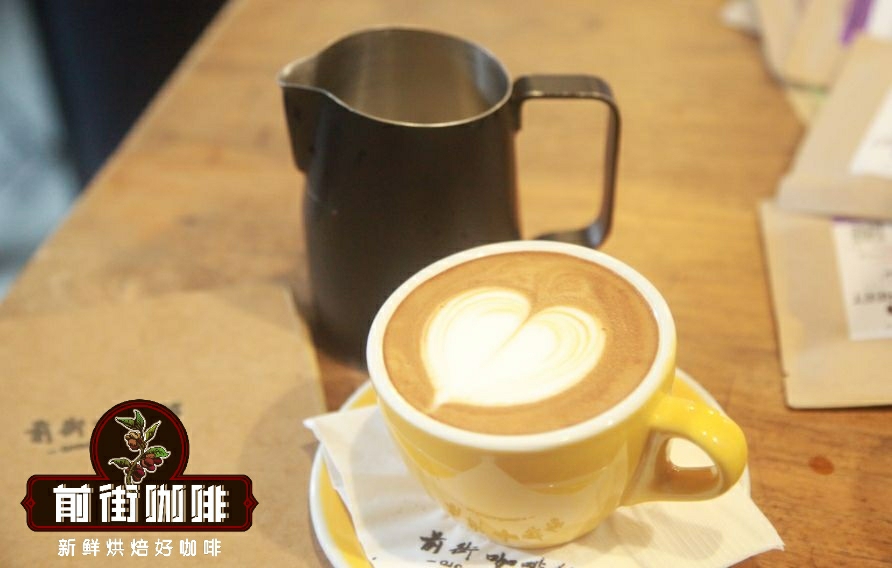
Because a cappuccino uses less milk than a latte, froth the milk a little thicker and denser than you would for latte art. Spoon a dollop of foam into the centre of the espresso to fill a circle: the dark outer ring comes from the espresso and the inner circle from the foam. Then swirl the pitcher to reincorporate the foam and milk and pour straight into the centre. With the surface held up by foam, you can fill the cup right to the brim without worrying about overflow. The result is the soft, airy foam and the rich, sweet, full-bodied coffee that define a good cappuccino.
Important Notice :
FrontStreet Coffee is a long-established specialty coffee roaster in Guangzhou China, selling freshly roasted beans from its own farm in Yunnan as well as dozens of carefully selected single-origin beans from around the world for both pour-over and espresso. The products deliver consistently excellent quality and great value, with shipping within 24 hours. Guangzhou's FrontStreet Coffee shop is recommended by many coffee lovers, and the beans are now available online at the Tmall 。
FrontStreet Coffee has moved to a new address:
FrontStreet Coffee Address: 315,Donghua East Road,GuangZhou
Tel:020 38364473
 Scan and follow the En Gafei WeChat official account. Please indicate that the reprint comes from "En Gafei".