Stop Saying Yunnan Coffee Beans Are Disgusting - You're Not Drinking Premium Yunnan Coffee | Yunnan Coffee Origins
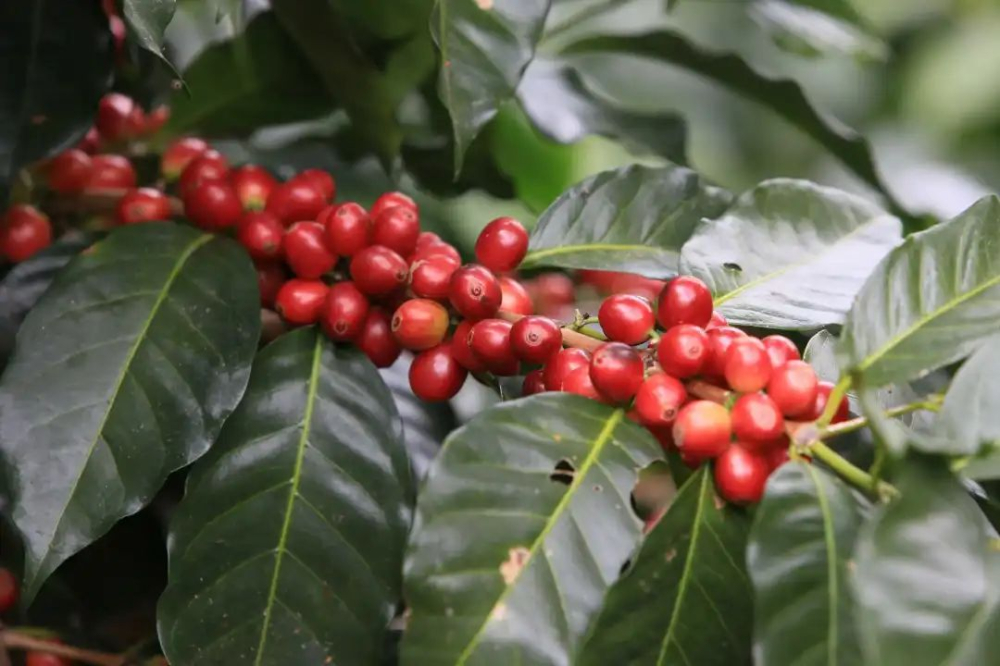
Yunnan accounts for 1% of global coffee production, and its coffee history is usually told through three main waves of introduction.
The first wave arrived a century ago, carried by the missionary Alfred Tienne de Saint-Phalle. Thanks to the newly opened Yunnan-Vietnam Railway, he was able to travel into inland Yunnan to preach — and he brought coffee seedlings with him. His church stood in Zhugula Village, Binchuan County, Yunnan Province. Most of the coffee tree descendants that took root in the stone crevices around the church were killed by a cold disaster in the 1980s; the very last tree planted by de Saint-Phalle himself was turned into a root carving by Hougu Coffee a few years ago.
The second wave came in 1952, when researchers from the Mangshi branch of the Yunnan Agricultural Experimental Station hauled back more than 70 kilograms of fresh cherries from Nongxian Village for trial planting in the Lujiang Dam of Baoshan City. The variety showed excellent adaptability and quality, and it spread from there. Farmers still call this batch the old variety — Typica, as we know it.
The third wave began in the late 1980s, when Nestlé started introducing the Catimor variety in the Simao region (now Pu'er City). From that point on, China's coffee acreage grew year by year, and quality climbed steadily through continuous refinement. Planting is now concentrated in Lincang, Baoshan, Simao, Xishuangbanna, Dehong, and Nujiang.

Yunnan's Coffee Production Regions
The province has formed three major production areas — Baoshan, Dehong, and Pu'er — while also driving the coffee industry forward in tropical districts such as Lincang, Honghe, Nujiang, Lijiang, and Wenshan. As of 2009, Pu'er City had 178,000 mu under cultivation, with 113,000 mu in production yielding 14,318 tons of green coffee; Baoshan City had 128,900 mu planted, producing 12,627 tons of green beans; Dehong Prefecture had 107,000 mu planted, with 47,800 mu in production and 7,500 tons of green coffee; Lincang had 25,400 mu planted and more than 3,100 tons of green beans; and Xishuangbanna, Nujiang, Wenshan, Honghe, and other regions combined for over 20,000 mu and roughly 3,000 tons.
In 1992, the United Nations Development Programme (UNDP) helped the Chinese government build the country's first modern coffee factory, and Yunnan coffee has improved and expanded ever since. According to the latest figures from the Yunnan Provincial Department of Agriculture, Yunnan produced 136,000 tons of coffee in 2017 — more than 95% of China's total. Beyond Nestlé, big names like Starbucks and Maxwell House have also entered the Yunnan coffee market.
What is Yunnan Small-Bean Coffee?
Strictly speaking, only the Typica and Bourbon varieties from the second wave deserve the name "small-bean coffee." Today, though, the label more often refers to the widely planted Catimor — a hybrid of Arabica and Robusta carrying one-quarter Robusta genes. It was developed for the leaf-rust resistance and high yields the old varieties lack, which matched what farmers of the era wanted most.
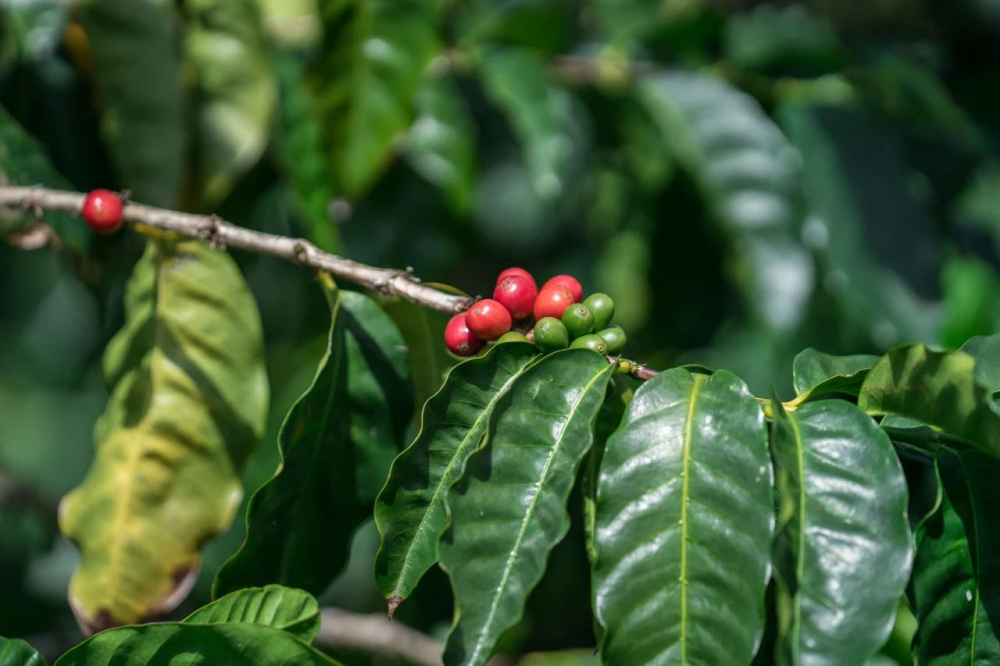
In the past, Yunnan's farmers had little accumulated experience in coffee cultivation. Catimor was often planted at low altitudes and processed roughly, producing mediocre coffee with a harsh, negative bitterness — most of it snapped up for commercial instant coffee. As specialty coffee culture has spread through China, however, professionals and researchers have poured effort into Yunnan's growing regions, upgrading everything from pest and disease control to shade trees, soil and water conservation, planting altitude, cherry selection, and processing. Yunnan Catimor grown this way can now show genuinely good aroma and cup cleanliness.
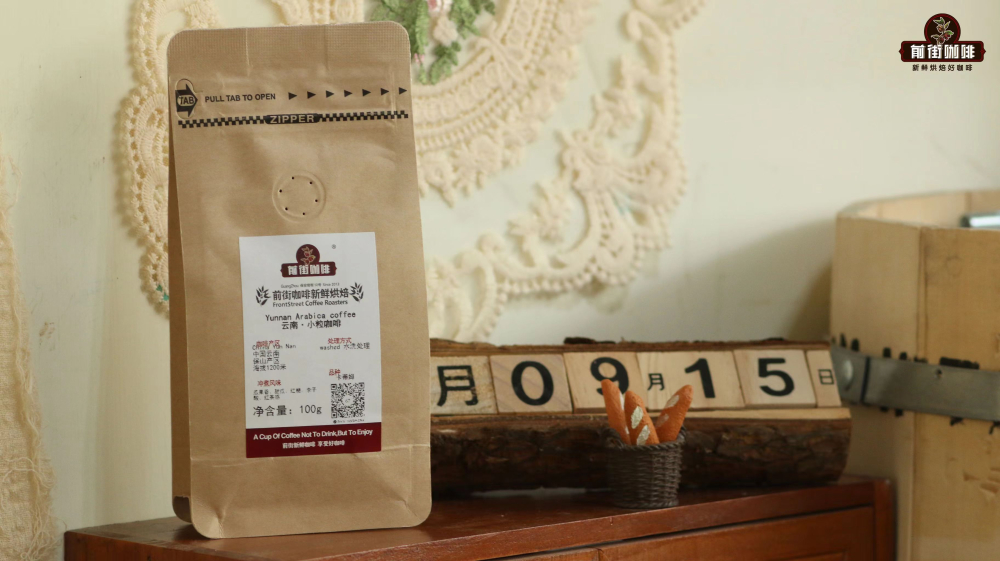
If you want to taste the everyday "flavor of Yunnan," FrontStreet Coffee recommends a washed Catimor from the Baoshan region, sold in 100-gram packages. FrontStreet Coffee finds this daily-drinker bean nicely balanced, with a touch of nuttiness, some plum fruit aroma, and a brown-sugar sweetness — mild and approachable overall.
Is There Still Typica Variety Coffee in Yunnan?
Even with Catimor dominating the province, some growers still refuse to give up on the ancient, high-quality Typica variety. FrontStreet Coffee is one of them: our own lot is selected from the best-regarded Typica stock, processed as a natural, and named "FrontStreet Coffee 2013."
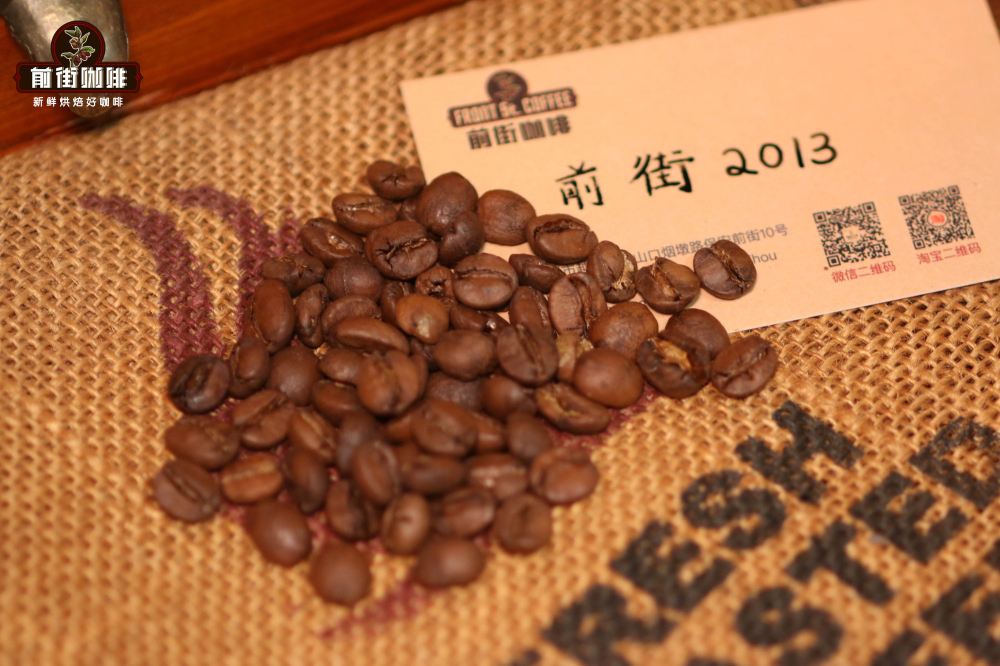
Typica's most telling trait is the bronze color of its young top leaves, which is why it is nicknamed "red-top coffee." The trunk is slender, the branches very thin and slightly inclined, with lateral branches forming a 50-70° angle to the vertical stem; plants reach about 5 meters tall, which makes hand harvesting awkward. Typica beans are relatively large and long, pointed and slightly curled at both ends — something like an egg in shape. In the cup, Typica tends toward citrus acidity with a sweet aftertaste, and many praise it as an elegant, clean bean. Jamaica Blue Mountain is Typica, after all.
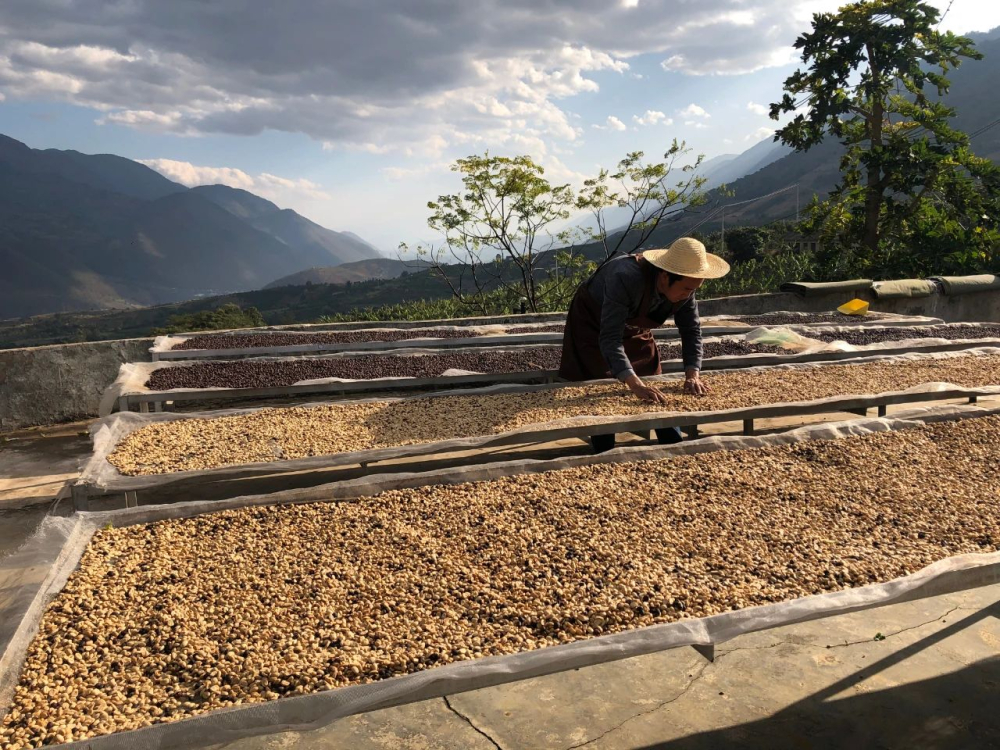
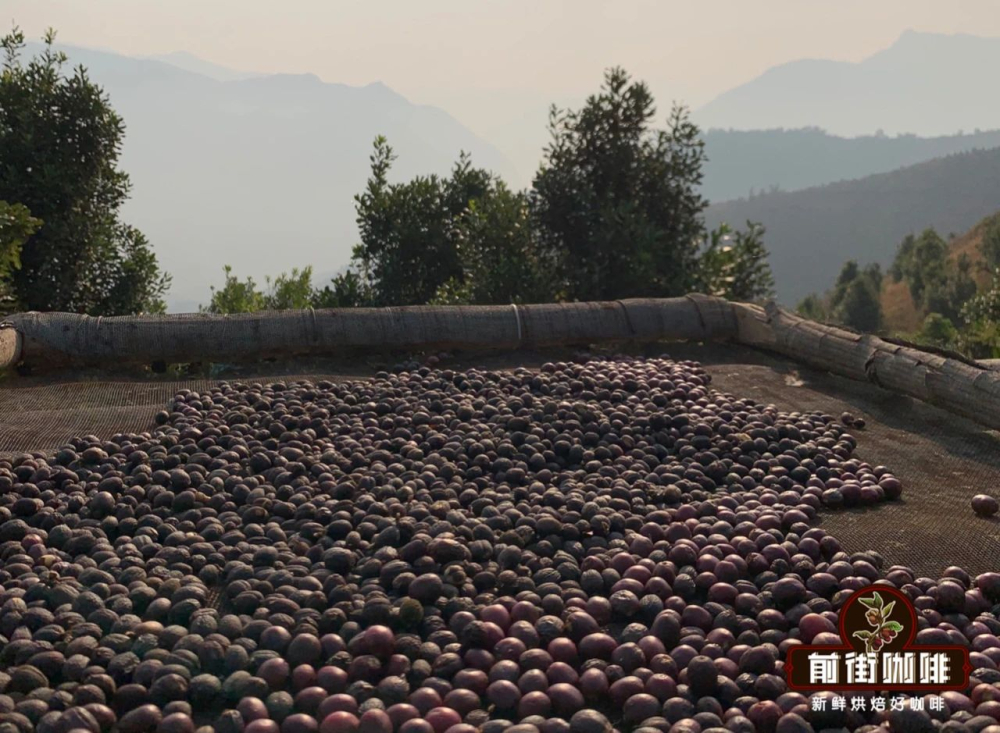
After harvest, FrontStreet Coffee's Typica cherries go straight into natural processing to lock in freshness. Sorting comes first, with flotation among the standard methods. The sorted cherries are then sun-dried, with staff turning them regularly so they heat evenly and never over-ferment. Once the cherries have darkened from bright red to deep purple and hit the target moisture content, they move on to hulling and roasting. Natural-processed Typica shows fuller fermentation flavors than its washed counterpart, with prominent sweetness and aromas of caramel, berries, and black tea.
FrontStreet Coffee's Brewing Recommendations
For daily café production, FrontStreet Coffee's baristas extract it as pour-over, letting the coffee's natural aromas speak for themselves. Pour-over black coffee is both the house method and a simple technique anyone can run at home. Since Yunnan Typica leans balanced and moderate — no harsh acidity, no heavy bitterness — FrontStreet Coffee prefers a V60 dripper with a medium-fine grind size and a medium water temperature.
Brewing Parameters:
Dripper: Hario V60
Coffee amount: 15g
Water temperature: 90 degrees Celsius
Grind size: 75% pass-through rate on #20 sieve
Water-to-coffee ratio: 1:15
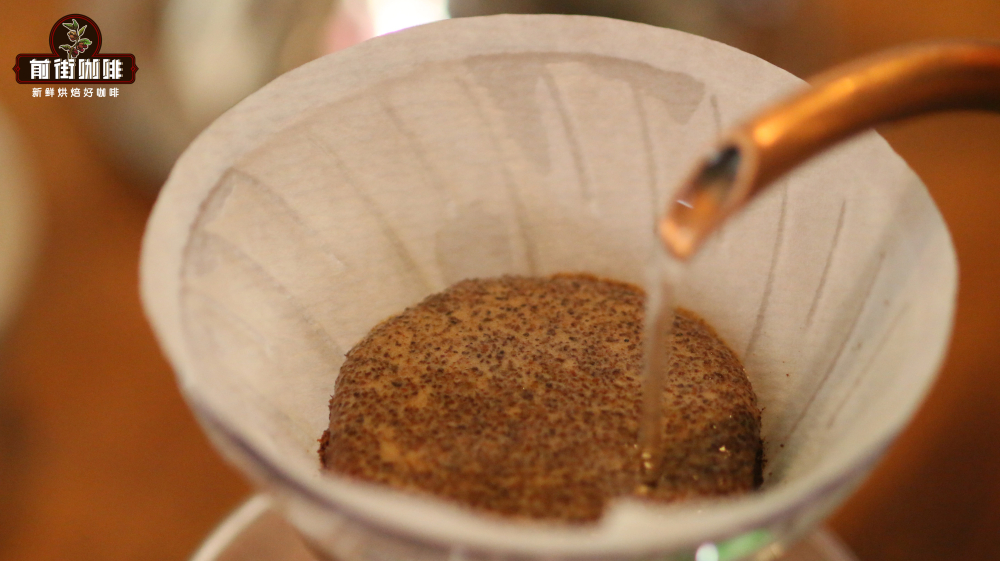
Three-stage pouring: Start with twice the coffee's weight in water to wet the bed, let it dome, and bloom for 30 seconds. Then pour in small circles from the center outward to 125g for the second stage. Once the coffee bed drops to half the height of the dripper, continue with the same fine stream to 225g for the third stage. Pull the dripper once all the liquid has drained — total brew time of about 2 minutes.
Flavor of FrontStreet Coffee's 2013 Natural Typica: caramel, nuts, chocolate, fermentation notes, berries, black tea, and sugarcane. Medium-high body, clean cup, black tea finish, with rich and varied layers.
FrontStreet Coffee Recommendation
For a first taste of Yunnan, the FrontStreet Yunnan Small-Bean coffee from Baoshan is the natural starting point — washed processed and medium roasted, it delivers gentle nut and chocolate sweetness with a light plum acidity at a friendly price. When you are ready to go a step deeper, the FrontStreet 2013 Yunnan Typica, natural-processed from fully ripe red cherries on FrontStreet's own estate, offers dark berry tones, caramel sweetness, chocolate, a hint of dried apricot, and a black tea finish. And for espresso drinkers, the FrontStreet Dark Cocoa Blend — Yunnan small-bean matched with Brazil Cerrado — pours a balanced americano with nutty, brown-sugar sweetness and a latte with smooth almond and cream notes.
Important Notice :
FrontStreet Coffee is a long-established specialty coffee roaster in Guangzhou China, selling freshly roasted beans from its own farm in Yunnan as well as dozens of carefully selected single-origin beans from around the world for both pour-over and espresso. The products deliver consistently excellent quality and great value, with shipping within 24 hours. Guangzhou's FrontStreet Coffee shop is recommended by many coffee lovers, and the beans are now available online at the Tmall 。
FrontStreet Coffee has moved to a new address:
FrontStreet Coffee Address: 315,Donghua East Road,GuangZhou
Tel:020 38364473
 Scan and follow the En Gafei WeChat official account. Please indicate that the reprint comes from "En Gafei".