Illustrated Guide to Coffee Powder Brewing Methods - Which Coffee Beans Brew Best for Pour-Over and How Long Can Coffee Powder Last
More and more people are getting into coffee these days, and beginners almost always run into the same handful of questions. This guide from FrontStreet Coffee walks you through the basics, from whole beans versus pre-ground coffee to a complete pour-over recipe you can follow at home.
Coffee Grounds vs. Coffee Beans
The first decision you face is whether to buy coffee grounds or whole beans. Coffee beans become grounds once they are ground, so the obvious question follows: can you skip the grinder and simply buy pre-ground coffee? You can, but we do not recommend it.
FrontStreet Coffee offers a grinding service and will even ask which brewer you use so the grind matches your setup. So why grind at home at all?
Grinding multiplies the surface area of the beans roughly a thousand times, which makes extraction—the process of water passing through the coffee and dissolving its soluble compounds—far more effective. Different brewing methods extract at different rates and with different efficiencies. To get the best-tasting cup, you need a grind size matched to your brewer. If you use only one brewer and are just starting out, letting the shop grind for you is fine. Once coffee becomes a daily habit, learn the grind your equipment likes and ease into grinding your own.
There is also the matter of personal taste. Even with identical equipment, everyone prefers something slightly different. If the shop's pre-ground coffee does not suit your palate, there is nothing you can do about it. Grind at home and you can adjust the coarseness to your brewer each time, then fine-tune until you land on what you like best. Even when I brew only pour-over, it took several small adjustments to get the grind right.
Another argument for grinding your own—arguably the strongest one—is freshness. Everyone knows coffee should not be stored too long, but more precisely it is roasted coffee that should not be stored too long. Roasted beans are usually sold in bags fitted with a one-way valve, which keeps outside air from reaching the coffee while letting the carbon dioxide the beans release escape. Even so, once the beans are ground, the greater surface area means the aroma dissipates far faster than it does from whole beans. Freshly ground coffee therefore has a clear flavor advantage over pre-ground. That is why FrontStreet Coffee suggests beginners invest in a grinder: it is the surest way to enjoy the full, layered flavors fresh coffee has to offer.
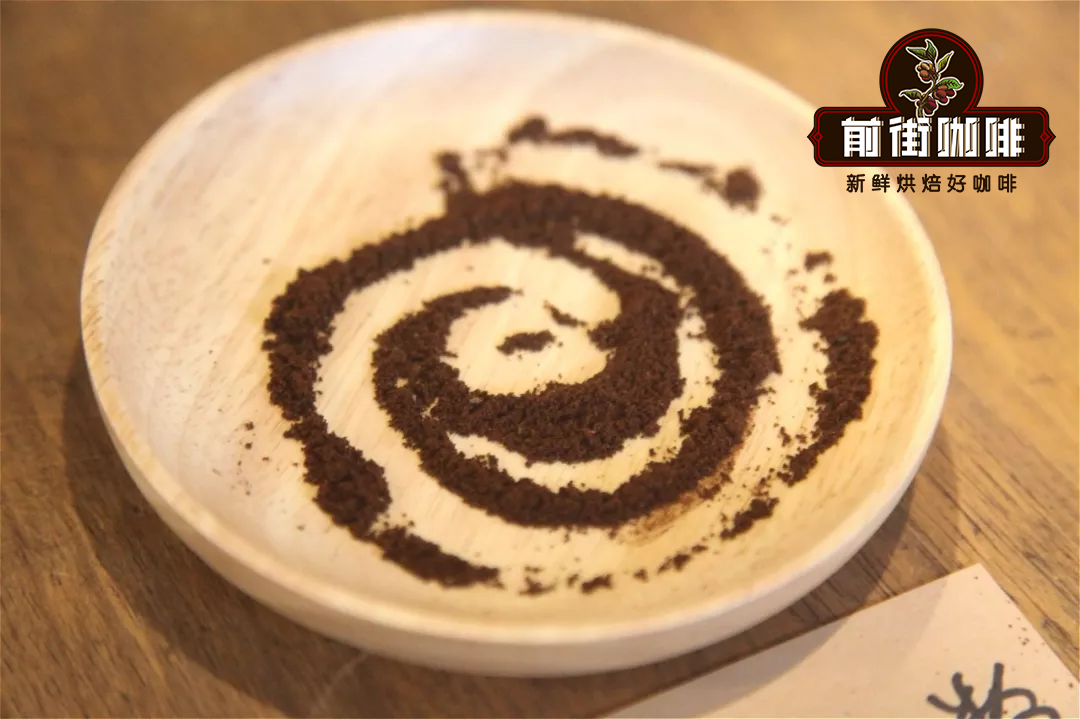
So what does the brewing process actually look like? Rather than keep talking, let us walk through it. First, though, a few parameters that govern extraction.
Coffee Grind Size
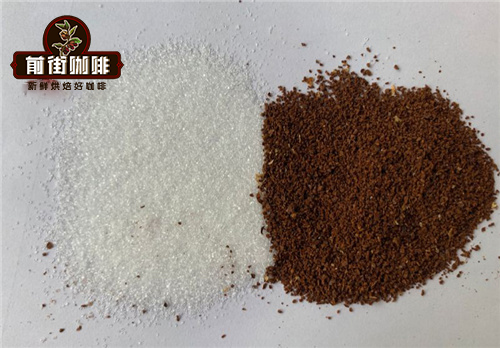
Good coffee needs the right grind to show its best. The most common reference point is sugar, which is genuinely comparable in particle size. Pour-over grind generally falls in the 600-800 micron range, close to the texture of granulated sugar.
The finer the grind, the greater the surface area in contact with water and the higher the extraction efficiency; the coarser the grind, the smaller the contact area and the lower the efficiency. FrontStreet Coffee uses an 850-micron sieve as its reference, with pour-over grind passing through at roughly 80%.
Water Temperature
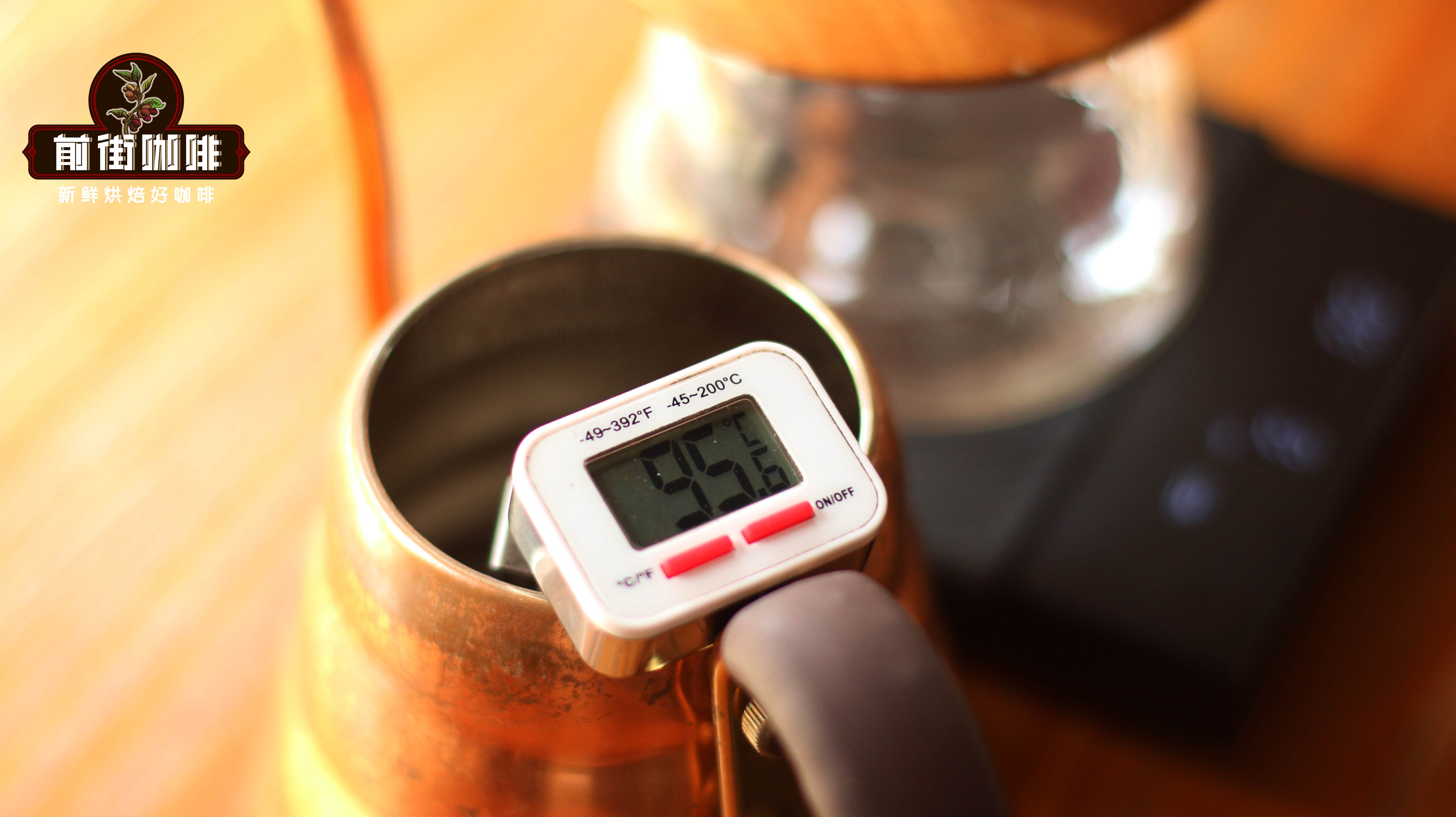
Water temperature directly affects extraction efficiency: the hotter the water, the faster the extraction, and the cooler the water, the slower it is. In practice, brewers work anywhere from 80°C to 96°C. Understanding the principle matters more than memorizing a number, because the right temperature shifts with the roast level of the beans.
Light to medium roasts are denser and resist extraction, so a higher temperature (90°C-93°C) works well. Medium to dark roasts are more porous and prone to over-extraction, so a lower temperature (86°C-89°C) is a safer choice.
Coffee-to-Water Ratio
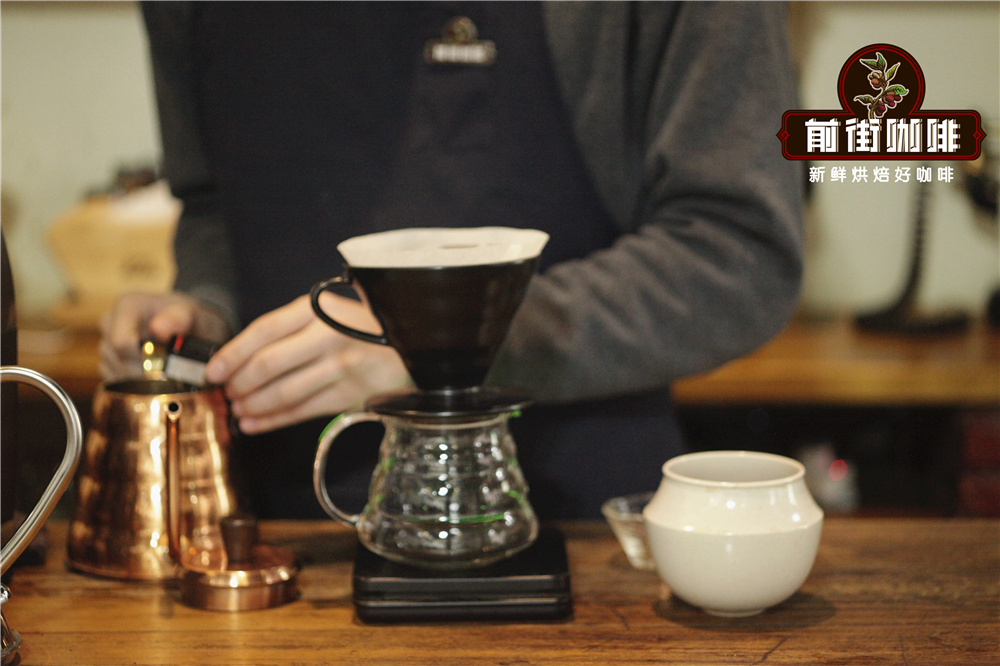
The ratio of grounds to water determines the strength of the cup. FrontStreet Coffee generally brews at 1:15. That is a reference point, not a rule—palates vary widely, so adjust freely. If you like a richer, heavier cup, try 1:13; if you prefer something lighter, move toward 1:16.
Time
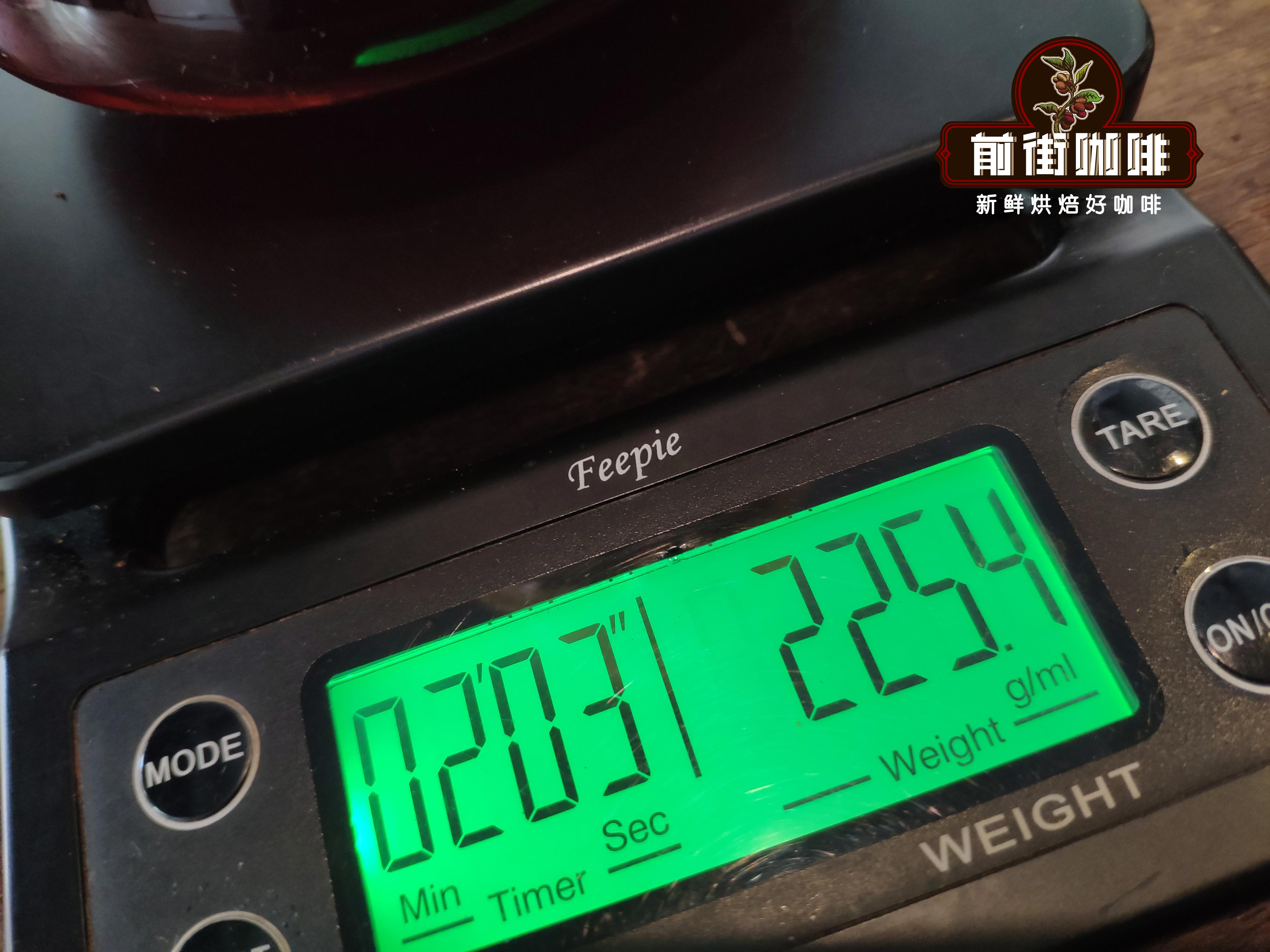
Brewing time depends on many variables: grind size, dose, ratio, the characteristics of the filter cone, and your pouring technique, so no single number fits every case. That said, brewing a cup of pour-over with 15-20g of grounds typically takes about 1 minute 30 seconds to 3 minutes, excluding special methods such as Japanese-style brewing.
FrontStreet Coffee's Pour-Over Brewing Process
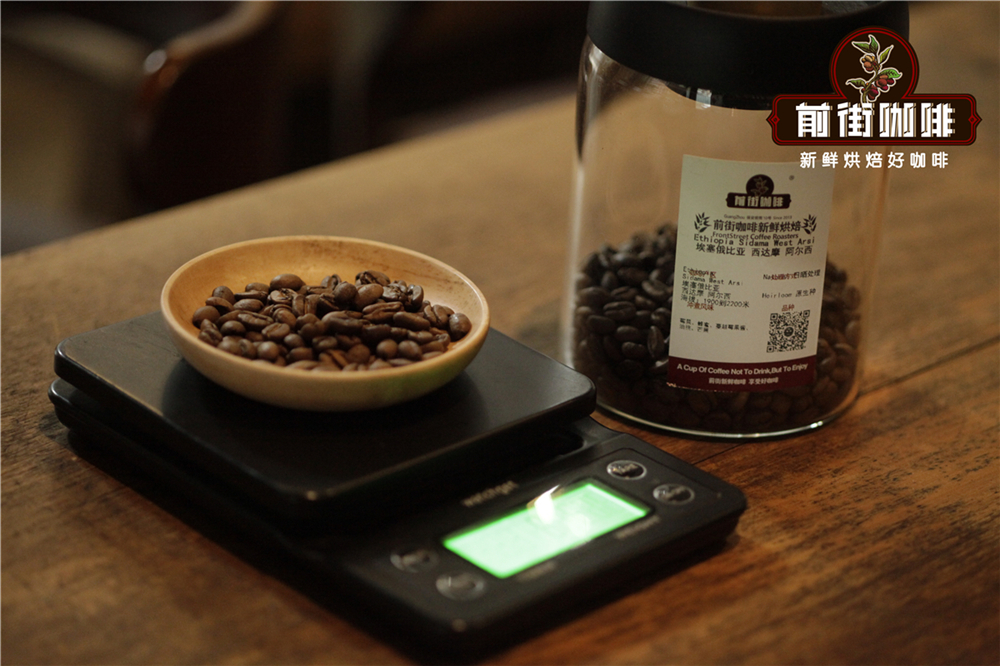
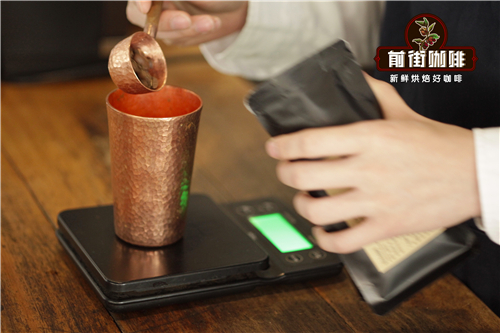
① Weigh the beans. FrontStreet Coffee generally uses 15g of coffee for a single pour-over.
② Prepare the filter cone and server, fold the filter paper, preheat the cone and server, and heat your water. The final preparation step is grinding the beans.
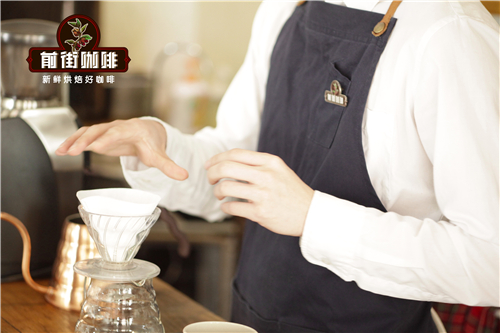
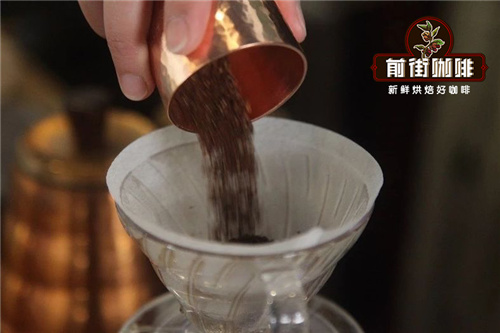
③ Add the grounds and gently shake and tap the cone to level the bed. A level bed keeps the hot water from channeling into one spot when you pour.

④ Start pouring: add 30ml of hot water, beginning at the center of the bed and slowly widening the circle to saturate the grounds evenly. Let it bloom for 30 seconds.
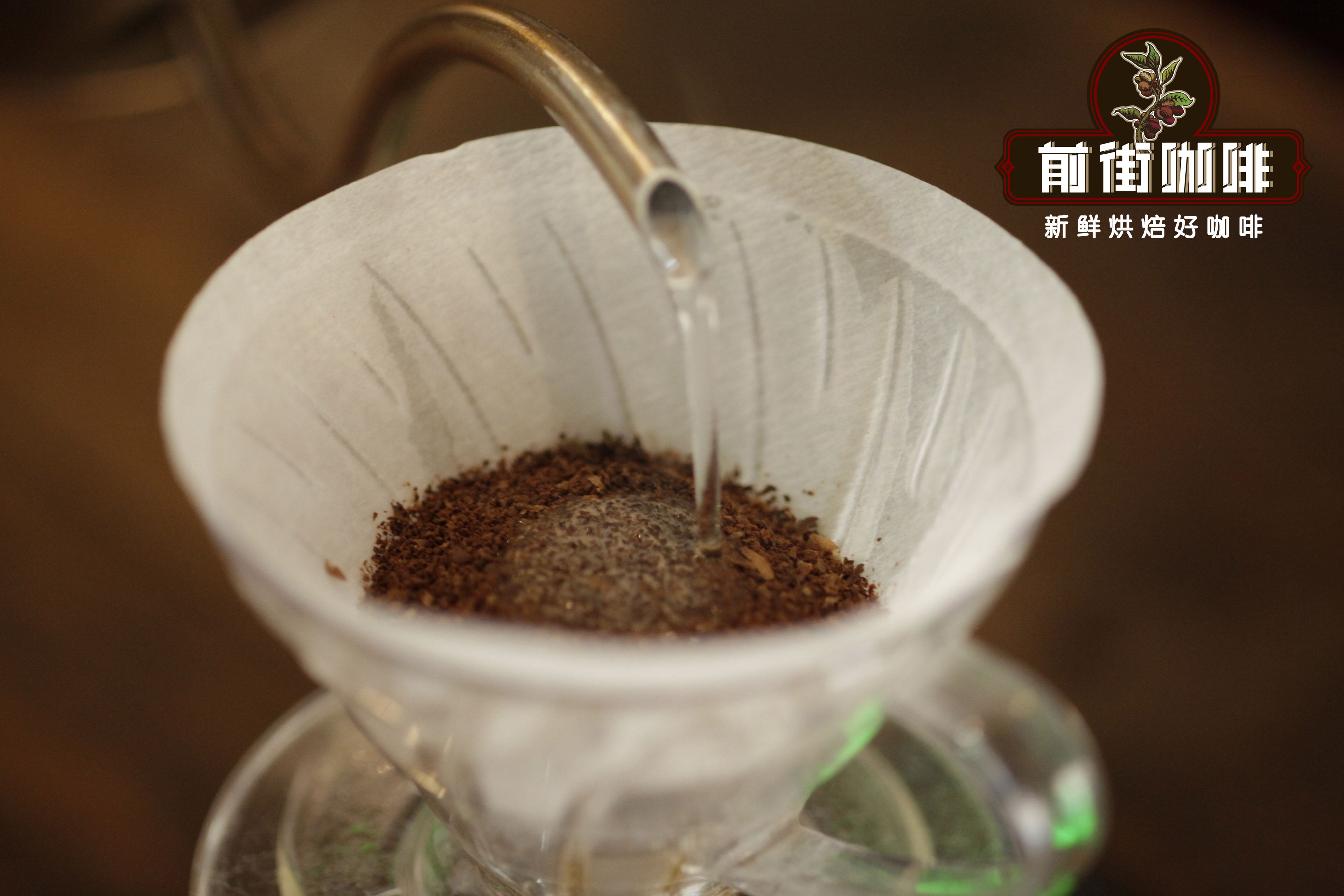
⑤ Second pour: again start at the center and spiral outward, adding 100ml of hot water with a slightly faster motion than the first pour.
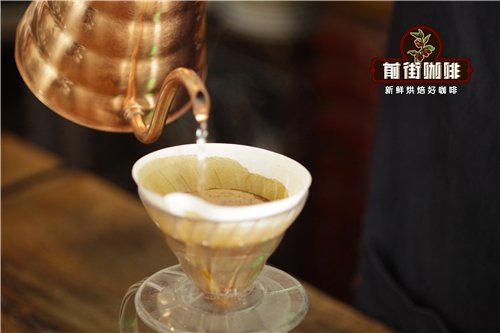
⑥ Third pour: just before the coffee bed is exposed, pour 95ml in concentric circles.
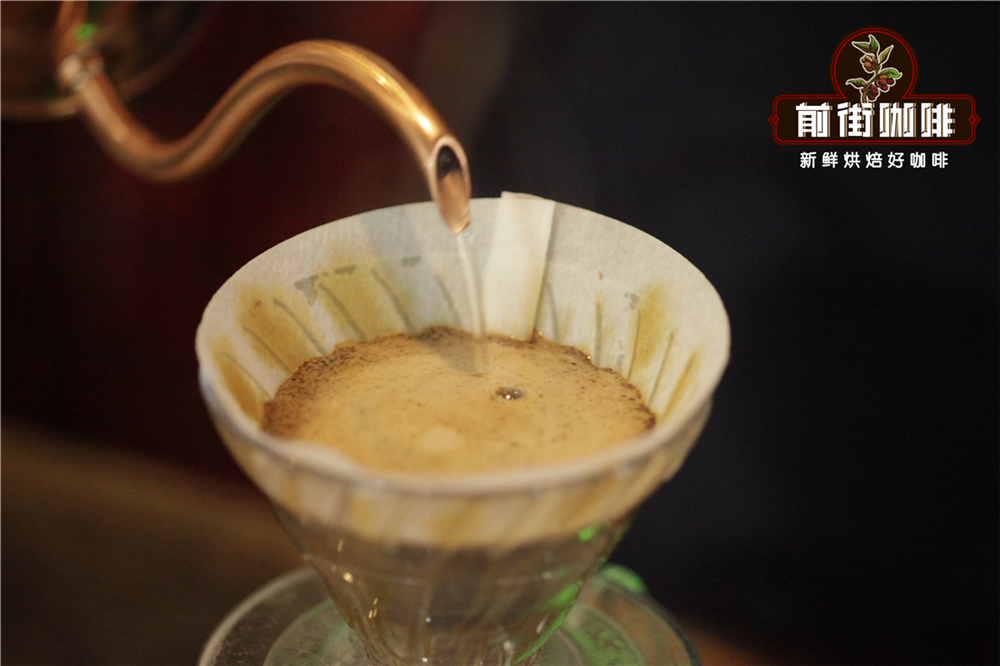
⑦ Once all the coffee has drained into the server, remove the cone immediately to end extraction. Total brew time: 2 minutes.
Simple, isn't it? If you are new to pour-over, pick up your kettle and give it a try right now.
FrontStreet Coffee Recommendation
The Hario V60 is the cone FrontStreet Coffee reaches for most often, and its fast flow rewards coffees with bright acidity and layered aromatics. Three of our beans pair especially well with it. FrontStreet Yirgacheffe Guodingding, from Ethiopia, is a classic first step into specialty coffee: pronounced citrus, berry and floral notes with a green-tea-like finish, and a soft, bright acidity that tastes like fruit rather than sharp sourness. FrontStreet Ethiopia Hua Kui is the other obvious pick—its tropical fruit aromatics are strikingly intense, with strawberry, passion fruit, jackfruit and even lychee, plus a sweetness so prominent and a bitterness so low that many drinkers call it the coffee that does not taste like coffee.
For a cleaner, more refined cup, try FrontStreet Panama Emerald Estate Red Label Geisha. It brings elegant jasmine florals and delicate citrus, bergamot and black-tea notes, with a transparent body, a long finish and real depth. It costs more than most specialty coffees, but its aromatics remain one of the experiences coffee lovers chase for years. If you prefer a bolder, brighter fruit profile, FrontStreet Kenya Cherry Tomato is a washed Kenyan coffee from the Sika region, grown at 1,550-1,750 meters from SL28 and SL34, with 72-hour double washed fermentation and a light roast. Expect dried cherry tomato and florals in the dry aroma, a clear cherry tomato and smoked plum acidity up front, pear and black plum through the middle, and a clean, lingering finish of yellow sugar and green tea.
Grind all of these for pour-over at the 600-800 micron setting described above, brew at 1:15 with 15g of coffee, and use water at 90°C-93°C since they are light roasts. Pour 30ml to bloom for 30 seconds, then 100ml, then 95ml, and finish around 2 minutes. That recipe plays directly to the V60's strengths and lets the floral and fruit notes come through cleanly.
Important Notice :
FrontStreet Coffee is a long-established specialty coffee roaster in Guangzhou China, selling freshly roasted beans from its own farm in Yunnan as well as dozens of carefully selected single-origin beans from around the world for both pour-over and espresso. The products deliver consistently excellent quality and great value, with shipping within 24 hours. Guangzhou's FrontStreet Coffee shop is recommended by many coffee lovers, and the beans are now available online at the Tmall 。
FrontStreet Coffee has moved to a new address:
FrontStreet Coffee Address: 315,Donghua East Road,GuangZhou
Tel:020 38364473
 Scan and follow the En Gafei WeChat official account. Please indicate that the reprint comes from "En Gafei".