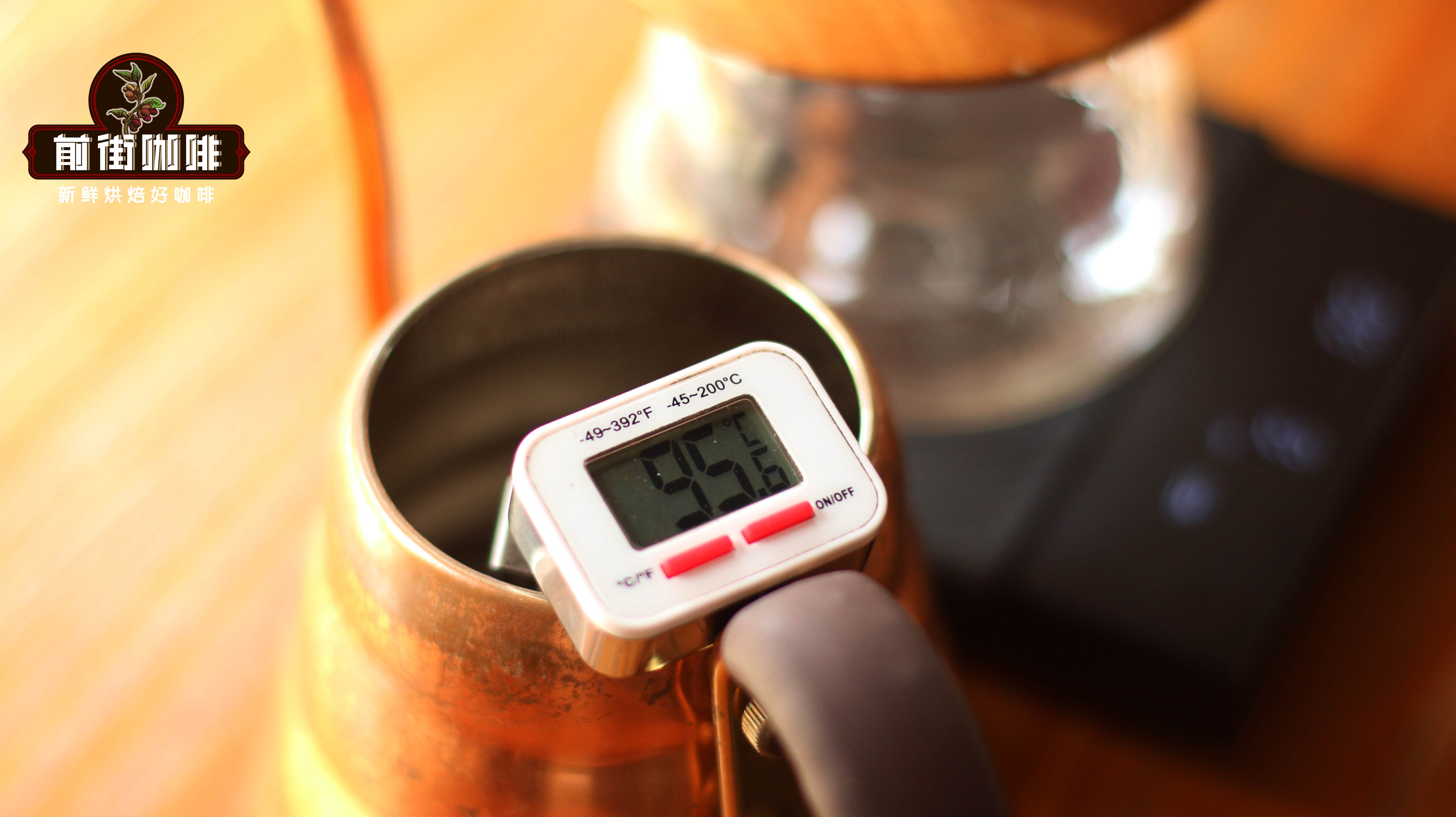
What's the Ideal Temperature for Pour-Over Coffee? Five Techniques and Features for Drip Bag Pour-Over Black Coffee
When newcomers to coffee step into a new cafe, they often order a pour-over. Half the pleasure of drinking coffee out is watching the barista prepare the beans you have just chosen.
Interestingly, every barista uses different equipment, water temperatures and other variables. Once you know the basics of pour-over, you can read a barista's technique from the basic information about the beans.
Compared with an office coffee machine, some people wonder whether pour-over is really better than machine-made coffee. FrontStreet Coffee ran a comparison and wrote it up on their official account: drip machines are usually factory-set for water temperature, pouring pattern and other parameters before they leave the factory. As the user of such a machine, the only variables you control are the dose of grounds and their grind size. That is why different brands, types and designs of drip machine produce different flavors and textures even with the same beans - some taste good, some do not.
FrontStreet Coffee's most recommended approach is the fully manual, hands-on process. If you prefer cold coffee, try cold brew, iced drip or iced pour-over. If you like hot coffee, pour-over is the way to go.
Anyone who has visited a FrontStreet Coffee shop knows the company serves two kinds of coffee: espresso and drip, the latter limited to iced drip and pour-over. Among all of them, pour-over is the most frequently served offering.

FrontStreet Coffee's Brewing Philosophy
FrontStreet Coffee's baristas have written many articles explaining the basics of pour-over, such as grind-size standards and water temperature. With nearly fifty different coffees on the menu, how do the baristas build a brewing plan for each bean's character? The roast depth determines water temperature, grind size and filter cup.
Brewing Methods by Roast Level
African coffees, for example, are characterized by bright acidity and are mostly medium to light roasted. Because of the lighter roast, compounds dissolve more slowly. To extract good acidity and aroma, higher water temperatures (93°C) and finer grinds (80% pass-through on the China standard #20 sieve) are used. Since higher temperatures speed up dissolution, a faster-flowing filter cup is used to avoid over-extraction from prolonged contact between water and grounds (FrontStreet Coffee recommends the Hario V60).
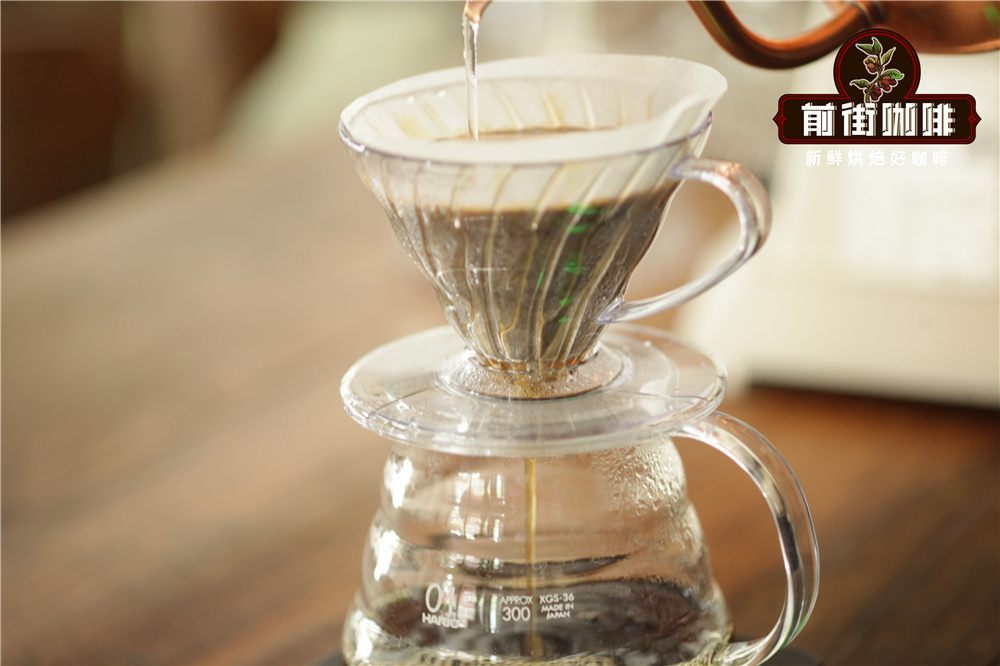
For darker roasted beans, compounds dissolve more quickly, so lower water temperatures (88°C) and coarser grinds (70% pass-through on the China standard #20 sieve) are used. Because the temperature is lower, dissolution slows down. To avoid under-extraction from water passing through the grounds too quickly, a slower-flowing filter cup is used (FrontStreet Coffee recommends the KONO filter cup).

Feeling inspired to brew for yourself? FrontStreet Coffee will first recommend a few pour-over beans so you can try both methods.
Coffee Bean Recommendations
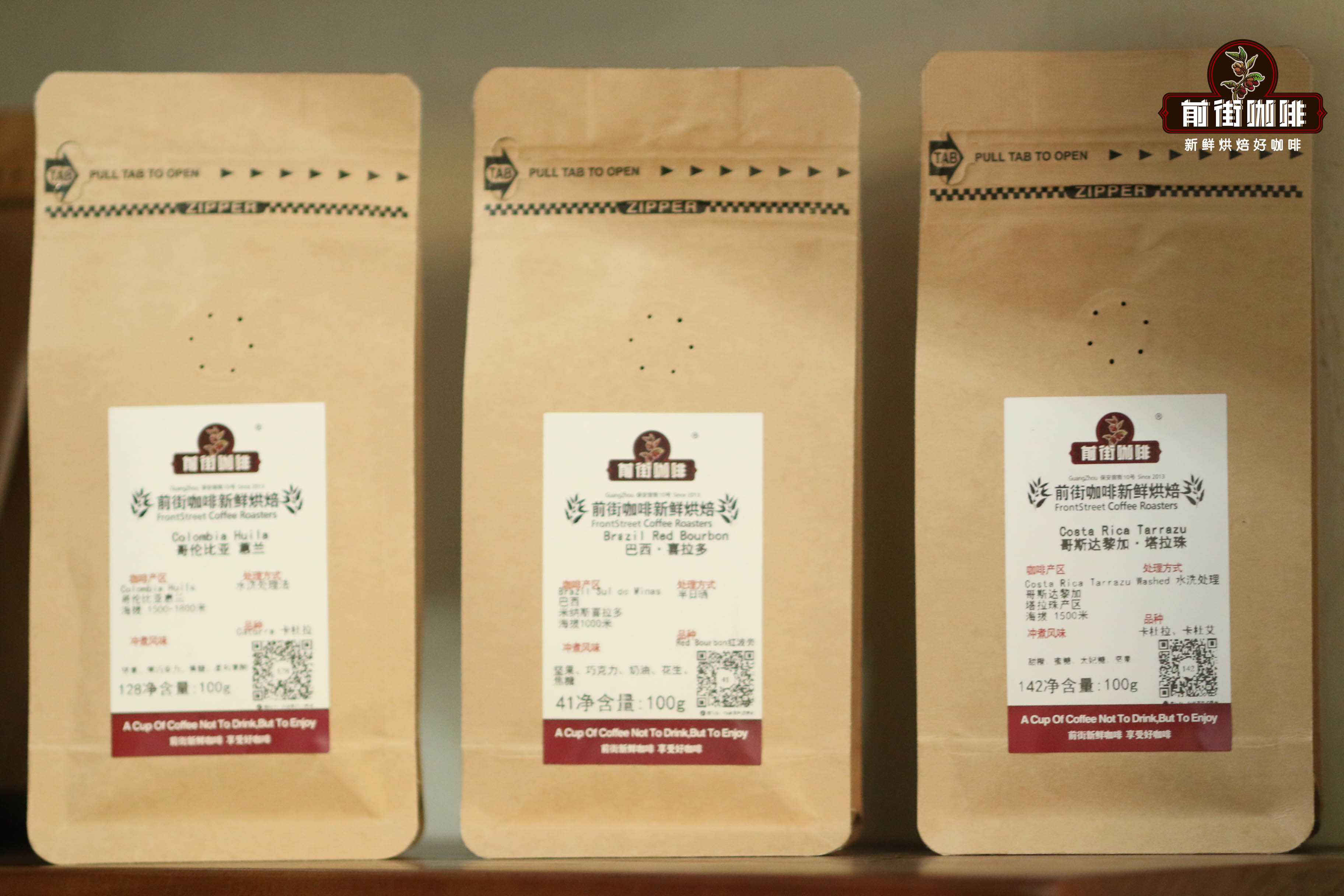
As a light-roast representative, try the washed Yirgacheffe from FrontStreet Coffee's daily bean series. That series gathers beans from the major producing regions and offers great value for beginners who want to discover their preferred regional flavors quickly. To help drinkers taste the most fundamental regional characteristics, most beans in the series are washed.
Ethiopia is the coffee-producing country beginners hear about and taste most often. Within Ethiopia, Sidamo and Yirgacheffe are the most famous regions. Sidamo coffees are predominantly natural processed, characterized by berry acidity, a creamy texture and aromatic qualities. Yirgacheffe, by contrast, has been presented washed since the 1970s. Washed Yirgacheffe shows intense white floral aromas, lemon acidity and a clean, refreshing mouthfeel that is genuinely captivating.
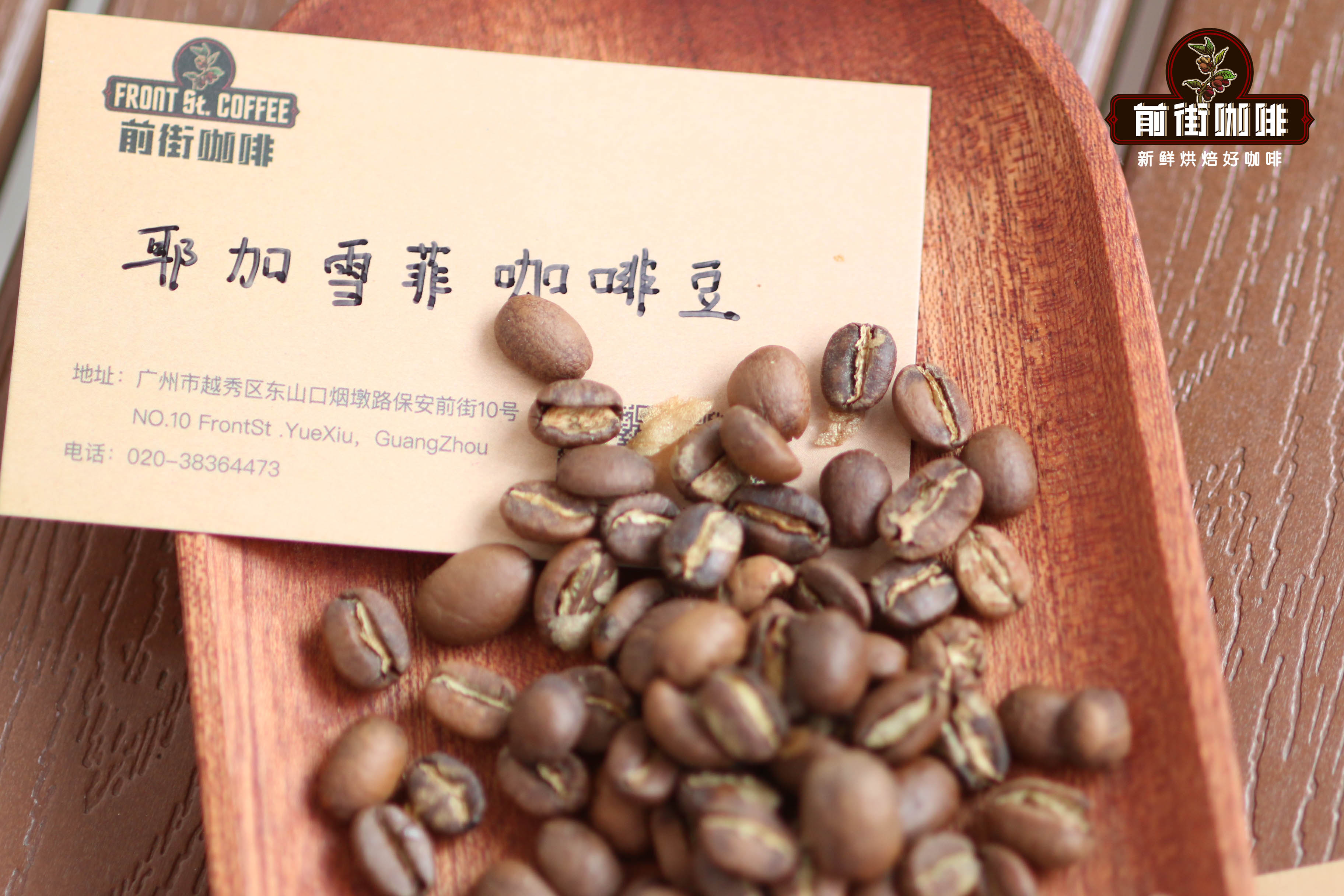
FrontStreet Coffee: Washed Yirgacheffe Coffee Beans
Region: Ethiopia Yirgacheffe Region
Altitude: 1800-2000 meters
Variety: Local indigenous varieties
Processing: Washed processing
Brewing flavors: Jasmine, berries, lemon, citrus
Yirgacheffe was originally part of Sidamo, but because of Yirgacheffe coffee's unique white floral character, farmers from other Ethiopian regions began labeling their coffee as Yirgacheffe. In the end, Yirgacheffe had to be separated from Sidamo to become its own district.
FrontStreet Coffee's dark-roast representative also comes from the daily bean series - a Mandheling from Sumatra, Indonesia. Like Blue Mountain coffee, Mandheling earned its fame in the last century, with richness as its hallmark. It is also the first choice for anyone who dislikes pronounced coffee acidity.
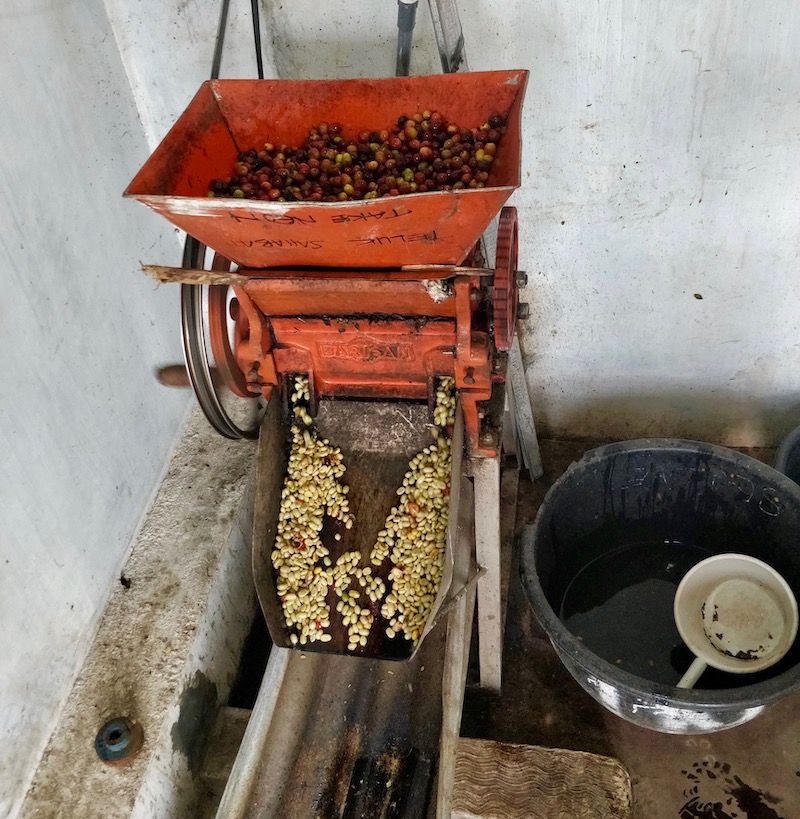
The unique post-harvest processing traditions of Sumatra, Indonesia, give Mandheling its distinctive flavor, and Mandheling's profile is what made this processing method famous. Indonesia's unpredictable weather does not meet the conditions natural processing requires, and local economic constraints played a role too, so a unique semi-washed method - wet-hulling - was developed.
Beans processed by wet-hulling have a thicker, smoother mouthfeel, and can reveal spice and herbal aromas as the temperature changes.
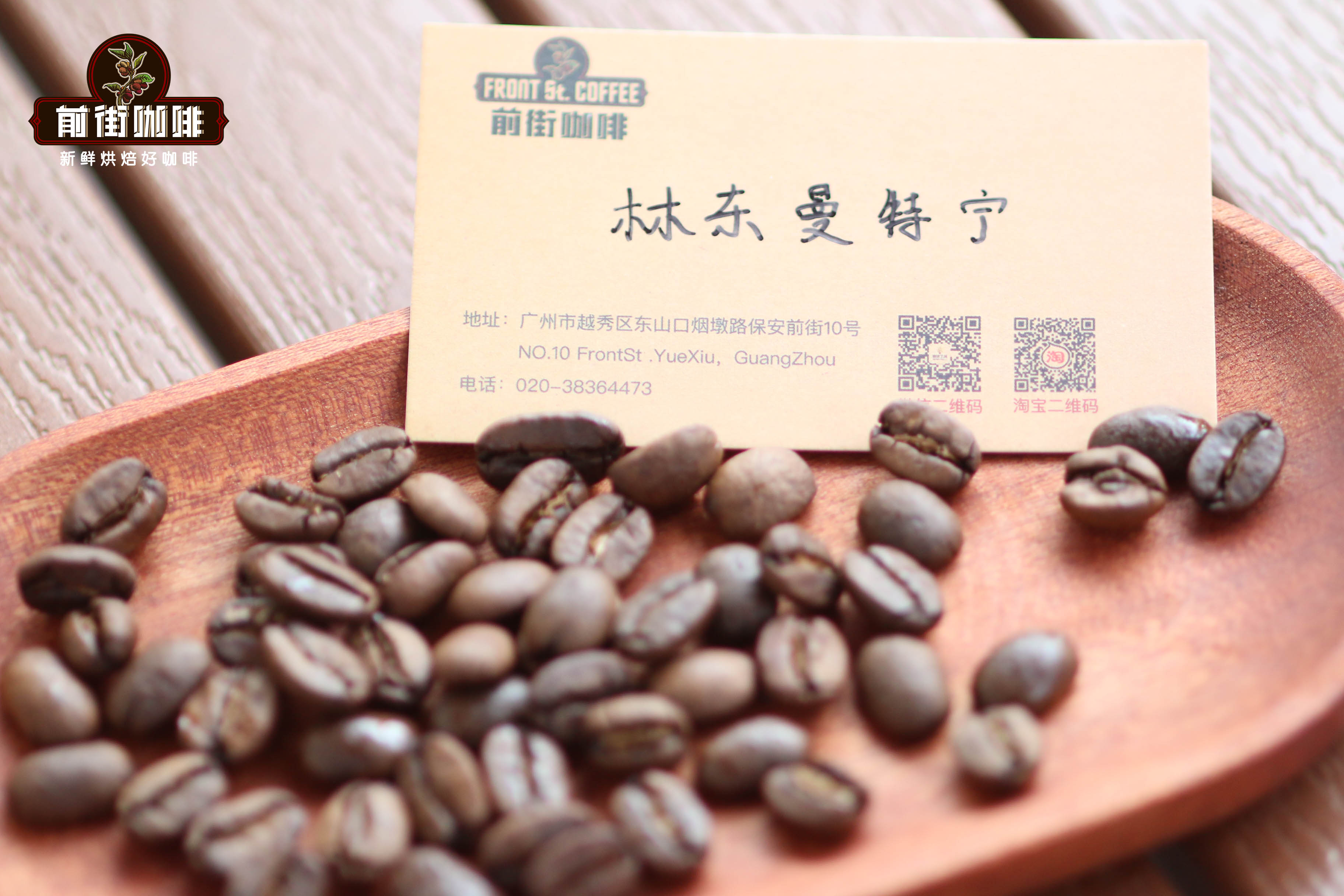
FrontStreet Coffee: Indonesia Mandheling Coffee Beans
Region: Indonesia Sumatra Lintong Region
Altitude: 1100-1600 meters
Variety: Tim Tim, Ateng
Processing: Wet-hulling method
Brewing flavors: Toast, nuts, caramel, pine, herbs
FrontStreet Coffee Recommendation
For the light-roast, high-temperature method described above, FrontStreet Coffee's washed Yirgacheffe Gedeb cooperative is a textbook example: an Ethiopia G1 washed lot with the jasmine, citrus and orange florals that reward a 93°C pour and a finer grind. If you want to push the fruitier end of the spectrum, FrontStreet Coffee's sun-dried Huakui is another medium-light option whose tropical fruit and honeyed sweetness bloom under the same regimen. Brew one with each method side by side and you will feel the difference roast level makes in the cup.
Important Notice :
FrontStreet Coffee is a long-established specialty coffee roaster in Guangzhou China, selling freshly roasted beans from its own farm in Yunnan as well as dozens of carefully selected single-origin beans from around the world for both pour-over and espresso. The products deliver consistently excellent quality and great value, with shipping within 24 hours. Guangzhou's FrontStreet Coffee shop is recommended by many coffee lovers, and the beans are now available online at the Tmall 。
FrontStreet Coffee has moved to a new address:
FrontStreet Coffee Address: 315,Donghua East Road,GuangZhou
Tel:020 38364473
 Scan and follow the En Gafei WeChat official account. Please indicate that the reprint comes from "En Gafei".