The World's 10 Most Exquisite & Premium Coffee Beans - Ultimate Ranking of Elite Coffee Brands

Today, more than 70 countries worldwide grow and produce coffee. As cultivation and processing grow more refined, a wide range of coffee types and price levels has emerged. Ranked by price, which coffee is the most expensive? In this article, FrontStreet Coffee looks at the world's ten most expensive premium coffees.
1. Panama Gesha Coffee
If the coffee world had a ranking, Gesha would be its undisputed king. Over the past nearly 20 years, its popularity has been unmatched. Since being discovered in the original forests of Ethiopia 70 years ago, it shot to fame in 2004, winning consecutive championships in world-class competitions and captivating the global coffee community. Gesha prices have repeatedly set new highs: in 2013, Gesha fetched $350.25 per pound at the Best of Panama coffee auction; in 2019, it set an astonishing record price of $1,029 per pound.
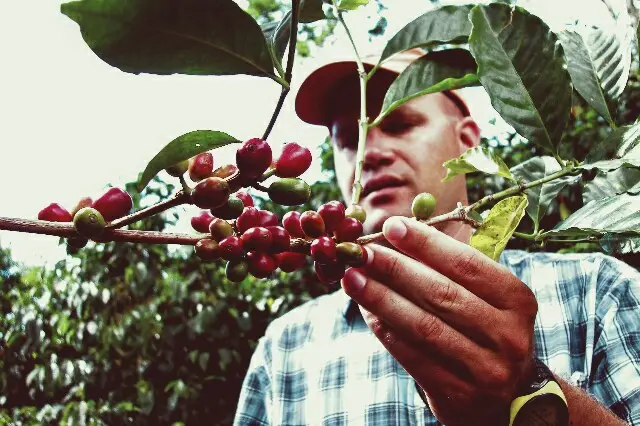
Gesha is extremely particular about its growing environment, requiring high altitude, fertile soil, cloud cover or plant shade, and no direct sunlight. The owner of Hacienda La Esmeralda has mentioned that the estate needs numerous shade trees to protect the delicate Gesha from direct sun, and that traditional pruning methods must be used at initial planting, otherwise the plants are prone to dying. Gesha planted at higher altitudes has a longer fruit maturation period and more complex, unique flavor characteristics. Unlike other coffee varieties, Gesha trees have very thin leaves, meaning low photosynthesis efficiency, fragile root systems, and very slow uptake of water and nutrients. Yields are therefore extremely low, and combined with high-altitude growing conditions, fruit maturation occurs relatively late.
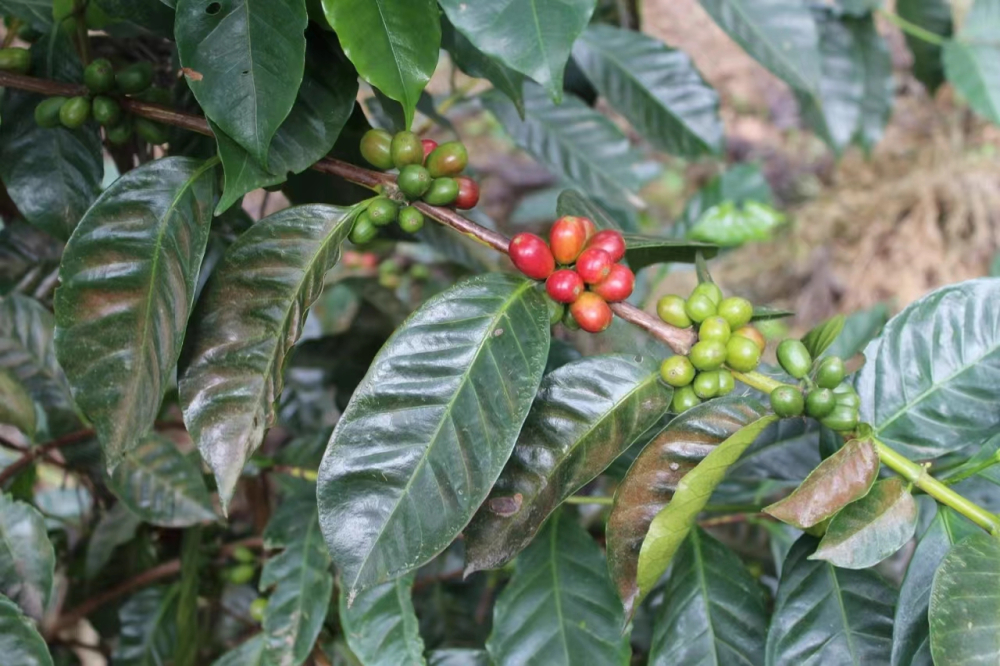
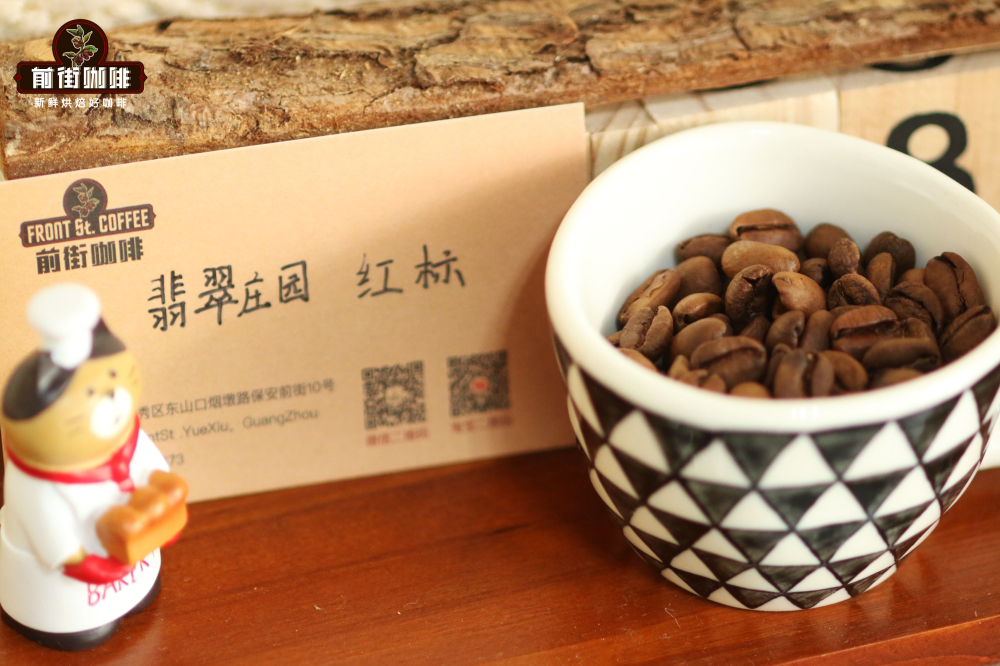
Gesha is now cultivated in many regions worldwide and has become the new king of specialty coffee, with Latin American countries such as Panama, Guatemala, and Colombia producing particularly fine examples. Panamanian Gesha stands out as the leader. When talk turns to Gesha, the most popular lot on FrontStreet Coffee's bean list is undoubtedly the renowned Gesha produced by Hacienda La Esmeralda, which is further divided by character into FrontStreet Coffee Emerald Red Label Gesha, FrontStreet Coffee Emerald Green Label Gesha, and FrontStreet Coffee Panama Volcanic Rock Gesha. High-quality Gesha offers captivating aromas of rose, citrus, berries, and honey, beloved by many coffee enthusiasts.
2. Kopi Luwak
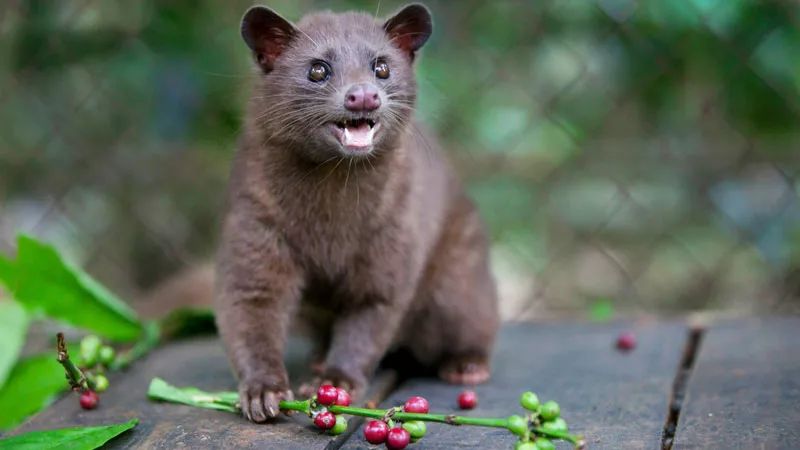
The raw material for Kopi Luwak is coffee beans collected from the feces of the Asian palm civet, the drink commonly called "civet coffee," produced in Indonesia. According to FrontStreet Coffee's research, because of complex processing and rare production, wild civet coffee beans can reach prices as high as approximately 50,000 yuan per kilogram, with the average cost per cup reaching over a thousand yuan.
In the early 18th century, the Dutch established coffee cultivation bases in parts of Indonesia while forbidding locals from harvesting and consuming their own coffee. Indonesians discovered by accident that the Asian palm civet loved eating these coffee fruits, and that after fermentation, digestion, and excretion, manual processing yielded beans with unique flavors. As Kopi Luwak grew popular, local farmers began capturing wild civets and raising them at home to increase production for higher profits. Because of the cruelty involved and out of concern for wildlife protection, Kopi Luwak has become increasingly rare on the market.
3. St. Helena Coffee
St. Helena is a remote volcanic island in the South Atlantic with a subtropical climate. Coffee trees there grow entirely on natural conditions, making the crop genuinely green and organic. FrontStreet Coffee found that its distinctive taste comes mainly from varietal advantage: St. Helena coffee is a premium Bourbon variety, Green-Tipped Bourbon, which naturally has low caffeine and elegant, pure flavors. As a volcanic island, St. Helena has soil unlike anywhere else, and because the island is relatively isolated, the coffee retains its original regional character. Local farmers also gather seabird droppings from the island as natural fertilizer, giving the trees extra nourishment.
In 1815, after his defeat, Napoleon was exiled to St. Helena, where he drank coffee daily and spoke highly of it. The celebrity association made the coffee enormously popular at the time and drew countless high praises. In 1845 it sold at one penny per pound, claiming the top spot in the London market and becoming the world's most expensive and distinctive coffee of the era.
4. Hawaiian Kona Coffee
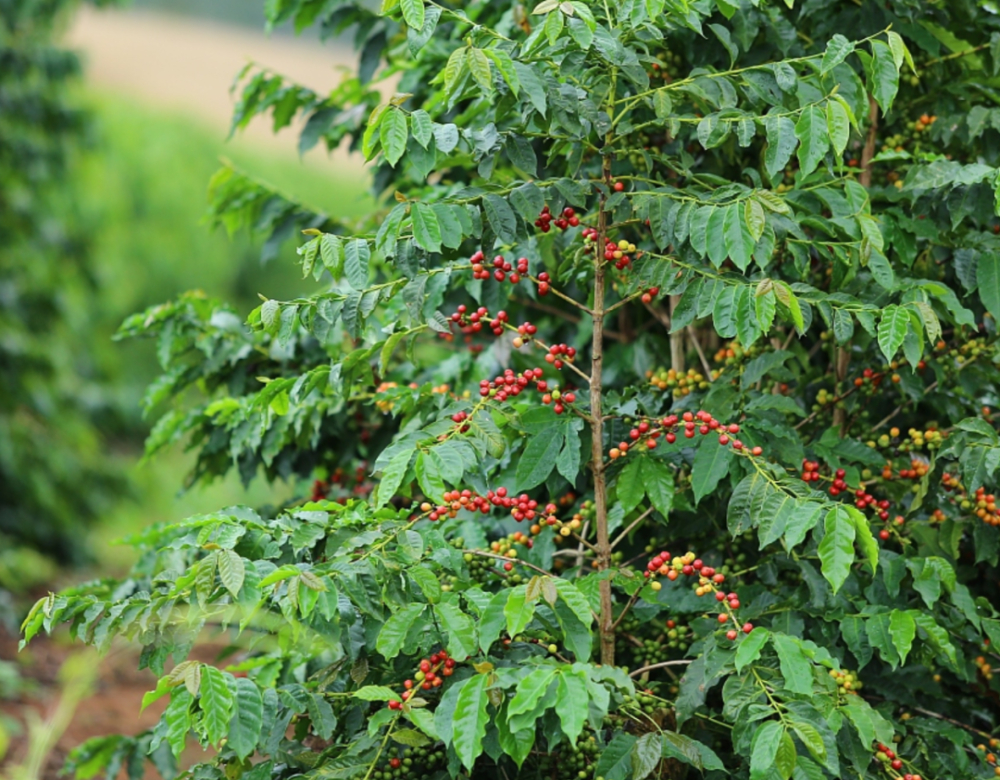
The Kona region lies in the Hawaiian Islands in the United States, featuring an island climate, nutrient-rich volcanic black soil, moderate acidity, and natural drainage on hillside slopes. Mornings are clear and sunny, afternoons cloudy and foggy (though Kona uses unshaded cultivation, the afternoon clouds form natural shade), and nights clear and cool. This unique climate, neither too cold nor too hot, is ideal for coffee. Kona's terroir and weather give the beans a perfect appearance with very full fruit. After processing and roasting, they show mild acidity, rich aroma, and a persistent aftertaste, with wine-like fragrances and mixed notes of fruits and spices.
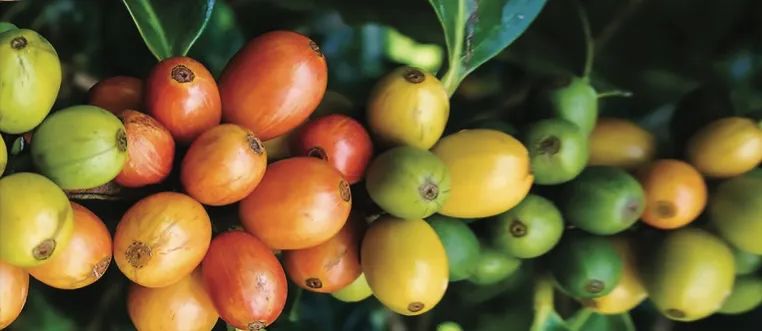
Kona beans command high prestige and prices because of their small production volume and high costs. An average coffee tree yields only about 22 pounds of coffee cherries. At a 14% bean-to-cherry ratio, that produces only 3 pounds of coffee beans after processing. Kona is planted on hillsides, and production is time-consuming and labor-intensive, requiring only manual harvesting. The single-origin cultivation cost per pound may exceed $14-15. Including labor, marketing, shipping, and taxes, the total cost per pound may reach $40-60.
5. Brazilian Fazenda Santa Ines Coffee
Fazenda Santa Ines is a renowned estate under Brazil's century-old coffee family group, Sertao Group, and the origin of Brazilian Onica specialty coffee. Santa Ines sits at altitudes around 900-1100 meters. The region's soil contains rich minerals with volcanic rock components, offers exceptional water quality with diverse natural mineral springs, and features varied microclimates. Such conditions produce high-quality beans and make it one of Brazil's main specialty coffee regions.
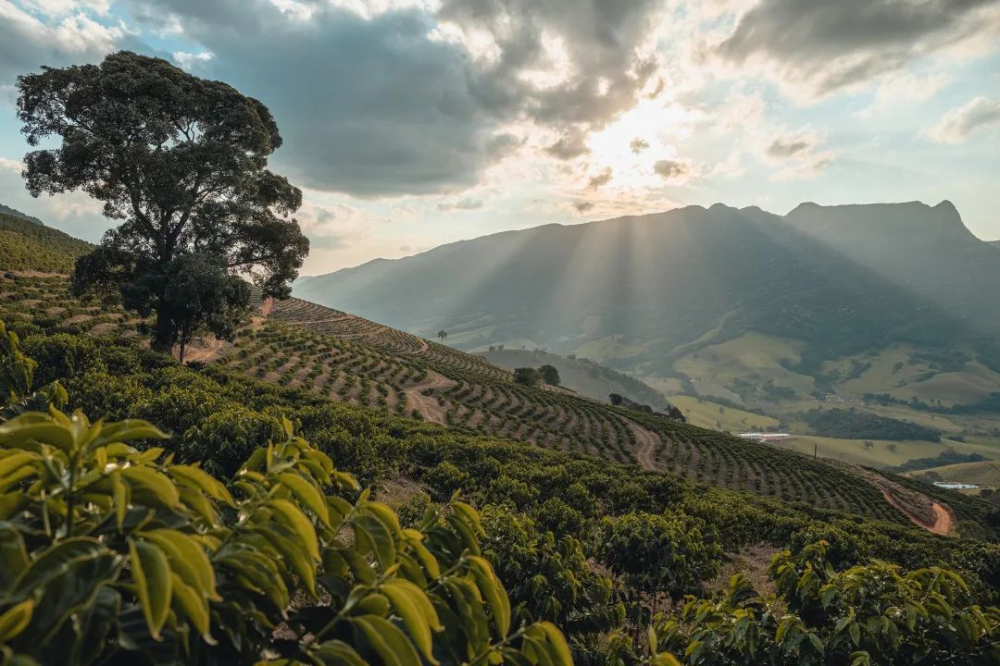
Thanks to these conditions, beans from Fazenda Santa Ines have always drawn attention. The estate still uses traditional methods, harvesting by hand rather than by machine. Coffee from here has strong fruit acidity, sweet berry flavors, and nutty or caramel sweetness with a long aftertaste. In recent years Fazenda Santa Ines has become one of Brazil's premier growing regions, multiple times winning championships in the world-renowned Cup of Excellence (COE) specialty coffee competition.
6. Jamaican Blue Mountain Coffee
The Blue Mountains are the highest part of Jamaica's terrain, with overlapping ranges forming a unique microclimate. The rainforest climate brings concentrated rainfall, and nutrient-rich volcanic ash soil means coffee trees here need minimal irrigation and fertilization. Surrounded by mist, the cool, comfortable high-altitude growing area suits many crops, and locals typically plant coffee trees alongside banana trees. To maintain quality, the Jamaican Coffee Industry Board stipulates that only Typica variety coffee grown at altitudes between 910 and 1700 meters may bear the name "Jamaica Blue Mountain Coffee."
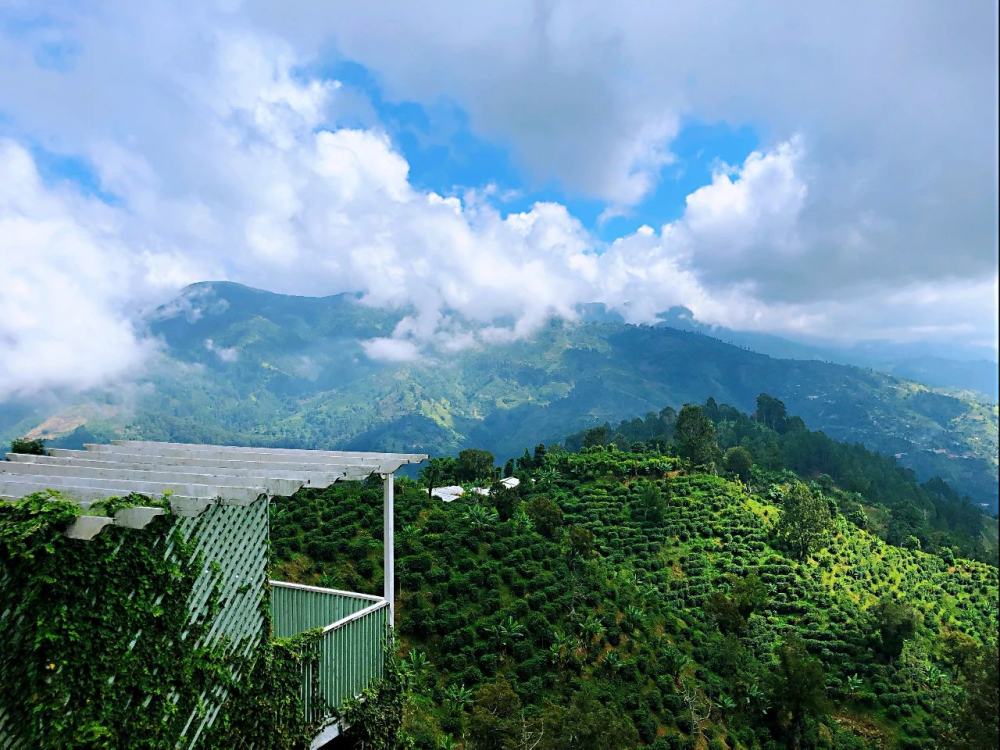
The high-altitude Blue Mountains have uneven terrain, making management and harvesting very difficult and requiring skilled picking crews, which further affects production. In recent years, less than 15% of coffee produced in Jamaica, about 900 tons, can carry the Blue Mountain coffee label. After harvest, cherries are immediately taken to processing facilities for washing, depulping, and drying.
In the 1960s, Jamaica was hit by hurricanes and multiple industries fell into difficulty, including coffee. At the time, Japan's UCC Corporation provided financial assistance to Jamaica's coffee industry and introduced scientific ecological cultivation methods. The Jamaican government signed a 30-year contract with Japan, agreeing to supply 90% of premium Blue Mountain coffee quotas to Japan, which created the high price and scarcity that surrounded Blue Mountain coffee. During the 2008 global economic crisis, Jamaica distributed more Blue Mountain quotas to other countries, and with the growth of China's coffee market demand, many Chinese merchants can now import Blue Mountain coffee beans directly from Jamaica. FrontStreet Coffee's Jamaica Blue Mountain No. 1 coffee is produced by the historic Clifton Mountain Estate, using traditional washed processing. After roasting it shows refined coffee aroma, a smooth, balanced flavor, mild acidity, and a persistent sweet aftertaste.

7. El Salvador Los Planes Coffee
El Salvador, once the world's fourth-largest coffee-producing country, saw its entire coffee industry devastated by decades of civil war. With the war over, local coffee has been revitalized. Los Planes is a premium coffee from this Central American country.
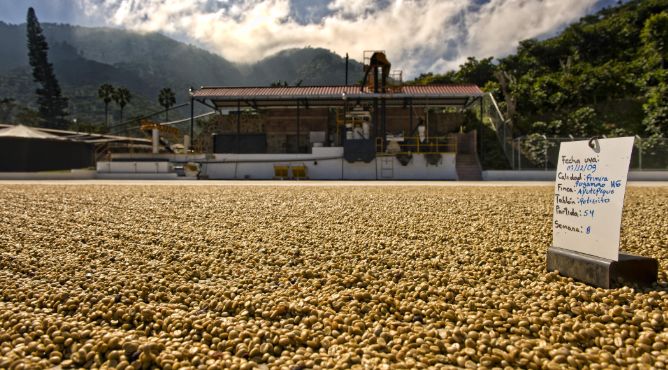
The coffee is grown in the Chalatenango mountainous region and cultivated by the Sergio Ticas Yeyes family, who have run coffee plantations for generations. Their coffee won second place in 2006 and sixth place in 2011 at the Cup of Excellence competition, leaving no doubt about its quality. Combined with unique, balanced flavors of orange, caramel, and brown sugar, it has become a favorite of many coffee enthusiasts.
8. Honduras Mi Esperanza Coffee
Honduras is a mountainous country in northern Central America, bordered by the Caribbean Sea to the north and the Gulf of Fonseca to the south, sharing borders with Nicaragua and El Salvador to the southeast and Guatemala to the west. Over three-quarters of its territory is mountains and plateaus, with ranges extending from west to east. The interior features lava plateaus with many intermontane valleys, while the coast has plains, and the tropical climate includes a rainforest climate on the coastal plains. Honduras has an excellent coffee environment in terms of microclimate, altitude, soil, and abundant rainfall. On FrontStreet Coffee's bean list, the wine-aroma coffee, FrontStreet Coffee Sherry Barrel, is produced in the Honduras region.

Mi Esperanza coffee performs exceptionally well. At an online green bean auction, an international buyer purchased 1,320 pounds of Mi Esperanza coffee beans at a record price of $35.10 per pound. The beans grow in superior natural environments and present layered flavors of fruits, nuts, chocolate, and spices, with rich aroma and no bitterness in the aftertaste, deeply loved by coffee enthusiasts.
9. Rwanda Blue Bourbon Coffee
Rwanda is a landlocked country in Central Africa, with every neighboring country a major coffee producer. Known as the "Land of a Thousand Hills," Rwanda is mostly mountainous plateau, with most coffee trees planted on mountains between 1,700 and 2,000 meters. Most of the country has a tropical highland climate and a tropical savanna climate, mild and cool. Roughly 33,000 hectares are planted to coffee, with 500,000 people engaged in cultivation. These growing conditions give Rwandan coffee distinctive flavors with fruity sweetness, floral fragrances, and a black tea-like aftertaste.
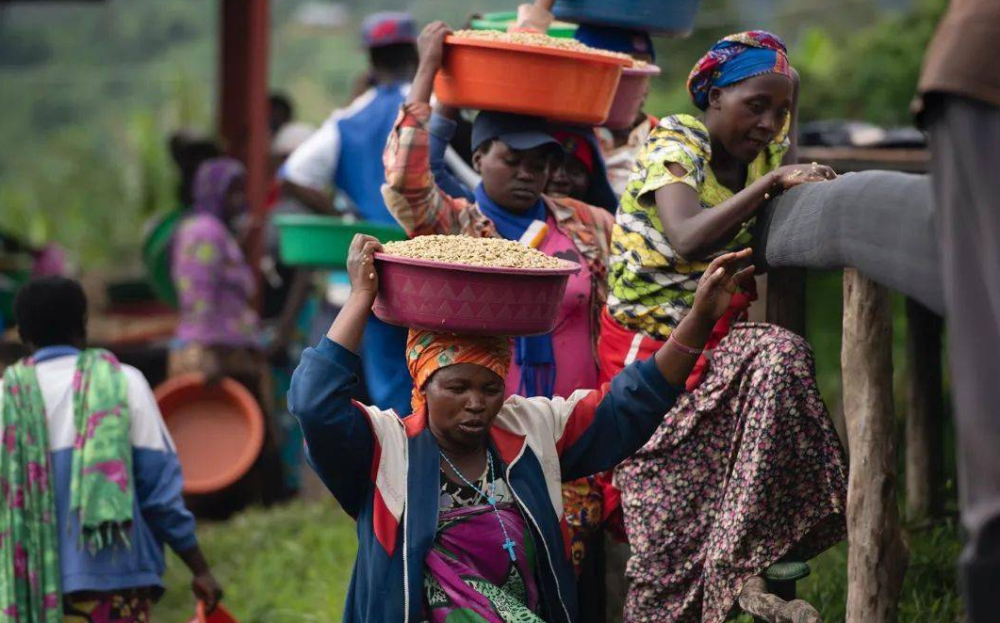
The locally cultivated Bourbon is one of the original varieties of Arabica, originally produced in Rwanda. In 2004, Starbucks decided to introduce this Bourbon, branding it under its own label. Starbucks Rwanda Blue Bourbon coffee is now available worldwide, featuring high acidity with cherry, butter, and various nut aromas and a long aftertaste.
10. Puerto Rico Yauco Selecto Coffee
Puerto Rico has a very long history of coffee cultivation. As a Caribbean island nation, commercial coffee growing began here as early as the 1860s. The nineteenth century was the golden age of Puerto Rican coffee, with Typica as the main variety and annual production of 15,000-28,000 tons, making it the world's sixth-largest producer at the time. The renowned Yauco Selecto AA has a mild fruit acidity and excellent viscosity, overturning the stereotype of island coffee as weak and watery, with strong nutty flavors. It was once praised as the king of island coffees and became a model that other island-producing countries emulated.

The Yauco region is rainy, especially in the high-altitude mountain areas where the soil is rich in nutritious clay. Under these conditions, the limited production of Yauco Selecto AA yields a full-bodied flavor with buttery notes and chocolate undertones in the aftertaste.
FrontStreet Coffee Recommendation
If this ranking shows anything, it is that Gesha sits at the top for a reason, and FrontStreet Coffee's list makes the variety approachable at several levels. FrontStreet Emerald Red Label Gesha is the estate's flagship line, formally named Esmeralda Special and grown between 1,600 and 1,800 meters. Every batch must cup above 90 points and carries its own lot number, and each lot comes from a single small plot, such as the Harimiyo block for FrontStreet's Red Label, so buyers can choose a batch by the subtle flavors they prefer. FrontStreet Emerald Green Label Gesha, formally the Private Collection, blends lots from several plots rather than emphasizing one, showcasing the estate's signature Gesha character at high altitude; because it is not plot-specific, it sells for less and offers very good value.
For anyone tasting Gesha for the first time, FrontStreet usually points to FrontStreet Boquete Gesha from Panama. It is an entry-level Gesha with pure genetics, washed so that the orange-blossom honey, the oolong tea sensation, and the fine fruit acidity come through clearly, and its price makes it easy to explore Boquete with different brew methods. FrontStreet also makes a more affordable blend, FrontStreet Strawberry Candy, pairing a Costa Rican honey-processed coffee with a Panama Gesha for a cup that has both delicate florals and sweet fruit, suited to pour-over, moka pot, espresso machine, and cold brew.
Gesha is a hard bean and tends to sink and clog the dripper, so FrontStreet suggests a medium-fine grind, roughly fine caster sugar, and water at 91°C. Brew 15 g in a small Hario V60 at a 1:16 ratio in three stages: 30 g for a 30-second bloom, a slow circling pour to 125 g, a pause until the bed drains halfway, then a final slow pour to 225 g, finishing in about 2:10 to 2:20.
Important Notice :
FrontStreet Coffee is a long-established specialty coffee roaster in Guangzhou China, selling freshly roasted beans from its own farm in Yunnan as well as dozens of carefully selected single-origin beans from around the world for both pour-over and espresso. The products deliver consistently excellent quality and great value, with shipping within 24 hours. Guangzhou's FrontStreet Coffee shop is recommended by many coffee lovers, and the beans are now available online at the Tmall 。
FrontStreet Coffee has moved to a new address:
FrontStreet Coffee Address: 315,Donghua East Road,GuangZhou
Tel:020 38364473
 Scan and follow the En Gafei WeChat official account. Please indicate that the reprint comes from "En Gafei".