Master Pour-Over Coffee: Essential Techniques and Key Elements
FrontStreet Coffee has said it plainly before: making a cup of coffee is easy, but making a good cup of coffee is difficult. Everyone knows that many factors go into brewing a good cup. Bean freshness, water temperature, grind fineness, and pouring all matter, and they are all interconnected, so truly brewing a delicious cup is no simple task.
Seven Factors Affecting Pour-Over Coffee
1. Coffee Beans
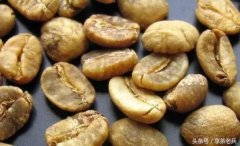
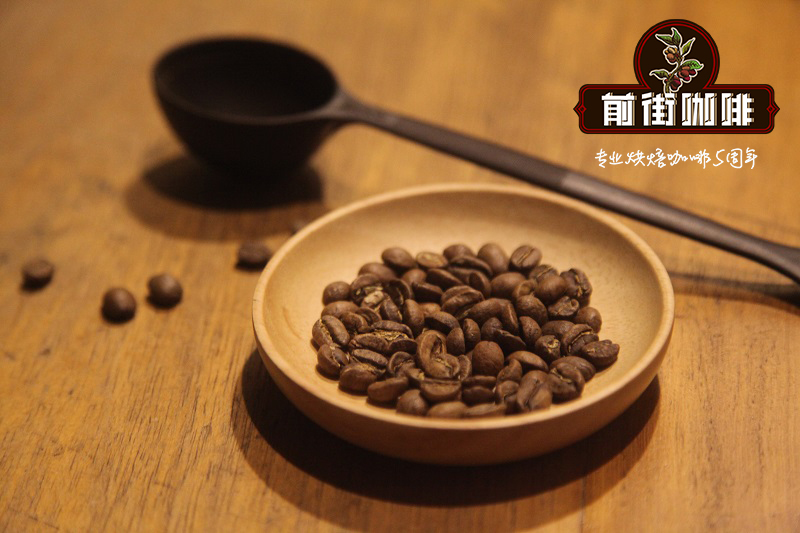
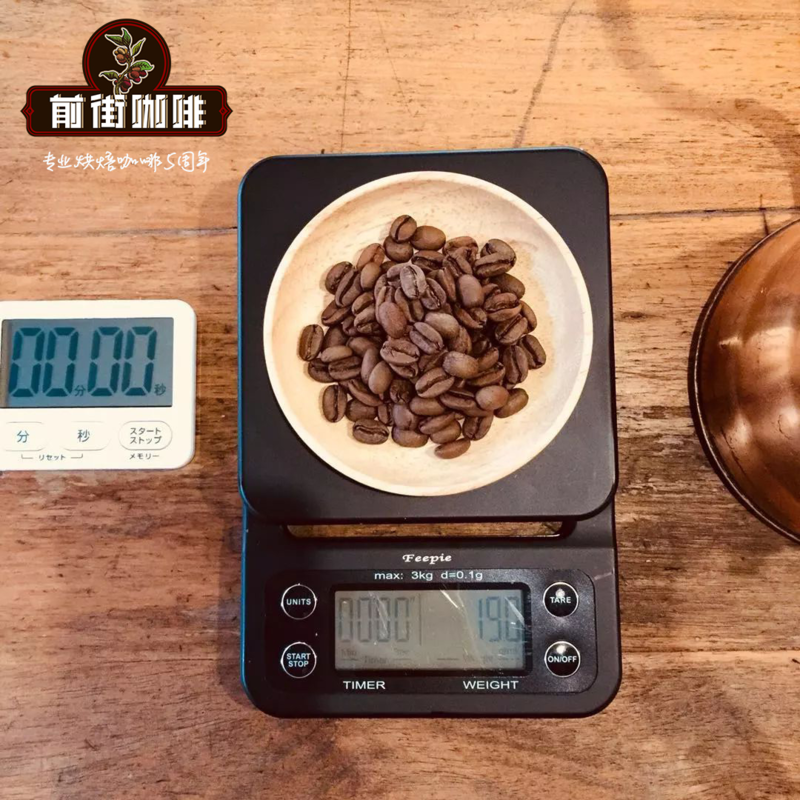
High-quality coffee beans are the foundation of a good cup. Pour-over usually uses single-origin beans, that is, beans from a single origin that better express the unique flavors of the growing region. Good beans show themselves in flavor, defect rate, and roasting freshness. Defective beans directly affect the overall flavor. It is also best to choose freshly roasted beans, since the optimal tasting period is generally 4-30 days.
Freshly roasted coffee usually needs a 4-7 day resting period. After resting, the flavors reach their peak, then gradually diminish.
2. Water Temperature
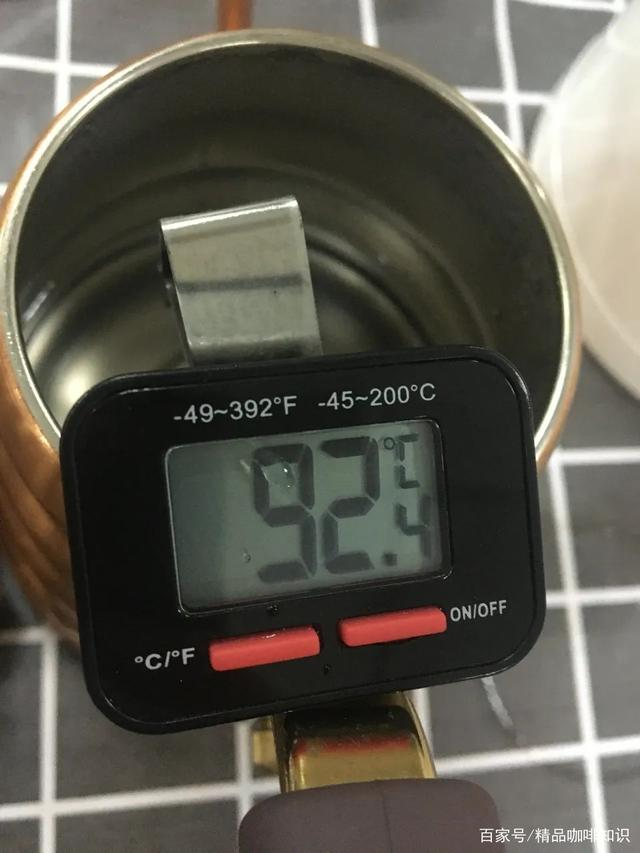
The optimal water temperature for pour-over is closely tied to the roast depth of the beans. Too high a temperature brings out more bitterness through over-extraction, while too low a temperature tastes too sour and lacks aroma. The most suitable temperature takes continuous experimentation. Generally, lightly roasted beans need higher temperatures to stimulate their aromas, with 93°C-95°C being more suitable, while dark roasted beans need slightly lower temperatures to keep the aroma from dissipating instantly, with 85°C-88°C being more appropriate.
3. Grind Size
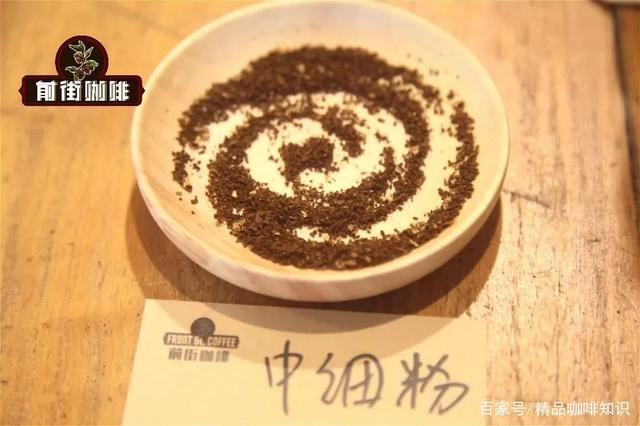
Good coffee needs the right grind size to reach its full flavor potential. The most common reference is sugar, which is indeed comparable. Pour-over grind size generally falls in the range of 600-800 microns, similar to the coarseness of sugar. The finer the grind, the larger the surface area in contact with water and the higher the extraction efficiency; the coarser the grind, the smaller the surface area and the lower the efficiency.
Start with sugar-sized particles as a reference, then make fine adjustments after brewing and tasting. If the coffee is too weak, for example, adjust slightly finer.
4. Water Quality
More than 98% of a cup of pour-over coffee is water, so water quality directly affects the result. The basic requirements are a TDS of 150 mg/L, no chlorine, and a pH value of 7-8. It is best to use filtered purified water or mineral water, checking the mineral water label. Generally, water with a smaller TDS value dissolves more substances.
5. Coffee-to-Water Ratio
The ratio of grounds to water directly affects the concentration of the coffee. The most commonly used ratio today is 1:15. This is not an absolute rule, only a reference. Personal tastes vary widely, so adjust to suit your own preference. Those who prefer a richer taste can choose 1:13; those who prefer a lighter taste can adjust to 1:16.
6. Pouring Technique
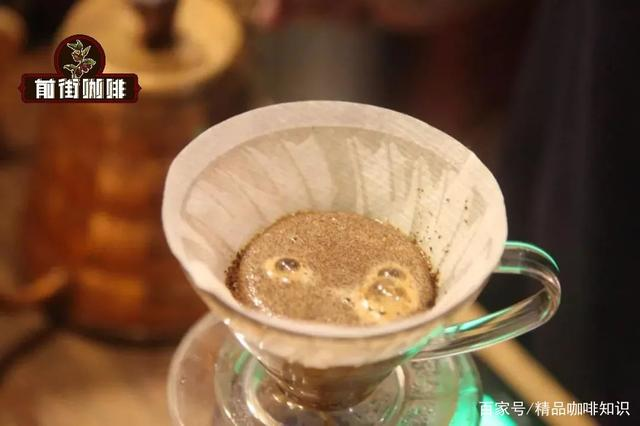
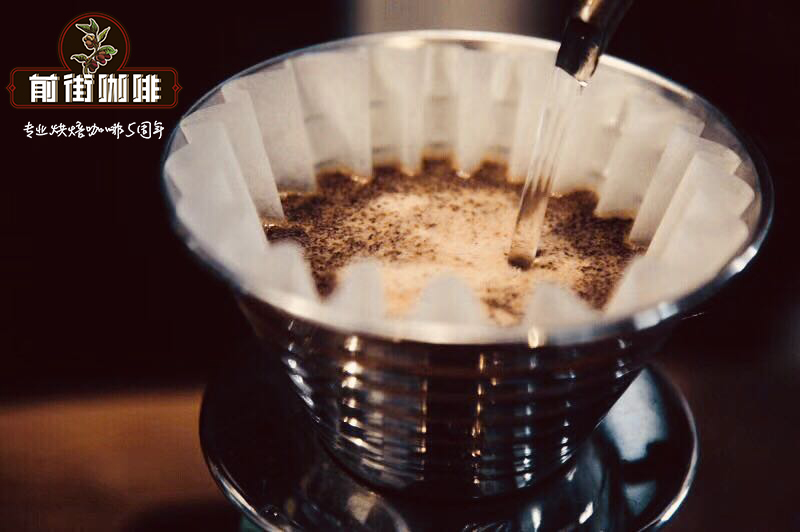
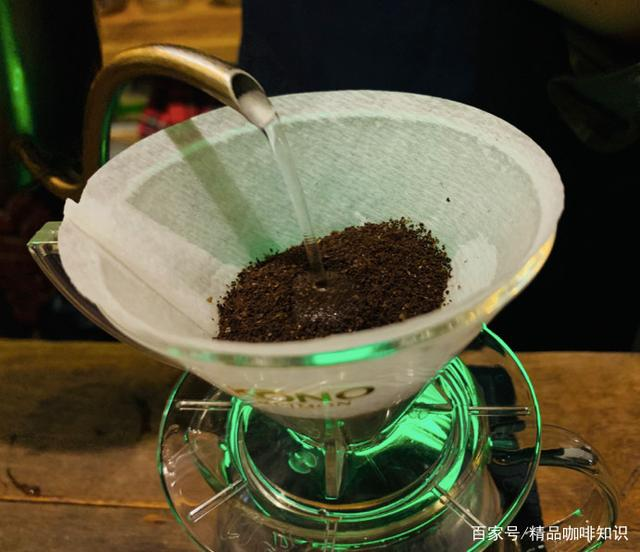
The pouring process varies by school of thought. Some complete the pour all at once for extraction in one go, while others divide it into multiple pours so the coffee extracts different flavors in the early, middle, and late stages. What stays constant is pouring water in circular motions from the center outward to ensure even distribution. The water-to-grounds ratio is roughly 13:1 to 15:1. During the pour, the water flow should not touch the filter paper wall, while also evenly moistening all the grounds during the circular motion. This is the most challenging part of pour-over, testing experience and technique.
7. Time
Brewing time involves many factors, such as grind size, amount of grounds, coffee-to-water ratio, dripper characteristics, and pouring technique, so an exact time cannot be given. Typically, however, brewing a cup of pour-over with 15-20g of grounds takes about 1 minute 30 seconds to 3 minutes, excluding special methods like Japanese-style brewing.
Conclusion
The parameters above are intricately interconnected and complementary. Bean quality and water quality are the most important factors in whether a cup is good, while grind size, water temperature, coffee-to-water ratio, time, and pouring technique complement one another. Finding your own balance point among them is key. This is a cumulative process that happens over time. Gradually, you will also develop a brewing method that belongs to you.
Pouring techniques can be roughly divided into five types: single-stage pour, three-stage pour, the four-six method, drip pour, and volcanic pour.
FrontStreet Coffee Recommendation
To put these seven factors to work, FrontStreet Coffee recommends beans that reward careful pouring, such as its Ethiopia Huakui and its Panama Strawberry Candy blend. Huakui's tropical-fruit sweetness and Strawberry Candy's rose-and-orange Geisha character come through beautifully with a V60, where steady flow and a balanced 1:15 ratio let the floral and fruity layers open up. FrontStreet Coffee favors a resin Hario V60 because it limits heat loss and keeps extraction consistent.
Important Notice :
FrontStreet Coffee is a long-established specialty coffee roaster in Guangzhou China, selling freshly roasted beans from its own farm in Yunnan as well as dozens of carefully selected single-origin beans from around the world for both pour-over and espresso. The products deliver consistently excellent quality and great value, with shipping within 24 hours. Guangzhou's FrontStreet Coffee shop is recommended by many coffee lovers, and the beans are now available online at the Tmall 。
FrontStreet Coffee has moved to a new address:
FrontStreet Coffee Address: 315,Donghua East Road,GuangZhou
Tel:020 38364473
 Scan and follow the En Gafei WeChat official account. Please indicate that the reprint comes from "En Gafei".