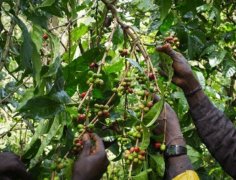
Is Decaf Coffee Healthier? The Story, Features, Pros and Cons of Decaf Coffee Beans

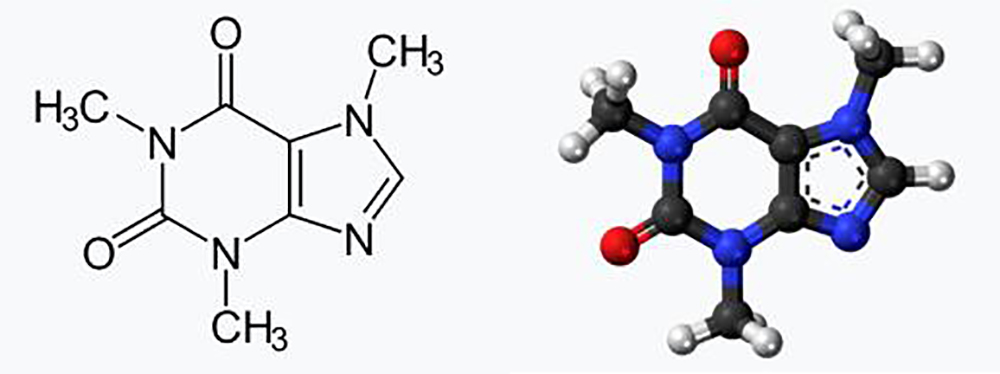
Coffee is delicious, but it pays not to overdo it—and that advice really comes down to caffeine. In the right dose, caffeine sharpens the mind and shakes off fatigue; in excess, it leaves you feeling poisoned. That tension is exactly why decaffeinated coffee exists: it lets coffee lovers keep the flavours they enjoy without the side effects. As more people look to hold on to coffee's antioxidants while avoiding caffeine, FrontStreet Coffee has recently brought in three decaffeinated coffees. This article takes a closer look at what decaffeinated coffee actually is.

How Was Decaffeinated Coffee Discovered?
Legend has it that Goethe, the celebrated German poet, was a devoted coffee drinker—and also a man who could not sleep after a cup. Loving something he could not comfortably get close to, Goethe asked his friend Runge to analyse coffee beans and work out what it was that disturbed his sleep. Around 1820 AD, Runge identified caffeine as the culprit and developed a method for separating it from the beans, which makes him the pioneer of decaffeinated coffee.
Identifying the offender was one thing; extracting caffeine at scale was quite another. Decaf could not be produced in quantity until 1903 AD, when a German coffee importer named Ludwig Roselius noticed that beans soaked in seawater lost a striking amount of their caffeine. He assembled a team of chemists to refine the extraction technology, and the breakthroughs that followed finally allowed decaffeinated coffee to be mass-produced.

What Is Decaffeinated Coffee?
Caffeine content in coffee beans is normally measured as a percentage of weight. Arabica beans contain 0.9%-1.4% caffeine (1.2% on average), while Robusta runs from 1.8%-4% (2.2% on average). Decaffeinated coffee falls into two broad categories: varieties that are naturally low in caffeine, and beans whose caffeine has been removed by artificial processing.
The best-known naturally low-caffeine coffee is Laurina (Coffea Laurina), which holds roughly half the caffeine of ordinary Arabica (0.6%). Unlike beans that are processed to strip caffeine, Laurina is low in caffeine because of genetic degeneration, yet it drinks better than most Arabica trees. Most decaf beans on the market, however, are made by artificially removing caffeine from the bean. For these, the European Union standard requires that caffeine not exceed 0.1% of the green bean after processing, while the US FDA standard is removal to less than 3% of the original caffeine content.
What Are the Common Decaffeination Methods?
There are many ways to remove caffeine, broadly grouped into direct and indirect solvent processing, supercritical carbon dioxide processing, Swiss Water Process, and mountain spring water processing.
Direct Solvent Processing (Natural Decaffeination)
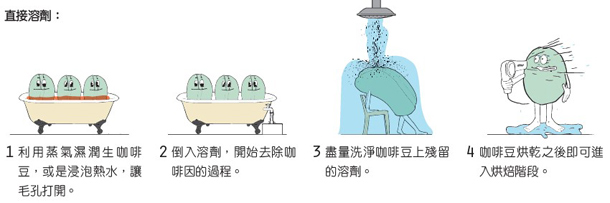
The original direct solvent method brought dichloromethane into direct contact with the coffee beans, which is why it is also called natural decaffeination. Green beans are first steamed to open their pores, then the dichloromethane is introduced. Once the solvent has bonded with the caffeine, the caffeine-laden solvent is washed away and the beans are steamed again to drive off any residue. Dichloromethane boils at 39.8 degrees Celsius, so even if traces survive the steaming, they evaporate completely during roasting.
Because long-term exposure to dichloromethane may raise cancer risks, its use as a solvent has drawn scrutiny. Even so, the FDA caps dichloromethane content in decaffeinated coffee at 0.001%, and real-world levels run even lower, so the practical risk is minimal.
Processing with ethyl acetate follows the same logic. Ethyl acetate is typically derived from sugarcane, which is why the direct solvent route is sometimes called the sugarcane decaffeination method—the approach Colombia usually takes. Ethyl acetate is highly flammable, however, which makes it more hazardous to handle.
Swiss Water Process
This is the most traditional way of extracting caffeine, a commercially developed and highly efficient method.
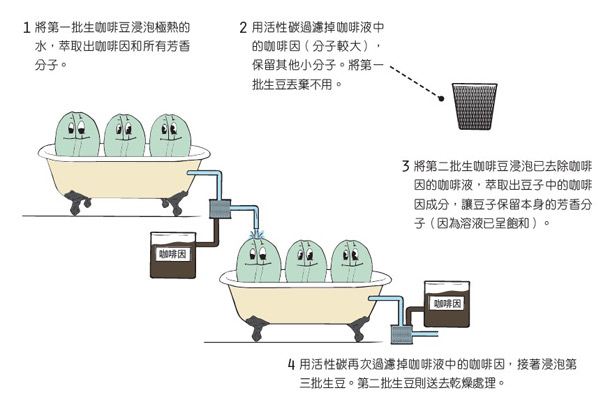
The steps run as follows. Green beans are soaked in hot water; in the Swiss Water Process this is called "flavour-charged water." It already carries the saturated flavour compounds that belong in green coffee, lacking only caffeine, and it becomes the most important medium for everything that follows. Once the flavour-charged water is ready, the beans are filtered out and the water is passed through activated carbon to strip the caffeine. What remains is hot water full of pure flavour compounds, which is then used to re-soak the beans.
Carbon Dioxide Processing
Here the beans are first allowed to absorb water and swell, leaving the caffeine molecules loosely held inside. Liquefied carbon dioxide is added, creating pressure greater than 100 atmospheres in the water. Carbon dioxide is highly selective: it dissolves caffeine without harming the carbohydrates and proteins in the bean, so the coffee's flavour stays intact. The liquid carbon dioxide carrying the caffeine can be reused once the caffeine is removed.
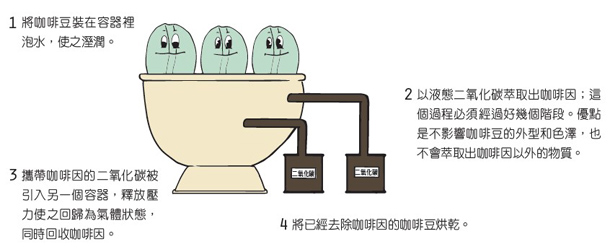
Coffee decaffeinated with carbon dioxide has a gentler effect on the body, and research suggests this route extracts more caffeine than the direct solvent method—though it costs considerably more.
Mountain Spring Water Processing
Similar in spirit to the Swiss Water Process, this uses a different special water drawn from glacial sources to extract caffeine. The company Descamex states that it relies on a dedicated filtration device to remove the caffeine. The result is a caffeine-free water-based solution that also carries dissolved coffee solids and can be reused in the decaffeination process.
Decaf Coffee Still Contains Antioxidants and Nutrients
Caffeine is in fact the single largest source of antioxidants in the Western diet, and decaffeinated coffee generally contains similar levels of antioxidants to regular coffee—though they may dip as low as 15%. That gap is most likely a small loss incurred during decaffeination. It is precisely this combination of antioxidant benefit and no disruption to sleep that draws more and more people to decaf.
The main antioxidants in both regular and decaffeinated coffee are hydroxycinnamic acids and polyphenols. Antioxidants are highly effective at neutralising active compounds called free radicals, which reduces oxidative damage and may help ward off conditions such as heart disease, cancer, and type 2 diabetes. Beyond antioxidants, decaffeinated coffee also supplies small amounts of nutrients. A cup of brewed decaf provides 2.4% of the recommended daily magnesium intake, 4.8% of potassium, and 2.5% of niacin, or vitamin B3. That may not sound like much, but at two to three cups (or more) a day, it adds up quickly.

Is Decaf Coffee Really Bad-Tasting?
Looking at the decaffeination methods above, FrontStreet Coffee's view is that poor-tasting decaf is not the processing's fault. The reason is that most decaf is made from inexpensive, commercial-grade green coffee. Modern decaffeination technology is quite refined, and in most cases the companies producing decaf naturally favour bean varieties with higher caffeine content, such as Robusta—beans that were already not good-tasting before any processing began. As with any coffee sold in a coffee shop, if decaffeinated beans start from high-quality Arabica at the green bean stage, they can still perform beautifully even after caffeine removal.
Let us look at the three decaffeinated coffees FrontStreet Coffee has acquired—where they come from, which decaffeination method was used, and how their flavours differ.
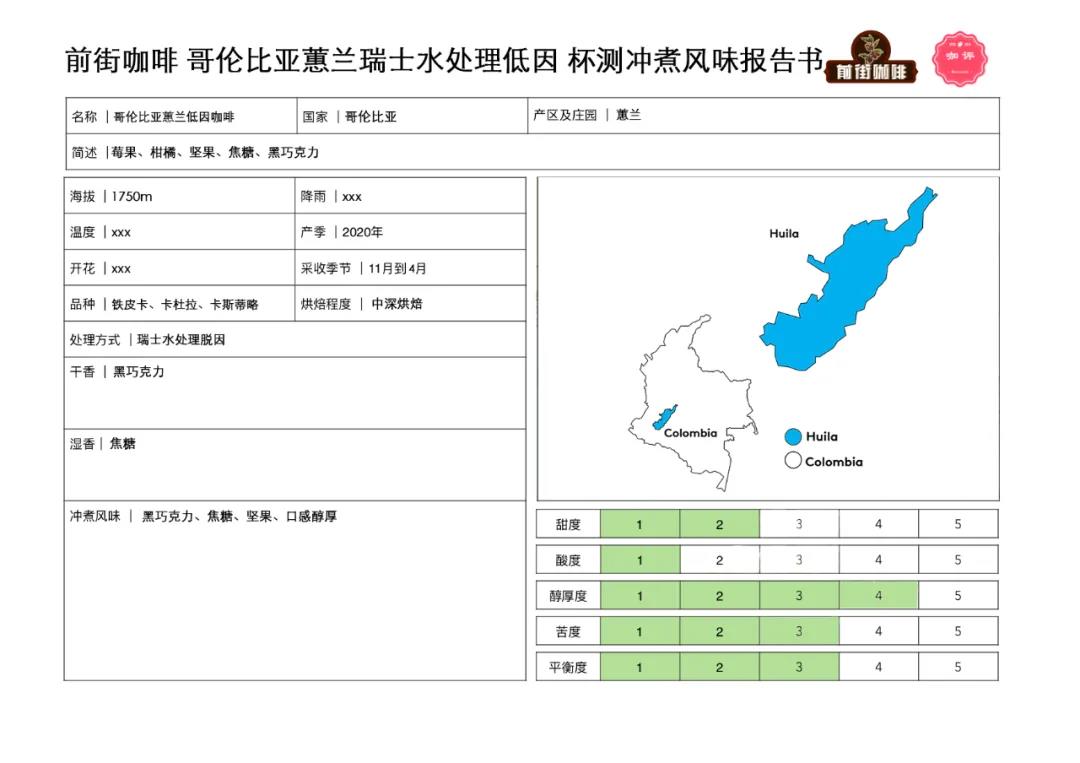
Among the three, the Colombia Huila Swiss Water Process is one decaffeinated bean already on the shelves. Because the Swiss Water Process is the most traditional method and remains widely used in the market, this bean reflects the regional character of Colombia's Huila region with nuts and chocolate, while still showing the fruit tones of Castillo and the fruit acidity of Typica and Caturra.
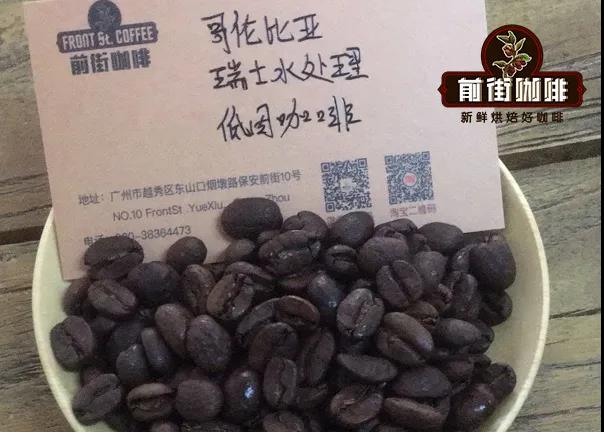
Colombia Huila Swiss Water Process Decaffeinated Coffee
Country: Colombia
Region: Huila
Altitude: 1750 meters
Varieties: Typica, Caturra, Castillo
Processing Method: Swiss Water Process
Grade: Supremo
Harvest Season: 2020
Region Introduction
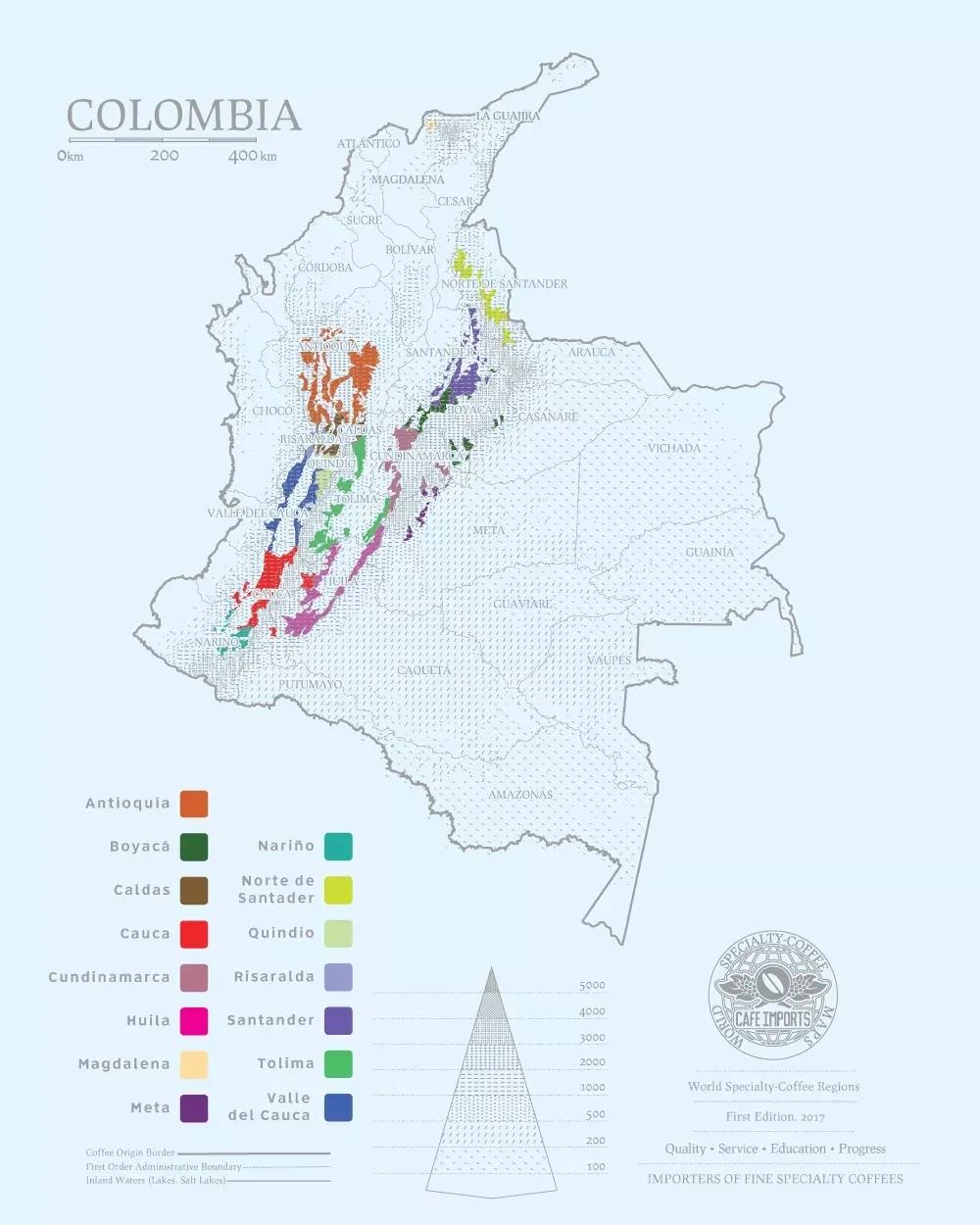
The Andes run through Colombia's Huila province, home to the Nevado del Huila volcano. That gives the region mineral-rich soil, high altitude, and pleasant microclimates—conditions well suited to specialty coffee cultivation.
Colombian coffee is world-famous, and the high-quality washed beans it produces have long been the benchmark for fine coffee. Beans exported from Colombia are density-checked and hand-sorted for defects, then bagged only after layer upon layer of strict inspection, which is how Colombian coffee maintains its quality.
Huila belongs to the selected high-mountain coffees of the Colombian national company and is regarded as a national treasure. On the strength of its geography and climate, Colombian coffee has always held a high standard. Usually, Colombian beans without a special market trademark come from the National Federation of Colombia Coffee Growers, which has long been known for strict quality control and energetic promotion.
Coffee Varieties
In terms of variety, this batch of decaf includes three coffees: Typica, Caturra, and Castillo. Typica, one of the oldest Arabica varieties in the world, is prized for its delicious sweetness, but its low yield per plant has seen it replaced in Colombia by higher-yielding varieties. Caturra is a natural mutation of Bourbon, with flavour comparable to—or slightly below—Bourbon beans. More importantly, it is extremely adaptable: it needs no shade trees, thrives under direct sun, and tolerates high-density planting, which is why it is commonly called Sun Coffee.
Castillo was bred from the Colombia variety crossed with Caturra and stabilised through the tenth generation. Although it was not well regarded by the trade when first released, recent years have brought batches with elegant, delicate flavours.
Green Bean Grade
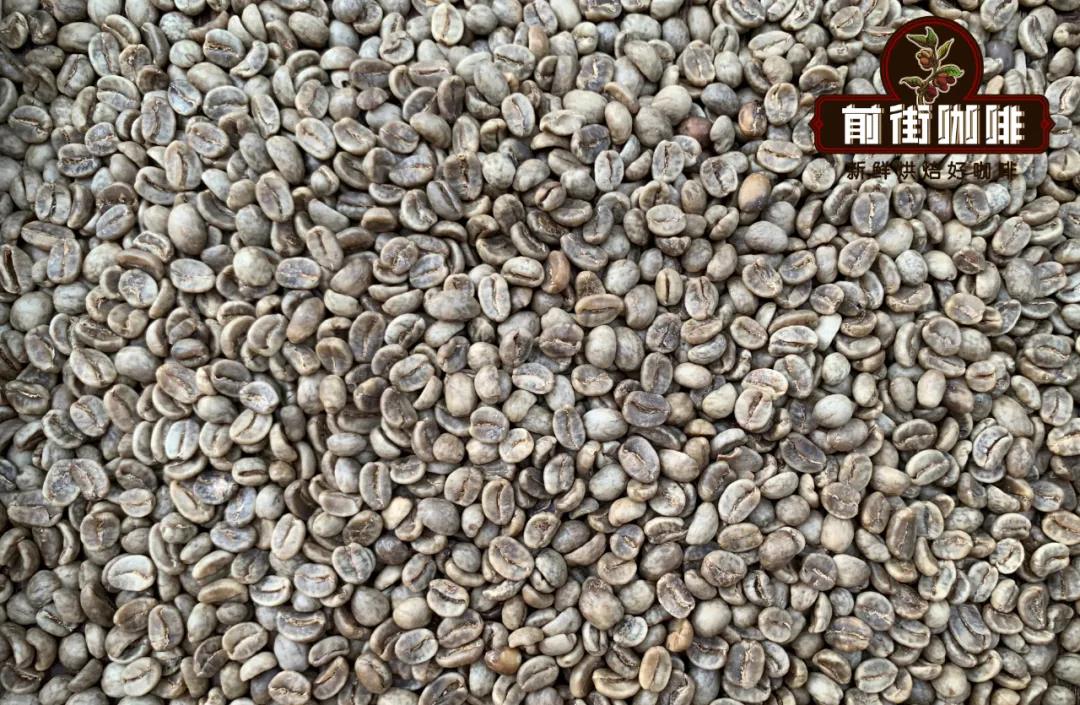
This batch is graded Supremo. In Colombia's grading system, Supremo is the highest grade, while Excelso is a more common grade with smaller beans. Colombian beans show balanced flavour, a rich cup, and a distinct character with a relatively full body. Medium roasted, they carry the sweet aroma of vanilla and dark chocolate.
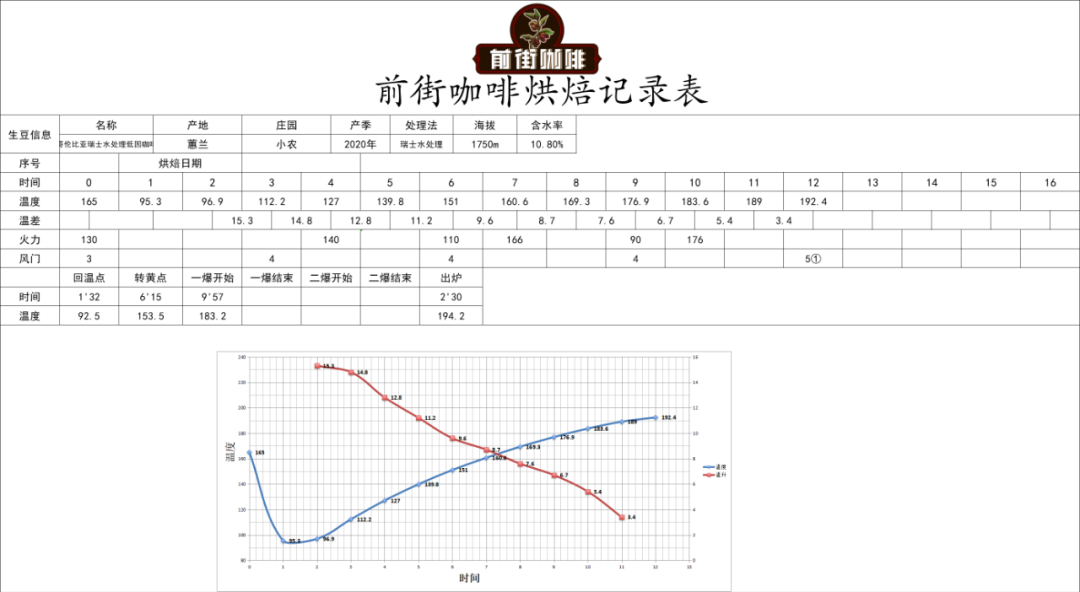
Roasting Profile
Cupping Flavor
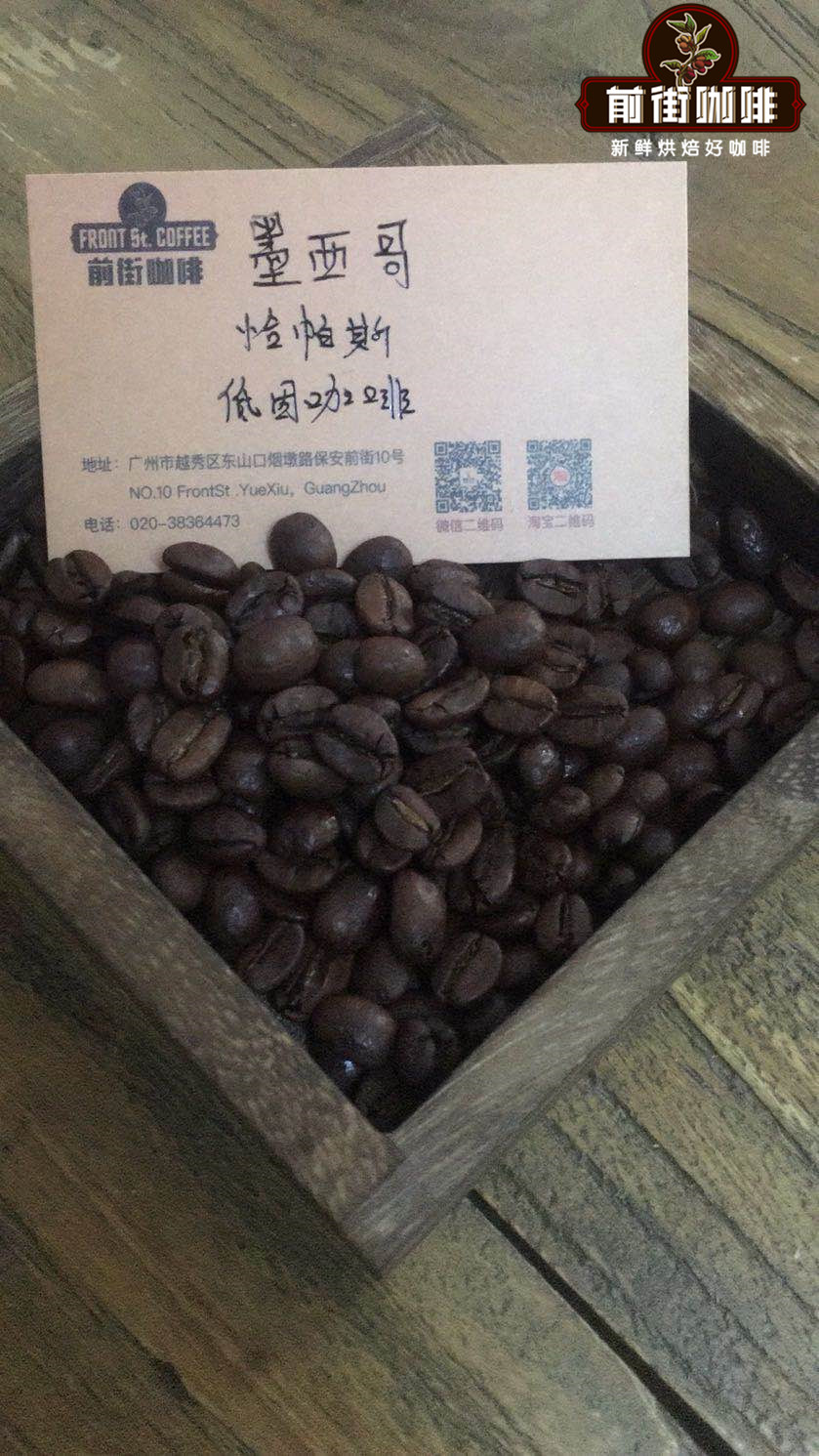
Mexico Chiapas Swiss Water Process Decaffeinated Coffee
Country: Mexico
Region: Chiapas
Altitude: 900-1500 meters
Varieties: Bourbon, Caturra, Typica, Criollo
Processing Method: Swiss Water Process
Grade: HG
Harvest Season: 2020
Region Introduction
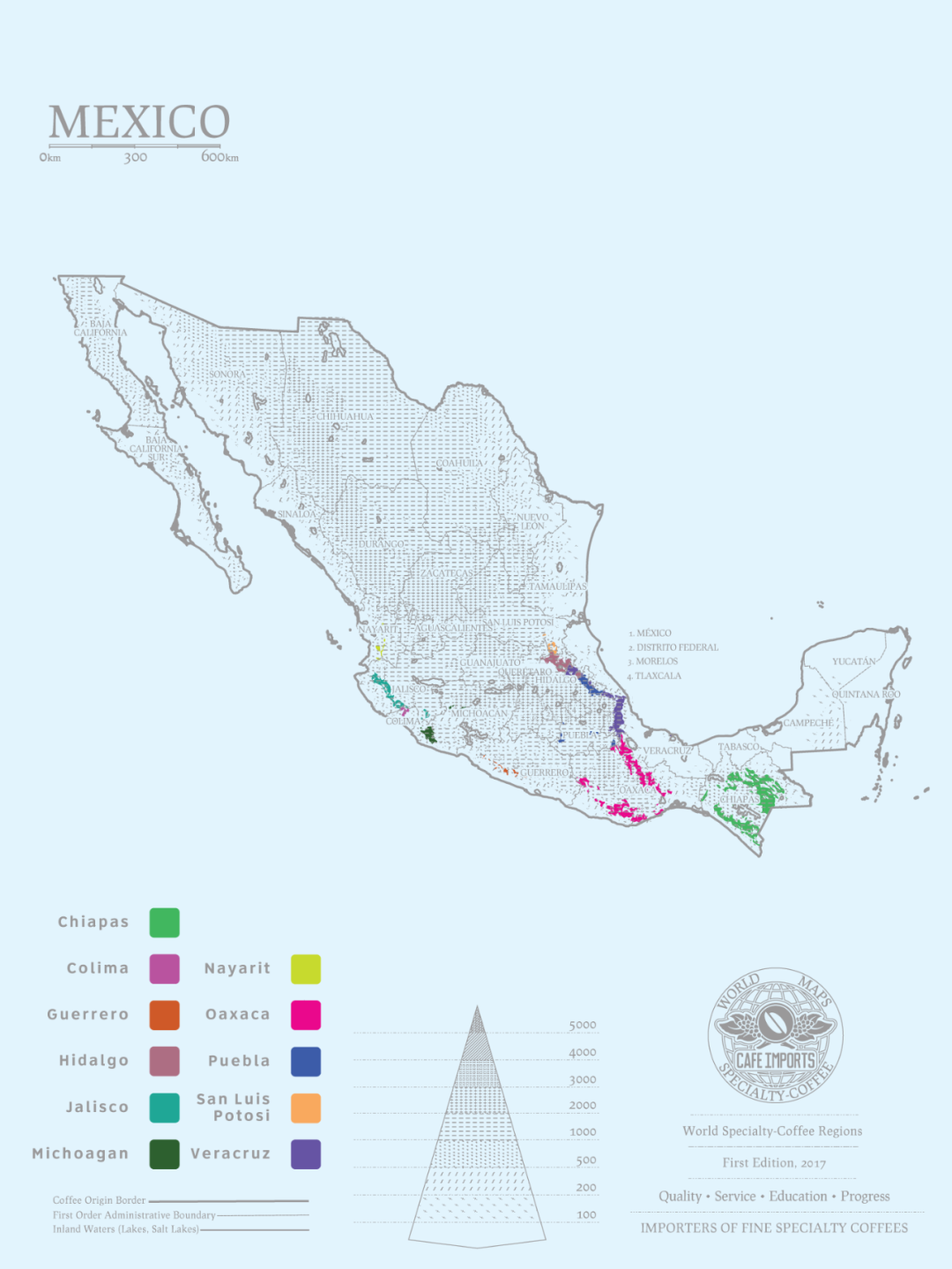
Mexico has 12 main coffee-producing regions, and Chiapas sits in the south, close to Central America.
Chiapas has a deep foundation in coffee cultivation, making it Mexico's largest producing region. Its growers are experienced and enterprising, and they actively pursue specialty coffee.
The Chiapas growing area sits at around 2500 m, dotted with volcanoes and rich in volcanic soil. High altitude and fertile volcanic ground shape the smooth texture and comfortable acidity of Chiapas coffee. The Chiapas coast catches the northeast monsoon, with plentiful summer rain and abundant water, so coffee here is mostly washed processed.
This batch comes from the GRAPOS cooperative, a coffee organisation based in Chiapas in southern Mexico. Founded in 2007 with just 90 coffee farmers, by 2016 the cooperative had grown to 3,253 farmers, covering sub-regions of Chiapas such as Soconusco, Siltepec, Porvenir, and Tapachula. GRAPOS cultivates roughly 5,560 hectares at altitudes of 900-1500 m, mostly through small-scale intensive farming, with an average of 3 hectares per grower.
Coffee Bean Varieties
The varieties in this batch are Bourbon, Caturra, Typica, and Criollo. Typica and Bourbon are both ancient Arabica varieties, prized for their rich fruit acidity and excellent flavour quality. Caturra is a single-gene variant of Bourbon, discovered in Brazil in 1937, with higher yield and disease resistance than Bourbon and shorter plants that are easier to harvest. Unfortunately, like Bourbon, it suffers from alternating biennial yields.
Criollo is a natural mutation of Typica, common in Peru, Bolivia, Colombia, and Mexico. Some Latin American coffee countries also use "Criollo" to refer to Typica, so Criollo can be seen as a localised Typica.
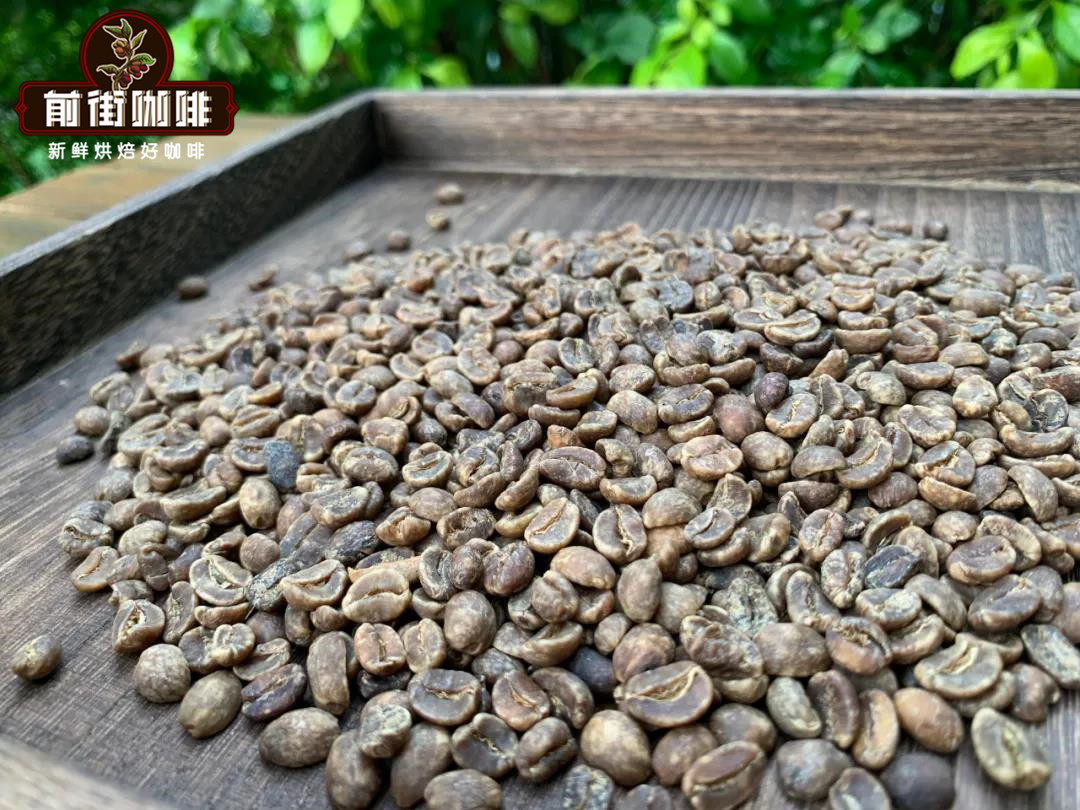
Green Bean Grade
Mexico grades green beans by hardness. At the same latitude and plot, higher altitude means a greater day-night temperature swing, a longer growing period, harder beans, more absorbed nutrients, and more pronounced flavour compounds. This batch is graded HB (Hard Bean), grown at 1200-1400 m.
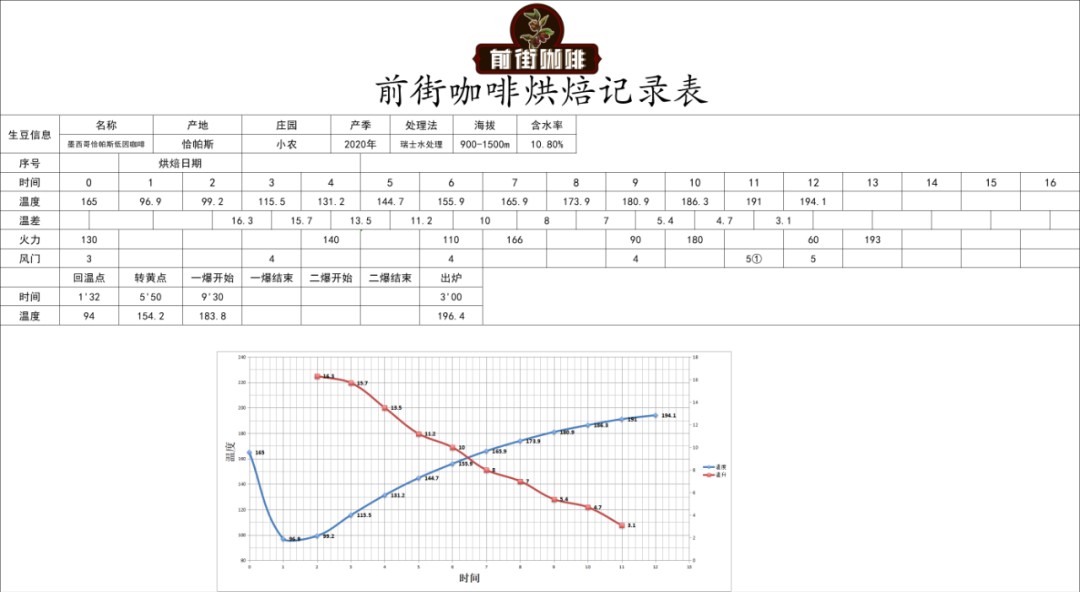
Roasting Profile
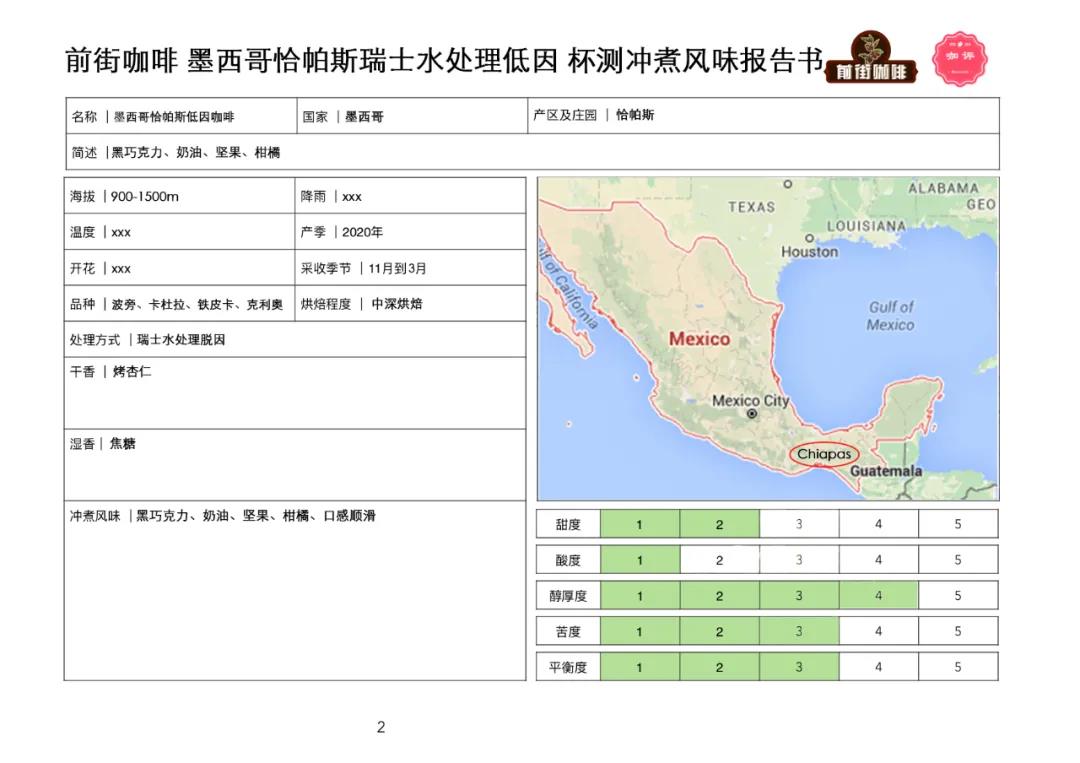
Cupping Flavor
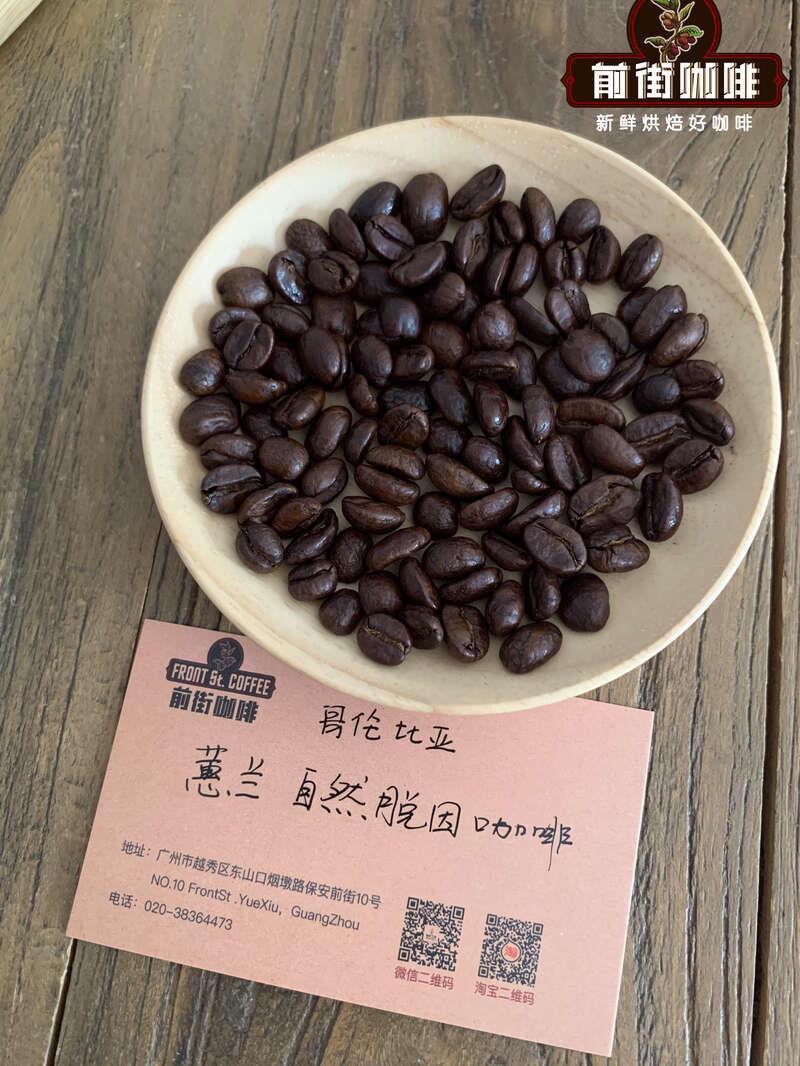
Colombia Huila Natural Decaffeinated Process Coffee
Coffee Country: Colombia
Coffee Region: Huila
Cultivation Altitude: 1200 to 2000 meters
Coffee Varieties: Castillo, Caturra, Colombia
Processing Method: Natural Decaffeination Process
Region Introduction
Huila combines soil and geography ideally for coffee. Some of the most complex, fruit-forward Colombian coffees come from here. The region belongs to the selected high-mountain coffees of the Colombian national company and is regarded as a national treasure. On the strength of its geography and climate, Colombian coffee has always held a high standard. The region has over 70,000 coffee growers covering more than 16,000 hectares (approximately 39,500 acres). Usually, Colombian beans without a special market trademark come from the National Federation of Colombia Coffee Growers, long known for strict quality control and energetic promotion.
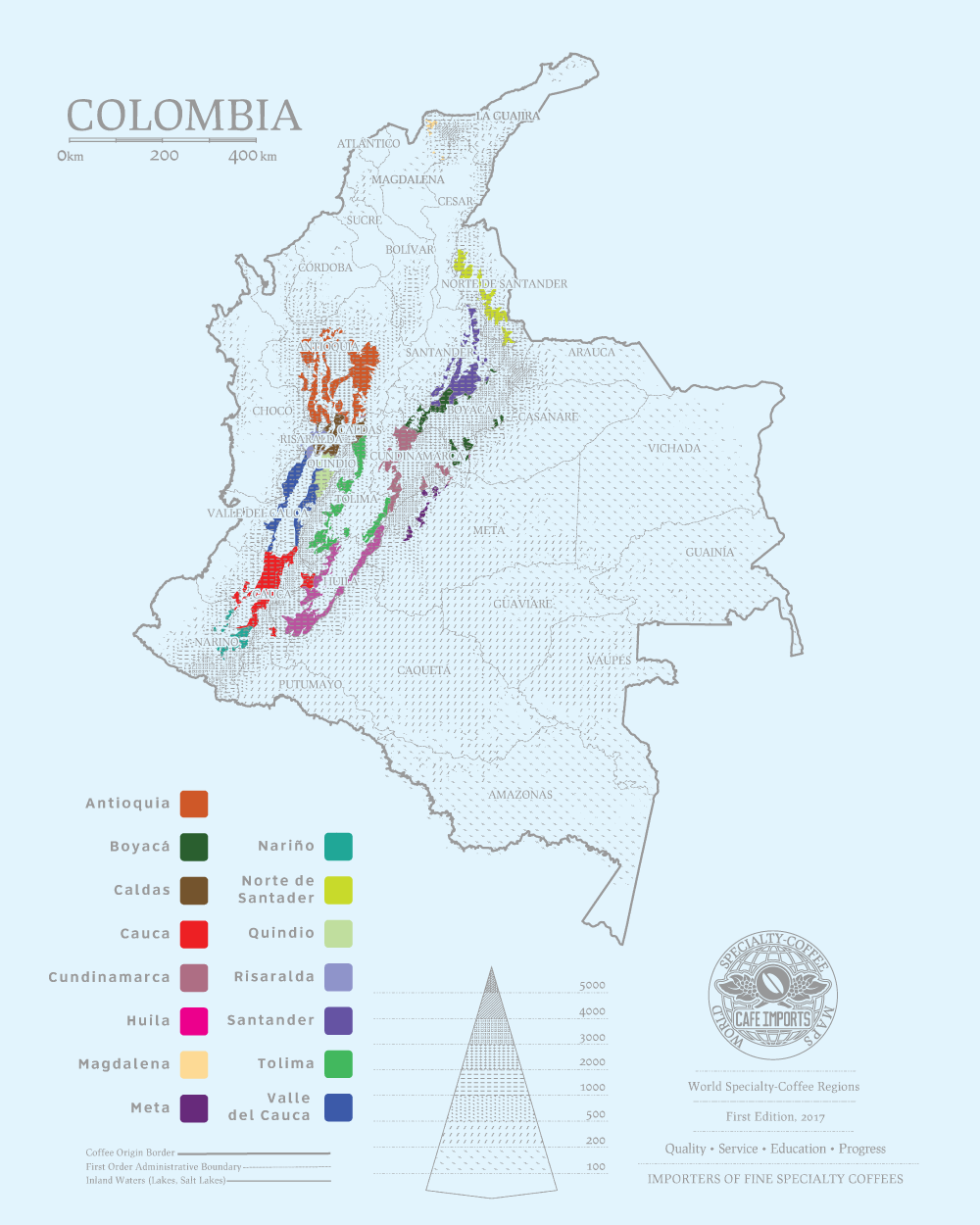
The southern Laboyos Valley of Colombia's Huila province lies at the foot of the Andes. This great range is the source of the Magdalena River, which runs north to the Caribbean coast. The valley itself sits at about 1300 meters. All the surrounding mountains grow coffee, with an average farm of about 6 hectares and about 5,000 trees per hectare. The volcanic soil supplies abundant organic nutrients to this high-altitude coffee.
Coffee Varieties
The earliest varieties planted in Colombia were Typica and Bourbon. From 1970 they began to be replaced by Caturra, which not only yielded more per plant than the previous two but also grew more compactly, allowing more trees per unit area.
Caturra is a single-gene variant of Bourbon, discovered in Brazil in 1937, with higher yield and disease resistance than Bourbon.
From 1961, CENICAFE began researching the Timor variety with its Robusta lineage, later breeding Timor with Caturra to develop Colombia's Catimor lines. After 5 generations of breeding, in 1982 CENICAFE released Colombia's first disease-resistant variety, naming it after the country: Colombia. After the leaf rust outbreak of 1983, the Colombia variety was widely promoted.
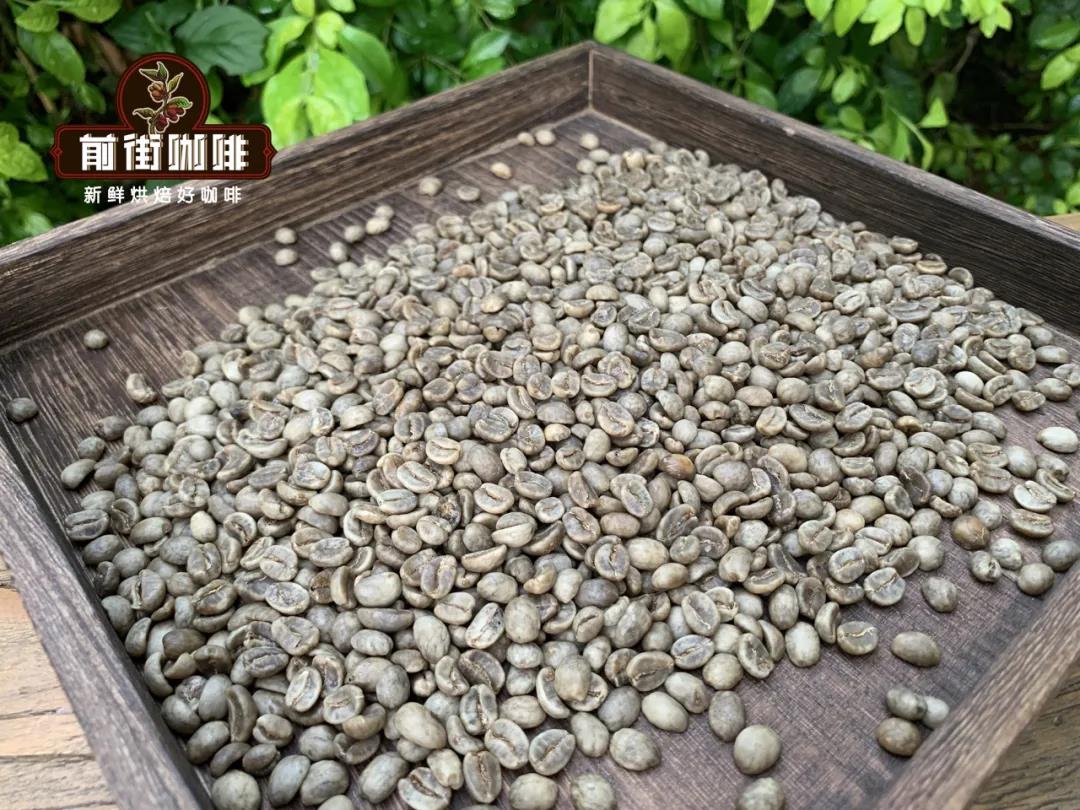
CENICAFE kept up its research. In 2002 it released the second disease-resistant variety, Tabi (a hybrid of Typica, Bourbon, and Timor). In 2005 it released its most successful disease-resistant variety to date, Castillo. After the major leaf rust outbreak of 2008, Colombia began vigorously promoting Castillo.
Castillo was bred from the Colombia variety crossed with Caturra and stabilised through the tenth generation. Although it was not well regarded by the trade when first released, recent years have brought batches with elegant, delicate flavours.
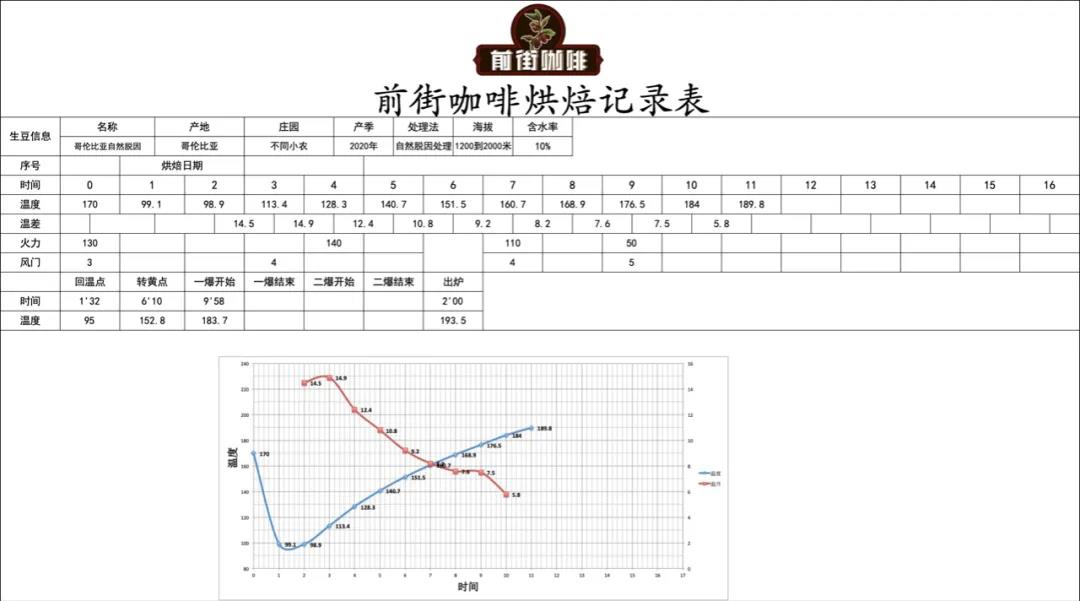
Roasting Profile
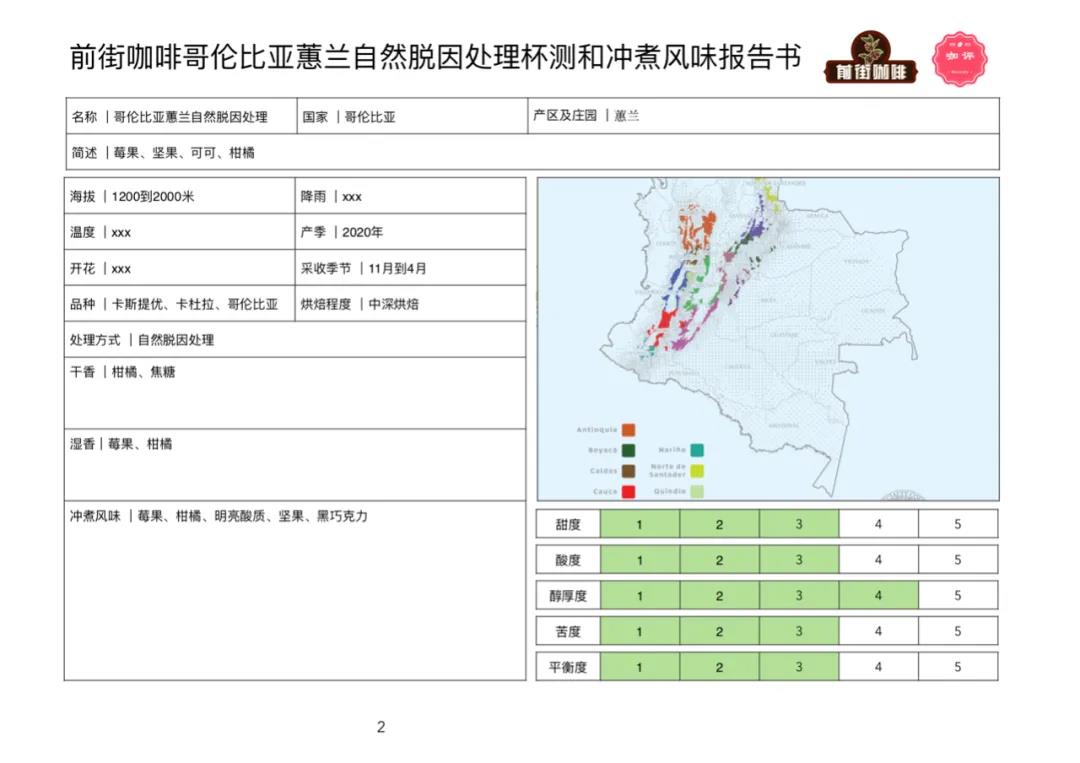
Cupping Flavor
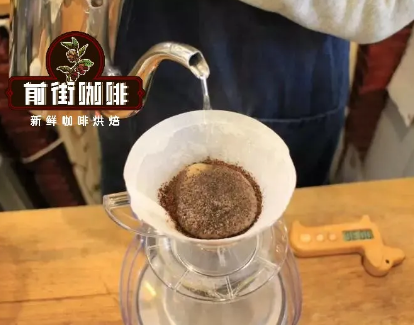
How Does FrontStreet Coffee Brew Decaffeinated Coffee?
Dripper: Kono dripper
Water Temperature: 88°C
Coffee Amount: 15g
Coffee-to-Water Ratio: 1:15
Grind Size: Medium grind (75% pass-through rate on Chinese standard #20 sieve)
Brewing Method: Three-stage extraction. Use 30g of water for a 30-second bloom, then pour in small circles with a gentle stream to 125g for the second stage. When the water level drops and is about to expose the coffee bed, continue pouring to 225g and stop. When the water level again drops and is about to expose the bed, remove the dripper. (Timing starts from the bloom.) Extraction time is 2'30".
Brewing Flavors
Colombia Huila Natural Decaffeinated Process Coffee Brewing Flavor: Citrus, berries, bright acidity, dark chocolate, nuts.
Mexico Chiapas Swiss Water Process Decaffeinated Coffee Brewing Flavor: Dark chocolate, cream, nuts, citrus, smooth texture.
Colombia Huila Swiss Water Process Decaffeinated Coffee Brewing Flavor: Dark chocolate, caramel, nuts, rich body.
FrontStreet Coffee Recommendation
If decaf is what brought you here, the same logic that makes a good decaf also makes a good everyday pour-over: start with Arabica, and let altitude do the work. Arabica needs elevations of roughly 800-2,200 m without frost; the higher it grows, the wider the day-night temperature swing, which slows ripening and lets the cherry accumulate more aroma and flavour. That is why the origin, not just the roast, decides so much of what ends up in the cup.
For a low-caffeine-friendly routine that still tastes full, FrontStreet Coffee's PWN Golden Mandheling is a solid anchor. Grown in Indonesia and processed by the wet-hulled method, it carries the herbal, spice, and woody notes that set Mandheling apart from other dark roasts; triple hand-sorting plus machine sorting keeps the cup clean, with fuller body and sweetness. It suits a moka pot, SOE, pour-over, drip bags, and Americano or latte. On the lighter, more floral side, FrontStreet Coffee's washed Yirgacheffe Gedingding Cooperative is an Ethiopia G1 washed coffee: light-medium roasted, it shows elegant white florals, citrus, orange, and green tea, and works well as pour-over, drip bag, or cold brew. If you prefer fruitier, sweeter cups, FrontStreet Coffee's natural Huakui brings cream strawberry, mango, jackfruit, citrus, and blueberry.
To brew these, keep the pour-over simple: a medium grind, water just off the boil, and a steady three-stage pour with a 1:15 ratio. If a cup turns out too sharp, grind a touch coarser or nudge the water down a couple of degrees; if it tastes thin or astringent, tighten the grind slightly. Freshness matters as much as numbers—grind just before brewing, and give the beans a few days to rest after roasting so the flavours settle.
Important Notice :
FrontStreet Coffee is a long-established specialty coffee roaster in Guangzhou China, selling freshly roasted beans from its own farm in Yunnan as well as dozens of carefully selected single-origin beans from around the world for both pour-over and espresso. The products deliver consistently excellent quality and great value, with shipping within 24 hours. Guangzhou's FrontStreet Coffee shop is recommended by many coffee lovers, and the beans are now available online at the Tmall 。
FrontStreet Coffee has moved to a new address:
FrontStreet Coffee Address: 315,Donghua East Road,GuangZhou
Tel:020 38364473
 Scan and follow the En Gafei WeChat official account. Please indicate that the reprint comes from "En Gafei".