What is Coffee Acidity? Why Does Coffee Taste Sour? Is it Caused by Coffee Acidity?
People new to coffee generally believe coffee tastes rich and bitter, so when they first try hand-poured coffee made from lightly roasted beans, they often wonder whether the coffee has spoiled—why does it have acidity? In fact, coffee naturally contains acidity. After all, coffee is essentially a fruit, and fruit contains fruit acids. That said, there are indeed undesirable acids in coffee flavors. In this article, FrontStreet Coffee explains where the acidity in coffee comes from.
Where Does the Acidity in Coffee Come From?
The acidity in coffee primarily comes from its inherent fruit acids. However, the content of coffee acids in brewed coffee liquid is very low—only 0.03 mg per 100 ml.

At the same time, many crops actually contain caffeic acid, especially thyme, sage, and spearmint, which have higher caffeic acid content (about 20mg/100g). According to FrontStreet Coffee, red wine also contains a certain amount of caffeic acid (about 1.88mg/100ml), followed by applesauce, apricots, and plums (1mg/100g). So it is perfectly normal for coffee to have acidic flavors.
FrontStreet Coffee also understands that roast degree affects acidity, which is why the coffee flavor wheel categorizes beans by light, medium, and dark roast.
What is the Coffee Flavor Wheel?
So what exactly is the coffee flavor wheel? It is essentially a visual chart that represents coffee flavors as intuitively as possible. FrontStreet Coffee believes the fastest way to understand coffee flavors is to understand the "Coffee Flavor Wheel"—the most intuitive visual guide to coffee flavors (shown below).
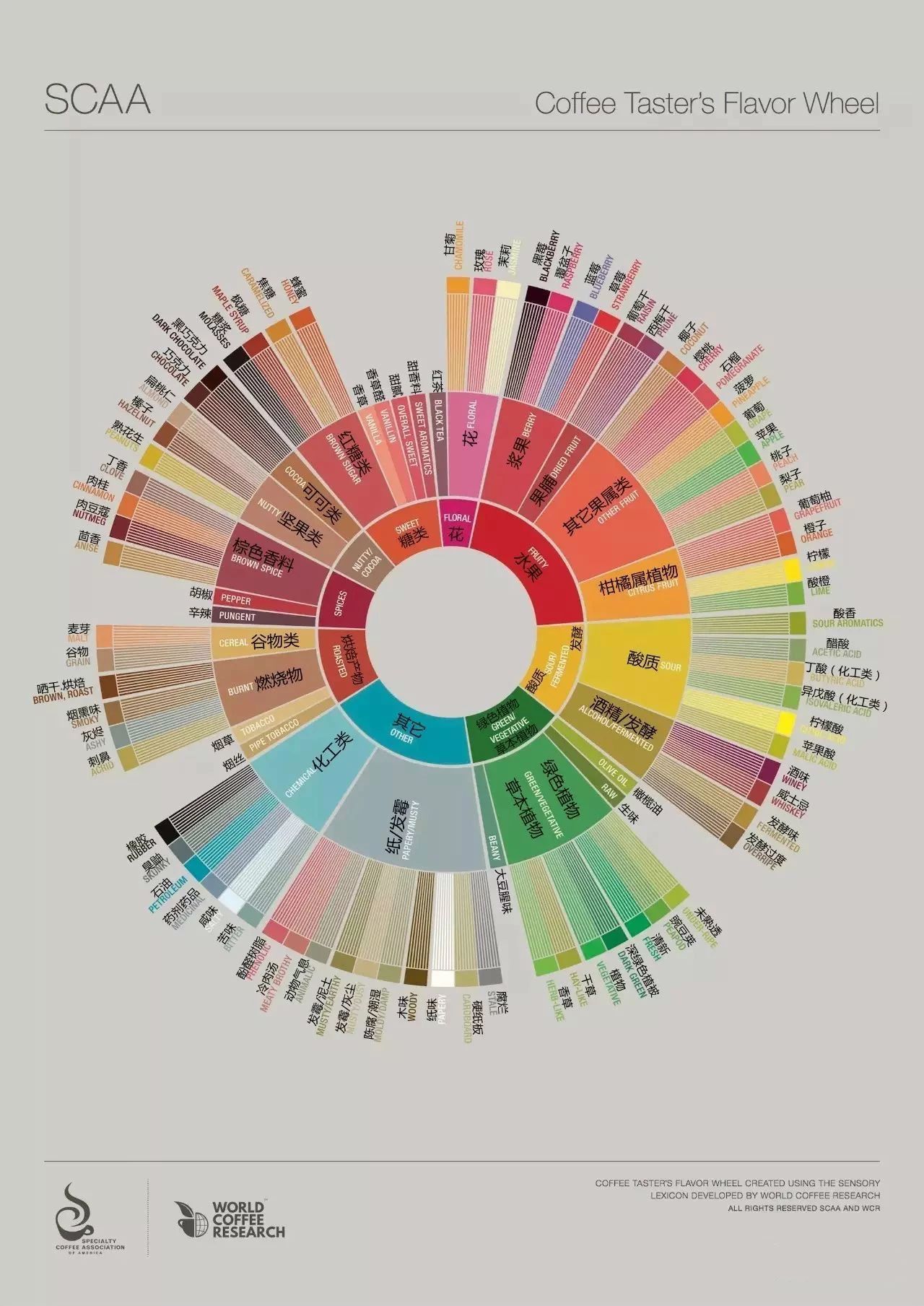
When we talk about coffee flavors, coffee enthusiasts know that our taste sensory system can detect sweet, sour, bitter, and spicy tastes. In coffee tasting we mainly focus on four tastes: sweet, sour, bitter, and salty. The coffee flavor wheel categorizes these by light, medium, and dark roast. So what exactly is the relationship between acidity in coffee and roast degree?
The Relationship Between Coffee Acidity and Roast Degree
FrontStreet Coffee explains that raw coffee beans contain acid-related components such as citric acid, malic acid, quinic acid, and phosphoric acid, but these are not the source of the acidity we taste when drinking coffee. The acidity created during roasting is the main source of sour flavors.
Once raw beans undergo roasting, various chemical reactions occur and new acids form. The most representative reactions include the breakdown of chlorogenic acids to produce quinic acid, and the breakdown of oligosaccharides to produce volatile formic acid and acetic acid.
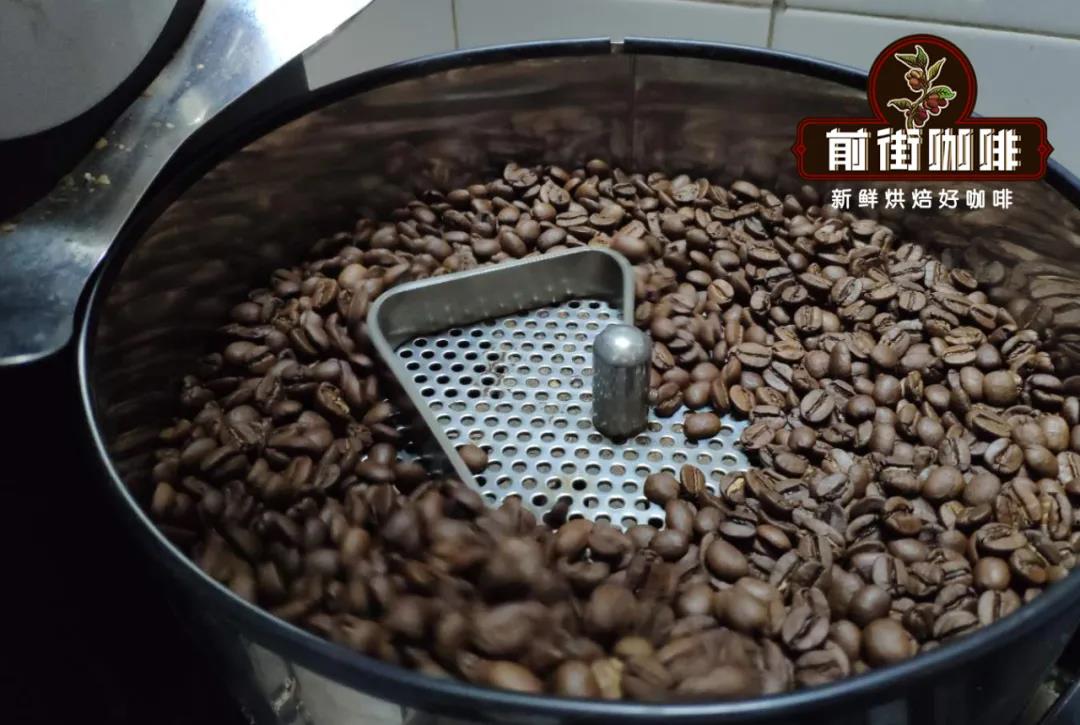
For example, the coffee flavor wheel mentioned above categorizes coffee flavors by the roast degree of raw beans. Scientific research has found that "sweet and sour" flavor compounds in light to medium roasted beans have lower molecular weights, higher polarity, and higher water solubility, and often dissolve early in extraction. "Bitter and salty" flavor compounds, by contrast, have higher molecular weights, lower polarity, and lower water solubility, and typically dissolve later in extraction.
As a result, light to medium roasts feature mainly low- to medium-molecular-weight sweet and sour flavors. However, with too many defective beans or improper roasting, even a light to medium roast can produce unpleasant bitter and salty tastes. Dark roasts, by contrast, feature mainly high-molecular-weight bitter and salty flavors.
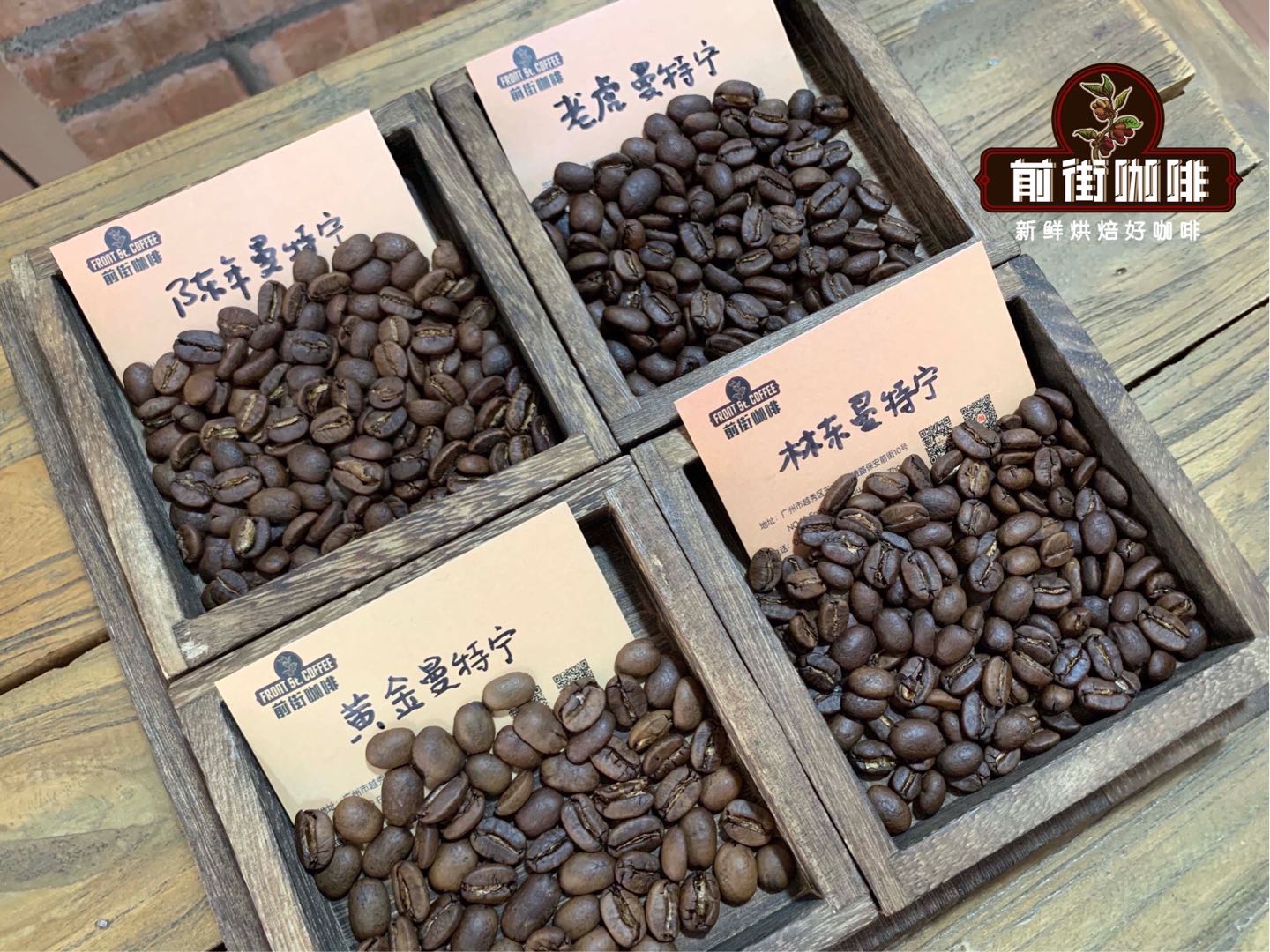
Dark roasts are not without merit, though. For example, the Indonesian Mandheling available at FrontStreet Coffee is the king of medium-dark roasted beans, presenting rich, mellow flavors with balanced sweetness, acidity, and bitterness.
Acidity is actually one of the greatest characteristics of light to medium roasted beans. Coffee beans contain various organic acids, with phenolic acids, aliphatic acids, and amino acids having the greatest impact on taste. For instance, FrontStreet Coffee's light-roasted Yirgacheffe beans display the bright citrus and lemon acidity beloved by coffee enthusiasts worldwide and considered one of the representatives of high-quality specialty coffee.
Additionally, during roasting, sucrose degradation products change as coffee develops from light to medium roast. Sucrose gradually degrades, increasing the concentration of acetic acid and lactic acid—but at a certain point, those concentrations drop dramatically. Light to medium roasted coffee therefore generally has more pronounced acidic flavors.
How to Distinguish Between Good and Bad Acidity in Coffee?
There are both pleasant acids and unpleasant acids. Citrus fruit acids, for example, present as "bright, lively, moderately acidic fruit acids," while some inferior fruit juices have "sharp acidity, overly fermented fruit acids"—that represents bad acidity. The same distinction applies to coffee flavors.
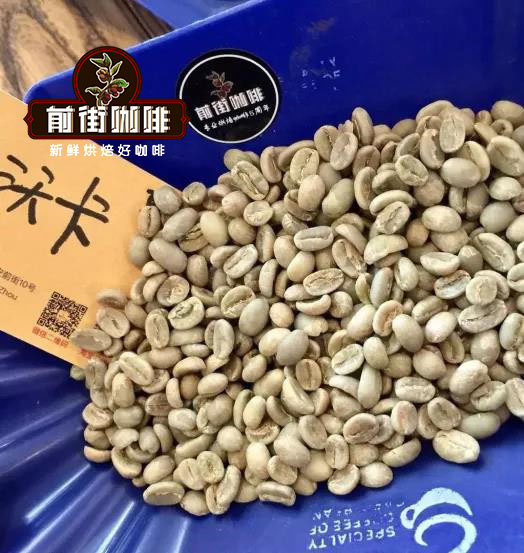
Ethiopian Yirgacheffe coffee beans exhibit citrus and lemon acidity.
FrontStreet Coffee also understands that many newcomers to single-origin coffee confuse acidity with astringency, but the two are fundamentally different. Acidity manifests as a mouth-watering sensation on both sides of the back and middle of the tongue after drinking coffee, while astringency feels like a numbing, rough sensation on the tongue surface, throat, and palate—like drinking coffee while chewing on gauze.
Astringency is therefore considered an undesirable flavor in coffee, reflecting defects from raw beans through roasting to preparation. A good single-origin coffee should be neither bitter nor astringent.
Furthermore, acidity is one of the descriptive terms in coffee flavor. Generally, coffee acidity is influenced not only by growing conditions but also by post-harvest processing methods, including roast degree, brewing time, grind size, and storage time.
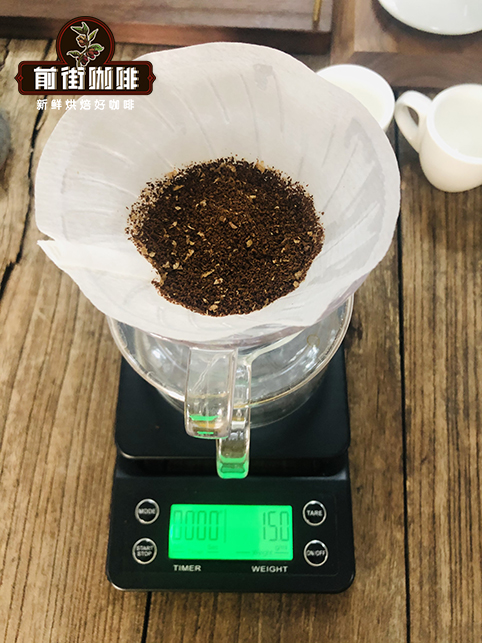
What Situations Typically Cause Astringency in Brewed Coffee?
First, setting aside the impact of defective beans on brewing quality, FrontStreet Coffee also encountered acidic and bitter astringency when first starting out with hand-poured single-origin coffee. The main reasons include:
- Water temperature too high (or continuous heating maintaining the temperature);
- Water temperature too low (or the water cooling too quickly);
- Water flow too fast (or too slow);
- Coffee ground too fine (or excessive fine powder);
- Coffee ground too coarse.
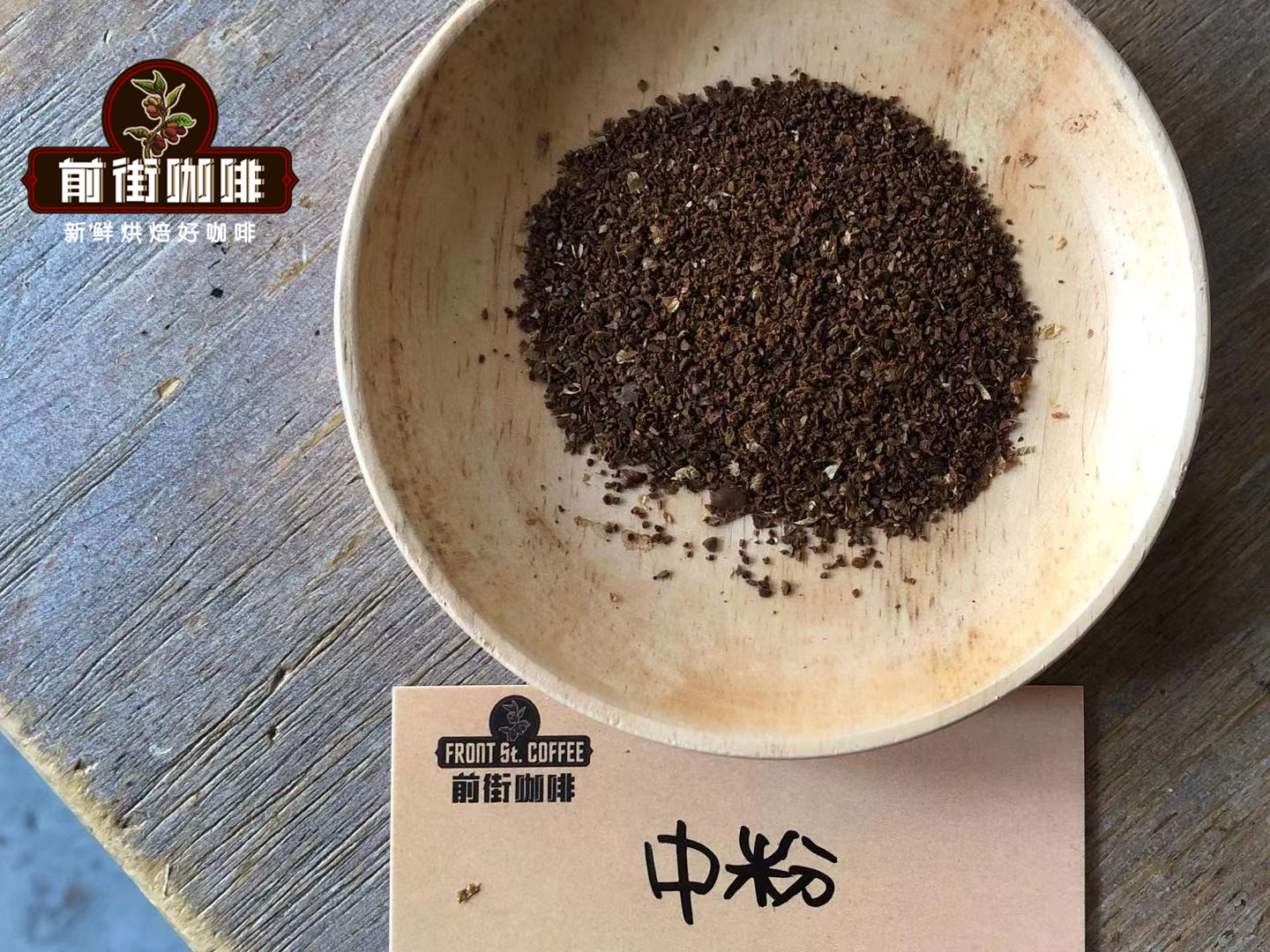
These factors either raise the extraction rate, pulling out too many dissolved substances including both good and bad flavors—typically showing up as bitterness and astringency—or lower it too far, extracting too few flavor compounds so the cup becomes imbalanced and astringency is amplified and highlighted. That usually appears as sour astringency, the unpleasant acidity newcomers often encounter.
How to Adjust Coffee Acidity That's Too Weak or Too Strong?
- Grind Size
Coffee grind fineness is closely related to coffee acidity. Finer ground coffee has lower acidity; ground coarser, it becomes more acidic. - Brewing Time
Brewing time is a key factor affecting extraction. The longer the brew, the higher the extraction rate. Even with coarse grinding, excessive brewing time will eliminate all acidity; the reverse also holds. - Water Temperature
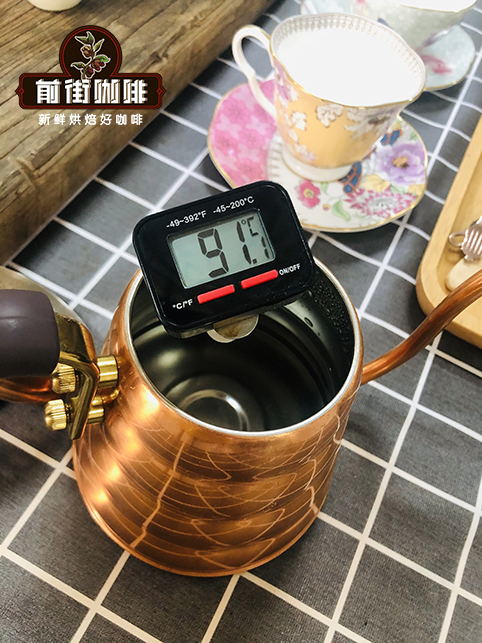
Just as cold brew coffee has very low acidity, generally higher water temperature speeds extraction and lower water temperature slows it.
The acidity in coffee is actually one of the characteristics of lightly roasted specialty coffee. If coffee has no acidity at all, it lacks soul, because a good cup requires a balance of sweet, sour, and bitter. For example, FrontStreet Coffee's Jamaican Blue Mountain beans and Indonesian PWN Golden Mandheling beans are renowned for their balanced sweet, sour, and bitter flavors.
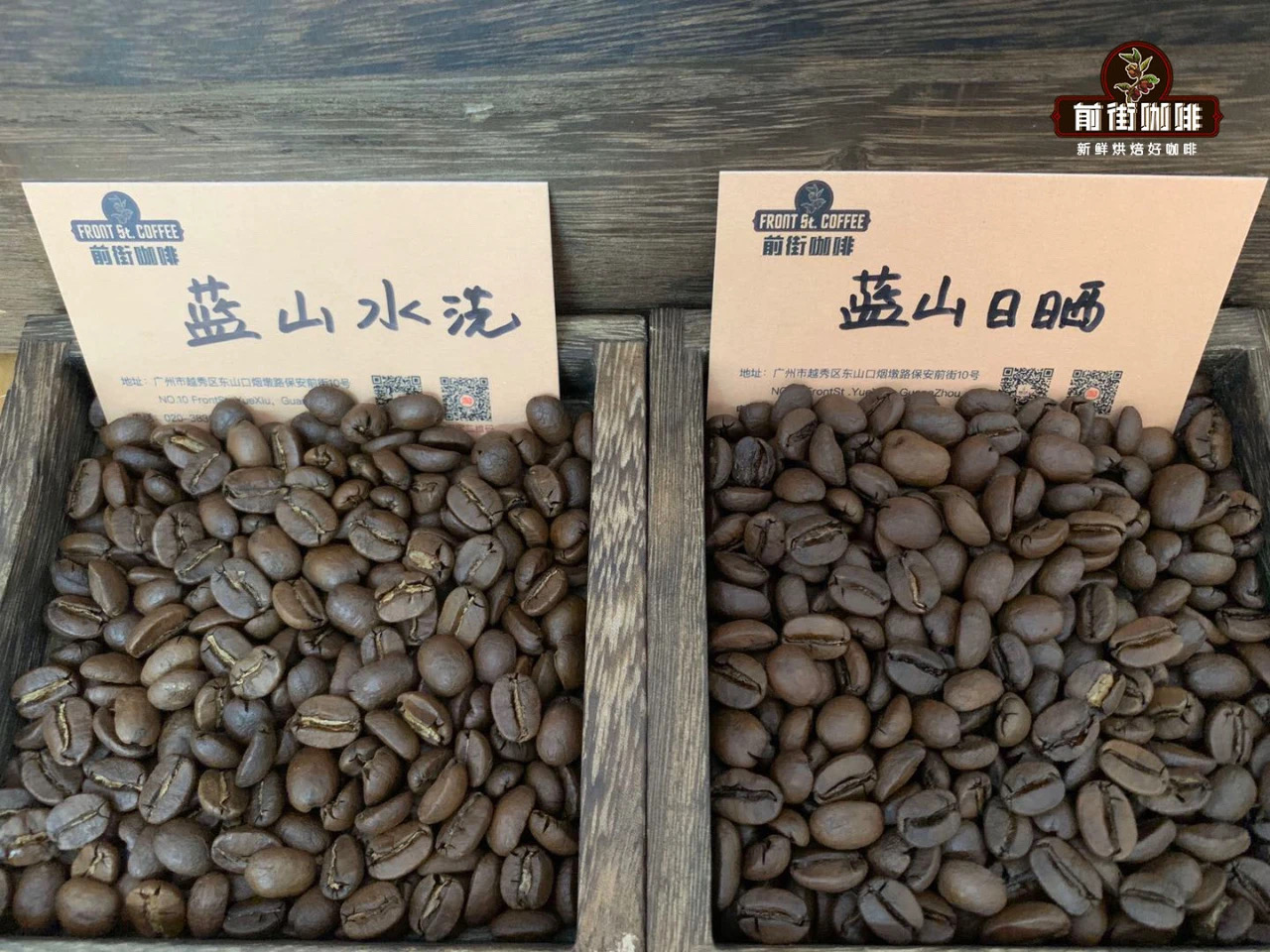
Are All Coffee Flavors Acidic?
Coffee enthusiasts who regularly drink hand-poured single-origin coffee know that coffee flavors fall mainly into three types, corresponding to the world's three major coffee regions. When it comes to renowned acidity, African coffee beans are unmatched. Asian beans are known for herbal and spice flavors, while Latin American beans combine the two and feature nutty and cocoa notes, prizing balanced flavors.
As FrontStreet Coffee noted above, since all crops contain caffeic acid, coffee flavors naturally include acidity. Each region's climate, varieties, and processing methods affect the flavor, though—so the distinction between acidic and non-acidic is really a matter of very acidic versus less acidic. Ethiopian Yirgacheffe beans from Africa show citrus and lemon acidity, for instance, while Latin American beans show berry acidity. Comparing which is more acidic, lemon acidity surely wins.
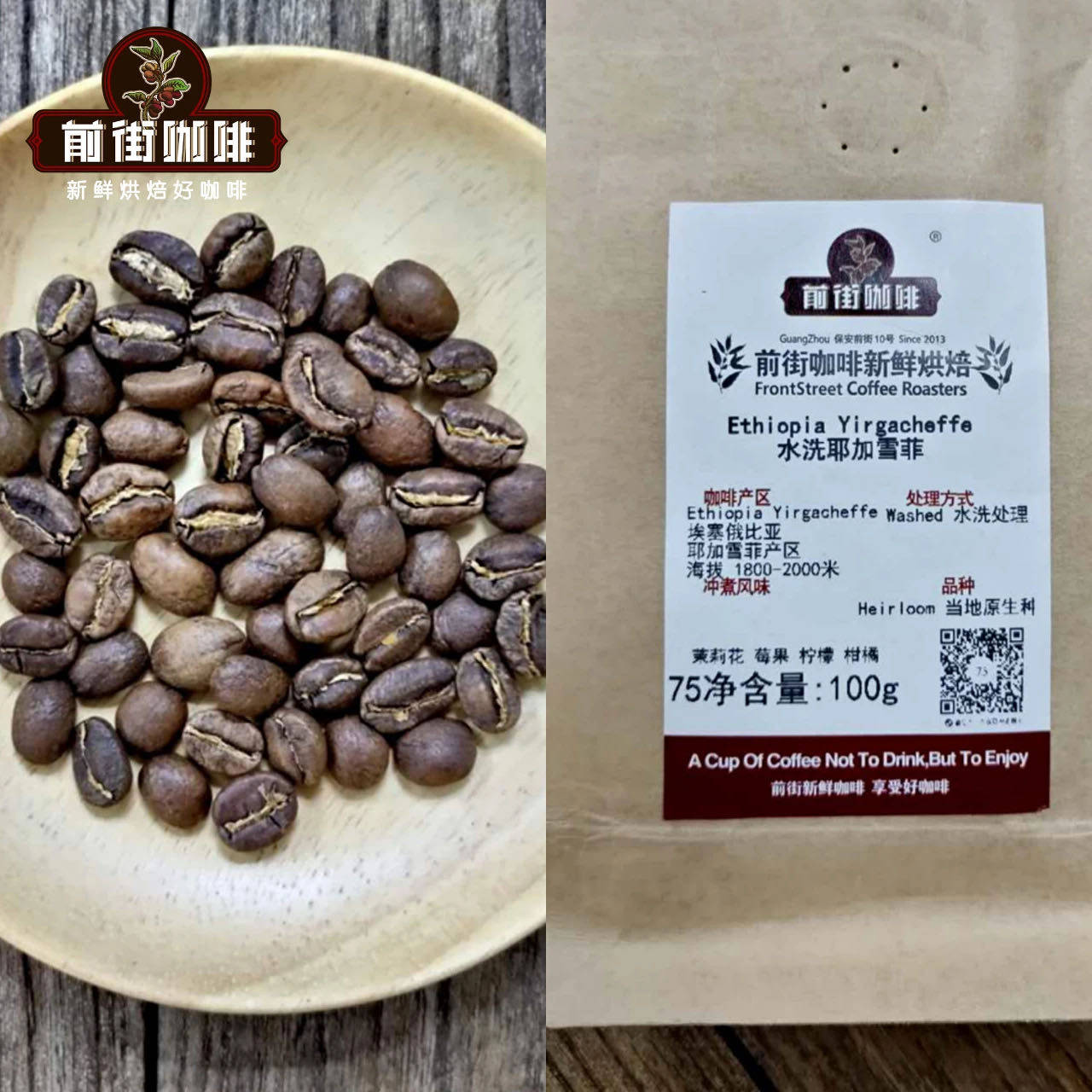
The information above about coffee acidity and its origins was compiled by FrontStreet Coffee. We hope it helps coffee enthusiasts better understand coffee knowledge and choose beans that suit their taste. As FrontStreet Coffee noted, drinkers who prefer acidic flavors can choose beans from the African Ethiopian region; those who prefer rich, bitter flavors can select Asian beans; and those who prefer a balanced sweet-sour-bitter cup with nutty and cocoa notes can choose Latin American beans.
FrontStreet Coffee Recommendation
Three elements decide a coffee's final flavor and have to be managed together during roasting: acidity, sweetness, and bitterness. The darker the roast, the more bitter and full-bodied the coffee; the lighter the roast, the more acidic and delicate. For anyone chasing a balanced cup, then, a medium roast is the natural place to start. FrontStreet Coffee's Brazil Queen Estate is a good example—a Yellow Bourbon from Brazil, the world's largest coffee producer. Medium-roasted, it shows creamy peanut, chocolate, toast, and sugarcane notes, and it brews well as pour-over but also shines in a moka pot or on an espresso machine.
If you would rather have a sweeter medium roast, FrontStreet Coffee's Strawberry Candy is a fine choice, blending a Costa Rican honey-processed coffee with a washed Panama Geisha. To bring out the best in both, FrontStreet Coffee roasts it medium, so the cup shows both tangerine-blossom honey and a round sweetness; it suits cold brew, pour-over, and espresso alike. Meanwhile, the 2013 sun-dried Typica carries the classic Yunnan Small Bean character—medium-roasted to keep it balanced and gentle, with nut, brown sugar, black tea, and dried-apricot notes—and works for pour-over, cold brew, and drip machines at a very friendly price.
Then there is the most classic balanced cup of all: FrontStreet Coffee's Jamaica Blue Mountain No. 1, grown from Typica, a world-renowned fine Arabica. Blue Mountain's natural advantages make its balance possible, and FrontStreet Coffee roasts it medium so the distinctive acidity, bitterness, sweetness, and body fuse into one strong, elegant whole. From the first sip you taste chocolate, roasted nuts, cream, and caramel—roast-driven flavors that other coffees find hard to match.
Important Notice :
FrontStreet Coffee is a long-established specialty coffee roaster in Guangzhou China, selling freshly roasted beans from its own farm in Yunnan as well as dozens of carefully selected single-origin beans from around the world for both pour-over and espresso. The products deliver consistently excellent quality and great value, with shipping within 24 hours. Guangzhou's FrontStreet Coffee shop is recommended by many coffee lovers, and the beans are now available online at the Tmall 。
FrontStreet Coffee has moved to a new address:
FrontStreet Coffee Address: 315,Donghua East Road,GuangZhou
Tel:020 38364473
 Scan and follow the En Gafei WeChat official account. Please indicate that the reprint comes from "En Gafei".