Hario V60 Dripper Design Advantages: Differences Between Counterclockwise and Clockwise Pouring
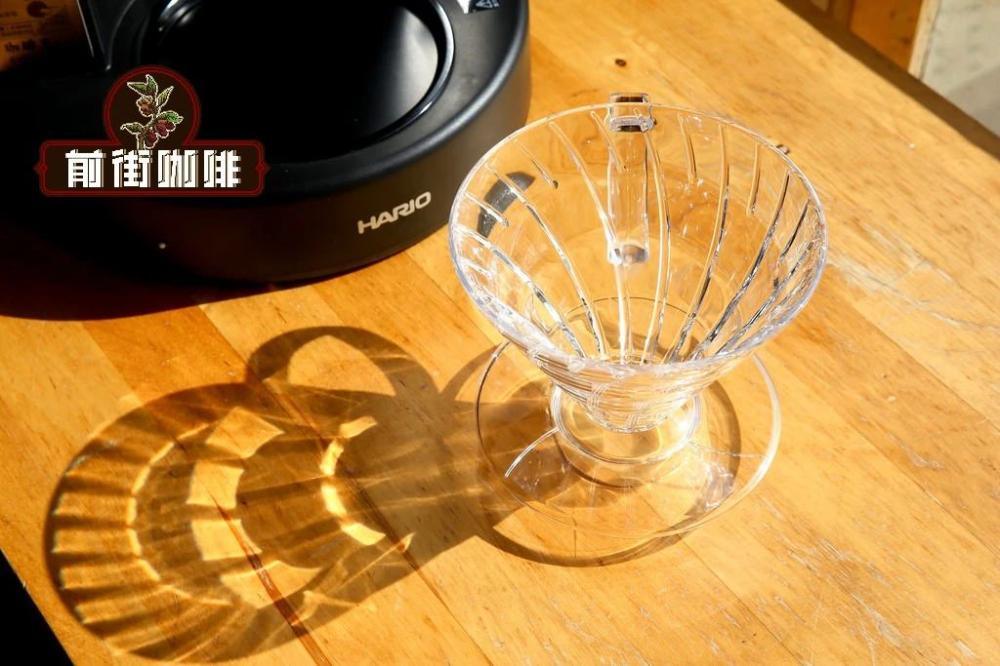
Among the many types of pour-over coffee drippers, the Hario V60 is undoubtedly the best-selling. The V60 features a large bottom aperture that lets water flow through quickly. Its conical shape allows the coffee grounds to stack, creating greater depth and giving the coffee flavour more complexity. The spiral ribs on the inner wall help water flow downward in a spiral pattern, improving extraction efficiency. These characteristics make coffee brewed with a V60 rich in flavour and clearly layered.
Structural Features of the V60 Dripper
The name Hario V60 comes from the dripper's distinctive 60-degree cone angle, which is intuitive and easy to understand. The 60-degree angle lets coffee grounds concentrate at the bottom of the dripper while injected water converges toward the centre, ensuring sufficient contact time between water and coffee grounds for the full release of flavour compounds.
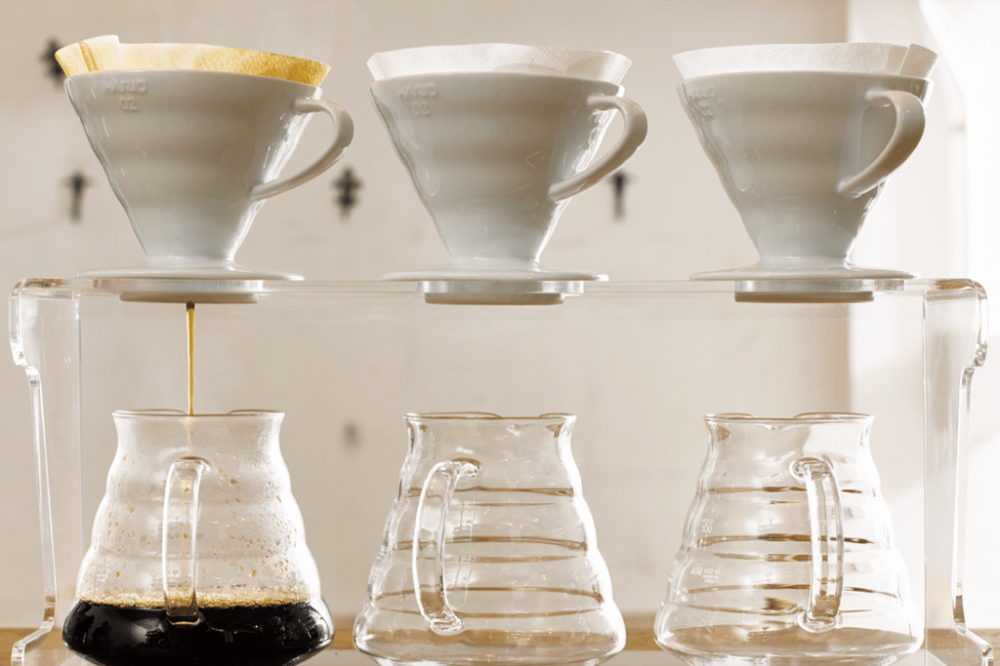
The ribs inside the V60 have a spiral shape, extending from the bottom to the top. Their function is to guide water flow and create adequate space between the filter paper and the dripper, enhancing aeration during brewing. The spiral protrusions not only extend the contact time between coffee grounds and water but also let the water level descend while the flow follows the spiral grooves toward the centre point of the dripper. The gravity of the falling water creates pressure on the coffee grounds, forming greater complexity. This lets brewers control flavour variations by adjusting the speed of the water flow.
The V60's ribs rotate clockwise. When pouring water clockwise, the flow follows the rib pattern more smoothly, while counterclockwise pouring slows the water flow. It is precisely because of the V60's fast flow that brewers need good water control to inject water steadily and evenly, avoiding under-extraction or uneven extraction.
Design Philosophy of the V60 Dripper
When mentioning the V60 dripper, most people immediately think of the Hario brand. FrontStreet Coffee also uses Hario resin V60 drippers for daily production in its stores.
Hario, a Tokyo-based company, was founded in 1921 and initially specialised in heat-resistant glass products. The heat-resistant serving pots commonly seen in coffee shops are among Hario's popular products. Hario redesigned the V60's prototype in 2004, bringing the dripper closer to the form we know today, and named it for its distinctive 60-degree cone angle and V shape, launching it on the market a year later. In the 1980s the first drip coffee filter, the Melitta dripper, was invented. It had a small bottom drainage hole, resulting in a slow flow rate, with coffee grounds essentially in a soaking state during the later extraction stages. Hario's designers therefore conceived a parabolic-shaped dripper to concentrate the extraction path, letting the coffee liquid drip directly into the lower pot and thereby reducing the chance of over-extraction.
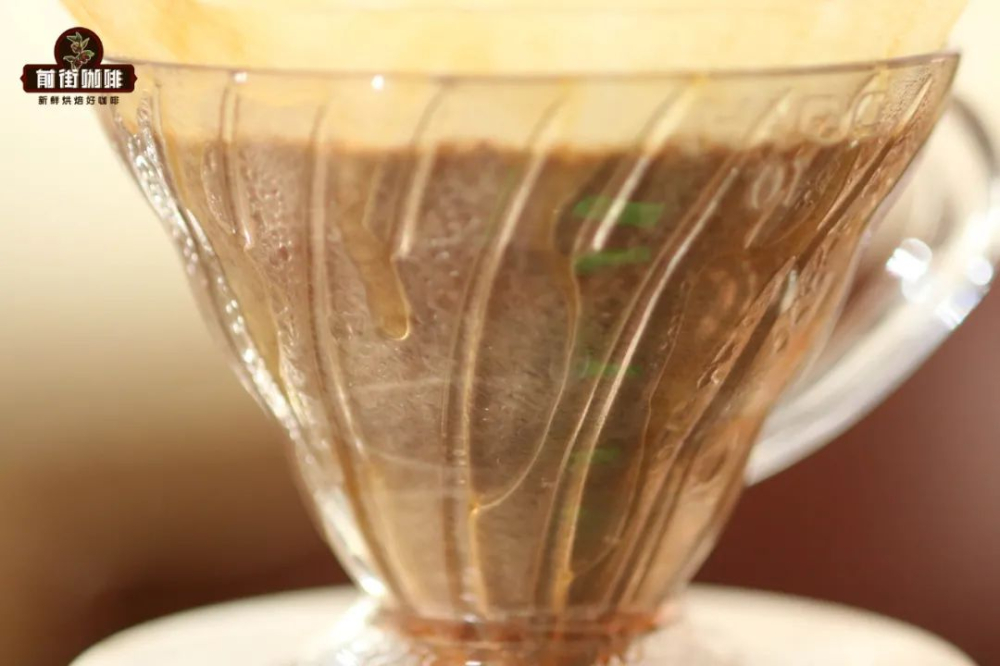
The original design of the V60 was based on the quadratic function y=x². Later, someone improved the parabolic-shaped dripper to nearly conical, which further evolved into the shape of the English letter V.
How to Brew Coffee with V60?
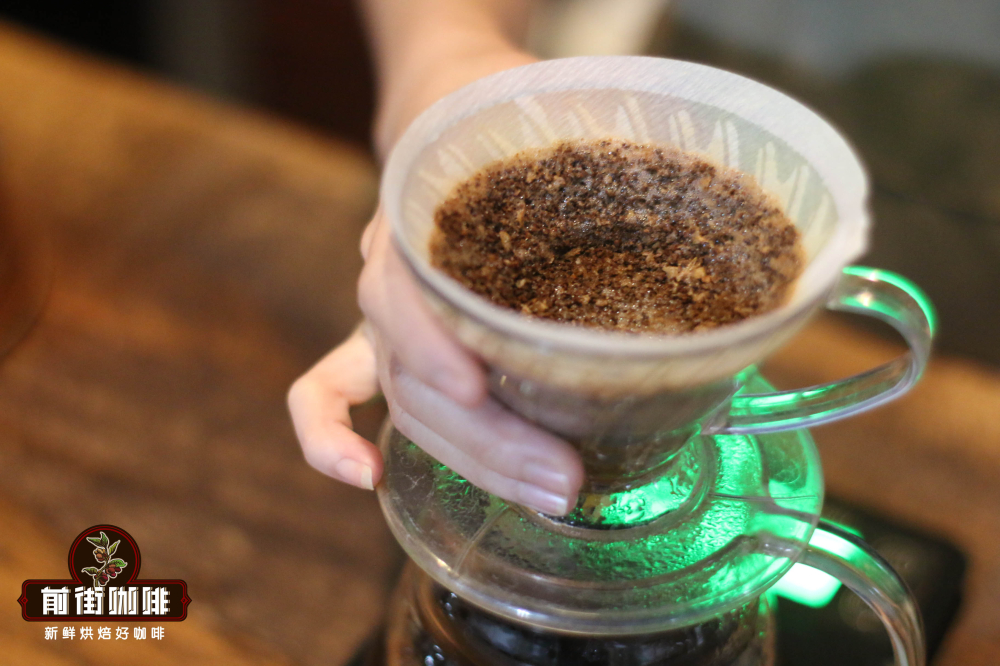
When using the V60 for brewing, FrontStreet Coffee chooses the size 01 resin dripper. The resin material prevents heat loss, and size 01 is suitable for single-serving brewing. Because of the V60's fast drainage, FrontStreet Coffee uses a finer grind to increase the contact area between grounds and water, allowing for more thorough extraction and fuller flavour. The finer the grind, however, the more easily the grounds accumulate at the bottom of the filter paper, increasing flow resistance and slowing drainage, which extends extraction time and can lead to over-extraction with woody or unpleasant off-flavours. We must therefore also pay attention to pouring technique to avoid blockage in the later stages.
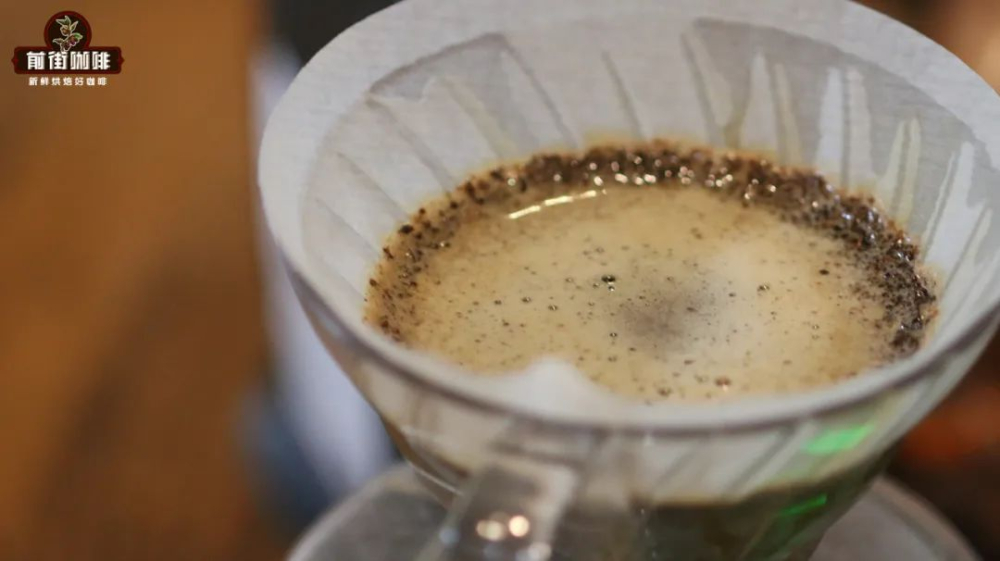
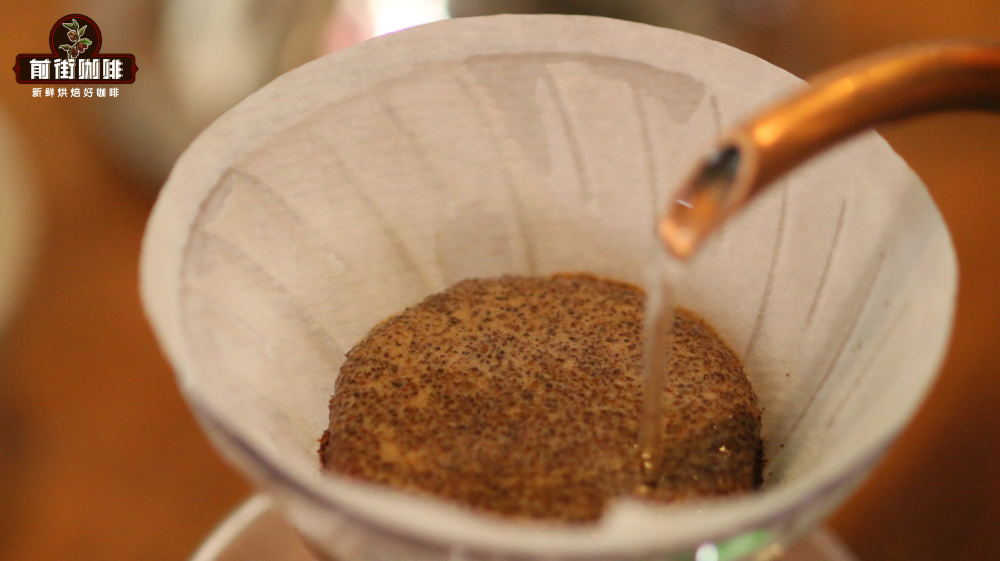
If you want to extract coffee flavour while maintaining stability, FrontStreet Coffee suggests expanding the pouring range from the centre outward after the bloom stage. As the water level rises, use the water stream to rinse through the entire coffee bed, ensuring even extraction of the coffee grounds. Here, FrontStreet Coffee uses its house-roasted Guodingding Cooperative coffee beans as an example, with 15 g of coffee grounds, a 1:15 coffee-to-water ratio, and a total of 225 g of water, yielding approximately 200 g of coffee liquid after filtration, using a three-stage extraction method.
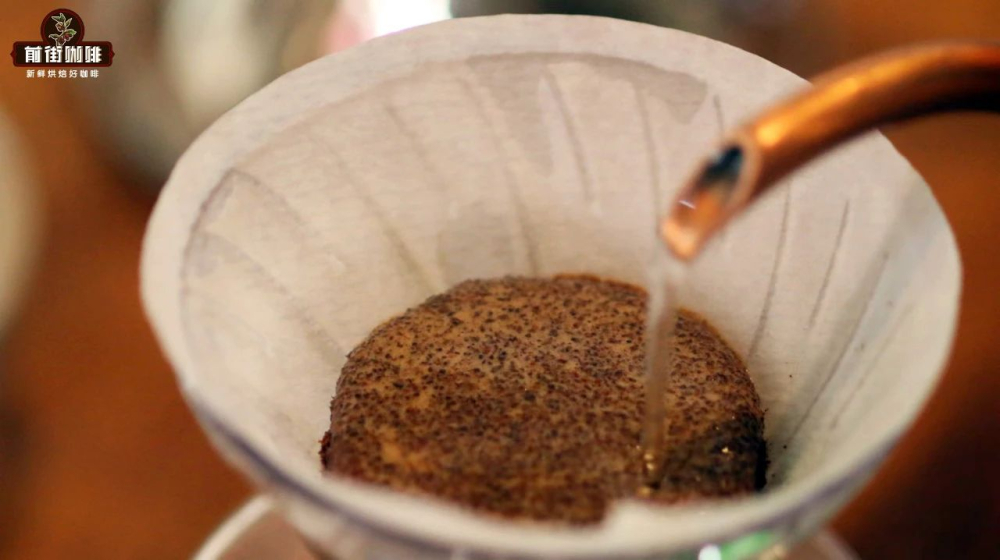
First stage: pour 30 g of water for a 30-second bloom, starting the timer simultaneously. Use a small water flow, starting from the centre and expanding outward in circles, ensuring the entire coffee bed is saturated.
After 30 seconds, begin the second stage with a slightly larger, steady water flow of 95 g. The purpose is to raise the entire coffee bed. The water stream needs to be injected vertically and evenly. At this point the timer scale should show 125 g, with pouring completed around 55 seconds.
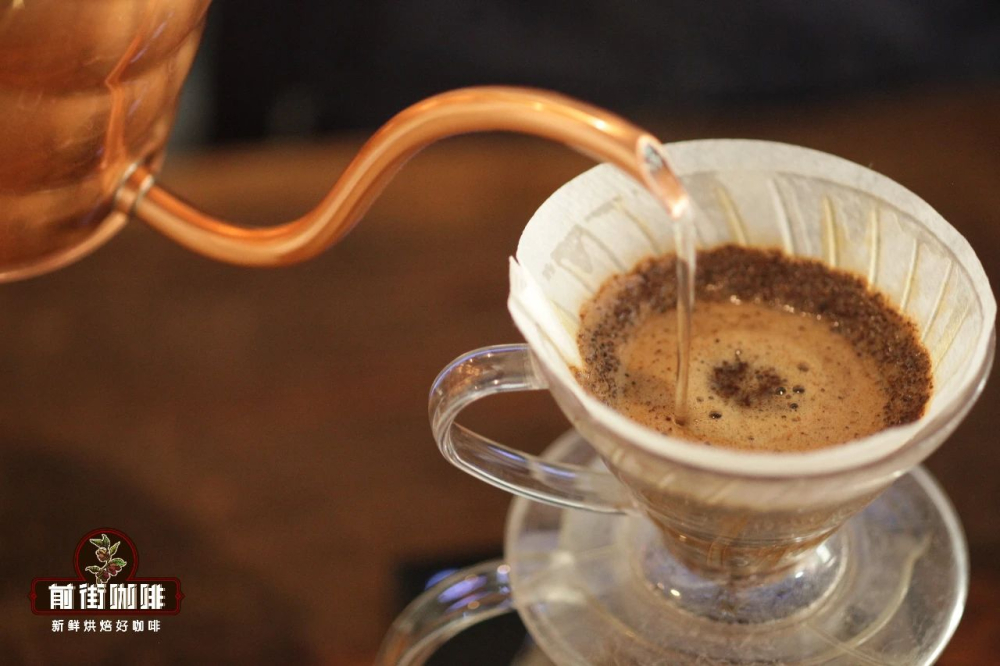
When the liquid level drops to about halfway, begin the third stage of 100 g using a small water flow in small circles. Try to control the flow to avoid circles that are too large, which can scatter the coffee grounds and cause under-extraction. Finally, the total water poured should be 225 g, with drip completion around 2 minutes. After removing the dripper, shake the coffee liquid in the serving pot evenly before tasting.
FrontStreet Coffee Recommendation
The V60's fast, controllable flow is made for the floral and fruit-forward beans of the third wave, and FrontStreet's range gives the dripper plenty to work with. The Guodingding Cooperative beans used in the example above, a washed Yirgacheffe from the Gedeo Zone, are the classic starting point, with jasmine, bright citrus and lemon acidity, and a clean green-tea body that a three-stage pour brings out beautifully. If you want a more tropical cup, the FrontStreet Huakui natural coffee from the Hambella area of Guji, Sidama, is dried on raised beds for 21 days and pours with strawberry, passion fruit, mango, and black tea over a thick, honeyed body. For a grape-and-raisin character, the FrontStreet Mozart from the Costa Rica Musician Series retains a little acidity alongside its full sweetness. All of them suit the size 01 resin V60 and a 15-gram, 1:15 recipe, and together they show why this simple cone has stayed the standard filter dripper for so long.
Important Notice :
FrontStreet Coffee is a long-established specialty coffee roaster in Guangzhou China, selling freshly roasted beans from its own farm in Yunnan as well as dozens of carefully selected single-origin beans from around the world for both pour-over and espresso. The products deliver consistently excellent quality and great value, with shipping within 24 hours. Guangzhou's FrontStreet Coffee shop is recommended by many coffee lovers, and the beans are now available online at the Tmall 。
FrontStreet Coffee has moved to a new address:
FrontStreet Coffee Address: 315,Donghua East Road,GuangZhou
Tel:020 38364473
 Scan and follow the En Gafei WeChat official account. Please indicate that the reprint comes from "En Gafei".