How to Make Hot Cappuccino Coffee - A Guide to Making Authentic Cappuccino with an Espresso Machine
Plenty of people pause at the edge of the coffee world. You see them on the street holding milk coffees, curious but unsure where to start. When straight espresso is too much, milk coffee is the natural first step — add milk and everything turns sweet, fragrant, and smooth. Then comes the fork in the road: latte or cappuccino. Today, let's talk about the past and present of cappuccino.
The History of Cappuccino
The Viennese Franz George Kolschitsky was the creator of cafe latte, the drink that first married milk and coffee. Both latte and cappuccino descend from that pairing, but cappuccino's origin story is the more scholarly of the two — it has long been a favorite case study in how words evolve across Europe and America.
The Origin of Cappuccino
The Capuchin order, founded after 1525, dressed its monks in brown robes with pointed hoods. When the order spread to Italy, locals found the attire so distinctive that they nicknamed the monks "Cappuccino" — an Italian word for the loose robes and small pointed hoods, derived from "Cappuccio," the Italian for hood. But Italians love their coffee, and someone noticed that when espresso, milk, and milk foam were combined, the color matched the monks' dark brown robes. With that flash of inspiration, the milk-coffee drink crowned with pointed milk foam was christened "Cappuccino."

Characteristics of Cappuccino
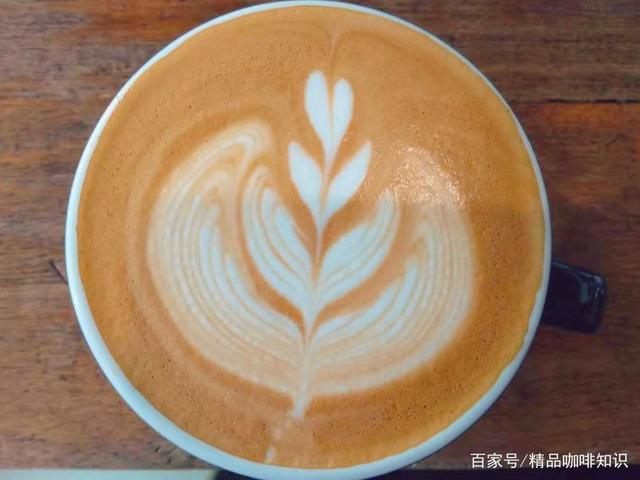
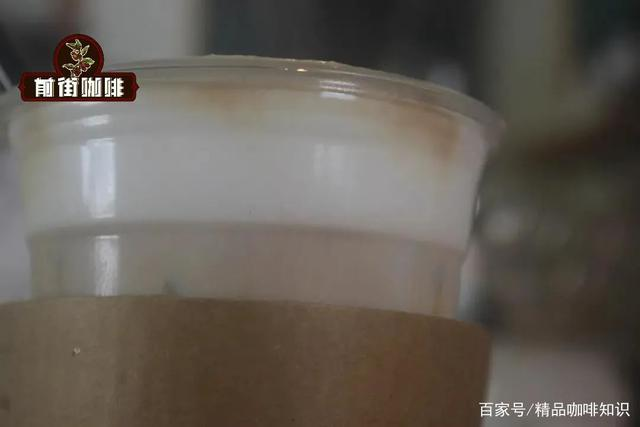
Anyone who has drunk a cappuccino knows its defining trait: a layer of foamed milk sitting on top of the coffee, created with steam.
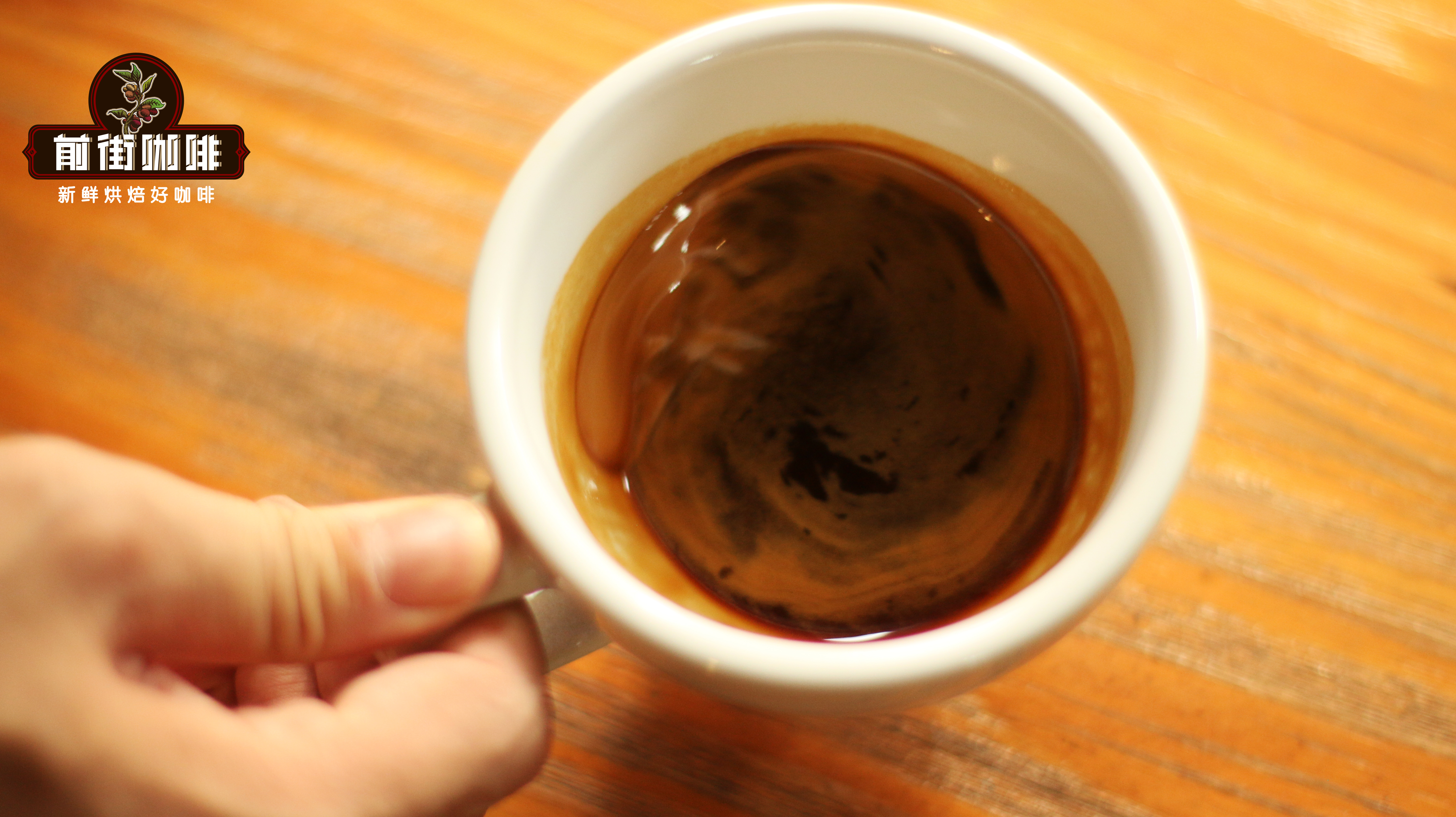
Beneath it is true espresso — concentrated, rich, and bittersweet. Above it sits sweet, pillowy milk foam. One price, two flavors! Better still, the bitterness and sweetness never clash; they feel cut from the same cloth, so drinking one is nothing but fragrant, mellow pleasure.
How to Make Cappuccino?
A cappuccino is three things: espresso, dense milk foam, and steamed milk.
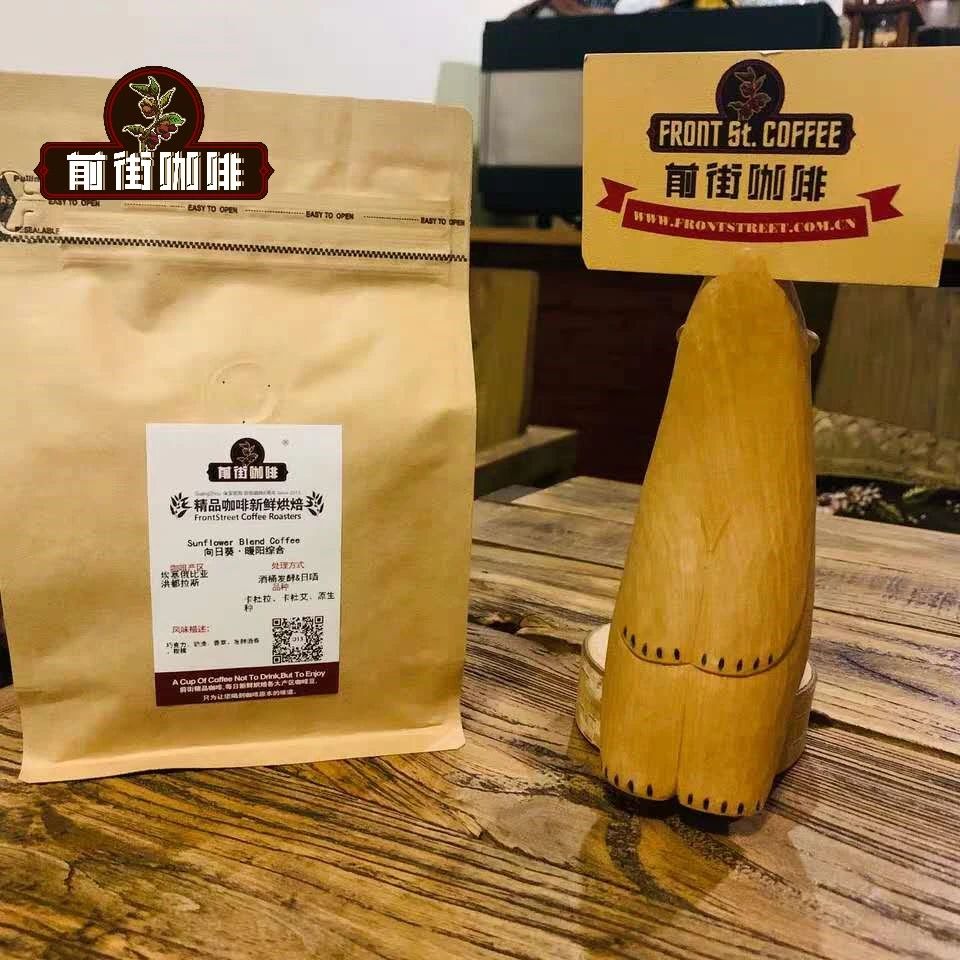
Example Using FrontStreet Coffee's Warm Sun Sunflower Blend
Blend Composition: Honduras Sherry Cask & Yirgacheffe Natural Red Cherry
Composition Ratio: 6:4
Flavor Profile: Vanilla, cream, fermented wine aroma, chocolate
Coffee Extraction
Coffee Grounds: 14 grams
Coffee Liquid: 20 grams
Extraction Time: 30 seconds
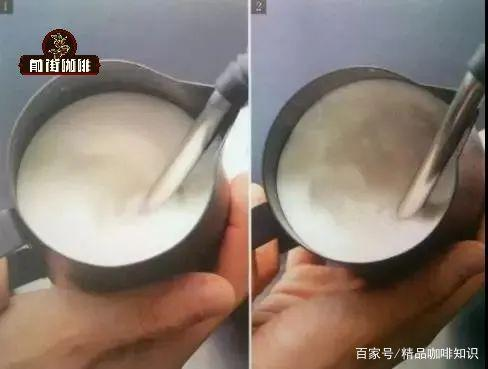
Milk Frothing Details
Milk Type: Fresh milk
Frothing Temperature: 50 degrees Celsius
Foam Thickness: 1.5 centimeters
Coffee Cup: 180 milliliters
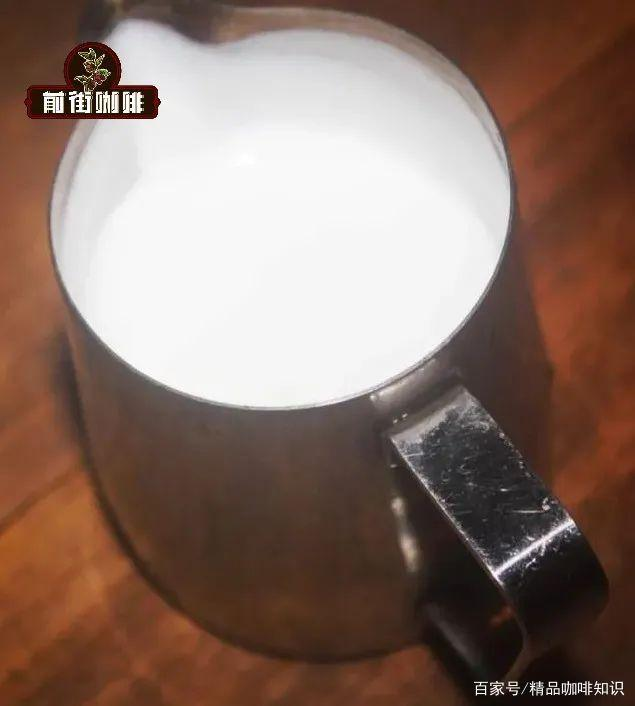
Preparation Process
Pour about 150 milliliters of cold milk into a pitcher, then froth it into roughly 2.5 centimeters of foam while heating to 50 degrees — warm enough to draw out the milk's sweetness without scalding it. Pour the freshly frothed milk over the espresso, swirl in a simple latte-art pattern, and the cappuccino is done.
If summer heat has you thinking iced instead, here is how to make an iced cappuccino.
We still use FrontStreet Coffee's Warm Sun Sunflower Blend.
Coffee Grounds: 18.5 grams
Coffee Liquid: 37 grams
Extraction Time: 28 seconds
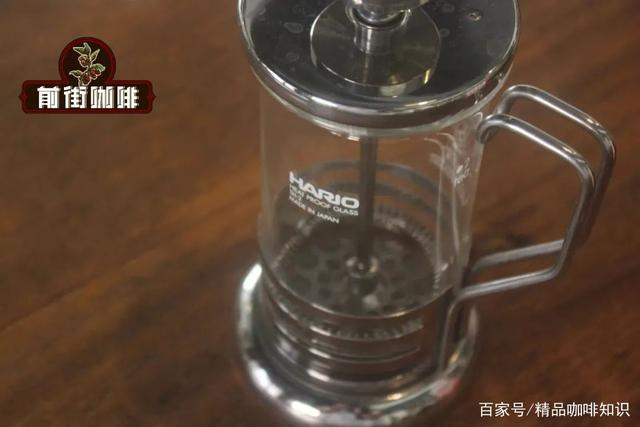
Making Cold Milk Foam
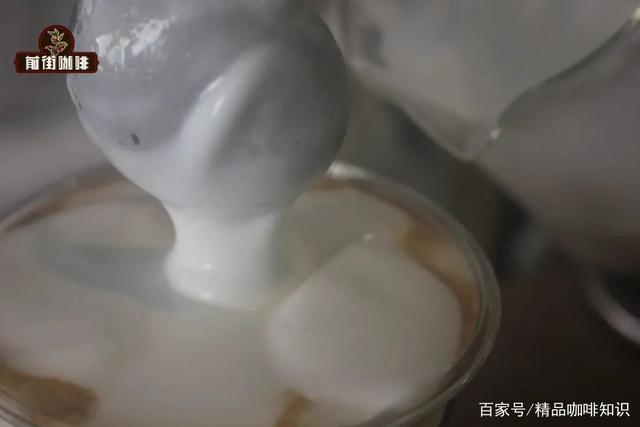
Cold milk foam needs a frother — or, if you don't have one, a French press works as a stand-in, and that is what we use here. Fill the French press about halfway with fresh milk, then pump it (or your frother) back and forth about 20 times until the foam has risen to about 80% of the vessel. You should end up with dense, glossy milk foam.
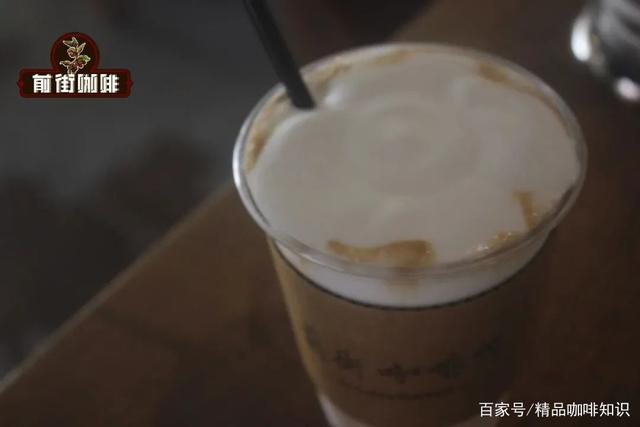
Pour the iced milk foam into the prepared cup, reserving a spoonful of dry foam for a little white cap on top — it looks better that way. Next, pour the extracted espresso into the cup, and finish by spooning the reserved dry foam over the surface. A dusting of cinnamon powder or chocolate powder is optional, according to taste. And with that, an iced cappuccino is ready.
How Does Iced Cappuccino Taste?
The espresso pulled from FrontStreet Coffee's Warm Sun Sunflower Blend carries distinct chocolate liqueur notes. Paired with iced milk and cold milk foam, it turns full-bodied and plush, with rich, lingering cocoa and a whisper of wine-smoke. An excellent summer refresher.
Differences Between Cappuccino and Latte
1. The difference between cappuccino and latte comes down to the ratio of milk to foam.
2. Cappuccino carries more milk foam; latte carries less.
3. In taste, cappuccino reads stronger on the coffee side, while latte is milder because it holds more milk.
FrontStreet Coffee Recommendation
Cappuccino is only as good as the espresso beneath the foam, and FrontStreet Coffee's blend series is built for exactly this job. The Classic Blend is a crema bomb with a forgiving, crowd-pleasing profile, while FrontStreet Coffee's Black Cocoa Blend keeps a nutty, low-acid character that stands up beautifully to milk. For either, FrontStreet Coffee's espresso recipe is 20g of coffee at a 1:2 ratio with a 30-second extraction — enough concentration to cut through thick foam while staying fully extracted. Feeling adventurous? The Strawberry Candy espresso blend brings aromas of berry, rose, raisin, and fruit candy to your cup, a genuinely playful twist on the classic cappuccino.
Important Notice :
FrontStreet Coffee is a long-established specialty coffee roaster in Guangzhou China, selling freshly roasted beans from its own farm in Yunnan as well as dozens of carefully selected single-origin beans from around the world for both pour-over and espresso. The products deliver consistently excellent quality and great value, with shipping within 24 hours. Guangzhou's FrontStreet Coffee shop is recommended by many coffee lovers, and the beans are now available online at the Tmall 。
FrontStreet Coffee has moved to a new address:
FrontStreet Coffee Address: 315,Donghua East Road,GuangZhou
Tel:020 38364473
 Scan and follow the En Gafei WeChat official account. Please indicate that the reprint comes from "En Gafei".