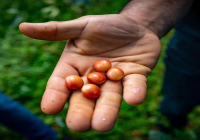
Ethiopia Sidamo Natural Process [Flower Queen] Micro-region Hambella Estate Lion Village
Under Ethiopian regulations there are three coffee export systems: (1) the largest one, in which privately owned processing plants export through ECX bidding; (2) the cooperative system; and (3) the single-farm system. Cooperatives and single estates in the second and third categories can export directly, without going through ECX bidding, which gives them fully reliable traceability and a documented product history.
Trace the matter back to its roots, though, and cooperatives are still buying cherries harvested by smallholders for centralized processing, so they are not 100% traceable. For genuine, plot-level traceability, single farms are the only path forward.
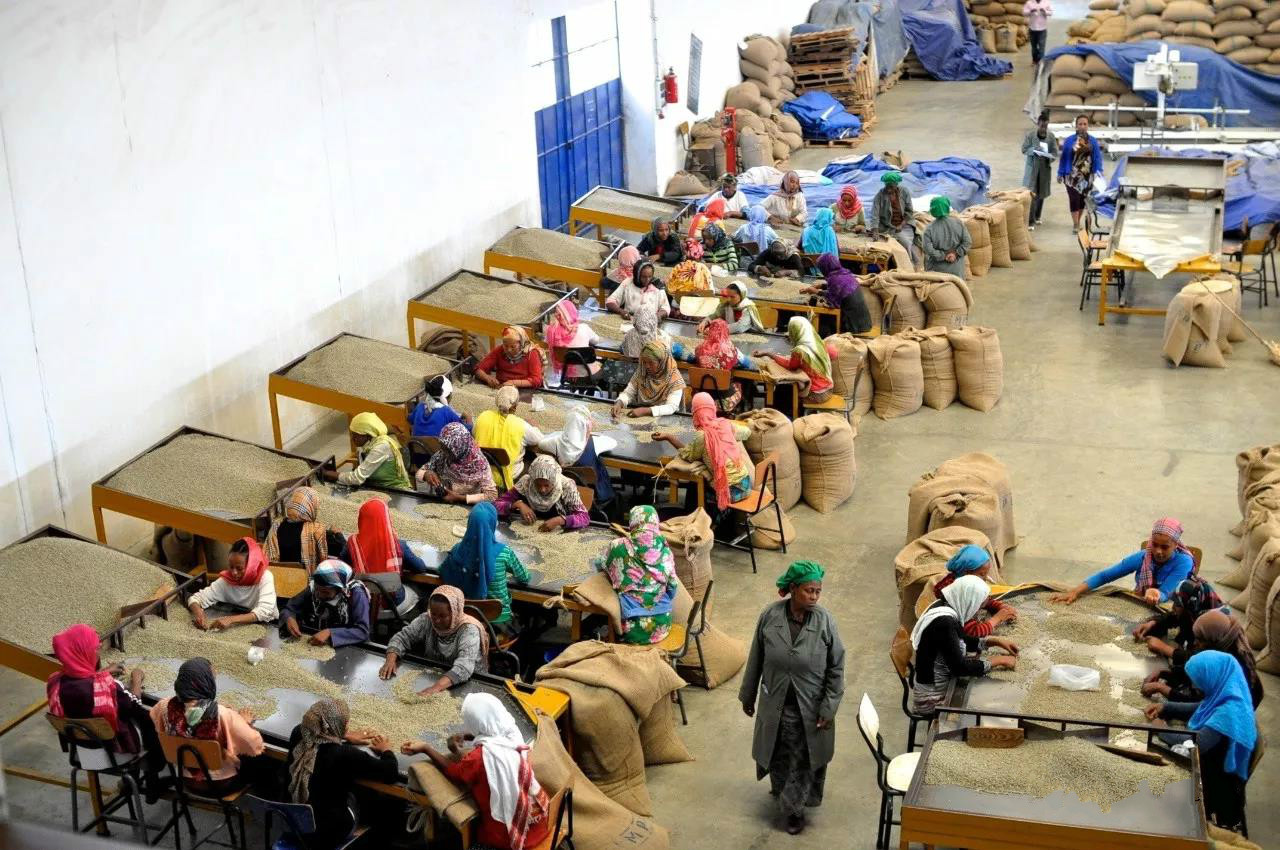
Ethiopia Commodity Exchange
The Ethiopia Commodity Exchange (ECX) was founded in 2008 by Eleni Gabre-Madhin, a former senior economist at the World Bank and director of the International Food Policy Research Institute (IFPRI). Her aim was to create Ethiopia's — and Africa's — first commodity exchange, introducing pricing mechanisms, warehousing and logistics, instant communications and other modern trading rules and technologies in order to overhaul an agricultural market plagued by high transaction risk and high transaction costs, and to build an efficient, reliable and transparent commodity market.
ECX was widely praised at its inception and was expected to revolutionize Ethiopian agriculture, reducing famine and poverty. In the past, Ethiopian farmers often failed to obtain fair prices because of information asymmetry and market risk. According to widespread media reports, ECX has said that through rural cooperatives it has provided market access to more than 2.4 million smallholders.
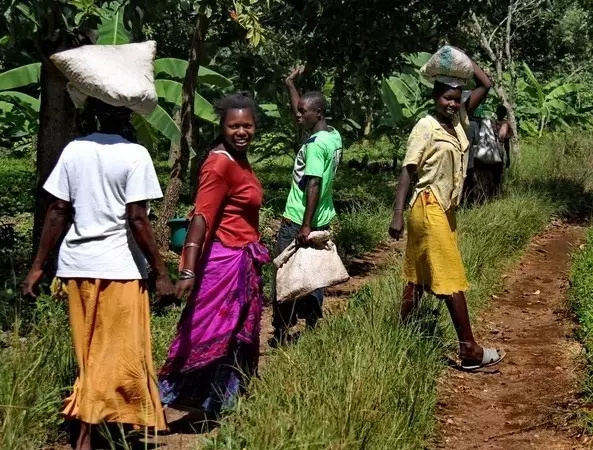
ECX's coffee trading model works roughly as follows. Farmers sell coffee cherries to local washing stations, and some washing stations pay higher prices for better-quality cherries. The washing stations then send the processed green beans to warehouses at the delivery stations.
ECX functions as a "distribution center" that delivers the following:
1. Better price protection — it buys coffee beans from farmers at stable, relatively generous prices and then holds the goods;
2. Coffee grading — higher quality commands higher prices;
3. Timely information — coffee farmers can immediately get transaction prices, the processing stations and coffee warehouses in their area, and other information by phone;
4. Warehouses and processing plants — by 2012 Ethiopia had 56 warehouses distributed across 17 locations, 9 of which had coffee warehouses, reducing transport costs.
Take the Yirgacheffe region as an example: the delivery station is Dila, where green beans are labeled by production area and graded by bean quality and cupping results. The higher the overall quality, the higher the selling price. Traders buy green beans through ECX, but the packaging at most indicates the production area and village, such as "Yirgacheffe: Konga" or "Yirgacheffe: Kochere."
Ethiopia Coffee Cooperative Names and Introductions
Farmers' Cooperative Union
To make direct export easier for farmers' cooperatives, local cooperatives have banded together to form their own cooperative unions. Ethiopia now has six:
● Oromia Coffee Farmers Cooperative Union (OCFCU)
● Sidama Coffee Farmers Cooperative Union (SCFCU)
● Yirgacheffe Coffee Farmers Cooperative Union (YCFCU)
● Kafa Forest Coffee Farmers Cooperative Union (KFCFCU)
● Bench Maji Coffee Farmers Cooperative Union (BMCFCU)
● Tepi Coffee Farmers Cooperative Union (TCFCU)
The advantage of a cooperative union is that it unites scattered smallholders and cooperatives into one large collective, participates in international programs such as Fairtrade, provides a unified export channel for contacting buyers, distributes a share of the harvest to cooperatives, deducts management fees, retains a portion for community development, and distributes the remainder to smallholders. Smallholders can thus earn income more stably and conveniently to cover farming and living expenses — which is why more and more of them are willing to join cooperatives.
Sigiga Cooperative (1600-2500m)
Production Area: Gedeo-Kochere
Members: 1862
Soil Type: Red-brown soil
Certifications: Fair Trade, UTZ sustainable farming, Organic coffee
Finchewan Cooperative (1450-2000m)
Production Area: Gedeo-Wenago
Members: 1271
Soil Type: Red-brown soil
Certifications: Fair Trade, Organic coffee
Konga Cooperative (1750-2300m)
Production Area: Gedeo-Yirgacheffe
Members: 1556
Soil Type: Red-brown soil
Certifications: Fair Trade, Organic coffee
Hafursa Cooperative (1750-2300m)
Production Area: Gedeo-Yirgacheffe
Members: 1975
Soil Type: Red-brown soil
Annual Green Bean Production: 798,000 kg
Average Farm Size: Maximum 4 hectares, approximately 600 kg per hectare annually
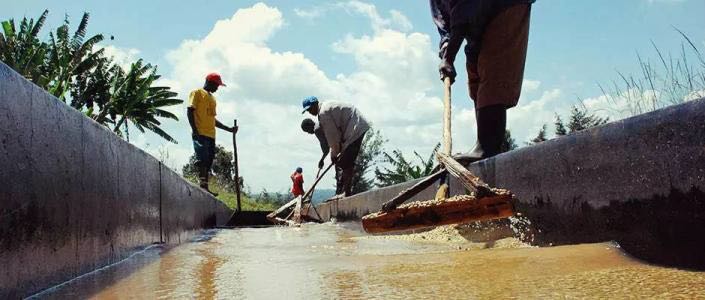
Cooperative has washing station
Certifications: Fair Trade, Organic coffee
Resa Cooperative (1000-1400m)
Production Area: Gedeo-Wenago
Members: 2719
Soil Type: Red-brown soil
Can provide two sets of coffee processing equipment
Certifications: Fair Trade, Organic coffee
Addis Katema Cooperative (1000-1400m)
Production Area: Gedeo-Wenago
Members: 891
Cooperative has washing station
Soil Type: Red-brown soil
Certifications: Fair Trade, Organic coffee
Biloya Cooperative (1600-2500m)
Production Area: Gedeo-Kochere
Members: 1203
Soil Type: Red-brown soil
Provides two sets of coffee processing equipment
Certifications: Fair Trade, Organic coffee
Worka Cooperative (1650-2700m)
Production Area: Gedeb
Members: 305
Soil Type: Red-brown soil
Annual Green Bean Production: 457,000 kg
Average Farm Size: Maximum 4 hectares, approximately 699 kg per hectare annually
Cooperative has all processing equipment
Certifications: Fair Trade, Organic coffee
Koke Cooperative (1750-2300m)
Production Area: Gedeo-Yirgacheffe
Members: 828
Soil Type: Red-brown soil
Can provide one set of processing equipment
Certifications: Fair Trade, UTZ sustainable farming, Organic coffee
Hama Cooperative (1600-2500m)
Production Area: Gedeo-Kochere
Members: 1505
Soil Type: Red-brown soil
Can provide one set of processing equipment
Certifications: Fair Trade, Organic coffee
Chichu Cooperative (1410-2000m)
Production Area: Gedeo-Dila
Members: 1675
Soil Type: Red-brown soil
Average Farm Size: Maximum 4 hectares, approximately 591 kg per hectare annually
Can provide one set of processing equipment
Certifications: Fair Trade, Organic coffee
Michile Cooperative (1410-2000m)
Production Area: Gedeo-Dila
Members: 1206
Soil Type: Red-brown soil
Average Farm Size: Approximately 592 kg per hectare annually
Can provide one set of processing equipment
Certifications: Fair Trade, UTZ sustainable farming, Organic coffee
Hase Haro Cooperative (1450-2000m)
Production Area: Gedeo-Wenago
Members: 1519
Soil Type: Red-brown soil
Average Farm Size: Maximum 4 hectares, approximately 591 kg per hectare annually
Can provide one set of processing equipment
Certifications: Fair Trade, Organic coffee
Dumerso Cooperative (1750-2300m)
Production Area: Gedeo-Yirgacheffe
Members: 246
Soil Type: Red-brown soil
Can provide two sets of processing equipment
Certifications: Fair Trade, Organic coffee
Tumticha Cooperative (1410-2000m)
Production Area: Gedeo-Yirgacheffe
Members: 960
Soil Type: Red-brown soil
Can provide two sets of processing equipment
Certifications: Fair Trade, Organic coffee
Aramo Cooperative (1750-2300m) (90+ Chibi production area)
Production Area: Gedeo-Yirgacheffe
Members: 2254
Soil Type: Red-brown soil
Can provide two sets of processing equipment
Certifications: Fair Trade, Organic coffee
Edido Cooperative (1750-2300m)
Production Area: Gedeo-Yirgacheffe
Members: 1044
Soil Type: Red-brown soil
Can provide one set of processing equipment
Certifications: Fair Trade, Organic coffee
Adame Cooperative (1000-1400m)
Production Area: Gedeo-Wenago
Members: 533
Soil Type: Red-brown soil
Can provide one set of processing equipment
Certifications: Fair Trade, Organic coffee
Belekara Cooperative (1000-1400m)
Production Area: Gedeo-Wenago
Members: 685
Soil Type: Red-brown soil
Can provide one set of processing equipment
Certifications: Fair Trade, Organic coffee
Adado Cooperative (1200-1700m)
Production Area: Sidamo-Bule
Members: 1128
Soil Type: Red-brown soil
Can provide one set of processing equipment
Certifications: Fair Trade, Organic coffee
Haru Cooperative (1200-1700m)
Production Area: Gedeo-Yirgacheffe
Members: 1187
Soil Type: Red-brown soil
Can provide one set of processing equipment
Certifications: Fair Trade, Organic coffee
In July 2017, two new coffee-trade regulations promised to change this situation, giving farmers the right to sell their beans to processing plants within the three days before those beans arrive at an ECX warehouse.
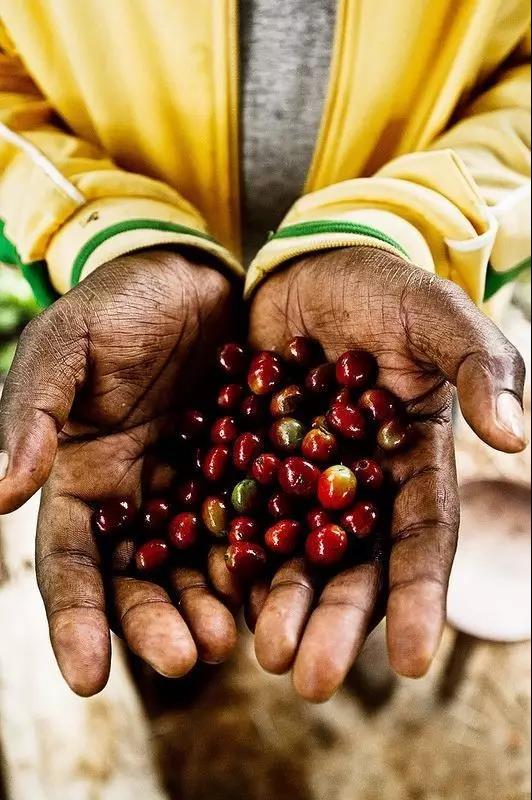
Single Farm
The single-farm system has in fact always existed in Ethiopia, but it has never accounted for a large share, and traditionally it was attached to large commercial lots that did not emphasize quality. As Ethiopia emerged in the third wave of specialty coffee over the past two to three decades, a group of innovators influenced by Western culture began to appear alongside traditional coffee practitioners, hoping to bring change to the industry. In addition to traditional exporters investing in cultivation in the production areas, Ethiopia began to attract a wave of people returning from Europe and America to invest in their hometowns.
How important is the single-farm system (call it the Single Farm Project, or SFP, for now)? Ethiopia is dominated by smallholder systems — but smallholder systems cannot achieve complete traceability.
Single farms are the only answer to all these problems. Single-variety lots, special-processing lots, customized lots and other concepts that matter greatly to the development of specialty coffee all depend on them.
FrontStreet Coffee's Sidamo natural "Horse Champion" bean, for example, comes from a single farm: the micro-region Hambella estate.
Ethiopia Hambella Estate Single Farm Benti Nenqua Village
Ethiopia Hambella Benti Nenqua G1
Country: Ethiopia
Region: Oromia Region
Guji Zone
Hambela Woreda
Benti Nenqua Kebele
Altitude: 2,150 meters (GPS-measured height of the processing plant)
Variety: Ethiopia Heirloom
Annual Rainfall: Approximately 1,500 - 2,000 mm
Processing Plant: Hambella
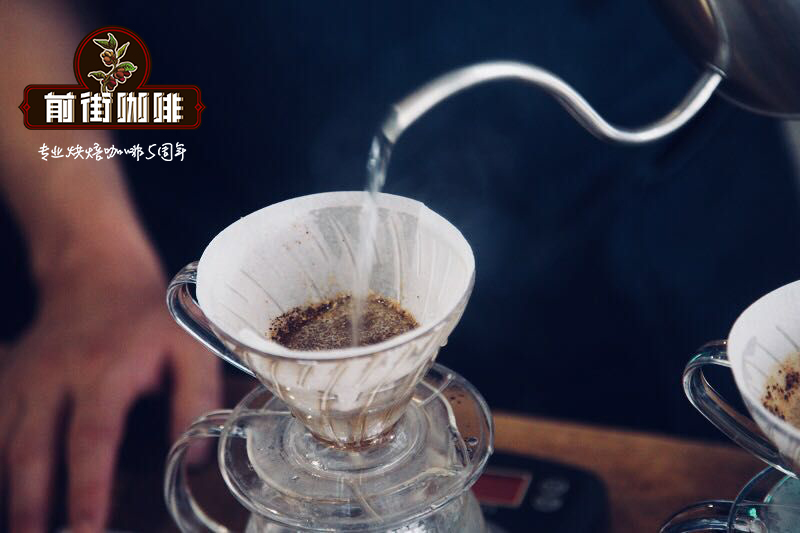
FrontStreet Coffee Recommended Brewing Method: Pour-over
1. Filter: V60 dripper
2. Water Temperature: 89-91°C
3. Grind Size: Medium grind
4. Coffee-to-Water Ratio: 1:15
5. Extraction Time: Approximately 1 minute 50 seconds
FrontStreet Coffee Recommendation
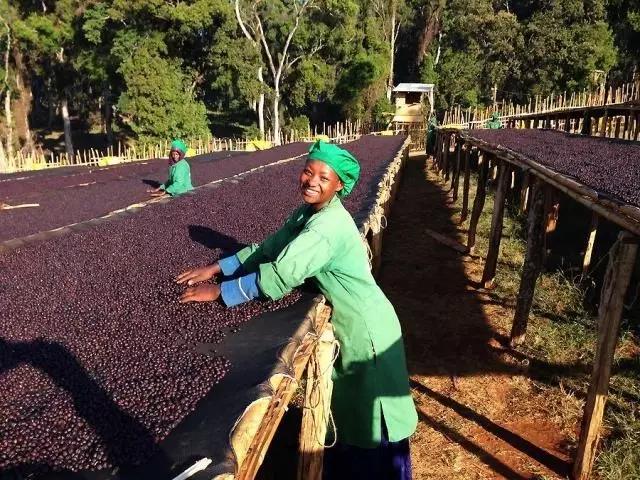
To taste the Ethiopia of this Hambella micro-region for yourself, FrontStreet Coffee's natural-process Huakui (Flower Queen) comes from the Hambella area of Guji, Sidamo. The farm covers 200 hectares and is processed by the traditional natural method: ripe cherries are dried on raised beds for 21 days to keep them from molding or picking up earthy off-notes, and the fruit is raked regularly so the beans dry evenly. Farm workers hand-sort out defective and moldy beans every three to five days, and after the dried skin hardens the whole fruit is hulled and given one final sorting pass. Because the cherries dry with their pulp and skin intact, a light-to-medium roast yields a delicately fermented wine-like aroma, florals, citrus and mango, with honeyed sweetness, a cocoa finish and a hint of spice — a thick body and a long, lingering finish.
For an everyday entry into Ethiopia, FrontStreet Coffee's washed Yirgacheffe is the classic starting point: clear jasmine florals and bright citrus acidity, light and elegant with a tea-like body that drinks like clean lemon tea. It is widely regarded as the first specialty bean many drinkers ever buy.
Or, for something wilder, FrontStreet Coffee's Kafa Forest coffee is grown at 1,400-2,100 m in the shade of the forest canopy. Given a medium-light roast, it shows pronounced white florals, bright lemon acidity, sweet orange and bergamot, with a light melon-and-nut sweetness on the finish and a green-tea-like mouthfeel.
Important Notice :
FrontStreet Coffee is a long-established specialty coffee roaster in Guangzhou China, selling freshly roasted beans from its own farm in Yunnan as well as dozens of carefully selected single-origin beans from around the world for both pour-over and espresso. The products deliver consistently excellent quality and great value, with shipping within 24 hours. Guangzhou's FrontStreet Coffee shop is recommended by many coffee lovers, and the beans are now available online at the Tmall 。
FrontStreet Coffee has moved to a new address:
FrontStreet Coffee Address: 315,Donghua East Road,GuangZhou
Tel:020 38364473
 Scan and follow the En Gafei WeChat official account. Please indicate that the reprint comes from "En Gafei".