Rwanda Red Bourbon Coffee Characteristics - Differences Between Red Bourbon and Yellow Bourbon
FrontStreet Coffee has brought in quite a few Rwandan coffees this time, and among them a washed Red Bourbon performs exceptionally well. Rwandan coffee has only gradually drawn attention in recent years, and the story behind that is worth explaining in detail. The focus here is on this particular coffee: the reason for bringing it in is the Bourbon variety, one of the oldest coffee varieties, with excellent flavor and mouthfeel. The washed process also brings out the coffee's own superior flavors and delicate texture. What's more, this batch clearly shows regional character—although it comes from the African growing region, it differs from the typical regional flavors and stands out as unique.
Rwanda's Coffee History
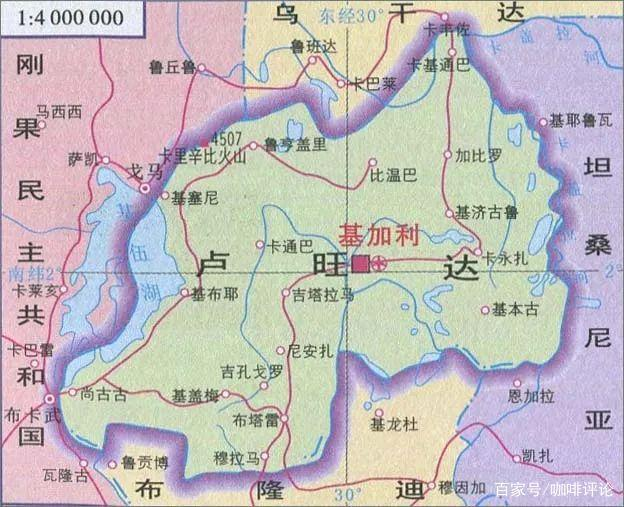
Rwanda sits in central Africa and is a textbook landlocked country, with every neighboring country a major coffee producer. In the early 20th century, Rwanda became a colony of Germany and then Belgium, and German missionaries first introduced coffee. During the colonial period, production rose significantly, but exploited labor, suppressed prices for coffee crops, and high export taxes meant bean quality was far from ideal—a normal phenomenon in commercial coffee development at the time. FrontStreet Coffee notes that Brazil, also once under colonial rule, produced coffee that emphasized quantity over quality and carried a reputation for poor quality for a period. It was not until Rwanda gained independence and established its first official coffee organization, OCIR, that attention gradually shifted to bean production. Rwanda's coffee production kept growing from the 1960s-1980s, peaking in 1986, until domestic political instability in the early 1990s (the Rwandan genocide) stalled the industry. Today, Rwanda has gradually recovered its vitality. After 1995, thanks to vigorous government development efforts and support from foreign NGOs and private groups, Rwanda was able to restore stability. FrontStreet Coffee has recently sourced several batches of Rwandan beans from different regions—first because Rwanda's coffee industry is developing rapidly and quality is assured, and second because Rwanda is gradually forming distinct regional flavor characteristics that set it apart from Ethiopia and Kenya.
Rwanda Coffee Processing Methods
In 2000, Rwanda—having just emerged from political turmoil—received funding from USAID for two major coffee development programs, PEARL and SPREAD, aimed at supporting the country's reconstruction. After these programs were implemented, Rwanda built 46 coffee washing stations, letting the economy grow significantly through strong coffee exports. Rwandan coffee today therefore mainly uses the washed process. Ripe cherries are hand-picked, the pulp and fruit flesh are removed, and then the beans undergo 12-18 hours of washed fermentation to clean away the mucilage before being dried to a moisture content below 14%. FrontStreet Coffee believes that Rwanda's decision to make washing its main processing method early in the industry's development was a choice that clearly highlights coffee flavors. Because washing is the method that best expresses a coffee's essential character, when FrontStreet Coffee recommends a growing region, it also recommends washed beans first, so drinkers can understand that region's flavor more clearly.
Rwanda Bourbon Coffee Beans
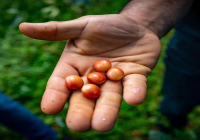
Over 90% of Rwanda's coffee varieties are early-introduced Bourbon and mixed Bourbon-family varieties, which resist natural disasters well. Bourbon coffee was originally cultivated on Réunion Island and was introduced to Brazil in 1860, spreading rapidly northward throughout Latin America. FrontStreet Coffee currently sources several Latin American Bourbon coffees, including Brazilian Red Bourbon, Brazilian Yellow Bourbon, and Colombian Pink Bourbon. The advantages of those Latin American Bourbon varieties no longer hold, however, due to poor disease resistance. Rwanda's Bourbon varieties, by contrast, still keep their advantages, which is one reason FrontStreet Coffee sources Rwandan coffee. Generally, after Red Bourbon trees flower and bear fruit, the cherry color changes as follows: green → light yellow → light orange → mature red → darker red when fully ripe, which is why some people call it the "Red Bourbon variety." In fact, Red Bourbon is simply the Bourbon variety we usually refer to. Bourbon grown at high altitude typically has better aroma and brighter acidity, and can even show wine-like flavors.
FrontStreet Coffee Roasting Recommendations
Machine: Yangjia 800N, 550g green beans input
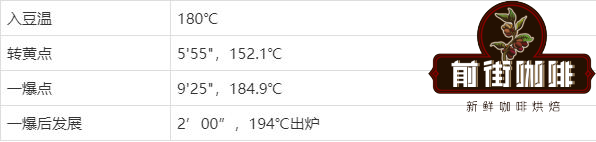
FrontStreet Coffee Rwandan Washed Coffee Bean Roasting Curve
Since Rwandan beans have a fresh acidity, FrontStreet Coffee recommends a light to medium roast to highlight that flavor. The darker the roast, the more the fruity acidity is lost.
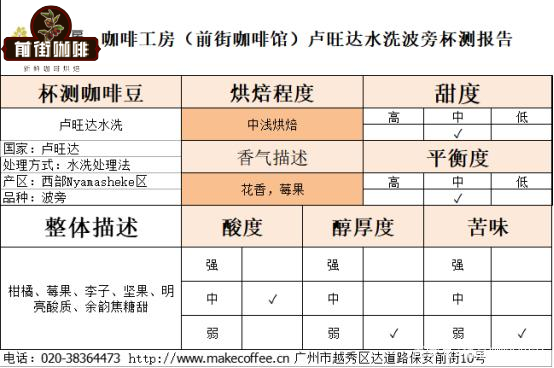
FrontStreet Coffee Rwandan Washed Coffee Bean Cupping Report
When FrontStreet Coffee cupped this Rwandan washed coffee, the dry aroma showed distinct floral and berry aromatics, while the wet aroma carried honey sweetness and nutty aromas. The overall profile showed bright acidity, citrus, and berries, with a caramel sweetness in the aftertaste.
Rwanda Washed Bourbon
Region: Western Nyamasheke District
Altitude: 1700-2000m
Variety: Bourbon
Processing Method: Washed Processing
FrontStreet Coffee Brewing Recommendations
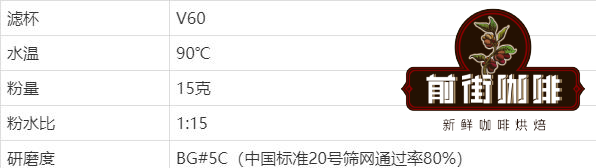
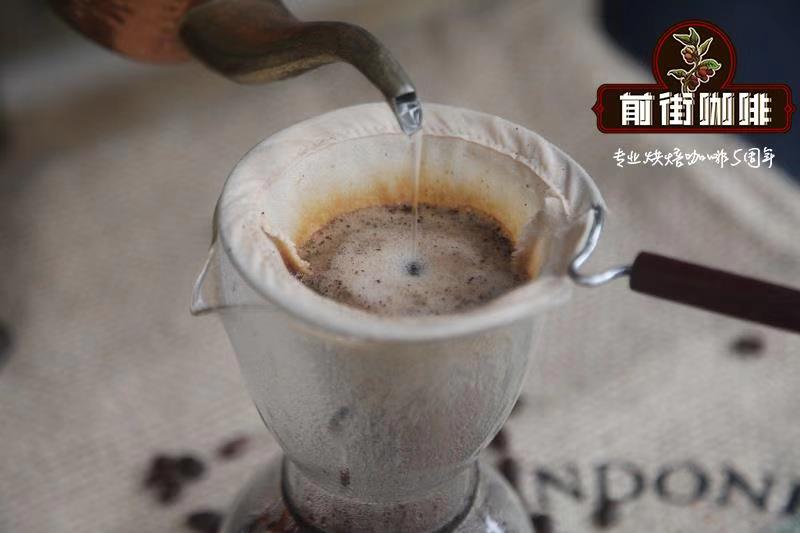
FrontStreet Coffee uses segmented extraction, with 30g of water for a 30-second bloom. Using a small water flow in a circular motion, pour to 125g to make the next pour. When the water level drops and is about to expose the coffee bed, continue pouring to 225g and stop. When the water level drops again and is about to expose the bed, remove the filter cup. Extraction time is 2'00" (timed from the start of the bloom).
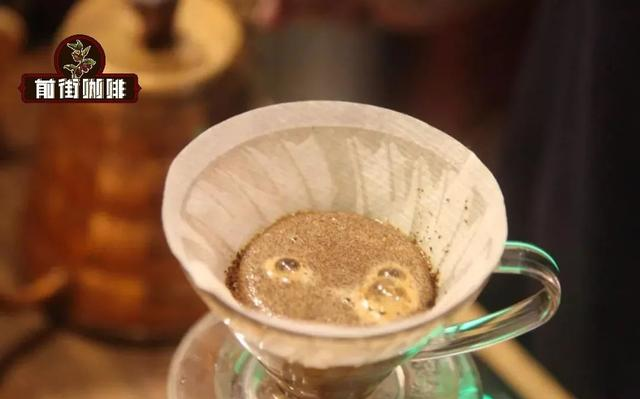
FrontStreet Coffee Rwandan Washed Coffee Bean Pour-Over Coffee
Flavor description: floral and berry aromatics, with distinct citrus, berries, and plum on entry. The mid-palate shows nuts, with a caramel sweetness in the aftertaste.
FrontStreet Coffee Recommendation
Bourbon is one of the oldest coffee varieties, and Rwanda's washed lots are a fine example of what it can do—the same family that gives FrontStreet Coffee's Brazilian beans their appeal. As with Rwanda, the FrontStreet approach to Brazil is to roast for balance rather than extremes, so the sweetness, body, and gentle acidity stay in harmony.
To taste the classic Brazilian side of Bourbon, the FrontStreet Brazil Cerrado Red Bourbon is a great single origin. Cerrado is one of Brazil's best-known regions for high-quality beans, and this one is the familiar South American Red Bourbon. Roasted medium, it opens with the rich aromas of creamy peanut, toasted bread, caramel, and hazelnut, with a rounded body, little acidity, and a light bitterness—happy in a pour-over, a moka pot, an espresso SOE, a siphon, or a French press.
For something less common, the FrontStreet Brazil Queen Estate grows the rare Yellow Bourbon, a natural mutation of Red Bourbon, in Mogiana near South Minas, where the fertile red volcanic soil feeds the fruit. Across a pour-over, a moka pot, or a home machine, it shows a clean sugarcane sweetness that other regions rarely offer, along with fruit and chocolate notes.
Important Notice :
FrontStreet Coffee is a long-established specialty coffee roaster in Guangzhou China, selling freshly roasted beans from its own farm in Yunnan as well as dozens of carefully selected single-origin beans from around the world for both pour-over and espresso. The products deliver consistently excellent quality and great value, with shipping within 24 hours. Guangzhou's FrontStreet Coffee shop is recommended by many coffee lovers, and the beans are now available online at the Tmall 。
FrontStreet Coffee has moved to a new address:
FrontStreet Coffee Address: 315,Donghua East Road,GuangZhou
Tel:020 38364473
 Scan and follow the En Gafei WeChat official account. Please indicate that the reprint comes from "En Gafei".