Espresso Extraction Time and Brew Ratio Standards: Making Espresso Coffee Process Steps and Principles

Although most people come to FrontStreet Coffee for pour-over coffee, plenty of them also prefer to drink espresso-based coffee. As is well known, espresso is the foundation of various Italian coffee beverages, including Americano, latte, cappuccino, flat white, mocha, and others.
According to FrontStreet Coffee's understanding, espresso is what foreigners simply call "espresso," and its caffeine content per unit volume is higher than in most coffee drinks. Espresso is extracted by an espresso machine, and the principle is to force hot water (typically around 92°C) through finely ground and compacted coffee grounds under high pressure. The liquid produced as those solid and dissolved components are extracted is called espresso. Although espresso is the origin of all coffee beverages, it is also a coffee beverage in its own right. Most people also treat espresso as the representative of Italian coffee, contrasting it with Americano. So what is the difference between Italian coffee and Americano coffee?

There are two ways to make Americano. One is to extract it with an American drip coffee maker, and the other is to add water to espresso. The difference is best explained through the history of Americano. American drip machines first became popular in American households, and Americans grew used to the taste of drip coffee: weak flavor, thin body, and a strong watery sensation. During World War II, American officers in Europe basically drank espresso, which had a strong, stimulating taste.
So, to simulate the flavor of drip coffee, they added water to the espresso, which made the coffee much milder and very easy to drink. Because at the time no one else in Europe drank coffee this way, it came to be called "Americano coffee." In fact, the name carried a sarcastic edge, mocking Americans for not being able to handle espresso. The French even secretly called Americano "sock coffee" to describe its supposedly terrible taste.
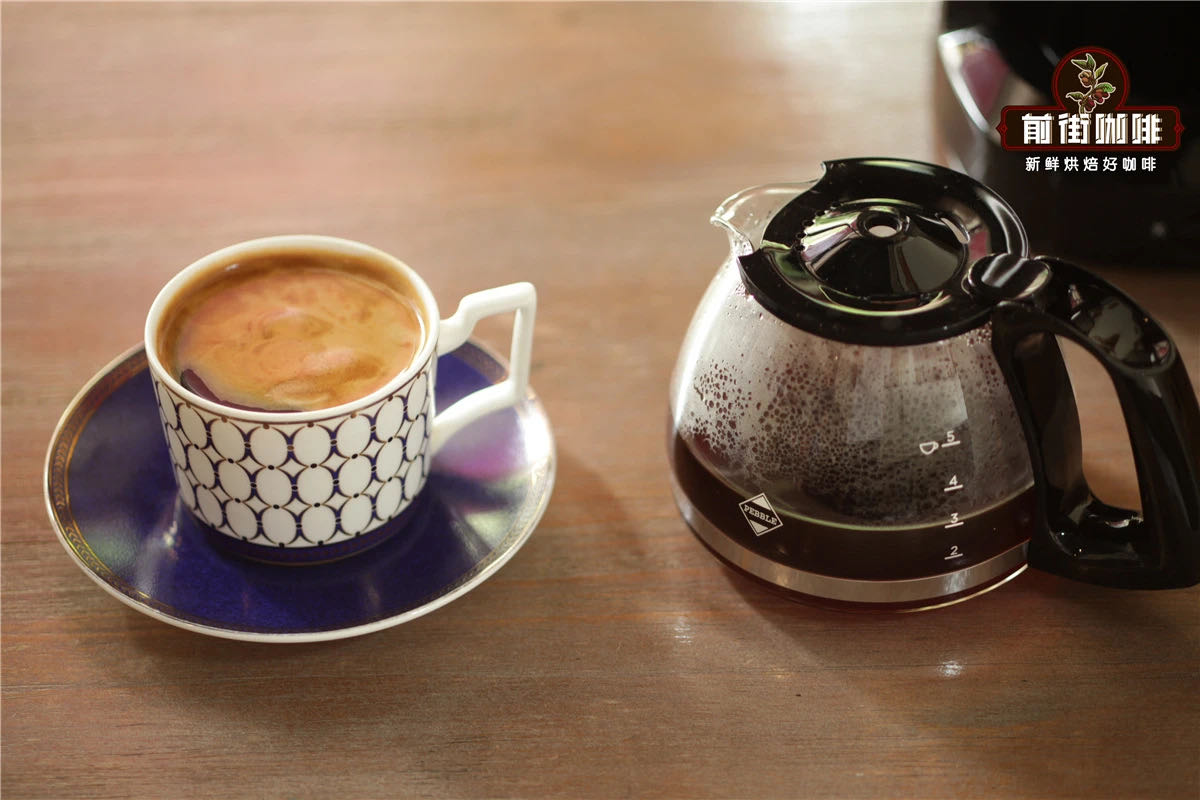
FrontStreet Coffee's Americano is actually espresso with water, and the vast majority of coffee shops on the market use this method. Generally, the water-to-coffee ratio for Americano is between 1:4 and 1:9, with different shops using different standards. FrontStreet Coffee's hot Americano water-to-coffee liquid ratio is 1:4.5, determined by the characteristics of the Warm Sun Blend espresso and the cup volume produced in the store. The water-to-coffee liquid ratio for FrontStreet Coffee's iced Americano nearly reaches 1:9. Because it is a house blend espresso, and unlike other shops that pursue nutty flavors, FrontStreet Coffee's Americano has a rich wine aroma, abundant coffee oils, overall richness, and a creamy texture with a long-lasting chocolate aftertaste. Compared with hot Americano, iced Americano is more refreshing. Using different espresso beans produces beverages with different flavors, and FrontStreet Coffee has designed four types of espresso beans to meet various needs: Premium Blend, Commercial Blend, Basic Blend, and Warm Sun Blend.
The Basic Blend uses commonly available espresso beans such as Brazilian, Colombian, and Yunnan coffee, aiming for good coffee flavor and texture at lower cost. For cafes that pursue rich oils, FrontStreet Coffee's Commercial Blend adds 10% Robusta beans, increasing overall richness while making the coffee flavor more mellow and aromatic. The nutty flavor is prominent, and the chocolate flavor pairs perfectly with the sweetness of milk. FrontStreet Coffee's Premium Blend uses Brazilian and Colombian Arabica beans. All-American Arabica can present a cleaner coffee taste, and the flavor profiles of these two regions are nutty and chocolate notes, making them very suitable for espresso production.


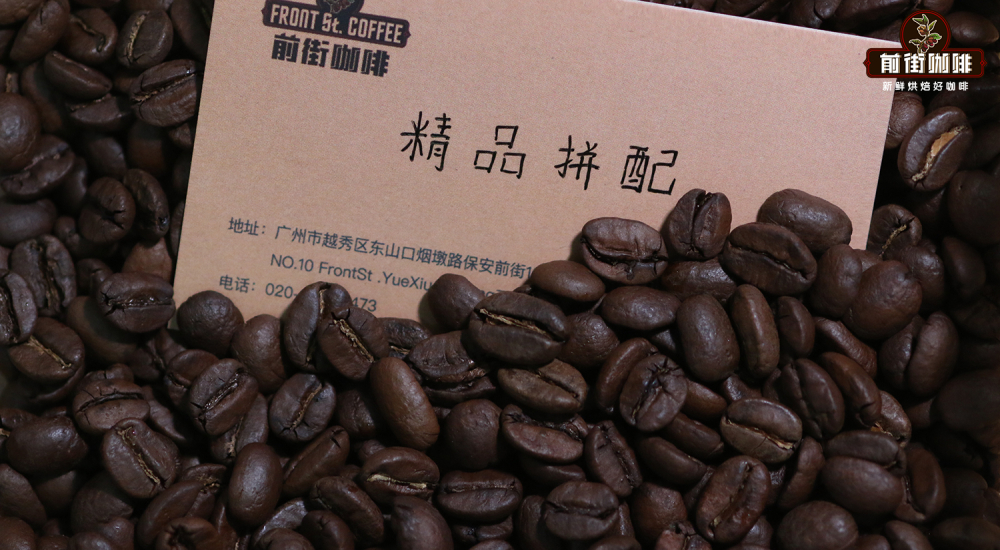
The Sunflower Warm Sun Blend is FrontStreet Coffee's new attempt from 2019. At the time, the concept of specialty single-origin coffee was already prevalent, and many SOEs (Single Origin Espressos) sold on flavor had appeared, but FrontStreet Coffee decided to blend high-quality single-origin beans with flavor as the main purpose. In the end, FrontStreet Coffee settled on a formula of 30% Yirgacheffe Red Cherry and 70% Honduras Sherry for the Sunflower Warm Sun Blend, and the rich vanilla cream and fermented wine aroma won it a large following.

Espresso Extraction Standards
Generally, espresso extraction follows certain standards. Depending on the portafilter basket, the dose of coffee grounds is typically between 18-22 grams. Make sure the ground weight is the amount you want, because small differences can lead to significant variations. The most common brewing ratio is double the dose of grounds, which means that with 18 grams of coffee you should extract 36 grams of espresso liquid, because beyond that value the coffee easily develops over-extracted flavors.
Of course, this standard can be adjusted for different needs. For example, the espresso produced at FrontStreet Coffee stores uses 20 grams of grounds to extract 36 grams of coffee liquid, aiming to make Americanos and lattes more aromatic and flavorful. As a reminder, the weight of liquid coffee should ideally be 1-3 times the weight of dry grounds, with 2 times being the common choice.

Brewing time runs from pressing the button to the end of extraction and typically takes between 25-35 seconds. If the extraction time is longer or shorter than expected, the biggest reason is the coffee grind, so adjust according to your needs to optimize the extraction parameters.
Generally, fast extraction makes the coffee's acidity more prominent and reduces sweetness, while slow extraction causes bitter and dull flavors to develop.

Espresso Quality Assessment
The most direct way to judge whether espresso is ready to serve is through tasting. Flavor is a good way to determine espresso quality. Because judging by taste alone is too subjective, though, some visionary baristas and roasters use refractometers to measure Total Dissolved Solids (TDS) in espresso. TDS measurements let them determine precise brewing strength and extraction percentages and correlate their preferred brewing parameters with numerical data. Measuring TDS also means we can calculate the extraction percentage with the following formula:
(%TDS x Brewed Coffee Weight) / Coffee Grounds Weight = Extraction Percentage
FrontStreet Coffee's Espresso Making Process
Many coffee enthusiasts who come to FrontStreet Coffee admire the baristas operating the machines at the counter, curious about how to work such a seemingly complex device. In fact, what baristas master are just the detailed steps of making espresso, and most of them do not know how the machine actually works. So today FrontStreet Coffee will introduce the detailed process of making espresso, taking FrontStreet Coffee's normal operating procedure as an example:
Step 1: Wipe the portafilter basket, ensuring it is dry and free of water inside
Step 2: Weigh the coffee grounds, using an electronic scale to measure the right amount and controlling the error within ±0.1 grams
Step 3: Distribute the grounds
Step 4: Tamp the grounds
Step 5: Lock the portafilter into the group head
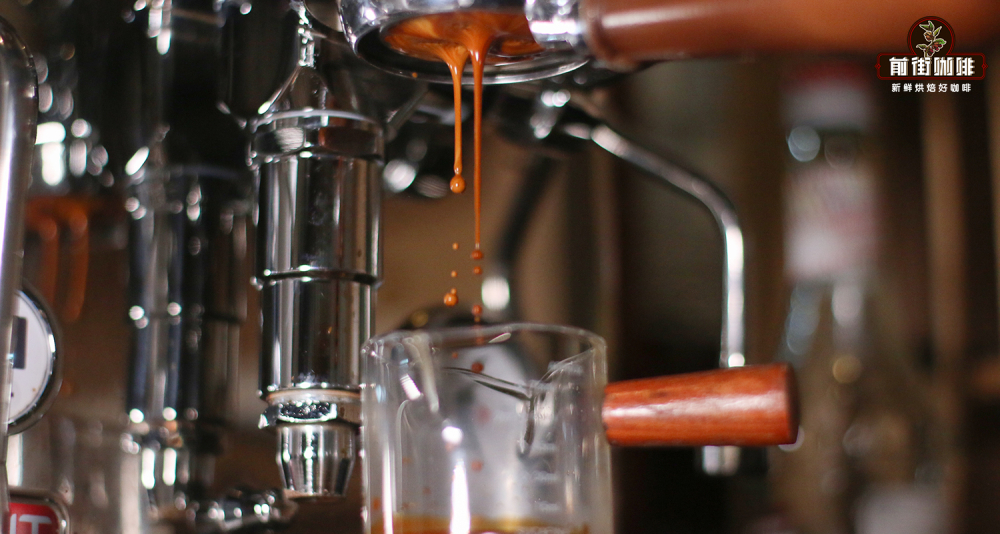
Step 6: Press the button to extract
Step 7: Remove the portafilter and clean the group head

FrontStreet Coffee's recommended espresso extraction parameters: 20g coffee grounds, extract 40g espresso liquid, time 30 seconds.
Making Other Coffee Beverages
And just like that, an espresso extraction is complete. If you want to make other coffee beverages, it is simply a matter of adding sugar and milk. Making iced coffee is relatively simpler: just add hot espresso to cold milk. For hot milk coffee, you will need the steam wand on the machine. FrontStreet Coffee has also written dedicated articles on how to froth milk, which you can look up if needed. It is worth mentioning that many coffee chain brands now use fully automatic machines, which are even simpler to operate: just press a button.

For professional coffee knowledge exchange and more information on coffee beans, read on.
For more specialty coffee beans, keep exploring FrontStreet Coffee's lineup.
FrontStreet Coffee Recommendation
If you want beans that make a beautiful pour-over once you have your espresso dialed in, the Hario V60 is the dripper most beginners are pointed toward, and FrontStreet's floral and fruit-forward lots suit it perfectly. Hario was founded in Tokyo in 1921 as a maker of heat-resistant glassware and scientific instruments, and in 2004 it redesigned the V60 into the shape we know today, naming it for its distinctive 60-degree cone and V profile; it reached the market a year later. The cone forces water toward the center before it drips into the server, lengthening contact between water and coffee so aroma and flavor extract fully, while the single large hole lets water run freely, so flow rate depends largely on the brewer's control. V60s come in resin, ceramic, glass, copper, and stainless steel, and FrontStreet favors the resin version for its heat retention and manufacturing consistency.
For a V60, the coffees that shine are the floral and fruit-forward ones, such as FrontStreet's Yirgacheffe Gudingding with classic Yirgacheffe citrus, berry, and floral notes and green-tea sweetness, the tropically aromatic FrontStreet Ethiopia Huakui, the Gesha-style FrontStreet Strawberry Candy, and the raisin-toned FrontStreet Mozart. For something with more bite, FrontStreet Kenya Little Tomato is a washed Kenyan from the Thika region, grown at 1550-1750 meters from classic SL28 and SL34, processed with Kenya's signature 72-hour double washed fermentation and roasted light to keep its lively acidity; it smells of dried tomato and florals, tastes of sun-dried tomato and dark plum, and finishes clean with yellow sugar and a hint of green tea.
For deeper roasts, FrontStreet PWN Indonesia Golden Mandheling is low in acidity and full-bodied, with herbs and dark chocolate and a faint earthy note, while FrontStreet Brazil Queen's Estate is balanced and low-acid with nut, cocoa, and caramel. FrontStreet Jamaica Blue Mountain No. 1 strikes a near-perfect balance of acidity, sweetness, bitterness, and aroma, with cream, caramel, chocolate, nut, honey, and light fruit. FrontStreet's 2013 Yunnan sun-dried Typica is clean and layered with citrus, caramel, nut, chocolate, and brown sugar. And FrontStreet Papua New Guinea Bird of Paradise, from the Sigri region and grown at 1600-1800 meters on volcanic soil, uses the same Typica lineage as Blue Mountain, hits the AA grade, and after three washed fermentations is clean, sweet, and low in acidity, earning the nickname "little Blue Mountain."
Important Notice :
FrontStreet Coffee is a long-established specialty coffee roaster in Guangzhou China, selling freshly roasted beans from its own farm in Yunnan as well as dozens of carefully selected single-origin beans from around the world for both pour-over and espresso. The products deliver consistently excellent quality and great value, with shipping within 24 hours. Guangzhou's FrontStreet Coffee shop is recommended by many coffee lovers, and the beans are now available online at the Tmall 。
FrontStreet Coffee has moved to a new address:
FrontStreet Coffee Address: 315,Donghua East Road,GuangZhou
Tel:020 38364473
 Scan and follow the En Gafei WeChat official account. Please indicate that the reprint comes from "En Gafei".