Can Coffee Be Grown in China? FrontStreet Coffee Plantation Nursery, Planting, and Shade Cultivation Technical Records
This article is sourced from FrontStreet Coffee's plantation. FrontStreet Coffee began its breeding and cultivation program in 2014, and all images come from our documented records.
1. Seedling Cultivation
To improve the germination rate of seedlings, FrontStreet Coffee selects fully ripe fresh coffee cherries from the latest harvest season. After removing the pulp, the cherries are spread on sand beds, covered with a one-centimeter layer of river sand, and then topped with a layer of straw to hold moisture and prevent erosion of the seedling sand beds. When using external seed sources, the seeds are first disinfected with clean water and potassium permanganate to prevent early seedling infections.
Nursery Preparation
Attention must be paid to shading when choosing a nursery site. Seedlings exposed to direct sunlight easily wither and die, lowering the survival rate. A nursery must therefore have shading equipment, which can be shade nets, thatch or straw. Alternatively, a nursery can be established under rows of large trees. Second, a nursery site requires an adequate water source, and proper drainage facilities must also be built, since poor drainage easily causes seedling rot. FrontStreet Coffee's Yunnan plantation, like most coffee-producing regions, harvests during the dry season, so during this seedling period daily watering is necessary to maintain moisture.
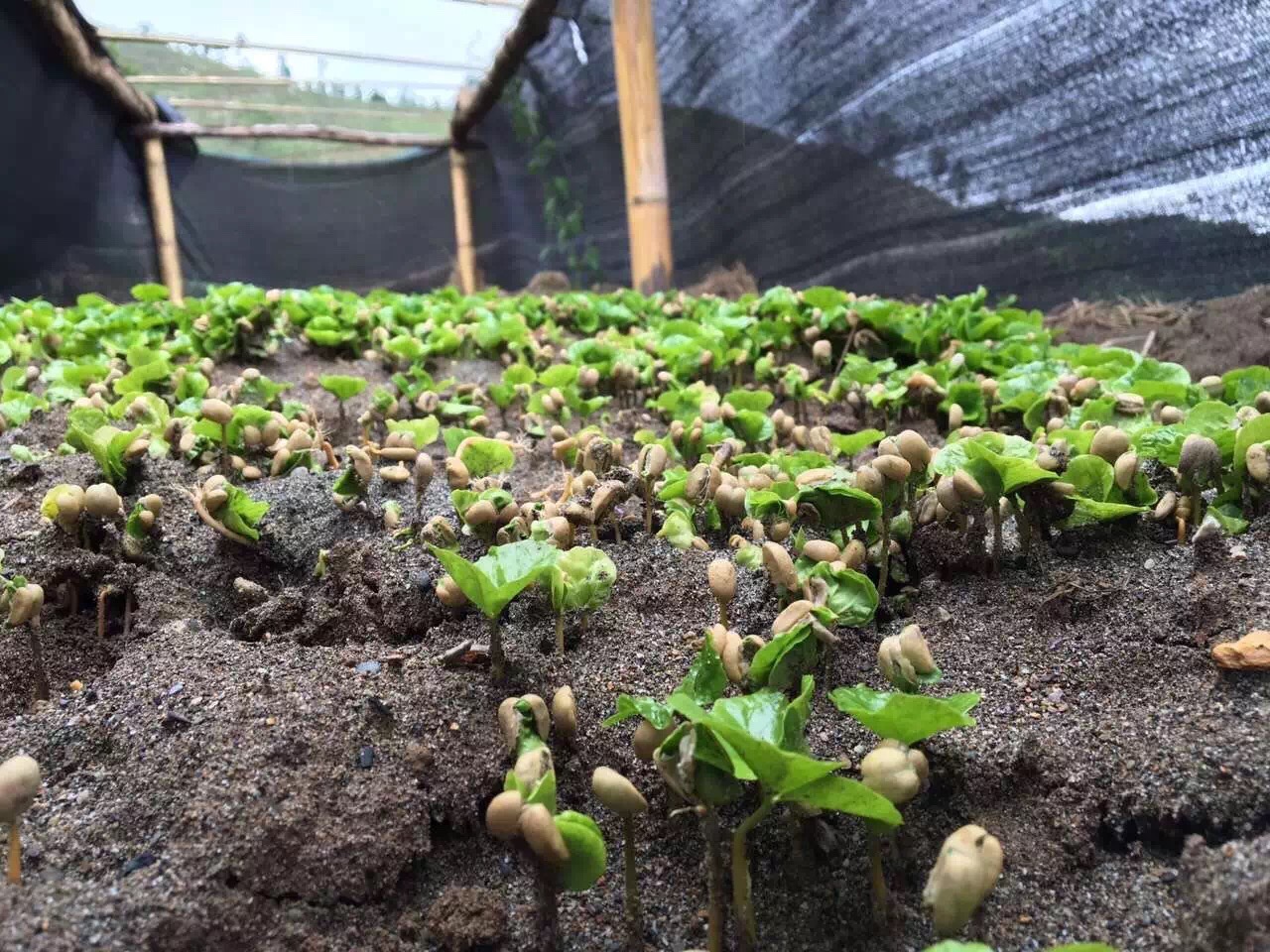
Under normal circumstances, seeds take 30-60 days to germinate after sowing. During germination the roots first grow downward, pushing the coffee bean upward. About two weeks later a pair of cotyledons emerges, and about a month after that the first pair of true leaves appears. When seeds sown in the seedbeds develop 2-4 pairs of true leaves, they can be transplanted into 4-inch seedling bags to make later field transplantation easier.

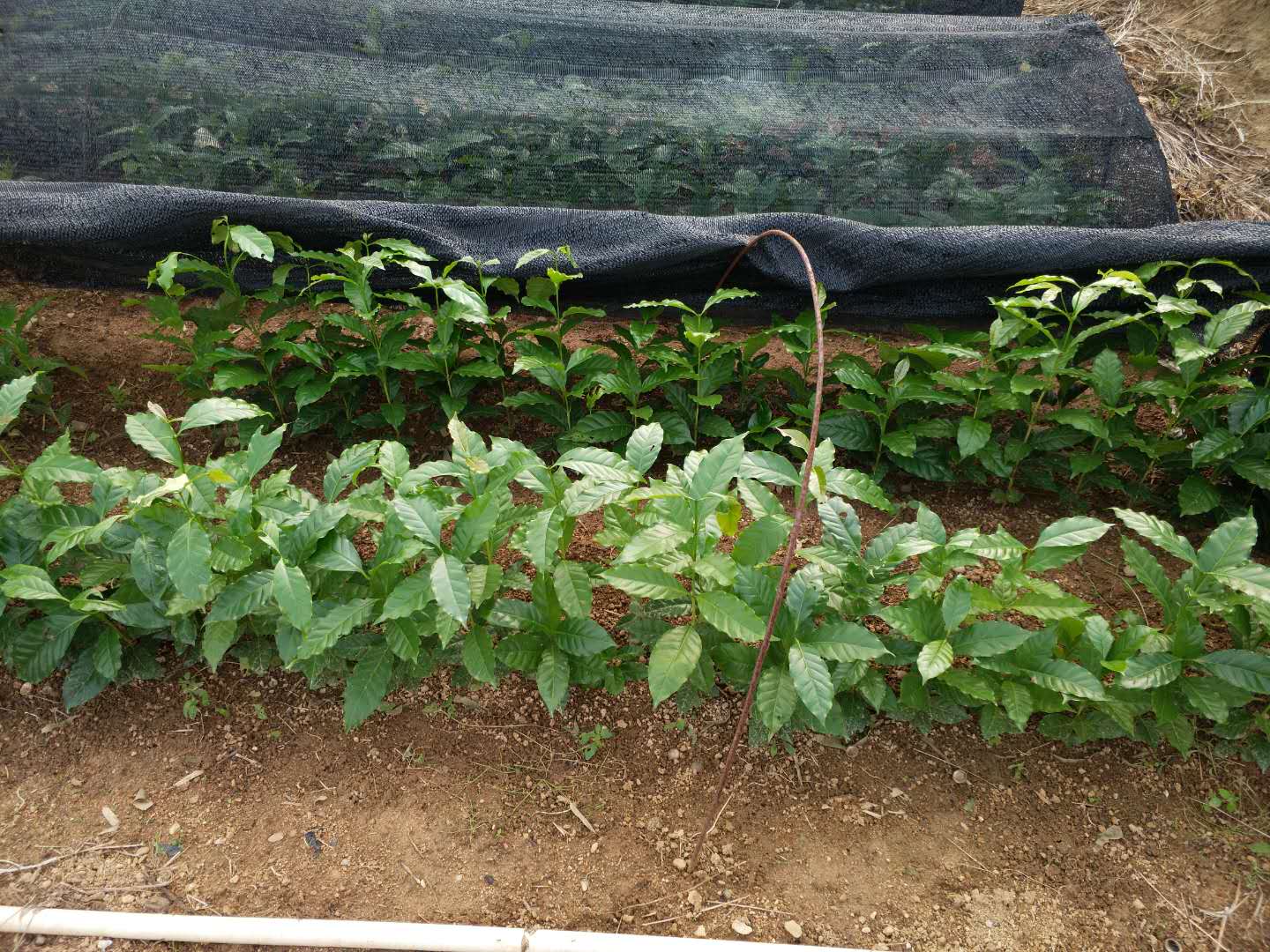
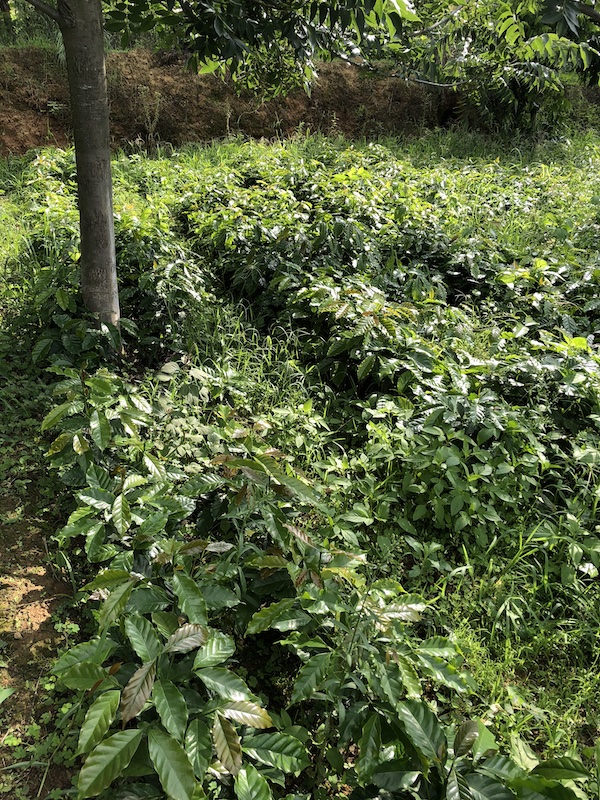

When seedlings develop their 8th-10th pair of leaves, they begin to grow opposite lateral branches. After that, each pair of leaf nodes produces a pair of lateral branches. About one year after sowing, seedlings reach 2-3 feet in height with about 3-4 pairs of lateral branches, making them suitable for permanent planting in prepared coffee fields. In the Yunnan region, where the rainy season begins at the end of May, one-and-a-half-year-old seedlings can be planted at the start of the rainy season. The rainy season continues until October, giving the seedlings six months of rain in which to establish their root systems.
2. Permanent Planting
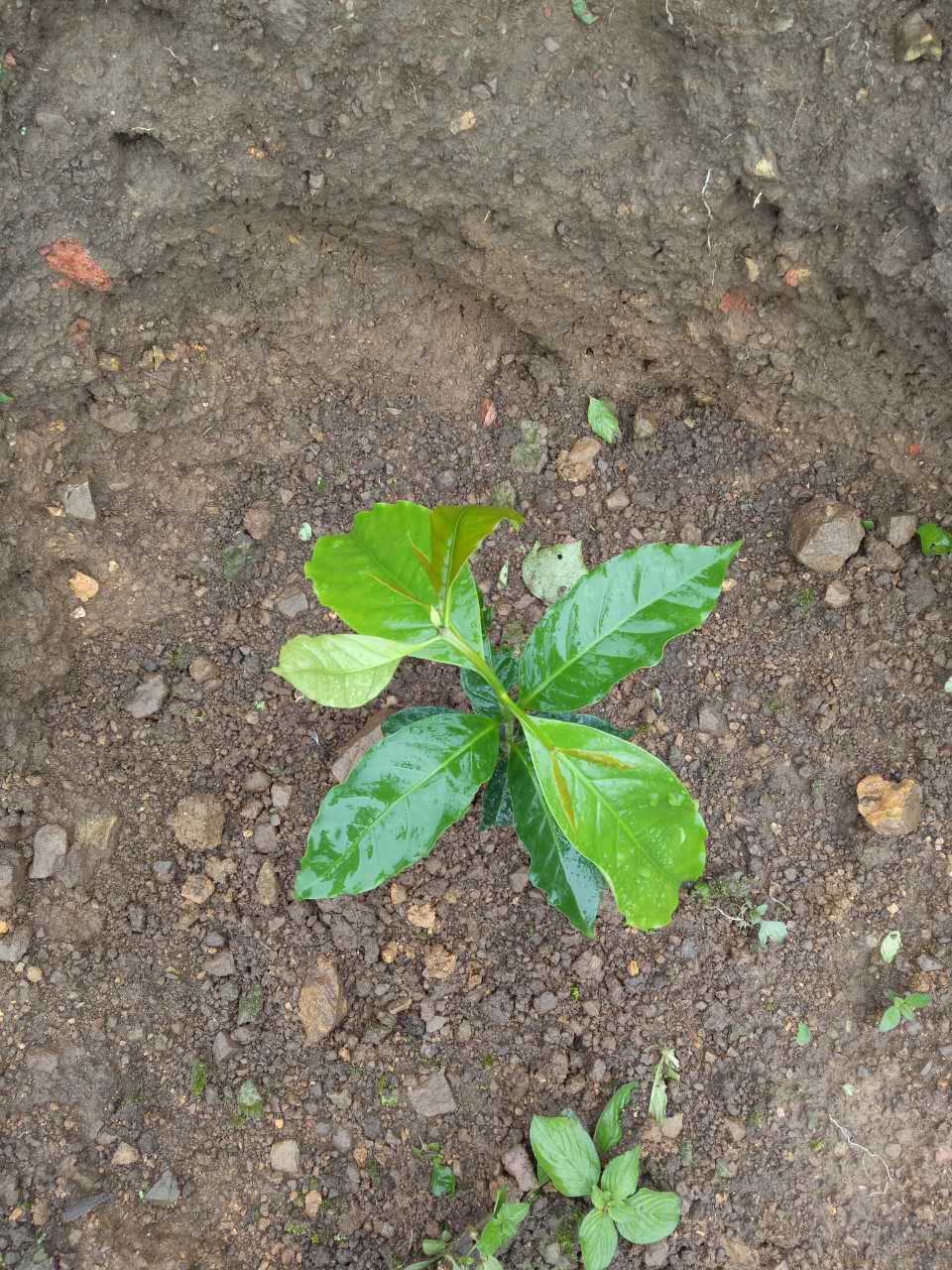
Coffee seedlings grown to over 60 centimeters are suitable as permanent planting stock, since they are convenient to transport and their root systems are not too long, which prevents damage to the main taproot during planting.
1) Selecting Suitable Planting Sites
Coffee cultivation must select locations and soil types with good drainage. Sandy loam is preferable. Clay soil drains poorly, which restricts root growth and thereby affects the development of the coffee tree, so it is best to avoid planting in clay soil areas.
2) Land Preparation
Before permanent planting, land preparation must be completed first. There are several key points:
a. Clear ground weeds.
b. Decide whether to create raised beds or dig planting holes, and arrange the corresponding quantities in advance to allow enough time for the soil to be exposed to sunlight.
c. The planting spacing for coffee is 2 meters between plants and 2-3 meters between rows, which makes harvesting easier. On average, 200 plants are planted per mu of land. (Catimor variety: 330 plants.)
3) Permanent Planting
Before planting, determine the spacing between plants and rows, then dig planting holes 30 centimeters wide and 30 centimeters deep. Place one to two kilograms of base fertilizer at the bottom, then cover it with a thin layer of soil.
Row and plant spacing: 2-3 meters between rows, 1.5-3 meters between plants.
During planting, remove the coffee seedling from its growing bag and place it in the planting hole. The optimal method is to set the seedling in the hole at a 30-degree angle; the seedling will then sprout several new shoots near the soil surface. This method slows the growth rate of the coffee tree, but the advantage is that the newly grown plants are stronger and less likely to fall over. After positioning the seedling correctly, backfill with soil and compact it.
3. Shade and Water
When planting Arabica coffee, shade trees must be considered, since a lack of shade affects the growth of the coffee tree. Shade trees can be selected from local non-fruit-bearing large trees to avoid competition for nutrients, and their crowns should not be overly vigorous. They should be planted at some distance from the coffee trees. During the initial planting stage, bananas can be planted at the same time as the coffee seedlings, because banana trees grow quickly and can provide short-term shade. However, because bananas grow rapidly and can create excessive shade, attention should be paid to the spacing between banana and coffee trees, as well as to proper renewal of the banana trees.
FrontStreet Coffee Recommendation
Yunnan Arabica has a long history that matches this plantation work. Yunnan coffee can be traced to 1904, when the French missionary Tian Deneng brought coffee seeds - Typica - from Vietnam into Yunnan and planted the first coffee tree in Zhugula village, Binchuan county, in Yunnan province; because conditions and climate were favorable, small-lot cultivation succeeded, and it is commonly known as Yunnan small-lot coffee. FrontStreet Coffee's Yunnan small-lot coffee comes from the Baoshan region, where coffee growing dates to the mid-1950s, and is washed and roasted to a medium level, bringing out a soft nut and chocolate sweetness with a light plum acidity while keeping some fruit acidity. Its approachable price makes it the first encounter many drinkers have with Yunnan coffee.
To explore the region further, FrontStreet Coffee's 2013 sun-dried Typica is the next step up. FrontStreet built its own estate in Yunnan in 2013 and planted Typica there, both because it is one of the oldest and purest Arabica varieties with an elegant, clean character and because Typica was the variety first planted in Yunnan by the French missionary, so the estate hoped to recover that original sense of place. Only fully ripe red cherries are used, the coffee is sun-dried, and the medium roast keeps the cup balanced with a more pronounced sweet-and-sour balance; the result shows dark berry notes with caramel sweetness, chocolate and a hint of dried apricot, finishing with the aftertaste of black tea. There is also FrontStreet Coffee's Black Cocoa Blend, which combines Yunnan small-lot coffee with semi-washed Brazilian beans: Brazil supplies the mixed-nut aroma and balance, while Yunnan adds chocolate and citrus, giving an Americano a balanced sweet-bitter-acid profile with nut and brown sugar notes, and a latte an almond and cream smoothness.
Important Notice :
FrontStreet Coffee is a long-established specialty coffee roaster in Guangzhou China, selling freshly roasted beans from its own farm in Yunnan as well as dozens of carefully selected single-origin beans from around the world for both pour-over and espresso. The products deliver consistently excellent quality and great value, with shipping within 24 hours. Guangzhou's FrontStreet Coffee shop is recommended by many coffee lovers, and the beans are now available online at the Tmall 。
FrontStreet Coffee has moved to a new address:
FrontStreet Coffee Address: 315,Donghua East Road,GuangZhou
Tel:020 38364473
 Scan and follow the En Gafei WeChat official account. Please indicate that the reprint comes from "En Gafei".