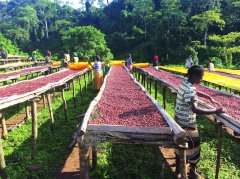
What are the processing methods for Blue Mountain coffee? Only washed Blue Mountain coffee is authentic Blue Mountain coffee!
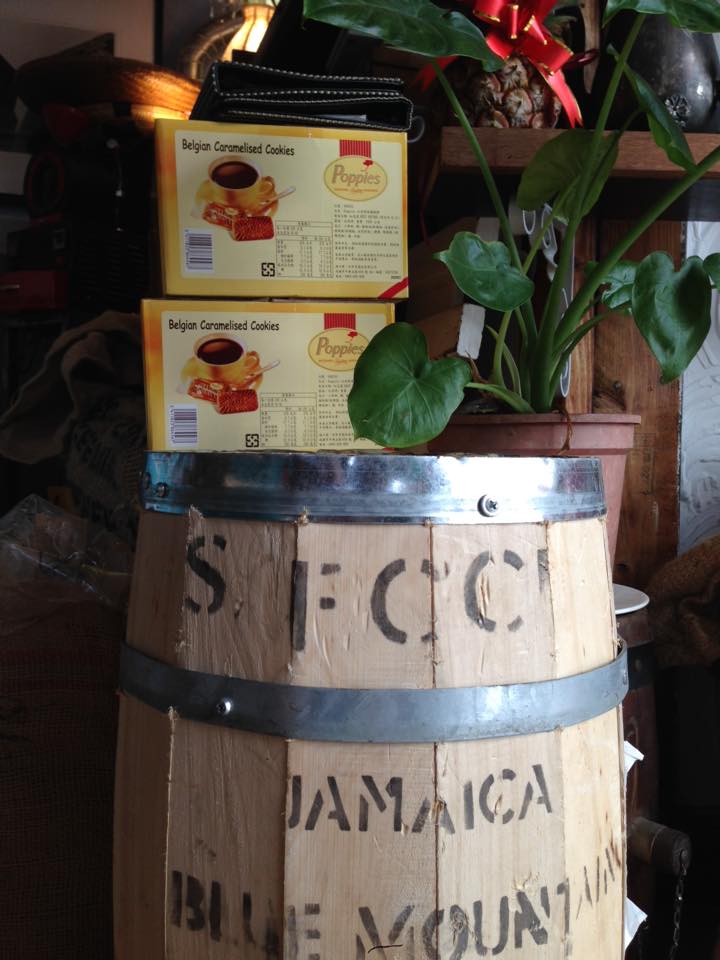
No other origin is as tied to a single processing method as Jamaica Blue Mountain. Since cultivation began, Jamaica Blue Mountain has been produced by the fully washed method, and Jamaican growers are famously rigid about it — Blue Mountain cherries are never processed any other way. That discipline is a large part of why Jamaican Blue Mountain tastes so refined and smooth. Japan is the primary consumer of Jamaican Blue Mountain, not because of its prestige but because its low bitterness, mellow aroma and low acidity suit Japanese preferences for coffee so well.
Why Blue Mountain Is Always Washed
The washed method removes the mucilage layer from the coffee. Unlike many current Blue Mountain processors, which use machines to strip the mucilage away quickly, R.S.W Estate insists on the slower, more labor-intensive washed route. This gives the green beans a proper fermentation in a favorable environment, during which they absorb the sweetness converted from the mucilage. The process demands far more effort and attention, but it produces a fuller, richer cup. After washing, R.S.W Estate also rejects machine drying and instead sun-dries every parchment bean down to 11%–12% moisture using 100% natural drying. That step transforms the green bean once more, making the aroma and viscosity of R.S.W coffee even richer and more substantial. Finally, defective beans are removed by hand to create the finished product.
FrontStreet Coffee's Jamaica Blue Mountain RSW No.1
The R.S.W Blue Mountain Estate lies within Jamaica's designated Blue Mountain growing region. The letters R.S.W refer to 100% Blue Mountain beans produced from its Resource, Sherwood Forest and Whitfield Hall estates. Coffee grown across these three areas averages roughly 1,200 to 1,600 meters in altitude, making R.S.W one of the highest estates in the Blue Mountain region. Because of that significant elevation, cool mountain mist often settles over the area in the afternoon — highly beneficial for coffee trees, since it spares them the intense midday sun and lets the cherries develop more completely and absorb nutrients more effectively.
After harvest, all ripe cherries from R.S.W Estate are processed centrally at Sherwood Forest's own washed processing facility. Throughout the entire washed operation the facility manager keeps complete control, processing different lots of R.S.W Blue Mountain coffee in small batches — a major contributor to the estate's consistent quality.
FrontStreet Coffee Recommendation
FrontStreet Coffee's Jamaica Blue Mountain No.1 is the highest grade in the Blue Mountain range and comes from the historic Clifton estate, which has been growing and processing coffee since the mid-eighteenth century — around 1750. The estate's planting and processing site sits at an average of 4,300 ft (1,310.64 m); ample altitude, gentle afternoon cloud that shades the slopes, generous sunlight and mineral-rich soil together give the trees excellent growing conditions and lengthen the cherries' ripening period.
The beans are given a medium-dark roast that plays up the coffee's mellow body and its traditional "bitterness that turns to sweetness" character. FrontStreet Coffee recommends a Kono dripper to bring out that roundness. Use 15 g per person, rest the beans 4-7 days (counting the roast date as day one) for the best flavor, and grind slightly coarser than you would a light roast — about the texture of granulated white sugar. Brew at 87-88°C; scalding water is the usual cause of a burnt, bitter cup, while water that is too cool leaves the coffee flat and tasteless. A 1:15 coffee-to-water ratio brings out the coffee's overall balance; some recipes use 1:13 or tighter for a stronger cup, but a tighter ratio is often a way to dodge the bitterness at the tail of the brew and it costs you length on the finish.
Pour in three stages: bloom with 30 g of water for 30 seconds, pour to 120 g and pause, using a vertical, low-flow spiral, then pour to 225 g with a slightly faster flow and spiral to keep the bed from clogging and over-extracting. In the cup, FrontStreet Coffee's Blue Mountain is very clean, complex and exceptionally gentle, with chocolate sweetness and very strong body. It is rich and aromatic, with the coffee's sweet, acidic and bitter notes in perfect harmony — no bitterness at all, only a moderate, perfectly judged acidity and a persistent fruit note on the finish.
Important Notice :
FrontStreet Coffee is a long-established specialty coffee roaster in Guangzhou China, selling freshly roasted beans from its own farm in Yunnan as well as dozens of carefully selected single-origin beans from around the world for both pour-over and espresso. The products deliver consistently excellent quality and great value, with shipping within 24 hours. Guangzhou's FrontStreet Coffee shop is recommended by many coffee lovers, and the beans are now available online at the Tmall 。
FrontStreet Coffee has moved to a new address:
FrontStreet Coffee Address: 315,Donghua East Road,GuangZhou
Tel:020 38364473
 Scan and follow the En Gafei WeChat official account. Please indicate that the reprint comes from "En Gafei".