What Coffee Beans Are Suitable for Espresso - Characteristics of Espresso Blend Coffee Beans and Espresso Powder-to-Water Ratio

Espresso coffee beans, as the name suggests, are beans used specifically for making Italian-style coffee. What sets them apart from other beans? FrontStreet Coffee has listed several key differences.
1. Roast Level
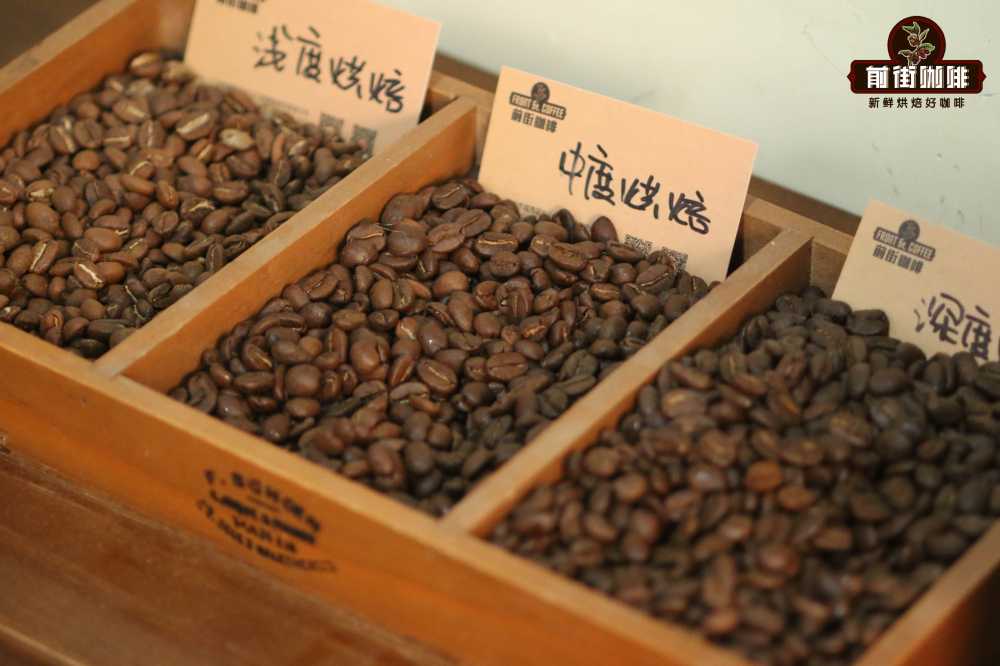
Take the beans in a coffee shop as an example. If drip brewing (pour-over) is used, the beans tend to be lightly roasted to highlight floral and fruity aromas. Beans destined for espresso, however, generally come out after the second crack - that is, they are roasted darker. Because espresso is often mixed with milk, cream or water, it needs a stronger, more bitter flavor.
2. Single Origin or Blend
Espresso beans are still predominantly blends, which contrasts with the single-origin world. Note, though, that blended beans are not automatically espresso beans, and single-origin beans can also be used for espresso. The main reason espresso beans tend to be blended is stability and price.

What Coffee Beans Are Suitable for Espresso?
FrontStreet Coffee reminds everyone that before blending, you must first understand the different flavors of coffee varieties from around the world. Beans behave differently depending on their origin, so roasters need a clear grasp of the characteristics of many producing regions in order to adjust their roast curves accordingly. Different beans have different personalities because of variety and origin, with subtle differences in acidity, bitterness, sweetness, aroma and body. Single-origin beans often focus more on expressing the unique character of one particular coffee.
The SOE (Single Origin Espresso) Trend
Recently, SOE has become popular. SOE stands for Single Origin Espresso. It does not necessarily mean specialty coffee, but if you choose single-origin beans with easily identifiable flavors for SOE, you can create an espresso with a unique, typical character. For example, FrontStreet Coffee's Yirgacheffe brings its typical citrus flavor, and FrontStreet Coffee's Kenya its fruity notes. Because espresso amplifies coffee's flavors, specific characteristics stand out more than they do in pour-over. Yet while SOE can perform brilliantly, coming from a single origin means its defects are also easily amplified. Roasting and grind size both affect the flavor, so SOE is not necessarily better tasting than a blend.

How Does FrontStreet Coffee Choose Espresso Blends?
Espresso beans generally come from two types of coffee: Robusta and Arabica. Blending usually pairs Robusta with Arabica, or Arabica with Arabica.
[Robusta]
Mainly used in espresso blends to add body and produce rich crema. Robusta beans are oval or nearly spherical in shape, with a straight center line.

[Arabica]
Arabica grown in different regions, at different altitudes and under different climates has its own character, showing completely different personality flavors. Before roasting they smell of fresh grass, but after proper roasting they show "fruity aromas" (light to medium roast) and "caramel flavors" (dark roast). They suit both single origins and various blends, and can be prepared with many extraction techniques.
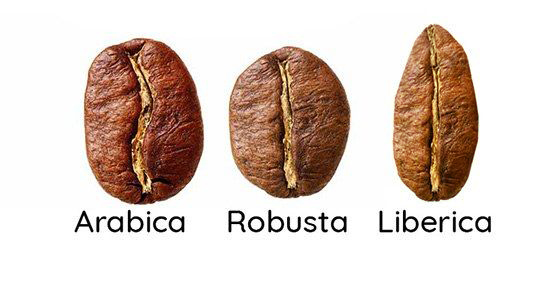
Arabica beans are long, oval and flat in shape, with an S-shaped or C-shaped center line.
[How Much Robusta Should Be Added to Espresso Blends?]
FrontStreet Coffee believes an espresso blend containing 10%-20% Robusta is best. Beyond that ratio, the taste turns rubbery.
FrontStreet Coffee currently offers four differently flavored FrontStreet espresso blends to suit most people's taste preferences.
(1) FrontStreet Specialty Espresso Blend: Colombia : Brazil, ratio 3:7, 100% Arabica
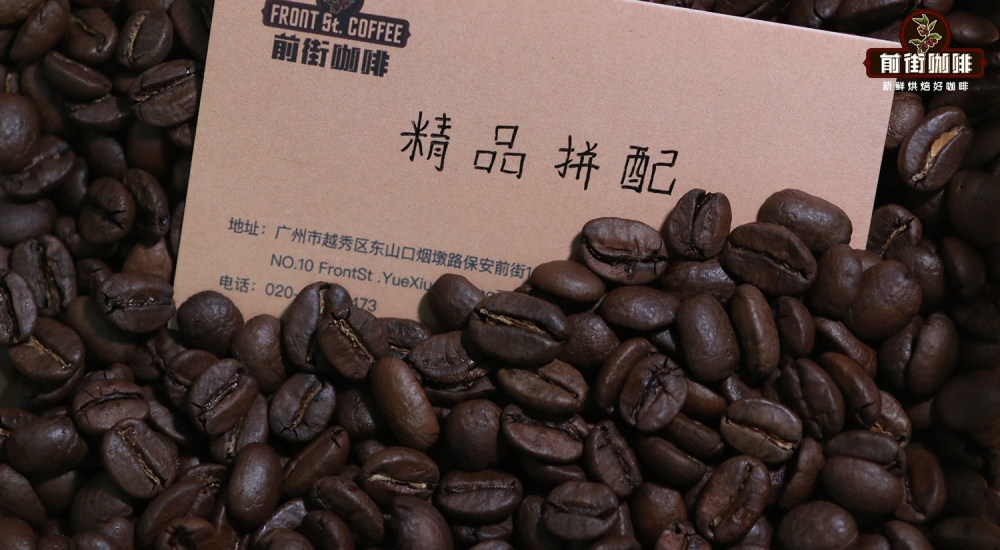
Flavor characteristics: a comfortable bitter-sweet taste with an extremely smooth entry; light grassy aroma, a fresh fragrance with slight bitterness; sweet, smooth and pleasant to drink; a refreshing aftertaste. Roasted to a medium-dark level, as espresso it has a soft, slight acidity, clean sweetness and a nutty aftertaste. The overall feel is not too stimulating but balanced, with medium crema. It is an espresso blend that meets a coffee shop's daily production needs.
(2) FrontStreet Commercial Espresso Blend: Colombia : Brazil : Robusta, ratio 3:6:1
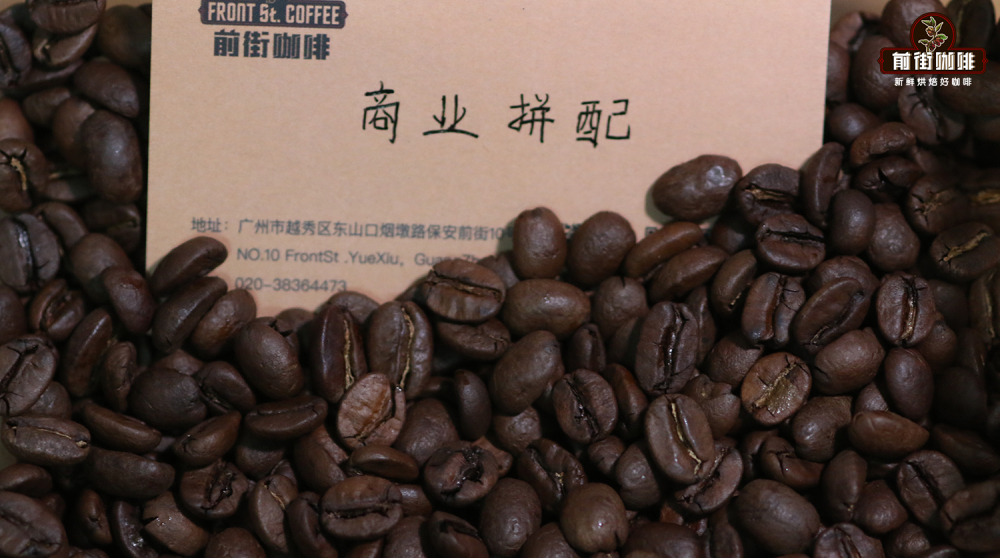
As individual beans, commercial beans taste far inferior to specialty beans, and commercial beans are generally chosen for espresso blends because blending still produces excellent coffee suitable for lattes, cappuccinos and other espresso drinks. When FrontStreet Coffee uses this commercial blend to make espresso, the Robusta brings richer crema and a classic taste, ideal for daily shop needs.
Flavor characteristics: caramel sweetness, nutty and cocoa-like, dark chocolate flavors, balanced acidity and bitterness, a light sweet bitterness and a persistent aftertaste.
(3) FrontStreet Basic Espresso Blend: Yunnan : Brazil, ratio 3:7
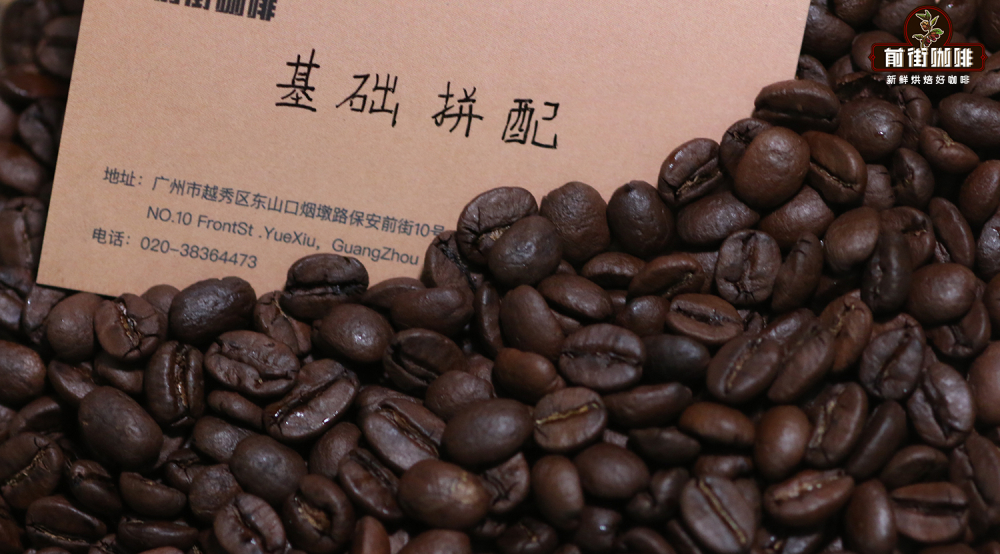
Flavor characteristics: soft fruit acidity, caramel sweetness, nutty and dark chocolate flavors, smooth and viscous, but with a relatively light taste. This cost-effective bean suits shops and home users who prioritize value and have general flavor requirements.
(4) FrontStreet Sunflower Warm Sunshine Espresso Blend: FrontStreet Honduras Sherry : FrontStreet Yirgacheffe Red Cherry, ratio 7:3

Flavor characteristics: obvious fruit acidity, a light lingering berry aroma, rich wine and chocolate flavors, and a comfortable sweet aftertaste.
In fact, FrontStreet Coffee has found that adding Robusta beans to an espresso recipe can bring more caffeine, better crema and a richer feel.
What Factors Affect Espresso Extraction?
(1) Water Pressure
Modern machines use a water pump to control water output and adjustable water pressure. The ideal espresso water pressure is generally 9 BAR, the value most widely recognized as ideal.

(2) Boiler Pressure
Boiler pressure relates to the water temperature for making coffee and the force of the steam. The higher the boiler pressure, the higher the water temperature and the greater the steam force; conversely, lower pressure means lower temperature and less steam. Boiler pressure is generally around 1 BAR. This value is still debated, and every barista has a different understanding of it.
(3) Water Temperature
Water temperature must be set according to the requirements of different bean varieties. Some are constrained by boiler pressure; others allow more flexible, precise settings. Based on most baristas' experience, 90 to 92 degrees Celsius is ideal. Each barista can adjust flexibly according to their own understanding and needs, creating their own style of espresso.
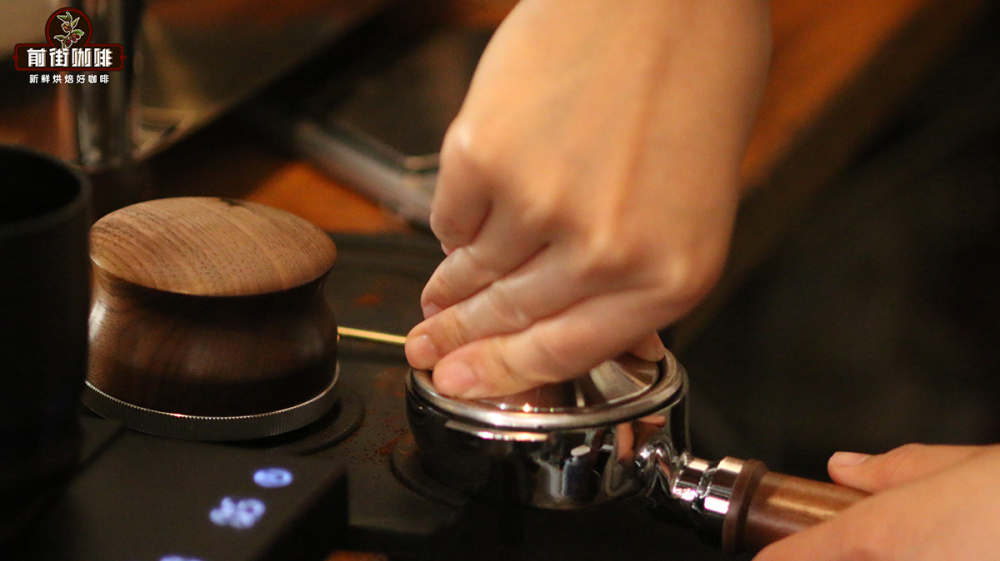
(4) Tamping Pressure
There are many styles of tamping, and in this world almost no two people tamp exactly the same way. Generally, heavy tamping means a pressure of around 25kg/m2, but tamping is indeed the most free parameter in the golden rules. Because FrontStreet Coffee uses a calibrated pressure tamper, the tamping force stays essentially consistent.
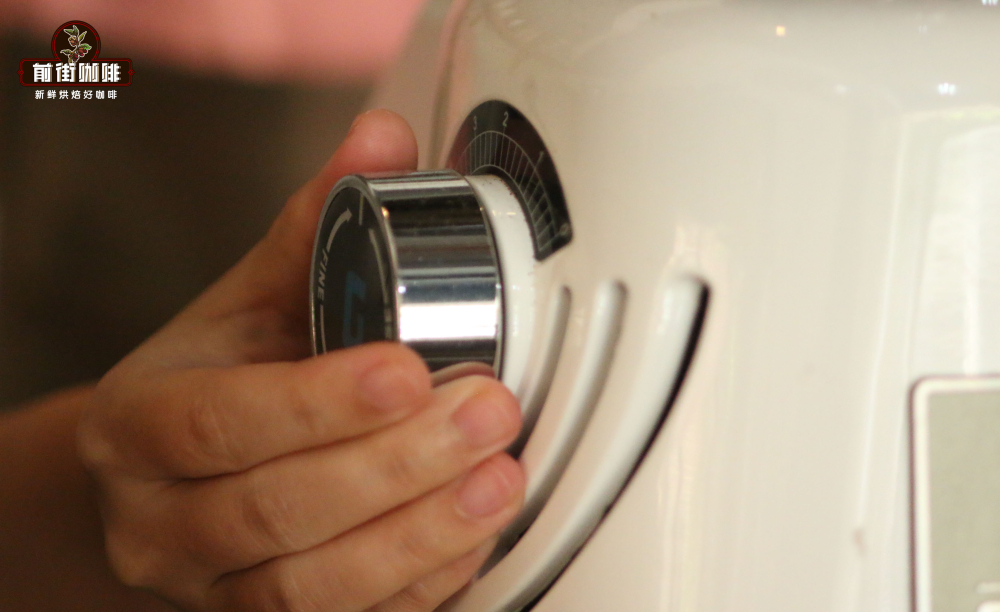
(5) Espresso Bean Grind Size
Espresso uses an extremely fine powder. The finer the grind, the slower the water flows through the coffee bed; the coarser the grind, the faster it flows. Adjusting the grind size changes the extraction time flexibly while also achieving the desired yield. Picture this: a fixed 20g dose extracting 40g of espresso in 25 seconds. Everything looks perfect, but on tasting you find the body thin and sharply acidic. Clearly the shot is under-extracted and low in concentration. Grinding finer can fix the under-extraction and low concentration while reducing the sharp acidity and increasing body.
(6) Dose Amount
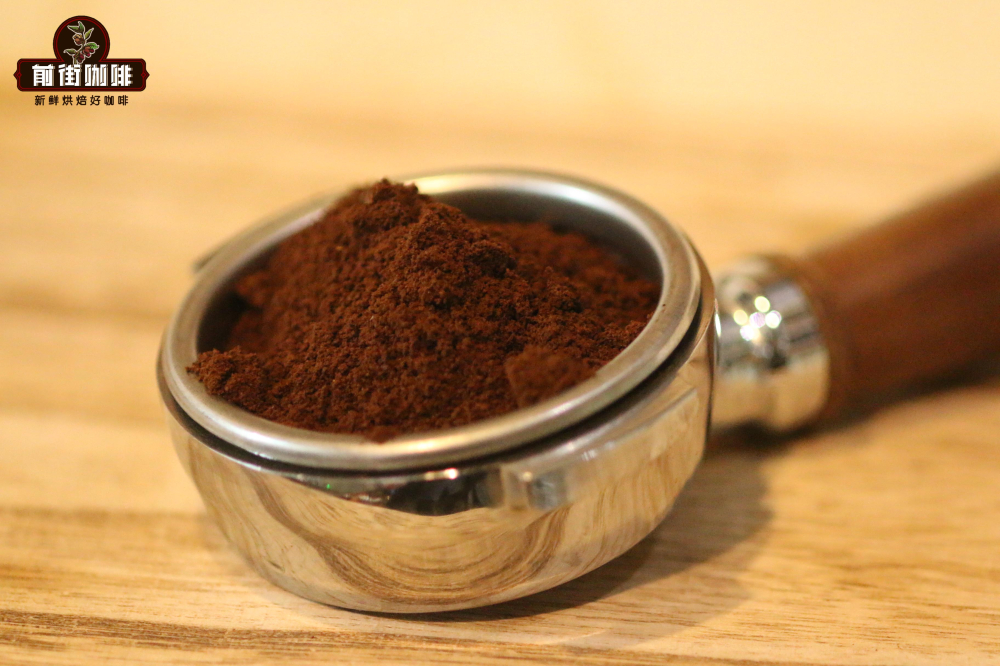
FrontStreet Coffee's single espresso dose is 12-14 grams of coffee powder, and a double is 20-22 grams.
(7) Extraction Time
The extraction time specified in the golden rule is 25-28 seconds, but extraction time is really a combined expression of tamping, dose and grind size, requiring adjustment based on the barista's understanding.
(8) Extraction Amount
FrontStreet Coffee's single extraction is 20-21g of liquid, and a double is 40g. Combined with the dose, this is the key to the coffee-to-water ratio in espresso extraction.
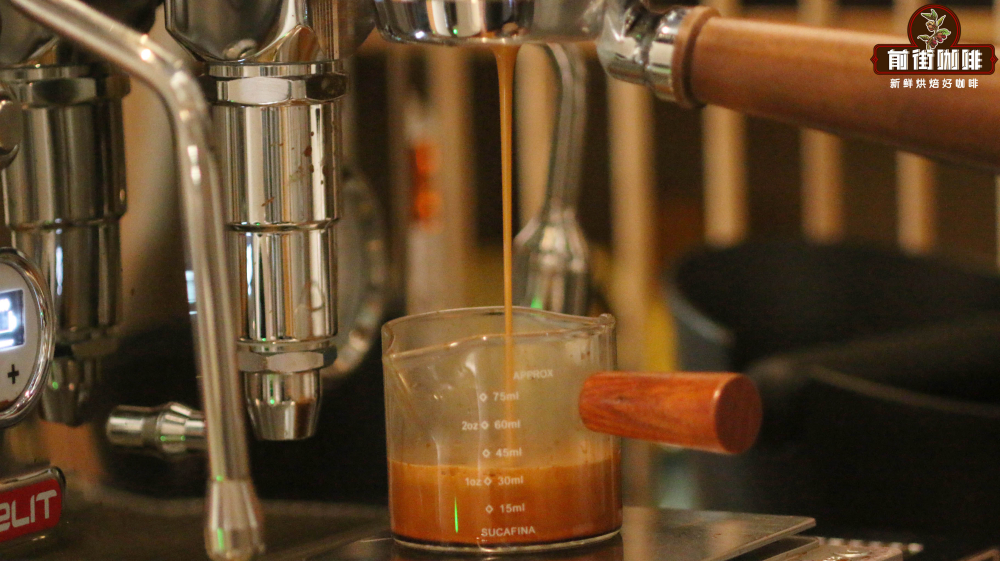
How Does FrontStreet Coffee Make an Espresso Base?
First, dry the portafilter, then add 20g of coffee powder to the basket, use a distribution tool to level it, then use a tamper to compress the puck firmly. Lock the portafilter onto the group head, start the extraction (on a lever machine, pull the lever), and stop when the coffee liquid reaches 40g. Extraction time should be between 28-32 seconds.
An ideal espresso should balance all its elements, with a distinct taste and a sweet aftertaste in the throat rather than bitterness. More specifically, it should have moderate acidity, bitterness and sweetness, rich flavors, a solid, thick consistency, and a persistent aftertaste with a refreshing citrus-like acidity.
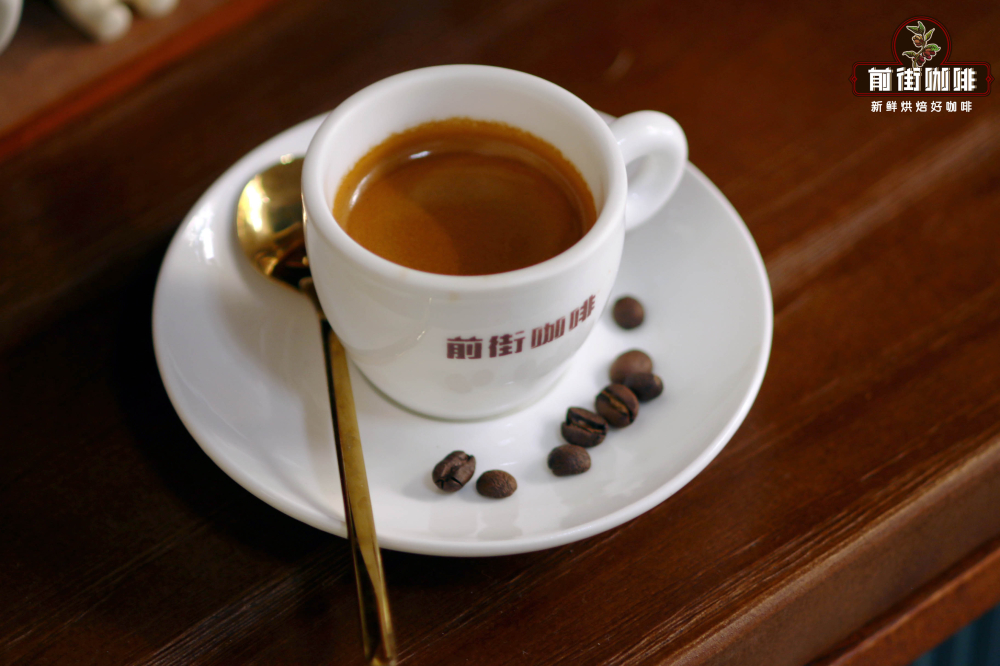
Blended beans are mostly used for espresso drinks such as espresso, americano, latte or cappuccino. The coffee flavor is more balanced, smoother and more stable, which appeals to the general public.
FrontStreet Coffee Recommendation
If the SOE approach described above appeals to you, FrontStreet Coffee's Kenya Cherry Tomato makes a striking single-origin espresso: a washed Kenya from the Sika region, grown at 1,550-1,750 meters from the classic SL28 and SL34 varieties and given the traditional 72-hour double washed fermentation, then lightly roasted to keep its bright, layered fruit. Its lively cherry tomato and dark plum acidity and full juice-like body are exactly the kind of clearly identifiable flavor that SOE shows off best. For a softer, low-acid single-origin option that also works in a moka pot or standard espresso machine, FrontStreet Coffee's Brazil Queen Estate delivers balanced nut, cocoa and caramel sweetness with very little acidity.
Important Notice :
FrontStreet Coffee is a long-established specialty coffee roaster in Guangzhou China, selling freshly roasted beans from its own farm in Yunnan as well as dozens of carefully selected single-origin beans from around the world for both pour-over and espresso. The products deliver consistently excellent quality and great value, with shipping within 24 hours. Guangzhou's FrontStreet Coffee shop is recommended by many coffee lovers, and the beans are now available online at the Tmall 。
FrontStreet Coffee has moved to a new address:
FrontStreet Coffee Address: 315,Donghua East Road,GuangZhou
Tel:020 38364473
 Scan and follow the En Gafei WeChat official account. Please indicate that the reprint comes from "En Gafei".