What is the Standard Cupping Coffee Grind Size? How to Determine Grind Size and Brewing Temperature for Pour-Over Black Coffee?
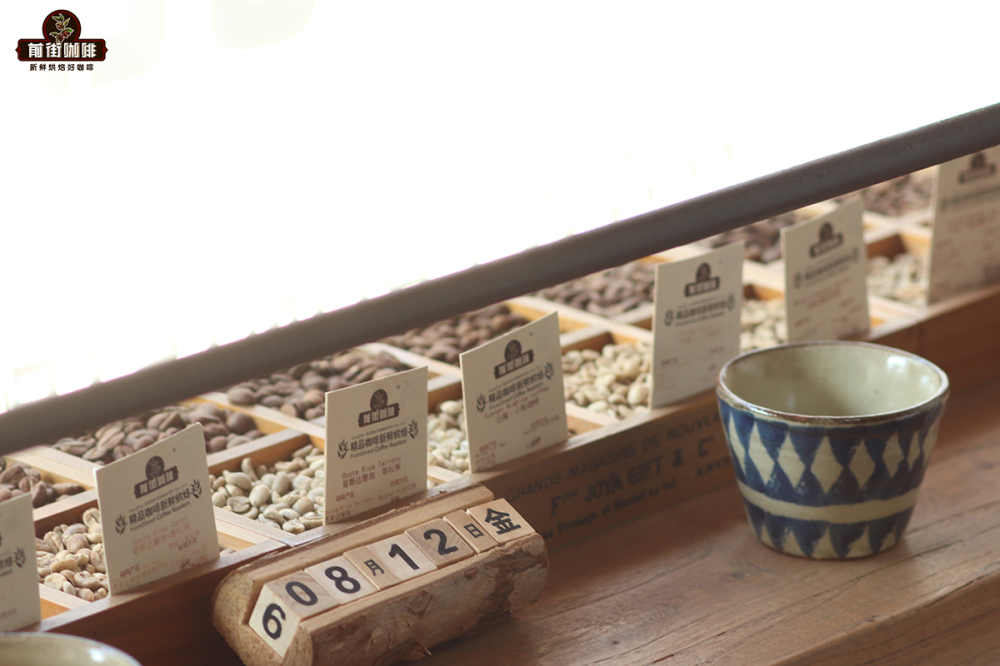
When we get a single-origin coffee bean we have never encountered before, how do we figure out its flavor profile? That is where cupping comes in. FrontStreet Coffee cups every coffee bean it acquires, whether or not it is listed for sale, to pin down the bean's flavor characteristics. So how do you cup a coffee bean you have never met before?
There are currently two common cupping standards: the SCA standard and the COE standard. They are largely similar, with slight differences in how they weight the various scoring criteria. Today FrontStreet Coffee will walk you through the SCA cupping system.

SCA, the Specialty Coffee Association, was formed in 2017 through the merger of the SCAE (Specialty Coffee Association of Europe) and the SCAA (Specialty Coffee Association of America). It is currently one of the most authoritative bodies in specialty coffee, which is why many cuppings use the SCA template as their standard. So let's look at how SCA cupping is done.
Preparation Phase
In SCA cupping we need to prepare some equipment and parameters. Equipment includes cupping bowls and cupping spoons, while the parameters cover requirements for the sample beans, grind size, water temperature, ratio, and time.
1. Cupping Sample Beans
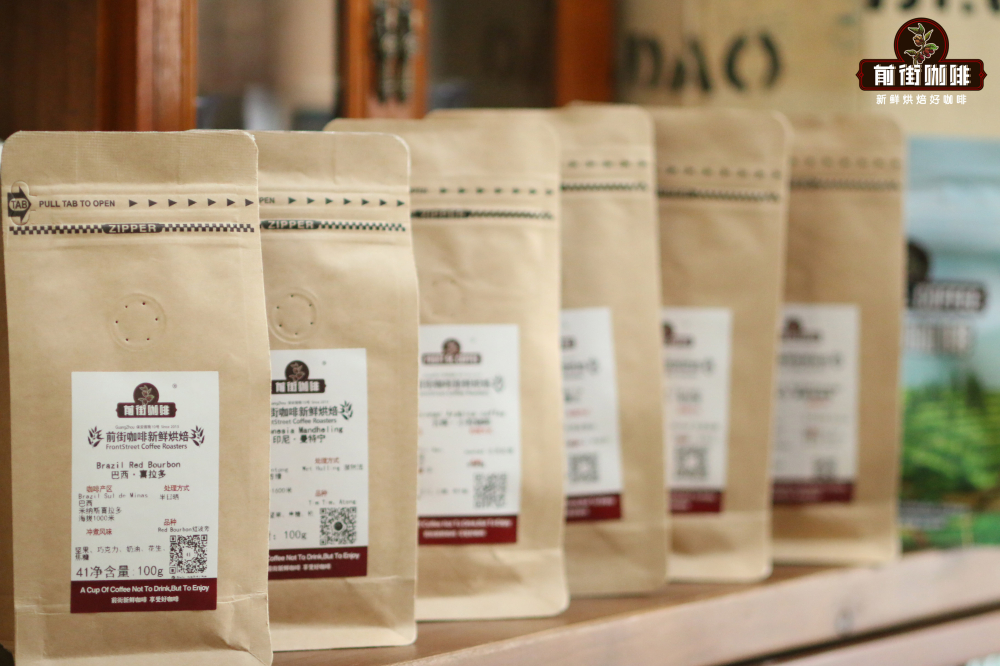
FrontStreet Coffee cups sample beans within 8–24 hours after roasting is complete. Once the roasted samples have cooled to room temperature (about 20°C), they are placed in sealed containers or airtight bags. Throughout this period, up to cupping, we minimize air exposure and prevent contamination. Sample beans should be stored in a cool place but do not require freezing or refrigeration.
2. Coffee Bean Grind Size for Cupping
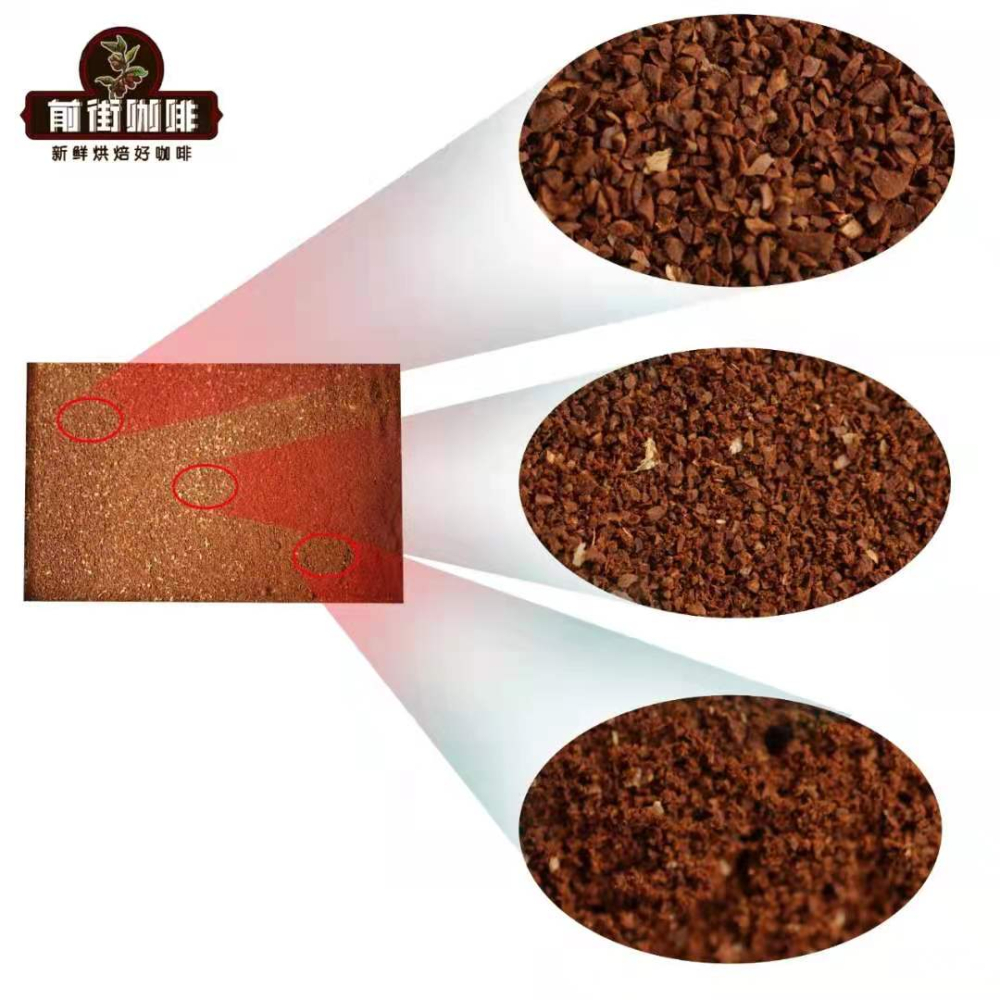
As for cupping grind size, the SCAA standard specifies a 70–75% pass rate through a #20 sieve (0.85mm aperture). FrontStreet Coffee calibrates the grind size for every bean it cups (including different roast curves of the same bean) to ensure each cupping falls within the standard range. After grinding, FrontStreet Coffee first conducts a dry-fragrance evaluation of the beans.
3. Cupping Bowls
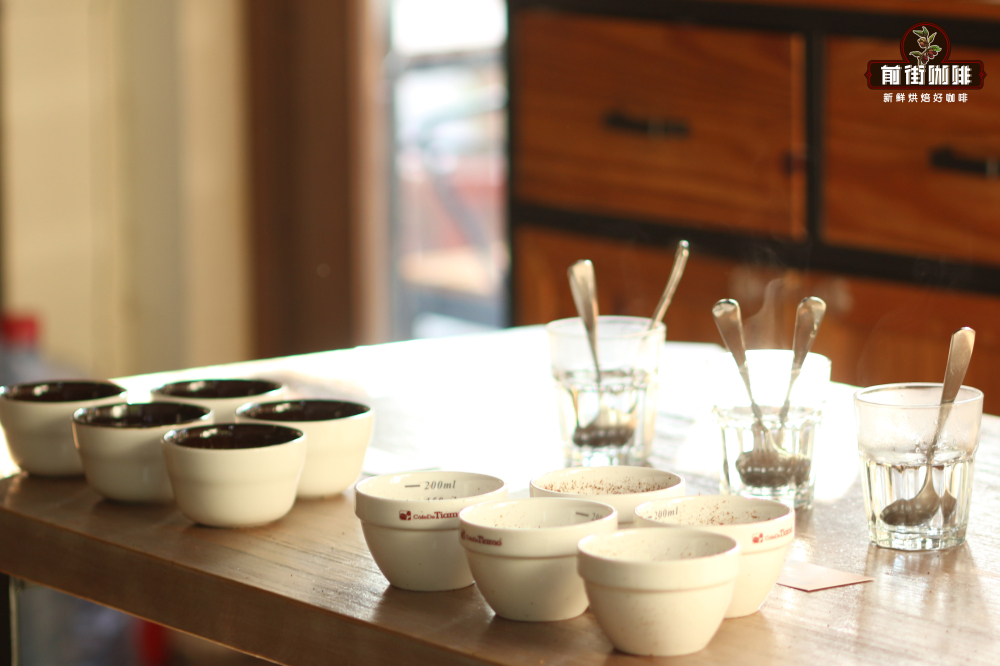
Cupping bowls must be completely clean and free of odors, with consistent size and material. Odor-free lids should also be prepared to cover the bowls after grinding to reduce flavor loss. FrontStreet Coffee uses ceramic cupping bowls, which insulate well and hold 200ml. It is worth noting that although most cupping bowls come with built-in measurements, FrontStreet Coffee recommends weighing regularly to calibrate, since different manufacturers and production batches may vary.
4. Coffee-to-Water Ratio for Cupping
In the SCAA standard, the cupping coffee-to-water ratio is 1:18.18. Standard cupping bowls hold 200 milliliters (at the measurement line), meaning 11 grams of coffee grounds go into 200 milliliters of hot water.
5. Water Quality for Cupping
The original standard for Total Dissolved Solids (TDS) was 125–175 ppm, but not less than 100 ppm or more than 250 ppm. FrontStreet Coffee does not recommend using unfiltered tap water boiled directly for cupping, as this can affect the final judgment of coffee flavors.
6. Water Temperature for Cupping
Because cupping steeps with a relatively large coffee-to-water ratio, 94°C water is enough to let the grounds fully express their flavor molecules, making the coffee's rich characteristics clearly perceptible.
Important Considerations During Cupping
① During cupping, please maintain silence. Avoid communicating with others or using body language.
② Participants should avoid perfumes or other substances that might affect others' sensory perception.
Detailed Coffee Cupping Procedure
SCA cupping requires 5 cups per coffee sample to assess consistency, arranged roughly in an Olympic-rings pattern.
Dry Fragrance Phase
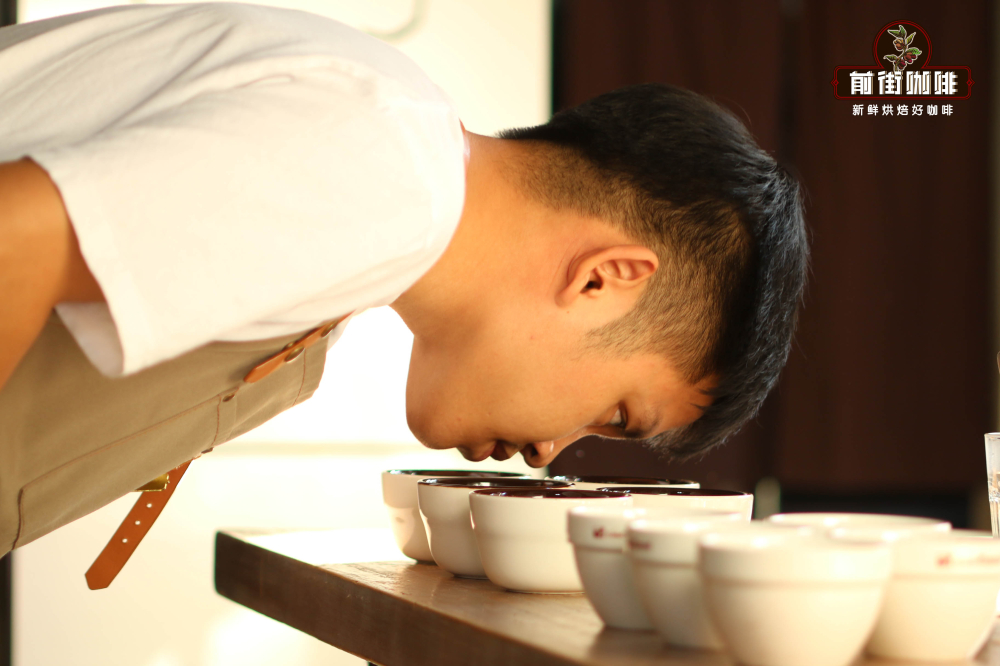
First, grind all the coffee and place it in cupping bowls covered with lids. After confirming with team members, remove all covers at once to evaluate the aroma. After two rounds of dry-fragrance assessment and confirmation, move to pouring water. This should not exceed 15 minutes, varying between 5 and 15 minutes depending on the number of samples.
Water Pouring Phase
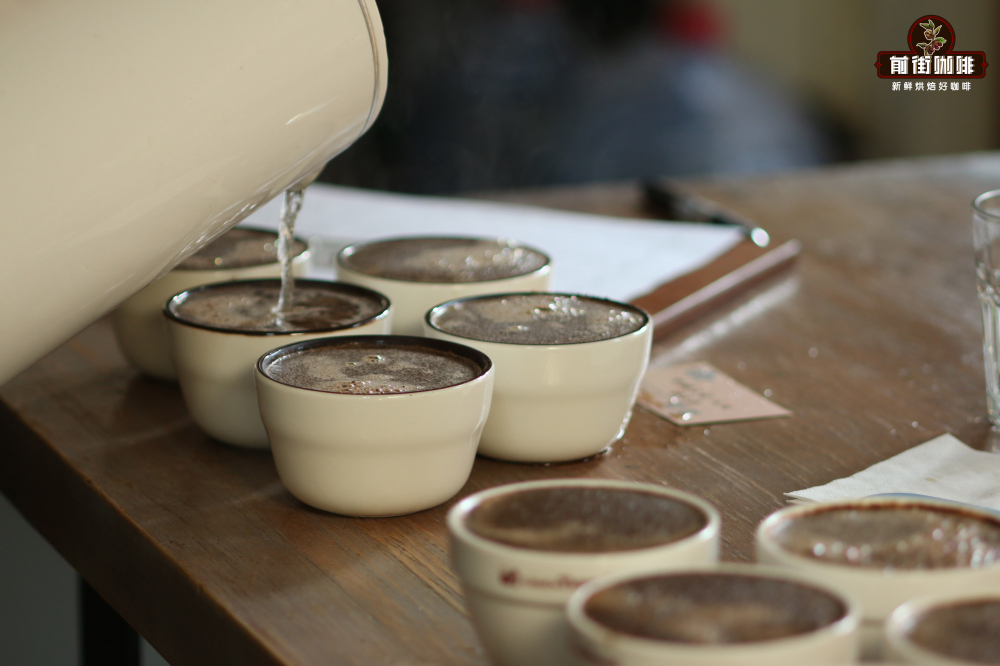
Pour 94°C hot water at the 1:18.18 coffee-to-water ratio in one go while timing simultaneously. Once pouring is complete, the wet-fragrance evaluation can begin. During this period, prepare two bowls of hot water and two cupping spoons per sample. When the timer reaches 4 minutes, you can proceed to break the crust and skim.
Wet Fragrance Phase
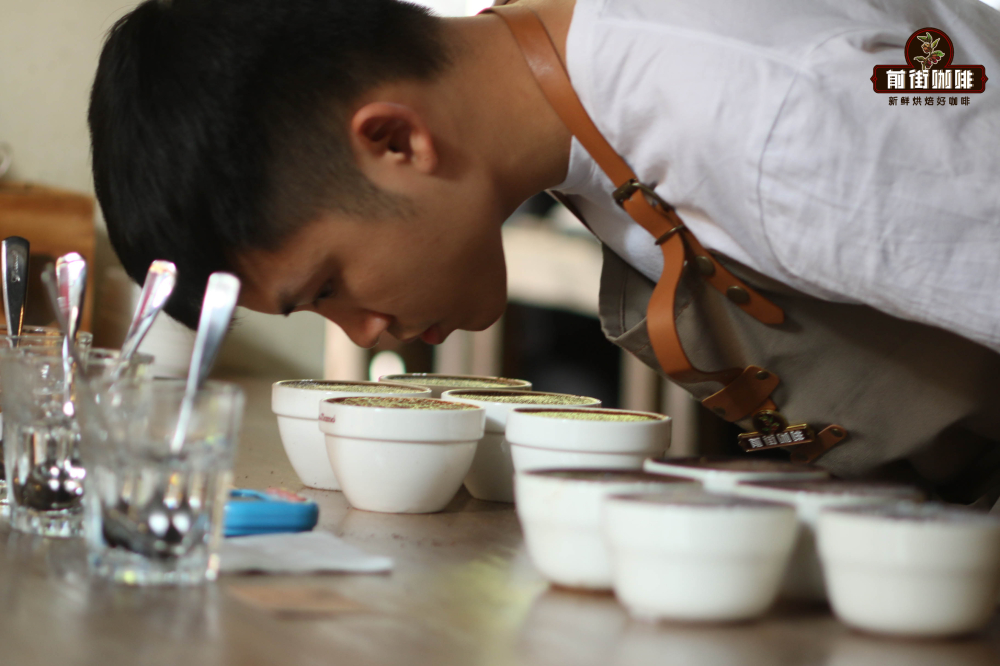
During those 4 minutes of steeping, we can confirm and record the wet fragrance.
Crust Breaking and Skimming Phase
After 4 minutes, use a cupping spoon to gently push three times across the coffee surface to break the crust, revealing a golden oil layer. Use the spoon to scoop out all remaining grounds from the surface—this process is called skimming. Before each skim, clean the spoon with hot water and use a paper towel to absorb excess water so flavors do not get confused.
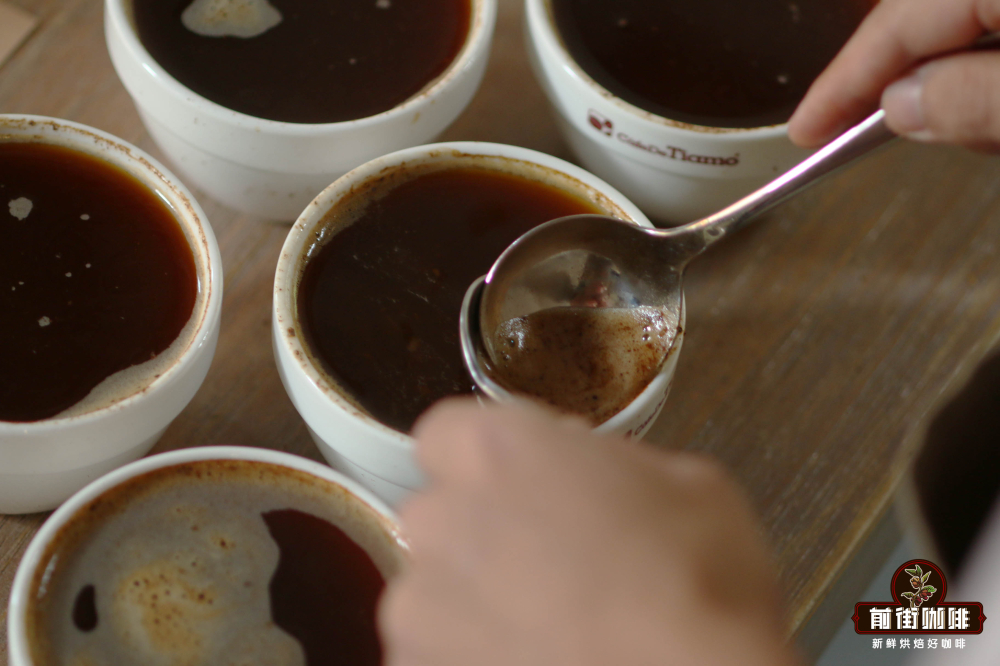
Tasting Phase
After skimming, conduct another round of wet-fragrance evaluation. The post-skim wet fragrance is very close to the flavors experienced when drinking. When the coffee liquid drops to 70°C, you can begin the tasting evaluation.
During cupping we use the slurping method. Although the loud sound of slurping may seem impolite, the action aerosolizes the coffee liquid, both speeding things up and enhancing retro-nasal olfaction and taste perception of coffee flavors.
Flavors present differently at various temperatures, and the optimal cupping time is while the coffee is still warm. At that point you can evaluate flavor, acidity, sweetness, aftertaste, and body.
The SCA cupping form is widely used worldwide as a standard for measuring coffee value, but it has not changed in nearly 20 years. FrontStreet Coffee has learned that SCA's Technical Officer, Mr. Mario, stated that over those 20 years the coffee industry has undergone tremendous change and sensory science has continuously advanced, so the SCA cupping form also needs revision. He mentioned that although the previous form included a sweetness category, it did not affect the score; now more and more people believe sweetness should also count as a scoring item for coffee.
He also pointed out that the SCA scoring form includes discriminative judgment (finding differences between coffees), descriptive judgment (understanding and describing flavors), and affective judgment (subjective preference). It is difficult for one person to rationally make all three judgments at once. Mr. Mario therefore revealed a preliminary version of a new cupping form, which adds descriptive vocabulary and some additional key questions to the traditional form.
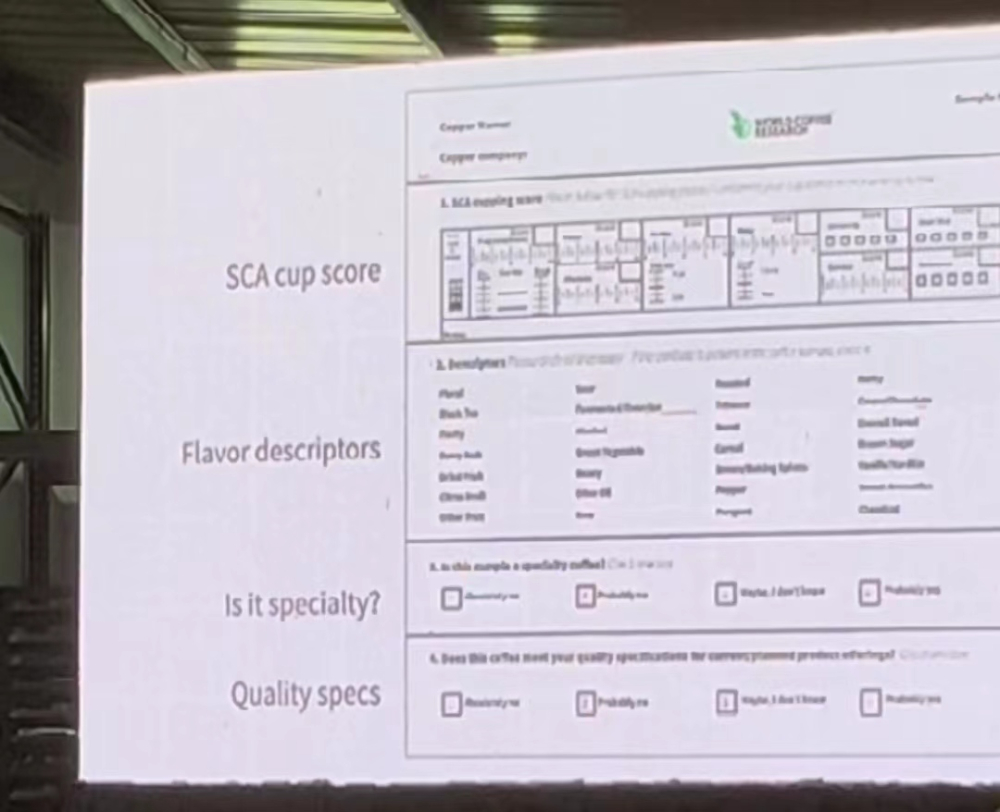
Finally, he noted that the flavor wheel published in 2016 uses descriptions commonly used by North Americans, and that localized flavor wheels will be developed in the future based on different regional cultures and cuisines.
After cupping is complete, we need to determine the pour-over grind size. Yes—the cupping grind size cannot be applied to other brewing methods. Using a 0.85mm-aperture sieve as the standard, FrontStreet Coffee uses different tools to brew black coffee with the following grind-size standards based on sieve pass rates: Cold drip > Pour-over and Syphon 80% > Moka and American drip 75–80% > Cupping 70–75% > French press 65–70%.
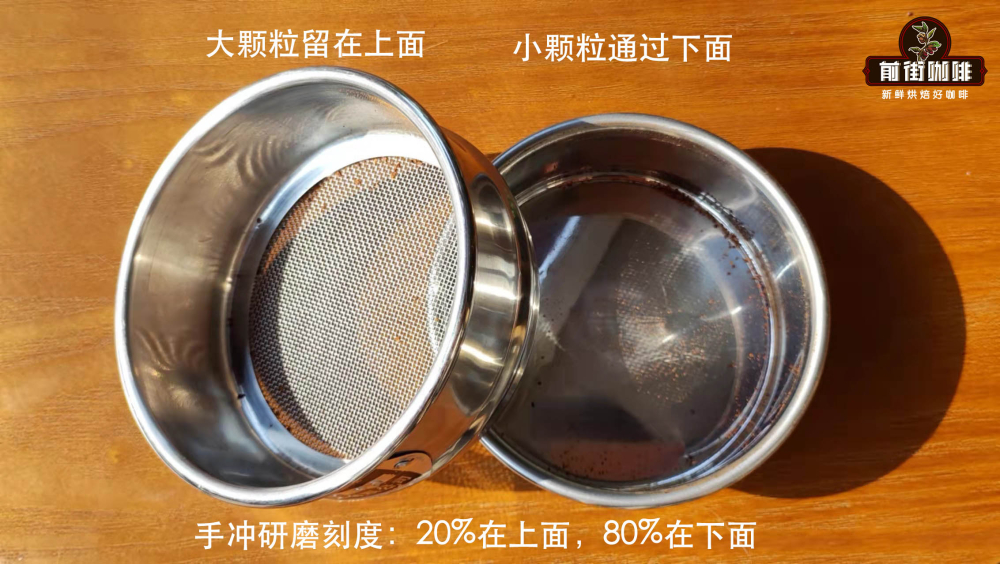
Pour-over Coffee Grind Standards
For pour-over coffee, different roast levels have different passing standards. For lightly roasted beans, FrontStreet Coffee typically uses a grind with a 75–80% sieve pass rate, while for medium-roasted beans it generally uses a 65–70% pass rate.
Why Differentiate Grind Sizes for Light and Medium Roast Coffee Beans?
Light-roast beans typically express soft or distinct acidity and soft or distinct sweetness. To better express these lively flavor compounds, a medium-fine grind (75–80% sieve pass rate) releases those compounds more effectively during extraction. For water temperature, FrontStreet Coffee uses 90–91°C. Medium-roast beans typically express nutty or cocoa roasted aromas with rich flavors. A medium-coarse grind (65–70% sieve pass rate) slows the release of those rich compounds during extraction. For water temperature, FrontStreet Coffee uses 88–89°C for brewing.
FrontStreet Coffee Recommendation
Behind the V60 dripper is Hario, a company founded in Tokyo in 1921 and a well-known local glassmaker that began by designing and producing heat-resistant glassware for research institutions; its heat-resistant sharing jugs are still a popular pour-over companion. In 2004 Hario redesigned the V60's prototype into the shape we know today and named it after its distinctive 60° cone and "V" profile, releasing it a year later. Compared with other drippers, the cone and 60° angle force the water toward the center before it drips into the server, extending the water's contact with the coffee and drawing out aroma and flavor more fully. The V60's single large hole lets water flow without obstruction, so the flow rate depends heavily on the pourer's control—and that control shows up directly in the cup.
Before the millennium, the market favored medium to dark roasts, and brewed coffee leaned toward a full body, high sweetness, and caramelized notes such as chocolate, maple syrup, nuts, and vanilla, which siphon pots and flannel filters presented especially well; FrontStreet Blue Mountain No. 1 and FrontStreet PWN Golden Mandheling were the most popular specialty beans of that era. With the third wave, drinkers began chasing a sense of place—Ethiopia's white florals, Kenya's berry acidity—and roasting shifted from dark toward light. The V60's fast extraction suits that shift perfectly, giving coffee a more three-dimensional aroma and lively acidity so florals, fruit acidity, clean sweetness, and tea notes all come through. That is why floral, fruit-forward coffees such as FrontStreet Gedebdingding with its classic Yirgacheffe character, the tropical FrontStreet Huakui, the Geisha-flavored FrontStreet Strawberry Candy, and the raisin-toned FrontStreet Mozart all brew beautifully in a V60.
Today's V60 comes in many materials—resin, ceramic, glass, copper, stainless steel. Each affects looks, weight, and heat conduction, and so makes subtle differences in extraction, but the structural design stays the same. FrontStreet Coffee favors the resin Hario V60: resin blocks heat loss effectively, and in standardized mass production it is the easiest material to mold with the smallest tolerances.
Important Notice :
FrontStreet Coffee is a long-established specialty coffee roaster in Guangzhou China, selling freshly roasted beans from its own farm in Yunnan as well as dozens of carefully selected single-origin beans from around the world for both pour-over and espresso. The products deliver consistently excellent quality and great value, with shipping within 24 hours. Guangzhou's FrontStreet Coffee shop is recommended by many coffee lovers, and the beans are now available online at the Tmall 。
FrontStreet Coffee has moved to a new address:
FrontStreet Coffee Address: 315,Donghua East Road,GuangZhou
Tel:020 38364473
 Scan and follow the En Gafei WeChat official account. Please indicate that the reprint comes from "En Gafei".