Espresso Grind Size Characteristics and Calibration: Reference Values for Coffee Machine Grind Settings
Why Grind Size Matters in Coffee Extraction
No matter which extraction method you use, finding the right grind size is a crucial step. Grind coarseness directly affects extraction stability and flavor expression - and espresso, extracted under high temperature and pressure, demands the finest precision of all.
The Principles of Espresso Extraction
Before espresso came along, coffee was brewed by immersion, a slow process that meant waiting several minutes for a single cup. Espresso was invented in the early 19th century, when Italians conceived of using steam pressure to force high-temperature, high-pressure water through a compacted coffee puck and accelerate extraction. Continuous refinement and innovation produced the semi-automatic and fully automatic espresso machines common today.
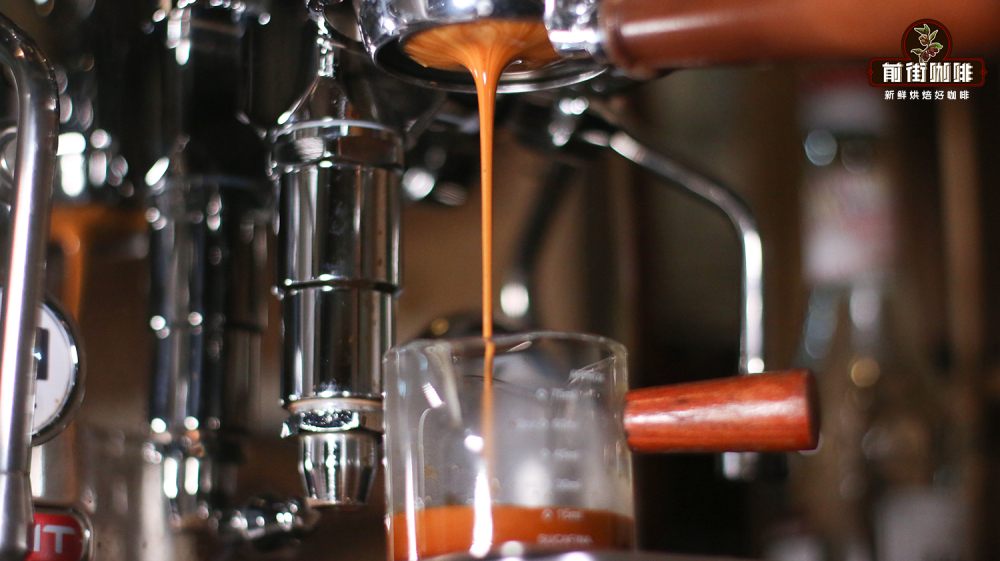
With an espresso machine, soluble flavor compounds must dissolve into hot water within mere tens of seconds. That demands far more thorough contact between coffee and water - the grind must be extremely fine and uniform. And because espresso is pressurized, short-time extraction, it amplifies everything: positive flavors are intensified, but so are defects. That makes grinding requirements even more unforgiving.
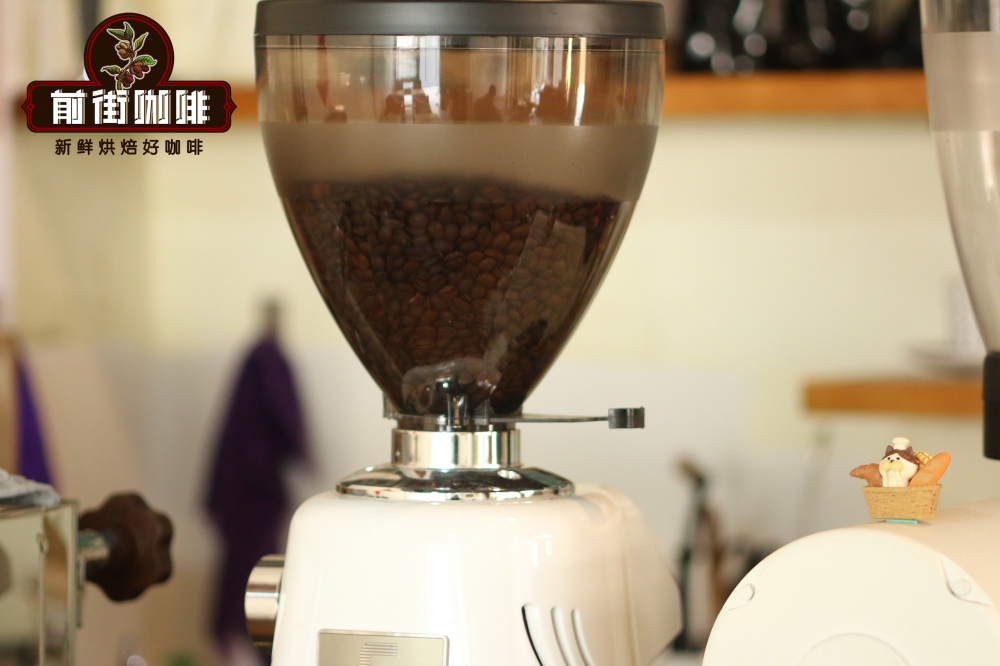
Grind Requirements for Espresso Machines
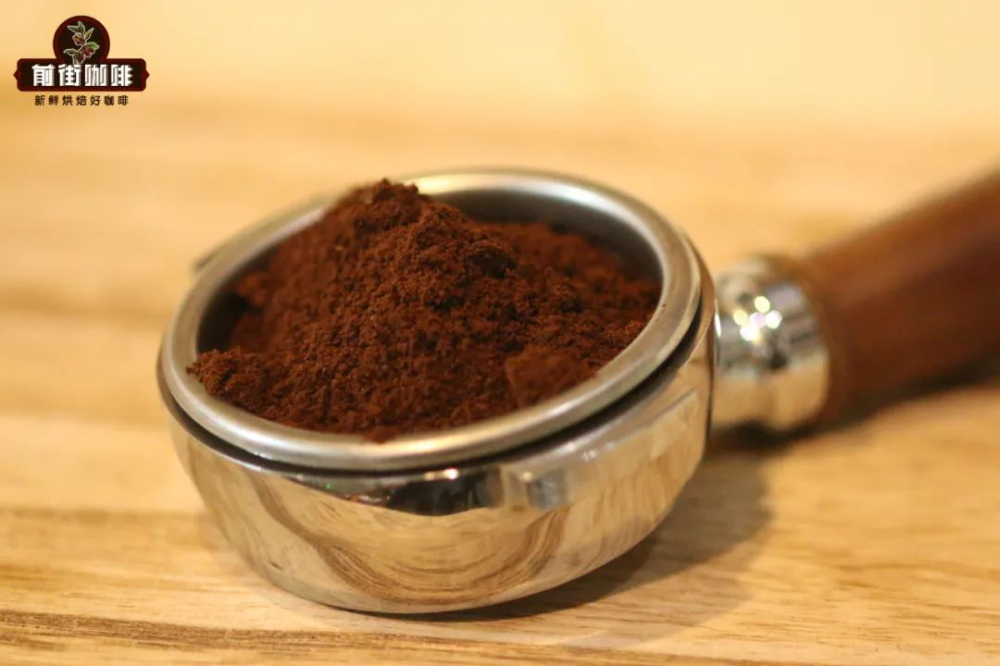
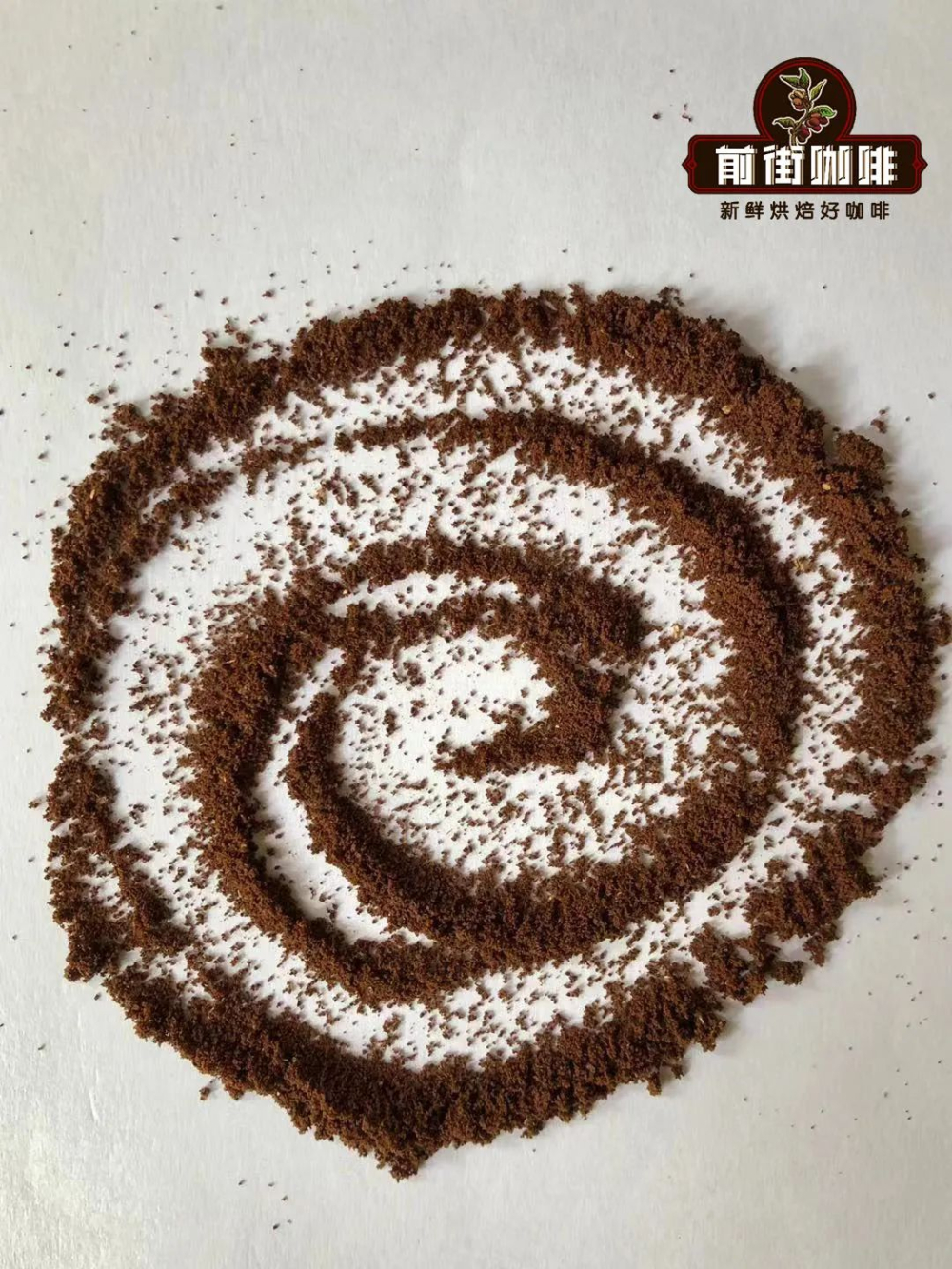
A cafe whose menu includes both espresso and pour-over will typically keep at least two grinders. The espresso grinder produces powder as fine as powdered sugar, with particles between 150-300 microns - a coarseness and uniformity impossible to judge by eye. Instead, we read the extraction itself.
Grind slightly too fine and water crawls through the bed, over-extracting; slightly too coarse and it rushes through, under-extracting. These deviations can come from a change of just 0.1 settings. So baristas watch the flow rate and taste the shot during brewing, checking whether it falls in range and adjusting accordingly.
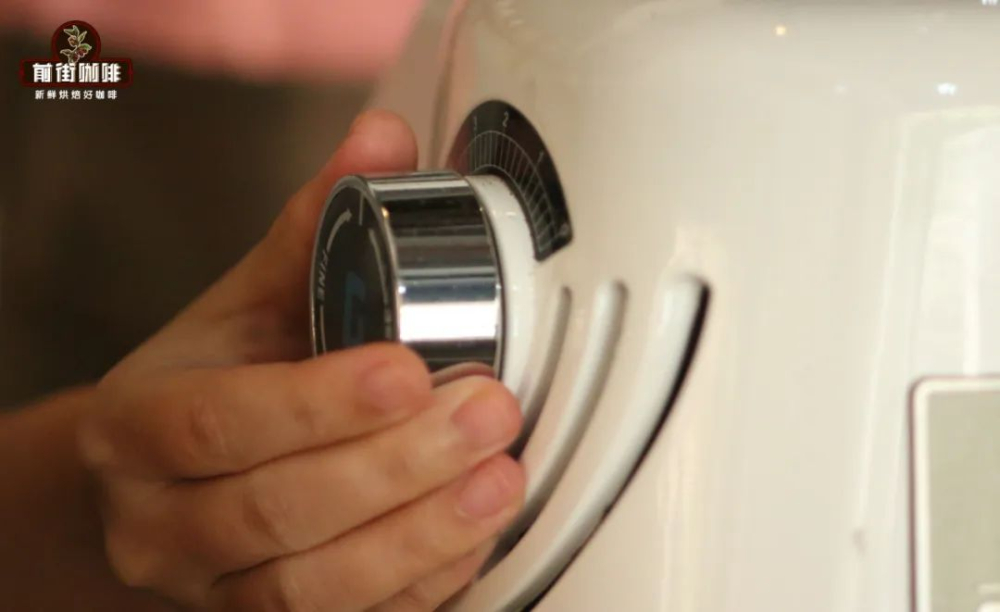
How to Dial In Espresso Grind in Daily Practice
When a new bag of beans arrives, the first task is setting the grind. If you are unfamiliar with your grinder's range, test small samples at intervals across the settings. Espresso grind should feel like flour between the fingers - soft, with no grittiness.
From there, apply the standard espresso formula. FrontStreet Coffee suggests a liquid-to-coffee ratio of 1:2 - about 2 grams of espresso from every 1 gram of grounds - in 20-30 seconds. For example, with a 20-gram basket, 20 grams of grounds should yield 40 grams of liquid. Faster than 20 seconds means the flow is too quick; past 30 seconds, too slow. A fast shot means water spends too little time in the grounds and the coffee tastes weak or sour - grind finer. A slow shot means the grind is too fine for water to pass, and the coffee turns bitter - grind coarser.
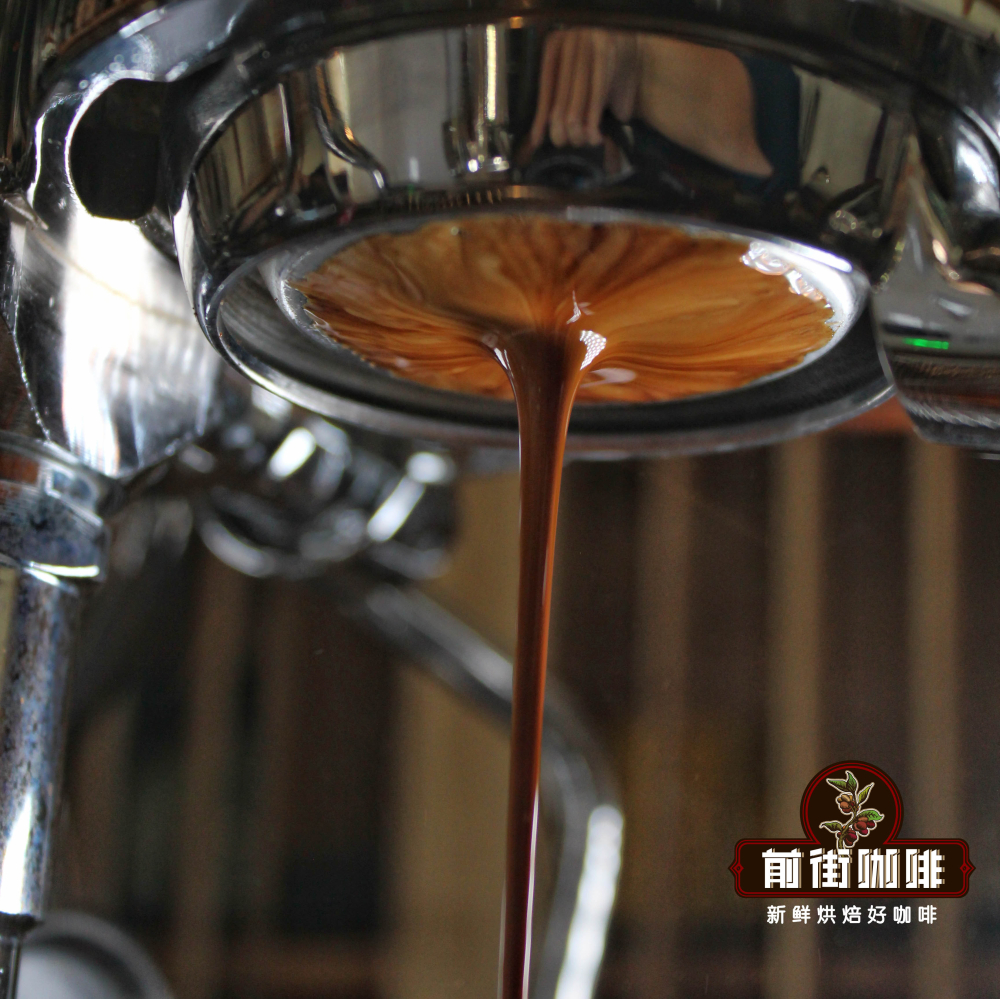
Dialing in is mostly accumulated experience. Within 5 seconds of your target time, adjust by 0.2 settings at a step; if the gap is large, be bolder and move 0.5-1 settings. Even if you swing from too slow to too fast, you have bracketed the right range and can fine-tune down to the target.
Remember, the 1:2 formula only helps you find the right range quickly - it does not guarantee a delicious shot. Ultimately you must weigh the beans' own character and flavor, using experience to judge whether the extraction is good. Working baristas will grasp the patterns quickly through daily practice; home brewers may need longer to learn, but recording and summarizing every shot will get you dialing in delicious coffee far faster.
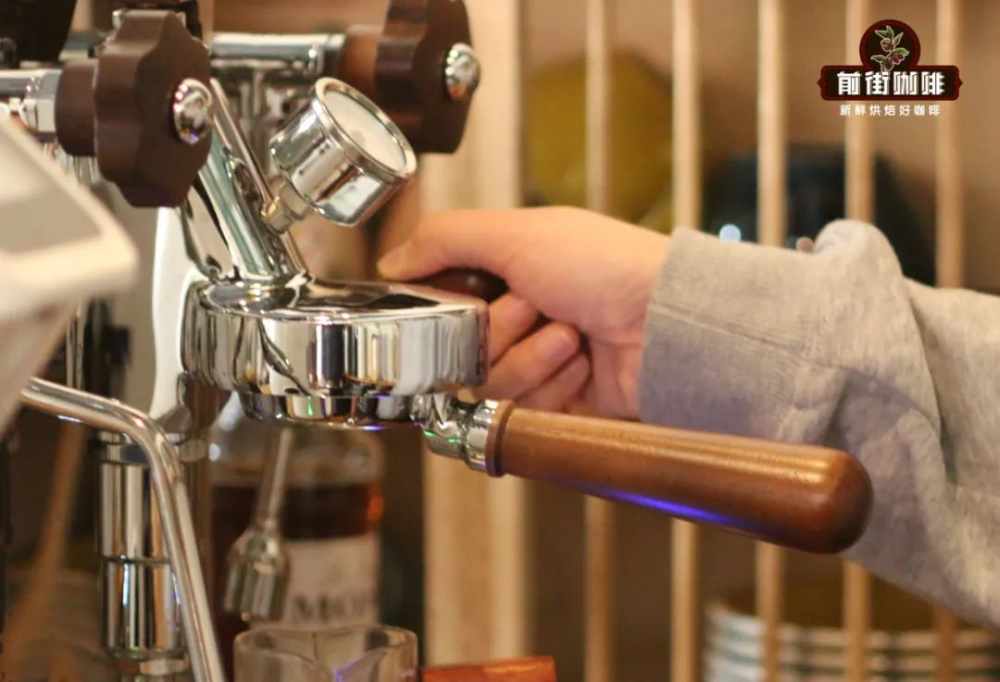
Two more diagnostic tips. If the espresso tastes noticeably burnt and bitter at moderate strength, extraction is probably running too long and releasing excess bitter compounds - grind slightly coarser. If the crema looks pale and thin, the tail end of the extraction is overrunning; pull less liquid by tightening the ratio to 1:1.5-1:1.7. And when the shot is rich but the finish is short, extract a little more, stretching toward 1:2.5.
FrontStreet Coffee Recommendation
Grind calibration is only half the equation - the beans matter just as much. For classic espresso, FrontStreet Coffee's Classic Blend is the house first choice: a traditional Brazilian-plus-Mandheling formula designed specifically for espresso machines and moka pots, it produces exceptionally thick, fine crema even on entry-level home machines, with a mellow body carrying butter, nut, spice, dark chocolate, and toast notes - ideal for lattes, cappuccinos, and Dirty drinks.
Shops watching costs can look to the 100% Arabica Black Cocoa Blend or the long-running Commercial Blend, both tuned for stable extraction and value. For nut-and-cocoa lovers, FrontStreet Coffee's Premium Blend - Brazil Cerrado and Colombia Huila, FrontStreet Coffee's store blend for nearly a decade - adds Colombian nut, chocolate, and caramel character with gentle acidity. And to taste a single origin under pressure, the medium-roasted Natural Huakui SOE from Guji Hambela (up to 2300 meters) offers cream, strawberry, cocoa, and black-tea notes as a straight shot or latte.
Important Notice :
FrontStreet Coffee is a long-established specialty coffee roaster in Guangzhou China, selling freshly roasted beans from its own farm in Yunnan as well as dozens of carefully selected single-origin beans from around the world for both pour-over and espresso. The products deliver consistently excellent quality and great value, with shipping within 24 hours. Guangzhou's FrontStreet Coffee shop is recommended by many coffee lovers, and the beans are now available online at the Tmall 。
FrontStreet Coffee has moved to a new address:
FrontStreet Coffee Address: 315,Donghua East Road,GuangZhou
Tel:020 38364473
 Scan and follow the En Gafei WeChat official account. Please indicate that the reprint comes from "En Gafei".