For Beginners: What Milk Makes Coffee Foam Last Longer? Professional Frothing Techniques and Tutorial Guide
Many beginners struggle to create perfect milk foam when they first learn latte art. In truth, the quality of the milk shapes how easily foam forms. FrontStreet Coffee would like to introduce a few types of milk that foam easily.
Types of Milk for Coffee
In the eyes of baristas, milk is sorted into room-temperature and refrigerated, whole and skim. For latte art, refrigerated whole milk is the best pick, since it is the optimal choice for both taste and ease of pouring.

Room-Temperature Milk
This is milk that has been sterilized at high temperature, essentially fully sterilized, so it can be stored at room temperature for long periods, typically with a 6-month shelf life. Its taste, flavor and nutritional value are slightly inferior, though.
Refrigerated Milk
This is milk processed by pasteurization, which removes most bacteria and requires refrigerated storage, keeping for only about 7-12 days. Its shelf life is shorter, but its nutritional content and flavor profile are superior.
Whole Milk
Fat content is another yardstick for how easily milk froths. Whole milk foams more readily and allows you to create fine, dense milk foam.
Skim Milk
Skim milk is essentially milk with the fat processed out. It suits people with certain allergies or high blood pressure. FrontStreet Coffee has to emphasize, though, that skim milk's flavor is inferior to whole milk on every count; it tastes watery and lacks any milkiness.
How to Froth Milk
FrontStreet Coffee uses Kowloon Dairy whole fresh milk. Before frothing with steam, make sure the machine is fully heated and that what comes out is steam vapor, which means greater pressure. With a professional commercial machine, this is never an issue.
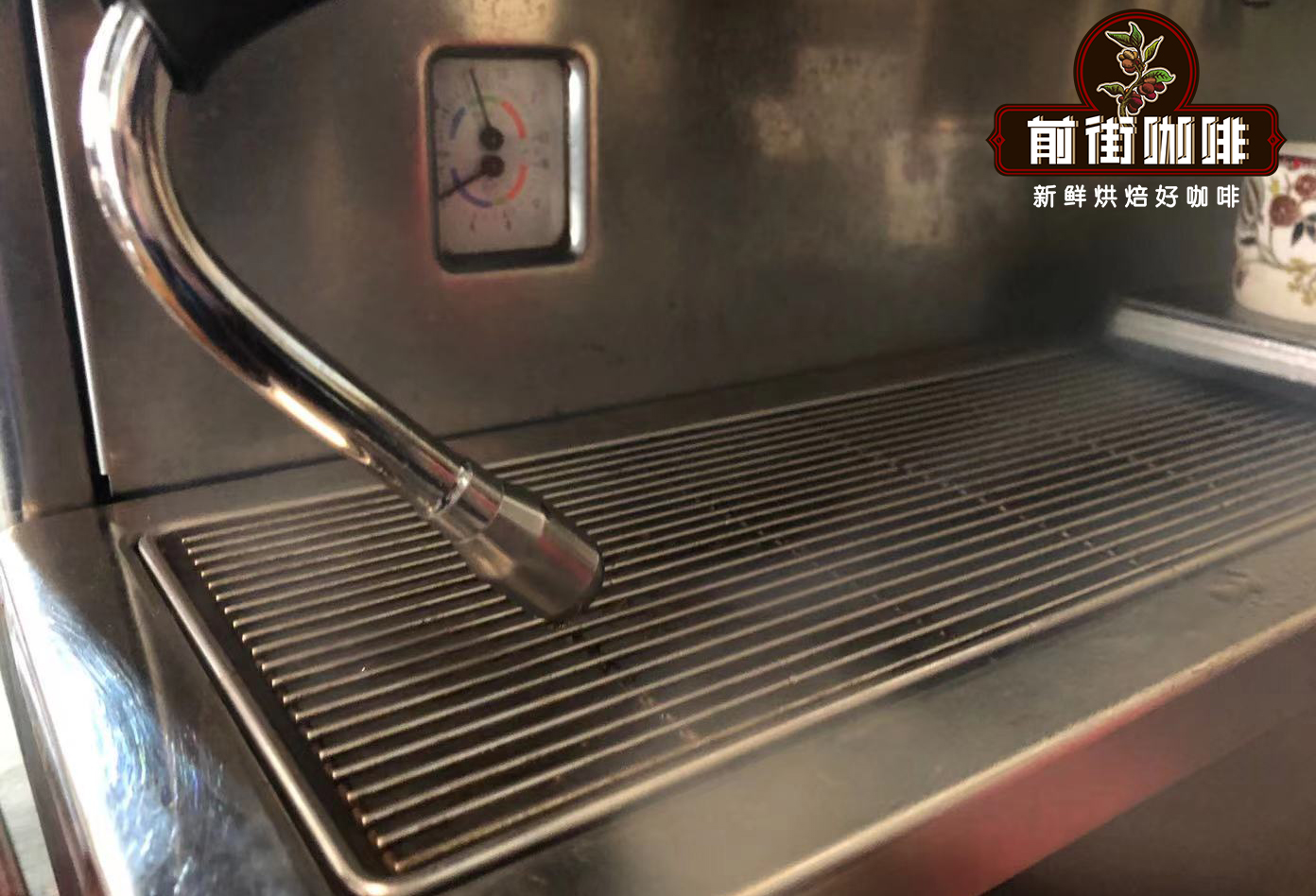
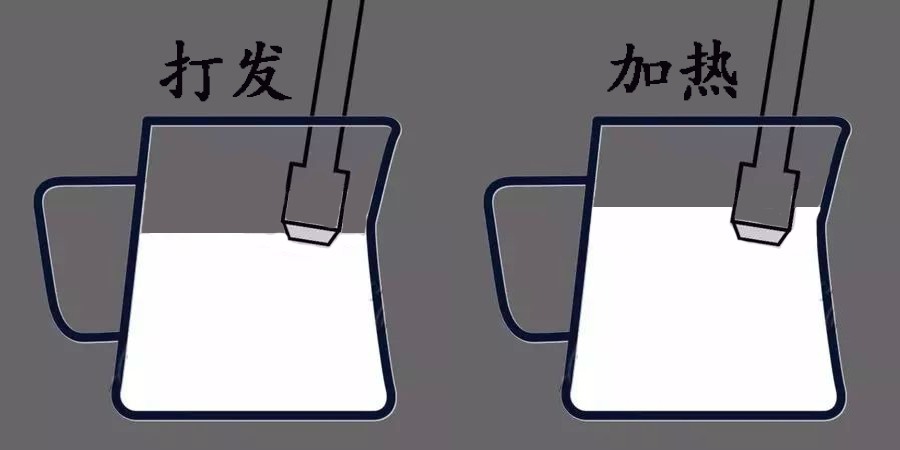
Many affordable home espresso machines on the market don't have enough pressure, so they essentially spray water with some steam. The steam wand usually has a plastic tip with one end that draws in air, and you must not let that end go below the milk surface.
There is usually a temperature limit, so don't froth for too long. Generally, once the temperature reaches around 60°C you should stop. You can also touch the bottom of the pitcher: when it feels hot and there is a milky aroma, it's time to finish.
The last step is very important. Once the milk foam has formed, place a thick cloth on the counter and tap the milk pitcher on it. This helps release air bubbles from the foam, making it denser. Even if you don't drink it right after frothing, it won't melt away quickly.
It's best to use milk straight from the refrigerator for the best frothing results.
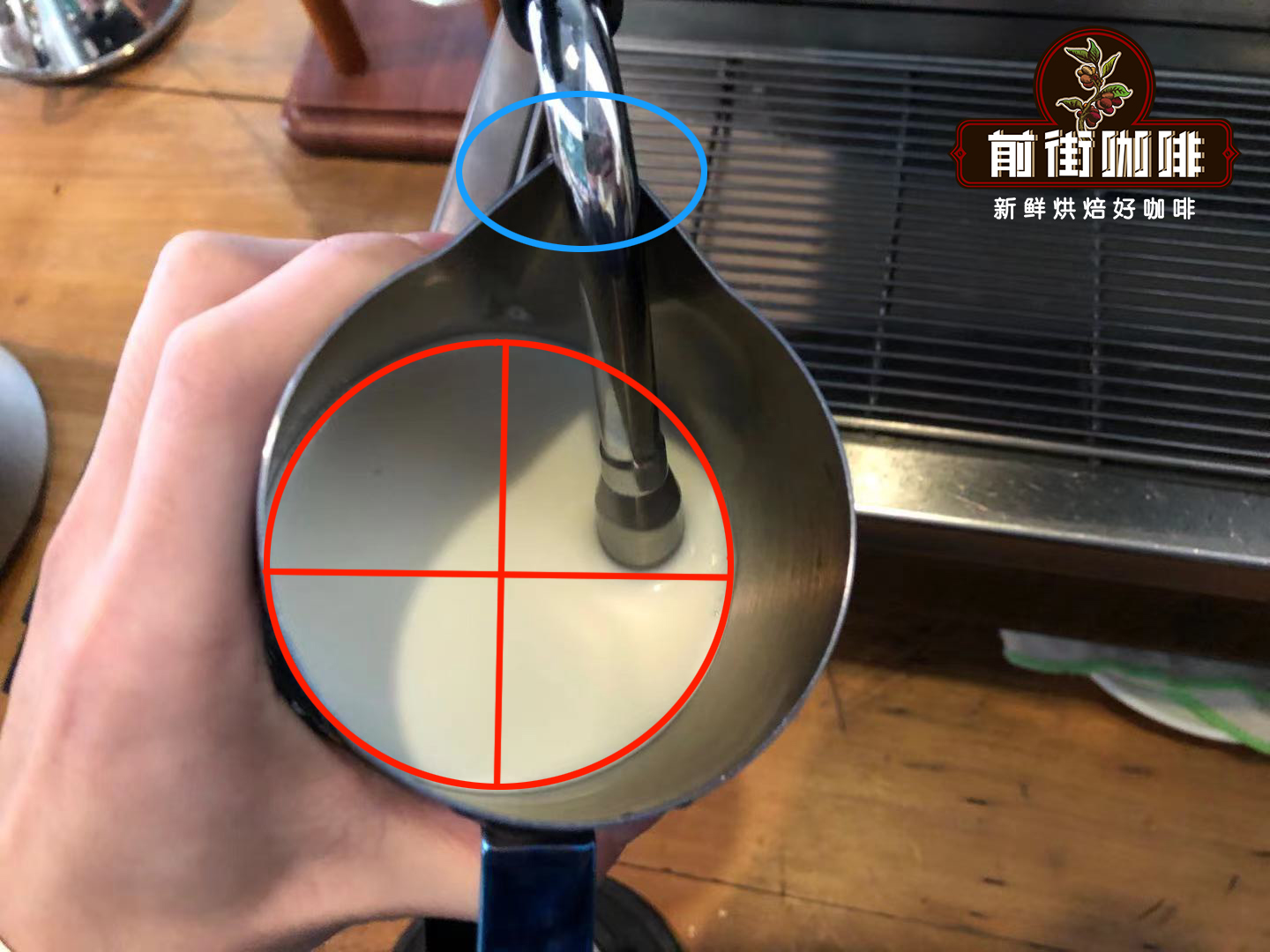
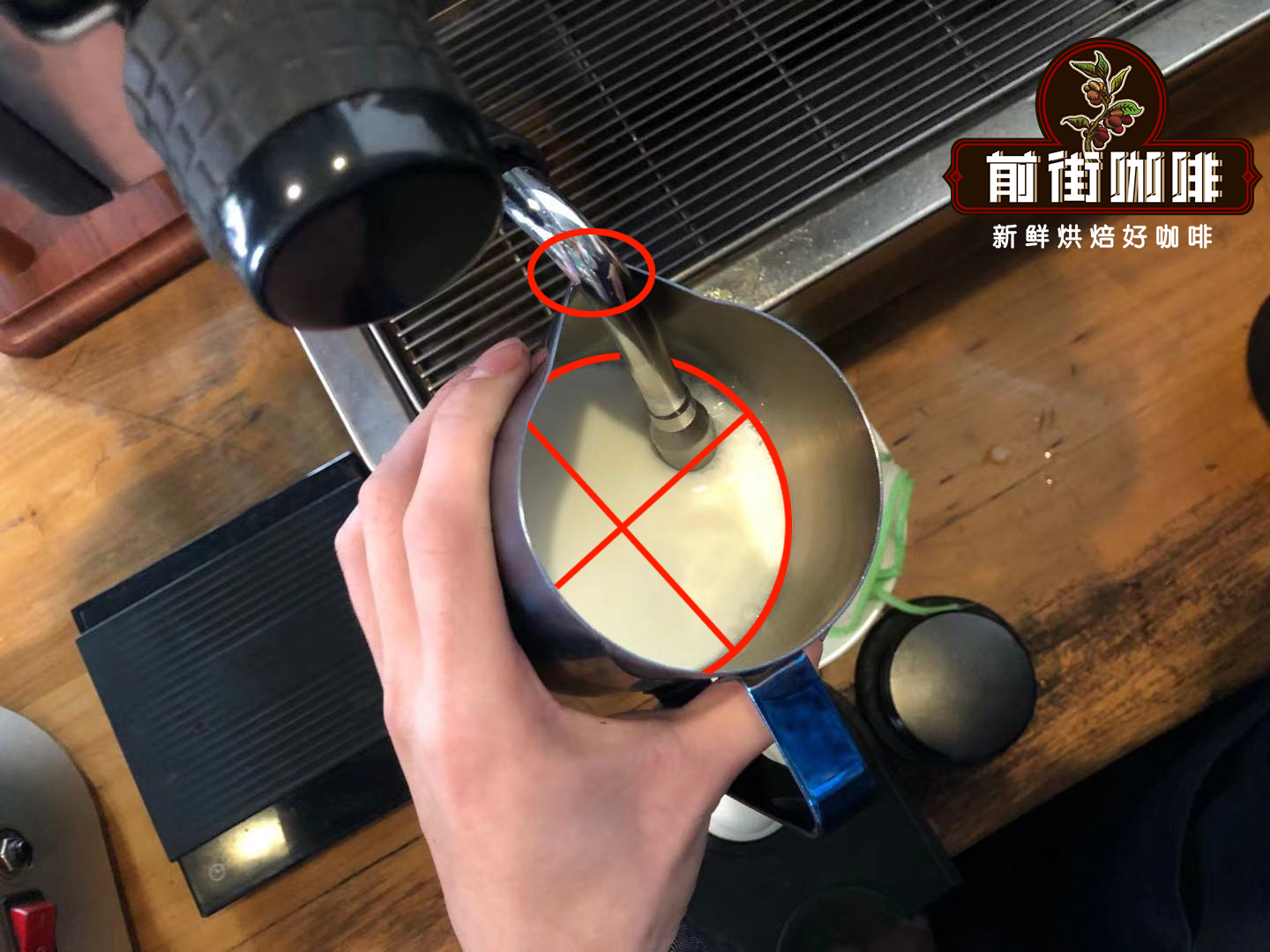
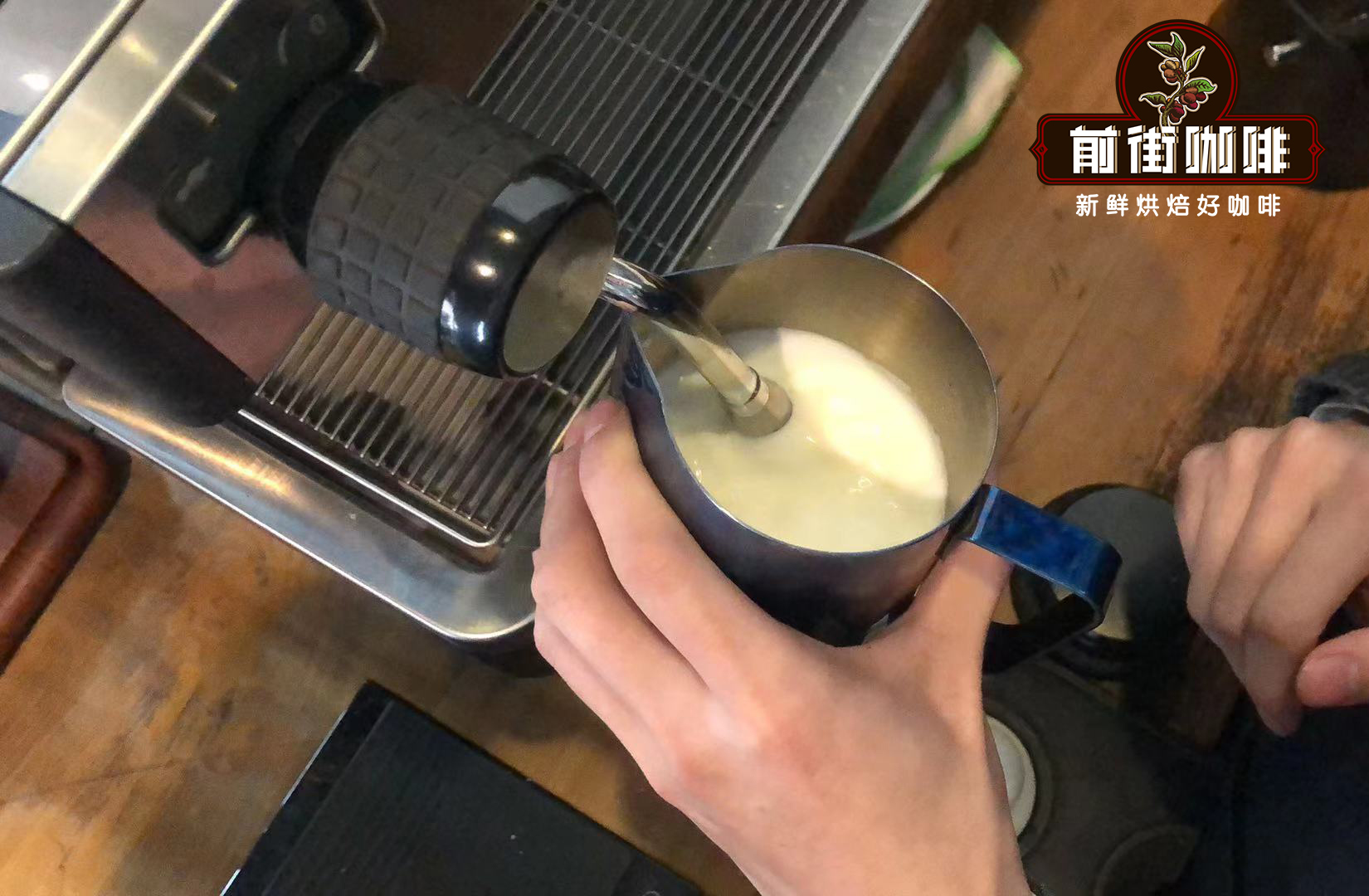
Position the steam wand about one centimeter below the milk surface in the center of the steel pitcher. If the sound is too loud, you need to adjust the angle.
You can practice with a thermometer first. Turn off the steam as soon as it reaches the target temperature, because the temperature rises very quickly toward the end.
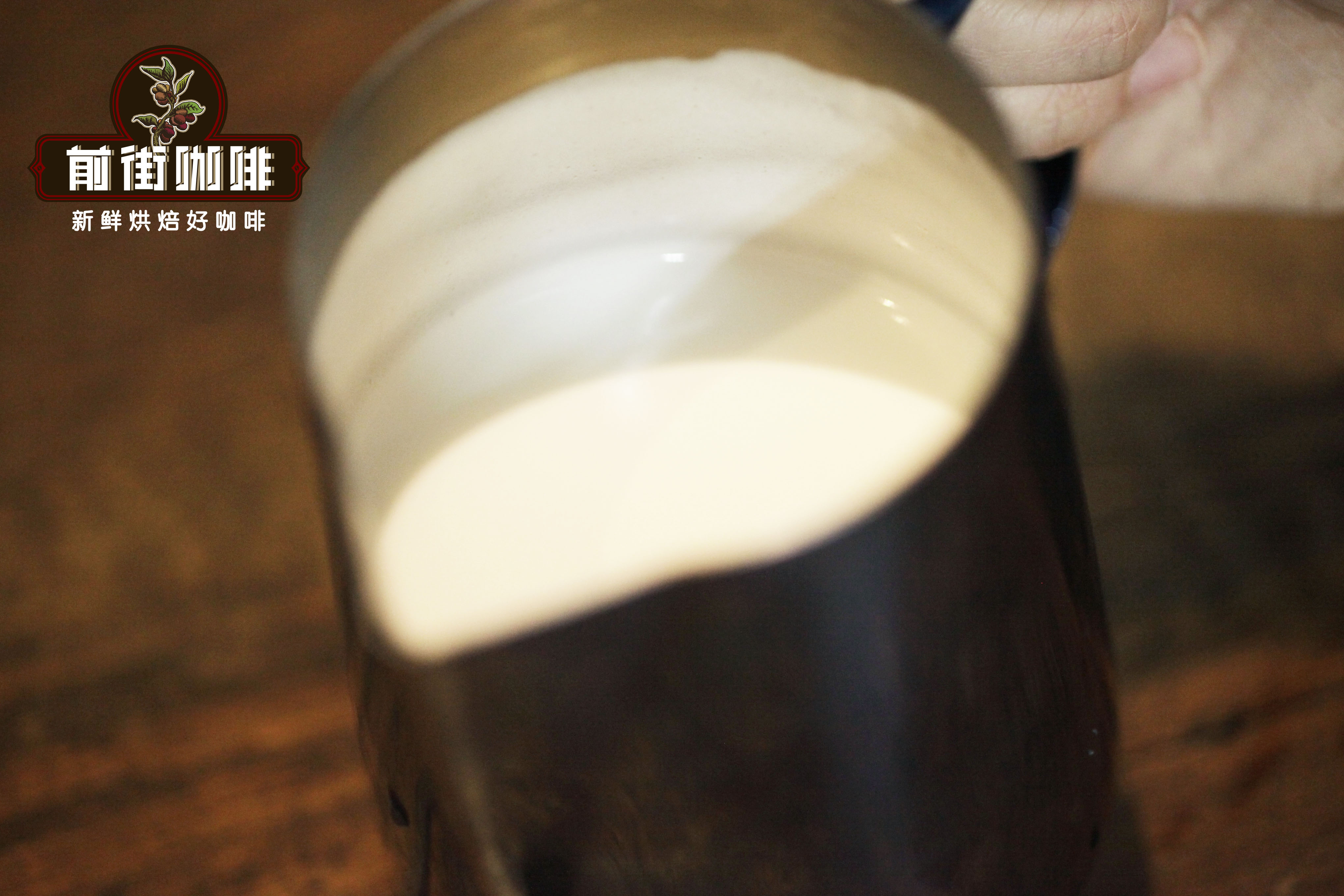
Well-frothed milk should have a slightly creamy consistency, a somewhat thick feeling. Basically, don't overcook it, but keep it at the proper temperature.
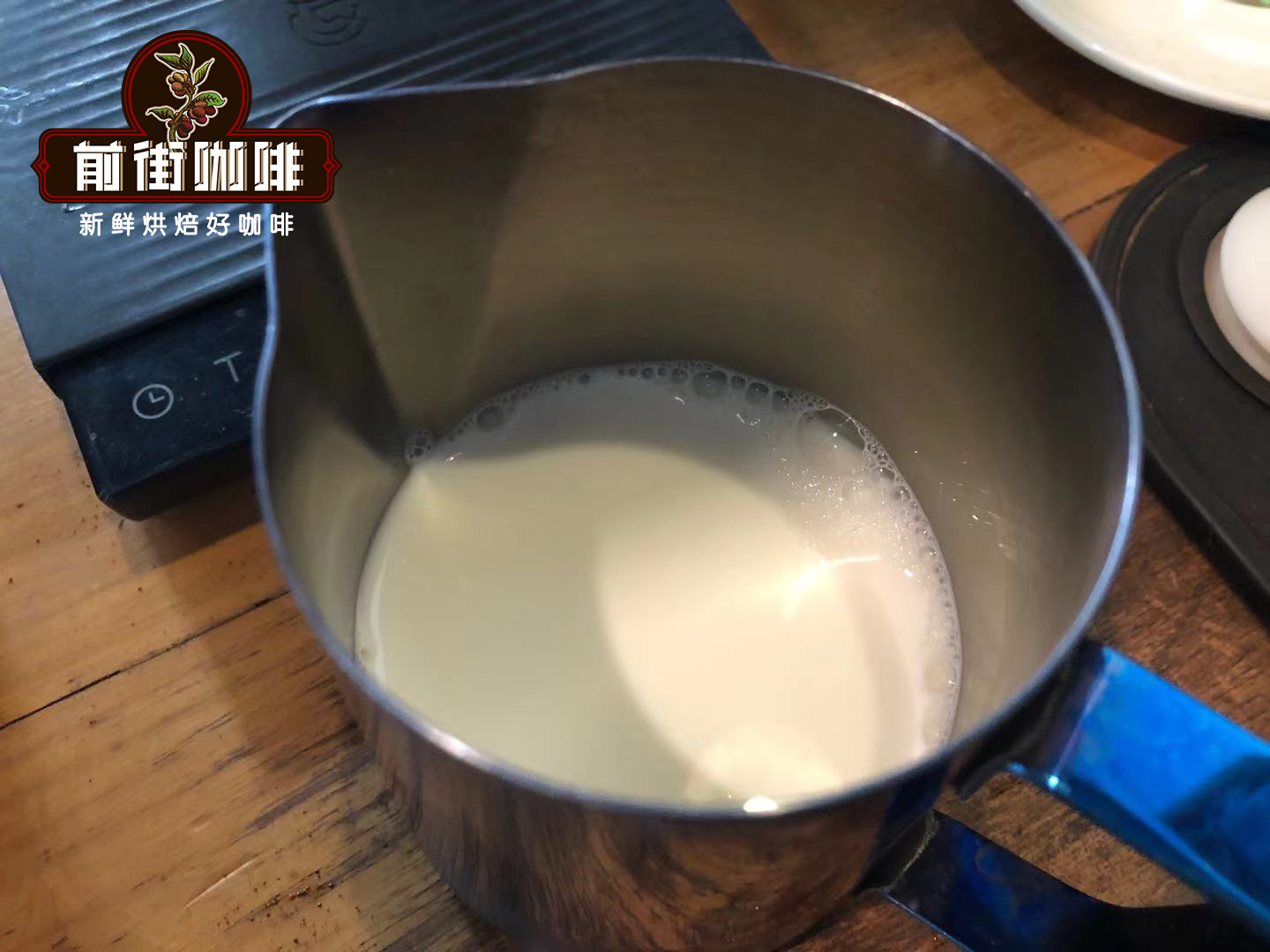
Turn off the steam and tap the milk pitcher on the counter. You'll see the foam on top become fine and smooth.
If the foam is too coarse and bubbly, it means the milk temperature is too high, because the temperature wasn't controlled properly and the steam was turned off too late.
Factors for Long-Lasting Milk Foam
Heating Milk Temperature
Milk foam forms in two ways: one is steam-frothed foam, and the other is foam created with a French press.
Let's start with steam-frothed foam. The temperature can't be too low, or the foam won't be dense and won't last. High temperature is even worse, because the milk will boil and the foam will stop being dense, turning instead into large bubbles that form after boiling and break easily.
So what temperature is best for milk foam? Around 60°C. A very stylish barista once told me, though, that he never uses a thermometer when frothing. He uses the thinnest part of his palm, the thick flesh next to the thumb, to judge the temperature, since that area is most sensitive to heat. He stops once it feels hot.
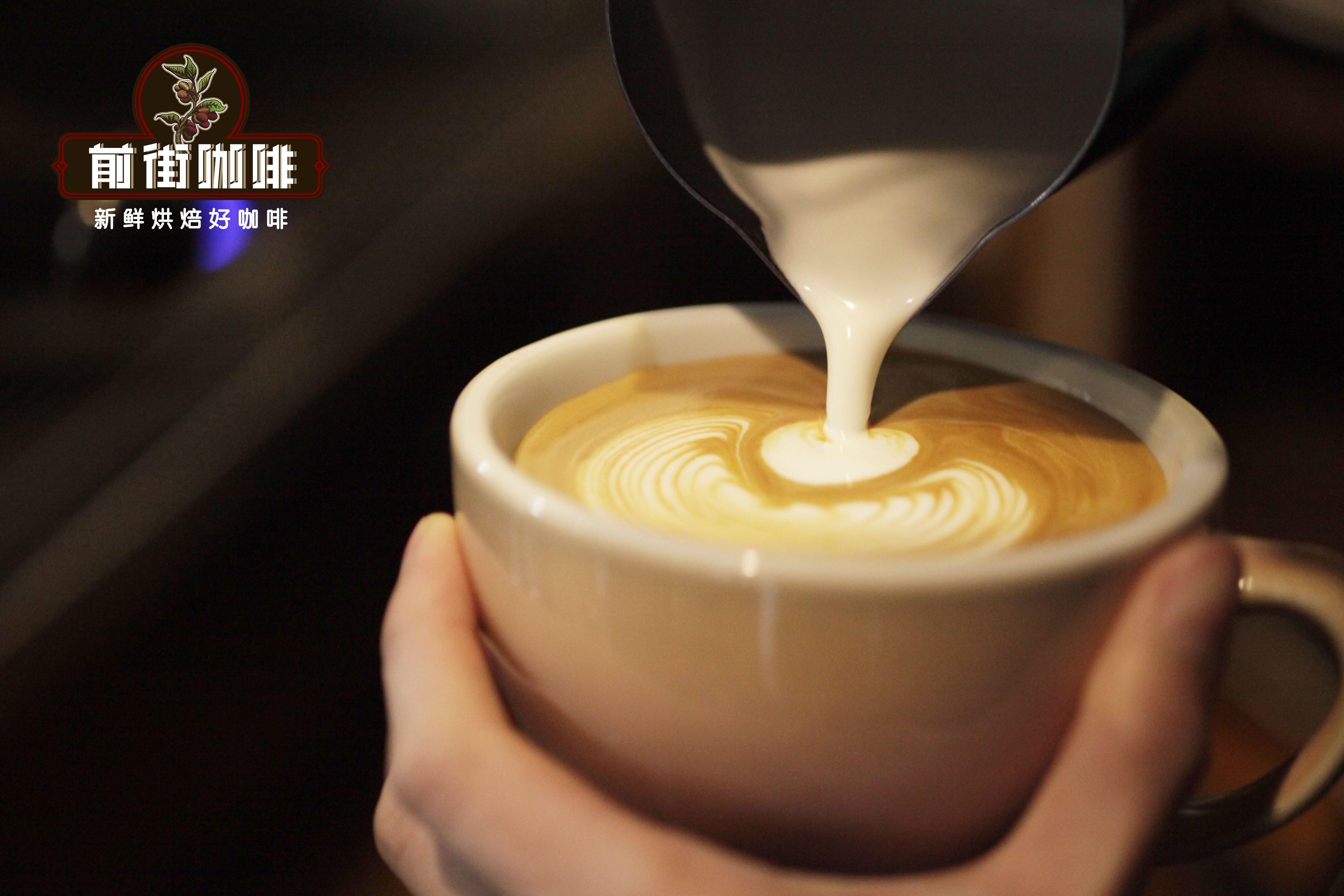
A good cup of coffee requires trying many different whole milks to work out which is better. It's also worth noting that different coffee beans pair best with different milks. Milk that's too rich can suppress the coffee's own richness, so even if that milk foams beautifully, it may not be the best match for that particular bean. As for foam made with a French press, basically any refrigerated milk will work. The quality depends on how quickly and how often you pump; the faster and more frequent the pumping, the better the bubbles. This kind of foam is used mainly for cold drinks.
Milk to Foam Ratio
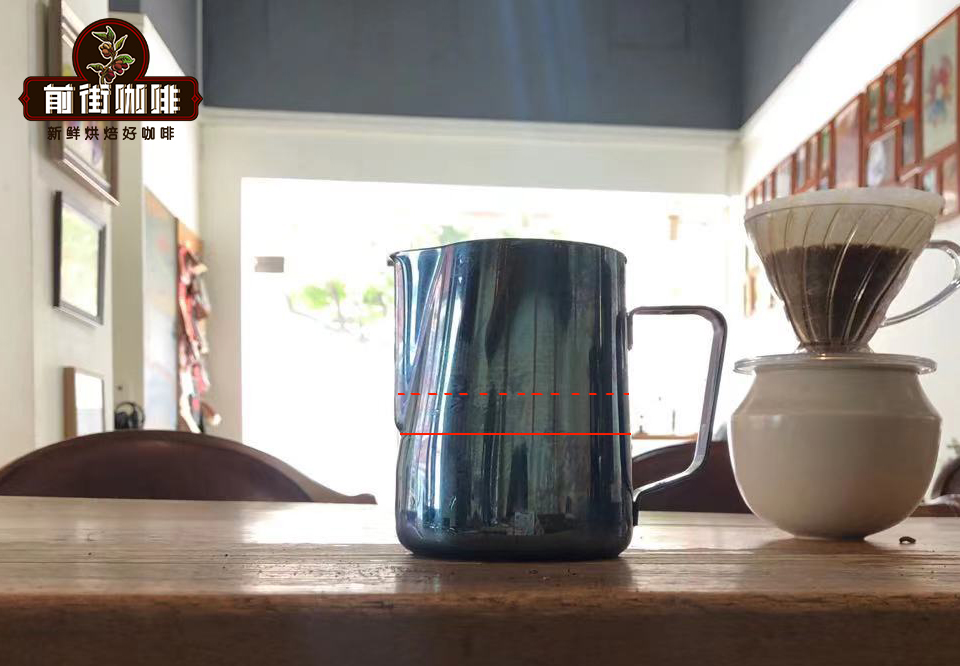
Put simply, with 500 milliliters of milk you can create 1000 milliliters of milk and foam mixture, or 600 milliliters. It depends entirely on the coffee you're making and the latte art you're pouring, whether a latte or a cappuccino. Relatively speaking, the higher the ratio of milk to foam, the denser the foam, though this is closely tied to personal technique.
Personal Technique
This gets even more complex: how you operate the steam wand, when to increase or decrease the steam, the depth of the wand in the milk, the force of the stirring. The lower the starting milk temperature, the more time you have to froth and, relatively, more time to adjust the foam quality. The steam wand uses steam to rapidly mix air and milk, and this is closely tied to how you form bubbles on the surface and then transform them into the densest possible foam. It takes years of practice. To save resources, FrontStreet Coffee often practices with water instead of milk.
After frothing, you still need to handle the milk in your hands. FrontStreet Coffee usually taps the pitcher firmly on the countertop several times. By "firmly," I don't mean extremely hard; the force is a delicate thing. Too light, and the large bubbles in the milk won't be released; too heavy, and you'll create new large bubbles. Of course, this comes down to personal preference, and some people skip the technique entirely.
Standing Time
Generally, frothed milk is turned into coffee quickly. The longer it sits, the fewer bubbles it will have, and the foam will stop being dense.
FrontStreet Coffee Recommendation
If you're learning latte art at home, the milk is only half the story; the beans you pour into it matter just as much. FrontStreet's Classic Blend is a medium-dark espresso recipe built from three growing regions, inspired by the old "Mamba" pairing of Mandheling and Brazil, with a small amount of Robusta added for aroma and crema. It gives off clear butter, toasted bread and caramel-cookie aromas, with a strong flavor, a solid body and a fine, stable crema that makes it a staple for beginners.
Fans of a rich, nutty profile should look to FrontStreet Coffee's Premium Blend, also a medium-dark espresso bean, pairing washed Colombian coffee with semi-washed Brazilian coffee. It shows nut, dark chocolate and caramel notes, and whether you brew Americano or milk drinks like a latte or a flat white, it highlights the smooth aroma of cream, almond and cocoa, with crema every bit the equal of a cafe's.
If you're getting ready to open a shop, FrontStreet Coffee's Commercial Blend is tailored for you: a traditional Italian recipe built on FrontStreet Coffee's Premium Blend with a little Robusta added, for more dark-brown, fine-textured crema and a heavier character. Americano, latte or mocha, it brings nut, cocoa and caramel flavors while making latte art easy.
Important Notice :
FrontStreet Coffee is a long-established specialty coffee roaster in Guangzhou China, selling freshly roasted beans from its own farm in Yunnan as well as dozens of carefully selected single-origin beans from around the world for both pour-over and espresso. The products deliver consistently excellent quality and great value, with shipping within 24 hours. Guangzhou's FrontStreet Coffee shop is recommended by many coffee lovers, and the beans are now available online at the Tmall 。
FrontStreet Coffee has moved to a new address:
FrontStreet Coffee Address: 315,Donghua East Road,GuangZhou
Tel:020 38364473
 Scan and follow the En Gafei WeChat official account. Please indicate that the reprint comes from "En Gafei".