What type of milk is best for creating milk foam? Which milk brand produces the best-tasting foam? Professional methods and techniques for creating perfect milk foam
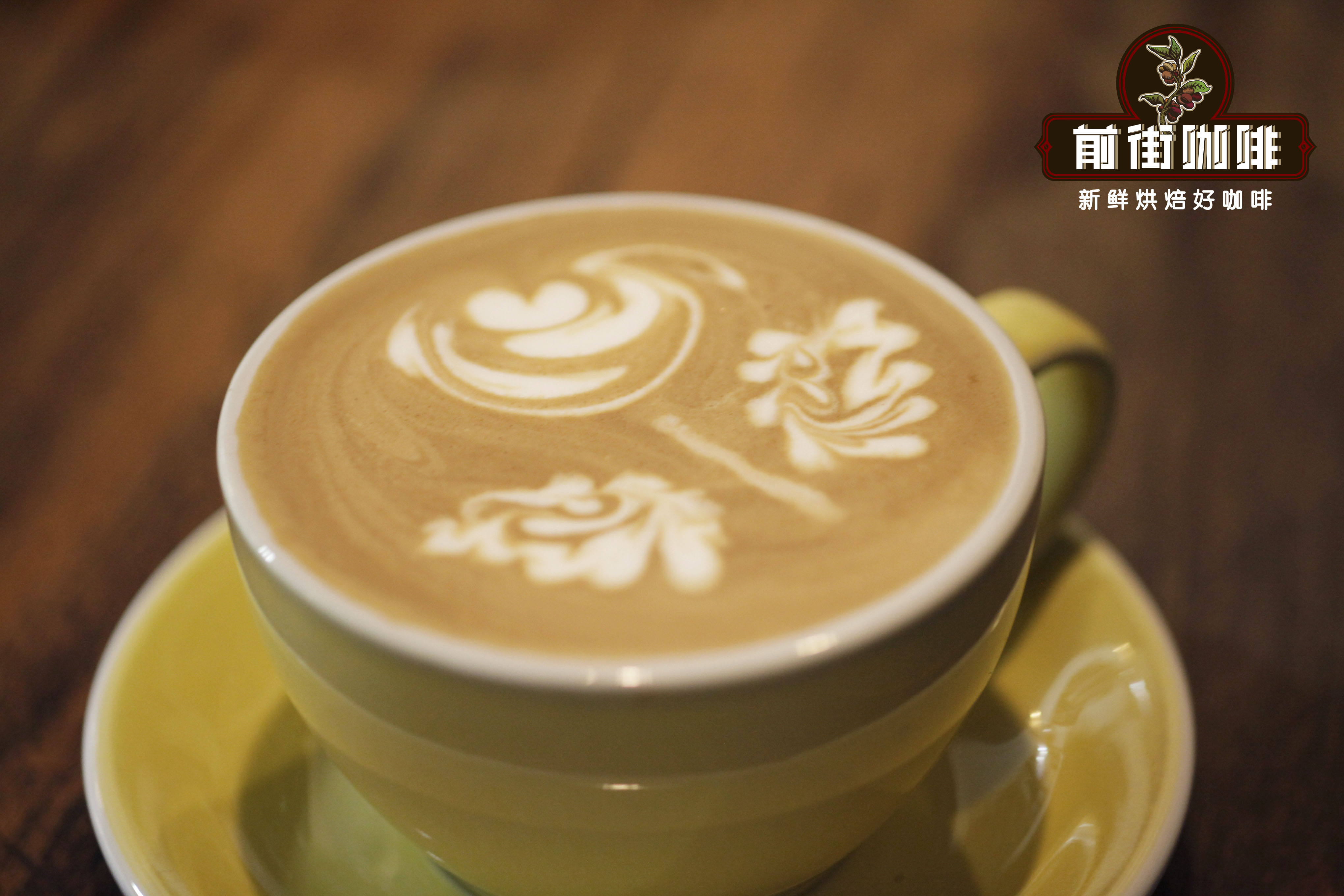
A latte is espresso plus milk, and milk makes up most of the drink (FrontStreet Coffee's latte runs a coffee-to-milk ratio of 1:6). The quality of the milk therefore shapes the taste of the latte enormously—and choosing the right milk also makes pulling off a perfect latte much easier. Here is how FrontStreet Coffee selects milk for lattes.
How to Choose Milk?
Choosing milk is essentially choosing milk fat content. Three types of milk are on the market today: skim milk with less than 0.5% fat, low-fat milk at 0.5%-1.5%, and whole milk with more than 3%. Milk for latte art is typically whole milk at about 3% fat, because lower-fat milk produces harder foam, and what we want is smooth foam.
So when choosing between whole and skim, go with the higher-fat whole milk for lattes.
Milk processing splits into ultra-high temperature sterilization and pasteurization. The former uses short bursts of ultra-high heat to kill bacteria, destroying many nutrients along the way; it keeps longer (180-360 days) and stores at room temperature, but tastes inferior. The latter holds the milk at 80°C for continuous sterilization, preserving most nutrients and better flavor, but it needs refrigeration and keeps only about 12 days.
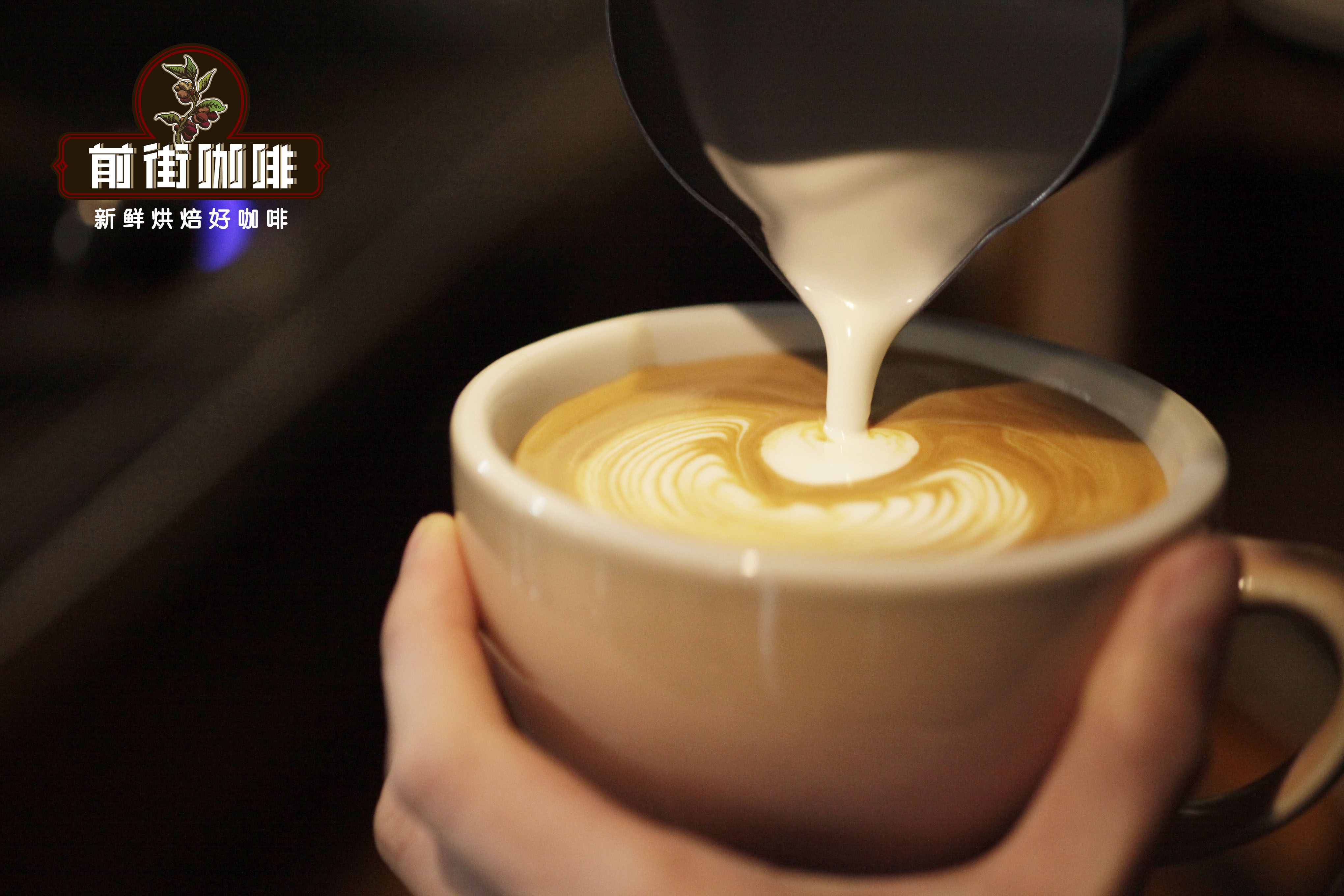
We generally call ultra-high temperature milk "room temperature milk" (pure milk) and pasteurized milk "low-temperature milk" (fresh milk). FrontStreet Coffee recommends low-temperature milk for lattes, and for brands, a good local fresh-milk label.
How to Foam Milk?
(1) Pour about 225g of chilled fresh milk (around 5°C) into a milk pitcher, filling it about 1/3 full.
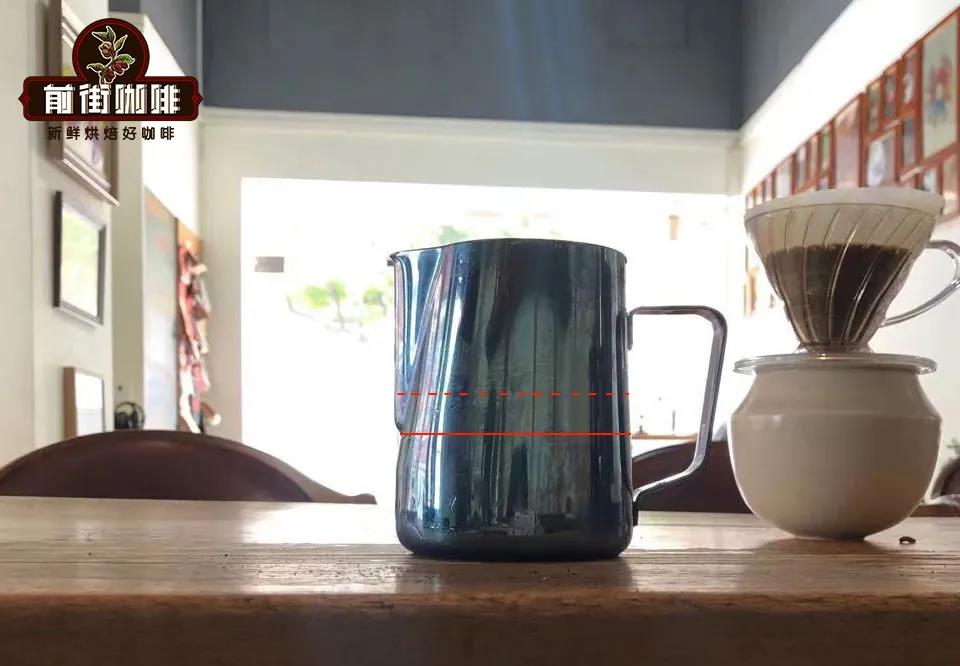
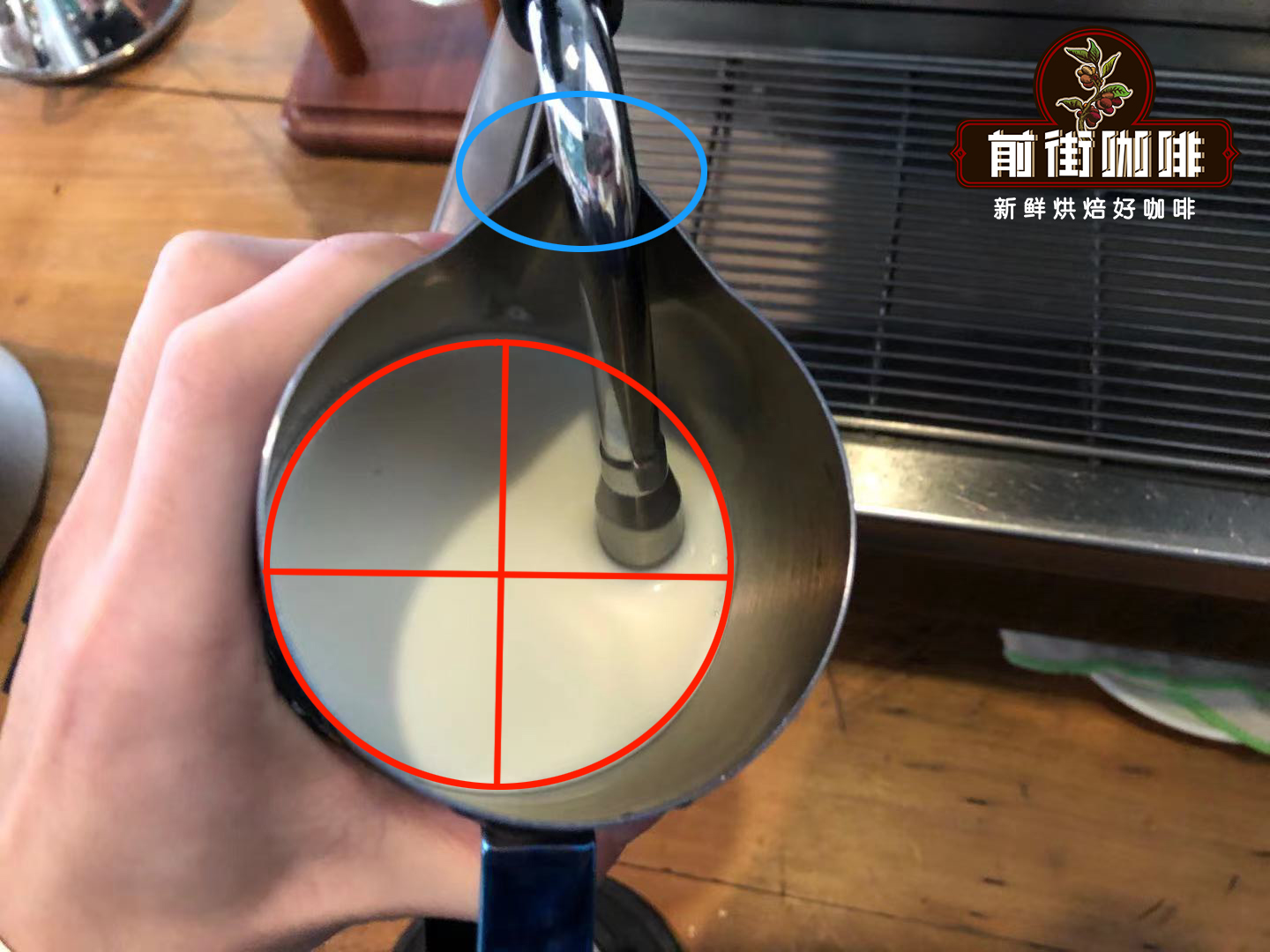
(2) Turn on the steam wand and, before placing it in the pitcher, let the tip release a puff of steam—this preheats the wand and flushes out the condensed water inside. Then insert the nozzle shallowly at a 30-40 degree angle just below the milk surface (tip about 0.7cm deep), or tilt the pitcher 30-40 degrees and insert at a point 1/4 of the way from center to the left (or right) wall. Keep the wand about one finger's width from the inner wall of the pitcher. The goal is to create a vortex: too deep, and no vortex forms—the milk merely heats up without building beautiful foam.
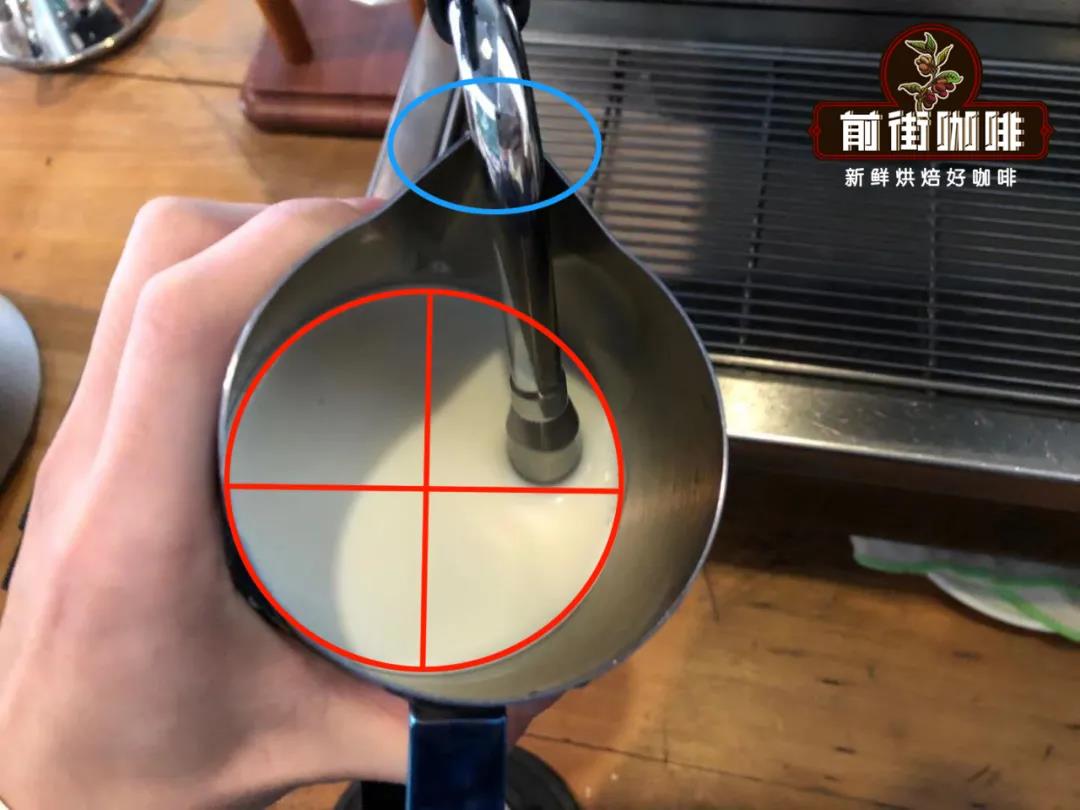
(3) Now open the steam valve, but not too far—too much steam and the milk will boil before the foam forms; too little and there's no foam at all. Usually start at half and open to maximum once the milk begins to convect. You'll hear a "hissing" sound at first. When the pitcher feels warm (or once you judge there's enough foam), a clear vortex appears on the surface; at that point lower the pitcher, keeping the nozzle depth steady at 0.7cm, to tighten the foam. Continue until the pitcher is about nine-tenths full or the temperature approaches 65°C. If the hissing turns particularly sharp, the foaming has gone wrong.
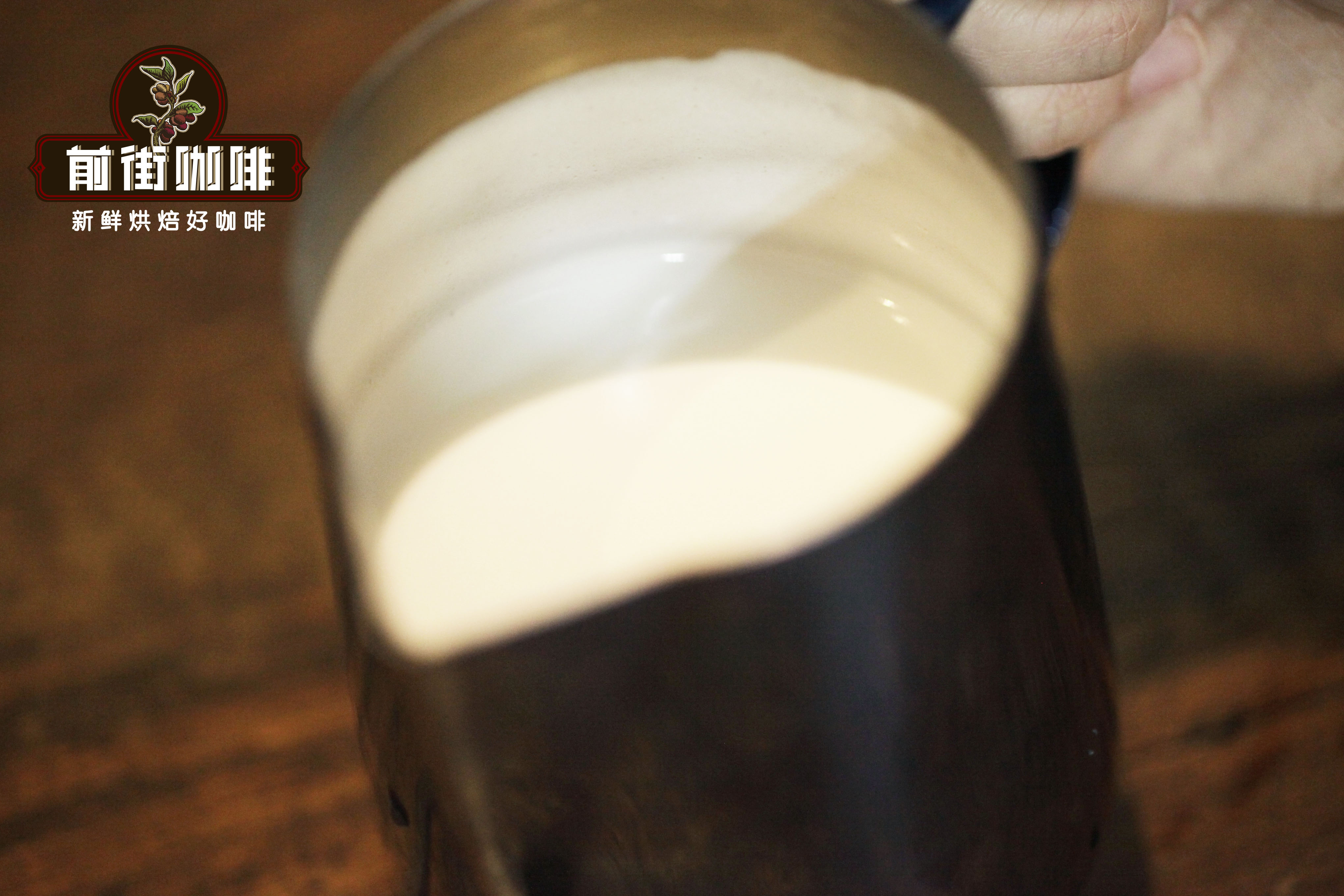
(4) When the cup feels slightly hot, shut off the steam and move the pitcher away immediately. Keep foaming and the foam turns hard; poured into coffee, hard foam won't mix but sits on top like fluffy whipped cream. Go longer still and it separates into 90% flowing milk under a thick, hard foam lid—and when poured, the milk runs out first. Overheating also kills the foam, and finished foam shouldn't sit long or it separates too. Aim for about 65°C after foaming, with a foaming time of 8-15 seconds.
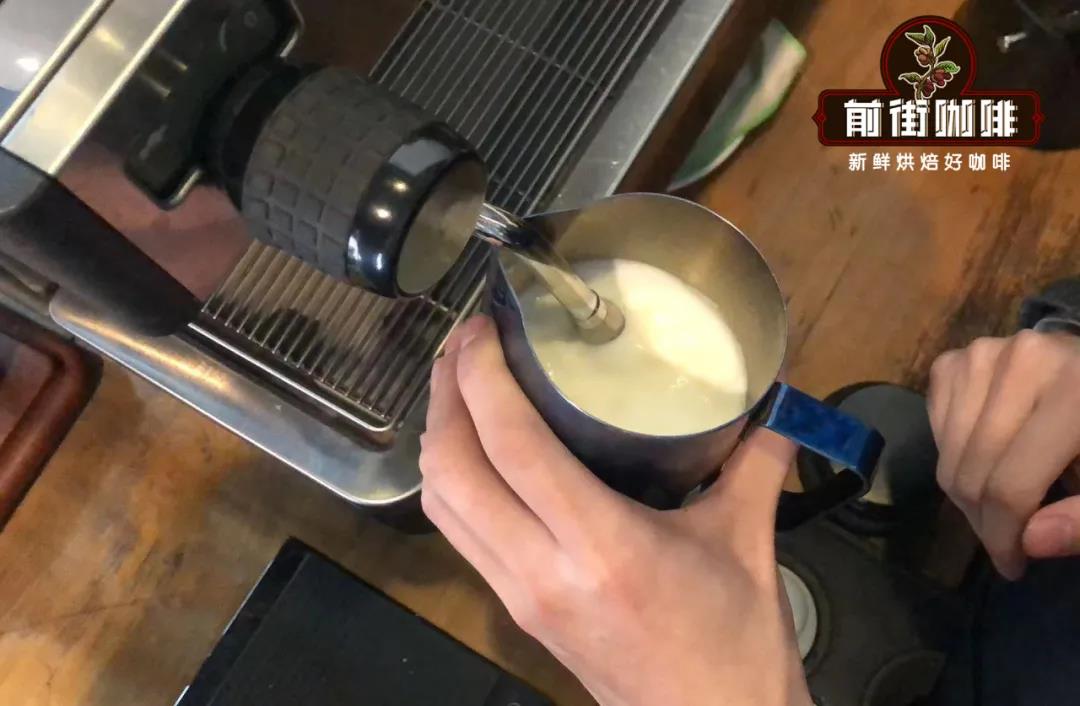
Properly foamed milk is neither rough nor soft and fluffy. Ideal foam has a dense texture, pours like yogurt, and feels thick and smooth overall with a moderate sense of richness.
(5) When you're done, clean the machine: open the steam, wipe the wand, and blast out the residual milk—otherwise dried milk clogs the nozzle and breeds bacteria. Wipe the milk stains off the steam tip and return it to its place.
FrontStreet Coffee Recommendation
Great foam needs a great base. For practicing latte art at home, FrontStreet's Classic Blend is the essential first bean: a medium-dark espresso formula from three origins, inspired by the classic Mandheling-and-Brazil pairing with a touch of Robusta for extra aroma and crema. It extracts with clear butter, toasted bread, and caramel cookie notes, a solid body, and remarkably stable shots—exactly what a beginner needs.
For those who favor rich, nutty flavor, the Specialty Blend pairs washed Colombian with pulped-natural Brazilian beans, showing nuts, dark chocolate, and caramel as espresso, and smooth cream, almond, and cocoa in milk drinks—crema every bit as good as café output, with plenty of headroom for practicing pours.
And if a shop opening is on the horizon, FrontStreet Coffee's Commercial Blend—built on the Specialty Blend with a little Robusta—delivers deeper, dark-brown crema and a heavier body, keeping nuts, cocoa, and caramel in every Americano, latte, or mocha while making latte art effortless.
Important Notice :
FrontStreet Coffee is a long-established specialty coffee roaster in Guangzhou China, selling freshly roasted beans from its own farm in Yunnan as well as dozens of carefully selected single-origin beans from around the world for both pour-over and espresso. The products deliver consistently excellent quality and great value, with shipping within 24 hours. Guangzhou's FrontStreet Coffee shop is recommended by many coffee lovers, and the beans are now available online at the Tmall 。
FrontStreet Coffee has moved to a new address:
FrontStreet Coffee Address: 315,Donghua East Road,GuangZhou
Tel:020 38364473
 Scan and follow the En Gafei WeChat official account. Please indicate that the reprint comes from "En Gafei".