The Story of Kenya Coffee Beans The Meaning and Characteristics of Starbucks Kenya Coffee Bean Packaging Design
For those who want to go deeper into professional coffee knowledge and bean selection, the suggestions in this article are a good place to start.
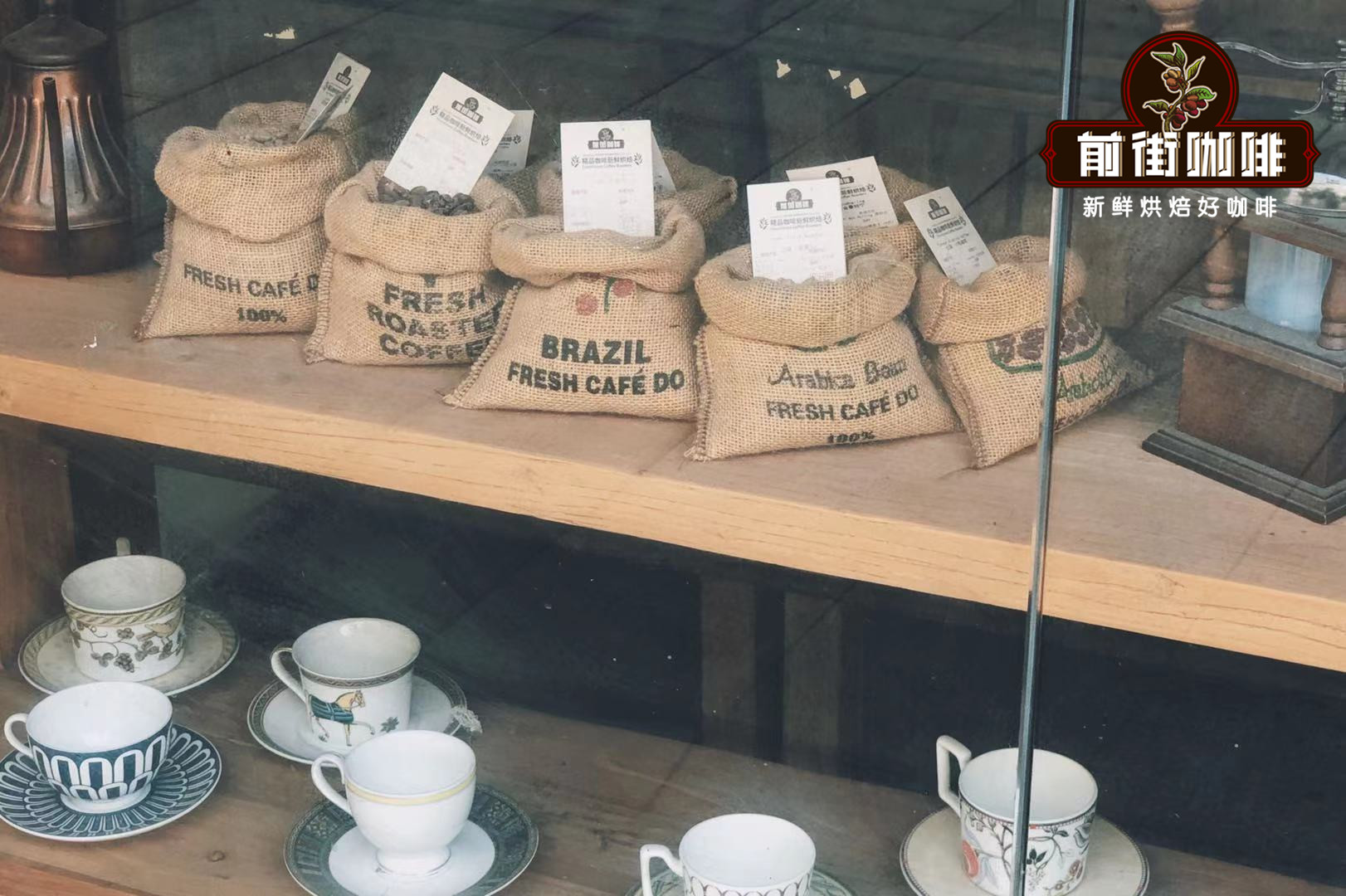
Kenyan coffee has long been praised for its clean, bright, cherry-tomato-like acidity. Even Starbucks carries a Kenyan coffee, and its packaging features an elephant. Elephants are native to Africa, and everyone knows their sturdy, robust image, which is why so many people reach for the elephant when describing Kenyan coffee's rich, full body. FrontStreet Coffee believes that Kenyan flavor also owes a great deal to the country's distinctive processing methods and coffee varieties. This article covers Kenyan growing regions, the story behind the coffee, and its characteristics.
History of Kenyan Coffee
Kenya lies in East Africa, bordering Ethiopia. Its coffee history is not as deep as Ethiopia's, since coffee only arrived around the 20th century. By then, coffee had traveled most of the globe before returning to Africa, and the industry was undergoing fresh changes; Kenya can be seen as both a witness to and a driver of that shift. Unlike Ethiopia, coffee reached Kenya through its colonial power, Britain. During the colonial period the coffee economy was developed with an emphasis on refined management, and Kenya's selection, grading, and processing methods ran far ahead of many producing countries at the time. It took decades for others to recognize the value of this approach and begin copying it, which gradually diluted Kenya's singular advantage.
Factors Forming Kenyan Coffee Bean Flavors
Many enthusiasts first met Kenyan beans at Starbucks. Starbucks' Kenya coffee launched in 1971, and the African elephant on its packaging has long stood as a symbol of Kenyan coffee. Kenya's vivid acidity has been a celebrated topic in the industry, and FrontStreet Coffee also carries several excellent Kenyan beans with standout flavor.
So what makes Kenyan flavor so unique? Experienced drinkers know that a bean's flavor depends mainly on a few things: the growing region's geography, soil, and climate, plus the coffee varieties and the processing method. In short: origin, variety, and processing. This article introduces Kenyan beans through those three lenses.
Kenyan Coffee Growing Regions
Kenya sits in eastern Africa, with the equator crossing its center and the East African Rift Valley running north to south. It borders Somalia to the east, Tanzania to the south, Uganda to the west, and Ethiopia and Sudan to the north, with the Indian Ocean to the southeast. The country is mostly highland, with an average elevation of 1,500 meters. Mount Kirinyaga (Mount Kenya) in central Kenya reaches 5,199 meters, snow-capped at the summit, making it Africa's second-highest peak.
Kenya lies within the tropics, and two rainy seasons each year allow two harvests: 60% concentrated from October to December, and the remaining 40% from June to August. Coffee is grown mainly on volcanic land at elevations of 1,600-2,100 meters, from around the capital, Nairobi, up to the Kenya mountain areas. That altitude suits flavor development, because lower mountain temperatures slow growth, letting aromatic compounds develop fully and producing more prominent fruit acidity and denser beans.
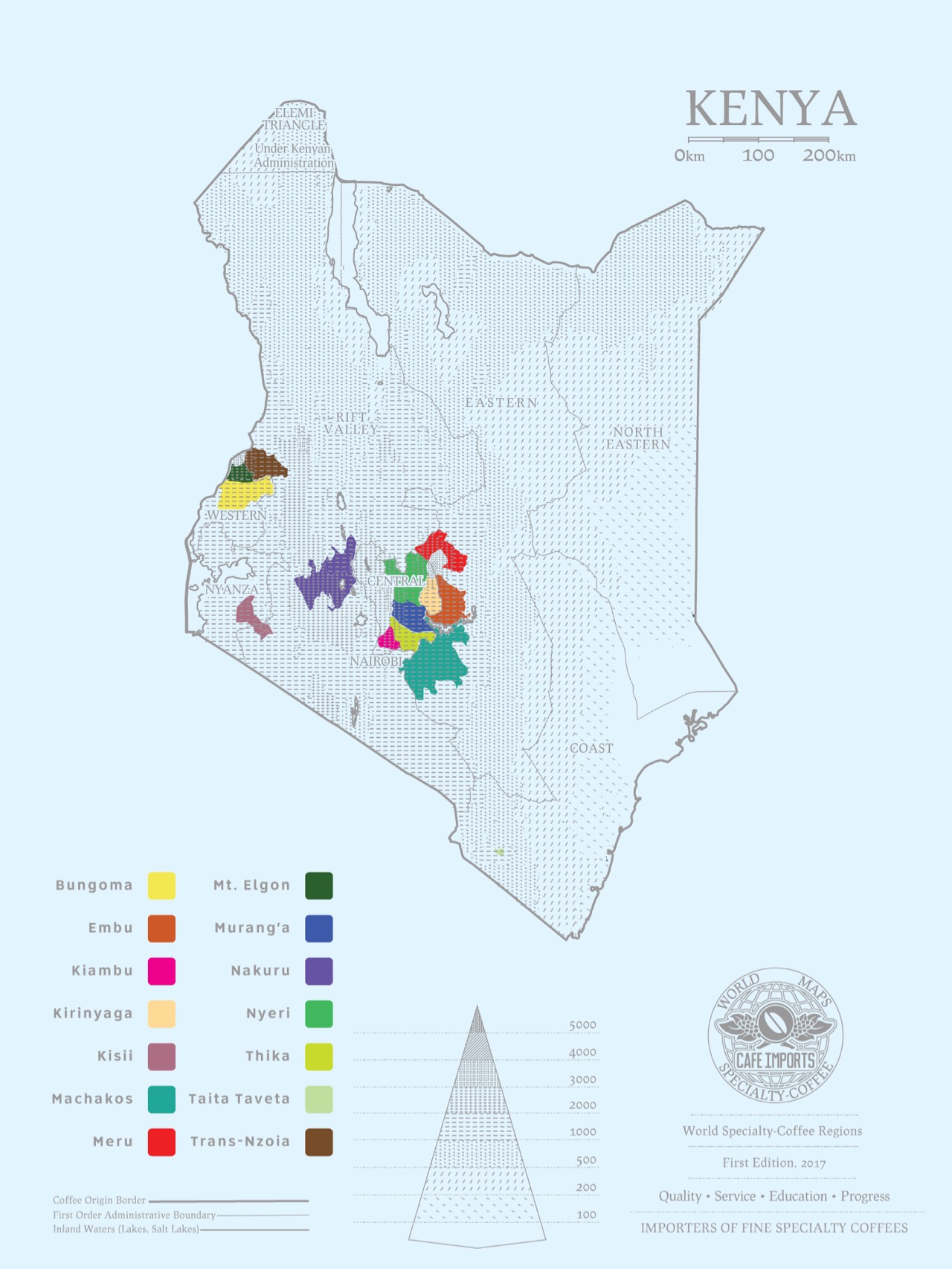
Kenyan growing regions consist of six main areas: Thika, Kirinyaga, Mt. Kenya West, Nyeri, Kiambu, and Muranga. All six harvest from October to December (main season) and June to August (secondary season).
Thika
Thika is a small town near Nairobi. Many coffee fields surround the capital, and while Thika is an industrial town, it is ringed by farmland and waterfalls. The region has roughly 2,000 farmers. Kenyan Thika coffee dates to the late 19th century, when varieties were introduced from neighboring Ethiopia to the north; through local improvement, common varieties now include Bourbon, Kents (SL34, SL28), Typica, and Ruiru 11. About 90% of planted varieties today are SL34 and SL28, while the newer Batian, released in 2007, has yet to be widely planted. The region's flavor features bright fruit acidity, a rich berry-juice texture, and honey-like sweetness.
Elevation: 1,550-1,750 meters
Varieties: SL-28, SL-34
Kirinyaga
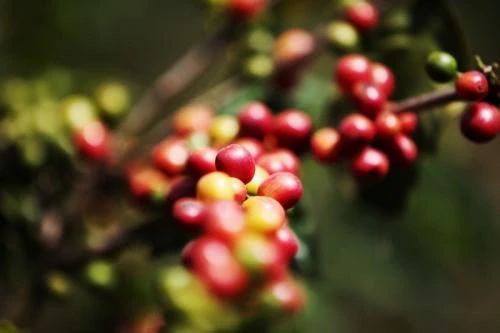
Kirinyaga lies on the slopes of Mount Kenya near Nyeri and is known worldwide for intense, complex, full-bodied coffee. Together with Nyeri, it is recognized as one of Kenya's two finest growing regions. Producers here are mostly smallholders who belong to cooperatives, which coordinate washed processing stations where farmers deliver their cherries. The flavor features bright fruit acidity with moderate oily texture and delicate sweetness.
Elevation: 1,300-1,900 meters
Varieties: SL-28, SL-34, Ruiru11, Batian
Mt. Kenya West
Mt. Kenya West takes in Kisii and the Bungoma area of Mount Elgon. Kisii lies in southwestern Kenya, not far from Lake Victoria, and is a relatively small region where most beans come from joint cooperatives of small producers. Its coffee is quite different from the central regions, featuring roasted nuts and gentle fruit acidity, favored by buyers who dislike bright acidity.
Elevation: 1,450-1,800 meters
Varieties: SL-28, SL-34, K7
Nyeri
Located in central Kenya, Nyeri is home to the extinct volcanic Mount Kenya. The region's red soil nurtures Kenya's finest coffee. Agriculture matters enormously here, with coffee as the main crop, and joint cooperatives of small farmers are more common than large estates. The region has two harvest seasons, but main-season coffee is usually higher quality. The flavor features bright berry-juice notes plus citrus and subtle florals. Beans grown here helped make Kenyan coffee famous worldwide.
Elevation: 1,200-2,300 meters
Varieties: SL-28, SL-34, Ruiru11, Batian
Kiambu
This central Kenyan region holds the district's highest-altitude coffee areas. Some high-altitude trees, however, suffer from dieback and stop growing. The region takes its name from Nakuru town. Coffee is grown by both estates and smallholders, though production is relatively small.
Elevation: 1,850-2,200 meters
Varieties: SL-28, SL-34, Ruiru11, Batian
Muranga
Muranga belongs to the Central Province and counts roughly 100,000 coffee farmers. This inland region was among the earliest settlements chosen by missionaries, since the Portuguese barred them from the coast. It is another area blessed with volcanic soil, with more small farmers than estates. The coffee has bright acidity and a rich juice texture.
Elevation: 1,350-1,950 meters
Varieties: SL-28, SL-34, Ruiru11, Batian
Kenyan Coffee Varieties
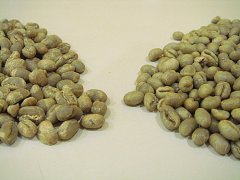
Common varieties in Kenya today include SL28, SL34, and Ruiru11. It is these Kenyan-developed varieties that give the country's coffee its signature cherry-tomato acidity and plum flavors. Here are their characteristics.
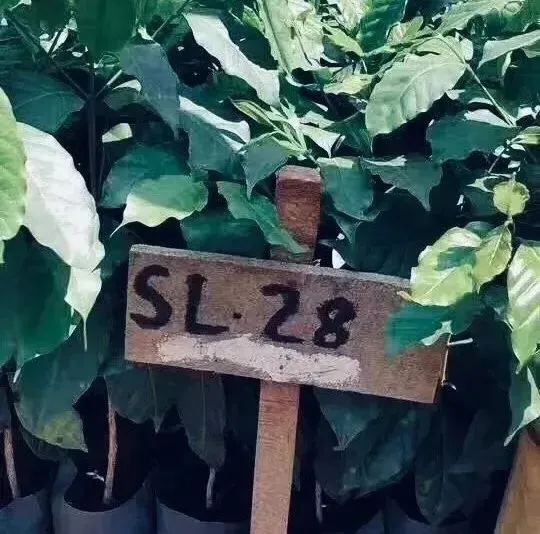
SL28
SL28 was selected in 1935 from drought-resistant populations in Tanganyika. It suits medium to high altitudes and tolerates drought, but is sensitive to major coffee diseases. SL28 beans resemble Bourbon in appearance, round and full. Recent genetic testing has confirmed that SL28 belongs to the Bourbon genetic group.
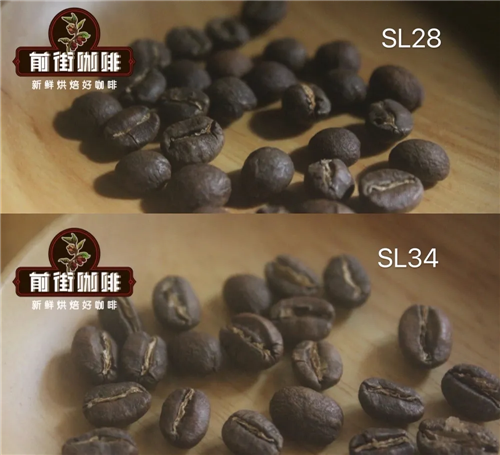
SL34
SL34 was first selected in the late 1930s at Kenya's Scott Agricultural Laboratories, from a tree on the Kabete Loresho estate known as the "French Mission." SL34 beans resemble Typica: elongated and oval, appearing flatter from the side. Recent genetic testing indicates SL34 is related to the Typica genome.
Ruiru11
Ruiru appeared after SL28 and SL34. In the 1970s the Ruiru station began experimenting with breeding for CBD and rust resistance, producing Ruiru11, released in the 1980s. High yield plus resistance to CBD and rust looked like the answer to all of Kenya's production problems.
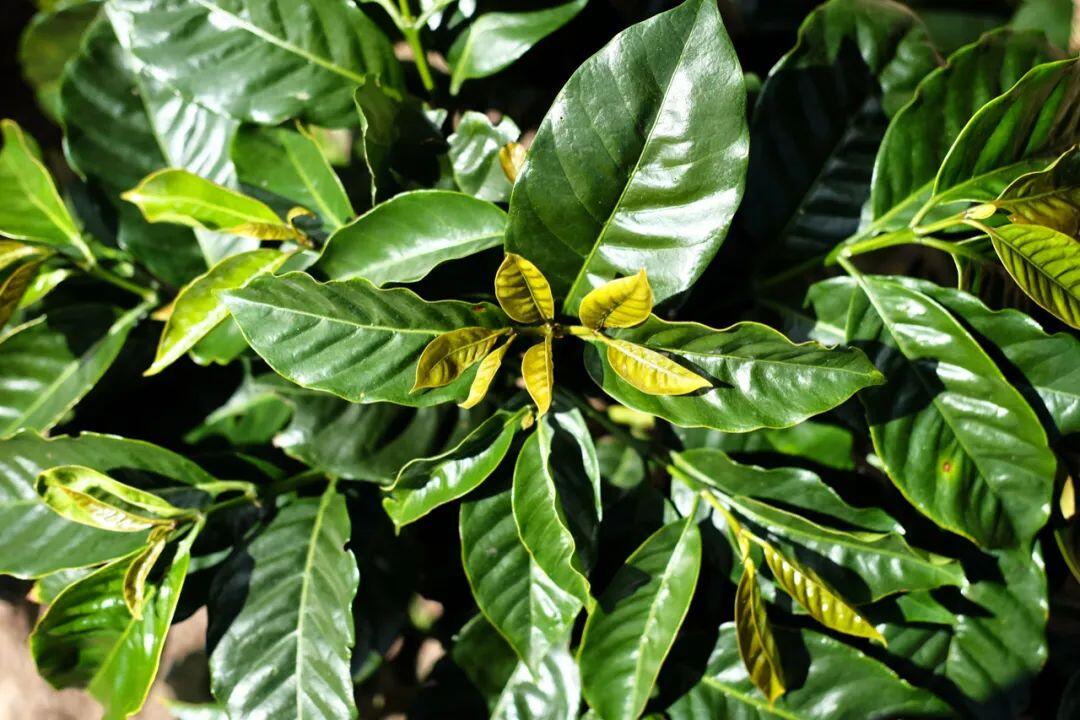
Batian
The Batian variety was released by the Coffee Research Institute (CRI) on September 8, 2010, and is Kenya's newest variety. It built on the lessons of Ruiru11. Genetically it was selected from backcrosses of SL28 and SL34, making it closer to SL28 than Ruiru 11, which eliminated the problematic Robusta elements and improved cup quality.
Kenyan Coffee Processing Methods
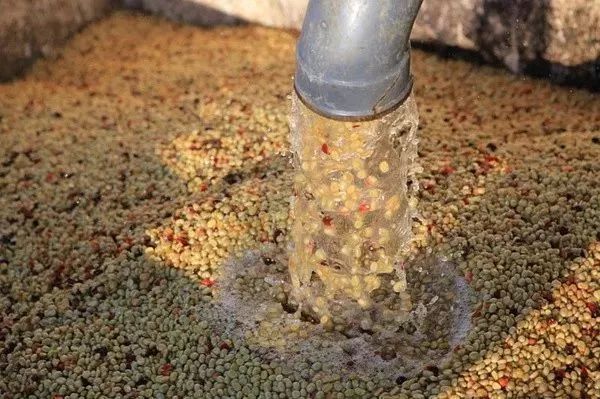
Kenya's distinctive processing also amplifies the plum and cherry-tomato flavors of its beans. That method is the K72 double-washed process.
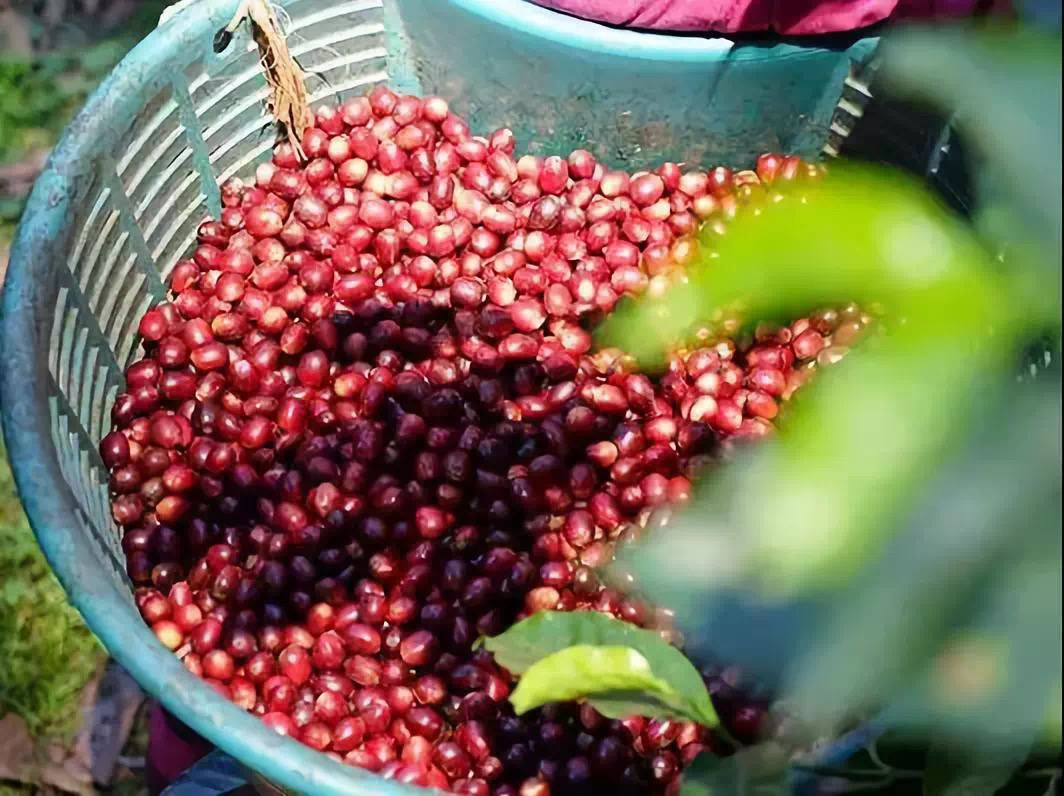
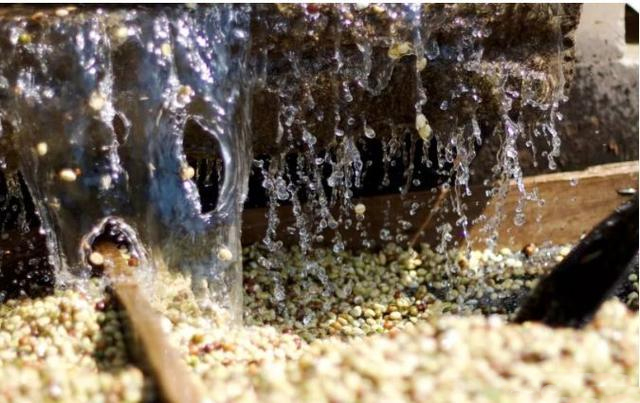
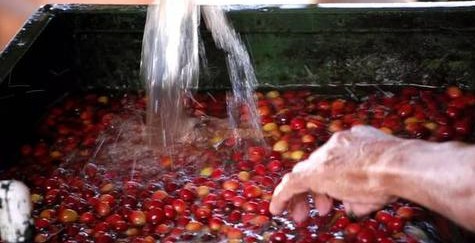
K72 washed processing flow: after ripe cherries are washed, they are pulped and dry-fermented for 24 hours, washed, dry-fermented again for 24 hours, washed, and dry-fermented once more for 24 hours. The cycle continues for 72 hours of strong fermentation. After washing, the beans soak overnight in clean water tanks, and the next morning drying begins on the drying grounds. Because fermentation lasts 72 hours, it is called K72.
Kenyan Coffee Bean Grading System
As mentioned earlier, the Kenyan government takes coffee cultivation seriously and has built a grading system to ensure quality. Kenya grades beans by bean size and cupping results. By size, shape, and hardness, the grades from highest to lowest are: E, AA or AA+, AB, C, PB, TT, T.
For AA and AB green beans, an additional grading based on cupping results was introduced (not officially recognized by Kenya, but established by exporters), ranked from highest to lowest as TOP, PLUS (+), FAQ. FrontStreet Coffee's Kenyan Asalia reaches the TOP flavor grade. As noted, though, this is not an official system, not every Kenyan lot FrontStreet Coffee imports carries a flavor grade, so don't read too much into it. Generally, once beans reach AA and AB, the flavor is already considered very high quality.
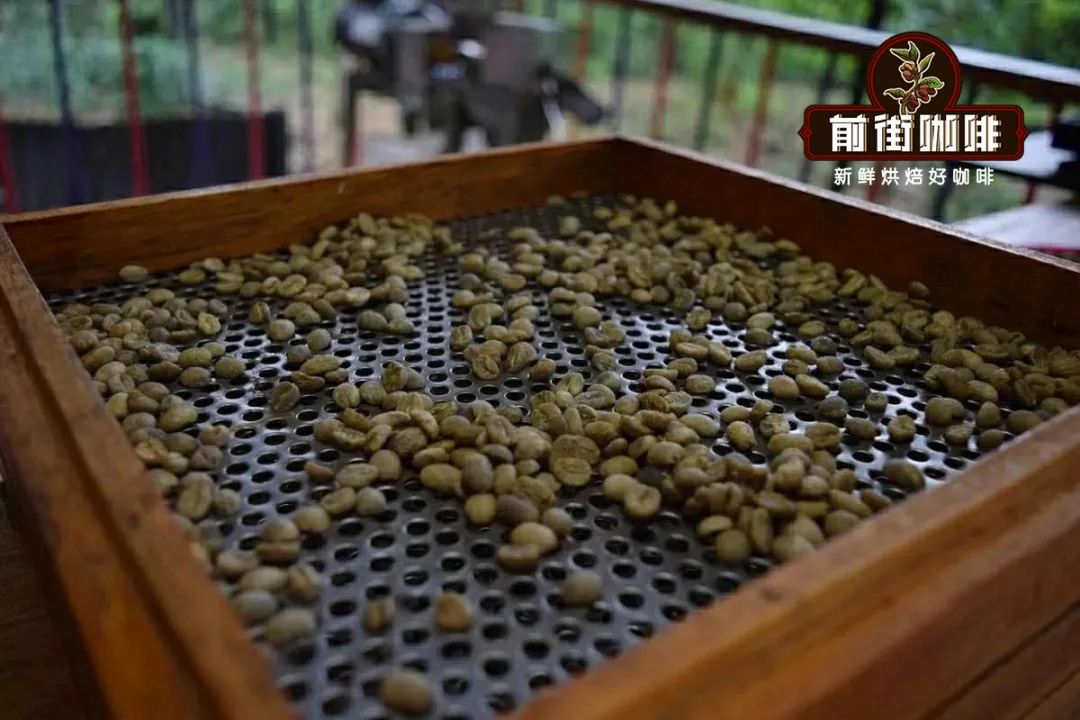
Those are the three major factors behind Kenyan flavor. Below are the flavor characteristics of the Kenyan beans FrontStreet Coffee currently carries.
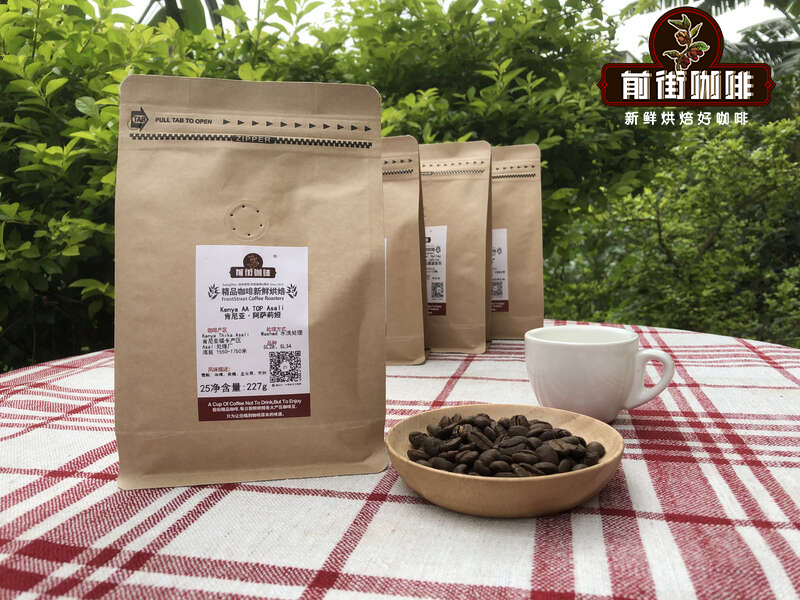
FrontStreet Coffee Kenya Asalia Coffee Beans
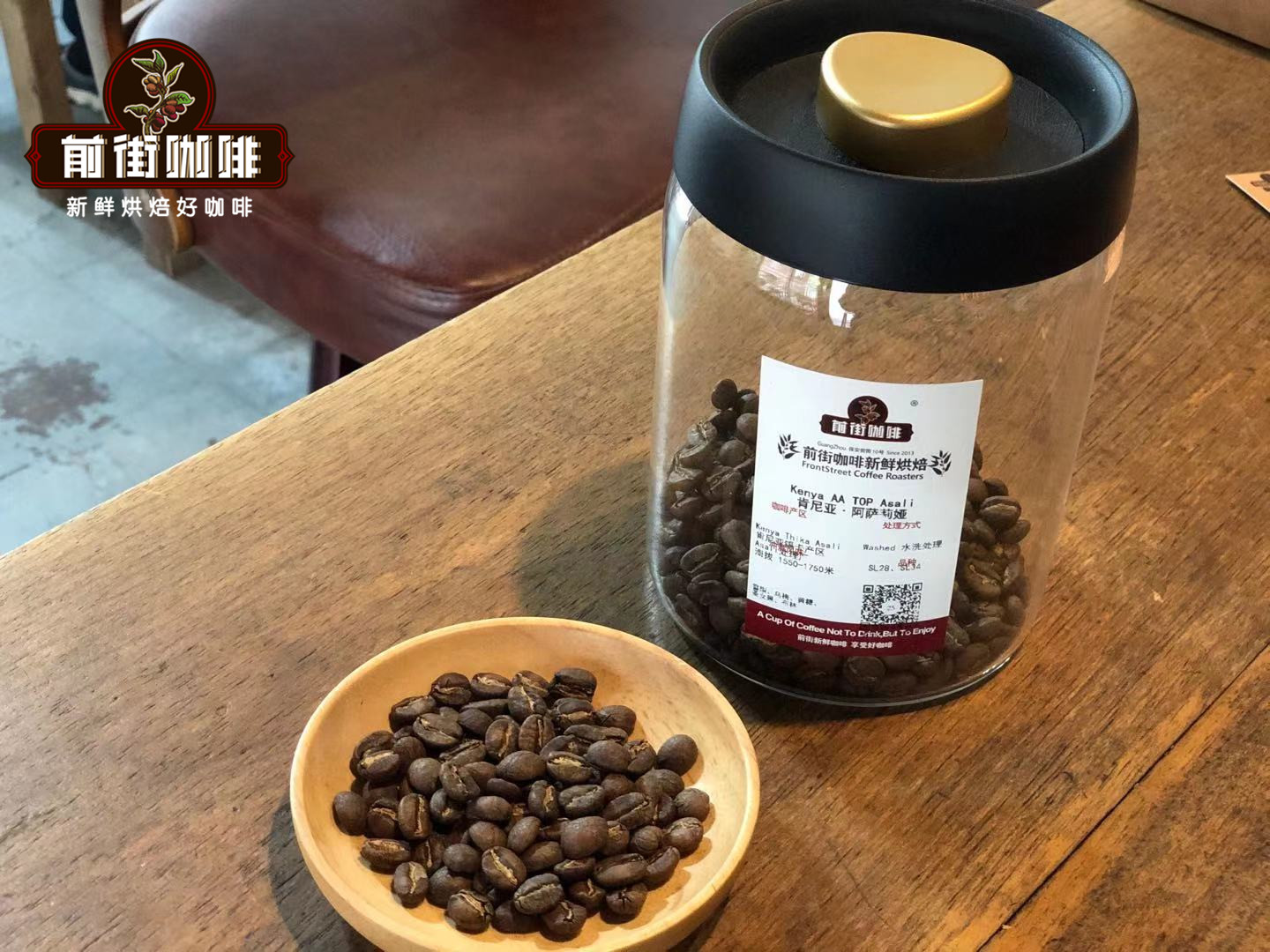
Country: Kenya
Region: Asali (Honey Processing Station)
Elevation: 1,550-1,750m
Varieties: SL28, SL34
Processing: 72-hour washed processing
Flavor: Snow pear, plum, brown sugar, cherry tomato, plum
FrontStreet Coffee Kenya Thainini Estate PB Coffee Beans
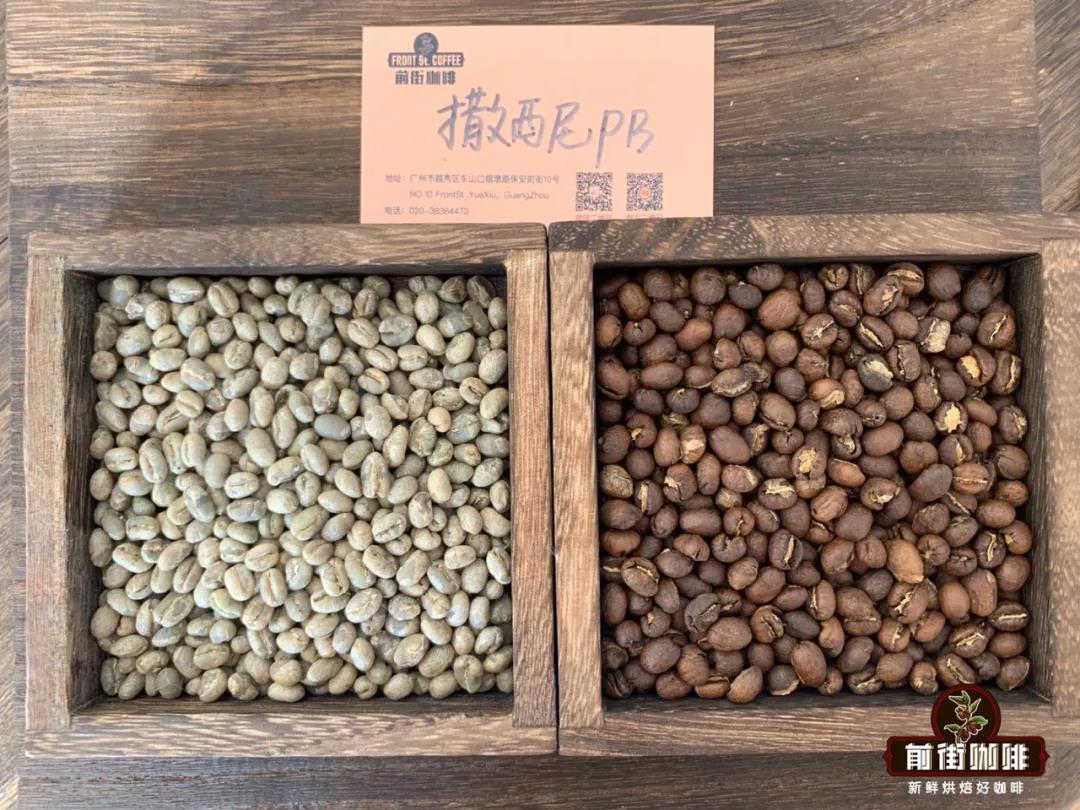
Country: Kenya
Region: Thainini Estate
Elevation: 1,680m
Varieties: SL28, SL34, Ruiru
Processing: 72-hour washed processing
Flavor: Cherry tomato, almond, plum, honey, grape
FrontStreet Coffee Roasting Parameters Sharing
Kenya Asalia Coffee Beans:
These beans are full and round. To express their bright, rich acidity fully, FrontStreet Coffee uses a light roast.
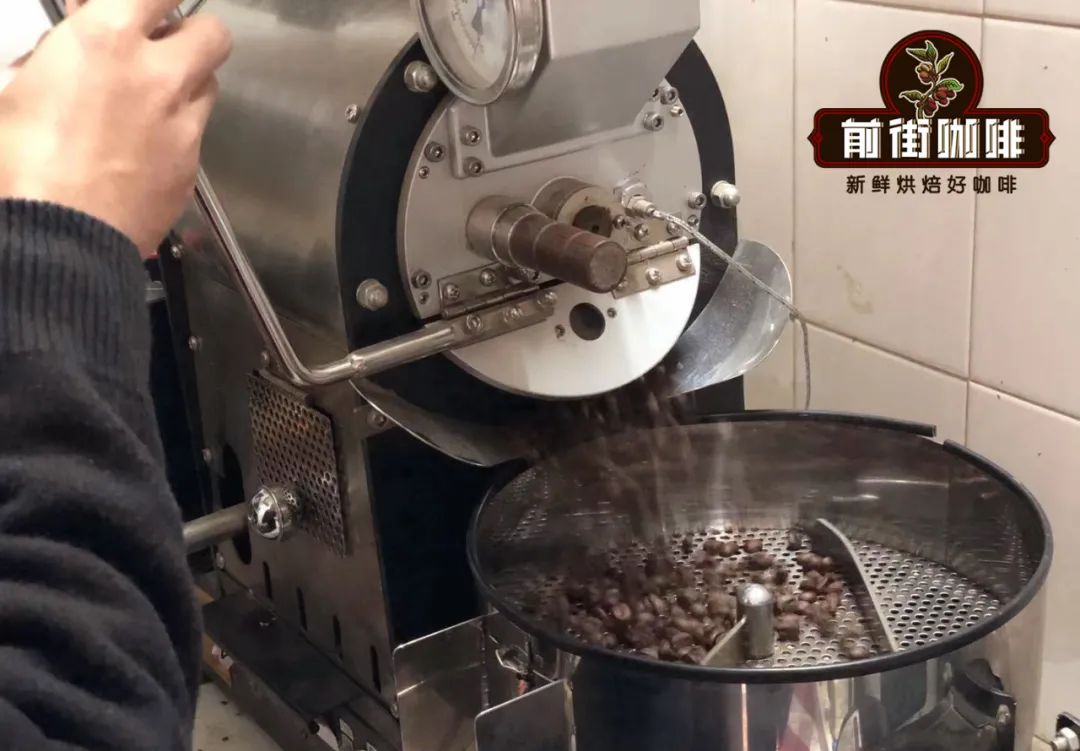
Yangjia 800N semi-direct heat, 480g batch: preheat the roaster to 160°C, charge the beans, open the damper to 3, and set heat to 120. Turnback point: 1'28". When the temperature reaches 130°C, open the damper to 4. At 6'00", at 154.6°C, the bean surface turns yellow, the grassy smell disappears entirely, and dehydration is complete.
When ugly wrinkles and black spots appear on the bean surface and the toast smell clearly shifts to coffee aroma, this marks the prelude to first crack. Listen carefully for the sound. At 9'28" first crack begins; the damper is unchanged, first-crack development runs 2'20", and the beans discharge at 193.8°C.
Kenya Thainini PB Coffee Beans:
This richer bean, from a higher elevation, has a harder density. Start with a faster temperature rise, with yellowing around 5 minutes, then reduce heat to enter the Maillard reaction, and reduce heat again at 166°C to extend Maillard time. When first crack begins, heat absorption is strong, so it is best to maintain heat at this stage to prevent stalling. A longer first-crack development helps reduce acidity and develop flavor.
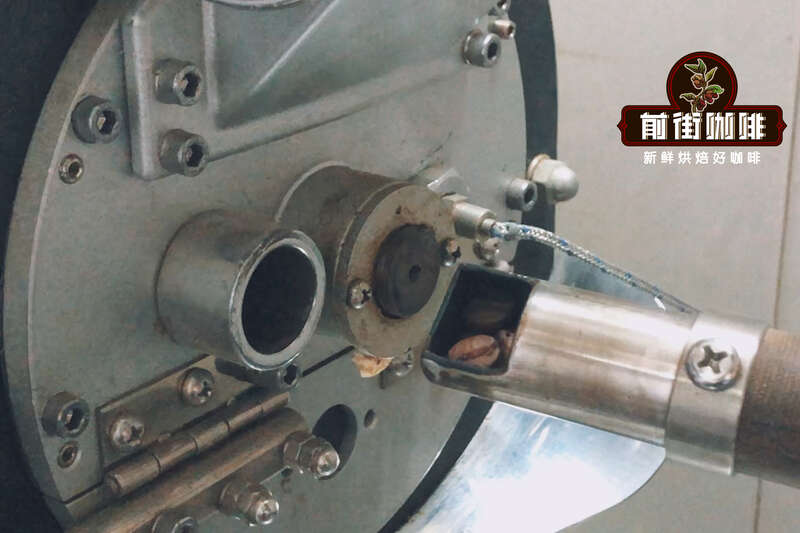
Yangjia 800N roaster (300g batch): charge at 170°C, heat at 100, damper open to 3; turnback point 1'42", and when the roaster reaches 140°C open the damper to 3.5 with heat unchanged; when it reaches 149°C the bean surface turns yellow and the grassy smell disappears, entering the dehydration stage; at 7'14" dehydration is complete with heat and damper unchanged; at 7'30" the bean surface shows wrinkles and black spots and the toast smell turns to coffee aroma, the prelude to first crack, so listen for the crack. At 8'20" first crack begins; open the damper to 4 and reduce heat to 50. After first crack, develop for 1'50", and on reaching 188°C reduce heat to 30 to flatten the rise, discharging at 193.3°C.
FrontStreet Coffee Brewing Recommendations

Filter: V60 or wave filter
Water temperature: 90-91°C
Coffee-to-water ratio: 1:15
Grind size: Fine grind (80% pass-through rate on China standard #20 sieve)

Brewing method: segmented extraction. Use 30g of water for a 30-second bloom, then pour in small circles to 124g for the segment. When the water level drops and is about to expose the coffee bed, continue pouring to 228g and stop. When the level drops and is about to expose the bed again, remove the filter cup. Extraction time (measured from the bloom): 1'55".

Asalia Coffee Bean Flavor: the wet aroma carries ripe tomato and floral notes. On entry come cherry tomato and plum flavors with bright acidity, a clean and rich mouthfeel, prominent mid-palate sweetness with a juice-like texture, and an aftertaste of berry and brown sugar sweetness with a green tea fragrance.
Thainini Coffee Bean Flavor: the aroma has floral notes. On entry come cherry tomato, citrus, and nutty acidity. The mid-palate shows cream aroma and a brown sugar aftertaste. The finish has cocoa and oolong tea notes. Layers are rich, with floral notes prominent.
Those are the flavor characteristics of these two beans. We hope this deepens your understanding of Kenyan coffee so you can avoid missteps when choosing beans from different growing regions.
Below, FrontStreet Coffee highlights a few beans that share the same bright, juicy African character.
FrontStreet Coffee Recommendation
Kenya and its northern neighbor Ethiopia share Africa's signature bright acidity, so FrontStreet's Ethiopian selections are a natural companion for anyone who enjoys this style.
FrontStreet Washed Yirgacheffe
The go-to introduction to Ethiopian specialty coffee, with a clear jasmine fragrance and bright citrus acidity. Yirgacheffe is a small town in southern Ethiopia that stays spring-like year-round, wrapped in mist and cool humidity, where thousands of coffee trees flourish and give the cup its interwoven florals and fruit acidity: light, elegant, tea-like, and as refreshing as clean lemon tea.
FrontStreet Guodingding Cooperative
Most Ethiopian coffee is grown by smallholders who bring their cherries to village-level processing stations. Guodingding, at the southeastern end of Yirgacheffe in the Worka area, was originally part of the Worka Cooperative under the YCFCU. As demand for traceability grew, it became its own single origin in 2012 with about 300 member farmers. Because the pulp is removed before drying, the coffee's inherent aroma comes through more clearly, showing citrus and lemon tones with elegant white florals, bright and delicate overall.
FrontStreet Natural Red Cherry
Processed as whole-cherry natural, this coffee has broken or moldy fruit removed first, then sun-dries for two weeks until the sugars and essence of the pulp soak into the bean and moisture drops to 12%, after which the hardened pulp, pectin layer, and parchment are scraped away by machine. The beans then go through density and color checks to eliminate defects, followed by hand sorting, so every bean is a specialty bean with a clean, refined character and rich fruit aroma. The cup shows peach, cocoa, honey, and lemon.
Important Notice :
FrontStreet Coffee is a long-established specialty coffee roaster in Guangzhou China, selling freshly roasted beans from its own farm in Yunnan as well as dozens of carefully selected single-origin beans from around the world for both pour-over and espresso. The products deliver consistently excellent quality and great value, with shipping within 24 hours. Guangzhou's FrontStreet Coffee shop is recommended by many coffee lovers, and the beans are now available online at the Tmall 。
FrontStreet Coffee has moved to a new address:
FrontStreet Coffee Address: 315,Donghua East Road,GuangZhou
Tel:020 38364473
 Scan and follow the En Gafei WeChat official account. Please indicate that the reprint comes from "En Gafei".