The Effects of Decaf Coffee on the Body: Differences Between Long-Term Decaf and Regular Coffee Consumption
Introduction
One of coffee's benefits is its caffeine content, which delivers that refreshing lift, and topping up on caffeine is one reason many people drink coffee every day. Everyone's sensitivity to caffeine is different, though. Some people are very sensitive to it but still want to drink coffee, so is there a coffee with less caffeine? Decaf coffee may be the best choice for anyone who doesn't want to take in too much caffeine.
What is Decaf Coffee?
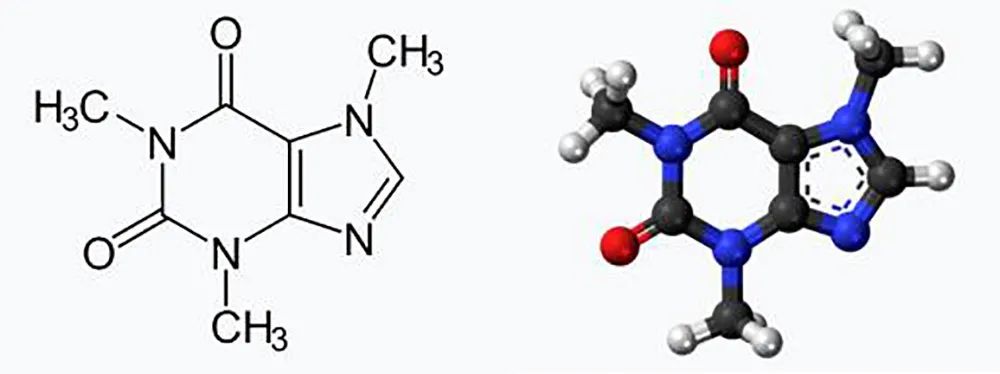
Under normal circumstances, the caffeine content of coffee beans is measured by weight ratio. Arabica coffee beans contain 0.9%-1.4% caffeine (1.2% on average), while Robusta contains 1.8%-4% (2.2% on average). Decaf coffee falls into two categories: naturally low-caffeine coffee and artificially processed decaffeinated (low-caffeine) coffee.
The most common naturally low-caffeine coffee is Laurina (Coffea Laurina), which has half the caffeine content of regular Arabica, at 0.6%. Unlike artificially processed decaf coffees, Laurina has a genetically reduced degradation pathway, so it ends up with lower caffeine than ordinary Arabica trees and, in turn, better flavor.
For artificially processed decaf coffee, the European Union standard requires that the caffeine content after processing not exceed 0.1% of the green beans, while the US FDA standard is a reduction to less than 3% of the original caffeine content.
What are the Decaf Coffee Processing Methods?
There are many methods for removing caffeine today, broadly divided into direct and indirect solvent processing, supercritical carbon dioxide processing, Swiss water processing and mountain spring water processing.
Direct Solvent Processing
Direct solvent processing uses chemical solutions such as dichloromethane and ethyl acetate to dissolve caffeine. First, steam opens the pores of the green coffee beans, then the dichloromethane solvent is added directly to the beans. Once the solvent bonds with the caffeine, the caffeine-laden solvent is washed away, and the beans are steamed again to remove all residual solvent.
Because dichloromethane is suspected of raising cancer risk with long-term exposure, there are concerns about using it as a solvent. The FDA, however, limits dichloromethane content in decaffeinated coffee to 0.001%, and real levels are far lower than that, with minimal side effects.
The process using ethyl acetate as the solvent works the same way. Ethyl acetate usually comes from sugarcane, so when it is used, the direct solvent method is sometimes called sugarcane decaffeination. Colombian decaffeination typically uses this method. Ethyl acetate is a highly flammable substance, though, which makes it more dangerous.
Supercritical Carbon Dioxide Processing
This method first lets the coffee beans absorb water and expand, so the caffeine molecules loosen within them. Liquefied carbon dioxide is added and pressure greater than 100 atmospheres is created in water. Carbon dioxide is highly selective, dissolving caffeine without harming the carbohydrates and proteins in the beans, which protects the coffee's flavor. The liquid carbon dioxide that carries off the caffeine can also be reused after the caffeine is removed.
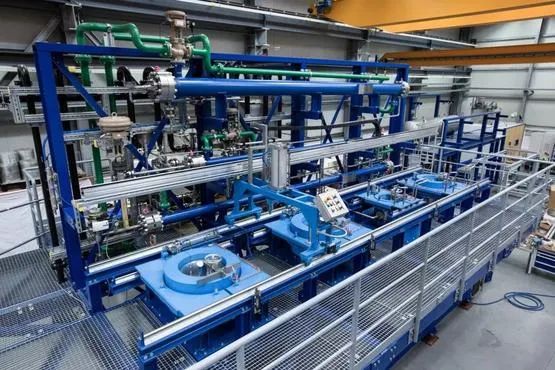
Coffee decaffeinated with carbon dioxide places less burden on the body, and according to research this method extracts more caffeine than the direct solvent method, though it costs considerably more.
Swiss Water Processing
Swiss Water processing was developed by the Swiss company Coffex in the late 1970s, and SWISS WATER® is now a registered trademark. This method soaks green coffee beans in hot water, and caffeine is already partly removed during the soaking stage. The soaked solution is then filtered through activated carbon, and finally the solution is poured back over the beans. This sequence removes caffeine more effectively. Besides needing no chemical solvents, the soaking solution can be reused across different batch programs, but the coffee still loses flavor during the filtering process.
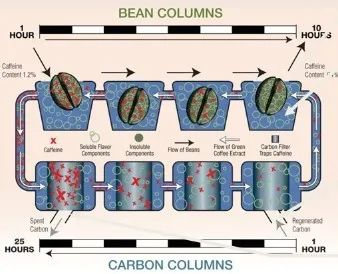
This method can reach a caffeine removal rate of 99.9%, making it the highest of them all. FrontStreet Coffee cupped multiple decaf coffees and last year selected a Colombian Swiss water-processed one. The bean comes from Colombia's Huila region, with varieties including Typica, Caturra and Castillo. Combined with Swiss water processing, this decaf bean showed clear black cocoa, caramel and nut notes with a rich, mellow body in the cup.
Mountain Spring Water Processing
Very similar to Swiss water processing, this method uses another special water, glacier water, to extract caffeine. The company Descamex states that it uses a special filtration device to remove caffeine. After processing, a water-based solution without caffeine is obtained, which also dissolves coffee solids and can be reused in the decaffeination program.
FrontStreet Coffee Recommendation
Buying a low-caffeine hand-brew bean is actually simple: start by avoiding Robusta and choosing only Arabica. As the world's leading coffee species, Arabica needs to grow at 800-2200m in frost-free highlands, where the bigger temperature swings at higher altitude slow the ripening of the fruit and help the coffee accumulate flavor compounds for a more solid aroma. Each origin's unique microclimate gives Arabica still more growing conditions, which is where those origin-specific terroir flavors come from.
From Indonesia, the PWN Gold Mandheling is a strong pick. Indonesian wet-hulling was born of local conditions, and it is exactly what sets Mandheling apart from other dark roasts, with its distinctive herbal, spice and woody notes. FrontStreet's Gold Mandheling goes through three rounds of hand sorting and machine sorting to remove defective beans, so it shows better body and sweetness along with a more forward aroma. From Ethiopia, the naturally processed Huakui brings a delicate floral lift with striking fruit aromas of cream strawberry, mango, jackfruit, citrus and blueberry, and the washed Yirgacheffe Guodingding Cooperative, an Ethiopian G1, is clean and bright with lemon, citrus, orange and green tea.
If you prefer a softer, sweeter cup, the Yunnan small-bean coffee shows nut, herbal, chocolate and caramel notes with a faint fruity acidity in the finish, and the washed Colombia Huila offers dark chocolate, cream, hazelnut and toffee in a full, aromatic body.
Important Notice :
FrontStreet Coffee is a long-established specialty coffee roaster in Guangzhou China, selling freshly roasted beans from its own farm in Yunnan as well as dozens of carefully selected single-origin beans from around the world for both pour-over and espresso. The products deliver consistently excellent quality and great value, with shipping within 24 hours. Guangzhou's FrontStreet Coffee shop is recommended by many coffee lovers, and the beans are now available online at the Tmall 。
FrontStreet Coffee has moved to a new address:
FrontStreet Coffee Address: 315,Donghua East Road,GuangZhou
Tel:020 38364473
 Scan and follow the En Gafei WeChat official account. Please indicate that the reprint comes from "En Gafei".