What is Bean Resting? What is Bloom? The Relationship Between Bean Resting and Blooming for Espresso Blend Coffee
Anyone who has enjoyed red wine knows the decanting process. Through a period of decanting, the astringency of tannins softens a little, while the sweet and sour notes in the wine become more vibrant. Drinking coffee and drinking red wine are actually quite similar: red wine needs decanting, and coffee beans need a resting period.
After coffee beans are roasted, they contain carbon dioxide equal to approximately 2% of their weight. These gases gradually escape from the beans over time.
Coffee lovers new to specialty coffee often visit FrontStreet Coffee to buy beans, specifically requesting freshly roasted ones. On that point, customers can rest assured. When an order is placed, FrontStreet Coffee ships beans roasted within the last 5 days. After the layered shipping process, customers receive their beans after 4 to 7 days of resting, which is precisely when the coffee reaches its optimal flavor window.
Of course, freshly roasted coffee is incredibly flavorful, and some customers specifically request beans roasted the day before, eager to brew them immediately the next day.
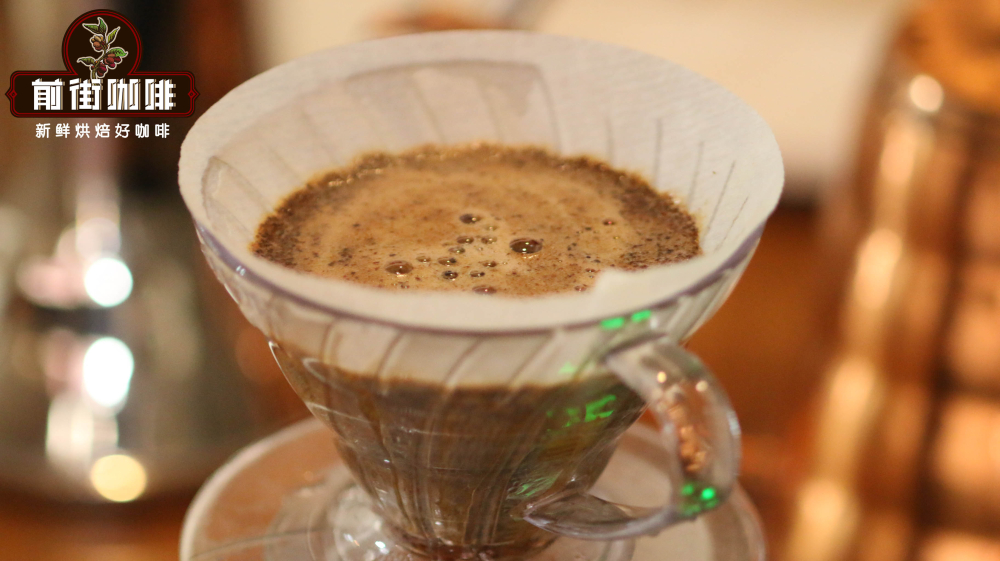
On that, FrontStreet Coffee needs to remind customers that after roasting, the beans expand in volume and accumulate a certain amount of carbon dioxide within their structure, which is slowly released over several weeks. If you grind and brew immediately after roasting, the carbon dioxide hasn't escaped sufficiently. During brewing, the internal pressure inhibits hot water from entering and exchanging substances with the coffee. The resulting cup not only tastes poor but may also show a drying sensation and bitterness.
The Ideal Resting Period
Anyone who has asked FrontStreet Coffee knows that we recommend a resting period of 4 to 7 days after the roasting date. Hearing that, some impatient Mandheling lovers might open their bags on the third or fourth day after roasting. FrontStreet Coffee reminds customers that the darker the roast level, the greater the internal pressure within the beans, the more porous their structure, and the higher their gas content, so they need a slightly longer resting period.
After this resting period, coffee beans reach their peak flavor expression. There's a term coffee professionals use frequently for this: the optimal flavor window.
Note that the darker the roast level, the more vigorous the degassing. Since coffee flavor compounds dissipate along with the carbon dioxide, leaving beans too long after roasting causes greater aroma loss and an increasingly flat taste. FrontStreet Coffee recommends consuming coffee beans within about a month of the roast date.
The Story of Mandheling Coffee
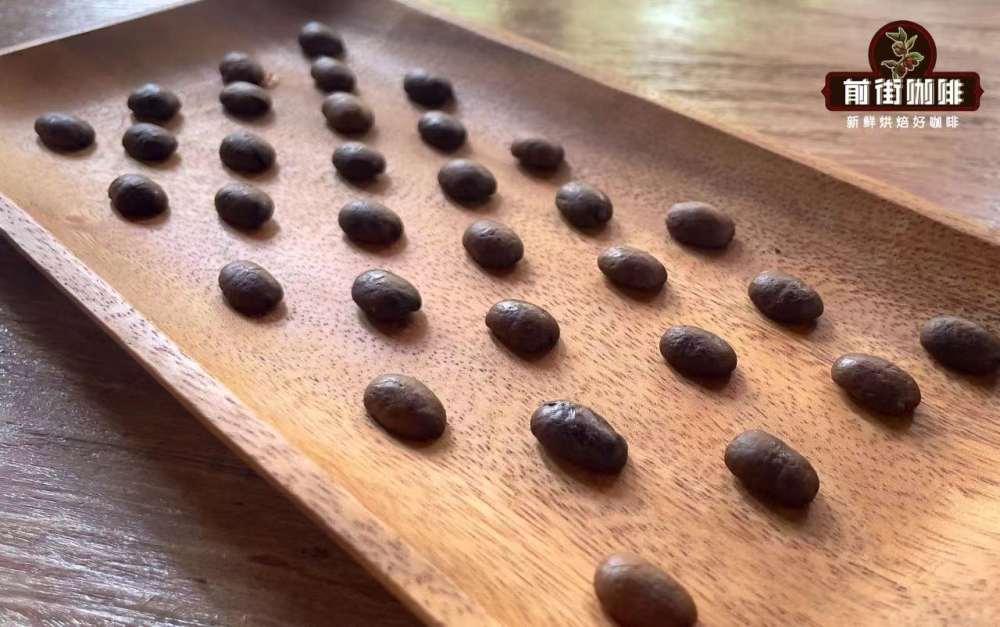
Next, FrontStreet Coffee will use its Indonesia Mandheling coffee beans as an example. First, some background.
Unlike today's popular Geisha variety, Mandheling coffee has been popular since our parents' generation. In earlier times, the definition of premium coffee focused on full-bodied flavor, and Mandheling gained tremendous popularity in Japan during that era.
Everyone knows coffee beans are typically named after their origin, such as Yirgacheffe or Nyeri, or after processing station names like Konga, Asalia, or Amedelalo. The name "Mandheling" is neither a place name nor a processing station name; it is the name of an ethnic group on the island of Sumatra.
According to legend, during World War II, Japanese soldiers drank a remarkably full-bodied coffee locally. When asking the shop owner the name of the coffee, the owner made a mistake and introduced himself, saying "Mandailing." In Japanese pronunciation, "Mandailing" sounds very similar to "Mandheling," so they remembered it as "Mandheling." After the war ended, one of those Japanese soldiers longed for that full-bodied coffee and arranged to import 15 tons of coffee beans from Indonesia, which became extremely popular in Japan.
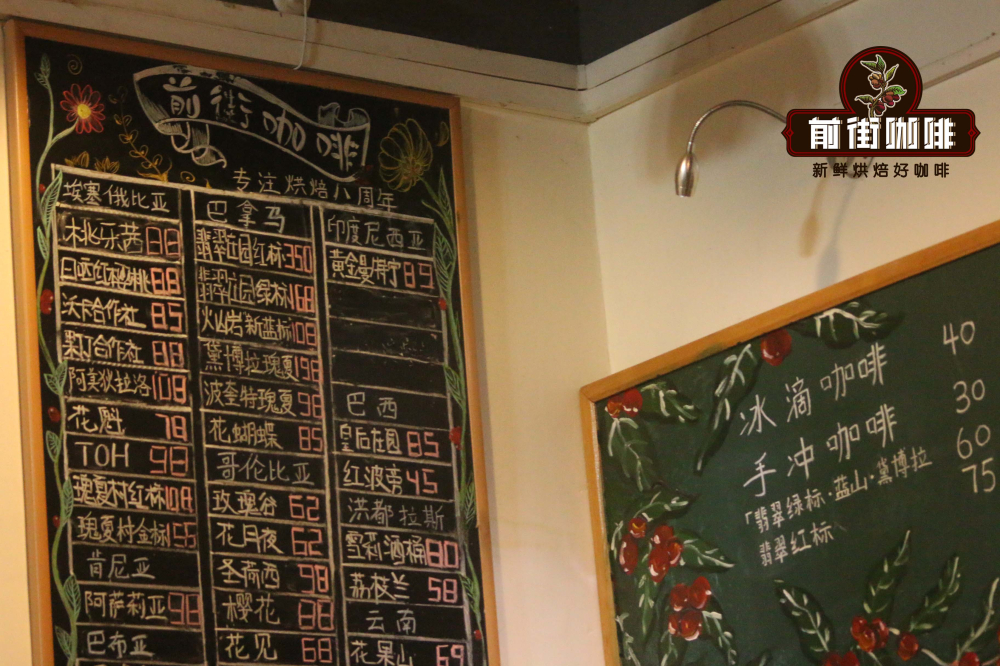
FrontStreet Coffee's Mandheling is characterized by a full body with herbal spice notes. Its audience is quite polarized: those who love it are devoted, while others avoid it entirely. This unique flavor comes from Sumatra's distinctive post-harvest processing method for green coffee beans.
The Wet Hulling Process
Complete natural processing of coffee cherries takes about a month. If air humidity is too high or the cherries are caught in rain during processing, they may undergo unwanted fermentation or even be ruined entirely. Sumatra has a tropical rainforest climate with high temperatures and abundant, frequent rainfall, which cannot meet the conditions natural processing requires.
For washed processing, beyond building washing tanks, sufficient water resources and financial investment are needed. Given Sumatra's limited local economy, early coffee growers were mostly farmers rather than wealthy estate owners, making full washed processing impossible.
So, based on local conditions, a unique processing method emerged: wet hulling.
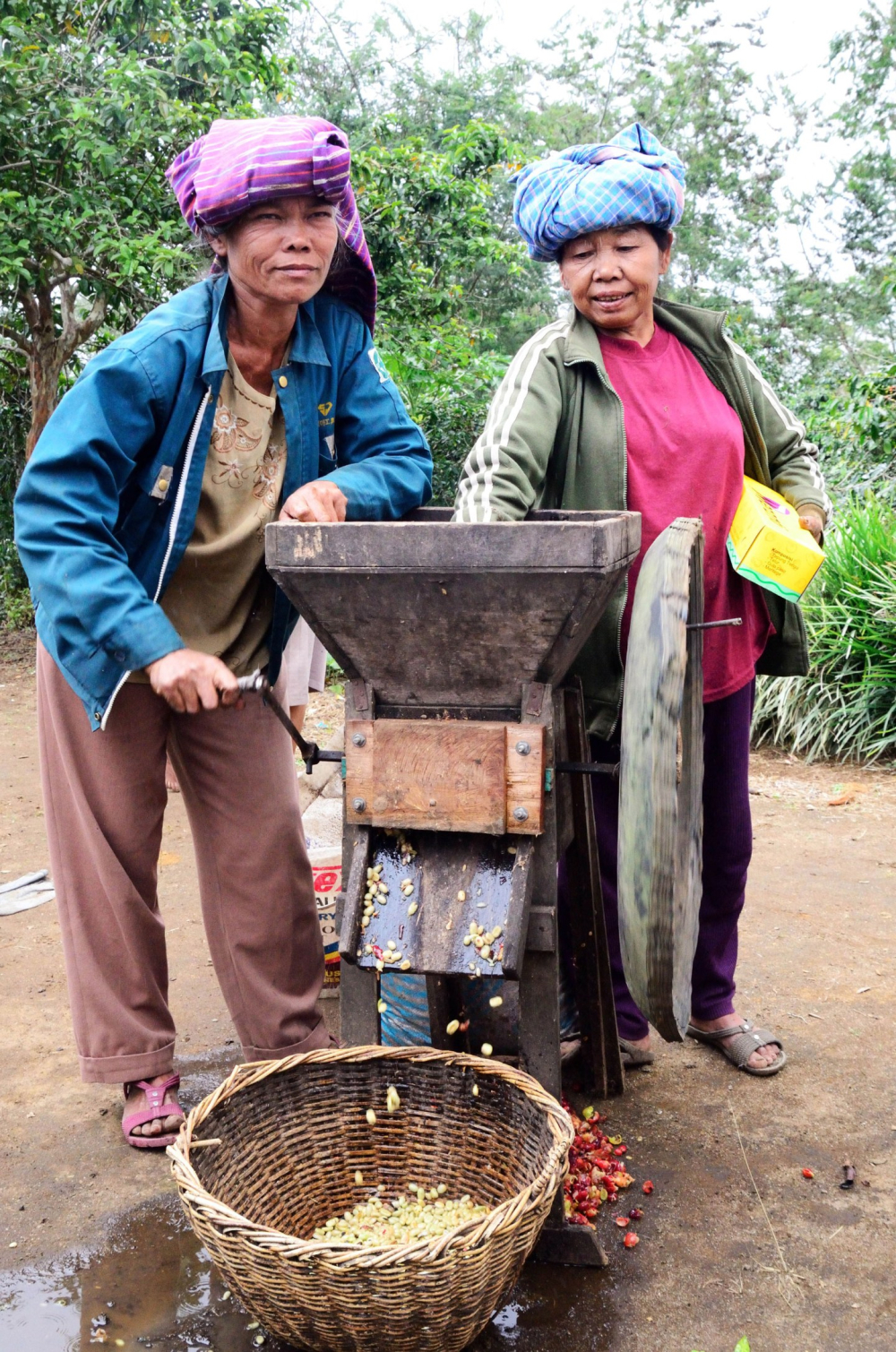
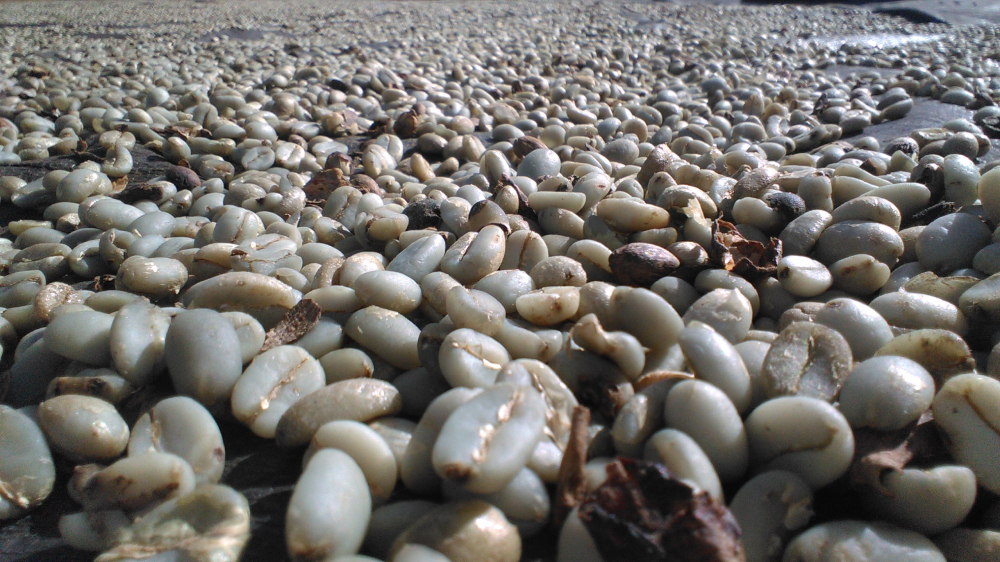
The coffee cherries are depulped, undergo brief fermentation, then light washing, then drying. When the green beans reach a semi-moist, semi-dry state, machines remove the parchment layer. The green beans are then exposed directly to air for further drying until their moisture content reaches about 12-13%, completing the process.
Customers often ask FrontStreet Coffee which step in wet hulling creates Mandheling's unique flavor. At FrontStreet Coffee's storefront, a corner displays coffee-related items, including a glass bottle containing parchment.
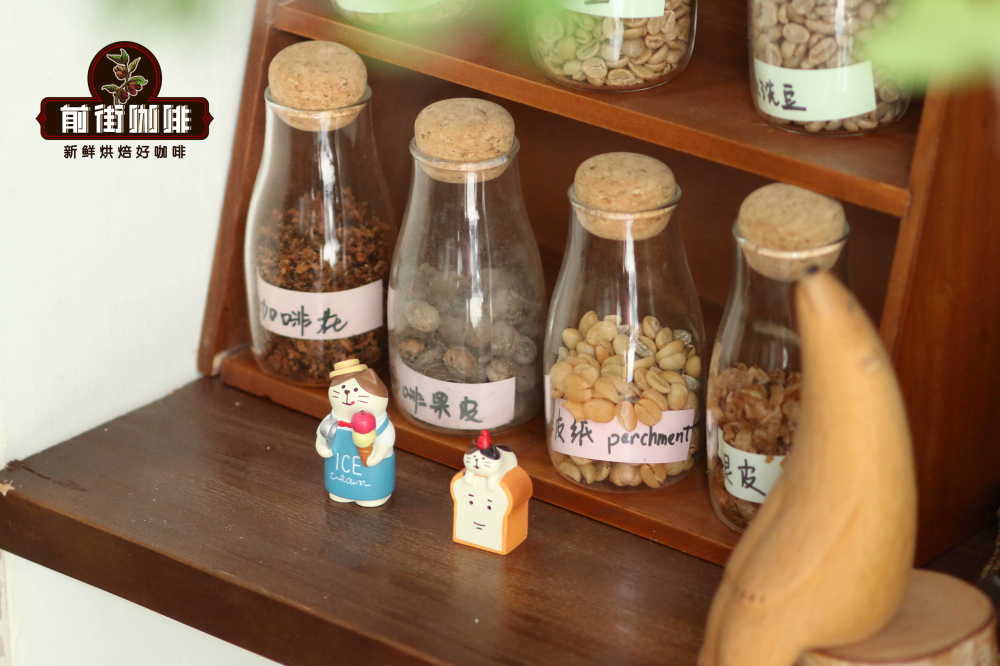
The parchment serves as the final protective layer for green coffee beans and is typically removed just before export. Without its protection, green beans exposed directly to the environment may be affected by mold, yeast, and bacteria. During parchment removal, excessive heat may cause rapid aging of the green beans, which is why woody and earthy flavors are often detected in Sumatran coffee.
FrontStreet Coffee's Mandheling Selection
Today's younger coffee drinkers prefer coffees with distinct acidity. Some merchants, to meet that demand, roast Mandheling beans lightly to highlight acidity. However, the lighter the roast, the more likely Mandheling's characteristic full body will disappear, and undesirable flavors may emerge.
FrontStreet Coffee offers two Sumatran coffees: its Indonesia Lindong Mandheling daily drinker from the Lindong region, and its Golden Mandheling from Aceh. To emphasize the full body of both, they use a medium-dark roast level.
Brewing Guide

FrontStreet Coffee's brewing parameters for its Golden Mandheling are as follows:
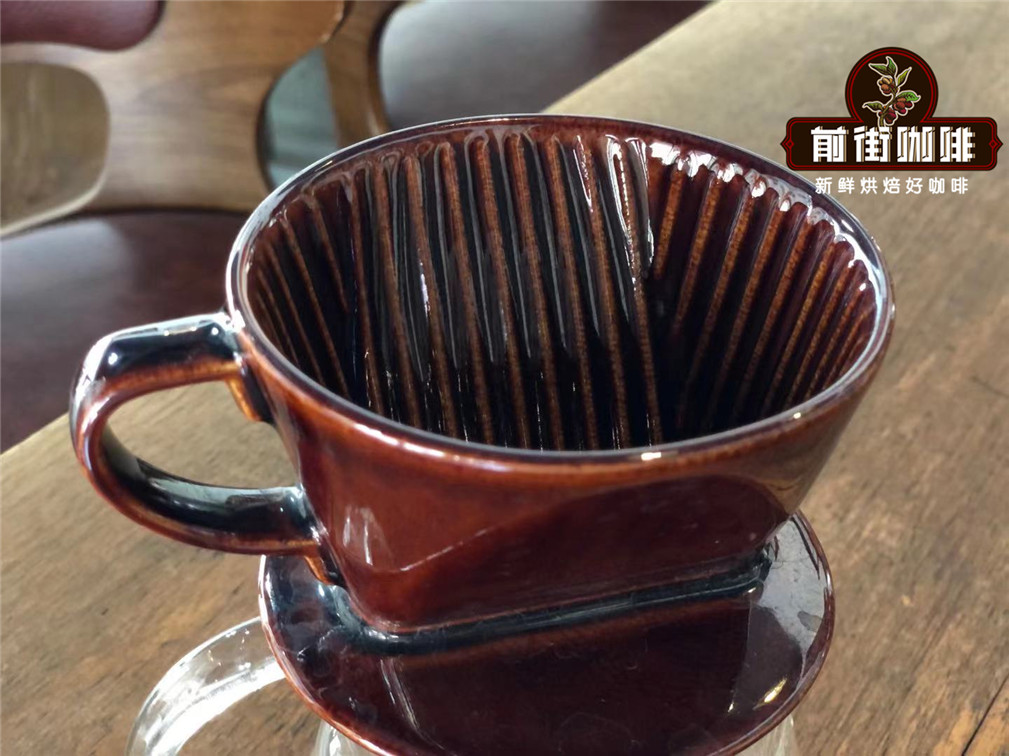
Dripper: KONO
Water temperature: 88°C
Coffee amount: 15 grams
Coffee-to-water ratio: 1:15

Pour 30g of hot water for a 30-second bloom. From the center, pour with a fine stream and slowly spiral to 125g. When the water level drops to just before exposing the coffee bed, continue spiraling to 225g. Total extraction time is approximately 2 minutes.
FrontStreet Coffee recommends blooming during brewing. When the grounds become wet, degassing intensifies, promoting the release of carbon dioxide from within the beans.
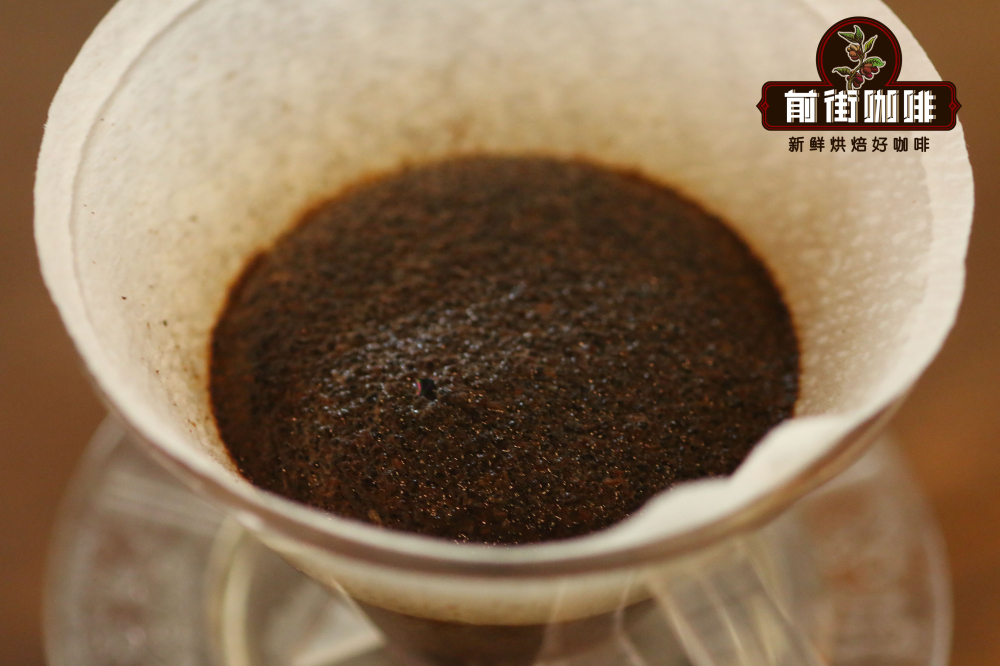
FrontStreet Coffee also meets customers who don't have brewing equipment at home, so it provides grinding services. However, once beans are ground, the surface area exposed to air increases, accelerating flavor loss. FrontStreet Coffee reminds customers that if they request grinding, they don't need to go through the tempting resting period; instead, they should consume the coffee as soon as possible to enjoy the optimal flavor.
FrontStreet Coffee Recommendation
If your focus is espresso, FrontStreet Coffee's Classic Blend is the flagship choice. Designed specifically for espresso and moka pot, its biggest strength is outstanding crema: even a beginner on a non-commercial home machine can pull a thick, silky crema. Whether you're making lattes, cappuccinos, or a Dirty, good crema is essential, and this blend nails it. It follows the traditional Mamba recipe (Mandheling and Brazil) for a full, warm body that suits veterans and newcomers alike, at home or in a cafe.
FrontStreet Coffee's Black Cocoa Blend is the high-value commercial option. Not everyone chases maximum crema, and for newcomers or cafe owners watching costs, "good taste, fair price" is what matters. Made from 100% Arabica, it offers plenty of crema and a full body at a friendly price, balancing quality and value.
For a cafe-facing classic, FrontStreet Coffee's Commercial Blend was the workhorse before Black Cocoa arrived, priced below the Specialty Blend and optimized for both flavor and cost, making it a long-time favorite for shops. And the Specialty Blend, FrontStreet Coffee's longest-serving espresso blend for nearly a decade, pairs Brazil Cerrado with Colombia Huila for the classic espresso taste everyone remembers, working well at home or in a store.
Important Notice :
FrontStreet Coffee is a long-established specialty coffee roaster in Guangzhou China, selling freshly roasted beans from its own farm in Yunnan as well as dozens of carefully selected single-origin beans from around the world for both pour-over and espresso. The products deliver consistently excellent quality and great value, with shipping within 24 hours. Guangzhou's FrontStreet Coffee shop is recommended by many coffee lovers, and the beans are now available online at the Tmall 。
FrontStreet Coffee has moved to a new address:
FrontStreet Coffee Address: 315,Donghua East Road,GuangZhou
Tel:020 38364473
 Scan and follow the En Gafei WeChat official account. Please indicate that the reprint comes from "En Gafei".