Kalita Three-Hole Dripper: Pros and Cons Analysis - What's the Difference Between Three-Hole and Single-Hole Drippers?
The World of Coffee Drippers
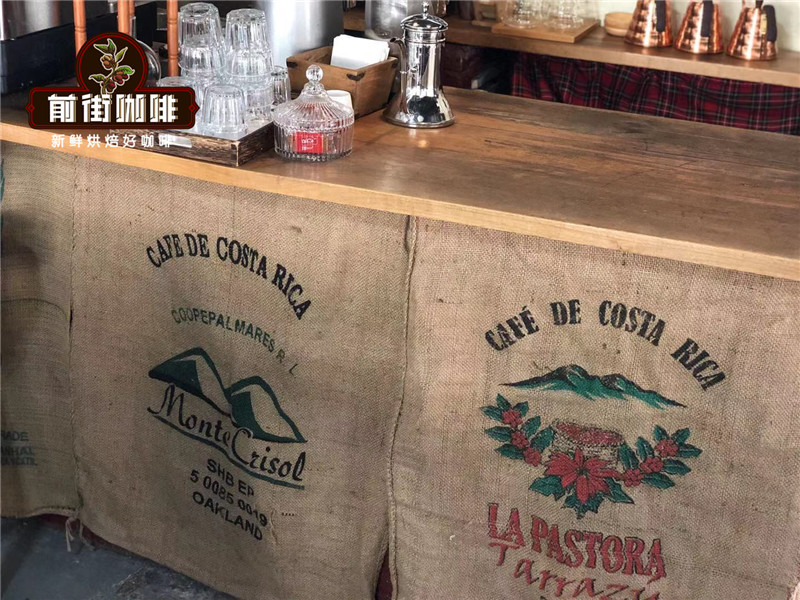
There are many types of coffee drippers on the market today: conical, fan-shaped, rose-shaped, diamond-shaped, and various other designs. Each has its own distinct characteristics, naturally producing different flavors and textures. Today, FrontStreet Coffee will demonstrate brewing with the world-renowned Kalita fan-shaped three-hole dripper! Before we brew, let's explore everything there is to know about the Kalita dripper.
The Origin of the Kalita Dripper
Kalita Company began manufacturing coffee equipment through its Japanese subsidiary in 1950. The fan-shaped dripper was not Kalita's invention, but Mrs. Melitta's—she created one by drilling a hole in the bottom of a copper cup. Melitta Company later introduced the now-common single-hole fan-shaped dripper. With its smaller diameter and slower flow rate, it was particularly suited to German-style dark roast coffee, until the third wave of coffee culture revived it in Japan. In 1959, Kalita improved the fan-shaped design, changing from one hole to three to reduce clogging, allowing brewers to adjust coffee concentration by controlling the water flow speed. The Kalita fan-shaped dripper—also called a "trapezoidal dripper" or "platform-shaped dripper"—features small holes at the bottom, ranging from single-hole to multi-hole (six or eight) designs, with the single-hole and three-hole fan-shaped drippers being the most common.
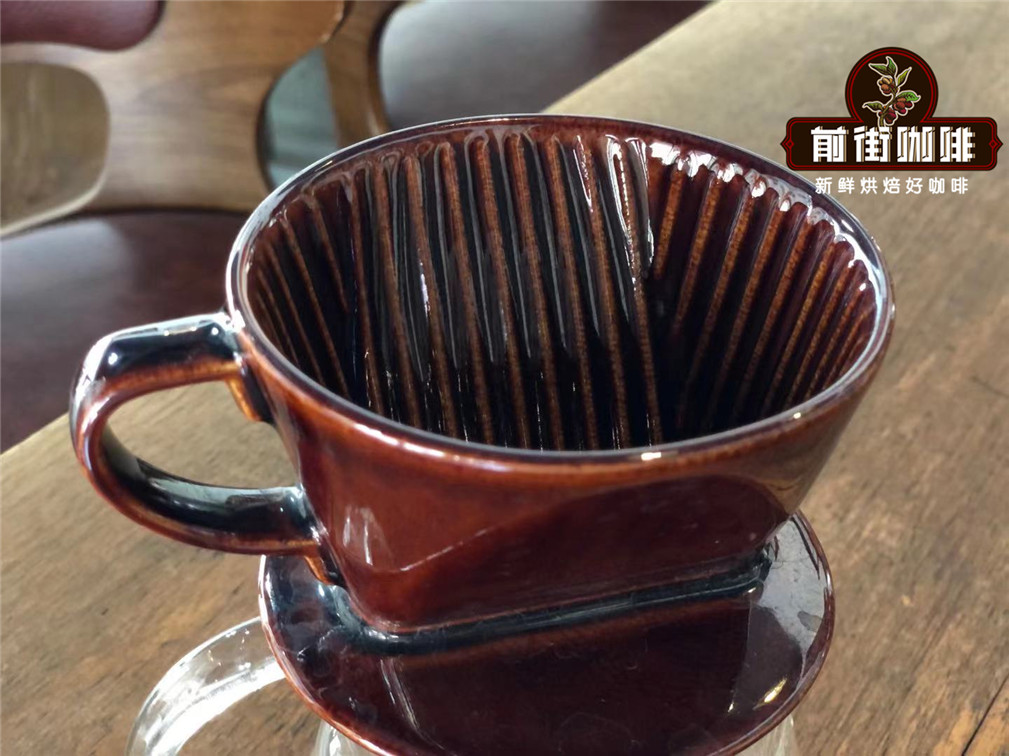
From the side, it presents a shape wider at the top and narrower at the bottom, which helps concentrate the water flow. The rounded top creates a wider surface area to ensure even distribution of coffee particles and reduce stacking. The grooves on the Kalita dripper walls are straight, evenly spaced lines at consistent distances, designed to increase air release and water flow speed. Meanwhile, its relatively slow flow rate means it relies primarily on immersion extraction.
Why Is the Kalita Three-Hole Dripper Funnel-Shaped?
Traditional cylindrical drippers have the same extraction area as the bottom area of the vessel. The biggest disadvantage of cylindrical vessels is their particularly narrow extraction area, which means long extraction times and, consequently, more unpleasant bitterness and astringency. To solve this, the extraction area must be expanded and the extraction time shortened.
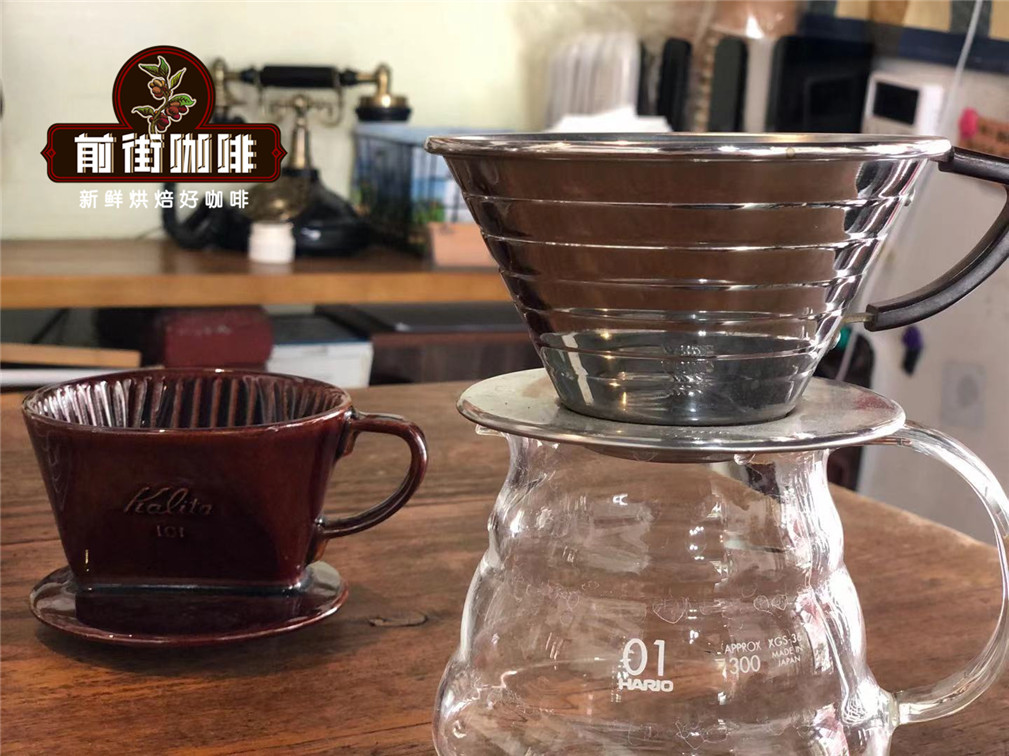
When we pour water on a flat surface, it tends to spread outward. By harnessing this natural behavior of water, the funnel-shaped dripper was designed to enable extraction from the sides as well. Compared with extraction using only the bottom of a cylinder, funnel-shaped extraction significantly increases the extraction area and thereby accelerates the extraction speed. This improvement shortened extraction time and removed much of the coffee's unpleasant bitterness and astringency.
The Function of the Kalita Dripper's Air Release Grooves
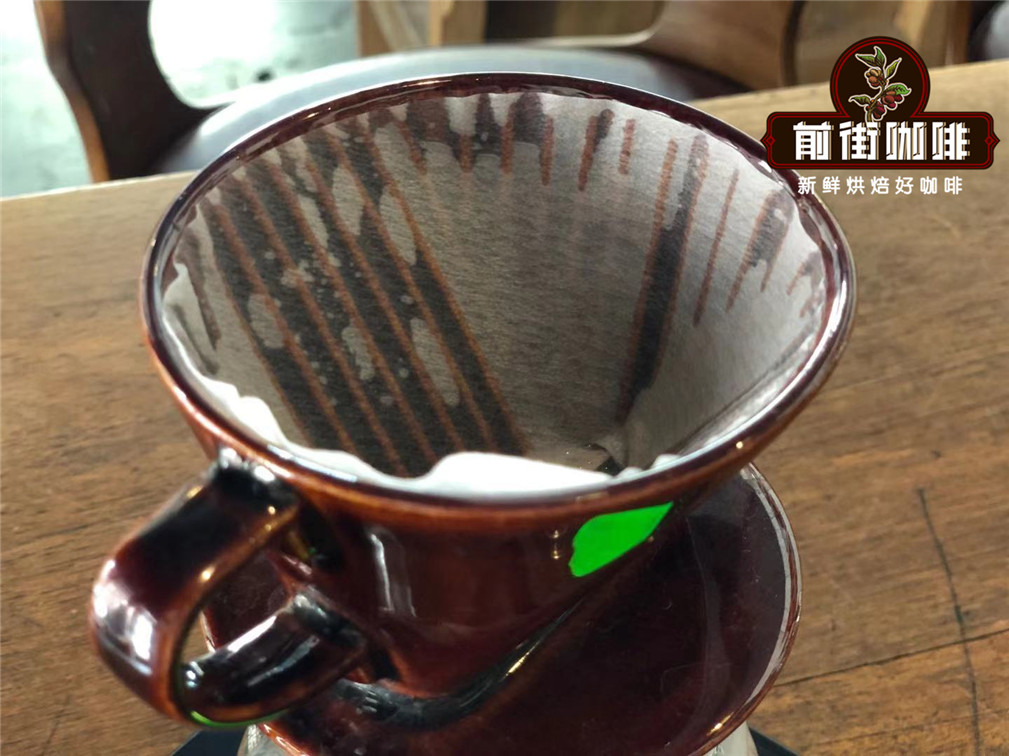
Looking at the inside of the dripper, there are evenly spaced concave and convex grooves along the inclined surface. Because these grooves resemble ribs, they are called ribs, air release grooves, or threads. To ensure proper extraction along the dripper walls and speed up extraction, gaps must exist between the filter paper and the walls—which is exactly why the grooves were created. Through them, air and water flow smoothly between the dripper walls and the filter paper, shortening the coffee's extraction time.
Do Different Materials of Kalita Three-Hole Drippers Affect Taste?
Even when made by the same producer, Kalita's resin and copper drippers show roughly a 30% difference in extraction speed, producing different coffee flavors. Because the dripper's shape affects how grounds accumulate inside, different shapes lead to different extraction speeds. Each dripper's shape correlates directly with water flow speed: the faster the flow, the fewer soluble components are extracted; the slower the flow, the more are extracted. Therefore, assuming the same pouring speed, the extracted flavor will vary depending on the dripper type.
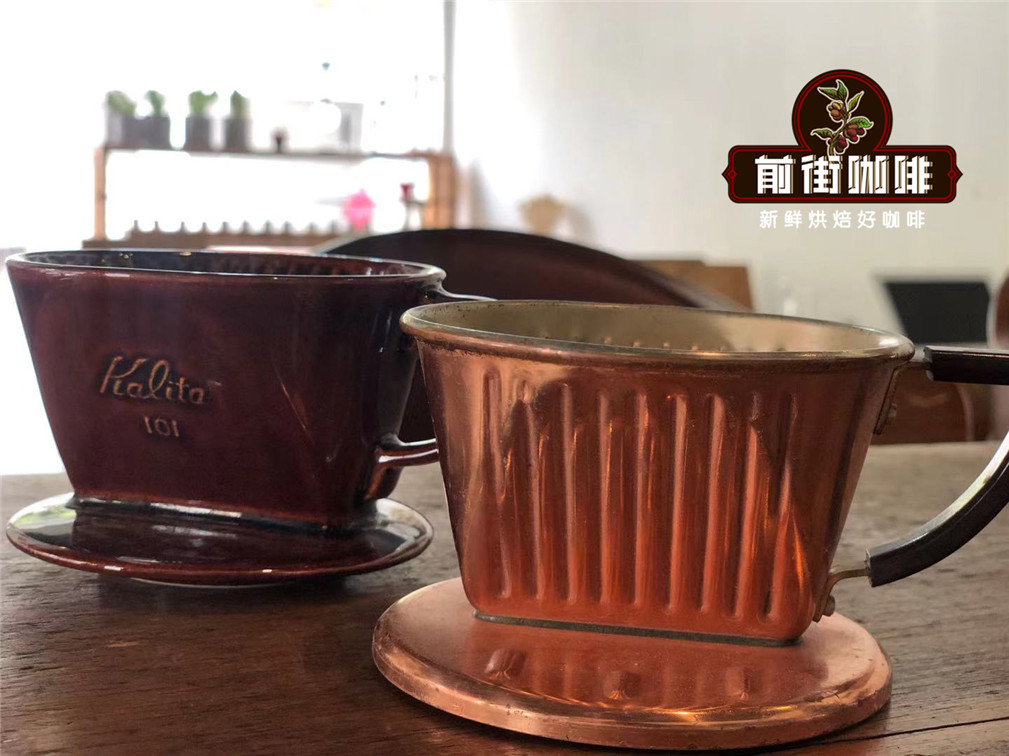
FrontStreet Coffee has also created a simple ranking for heat retention and extraction performance: Resin < Ceramic < Copper. Copper drippers have become more available on the market. Copper retains heat far better than ceramic and holds its shape more stably than plastic; its only drawback is the high price. If budget allows, copper is the best choice.
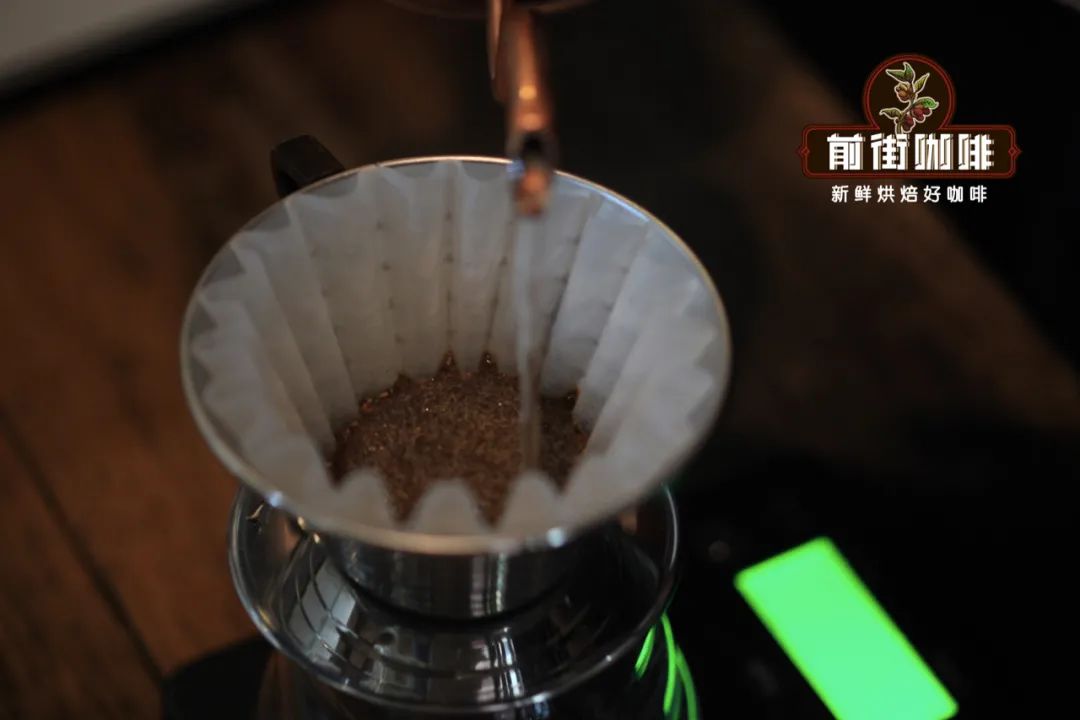
Using a Kalita dripper is no different from using other drippers, but it is important to use the corresponding trapezoidal filter paper. Let's brew a Bolivia Cocoa Natural Process Caturra coffee bean recently introduced by FrontStreet Coffee with the Kalita dripper.
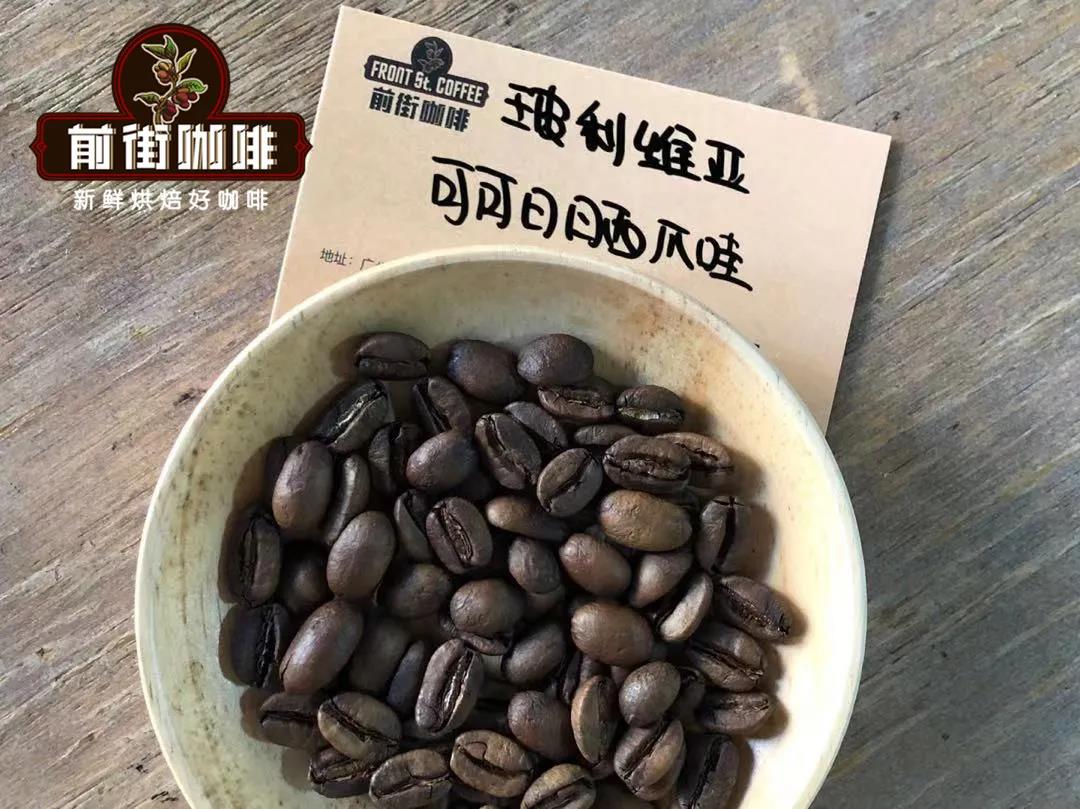
FrontStreet Coffee — Bolivia Alpaca Estate Cocoa Natural Java Coffee Beans
Region: Bolivia, La Paz, Caranavi Region
Estate: Alpaca Estate
Altitude: 1600-1900m
Variety: Java
Processing: Cocoa Natural Process
FrontStreet Coffee Brewing Parameters: 15g of coffee grounds; coffee-to-water ratio 1:15; grind size: 75% pass-through rate on a 0.85mm mesh sieve; water temperature: 90°C.
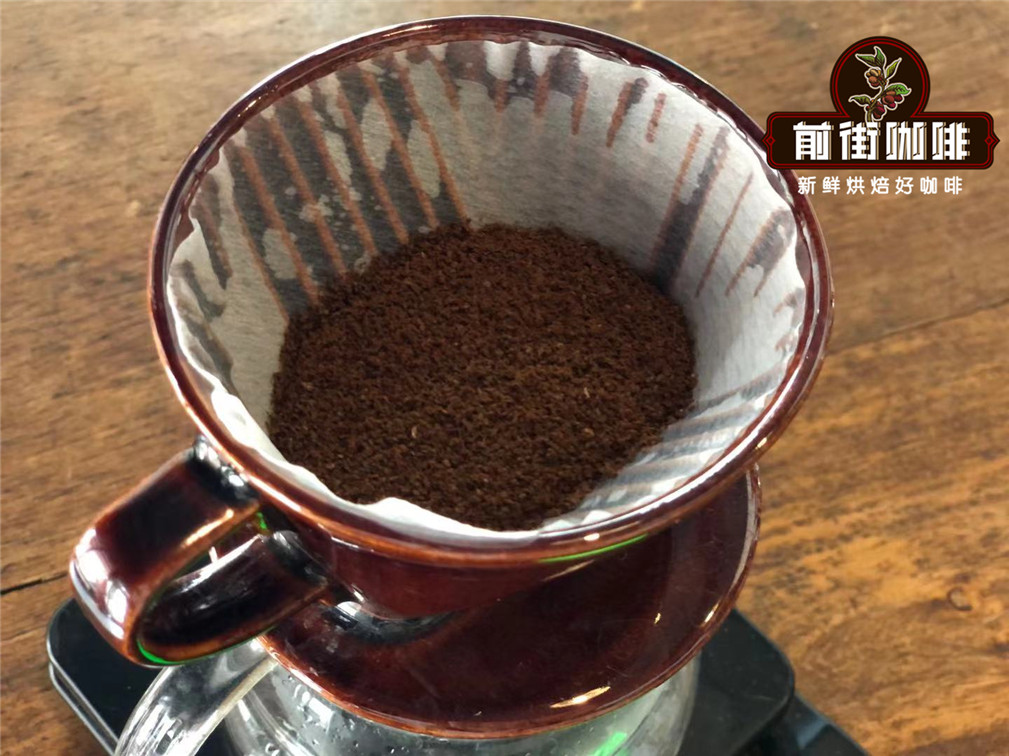
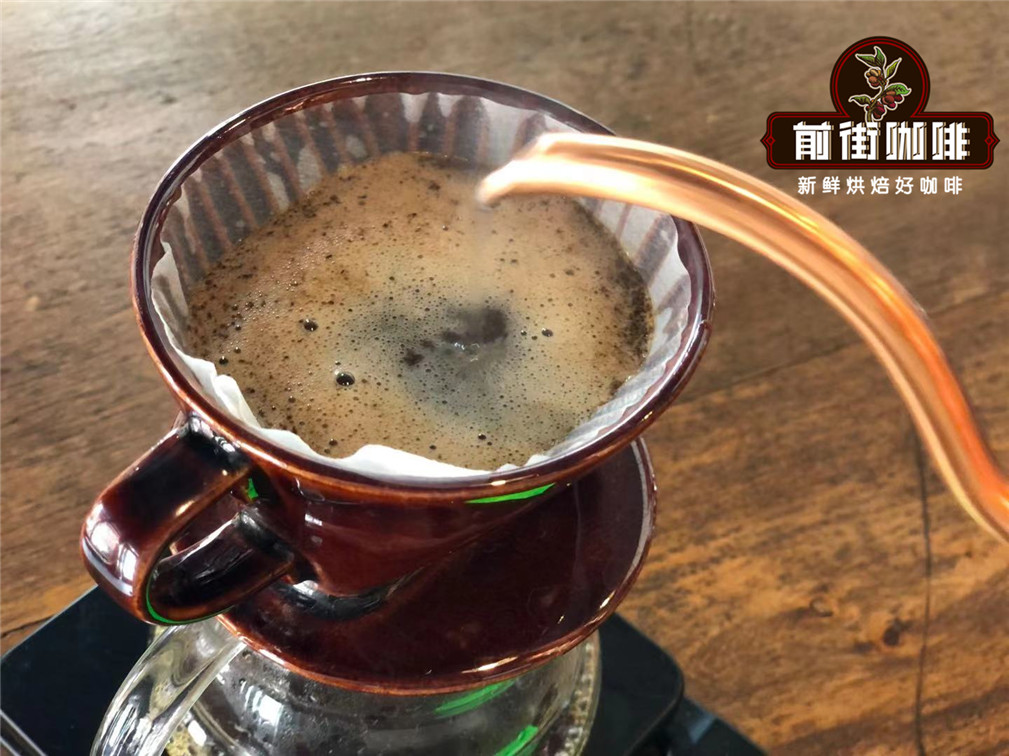
Before brewing, first rinse the filter paper with hot water to remove any papery taste while warming the dripper. Then add freshly ground coffee—15 grams—and gently pat the bed level. Using 90°C water, bloom with 30-35g of water for 30 seconds. As mentioned earlier, the Kalita fan-shaped dripper has a large elliptical surface area, so it takes slightly more water to thoroughly wet all the grounds, letting the coffee bed fully absorb water and release air in preparation for the second pour; pour the second stage to 125g, using gentle pouring at a moderate height, a small water flow, and slow, even circular motions to extract the good substances from the grounds through immersion, while taking care to disturb the coffee bed as little as possible; when the liquid level drops by 1/3, perform the third pour to 225g. At this point the water level drops slowly, indicating that fine particles have begun to settle at the bottom of the dripper; slightly increase the pour amount and the speed of your circles to get those fines moving again, reducing over-extraction and bitter flavors. Finally, complete the pour around 1 minute 50 seconds, finishing extraction at 2 minutes 10 seconds.
Brewed with the Kalita dripper, this Cocoa Natural Process coffee presents refreshing grape flavors with noticeable acidity. The overall cup leans toward grape fruit notes, and as it cools slightly, black cocoa and fermented aromas gradually emerge.
FrontStreet Coffee Recommendation
During roasting, three elements that determine the coffee's final flavor must be controlled well: acidity, sweetness, and bitterness. The darker the roast, the more bitter and full-bodied the taste; the lighter the roast, the more acidic and delicate. For anyone seeking a balanced cup, medium-roast beans are the best place to start.
FrontStreet Brazil Queen Estate coffee: If you dislike both sourness and bitterness, buy FrontStreet Queen Estate. These beans come from Brazil, the world's largest coffee-producing country, and are the local specialty Yellow Bourbon variety, with a subdued, sweet character. At a medium roast they present the aromas and sweetness of creamed peanut, chocolate, toasted bread, and sugarcane—suitable both for pour-over and for moka pot or espresso machine brewing.
FrontStreet Strawberry Candy Geisha Blend coffee: If you want a sweeter medium-roast coffee, the fruit-forward FrontStreet Strawberry Candy is the first choice. This bean is special compared with other fruity coffees, because it combines two famous origins in Central and South America: a honey-processed Costa Rican coffee and washed Panama Geisha. To highlight the essence of each, FrontStreet chose a medium roast, so that when brewed it shows both orange-blossom honeyed notes and a rounded sweetness. It suits cold brew, pour-over, espresso, and more—an invigorating cup from the first sip.
FrontStreet 2013 Natural Typica coffee: As a representative of Chinese specialty coffee, FrontStreet 2013 Natural Typica carries the authentic flavor of Yunnan small-bean coffee. To restore its balanced, gentle character, we present it at a medium roast, with soft flavors of nuts, brown sugar, black tea, and dried apricot. It works for pour-over, cold brew, and drip machines alike, at excellent value for money.
FrontStreet Jamaica Blue Mountain No.1 coffee: The coffee grown in Jamaica's Blue Mountains is Typica, one of the world's renowned fine Arabicas, and the region's exceptional geographic advantages are indispensable to Blue Mountain's balanced flavor. FrontStreet Blue Mountain No.1—known as the "coffee emperor"—is given a medium roast, which perfectly fuses its unique sourness, bitterness, sweetness, and body into an intense, alluring elegance. From the very first sip you taste roasted flavors of chocolate, toasted nuts, cream, and caramel—something no other coffee can match.
Important Notice :
FrontStreet Coffee is a long-established specialty coffee roaster in Guangzhou China, selling freshly roasted beans from its own farm in Yunnan as well as dozens of carefully selected single-origin beans from around the world for both pour-over and espresso. The products deliver consistently excellent quality and great value, with shipping within 24 hours. Guangzhou's FrontStreet Coffee shop is recommended by many coffee lovers, and the beans are now available online at the Tmall 。
FrontStreet Coffee has moved to a new address:
FrontStreet Coffee Address: 315,Donghua East Road,GuangZhou
Tel:020 38364473
 Scan and follow the En Gafei WeChat official account. Please indicate that the reprint comes from "En Gafei".