Why Drip Coffee Bags Shouldn't Be Soaked - Correct Brewing Methods, Steps and Techniques Tutorial
For professional coffee knowledge exchange and more coffee bean information, please follow Coffee Workshop (WeChat official account: cafe_style).
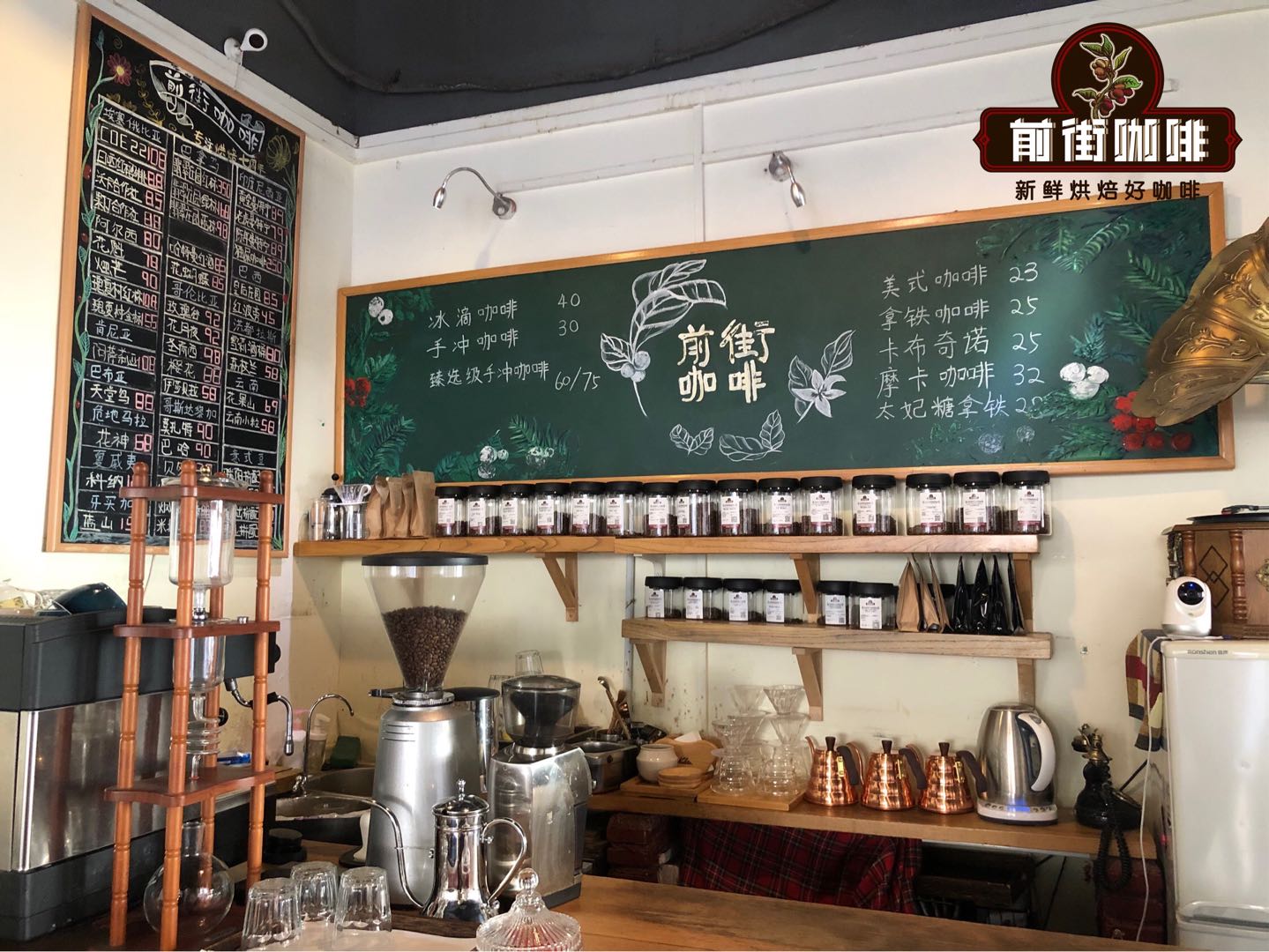
When it comes to drip bag coffee, enthusiasts who haven't encountered it might assume it's like a tea bag that hangs on the rim of a cup. That's a misconception. So how should drip bag coffee be brewed properly? FrontStreet Coffee's article takes a detailed look at drip bag coffee.
The Origin of Drip Bag Coffee
Drip bag coffee, also known as filter-hanging portable coffee packs, evolved from pour-over coffee with filter paper, mainly to give coffee lovers a convenient way to enjoy specialty coffee.
According to FrontStreet Coffee's research, drip bag coffee originated in 2001, when Japan's UCC Ueshima Coffee Co. invented it, registered a patent, and then launched it to market. In Japanese it's called "one-cup extraction type coffee," because its principle is to put coffee grounds in a filter bag made of non-woven fabric or cotton paper, with two paper boards on the outside that can be opened and hung on narrow-rimmed cups. After brewing, you simply pull it out to enjoy aromatic black coffee.
Those two paper pieces that hang on the cup rim like "ears" are where the name "drip bag" comes from.
Because it's simple to use and portable, and the brewed coffee tastes far purer and more aromatic than traditional instant coffee, drip bag coffee has now captured 15% of the regular coffee market in Japan.
Advantages of Drip Bag Coffee
As living standards rise, many working professionals who love coffee have started abandoning instant coffee and embracing drip bag coffee. Drip bag coffee is as convenient as instant, but offers better flavor and more variety. Traditional instant coffee typically uses Robusta beans, while FrontStreet Coffee's drip bags mostly use Arabica, just like specialty coffee. That makes drip bag coffee the optimal choice for portable coffee.
Differences Between Arabica and Robusta
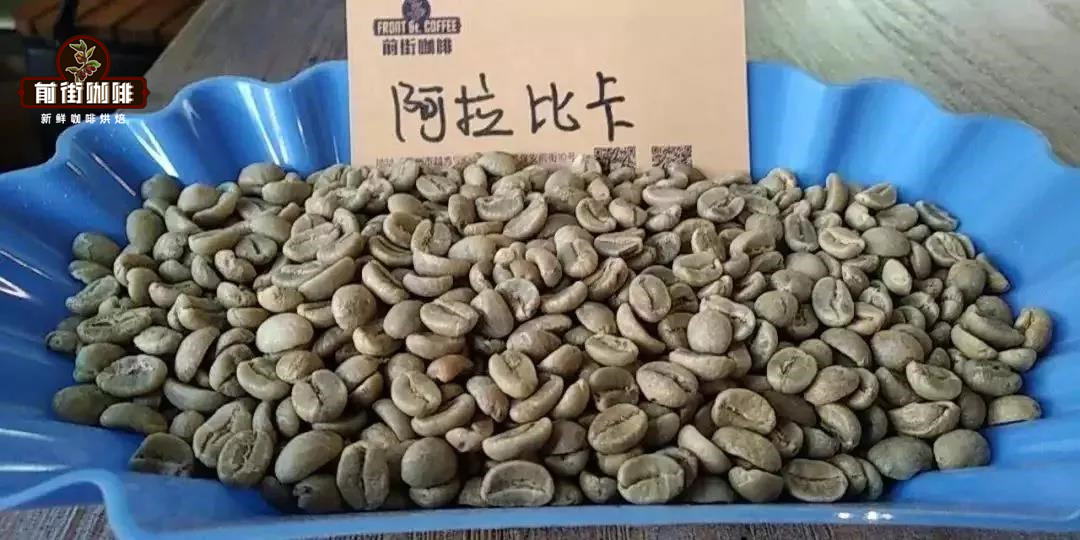
FrontStreet Coffee's previous articles have detailed the different uses and distinctions of Arabica and Robusta. Arabica is the highest-quality variety, widely cultivated and currently accounting for 75% of total world coffee production. Robusta accounts for 20%. The reason Robusta is used for instant coffee is that its caffeine content is twice as high as Arabica's. Its chlorogenic acid content is also higher, making Robusta more bitter than Arabica and unsuitable for standalone specialty coffee.
Selection and Considerations for Drip Bag Coffee
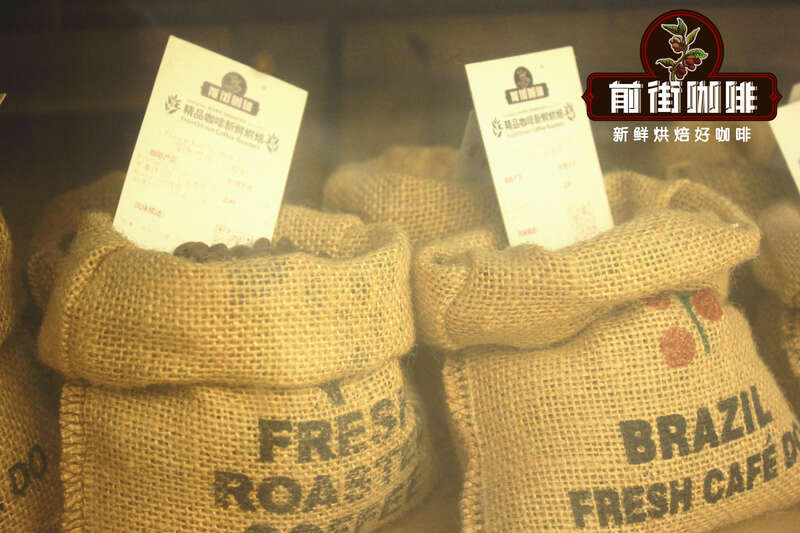
Drip bag coffee is essentially a portable version of specialty coffee. It puts ground coffee beans into powder bags, saving enthusiasts the step of grinding with their own grinder. It's both convenient and economical. FrontStreet Coffee's drip bag series offers beans from various regions and flavors, such as Yirgacheffe, Brazil, Kenya, Coffee Flower (Huakui), Mandheling, and Honduras Sherry, among others. If customers want other beans made into drip bags, FrontStreet Coffee can customize according to their needs. A few days ago, for instance, a customer tried Golden Mandheling in the store, liked the flavor, but was too lazy to grind at home, so FrontStreet Coffee made drip bags on the spot. When choosing drip bag coffee, friends can select based on their usual flavor preferences.
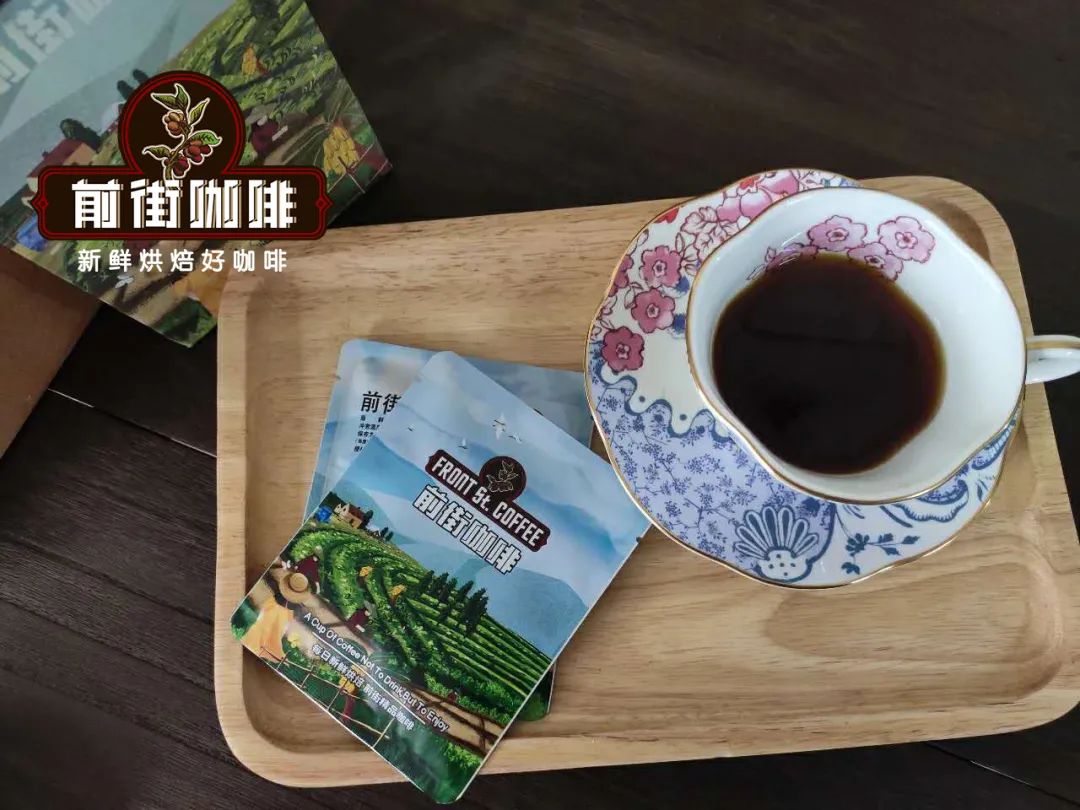
Because the beans are freshly ground and sold, the quality of drip bag coffee is assured. That also means its optimal flavor period is half as short as whole beans, because aroma dissipates once beans are ground, a common issue for all ground coffee. FrontStreet Coffee therefore recommends drinking drip bag coffee within two weeks of purchase, which is the optimal flavor period for all drip bag coffee.
Brewing Methods and Considerations for Drip Bag Coffee
As FrontStreet Coffee mentioned earlier, enthusiasts unfamiliar with drip bag coffee might think it works like a tea bag, simply dropped into a cup with hot water. That is incorrect. As anyone who has tasted coffee at FrontStreet Coffee's store knows, pour-over extraction is completed within two minutes, and drip bags certainly cannot be brewed too long, or they become over-extracted and very bitter, ruining the flavor. So what is the correct method?
Correct Brewing Method for Drip Bag Coffee
1. Warm the Cup
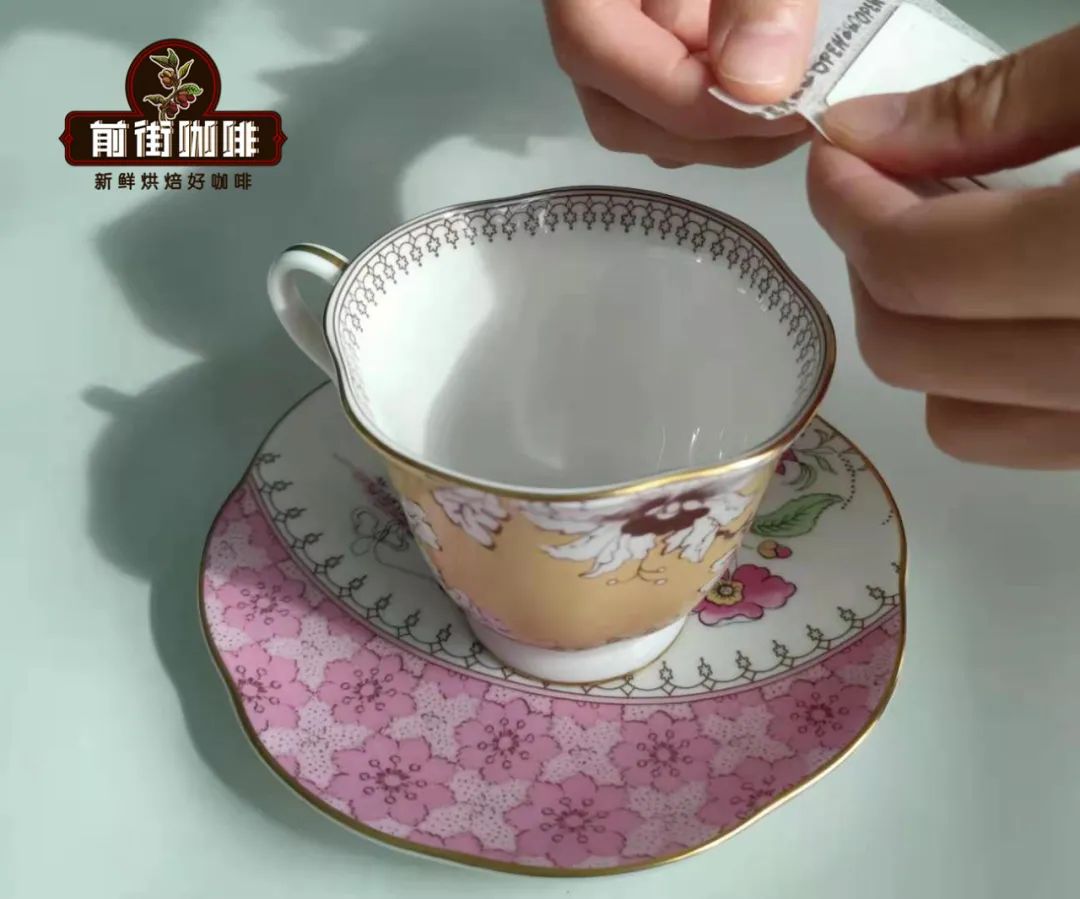
Prepare the cup for brewing and first pour in some hot water to warm it. The purpose is to keep the brewed coffee from cooling too quickly, because coffee develops different flavors as temperature drops, which is the layered flavor profile. If it cools too fast, you'll miss many of those experiences.
2. Water Temperature
Brewing temperature is very important. It's recommended to keep it between 85-90°C. If the coffee tastes too bitter, try lowering the temperature. Conversely, if it's too weak or astringent, raise the temperature, but stay within 85-90°C.
3. Hang the Ears
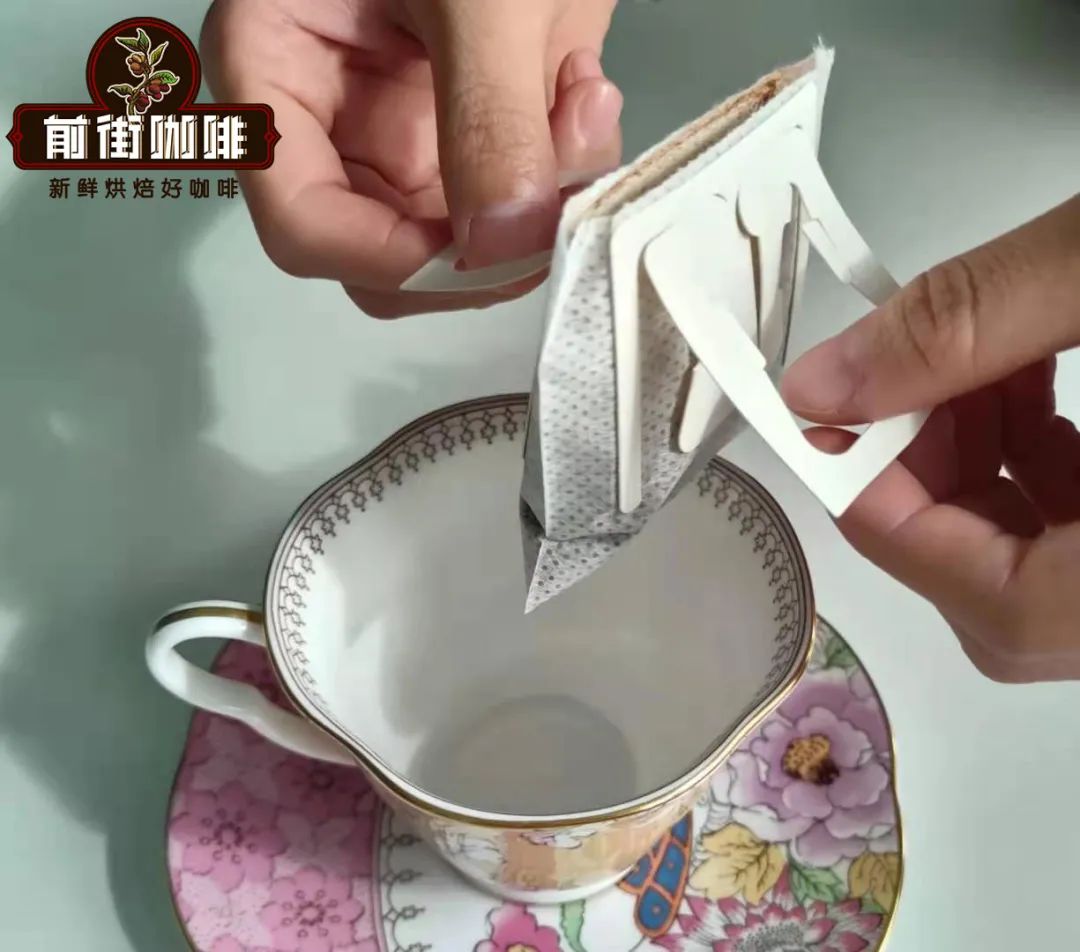
Gently shake the drip bag first to let the grounds settle, so they don't scatter when opening. Pour out the hot water from the cup, tear open the seal on the drip bag, open the paper ears on both sides, shake to level the grounds, and finally hang it on the cup rim.
4. Pre-wet the Drip Bag
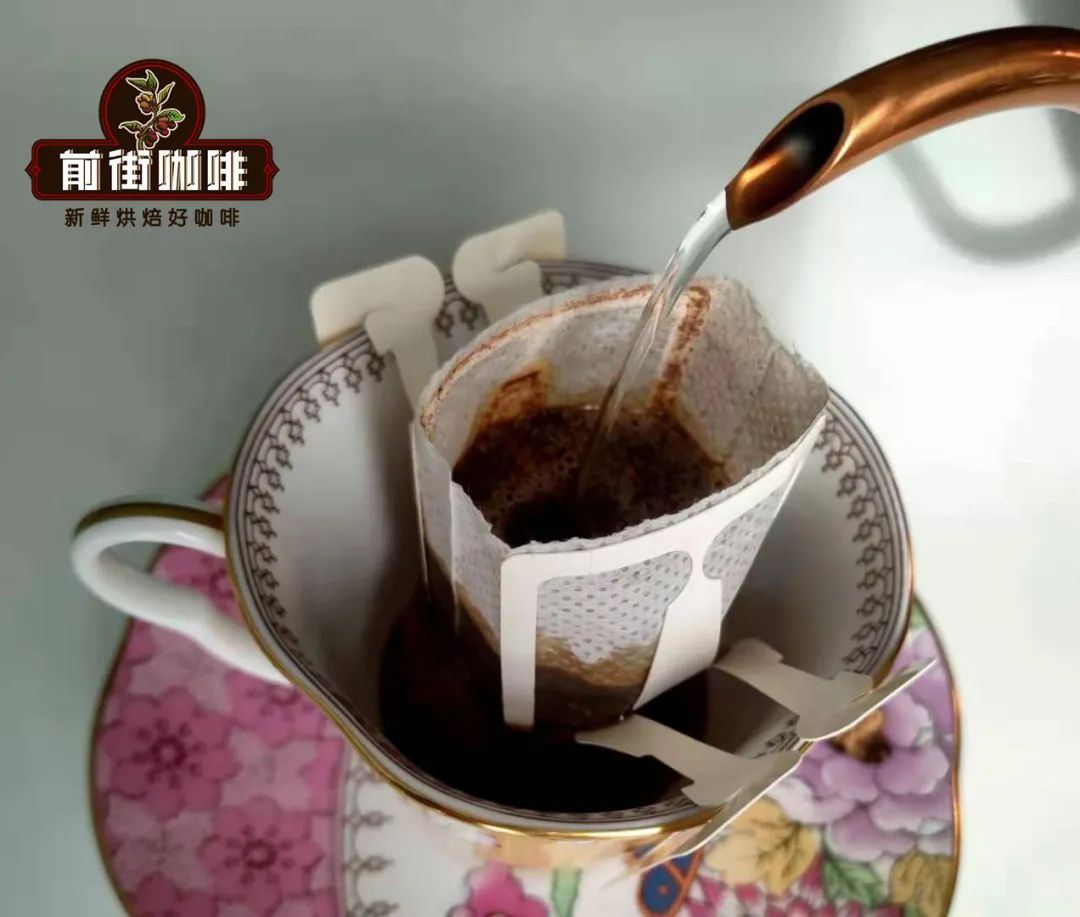
For the first water addition, pour just enough to wet the grounds; too much or too little affects the flavor. Then wait 20 seconds for the grounds to fully absorb the water. The coffee's strength can be adjusted by pre-wetting time: extending it to 40 seconds yields stronger coffee.
5. Water Pouring
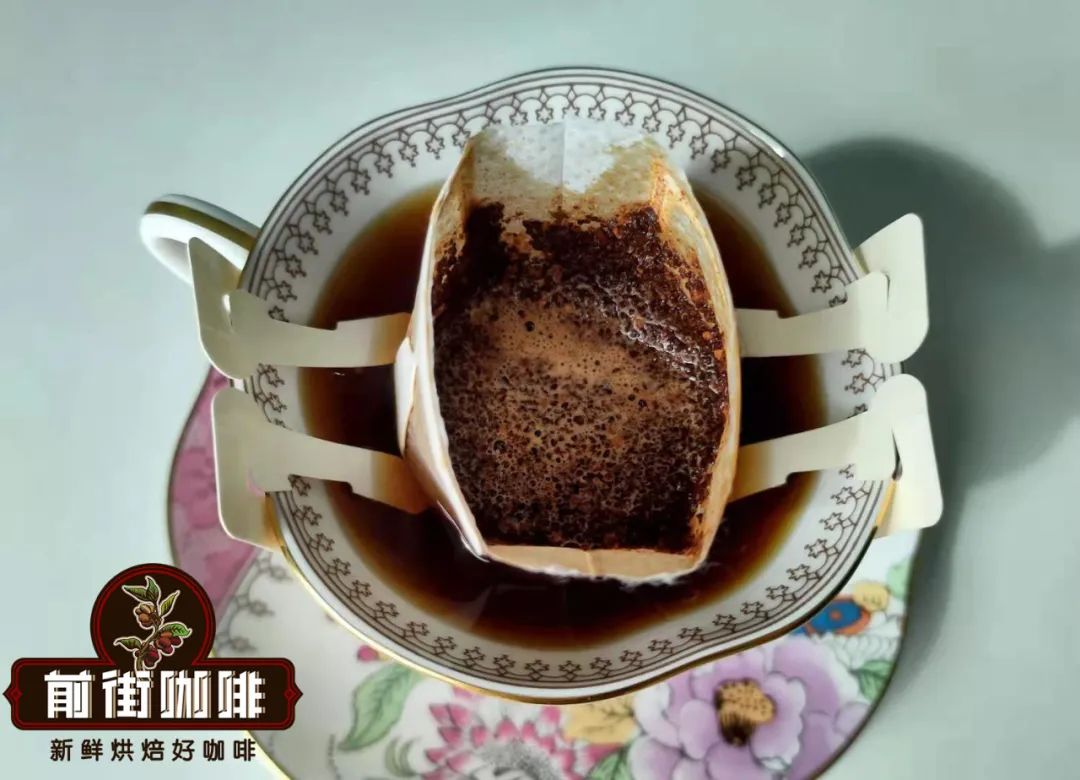
For the second water addition, pour to 80% full of the filter paper. It's best to use a thin, steady stream. When the water level drops to the pre-wetting height, continue pouring to 80% full until you extract 150-180cc. Once extraction is complete, you don't need to wait for all the water in the filter paper to drain; simply discard it.
That is the correct brewing method for drip bag coffee. Next, FrontStreet Coffee explains some precautions.
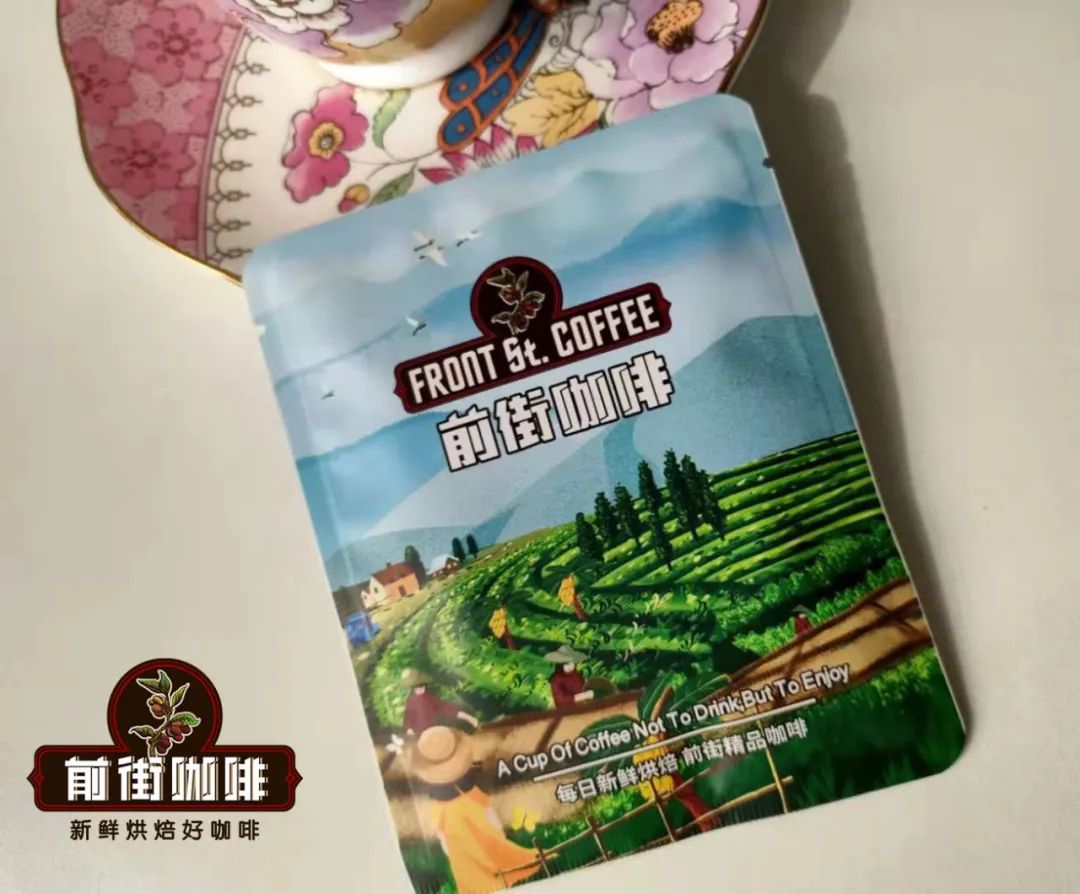
1. Do Not Re-brew
Re-brewing only yields unpleasant and unhealthy coffee.
2. Don't Let the Grounds Keep Soaking in the Cup After Brewing
Many people think the longer it soaks, the stronger the coffee becomes. That's true, but soaking also releases more caffeine and causes over-extraction, which brings out the bitterness, astringency, and unpleasant flavors from the coffee.
This is also why FrontStreet Coffee grinds beans to different coarseness: coarser grounds have less surface area and can withstand longer brewing times.
3. Don't Throw the Drip Bag Directly into the Cup
As FrontStreet Coffee noted above, using drip bags like tea bags is incorrect. Although convenient, the temperature has already dropped significantly before the hot water touches the grounds, leading to insufficient extraction and an affected flavor.
That is FrontStreet Coffee's summary of drip bag coffee usage and precautions. FrontStreet Coffee hopes this article helps enthusiasts who want to brew drip bag coffee.
FrontStreet Coffee Recommendation
Drip bags work best with beans that stay clean and aromatic when finely ground, and FrontStreet Coffee's Huakui is one of the most successful star products of recent years. Roasted from Ethiopian beans, it is prized for its extremely prominent tropical fruit aroma, with strawberry, passion fruit, jackfruit, and even lychee on the nose. The sweetness is clear, bitterness is minimal, and the cup is smooth and juicy, which many drinkers describe as "the coffee that doesn't taste like coffee." For anyone who dislikes the bitterness of traditional coffee, it can completely change their impression.
If you like bright fruit acidity, FrontStreet Coffee's Kenya Little Tomato is a Kenyan specialty washed bean built around cherry tomato and smoked plum acidity with a full, juicy body. Grown in the Thika region at 1,550-1,750 meters from the classic SL28 and SL34 varieties, it undergoes Kenya's signature 72-hour double washed fermentation and a light roast, giving an exceptionally recognizable cup of cherry tomato and smoked plum with a clean, lingering finish that suits drip bags well.
Important Notice :
FrontStreet Coffee is a long-established specialty coffee roaster in Guangzhou China, selling freshly roasted beans from its own farm in Yunnan as well as dozens of carefully selected single-origin beans from around the world for both pour-over and espresso. The products deliver consistently excellent quality and great value, with shipping within 24 hours. Guangzhou's FrontStreet Coffee shop is recommended by many coffee lovers, and the beans are now available online at the Tmall 。
FrontStreet Coffee has moved to a new address:
FrontStreet Coffee Address: 315,Donghua East Road,GuangZhou
Tel:020 38364473
 Scan and follow the En Gafei WeChat official account. Please indicate that the reprint comes from "En Gafei".