The Art of Coffee Bean Blending: Espresso Blend Recipes and Techniques
FrontStreet Coffee: The Art of Coffee Bean Blending and Espresso Blend Recipes
Single-origin coffee is brewed from beans of one specific region, while a blend combines beans from different origins to build a flavor no single coffee can offer alone.
Tasting single-origin coffee is a pleasure in its purity, one terroir, one distinct character. Blends are equally impressive, offering broader and more layered flavors. Between simplicity and complexity, both approaches hold depth enough to captivate coffee lovers from the very first cup.
Single-origin coffee demands excellent beans, judged on appearance, size, and color; only rigorously selected lots can express their true character. A great blend asks for the same care in bean selection, so that each component integrates honestly into the whole.
Key Considerations for Coffee Bean Blending
Blend ratios are often guarded as trade secrets, but before combining any beans, a few fundamentals must be settled:
Determine the Base Bean
First decide which origin will anchor the blend. With the base bean set, choose the remaining components to harmonize the overall profile.
Blend Beans with Opposing Characteristics
Every coffee has its own signature. Try pairing beans with completely opposite traits to unlock aromas neither could produce on its own.
Blend Beans with Similar Characteristics
Alternatively, harmonize beans with similar profiles, then fine-tune the components to add new aromas and textures to the cup.
Representative Coffee Bean Blending Ratios
Acidic Blend Formula:
Colombia 30%, Brazil 30%, Guatemala 20%, Mocha 20%
Bitter Blend Formula:
Colombia 30%, Brazil 30%, Kilimanjaro 20%, Robusta 20%
Rich Body Blend Formula:
Colombia 40%, Guatemala 20%, Mandheling 20%, Brazil 20%
General Blend Formula:
Colombia 40%, Brazil 30%, Mocha 20%, Robusta 10%
FrontStreet Coffee Recommendation
Espresso beans generally come in two camps: the blends most cafes reach for first, and single-origin espresso, SOE, chosen for a specific flavor preference.
A blend is the roaster's or barista's answer to balance: beans from different origins are combined so that, say, a silky coffee lacking aromatics can borrow them from a highly fragrant one, marrying the strengths of each component. The whole point of blending is to make the coffee better.
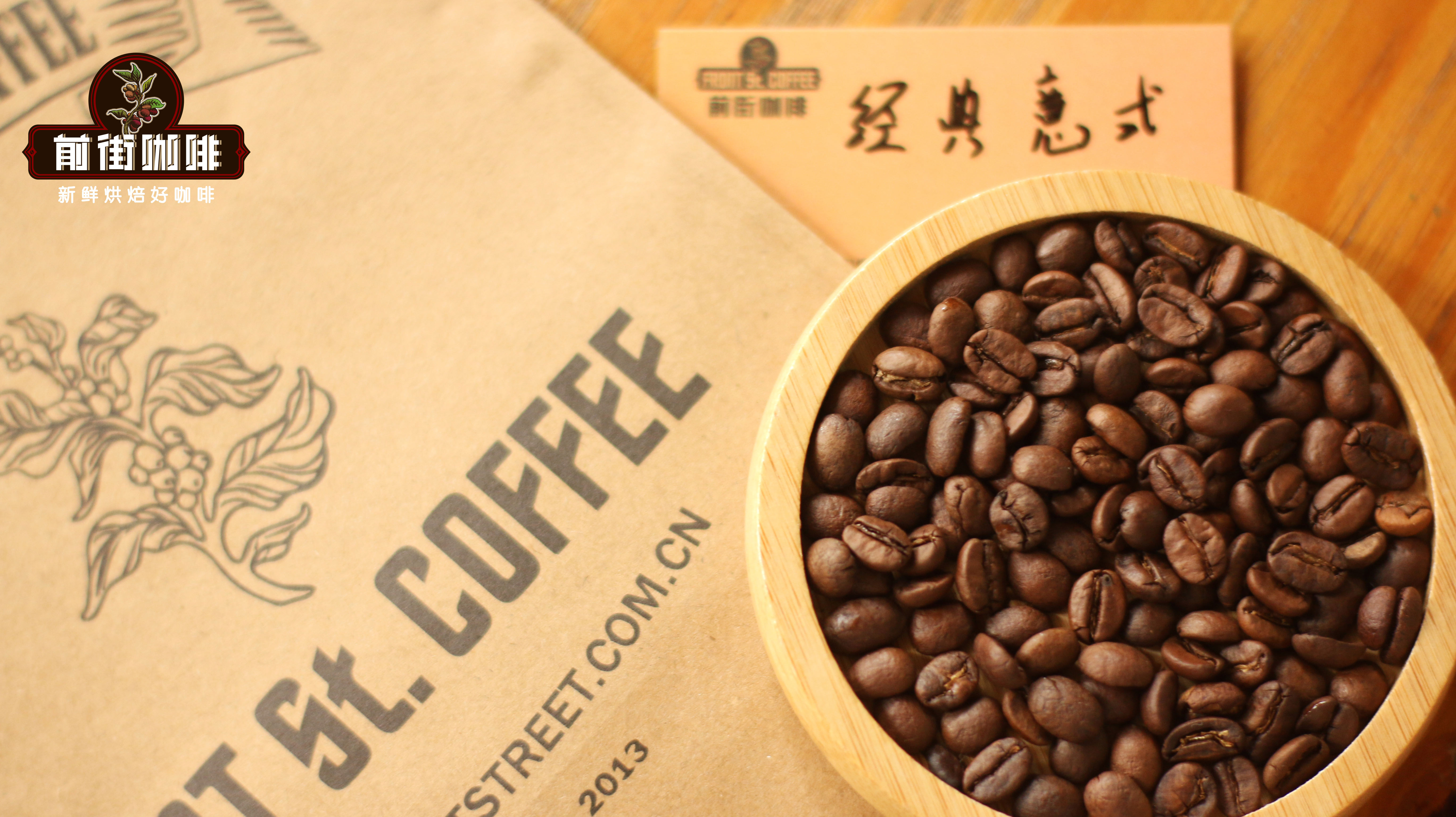
FrontStreet Classic Blend and FrontStreet Commercial Blend: for traditional-style Americanos and lattes, start with one of these. Both build on a heritage Italian formula with a small proportion of Robusta, so extraction yields aromas of butter, nuts, spices, dark chocolate, and toast, a wild, substantial body topped with a thick, golden crema that makes latte art effortless.
FrontStreet Classic Blend (the first pick): designed specifically for espresso and moka pot brewing, its greatest strength is exceptional crema, even a beginner on an entry-level home machine can extract a dense, velvety puck of foam. Lattes, cappuccinos, and Dirty drinks all live or die by good crema, and this blend delivers. It uses the traditional Mandheling-Brazil (Mamba) formula for a mellow, rounded body that both veterans and newcomers take to easily, a safe choice for home or business.
FrontStreet Black Cocoa Blend and FrontStreet Specialty Blend: for those drawn to espresso with almond, walnut, and other nut aromas, these are the first picks. Both carry a large share of Brazilian coffee, giving a comfortable sweet-bitter balance and a creamy peanut fragrance with an exceptionally smooth entry. The Specialty Blend adds Colombian notes of nuts, chocolate, and caramel with pleasant acidity; the Black Cocoa Value Blend combines 100% arabica with the ripe-plum acidity of Yunnan coffee, releasing a creamy chocolate aroma when ground. Balanced and versatile, they shine in lattes and Americanos as well as signature coffee drinks, an ideal partner for a new cafe. FrontStreet Coffee's Commercial Blend, long the workhorse before Black Cocoa arrived, trades some crema for cost control while keeping the taste solid, and remains a popular choice for commercial settings.
FrontStreet Signature Blend (the shop classic): the longest-serving espresso blend at FrontStreet's own stores, nearly ten years of duty on Americanos and lattes. It pairs Brazil Cerrado with Colombia Huila for that classic, familiar espresso flavor, equally at home at home or behind the bar.
SOE recommendations: compared with blends, SOE is all about showcasing a single origin's character. Traceability is the defining trait of single-origin coffee, back to a specific estate, even a single farmer, which in turn encourages better growing practices at origin. FrontStreet Natural Huakui SOE, from Ethiopia's Guji Hambela at elevations up to 2300 meters, is famous for its cream-strawberry flavor: long cherry development and natural processing build complex aromatics and extra sweetness, and a medium roast preserves the florals while adding just enough caramelization, expect cream, cocoa, berries, delicate florals, and black tea in an Americano or latte. FrontStreet Costa Rica Blackberry SOE, a honey process from Costa Rica, suits those who prefer sweetness over acidity, expect a bright, sweet-tart Americano, and cranberry cookie, raisin, and nut notes with milk. And FrontStreet Brazil Queen Estate SOE, a distinctive Yellow Bourbon, offers the low acidity, gentle body, and friendly price that make Brazilian coffees an espresso staple, roasted medium-dark, it expresses butter cookie, macadamia, and toasted bread aromas.
Important Notice :
FrontStreet Coffee is a long-established specialty coffee roaster in Guangzhou China, selling freshly roasted beans from its own farm in Yunnan as well as dozens of carefully selected single-origin beans from around the world for both pour-over and espresso. The products deliver consistently excellent quality and great value, with shipping within 24 hours. Guangzhou's FrontStreet Coffee shop is recommended by many coffee lovers, and the beans are now available online at the Tmall 。
FrontStreet Coffee has moved to a new address:
FrontStreet Coffee Address: 315,Donghua East Road,GuangZhou
Tel:020 38364473
 Scan and follow the En Gafei WeChat official account. Please indicate that the reprint comes from "En Gafei".