Introduction to Yunnan Coffee from the 2018 Harvest Season - Flavor Changes in the New Coffee Crop
First Encounter with Yunnan Coffee
It was not until my first visit to Yunnan in 2000 that I discovered the province grows coffee. I stopped at several cafes in Lijiang Old Town to taste this fresh local coffee, and unfortunately every cup was weak, worse even than instant coffee. After asking the young staff, I learned they were all using mesh filters, which naturally produced a thin brew.
Yunnan Small Bean Coffee
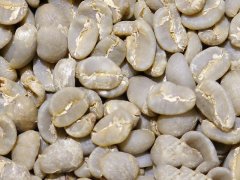
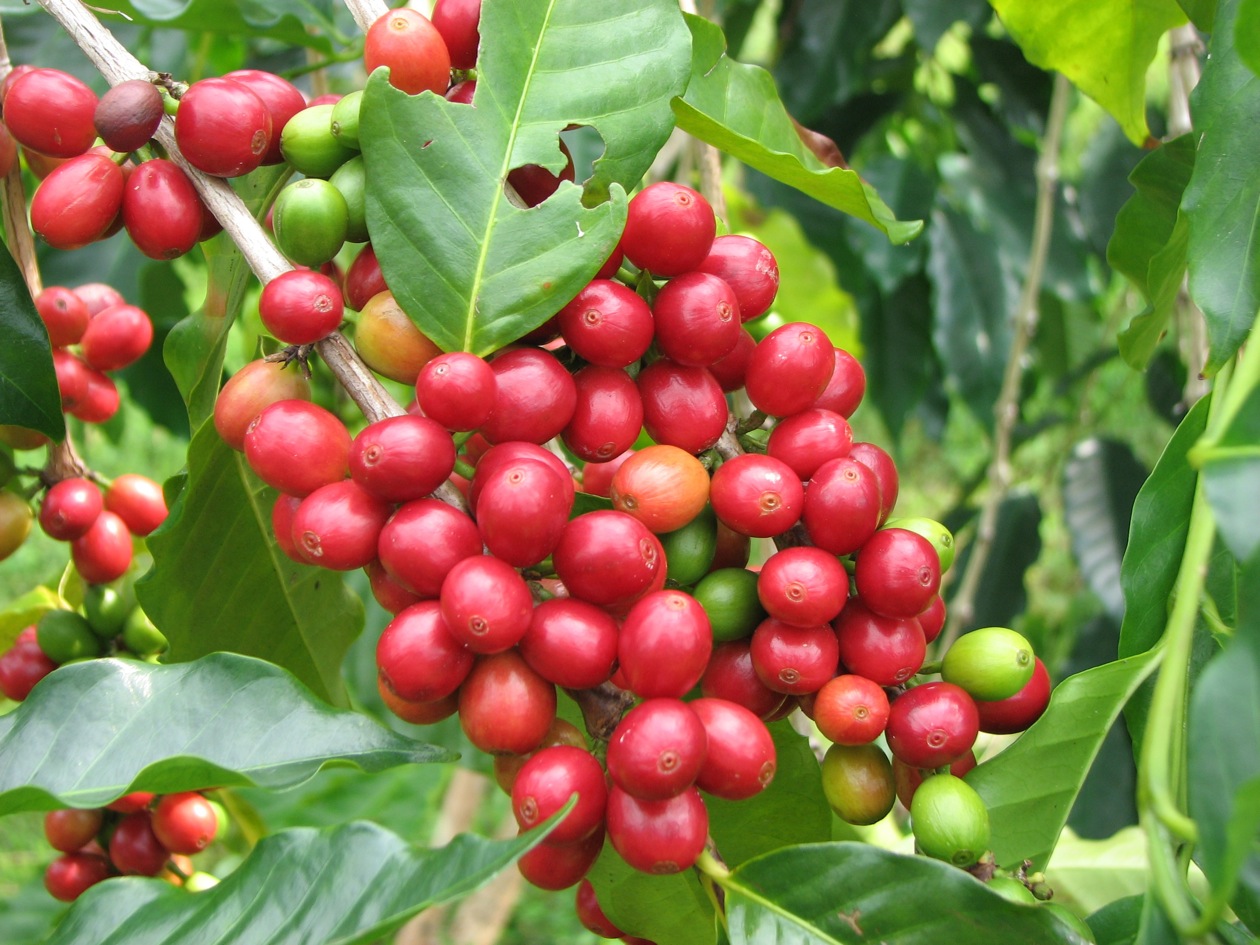
Yunnan small bean coffee is one of only two coffees grown domestically in China; the other comes from Hainan, and it too is produced in limited quantities. Yunnan coffee grows in highland mountain areas at altitudes of 1,000 to 1,400 meters, with long growing seasons, slightly poor soil, clean air and abundant sunshine. That environment produces full-bodied beans with distinctive flavours, and the crop is genuinely a green product. What sets Yunnan small bean coffee apart is that its beans are slightly smaller than typical Arabica beans, which is where the name comes from. Some estates have since improved their varieties and now produce normal-sized beans with better aroma and mouthfeel, yet they continue to use the "Yunnan small bean coffee" designation. As far as I know, 70% of Nestlé's instant coffee is made up of Yunnan small bean coffee beans, chosen for their affordability, rich aroma, light bitterness and slight acidity.
Quality Problems on the Market
Commercially sold Yunnan small bean coffee has plenty of problems. Beans on supermarket shelves in Lijiang and Kunming, for example, are not packed in vacuum bags fitted with one-way valves. Instead they sit in ordinary vacuum plastic bags, or even in cloth or paper bags, which is frankly ridiculous. Coffee stored that way loses its flavour quickly, absorbs off-flavours and develops insects or mould. It is a wasteful use of natural resources and dishonest to consumers. Companies have an obligation to educate coffee lovers and guide their buying habits. Coffee beans and ground coffee are truly fresh foods, and keeping them is no easier than keeping live fish or fresh meat, because poor storage leads to impure aroma, diluted concentration, astringency and sourness. Coffee like that will only be rejected by consumers, and over time it damages the impression people have of Yunnan small bean coffee and hurts its reputation.
How FrontStreet Coffee Approaches It
FrontStreet Coffee's Yunnan small bean coffee is roasted in small batches as needed, by designated roasters in Kunming who build the profile around Lijiang's particular environmental conditions. Lijiang places three special demands on coffee. First, the high altitude lowers the boiling point of water, so water boiled in an ordinary electric kettle or on a gas stove reaches only 83°C. Second, the local water is weakly alkaline; locals say it "holds oil" and easily causes internal heat. Used for brewing, this water neutralises the acidic compounds in coffee. Third, the local water is high in minerals and readily forms scale.
Making a good cup of coffee in Lijiang is therefore quite a challenge. After two years of experimentation, we settled on different roasting techniques for our Yunnan small bean coffee: a slightly darker roast with a re-roasting step that lets the coffee release rich aromas at lower water temperatures while keeping its layered acidity. For brewing we do not use coffee machines. Everything is manual: hand grinding, moka pot and siphon brewer, and softened water. Coffee brewed this way is a genuine pleasure to drink.
Tasting Experience
When you taste Yunnan small bean coffee, the first impression is a light, sweet bitterness, while the nose picks up a coffee aroma reminiscent of flowers. There is a hint of light acidity on the sides of the tongue. As you continue, the acidity spreads toward the cheeks, but it stays very light and subtle. If you enjoy stronger coffee, you will feel a powerful pulsing in your temples and heart that brings a real lift.
Brewing Advice
Yunnan small bean coffee is best drunk without sugar, since it is not inherently bitter and sugar would mask the coffee's natural aroma and acidity, which are exactly what make this bean distinctive. A little creamer, however, adds a smooth and fragrant touch.
FrontStreet Coffee Recommendation
FrontStreet Coffee Yunnan small bean coffee comes from the Baoshan region and is washed and medium roasted. In the cup it shows gentle nutty and chocolate sweetness with a light plum acidity, which makes it a friendly, affordable first encounter with what Yunnan can produce.
For a step up, FrontStreet Coffee 2013 Sun-Dried Typica is grown on the company's own Yunnan estate from the old Typica variety and processed as a natural. Medium roasted, it is balanced with a brighter sweet-and-sour core, carrying dark berry notes, caramel sweetness, chocolate and a touch of dried apricot, and finishing on black tea.
If you would rather taste Yunnan in an espresso, FrontStreet Coffee Black Cocoa Blend pairs Yunnan small bean with Brazil Cerrado: the Brazil brings mixed-nut aroma and balance, the Yunnan carries chocolate and citrus, and the result is an Americano with even sweet, sour and bitter notes together with brown-sugar sweetness, and a latte with the smooth, creamy feel of almond.
Important Notice :
FrontStreet Coffee is a long-established specialty coffee roaster in Guangzhou China, selling freshly roasted beans from its own farm in Yunnan as well as dozens of carefully selected single-origin beans from around the world for both pour-over and espresso. The products deliver consistently excellent quality and great value, with shipping within 24 hours. Guangzhou's FrontStreet Coffee shop is recommended by many coffee lovers, and the beans are now available online at the Tmall 。
FrontStreet Coffee has moved to a new address:
FrontStreet Coffee Address: 315,Donghua East Road,GuangZhou
Tel:020 38364473
 Scan and follow the En Gafei WeChat official account. Please indicate that the reprint comes from "En Gafei".