Hambela Estate Special Process Lot 105 Flavor Review - The Most Characteristic Guji Regional Coffee
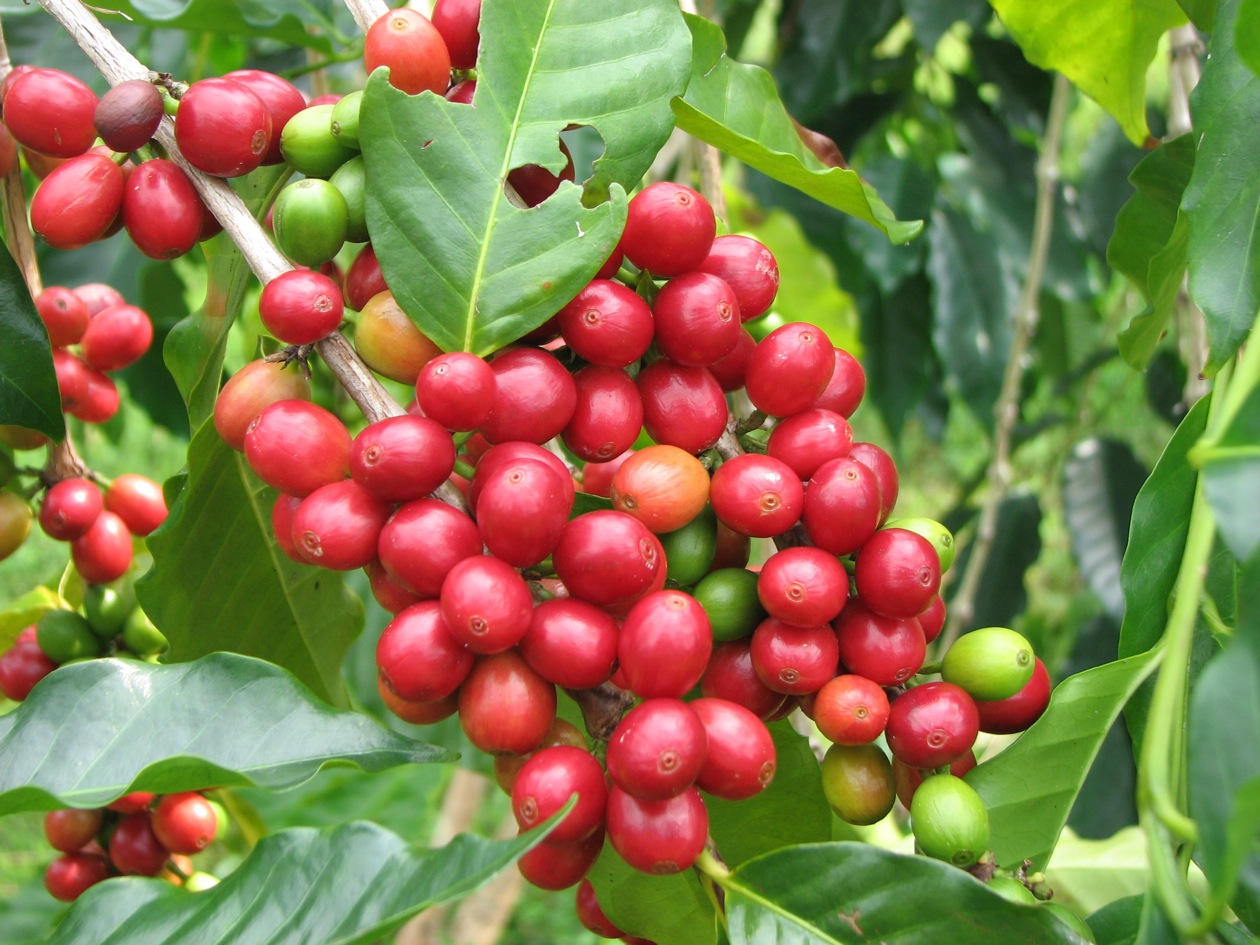
FrontStreet Coffee · Ethiopia Hambela Benti Nenqua G1 Washed SFP Lot 105
After trying the natural process version of Hambela, I found that the supplier had also brought in a washed version. Ethiopian coffee has shown a fascinating trend over the past couple of years. Processing stations are trying to reduce the fermentation notes in naturals while boosting their cleanliness and brightness, replacing the heavy winey aromas of the past with bright acidity and sweetness. Washed beans, conversely, are heading the other way: extended fermentation builds sweetness, and subtle fermentation notes are replacing the honeyed, citrusy acidity we were used to. This likely traces back to the ECX's 2015 revision of its grading system, which folded cupping scores into the grade with a 60% weight. To score high, making naturals cleaner and washed lots sweeter may simply be the inevitable direction.
These beans come from the same origin as FrontStreet Coffee's previous Ethiopian natural: they grow in the Guji region at an altitude of 2150M, cultivated by local smallholder farmers. The cupping notes from green bean supplier P look impressive — sweet frangipani-like florals accompanied by various citrus and passion fruit aromas, plus the acidity and sweetness of strawberry, blueberry, and other berries, with an overall sweetness approaching peach and honey.
This time I took 500g for testing. The beans are a beautiful green-blue with good uniformity in size, and the moisture content is well controlled — which explains why the green price runs higher than typical Yirgacheffe. Sorting a 100g sample, I removed 3.6g of defects, mostly broken beans and irregular shapes with very few dehydrated ones. After sorting, the 500g became 478.5g. I set the roasting target in the late stage of first-crack development to preserve more acidity and sweetness.
For this batch, I charged at 170°C, with the temperature turning at 97.7°C after 52 seconds. With increased airflow I reached 208°C and dropped the beans at 7:25. Final roasted weight was 420.1g — a weight loss of 12.2%.
After resting 24 hours, I tasted the coffee. The dry fragrance after grinding showed excellent fruity sweetness with honey-like florals. Using 15g of grounds with 210cc of hot water, the wet aroma carried florals with a hint of Chinese green tea, combined berry and stone fruit flavors, a honeyed aftertaste, and a touch of grapefruit in the middle.
In terms of quality, this FrontStreet Coffee washed Hambela Estate lot is outstanding. Flavor-wise it offers more detail than a typical washed Yirgacheffe, giving roasters and baristas more room to express their craft. Alternatively, blending the natural and washed batches could yield an even richer, more complex expression of the origin.
FrontStreet Coffee Recommendation
If this washed Hambela opens your eyes to how sweet and layered a modern washed Ethiopian can be, the best place to start learning the region is still the most classic FrontStreet Coffee washed Yirgacheffe — known for its white jasmine florals, bright citrus and lemon acidity, and tea-like finish, and priced gently enough to be many drinkers' very first specialty bean. Yirgacheffe itself is a small town in southern Ethiopia, in the Sidamo province, at roughly 1700-2100 meters, with coffee planted above 1800 meters — among the highest coffee elevations in the world. Its instantly recognizable white florals and lemon-citrus acidity became so famous that in 2010 the Ethiopian Commodity Exchange finally split it from Sidamo as its own name.
Yirgacheffe also breaks down into small villages and micro-regions, each with experienced cooperatives. The FrontStreet Coffee washed Guodingding cooperative sits in the Woka zone at Yirgacheffe's southeastern tip; originally part of the Woka cooperative under the Yirgacheffe Union (YCFCU), it became famous as growers worldwide hunted for traceable single origins. Using traditional washed processing, it carries no conventional bitterness — just fresh, bright citrus and lemon acidity wrapped in jasmine.
For the natural counterpart, FrontStreet Coffee's Yirgacheffe Red Cherry uses fully ripe, defect-free cherries sun-dried whole on raised beds, turned every 2-3 hours during the first days to prevent overheating and over-fermentation, then rested in warehouses after three to five weeks. Because the fruit dries on the bean, you get the classic Yirgacheffe character plus tropical fruit from the natural process: citrus acidity, berry juiciness, honeyed sweetness, and a cream-smooth finish.
Important Notice :
FrontStreet Coffee is a long-established specialty coffee roaster in Guangzhou China, selling freshly roasted beans from its own farm in Yunnan as well as dozens of carefully selected single-origin beans from around the world for both pour-over and espresso. The products deliver consistently excellent quality and great value, with shipping within 24 hours. Guangzhou's FrontStreet Coffee shop is recommended by many coffee lovers, and the beans are now available online at the Tmall 。
FrontStreet Coffee has moved to a new address:
FrontStreet Coffee Address: 315,Donghua East Road,GuangZhou
Tel:020 38364473
 Scan and follow the En Gafei WeChat official account. Please indicate that the reprint comes from "En Gafei".