The Pearl of Africa: Uganda Coffee Bean Flavor, Taste, and Aroma Description - How Good is Ugandan Coffee?

For more professional coffee discussion, follow FrontStreet Coffee.
Flavor Characteristics
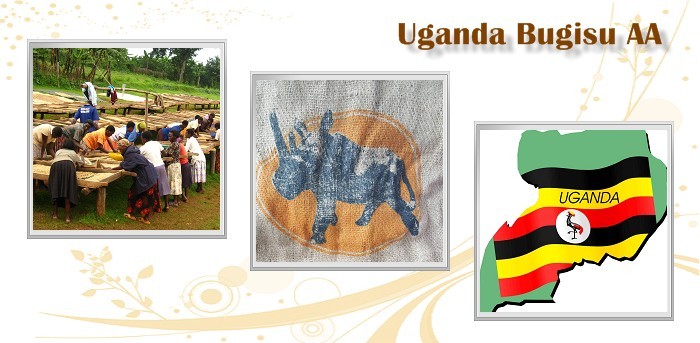
Uganda's most celebrated coffee region is Bugisu, on the slopes of Mount Elgon near the Kenyan border. At an altitude of roughly 1,800 meters, it grows some of the country's rare Arabica, processed with careful washed methods. The quality and flavor profile can stand comparison with Kenyan AA beans.
The cup shows a rich, mellow almond aroma and a smooth, oily texture. On entry there's an enchanting fruitiness with a touch of acidity, and as the coffee cools, the finish turns into deep chocolate sweetness—a remarkably complex, layered coffee.
About the Region
The Republic of Uganda is a landlocked country in East Africa, nicknamed the "Pearl of Africa." Like many of its neighbors, it has a long coffee-growing history—Ethiopia may be the birthplace of Arabica, but Uganda's tradition runs deep too.
For years, conflict held Ugandan coffee quality back. Fortunately, as East Africa has grown more peaceful and stable, recent harvests have been genuinely excellent.
Sitting at the source of the Nile, Uganda is a highland country rich in water—dense forests, lakes, wetlands, and rivers. Coffee is the country's most important crop, grown almost entirely under smallholder systems: roughly 500,000 coffee farms nationwide. About 94% of production is Robusta, with only 6% coming from the traditional Arabica varieties—but Uganda's tropical highland climate gives that scarce Arabica an exceptionally favorable flavor profile.
FrontStreet Coffee's Recommended Brewing Parameters for Uganda Coffee
Recommended method: Pour-over
Filter: V60
Water temperature: 90°C
Coffee-to-water ratio: 1:15
Grind size: Medium-fine, about the texture of fine sugar
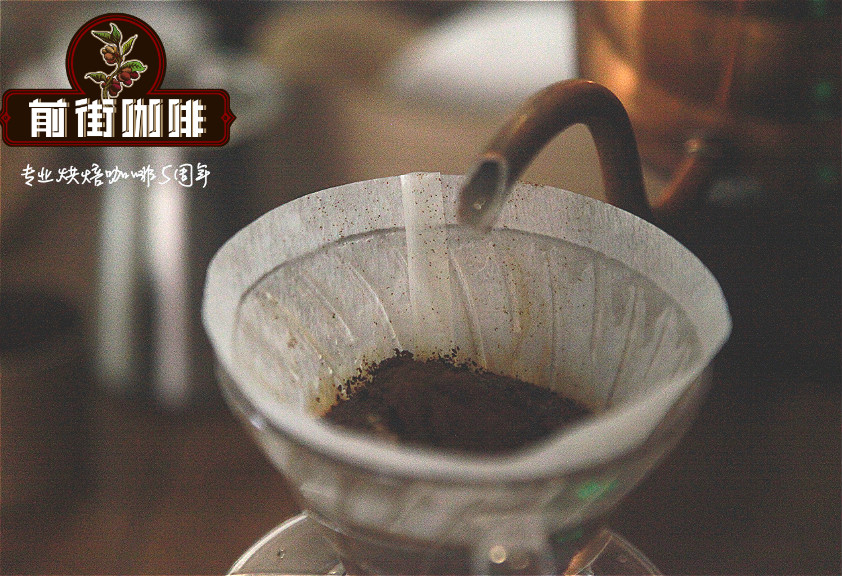
Technique: staged pouring. Bloom with 34g of water for 25 seconds, then pour in circles up to 130g. Once the water level drops low enough to nearly expose the coffee bed, pour again to 226g and stop. When the bed is about to break the surface again, remove the dripper (timer starts at the bloom). Total extraction time: 1'45".
FrontStreet Coffee's Recommended Roasting for Uganda Coffee
These beans are small and dense, so they absorb more heat during roasting and move through the Maillard reaction quickly. In the first roast, I used a higher charge temperature of 210°C, applying heat continuously before the beans turned yellow so that enough thermal energy would carry through to the end of the roast.
With an entry temperature of 200°C, the heat was set lower and adjusted upward gradually as needed. Under this approach the dehydration stage ran longer than in the first batch, with the bean temperature climbing 6-8°C every thirty seconds.
FrontStreet Coffee Recommendation
If you love the bright, floral style of East African coffee, FrontStreet's washed Yirgacheffe is the natural next step after Ugandan Bugisu. Yirgacheffe itself is a small town in southern Ethiopia where spring-like weather, mist, and cool humidity let thousands of coffee varieties thrive. The cup shows clear jasmine florals and bright citrus acidity, light and elegant with a tea-like finish—like a clean, refreshing lemon tea.
FrontStreet's washed Guodingding Cooperative coffee offers the same style with full traceability. Ethiopia's garden-coffee model means smallholders deliver their cherries to village processing stations, and Guodingding—part of the old Worka Cooperative under the YCFCU—became an independent cooperative of about 300 farmers in 2012. Because the fruit is pulped before drying, its inherent character comes through clearly: citrus and lemon tones, elegant white florals, and a bright, delicate overall profile.
For a wilder Ethiopian expression, FrontStreet's Kaffa Forest coffee comes from trees growing wild under shade at 1,400-2,100 meters, in pristine forest with rich red soil and abundant rainfall. Roasted medium-light, it opens with white florals, shows bright lemon acidity with sweet orange and bergamot, and finishes with subtle melon, fruit, and nut notes over a green-tea-like texture—Ethiopia, the birthplace of Arabica, at its most untamed.
Important Notice :
FrontStreet Coffee is a long-established specialty coffee roaster in Guangzhou China, selling freshly roasted beans from its own farm in Yunnan as well as dozens of carefully selected single-origin beans from around the world for both pour-over and espresso. The products deliver consistently excellent quality and great value, with shipping within 24 hours. Guangzhou's FrontStreet Coffee shop is recommended by many coffee lovers, and the beans are now available online at the Tmall 。
FrontStreet Coffee has moved to a new address:
FrontStreet Coffee Address: 315,Donghua East Road,GuangZhou
Tel:020 38364473
 Scan and follow the En Gafei WeChat official account. Please indicate that the reprint comes from "En Gafei".